
A Slower Morning Starts With a Simple Sauna Ritual
PAGE
By PAGE Editor
The most appealing part of a morning sauna is rarely the temperature. It is the permission to begin the day without scrolling, rushing or making decisions. For people whose mornings are normally a jumble of notifications and unfinished conversations, a short period of deliberate quiet can change the tone of the hours that follow. A sauna is one way to create that pause, provided it fits the person's health, schedule and access. Turning it into a ritual does not require a luxurious cabin or an elaborate set of products. It requires a repeatable sequence that is pleasant enough to keep and flexible enough to change when life gets busy.
Start with the reason, not the routine
Before setting an alarm earlier, ask what a sauna morning is supposed to offer. Some people want a calm transition into work; others enjoy a moment of solitude after exercise. The goal might simply be fifteen minutes away from a screen. A clear intention protects the experience from turning into another performance task. There is no award for arriving before sunrise or completing a complicated routine every day. If a weekend visit suits your circumstances better, that is a valid starting point. The most sustainable self-care practices leave room for ordinary obligations, imperfect schedules and days when rest is more useful than extra heat. Think of sauna as one possible element of a morning, not the definition of a productive person.
Prepare the evening before
A little preparation makes a quiet morning possible. Set out a clean towel, comfortable clothes for afterward, water and any toiletries required by the facility. Check opening hours and rules in advance, especially if you use a shared gym or spa. A traditional sauna hat is an optional addition for people who dislike the direct heat around their scalp; the sauna hats available here illustrate the natural-wool styles associated with Nordic and banya rituals. Nothing about the accessory is compulsory. The real benefit of preparing a small kit is reducing the number of decisions between waking and settling down. Keep it close to the door so that you are not searching for socks and keys while telling yourself this is meant to be peaceful.
Let the first few minutes belong to you
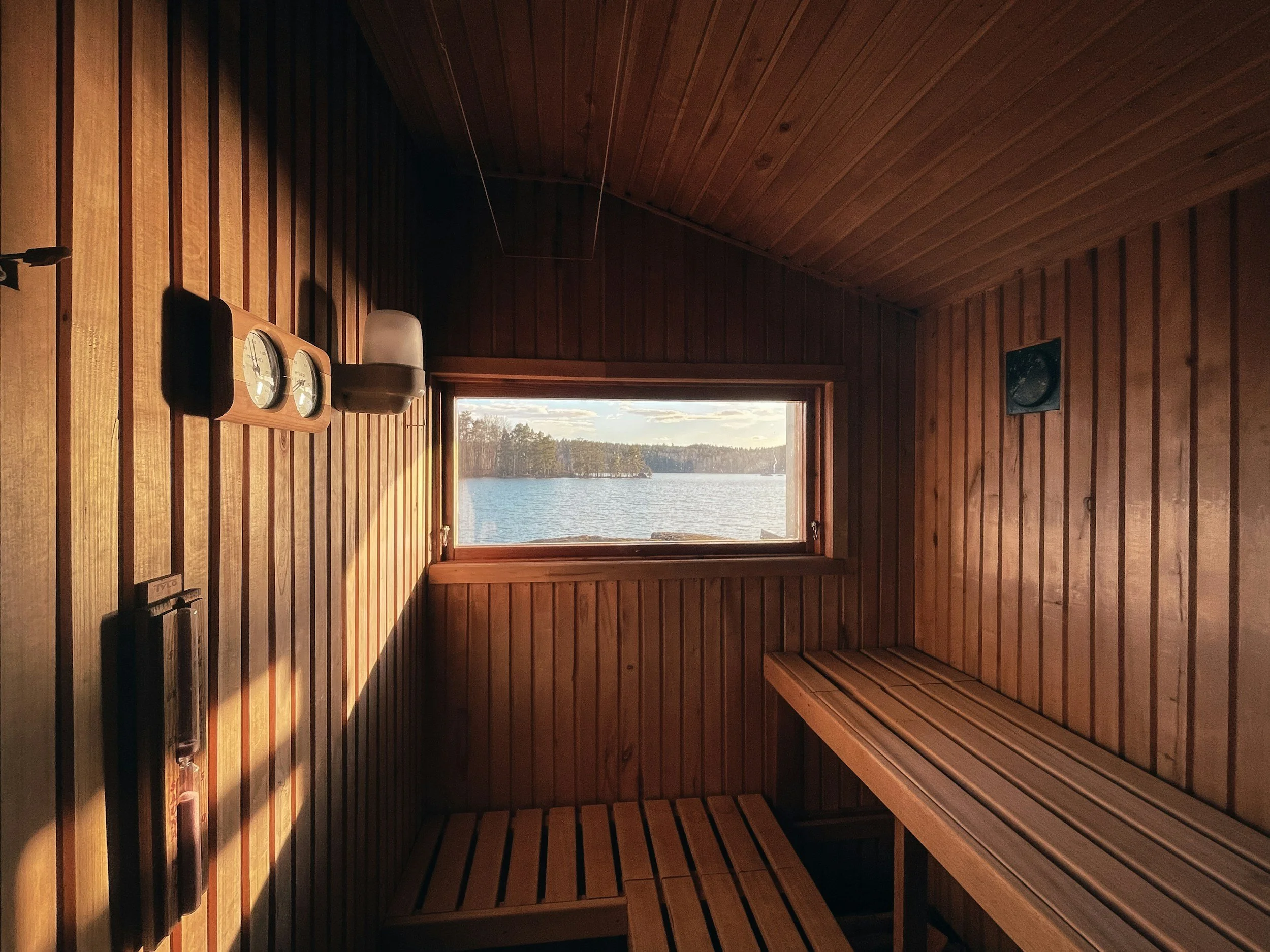
Many people arrive at a wellness space with the same restless momentum they had in traffic. Give yourself time to change without rushing, shower where required and choose a seat that feels manageable. A lower bench often provides a gentler experience in a traditional hot room. Rather than taking out your phone for one last glance, notice the warmth of the timber, the sound of the heater and the small change in your breathing. There is no need to force deep breathing or meditate in a formal way. Simply observing your surroundings for a minute or two can establish a different rhythm. If your mind jumps to your inbox, that is normal. The practice is noticing and returning to the moment, not eliminating every thought.
Why a short stay can be enough
It is tempting to assume that a useful sauna session has to last as long as someone else's. It does not. General health guidance often suggests that beginners start with only a few minutes and that many users limit sessions to roughly fifteen or twenty minutes at a time. The precise duration should reflect the temperature, how the person feels and any health advice they have received. A quiet ten-minute experience can serve a morning intention better than pushing through discomfort for another five. Heat exposure still creates fluid loss and cardiovascular demand. Drink water, avoid alcohol and leave if you become dizzy, faint or unusually uncomfortable. Mental calm is not improved by ignoring physical signals.
Build a gentle transition afterward
A common mistake is treating the sauna door like a starting pistol. People step out, grab their phone and accelerate straight back into the day's noise. Instead, allow a cooling period, take a shower when appropriate and sit for a few moments before getting dressed. A glass of water and a simple breakfast may be all the structure needed. If your schedule allows, walk outside for five minutes and notice the air temperature on your skin. The transition helps distinguish the experience from an isolated heat challenge. It also gives the body a chance to return gradually toward its normal state. Very cold plunges are not required, and abrupt extremes are not suitable for everyone.
Create sensory continuity without buying a hundred things
Rituals become meaningful through repetition, not expense. The familiar texture of a towel, the same bench at a local spa or a favorite playlist for the journey home can create a sense of continuity. A notebook is useful if you enjoy capturing one thought before work, but even that is optional. Avoid bringing fragrances or essential oils into shared saunas unless the facility explicitly permits them; strong scents can irritate other visitors. Likewise, respect requests about footwear, silence and towel use. A coherent ritual is one that accounts for other people. The aim is not to turn the sauna into your private photo set but to enter a shared space with care.
Morning versus evening is a matter of fit
There is no universal evidence-based hour at which everybody should take a sauna. Morning sessions can feel invigorating to some people, while evening visits may help others unwind. Consider whether you tend to feel energized or sleepy afterward and whether your schedule allows time to cool, hydrate and move on safely. People who wake already dehydrated, have low blood pressure or take medication affecting blood pressure should be particularly thoughtful and seek individual advice when relevant. A person with early meetings may prefer weekends; a parent with young children may find an evening visit more realistic. Self-care works better when it belongs to actual life rather than the imagined routine of someone living in a wellness advertisement.
Keep the practice from becoming a checklist
The moment a calming habit becomes a source of guilt, it deserves reconsideration. You might miss a session because you slept poorly, caught a cold or simply wanted to stay in bed. That is not a failure. Do not use a sauna when you are unwell or feverish. Avoid judging the quality of a day by whether you completed a wellness routine. One useful approach is to describe the ritual in terms of choices: I can go when I feel well, I can leave whenever I need, and I can substitute a quiet walk when sauna is not practical. This flexibility makes it easier to enjoy the experience for years rather than abandoning it after a burst of enthusiasm.
A realistic sample morning
Imagine waking, drinking some water and taking a leisurely trip to a nearby spa. You put your belongings away, shower and enter a moderately warm sauna for a brief stay. Instead of tracking every minute obsessively, you keep a sensible limit in mind and observe how you feel. Afterward you cool down, shower and take a short walk to a café or home. You have not cured stress, changed your metabolism or become a different person. You have simply given yourself an uninterrupted pocket of attention. That can be valuable precisely because its claims are modest. On a busier day, the same intention can fit into ten minutes of quiet with tea.
Make space for the ordinary
A well-designed morning does not always look cinematic. Sometimes it means remembering a towel and drinking enough water. Sometimes it means deciding not to enter the sauna because your body needs recovery. Let the practice remain a choice instead of a requirement. If a sauna helps you begin the day with a little more intention, its value is already visible in the routine you can sustain. The best rituals are not measured by how impressive they appear from outside. They are measured by whether you want to return to them without pressure.
HOW DO YOU FEEL ABOUT FASHION?
COMMENT OR TAKE OUR PAGE READER SURVEY
Featured





Running a small business requires more than being good at the service you provide.