
Bike Racks for Cars: How to Choose Between Roof, Towbar and Rear-Mounted Carriers
PAGE
By PAGE Editor
Cycling trips are easier to plan when you have a reliable way to transport your bike. Whether you are heading to a mountain-bike trail, exploring coastal routes or travelling with family, a suitable car bike rack can help you carry bicycles without filling the vehicle's interior.
However, choosing between roof-mounted, towbar-mounted and rear-mounted bike racks requires more than comparing prices. Vehicle compatibility, bicycle weight, loading convenience and safety requirements all influence which carrier is right for your needs.
What Should You Consider Before Buying a Car Bike Rack?
Before choosing a bike rack for your car, consider how many bicycles you need to carry, how often you travel and whether your vehicle already has a compatible roof rack or towbar.
A suitable carrier should match your vehicle's approved mounting points and the dimensions and weight of your bicycles. Checking these details before purchasing can help prevent compatibility problems and unnecessary expenses.
Roof-Mounted vs Towbar-Mounted vs Rear-Mounted Bike Racks
1. Roof-Mounted Bike Racks
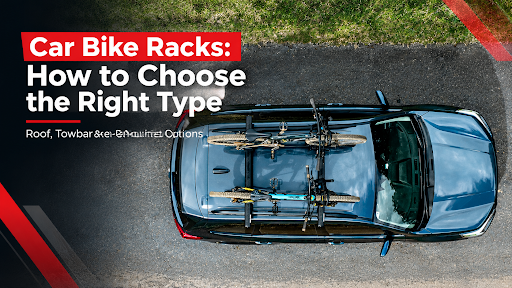
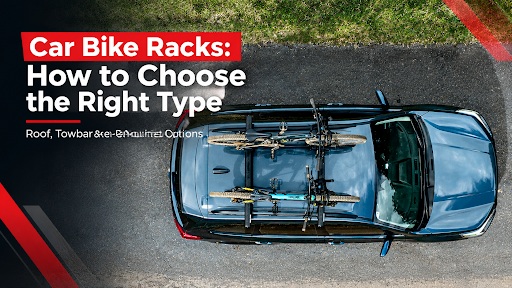
A roof-mounted bike rack attaches to a compatible roof rack system. It can keep the rear of the vehicle accessible, making it useful for drivers who regularly need to open the boot.
This setup is worth considering if your vehicle already has suitable crossbars. However, lifting bicycles onto the roof can be challenging, especially with heavier bikes. Drivers must also account for the additional vehicle height and the combined weight of the rack, carrier and bicycles.
2. Towbar-Mounted Bike Racks
A towbar bike rack attaches to a compatible towbar or hitch arrangement. Because the bicycles sit lower than they would on the roof, loading and unloading may be easier for many users.
Before choosing a towbar-mounted carrier, confirm that it is compatible with the towbar and vehicle. Check the relevant load limits and the carrier manufacturer's instructions, including requirements for lights and number-plate visibility.
3. Rear-Mounted Bike Racks
A rear-mounted bike rack may attach to approved mounting points on the back of a vehicle. Depending on the design, it can be an option for drivers who do not have a roof rack or towbar.
Compatibility is particularly important because rear-mounted carriers use different attachment systems. Check the approved vehicle list, installation instructions, rear visibility and access to the boot before purchasing.
Five Tips for Choosing the Right Bike Rack for Your Car
1. Check vehicle compatibility
Confirm your vehicle's make, model and year. Do not assume a carrier that fits one SUV, hatchback or four-wheel drive will automatically fit another.
2. Match the carrier to your bicycles
Consider the number of bikes, their combined weight, frame design and dimensions. Some bicycles may require specific adapters or mounting arrangements.
3. Account for electric bike weight
Electric bikes can be heavier than conventional bicycles. If you need an e-bike car rack, verify the carrier's permitted weight, the capacity per bicycle and the total load limit before buying.
4. Consider everyday convenience
Think about how frequently you will install or remove the carrier, whether you need access to the boot and how easily you can lift your bicycles. The most practical system is one that suits your regular routine.
5. Prioritise secure fitting and visibility
Follow the manufacturer's instructions when attaching the rack and securing each bicycle. Check that the carrier and bikes do not obstruct required lights or the number plate. Use an approved lighting or number-plate solution where necessary, and inspect the setup before departure.
Can You Install a Bike Rack on Any Car?
No. Not every bike rack fits every vehicle. Some systems require compatible roof crossbars, while others need an approved towbar or specific rear mounting points.
Before purchasing, check the carrier manufacturer's fitment guidance and any vehicle restrictions. If you are unsure which system is suitable, a specialist can help you compare available options.
Drivers looking for bike carriers in Sydney can explore the options offered by Bars N Racks, an automotive accessories business based in Brookvale. Its range includes roof-mounted, towbar-mounted and rear-mounted carriers for different vehicles and cycling requirements.
Frequently Asked Questions
What is the best bike rack for an SUV?
The best bike rack for an SUV depends on its roof configuration, towbar compatibility, bicycle weight and how often you transport bikes. Roof-mounted and towbar-mounted options can both be suitable when approved for the vehicle.
Can I carry electric bikes on a car bike rack?
Some carriers are designed for electric bikes, but not all are suitable. Check the maximum permitted bicycle weight, total carrier capacity and compatibility requirements before loading an e-bike.
Are towbar bike racks easier to use than roof racks?
Towbar-mounted racks can make loading easier because bicycles sit lower than on the roof. However, they require a compatible towbar and may affect access to the rear of the vehicle.
Do bike racks affect driving?
A bike rack changes the vehicle's dimensions and may affect visibility, aerodynamics and handling. Drivers should follow the manufacturer's instructions, secure the load correctly and allow for additional length or height when manoeuvring.
Choose a Carrier That Fits Your Vehicle and Lifestyle
A good bike rack should make transporting bicycles convenient without overlooking compatibility or safety. Comparing roof-mounted, towbar-mounted and rear-mounted systems can help you identify the most suitable option for your vehicle and cycling plans.
For drivers comparing bike carrier options and fitting services in Sydney, bike carriers in Sydney from Bars N Racks provide a starting point for exploring available systems and choosing an option suited to the vehicle and intended use.
HOW DO YOU FEEL ABOUT FASHION?
COMMENT OR TAKE OUR PAGE READER SURVEY
Featured




Christmas shopping becomes easier when you focus on how a child already likes to play.