
How Do the Best Chocolatiers Turn Simple Treats into Luxury Experiences?
PAGE
By PAGE Editor
Chocolate is ubiquitous, yet not every chocolate treat feels special. What may seem like a tasty chocolate bar could be ordinary in flavor. You can't save a mediocre flavor or texture with fancy packaging. Chocolate isn't the same for everyone. Some are familiar and simple; others are unique in their flavor, texture, and presentation.
Chocolatiers pay attention to the minutiae of every production. They choose quality ingredients, test their recipes to perfection, and monitor every stage of production. They are also looking for new flavor combinations and ensure that every piece is as attractive as it is delicious!
These methods add sophistication to basic chocolate delights. So, what makes luxury chocolate different from an everyday chocolate bar?
Here are five ways chocolatiers create that distinction.
1. Using High-Quality and Rare Ingredients
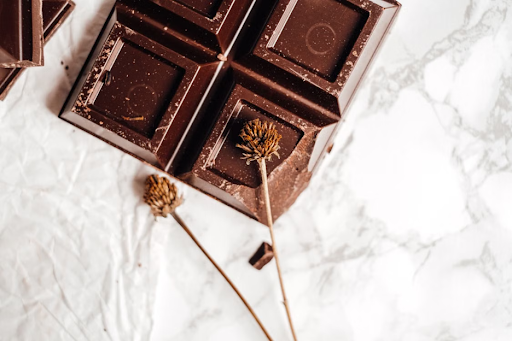
High-quality chocolate starts with the selection of ingredients. Chocolatiers select premium cocoa, single-origin chocolate, specialty nuts, fragrant vanilla, and fresh fruit to produce unique flavors. Cocoa from different regions can offer fruity, earthy, or nutty notes, giving chocolatiers more options when developing their recipes. Using high-quality and unique ingredients also helps them create chocolates with distinctive flavors, textures, and aromas.
But ingredients are not the only thing that makes great chocolate. While combining ingredients, chocolatiers pay attention to every detail to make sure that they complement each other. They might pair dark chocolate with roasted nuts, adding a rich, nutty twist, or white chocolate with tart fruits, to provide a sweet and sour profile. This careful selection enables them to accentuate the natural strengths of individual ingredients and helps them develop well-rounded and delightful treats.
There are numerous different flavors of chocolate available, such as those found in Miami. Its diverse food culture and international influences are reflected in the range of flavors, fillings, and styles available. When exploring Miami chocolate, you can discover creations that showcase carefully selected cocoa, distinctive fillings, and complementary ingredients. This variety shows how the quality of ingredients and careful selection can help the chocolatier produce chocolates that cater to various tastes.
2. Small-Batch Craftsmanship
Small-batch production gives chocolatiers the opportunity to carefully examine each batch. They can tweak recipes, check textures, and even check pieces before they are handed out to customers. This method is great for handmade truffles, filled chocolates, and specialty bars.
While making filled chocolates, chocolatiers balance the structure of the shell with the consistency of the filling. They develop hard outer shells that maintain shape and a soft inside with a bite through. Proper preparation prevents cracking and provides a good contrast between the two textures.
Hand-finishing gives each chocolate a polished look. Chocolatiers pipe fillings, decorate bonbons, and check individual pieces for imperfections. Small-batch production enables tighter control of quality and helps ensure consistency between batches.
3. Using Precise Scientific Techniques
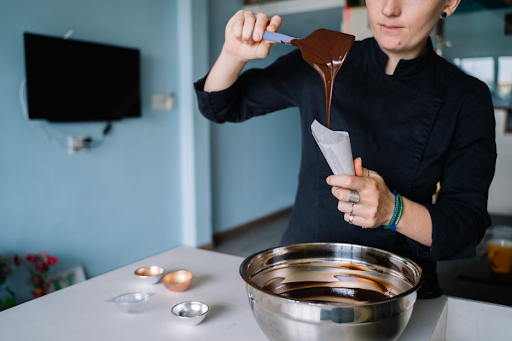
The process of making chocolate involves precision control of time, temperature, and ingredient proportions. These play a role in the melting, setting, and overall texture of chocolate.
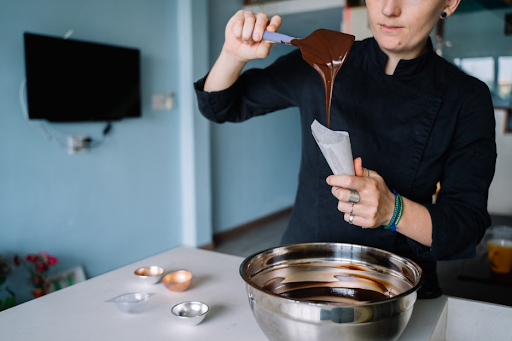
One of the important processes is tempering. To obtain the stable crystals of cocoa butter, chocolatiers heat and cool the chocolate at certain temperatures. This provides a shiny look, a set body, and a crisp break. If tempering is not done properly, the surface may be left with a cloudy or uneven appearance.
Other methods also have an impact on the end product. Chocolatiers use chocolate and cream to make smooth ganache and manage cooling to ensure good set-up for molded pieces. They also keep finished chocolates out of heat and moisture. These techniques maintain the texture, visual appeal, and quality of the chocolate.
4. Blend Flavors
Chocolate is a luxury and more than just sweet. The taste experience is influenced by aroma, texture, flavor, and appearance. When developing a recipe, these factors come into play for chocolatiers.
Chocolatiers try out new ingredients to create something unique. They might combine dark chocolate with sea salt to create a balance of bitter and savory notes, while use the caramel to complement the milk chocolate with a touch of sweetness and richness. They add chocolate to fruits, spices, coffee, and toasted nuts, too, for different flavor combinations.
Texture and appearance are also important in the manufacture of chocolate. They melt chocolate, shape it into crisp shells, add a soft center and some crunchy praline to make chocolate combos, and shine the finished products. They add flavor, texture, and presentation to make the chocolate dessert more memorable.
5. Refining Each Creation
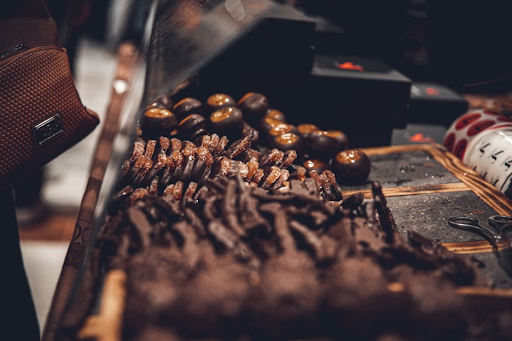
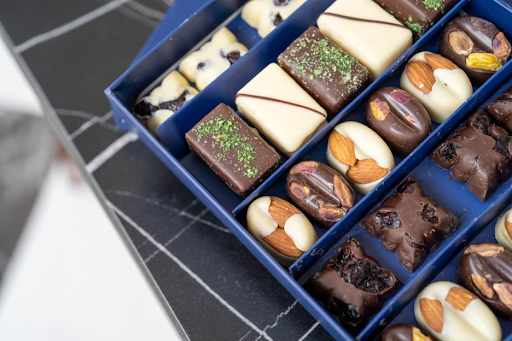
Presenting is a part of the craft for chocolatiers. They arrange each chocolate with precision, create clean finishes, and select packaging that safeguards each chocolate. They also use appealing colors, shapes, and designs to make their collections attractive at first glance.
Variety adds another dimension of uniqueness to chocolatiers. They may blend various strengths of cocoa with fruit, nuts, caramel, or creamy fillings. Assorted boxes allow them to mix in a variety of flavors and textures, and custom decorations and personal messages add meaning during special occasions. These details make each chocolate collection more meaningful.
Chocolatiers further enhance the experience through thoughtful flavor pairings and serving suggestions. Small samples allow easier identification of differences in sweetness, aromas, and texture. When these all come together, chocolatiers provide an experience that surpasses the chocolate itself.
Conclusion
The best chocolatiers create something special out of a basic chocolate bar by using high-quality ingredients, handcrafting, using precise methods, creating innovative flavors, and arranging the product with care. Every little element adds to the overall experience, from the initial sight to the last bite.
When buying chocolate, don't just consider the price and packaging. Think about taste, texture, finish, and how it works on each piece. Luxury doesn't necessarily involve complicated recipes. Chocolatiers often use small details to make familiar treats taste better and feel more special.
HOW DO YOU FEEL ABOUT FASHION?
COMMENT OR TAKE OUR PAGE READER SURVEY
Featured



A late-night habit loop explains why resolve fades after dark, and how small environmental shifts beat white-knuckle discipline every time.