
The Resale Boom Has a Bottleneck, and It's Hanging in Your Closet
PAGE
By PAGE Editor
Shoppers have never been keener on secondhand. The harder part is getting good clothes listed in the first place, and that's where a lot of circular fashion quietly stalls.
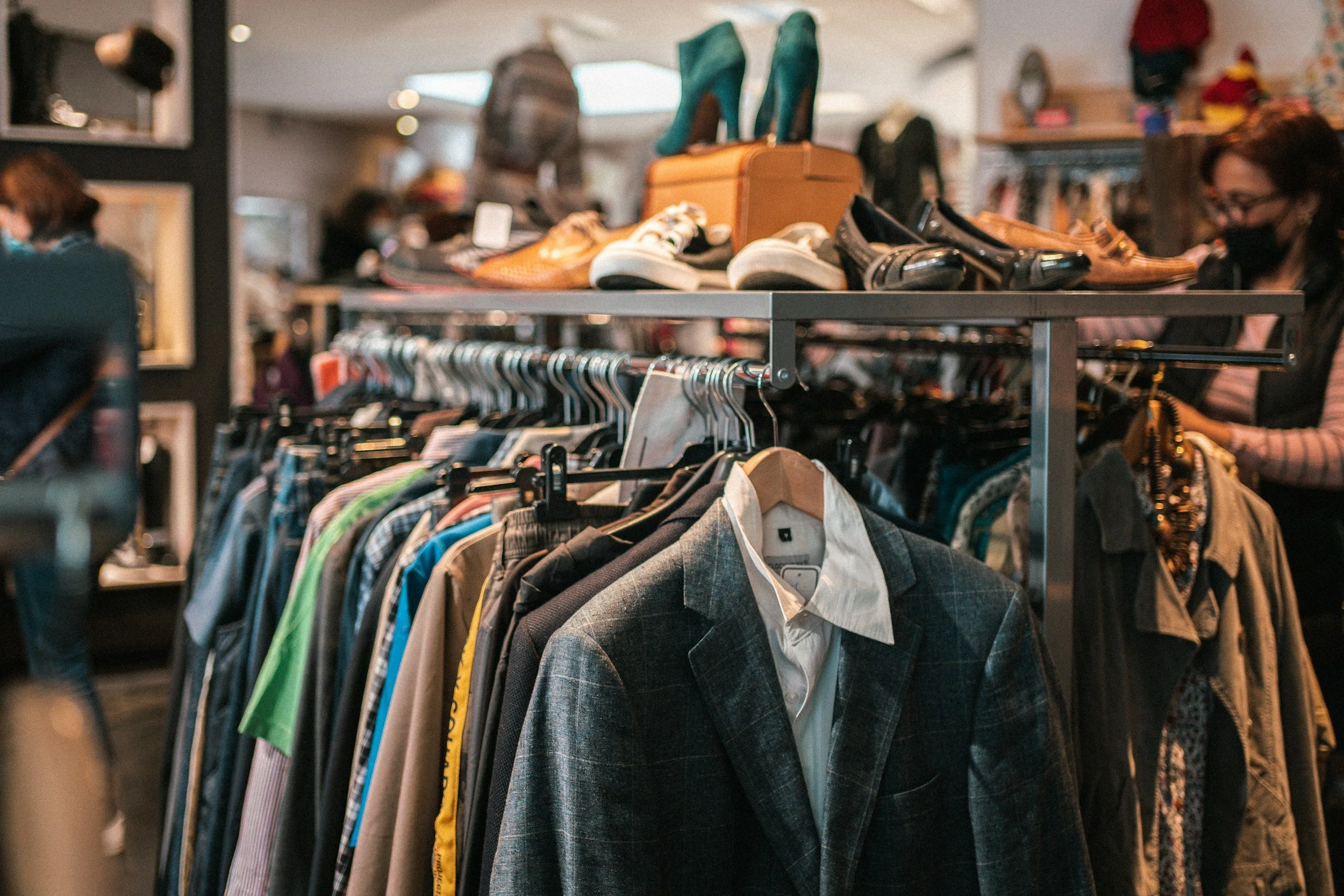
Every closet I know has a section that isn't really part of the wardrobe anymore. Sometimes it's the far end of the rack. Sometimes it's a tote bag slumped on the floor, or a pile on the chair nobody sits in. A wool coat bought a size too big. Chelsea boots that looked right in the store and wrong at home. A silk blouse with the tags still on, which is its own quiet embarrassment. These are the clothes we've decided to sell, and most of them, if we're honest, will still be there next spring.
Most advice about a more sustainable wardrobe is about buying less. Fair enough. But the clothes already sitting unworn in our homes are the most immediate lever any of us has, and the thing standing between them and a second owner usually isn't a lack of buyers.
It's paperwork.
Demand Isn't the Problem
Nobody needs convincing that people want secondhand. ThredUp's 2026 Resale Report found that the secondhand apparel market grew 13 percent in 2025, nearly four times faster than clothing retail as a whole, and it expects the category to reach around $78.8 billion by 2030. Anyone who walked the floor at ThriftCon in Brooklyn this summer saw the same appetite up close: a hall full of people who would rather dig through a rack of broken-in denim than buy a fresh pair.
So the buyers are there, searching every night. What they find, though, depends on what sellers actually manage to post. And supply runs on something much less dependable than demand. It runs on spare evenings.
What a Listing Actually Asks of You
Selling a single garment online looks simple until you sit down to do it. The photos are the easy bit. You lay the coat flat on the bed and shoot the front, the back, the label, the lining, that loose button. Then the listing form opens, and it wants more than you expected.
A title a stranger would actually type into search, with brand, size, style and color in roughly that order
A category, which on some marketplaces sits three or four menus deep
Fiber content, squinted off a care tag printed in tiny type
An honest condition note, including the pull on the left sleeve you were hoping not to mention
Measurements, since a size 8 from 1994 and a size 8 from last year are not the same garment
None of it is hard. All of it is slow. One item can easily eat twenty minutes, and on a $30 blouse that math falls apart quickly. Most people list the first two or three pieces, feel briefly virtuous, and then drop the rest of the bag at a donation bin on the way to somewhere else.
Donating feels like the responsible exit. It's a messier one than it looks. Thrift stores take in far more clothing than they can ever put on a rack, and the surplus gets sorted, baled and sold on, often overseas, often into places already flooded with secondhand clothes of their own. Some of it finds a new wearer. Plenty doesn't. A garment sold directly to someone who searched for it, in their size, is about as close to a guaranteed second life as fashion gets.
Which is why those twenty minutes matter more than they seem to.
Where Software Is Actually Useful
I'm wary of most of what gets sold as AI in fashion right now. Generated model shots and "enhanced" product images are a particularly bad fit for resale, because a secondhand buyer is paying for one specific object, wear and all. A picture that's been smoothed over is a return waiting to happen.
The tools worth paying attention to leave the garment alone and handle the typing. A listing assistant such as Holgo reads a handful of photos together, picks up the brand and other details from whichever shot shows the label, and drafts the title, description, category and a condition note that includes whatever flaws the camera caught. It will swap a rumpled duvet backdrop for plain white without redrawing any part of the coat. You still check every field and you still bring your own tape measure, but you're editing a draft after a minute or so rather than staring at an empty form.
That sounds like a small convenience. For the sell pile it changes the arithmetic completely. When an item takes a minute instead of twenty, the $30 blouse is worth listing again, and so is the plain merino sweater nobody would ever have bothered writing up properly. Things that used to go straight into the donation bag start going online instead.
The Honest Listing Is the Sustainable One
Speed is only half of it, though. A fast listing that oversells the garment just moves the waste further down the line. Returned clothing ships twice, and some of what comes back never makes it into circulation again. The sale that actually counts is the one where a parcel arrives and the buyer finds precisely what they were promised: the faded underarm, the replacement button, the hem someone took up by hand forty years ago.
That's why the dull parts of a listing matter so much. A clear photo against a plain background. Accurate measurements. A condition note that says "light pilling on the cuffs" instead of "great condition!" Buyers who get what they expected keep the item, leave decent feedback and come back to your shop, which is how a closet clear-out sometimes turns into a small, steady habit.
If you want a way in, keep it modest. Pick one evening a week. Take out five things, starting with whatever has been in the bag longest, photograph them in daylight against the same plain wall, and get all five posted before you've finished your second cup of tea. Vintage pieces deserve an extra minute with the labels. Union tags, RN numbers and older care symbols help buyers date a piece, and they tend to reward sellers who mention them.
Does every item sell? No. Some will sit for weeks and need a price cut. A few never move at all, and those can go to donation with a clearer conscience, having had a real chance first.
The circular economy usually gets discussed in terms of textile recycling, take-back schemes and big brand pledges, and all of that matters. But a surprising share of it comes down to something far less glamorous: whether one person, on one ordinary evening, gets the coat out of the bag and in front of someone who wants it.
Make that step easier, and more of it happens.
HOW DO YOU FEEL ABOUT FASHION?
COMMENT OR TAKE OUR PAGE READER SURVEY
Featured


Christmas shopping becomes easier when you focus on how a child already likes to play.