
Top ENGWE Fat-Tire Electric Bikes for Off-Road Adventures and Daily Commuting
PAGE
By PAGE Editor
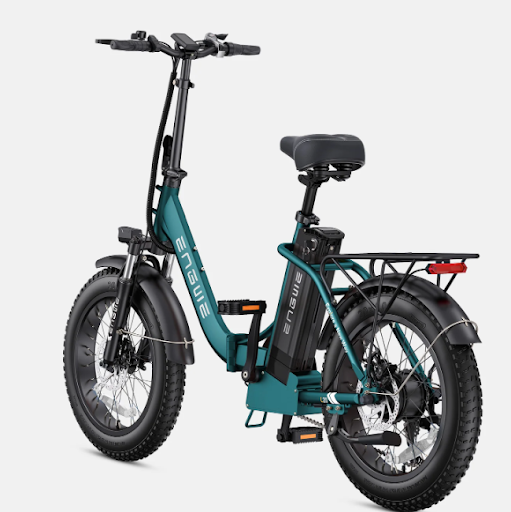
Fat-tire electric bikes have become increasingly popular among riders who want a combination of comfort, stability, and versatility. With their wider tires, electric motor assistance, and practical designs, these bicycles offer an enjoyable way to explore different riding environments. Whether you are commuting through city streets, traveling along gravel roads, or enjoying weekend adventures, choosing the right electric bike can make a significant difference to your riding experience.
ENGWE offers a range of electric bicycles designed for different riding preferences. Its collection includes powerful all-terrain models, moped-inspired electric bikes, folding commuters, and step-through utility bicycles. Some models prioritize motor performance and suspension, while others focus on everyday convenience and affordability.
If you are searching for an electric bicycle that can accommodate both recreational riding and daily transportation, ENGWE's fat-tire collection is worth exploring. This guide examines popular models, their key features, and the factors to consider when choosing the right bicycle for your needs in 2026.
What Makes Fat-Tire Electric Bikes Different?
Fat-tire electric bike feature wider tires than many conventional bicycles. These tires generally provide a larger contact area with the ground, which can improve traction and help the bicycle feel more stable on certain surfaces.
When combined with electric motor assistance, fat-tire designs can provide a comfortable and versatile riding experience.
Better Traction on Suitable Surfaces
Wider tires can provide useful traction on gravel, compact dirt, and other suitable surfaces. Their performance depends on tire pressure, tread design, and riding conditions.
Improved Riding Comfort
Fat tires contain more air volume than many narrower tires. At an appropriate pressure, they can absorb some minor bumps and vibrations from the road.
Versatile Riding Applications
Depending on their design, fat-tire electric bikes may be suitable for commuting, recreational cycling, and selected off-road environments.
Distinctive Appearance
Many fat-tire electric bicycles feature bold frames and wider wheels, creating a distinctive appearance that appeals to riders who prefer a more substantial bicycle design.
However, fat tires are not automatically better for every situation. They can add weight and rolling resistance, so riders should choose a model that suits their regular routes.
1. ENGWE E26 3.0: A Powerful Choice for All-Terrain Adventures
The ENGWE E26 3.0 is designed for riders who want an electric bicycle with strong advertised motor performance and a suspension system intended for varied terrain.
Its dual-motor configuration and full-suspension design distinguish it from many conventional commuter bicycles.
Key Features
2000W peak dual-motor output
160Nm advertised torque
26 × 4.0-inch puncture-resistant fat tires
960Wh battery capacity
Full-suspension system
Hydraulic disc brakes
Eight-speed Shimano drivetrain
Advertised maximum load capacity of 400 pounds
The bicycle also features a full-color display and an aluminum-alloy frame.
Why Consider the E26 3.0?
The E26 3.0 may appeal to riders who regularly encounter uneven surfaces and want additional motor assistance.
Its wide tires provide a broad contact area, while the suspension system helps absorb impacts from bumps and irregularities.
The dual-motor configuration offers selectable riding performance, allowing riders to consider efficiency and additional power according to their needs.
However, actual range and performance depend on the selected operating mode, terrain, rider weight, weather, and other conditions.
This model is worth considering for riders who prioritize all-terrain capability over lightweight construction. Its advertised specifications and features are available on the official ENGWE USA product page.
2. ENGWE M20 3.0: A Stylish Moped Style Electric Bike
The ENGWE M20 3.0 combines fat-tire styling with a motorcycle-inspired frame design.
Unlike conventional utility bicycles, this moped style electric bike features a distinctive appearance intended to appeal to riders who prefer a bold and sporty electric bicycle.
Key Features
3300W peak motor output
120Nm advertised torque
Moped-inspired frame design
Wide tires
Full-suspension configuration
Single- and dual-battery options
Advertised sale price of $1,399 on the supplied listing
The M20 3.0 is designed for riders who prioritize strong advertised performance and distinctive styling.
Its motorcycle-inspired design gives it a different appearance from traditional commuter bicycles, while the available battery configurations provide options for different riding requirements.
Who Should Consider This Model?
The M20 3.0 may be suitable for riders who:
Prefer a moped-inspired electric bicycle.
Want strong advertised motor output.
Enjoy recreational riding.
Appreciate distinctive frame styling.
Want to compare different battery configurations.
Its relatively substantial design may be less convenient for riders who need a lightweight bicycle for carrying upstairs or storing in small spaces.
Because motor power and speed can affect legal classification, buyers should also confirm whether their intended operating mode is permitted on local roads and bicycle paths.
3. ENGWE M20 2.0: Fat-Tire Performance for Recreational Riding
The ENGWE M20 2.0 is another moped-inspired electric bicycle that emphasizes comfort and recreational versatility.
Its wide tires and full-suspension design make it an option for riders who enjoy exploring different surfaces.
Key Features
1200W peak motor output
75Nm advertised torque
20 × 4.0-inch off-road fat tires
Single- and dual-battery configurations
Hydraulic disc brakes
Shimano seven-speed transmission
Advertised maximum assisted speed of 28 mph
The dual-battery configuration can provide additional energy capacity for riders planning longer journeys.
Its full-suspension design can also improve comfort on suitable uneven surfaces.
Practical Benefits
The M20 2.0 may appeal to riders seeking a balance between recreational performance and everyday usability.
Its moped-inspired styling makes it visually different from traditional bicycles, while the fat tires provide traction across a variety of suitable surfaces.
However, the bicycle weighs approximately 88.6 pounds in its single-battery configuration, making portability an important consideration.
Buyers should compare battery capacity, actual range, and total bicycle weight before selecting a configuration.
4. ENGWE L20 2.0: A Practical Fat-Tire Electric Bike for Daily Commuting
Not every rider needs a high-powered electric bicycle for off-road adventures. Some people simply want a comfortable and convenient option for everyday transportation.
The ENGWE L20 2.0 is designed around this practical requirement.
Its step-through frame makes mounting and dismounting easier for many riders, particularly those who make frequent stops.
Key Features
1125W peak motor output
75Nm advertised torque
20 × 3.0-inch tires
Up to 68 miles of advertised range
Step-through frame
Shimano seven-speed transmission
Listed sale price of $699
The L20 2.0 offers a utility-oriented design with electric assistance for suitable daily journeys.
Why It Works for Commuting
The step-through frame is particularly useful when getting on and off the bicycle frequently.
Its wide tires can also help absorb minor road irregularities when maintained at an appropriate pressure.
Potential uses include:
Traveling to work.
Shopping and running errands.
Neighborhood transportation.
Recreational rides.
Short-distance daily journeys.
Although this model is suitable for many practical uses, riders should consider its overall weight, battery range, and local regulations before purchasing.
For buyers who prioritize affordability and everyday convenience, the L20 2.0 is worth comparing with more expensive fat-tire models.
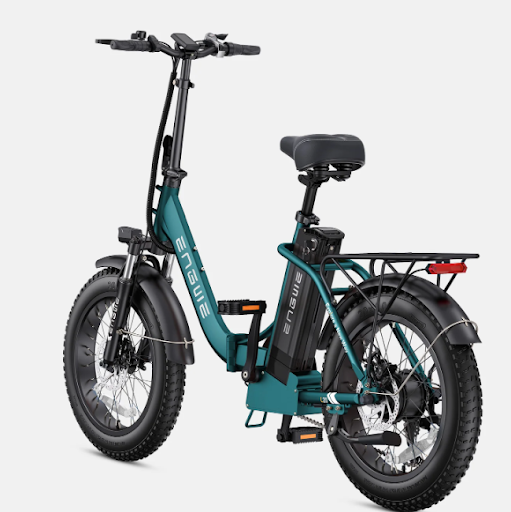
5. ENGWE EP-2 3.0: A Folding Fat-Tire Electric Bike
The ENGWE EP-2 3.0 combines a folding frame with fat-tire styling and electric assistance.
This configuration may appeal to riders who want a versatile bicycle without committing to the storage requirements of a conventional full-size frame.
Key Features
Folding frame
90Nm advertised torque
8A fast-charging capability
Fat-tire design
Long-range commuting focus
Listed sale price of $1,499
One of the model's main advantages is its folding construction.
When folded, a bicycle can require less storage space, making this design useful for people living in apartments or homes with limited storage areas.
Benefits for Daily Transportation
The EP-2 3.0 may suit riders who want:
A folding bicycle for more flexible storage.
Electric assistance for daily journeys.
Fat tires for a distinctive riding experience.
Fast-charging capability.
A bicycle that can accommodate commuting and recreational use.
However, folding does not necessarily make an electric bicycle lightweight.
Before buying, check the folded dimensions and overall weight to determine whether the model will be practical for your home, vehicle, or workplace.
Comparing Popular ENGWE Fat-Tire Electric Bikes
The following table summarizes the main differences between five models discussed in this guide.
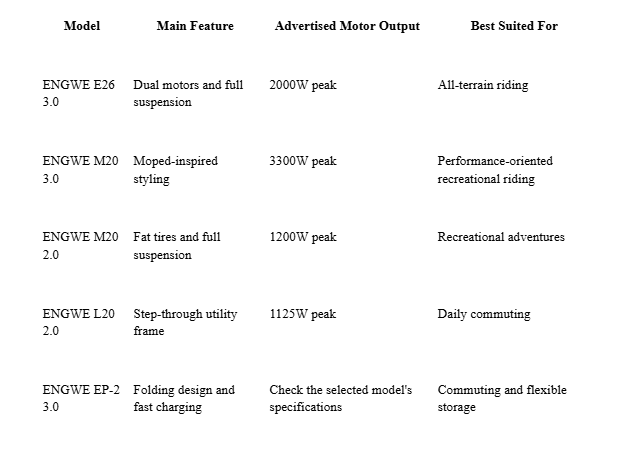
Specifications and prices may vary by configuration and market. Confirm the current product listing before purchasing.
How to Choose the Right ENGWE Fat-Tire Electric Bike
Selecting the right electric bicycle involves more than comparing motor power or tire width.
The best model depends on your riding habits, storage arrangements, budget, and preferred level of performance.
1. Consider Your Riding Environment
Think about the surfaces you travel on most frequently.
If your daily route consists mainly of paved streets, a utility-focused bicycle such as the L20 2.0 may be sufficient.
If you regularly ride on uneven surfaces, a model with suitable suspension and wider tires may be more appropriate.
Remember that fat tires alone do not make a bicycle suitable for every trail or weather condition.
2. Compare Motor Specifications
Motor specifications can influence acceleration and climbing assistance.
When comparing electric bicycles, distinguish between rated motor power and peak output.
Also consider torque, available operating modes, and applicable speed restrictions.
A higher peak power figure does not automatically mean a bicycle will offer the best overall performance for your requirements.
3. Evaluate Battery Capacity
Battery capacity determines how much electrical energy is available for motor assistance.
For longer journeys, compare battery capacity and realistic range expectations.
Maximum advertised range figures are generally based on specific conditions and may not reflect typical daily use.
Consider your regular travel distance and whether you have convenient opportunities to recharge.
4. Check Comfort and Suspension
Suspension can improve comfort on uneven surfaces.
A full-suspension bicycle may be suitable for riders who frequently encounter bumps and rough terrain.
However, suspension adds components that require maintenance and can increase overall weight.
For commuting on smooth roads, a simpler design may be sufficient.
5. Set a Realistic Budget
ENGWE offers bicycles at different price points.
When comparing prices, consider the features that matter most rather than automatically choosing the most powerful model.
Also account for additional expenses, including:
A suitable helmet.
A secure bicycle lock.
Routine maintenance.
Replacement tires and brake pads.
Battery replacement when eventually necessary.
Professional servicing.
A model that meets your needs without unnecessary features may offer better overall value.
Fat-Tire Electric Bikes for Off-Road Adventures
Fat-tire electric bicycles can be useful for recreational riding when their design matches the terrain.
Wide tires can provide traction on suitable surfaces, while electric assistance helps reduce the effort required for certain journeys.
However, different surfaces require different riding techniques.
Gravel Roads
On compact gravel, appropriate tire pressure and controlled speed can help maintain traction and stability.
Avoid sudden braking or sharp turns on loose surfaces.
Uneven Trails
Suspension can help absorb impacts from small bumps and irregularities.
Riders should select routes that match their skill level and the bicycle's intended use.
Sand and Soft Ground
Fat tires can help distribute weight across a larger contact area, but performance still depends on tire pressure, surface conditions, and motor capability.
Soft sand may remain difficult to navigate, even with wide tires.
Wet Conditions
Wet surfaces can reduce traction and increase stopping distances.
Ride cautiously, avoid abrupt maneuvers, and ensure the bicycle's braking system is properly maintained.
Always confirm that electric bicycles of your model and power class are permitted on the trails you intend to use.
Are Fat-Tire Electric Bikes Good for Daily Commuting?
Fat-tire electric bikes can be useful for commuting, but their suitability depends on the specific bicycle.
Some models prioritize comfortable utility riding, while others focus on high-powered recreational performance.
Advantages for Commuters
Electric assistance can reduce physical effort.
Wider tires may improve comfort on imperfect roads.
Certain models offer practical step-through frames.
Folding models can provide additional storage flexibility.
Battery-powered transportation can reduce dependence on a car for suitable short trips.
Potential Disadvantages
Fat tires may increase rolling resistance.
Some models are heavy and difficult to carry.
Larger frames can require additional storage space.
High-powered configurations may face legal restrictions.
Replacement tires and specialized components may require additional expense.
For everyday transportation, prioritize reliability, comfort, practical range, and ease of maintenance rather than motor power alone.
Understanding the Difference Between Fat-Tire and Moped-Style Electric Bikes
Fat-tire and moped style electric bike are not mutually exclusive categories.
A fat-tire electric bicycle is identified primarily by its wider tires, while a moped-style electric bicycle is characterized by motorcycle-inspired styling and frame design.
Some models combine both features.
The ENGWE M20 series is an example of a moped style electric bike that also uses wide tires.
By contrast, the L20 2.0 emphasizes utility and step-through accessibility, while the E26 3.0 focuses on dual-motor performance and all-terrain riding.
When choosing between these designs, consider the features that matter most to you.
If you prioritize a distinctive appearance, a moped-inspired model may be attractive.
If your primary goal is comfortable commuting, a utility-focused bicycle may be more practical.
If you want a bicycle for varied terrain, evaluate tire dimensions, suspension, braking, and motor configuration together.
Essential Safety Tips for Fat-Tire Electric Bike Owners
Responsible riding is essential, particularly when operating heavier or more powerful electric bicycles.
Before each ride, check the bicycle's brakes, tires, battery installation, and steering components.
Wear a properly fitted helmet and use appropriate protective equipment.
Additional precautions include:
Adjust your speed to road and trail conditions.
Maintain a safe distance from other road users.
Use lights when visibility is reduced.
Avoid riding beyond your skill level.
Inspect the tires and brakes regularly.
Follow the manufacturer's maintenance instructions.
Confirm local rules concerning motor output and assisted speed.
For moped-inspired and high-powered models, verify whether registration, licensing, age restrictions, or additional safety requirements apply.
Conclusion
ENGWE offers several fat-tire electric bicycles designed for different riding preferences, from everyday commuting to recreational adventures. The E26 3.0 emphasizes dual-motor performance and full suspension, while the M20 3.0 combines powerful advertised output with moped-inspired styling. The M20 2.0 provides another recreational option, whereas the L20 2.0 focuses on practical utility and affordability. The EP-2 3.0 adds folding convenience for riders with limited storage space.
When choosing an electric bike, consider your riding environment, battery requirements, comfort preferences, and budget. If you prefer a moped style electric bike, compare frame design, weight, performance, and local regulations before purchasing.
Ultimately, the best ENGWE fat-tire electric bicycle is the one that matches your daily transportation needs and recreational interests. By comparing specifications carefully and prioritizing practical features over headline numbers, you can make a more informed decision and enjoy a comfortable riding experience in 2026.
HOW DO YOU FEEL ABOUT FASHION?
COMMENT OR TAKE OUR PAGE READER SURVEY
Featured


Arizona has one of the more active networks of down payment assistance programs in the western United States.