
What Makes AI Drama the Future of Short-Form Storytelling?

PAGE
By PAGE Editor
Short vertical series have quietly become one of the most watched formats online, and the technology behind them is changing just as fast. A new wave of creators is discovering that they no longer need a full crew, a studio, or a large budget to tell a gripping episodic story. Instead, they are turning to AI drama tools that handle scripting support, scene generation, voice, and editing inside a single workflow. This shift matters because it lowers the barrier for independent storytellers while raising the ceiling on what a small team can produce. Whether you are a scriptwriter testing a pilot, a marketer building branded mini-series, or a hobbyist who simply loves narrative, understanding how these tools work will help you move from idea to published episode far more quickly. In this article we look at what defines the format, how the production process actually flows, and the practical choices that separate a forgettable clip from a series people binge.
Understanding the Rise of Vertical Episodic Content
Vertical mini-dramas are built for the way people watch now: thumb on the screen, sound optional, and attention measured in seconds rather than minutes. Each episode runs short, often ninety seconds to three minutes, and ends on a hook designed to pull the viewer into the next installment. This structure rewards tight writing and fast visual payoffs, which is exactly where automated production helps. When you generate scenes with ai drama workflows, you can prototype an entire arc in an afternoon and see whether the pacing holds before committing to a full run. The economics also favor this approach. Traditional filmed series carry heavy fixed costs, so a failed concept is expensive. Automated pipelines make experimentation cheap, letting you test multiple openings, tones, and character designs until one clearly resonates with your audience.
Who Is Actually Making These Series
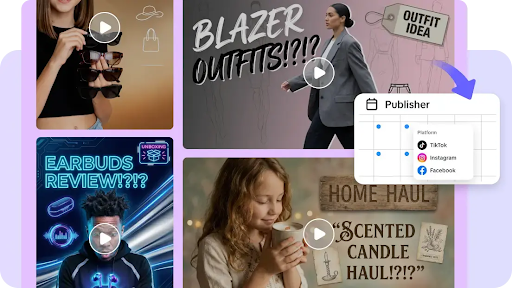
The creators driving this format are more varied than you might expect. Solo writers use it to visualize a screenplay they could never afford to film. Small studios use it to serialize genre stories, romance, thriller, and revenge plots, that perform well on mobile feeds. Brand teams adapt the same tools to produce narrative advertising that feels like entertainment rather than a pitch. What unites them is a need for speed and consistency. A character's face, wardrobe, and voice must stay recognizable across dozens of clips, and manual production makes that continuity painful. Generative pipelines solve it by locking in reference assets and reusing them across every scene, so episode twelve looks like it belongs beside episode one.
Building a Series From Concept to Screen
The most reliable way to start is to define the emotional core of your story before touching any tool. Decide who your protagonist wants to become, what stands in the way, and which single moment each episode is building toward. With that spine in place, the technical steps fall into a repeatable rhythm. You draft or refine dialogue, assign it to characters, generate the accompanying visuals, and then assemble the shots into a paced sequence. Because each stage feeds the next, keeping your files organized by episode and scene saves hours later when you inevitably revise.
Scripting for Machine-Assisted Production
Writing for automated generation is a craft of its own. Short, concrete descriptions produce more predictable visuals than long, abstract paragraphs. Name the setting, the time of day, the mood, and the key action in plain language, then let the system interpret it. Dialogue benefits from the same discipline: lines that carry clear intent read better when converted to synthetic voice, and they leave less room for awkward pacing. A useful habit is to storyboard emotionally rather than technically, noting where you want the viewer to feel tension, relief, or surprise. That emotional map guides every generation choice that follows and keeps the episode from drifting into a series of pretty but disconnected shots.
Directing Consistency Across Episodes
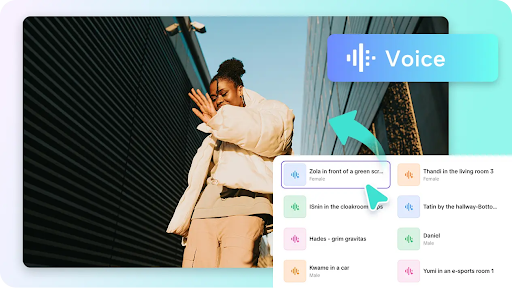
Consistency is where amateur projects usually fall apart and where thoughtful planning pays off. Establish your core cast as reusable references early, and resist the temptation to redesign a character midway through a season. Keep a simple style guide covering color palette, lighting mood, and framing preferences so that even when you generate new environments, the world still feels cohesive. Platforms such as Pippit AI make this easier by letting you save character and scene presets that carry forward automatically, which means your fifth episode inherits the same look you approved in your first. This kind of reuse is not just a convenience; it is what makes a collection of clips read as a genuine series.
Editing, Sound, and the Final Polish
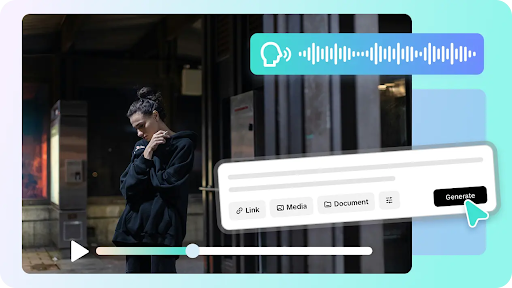
Generation gets you raw material, but editing turns it into drama. Pacing is the single most important lever: trim every shot to the moment it stops earning attention, and cut into scenes as late as possible. Music and ambient sound do heavy emotional work in short formats, so choose a score that matches the tone of each beat rather than layering one track across the whole episode. Captions deserve real care too, since most viewers watch without audio at first. Clean, well-timed subtitles keep the story legible in silence and often decide whether someone stays past the opening seconds.
Publishing and Learning From the Data
Once an episode goes live, the feedback loop becomes your writers' room. Watch where viewers drop off, which thumbnails earn clicks, and which cliffhangers drive people to the next installment. Treat these numbers as story notes, not just marketing metrics. If audiences abandon a scene, the problem is usually pacing or an unclear stake, both of which you can fix quickly in an automated pipeline. This willingness to iterate is the real advantage of the format: you are never locked into a costly finished product, so every episode can be sharper than the last.
Where Automated Storytelling Goes Next
The tools for making short episodic content have matured to the point where the limiting factor is no longer budget or equipment but imagination and craft. By understanding the format's rhythm, planning your story's emotional spine, and using generation to prototype and iterate quickly, you can produce a coherent, bingeable series without a traditional production pipeline. The creators who thrive will be those who treat these tools as a director's assistant rather than a replacement for their voice, using speed to test more ideas and consistency to build a world audiences want to return to. As the technology keeps improving, the gap between a personal concept and a published series will keep shrinking, and the storytellers who master this workflow today will be the ones defining the format tomorrow.
HOW DO YOU FEEL ABOUT FASHION?
COMMENT OR TAKE OUR PAGE READER SURVEY
Featured





Celebrating its 10th anniversary, Brooklyn-based FABSCRAP is demonstrating how textile recycling, material reuse, and a community of more than 11,000 participants can help fashion move toward a more circular future.