
Building Long-Term Operational Efficiency Through Structured Commercial Plumbing Maintenance Programs
PAGE
By PAGE Editor
Commercial buildings rely on complex plumbing systems that support daily operations, sanitation, safety, and overall functionality. Unlike residential systems, commercial plumbing networks handle significantly higher usage volumes, extended operating hours, and a broader range of fixtures and mechanical components. Because of this increased demand, wear and tear occur more rapidly, and minor issues can escalate into costly disruptions if not addressed proactively. Structured maintenance planning becomes essential to ensure system reliability, reduce downtime, and maintain compliance with health and safety standards.
A well-designed maintenance approach is not simply a reactive strategy for fixing problems as they arise. Instead, it is a preventative framework aimed at identifying potential failures before they occur, optimizing system performance, and extending the lifespan of plumbing infrastructure. Businesses that implement consistent inspection and servicing schedules often experience fewer emergencies, lower repair costs, and improved operational continuity.
Understanding the Complexity of Commercial Plumbing Systems
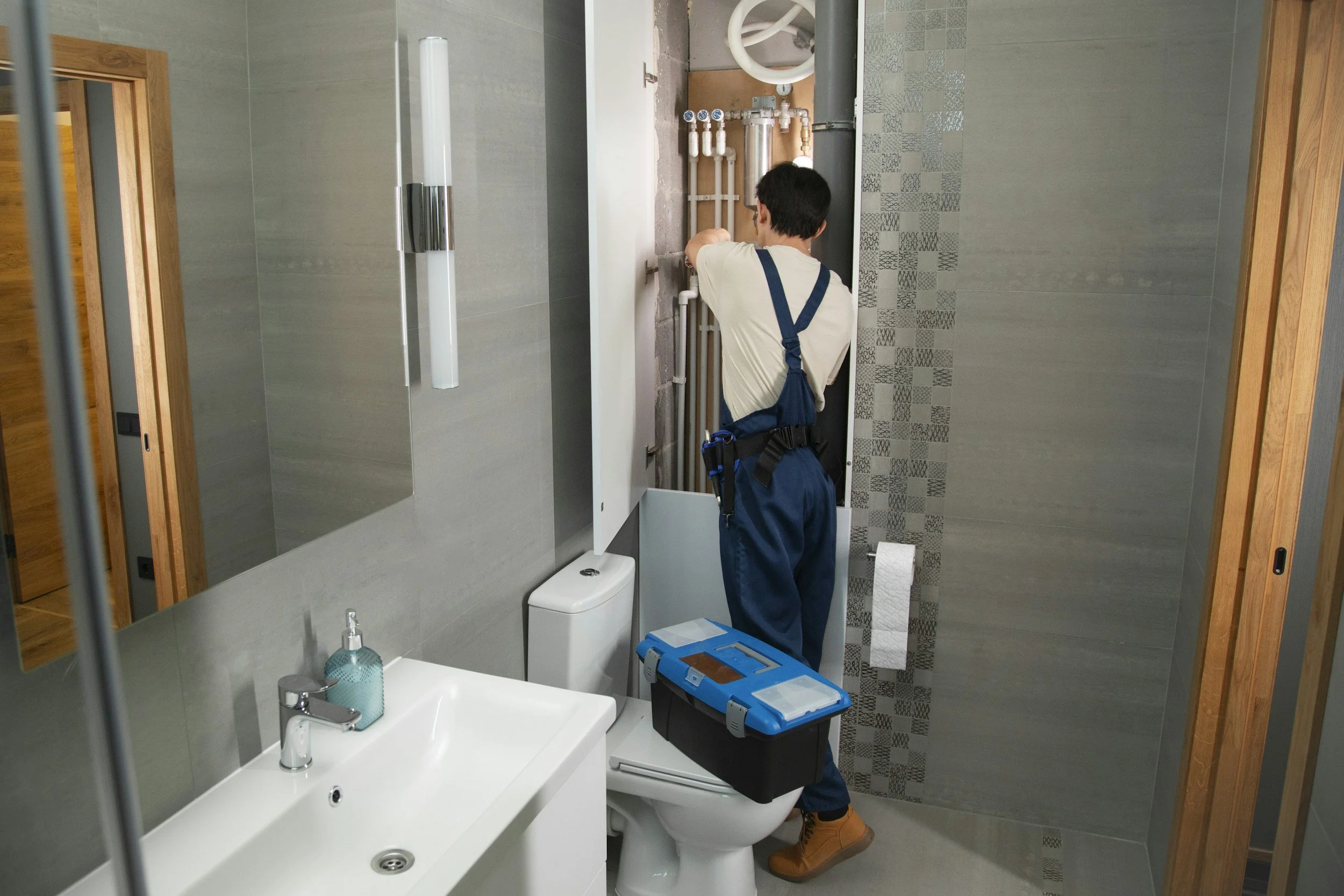
Commercial plumbing systems are significantly more intricate than those found in residential properties. They often include multiple water supply lines, large-capacity drainage networks, commercial-grade water heaters, backflow prevention devices, grease traps, and pressure-regulating systems. In addition, many facilities operate specialized equipment such as boilers, industrial sinks, and restroom facilities that experience constant use throughout the day.
Because these systems serve large numbers of people, even minor malfunctions can create widespread inconvenience. A single leak in a supply line or blockage in a drainage system can disrupt operations across multiple areas of a building. In high-traffic environments such as office complexes, hospitality venues, healthcare facilities, and retail spaces, plumbing reliability is directly tied to business performance and customer satisfaction.
This level of complexity makes routine inspections and preventive care essential. Without a structured approach, small inefficiencies can remain unnoticed until they develop into major failures requiring emergency intervention.
The Purpose and Value of Preventive Maintenance Programs
Preventive maintenance programs are designed to reduce the likelihood of unexpected plumbing failures by addressing wear, inefficiencies, and potential risks before they escalate. These programs typically involve scheduled inspections, system testing, cleaning procedures, and component replacements.
One of the primary benefits of preventive maintenance is cost reduction. Emergency plumbing repairs are often significantly more expensive than planned servicing due to labor urgency, equipment downtime, and potential property damage. By identifying issues early, businesses can avoid these unexpected expenses and allocate resources more efficiently.
Another key advantage is operational stability. Plumbing failures can disrupt daily activities, force temporary closures, or impact employee productivity. Regular maintenance ensures that systems remain functional and reliable, minimizing the risk of interruptions.
In many facilities, structured commercial plumbing maintenance programs are implemented to formalize these preventive strategies and ensure consistent system performance across all plumbing components.
Key Components of a Maintenance Program
A comprehensive maintenance program typically includes several core elements designed to address both visible and hidden system issues.
Routine inspections are one of the most important components. These inspections involve checking pipes, valves, fixtures, and drainage systems for leaks, corrosion, blockages, and signs of wear. Early detection allows for timely repairs before issues worsen.
Drain cleaning and flow testing are also essential. Over time, debris, grease, and mineral buildup can restrict water flow and lead to blockages. Regular cleaning ensures that drainage systems remain efficient and reduces the risk of backups.
Water heater and boiler inspections are another critical element. Commercial-grade heating systems operate under heavy demand and require periodic servicing to maintain efficiency and safety. This includes checking temperature controls, pressure relief valves, and sediment buildup.Backflow prevention testing is particularly important in commercial environments. These devices ensure that contaminated water does not flow back into the clean water supply, protecting both occupants and regulatory compliance standards.
Fixture maintenance, including sinks, toilets, and faucets, also plays a role in ensuring consistent functionality and reducing water waste.
The Role of Predictive Maintenance in Modern Systems
In addition to preventive maintenance, many organizations are adopting predictive maintenance strategies that use data and monitoring systems to anticipate potential failures. Sensors and smart monitoring tools can track water pressure, flow rates, and temperature fluctuations in real time.
When irregular patterns are detected, maintenance teams can intervene before a failure occurs. This approach reduces downtime and improves system reliability by addressing problems at an early stage.Predictive strategies are especially valuable in large commercial buildings where manual inspections alone may not be sufficient to detect all potential issues. By combining traditional maintenance practices with modern monitoring technology, businesses can achieve a higher level of operational efficiency.
Commercial plumbing systems face a wide range of issues due to heavy usage and continuous operation. One of the most common problems is pipe leakage, which can occur due to corrosion, joint failure, or pressure fluctuations. Even small leaks can lead to significant water waste and structural damage if left unaddressed.
Clogged drains are another frequent issue, particularly in facilities with kitchens or food service operations. Grease, food particles, and debris can accumulate over time, restricting water flow and causing backups.Water pressure inconsistencies may also develop due to aging infrastructure or faulty pressure regulators. These issues can affect the performance of fixtures and appliances throughout the building.Sediment buildup in water heaters and boilers can reduce efficiency and increase energy consumption. Regular flushing and servicing help maintain optimal performance.Additionally, worn-out seals, valves, and gaskets can lead to minor leaks that gradually worsen over time. Maintenance programs help identify and replace these components before they fail completely.
Benefits of Structured Maintenance Scheduling
One of the most significant advantages of structured maintenance scheduling is predictability. Instead of reacting to emergencies, facility managers can plan inspections and repairs during low-usage periods, minimizing disruption to operations.
Consistent scheduling also extends the lifespan of plumbing infrastructure. Systems that are regularly maintained experience less stress and degradation, resulting in longer operational life and reduced capital expenditure on replacements.
Another important benefit is regulatory compliance. Many commercial properties must adhere to plumbing codes and safety standards. Regular maintenance ensures that systems remain compliant with these requirements, reducing the risk of penalties or legal issues.Improved water efficiency is another advantage. Maintenance programs often identify leaks and inefficiencies that contribute to water waste. Addressing these issues helps reduce utility costs and supports sustainability goals.In many organizations, structured commercial plumbing maintenance programs also contribute to improved asset management by providing detailed records of inspections, repairs, and system performance over time.
Risk Reduction and Emergency Prevention
One of the primary goals of maintenance programs is to reduce the likelihood of plumbing emergencies. Unexpected failures can cause significant disruption, property damage, and financial loss.Water damage from burst pipes or major leaks can affect flooring, walls, electrical systems, and equipment. Drain backups can create unsanitary conditions and force temporary shutdowns of affected areas.
By identifying vulnerabilities early, maintenance programs significantly reduce the risk of these emergencies. Regular inspections allow technicians to reinforce weak points, replace aging components, and ensure that systems operate within safe parameters.This proactive approach not only protects physical infrastructure but also enhances safety for occupants and staff.While maintenance programs require ongoing investment, they typically result in substantial long-term savings. Emergency repairs, water damage restoration, and system replacements are often far more expensive than routine servicing.
Efficient plumbing systems also reduce utility costs by minimizing water waste and improving heating efficiency. Over time, these savings can offset the cost of maintenance programs entirely.Additionally, well-maintained systems are less likely to suffer catastrophic failures, reducing the risk of unplanned capital expenditures. This financial predictability is especially valuable for large commercial properties with tight operational budgets.
Environmental and Sustainability Benefits
Sustainability has become an increasingly important consideration in commercial property management. Efficient plumbing systems contribute directly to reduced water consumption and lower energy usage.
Fixing leaks, optimizing water pressure, and maintaining efficient heating systems all help conserve resources. Many maintenance programs also incorporate environmentally friendly practices such as water-efficient fixture upgrades and eco-conscious cleaning methods.By reducing waste and improving system efficiency, commercial properties can significantly lower their environmental footprint while also reducing operational costs.Effective plumbing maintenance requires specialized knowledge and equipment. Commercial systems are often too complex for basic inspections or DIY approaches. Professional technicians are trained to identify hidden issues, interpret system performance data, and perform precise repairs.
Their expertise ensures that maintenance work is performed according to industry standards and regulatory requirements. This reduces the risk of recurring problems and ensures long-term system reliability.In addition, professional service providers often maintain detailed records of system performance, which can be valuable for long-term planning and asset management.
Conclusion
Ultimately, structured commercial plumbing maintenance programs provide a foundation for long-term operational stability, cost efficiency, and sustainability. By investing in preventive care, organizations protect both their physical assets and their ability to operate without interruption.
Commercial plumbing systems are essential to the functionality and efficiency of modern buildings, but their complexity and high usage levels make them vulnerable to wear and failure. Without structured care, minor issues can quickly escalate into costly disruptions that affect operations, safety, and financial performance.
Implementing consistent and well-organized maintenance strategies helps prevent these issues by identifying risks early, optimizing system performance, and extending infrastructure lifespan. Through routine inspections, predictive monitoring, and professional servicing, businesses can ensure reliable plumbing operation across all facilities.
HOW DO YOU FEEL ABOUT FASHION?
COMMENT OR TAKE OUR PAGE READER SURVEY
Featured




Jackets have always been an important part of fashion.