
The Swedish School of Textiles’ EXIT 2026 Finds Certainty In Individual Practice
By PAGE Editor
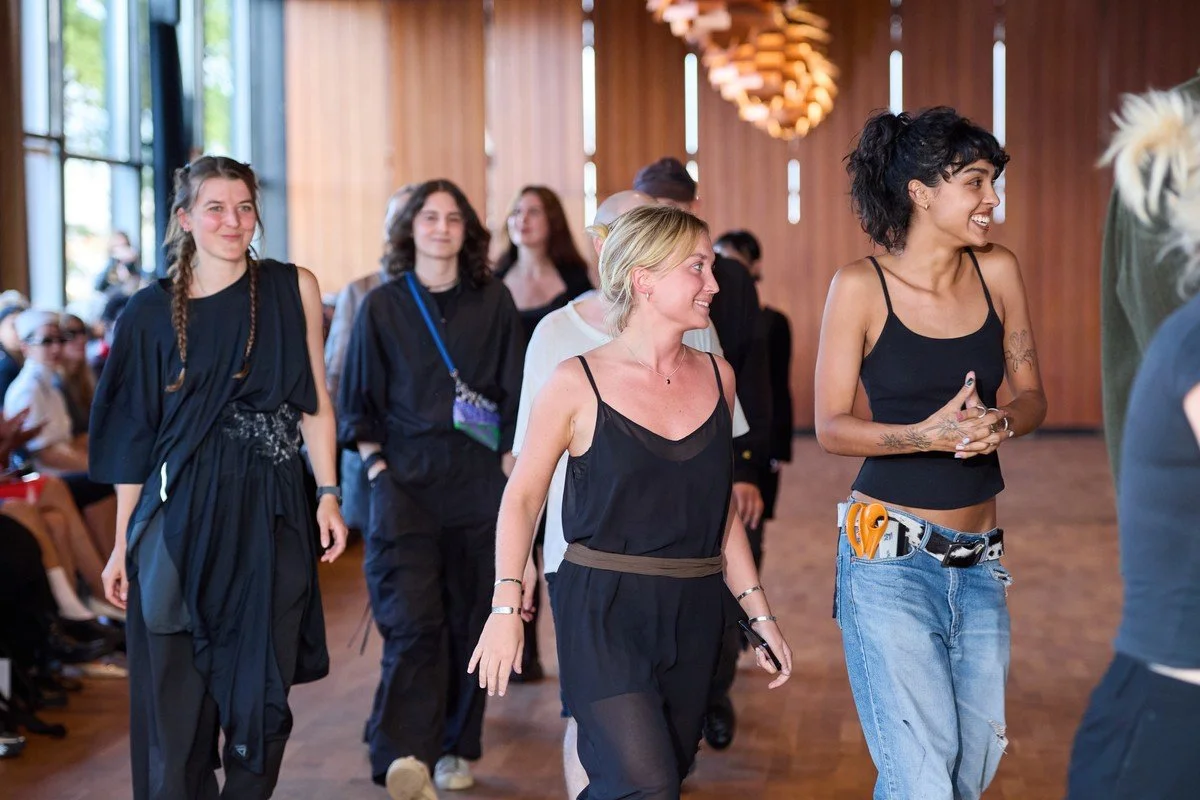
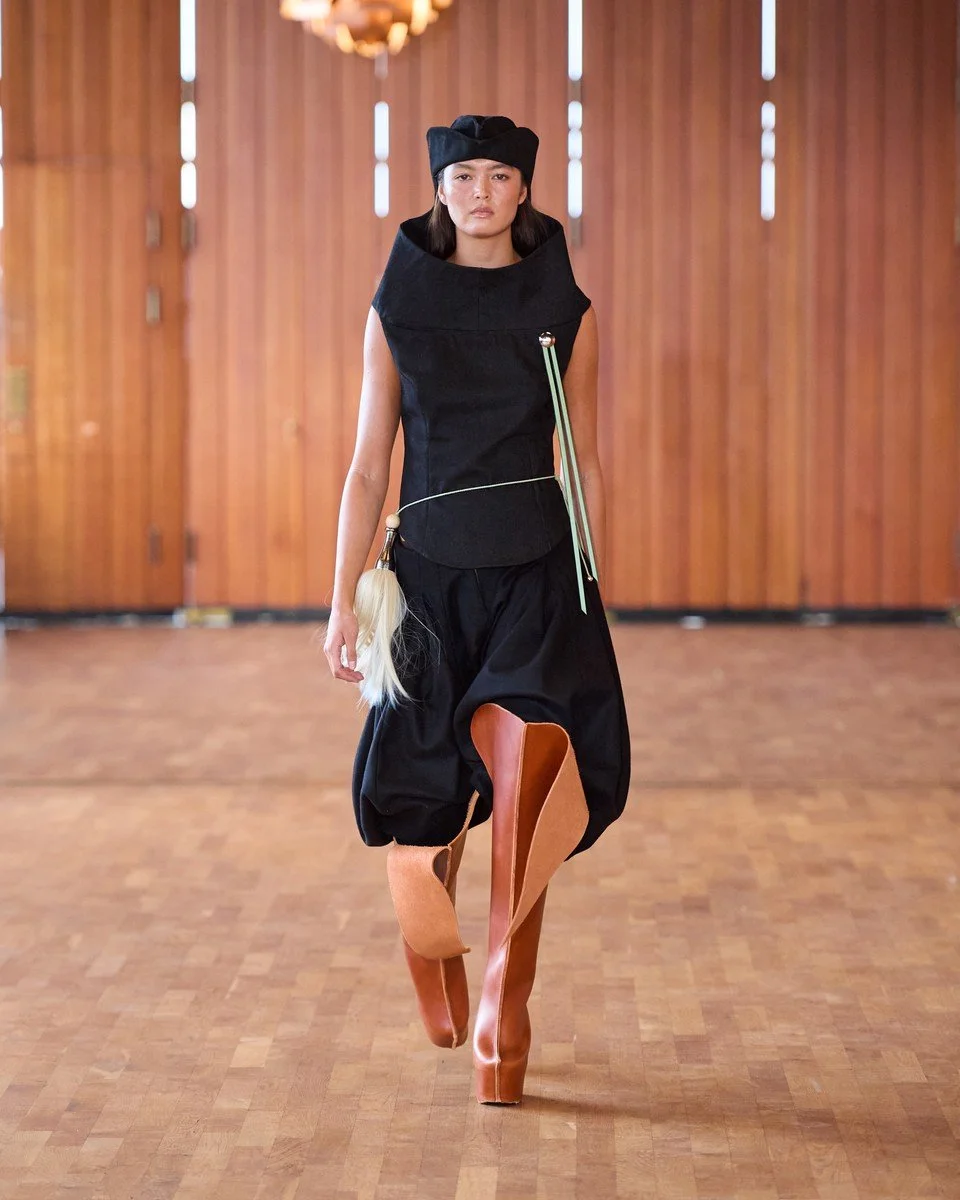
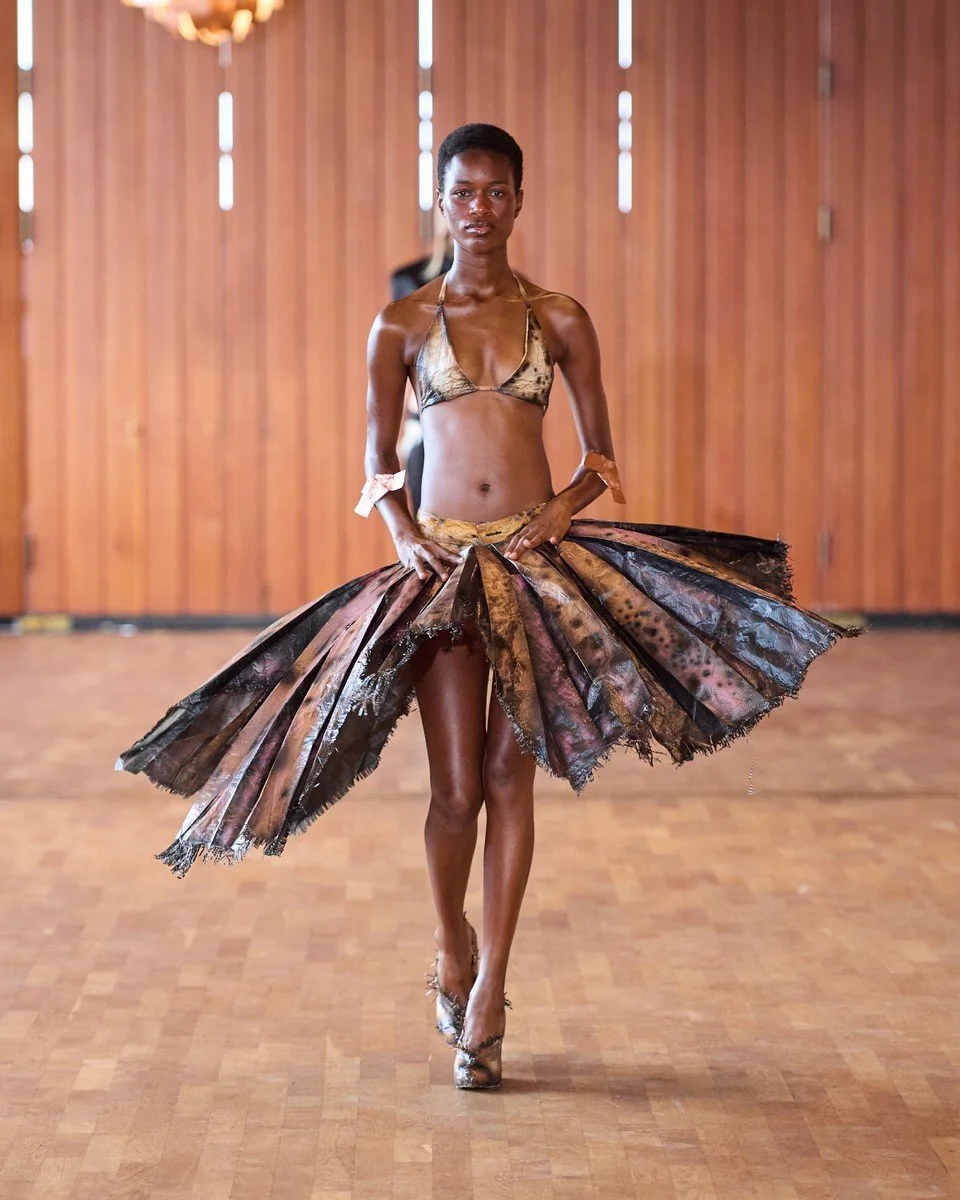
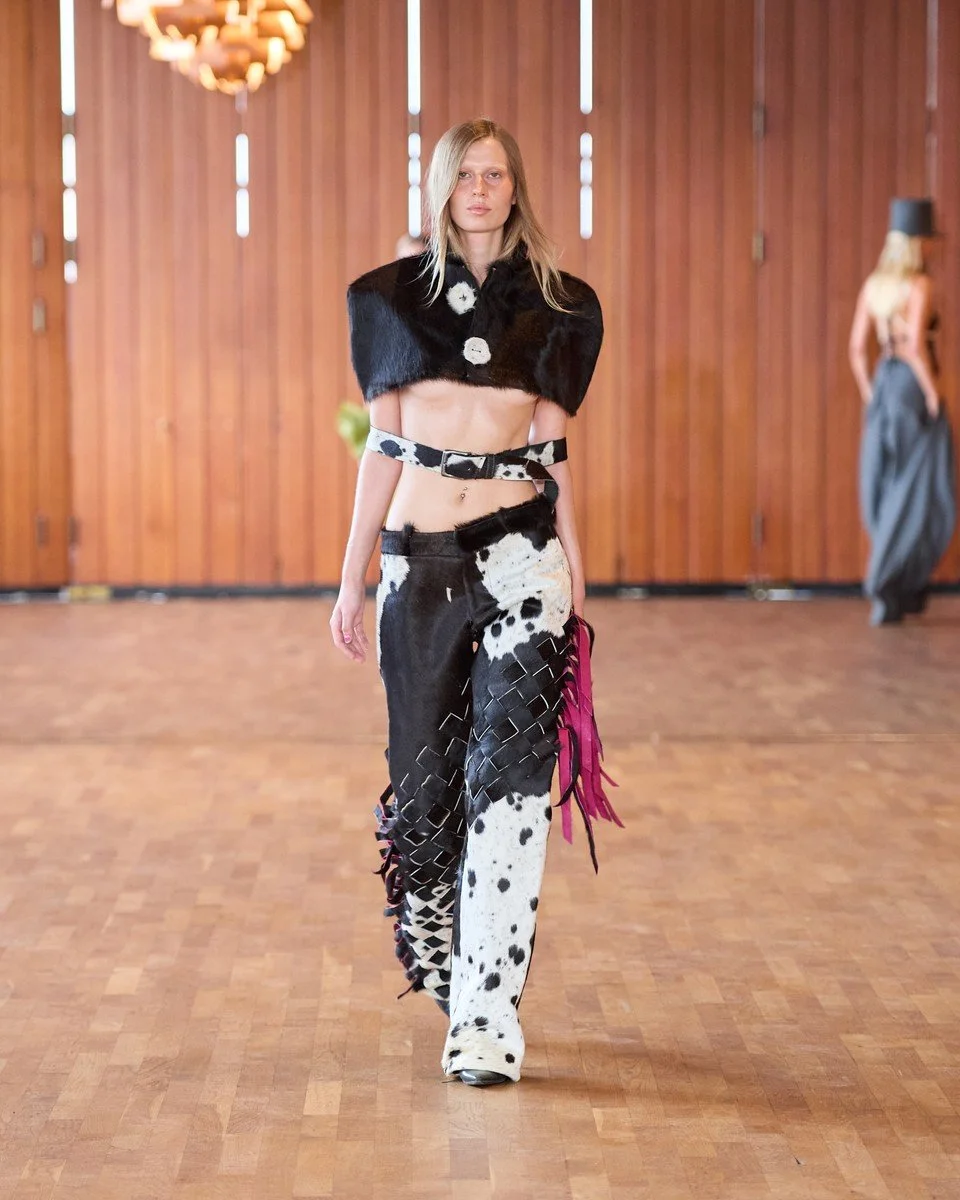
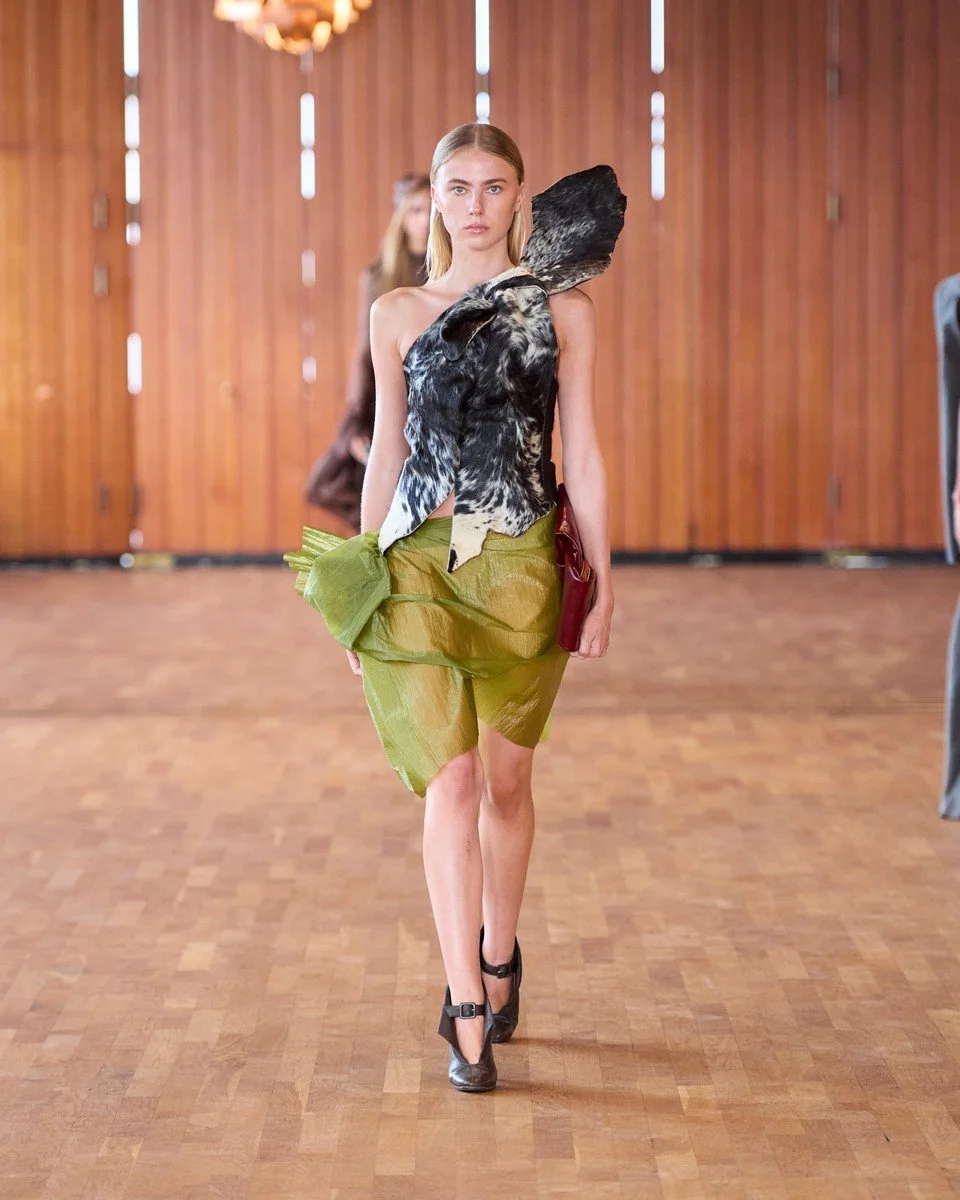
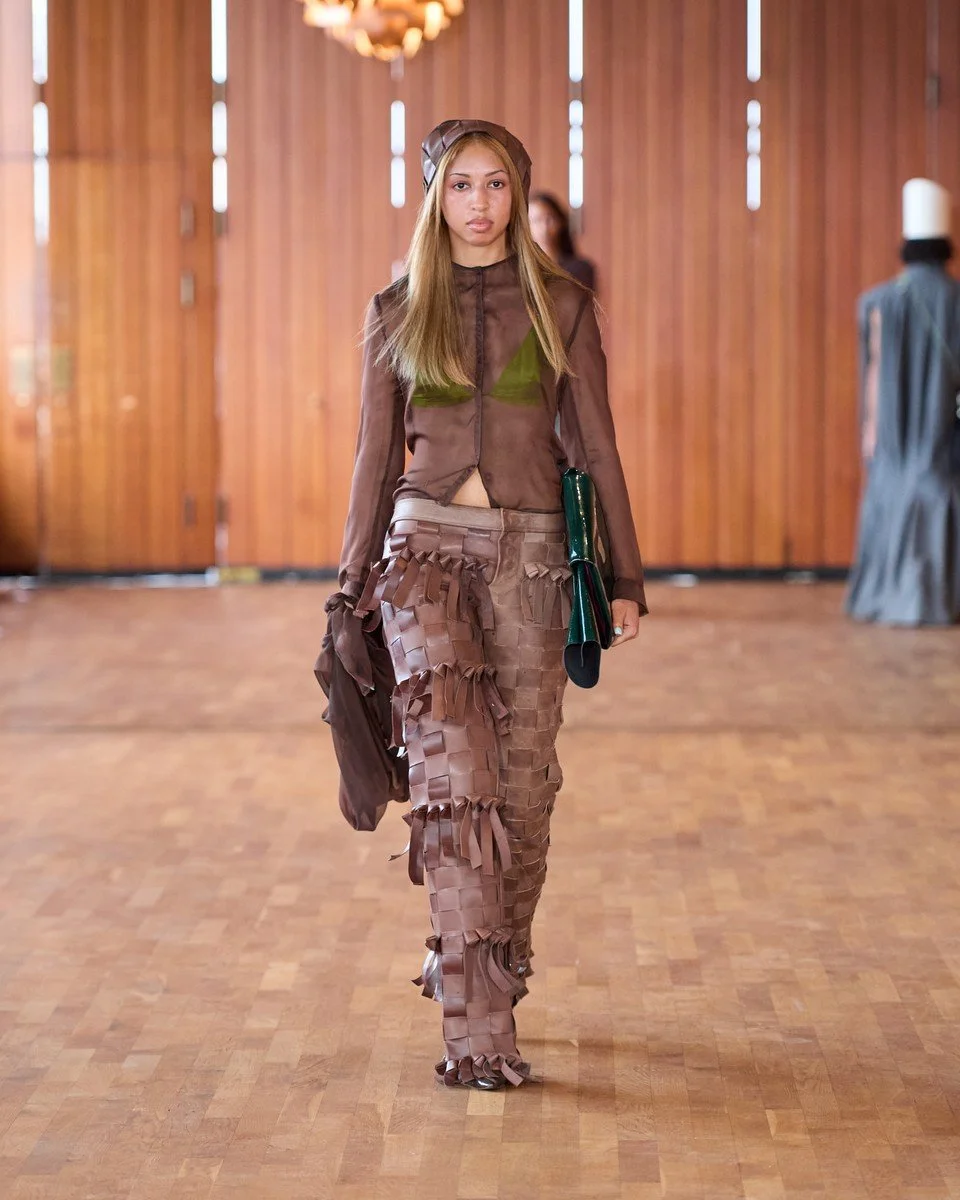
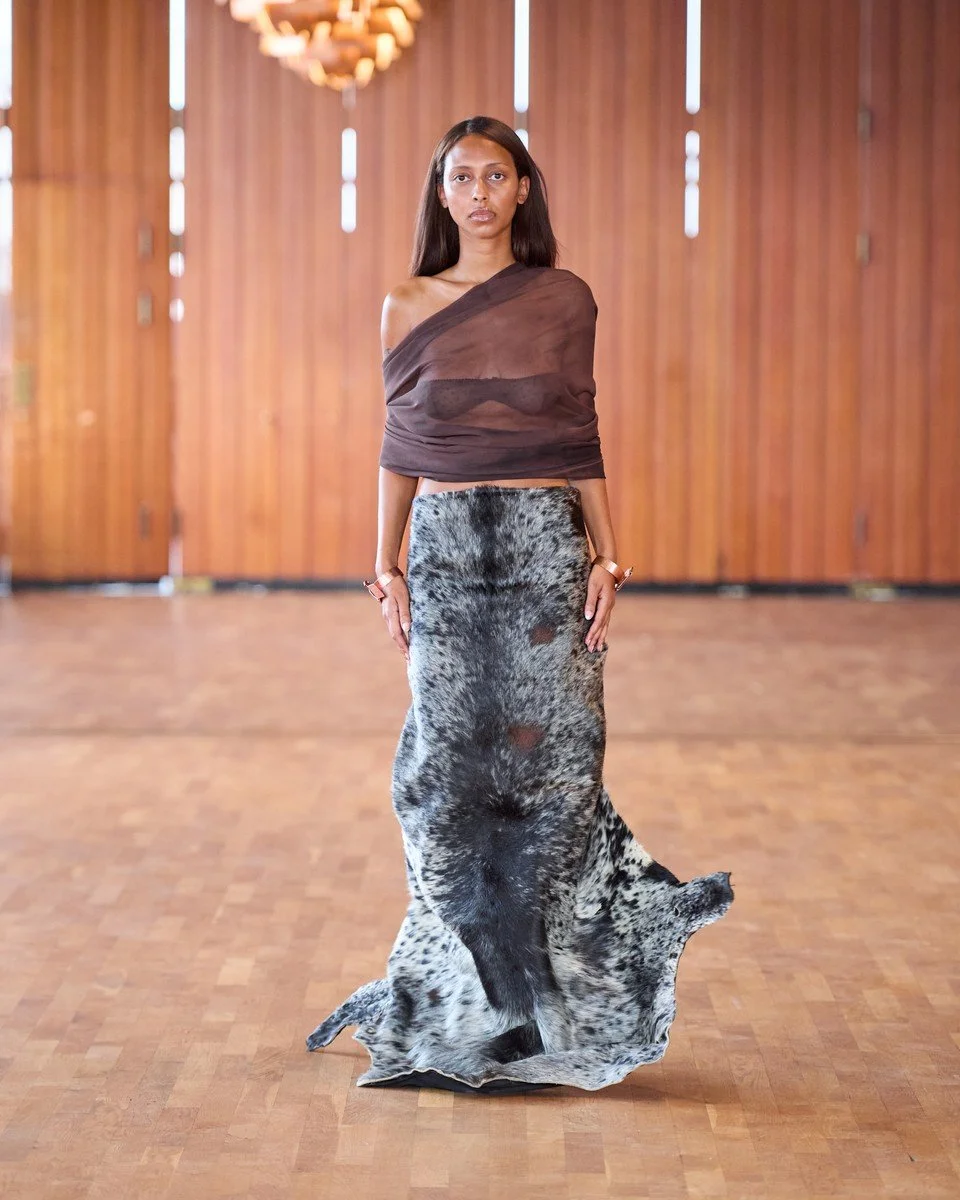
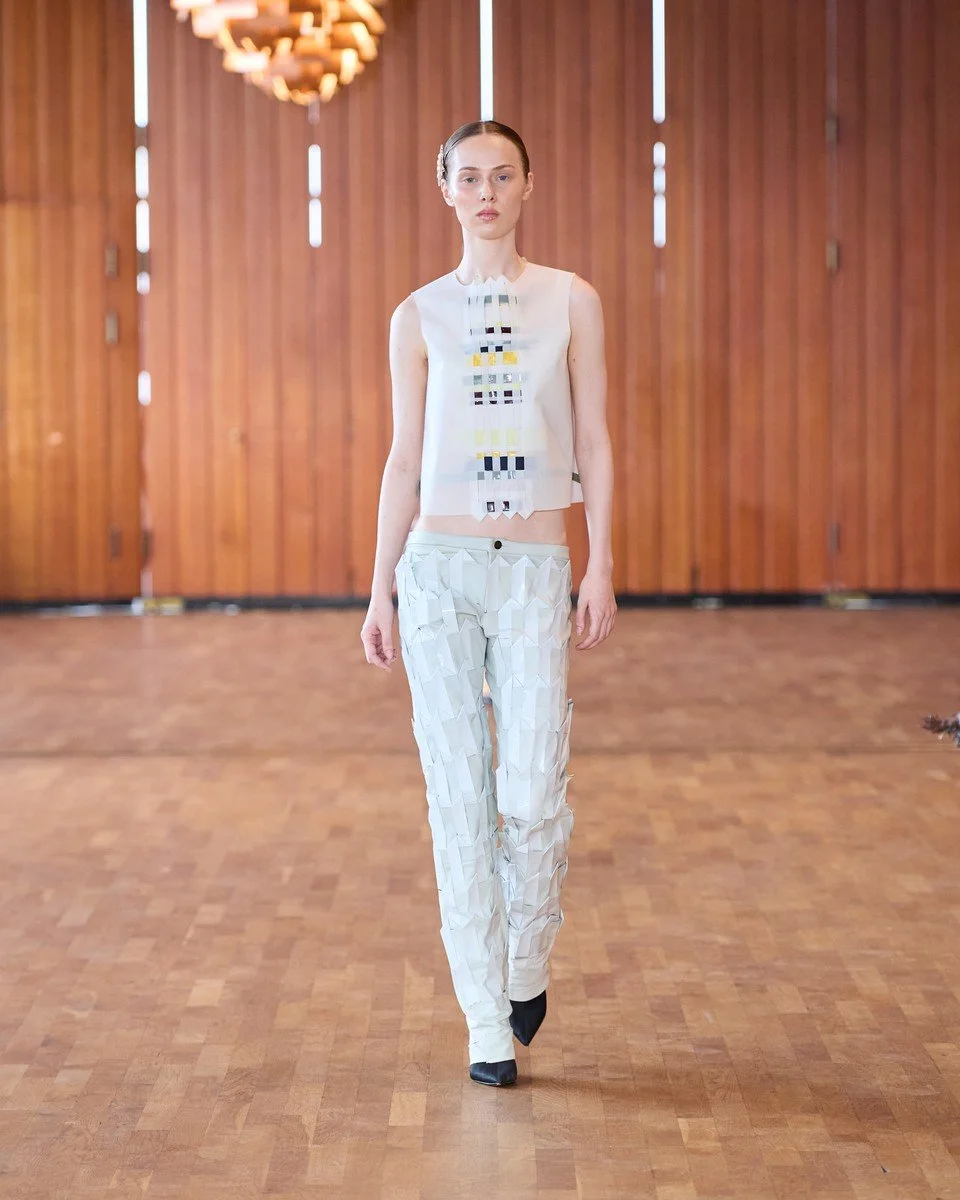
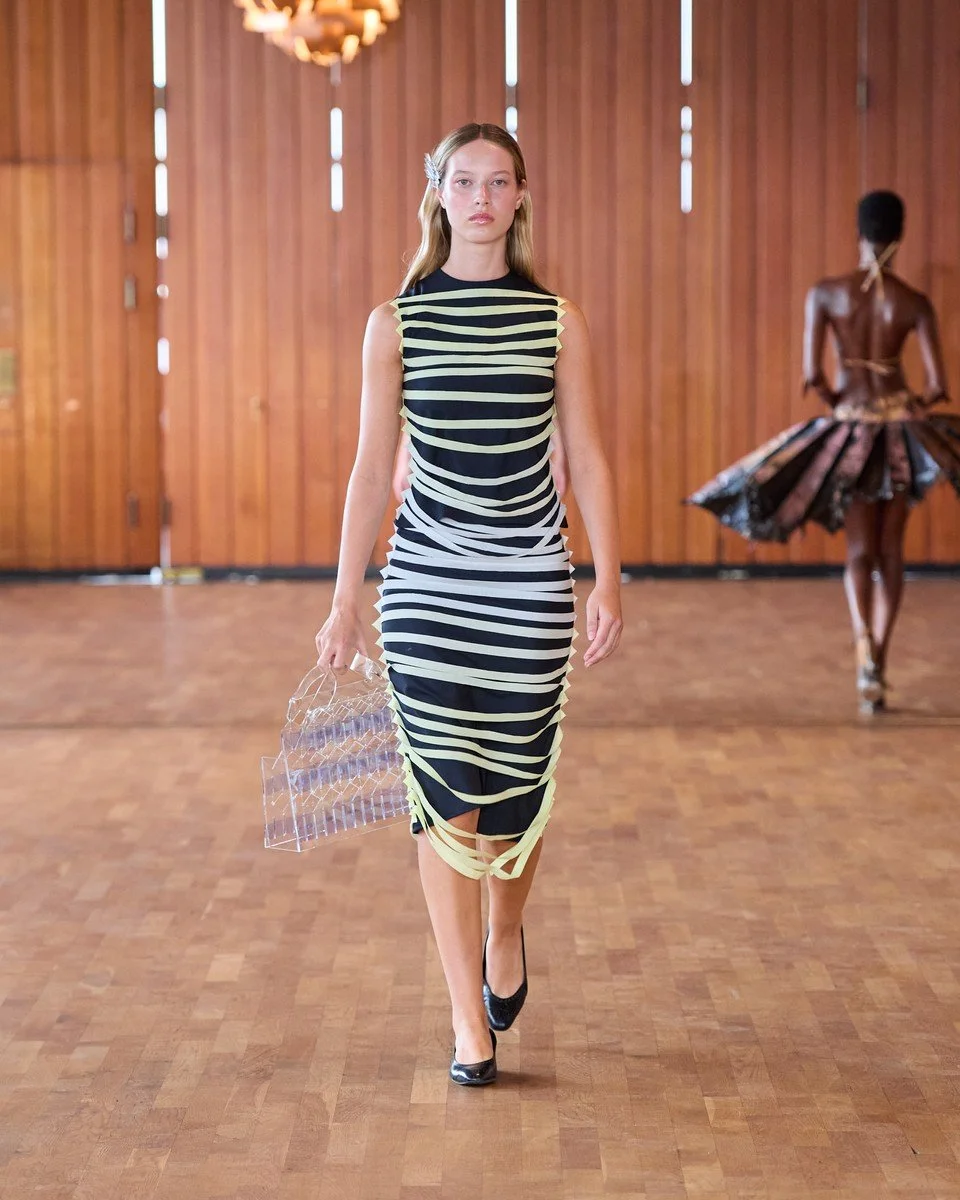
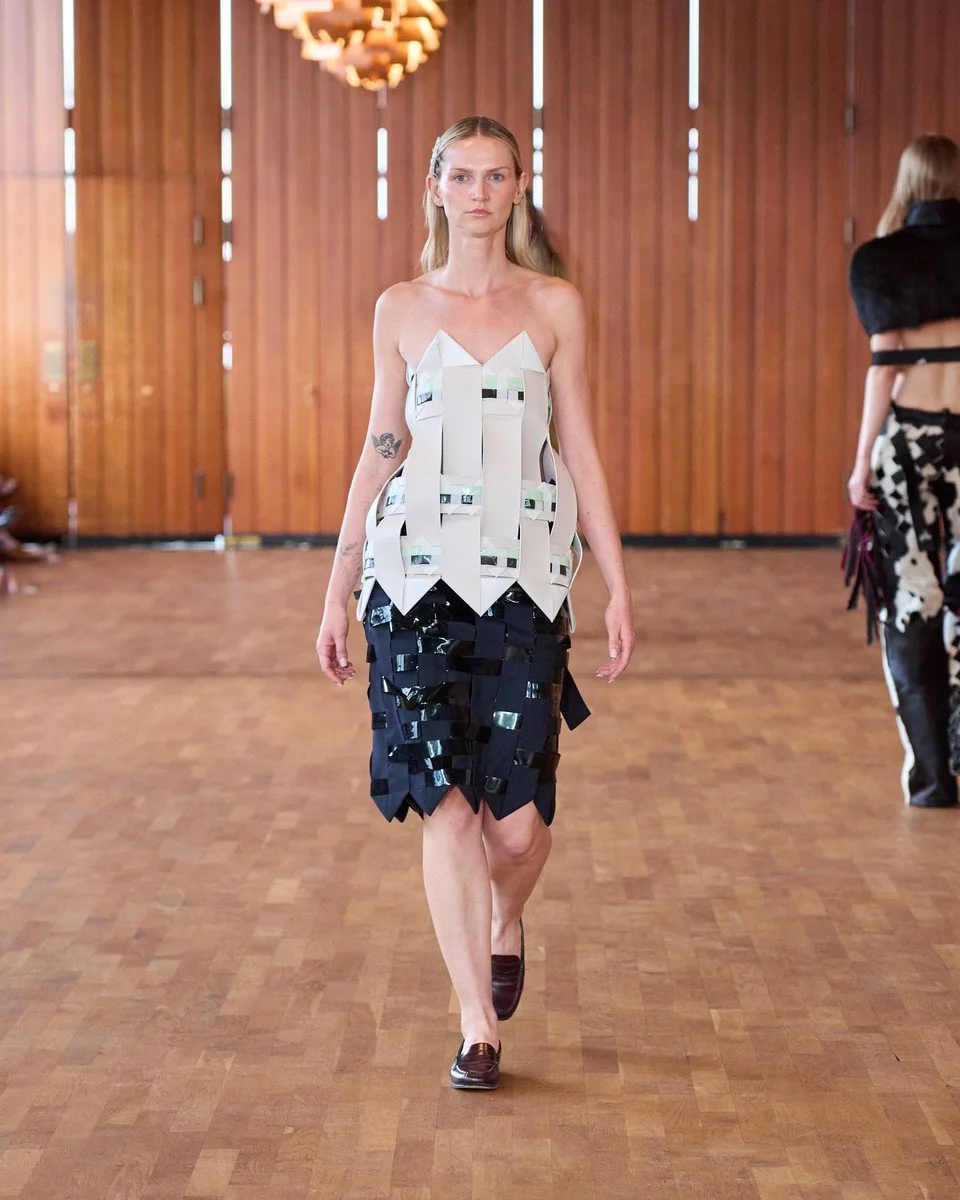
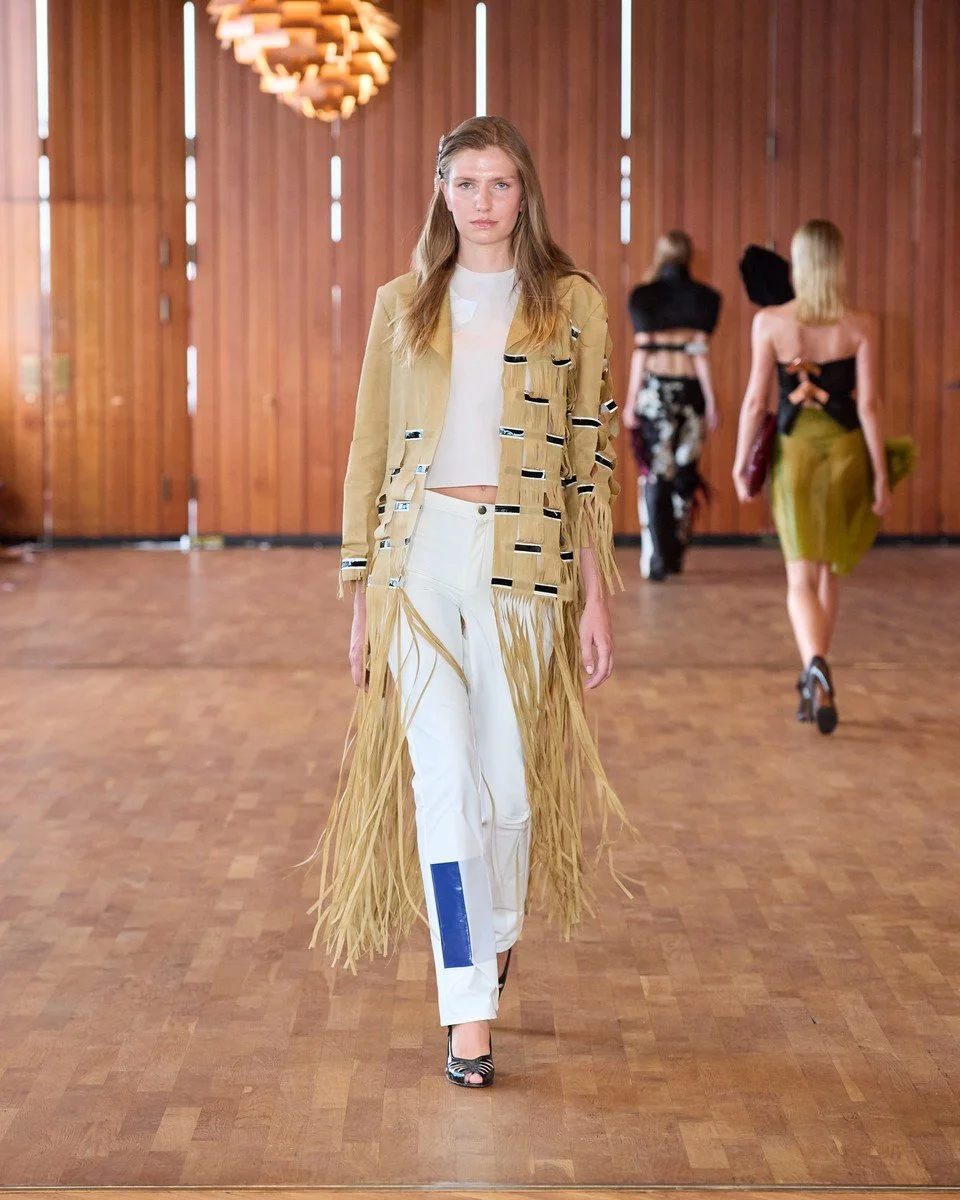
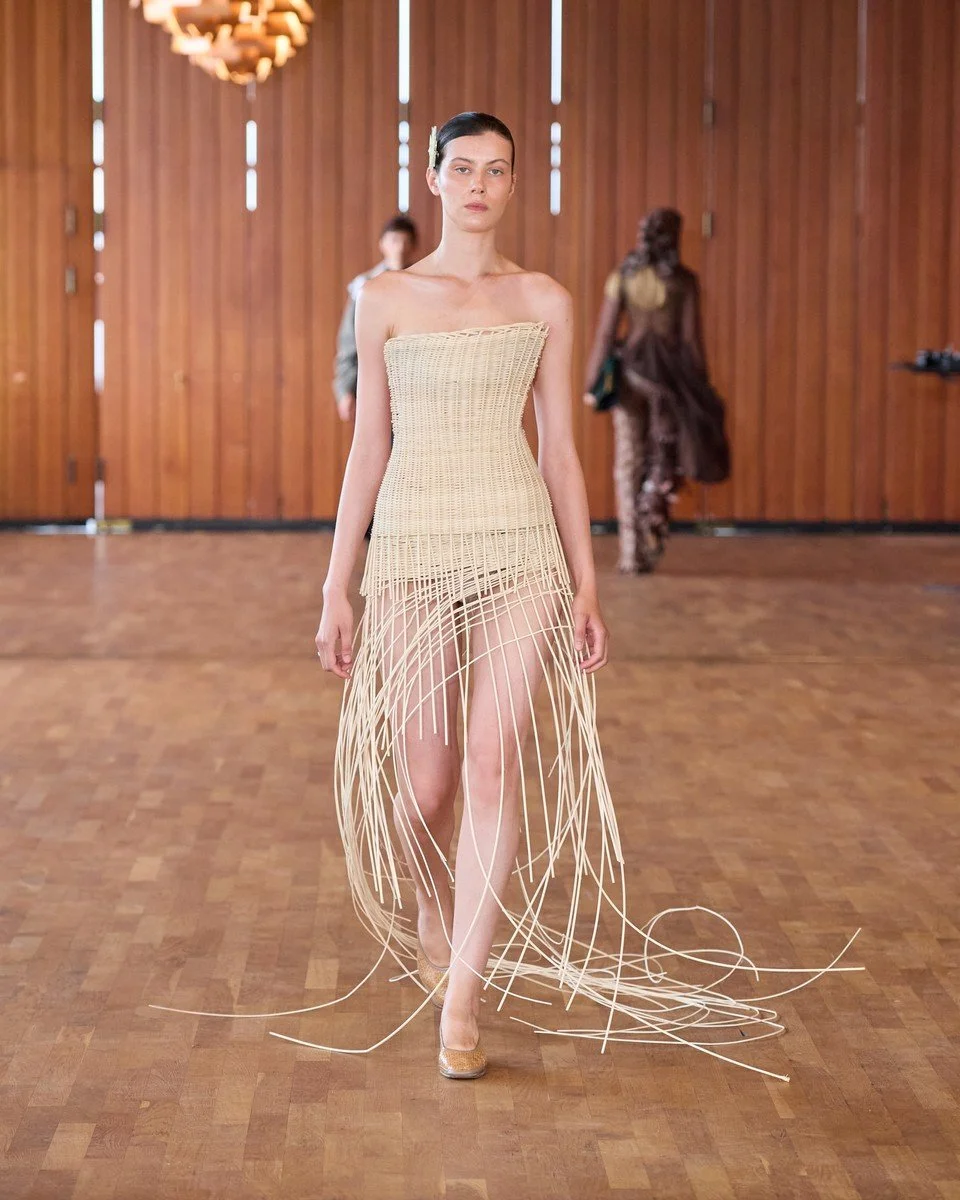
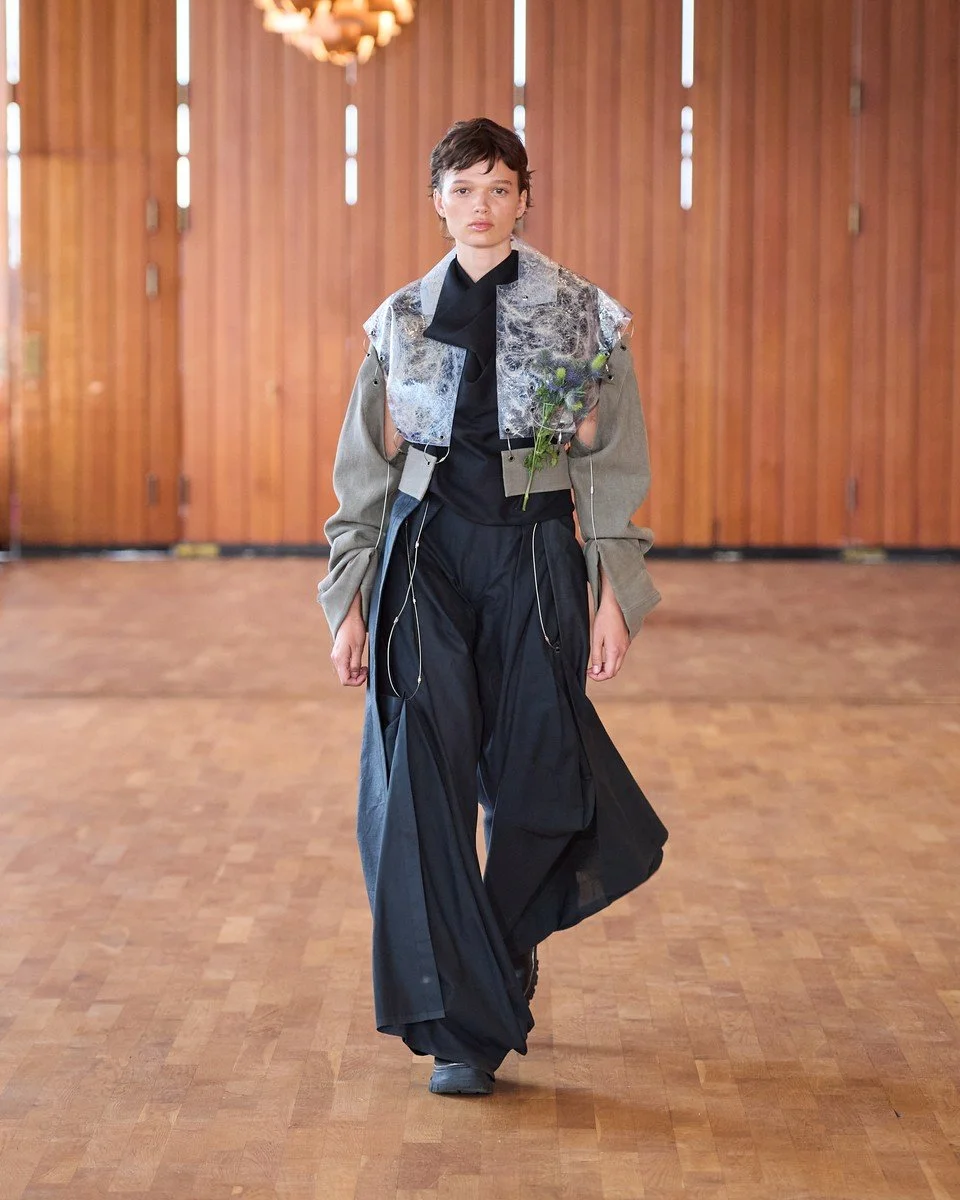
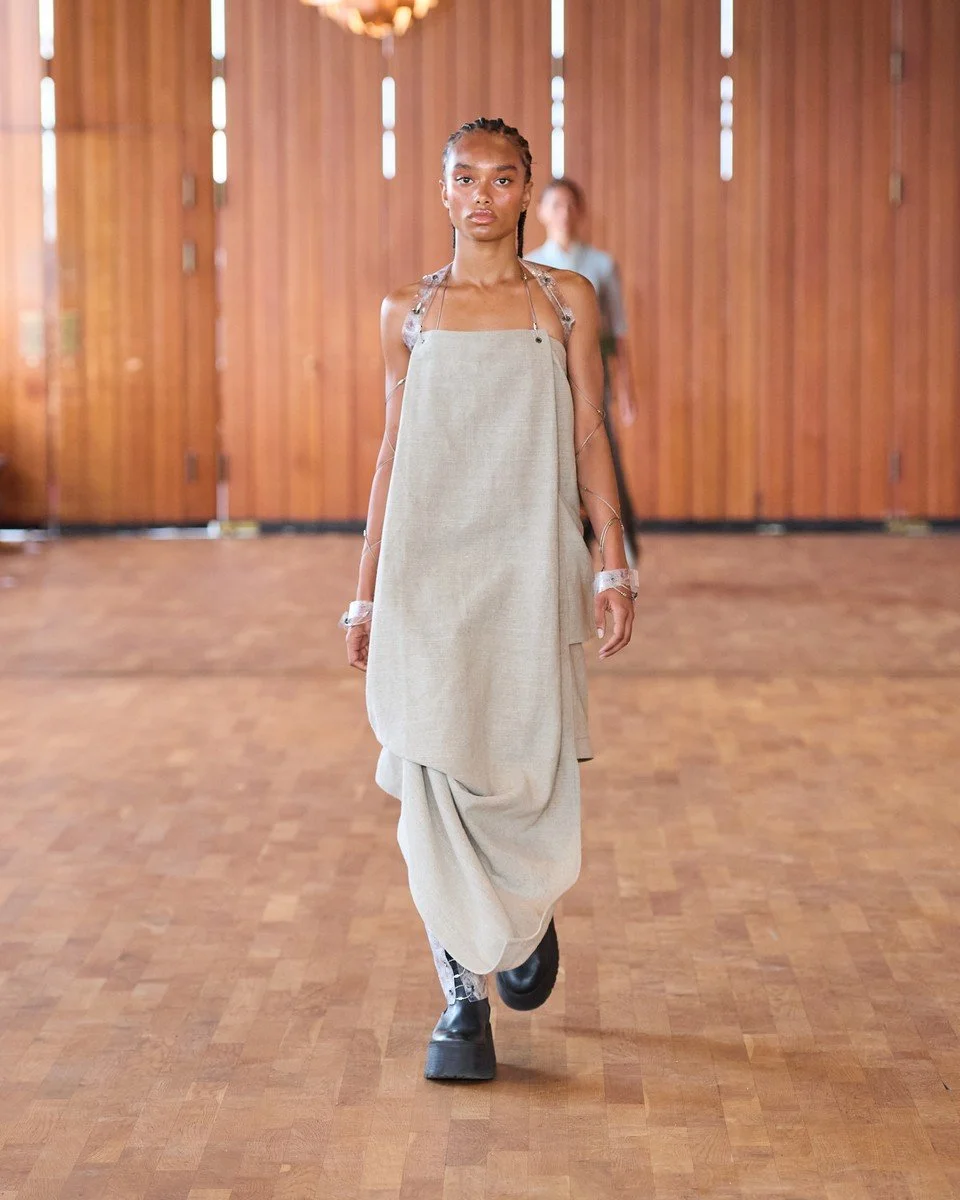
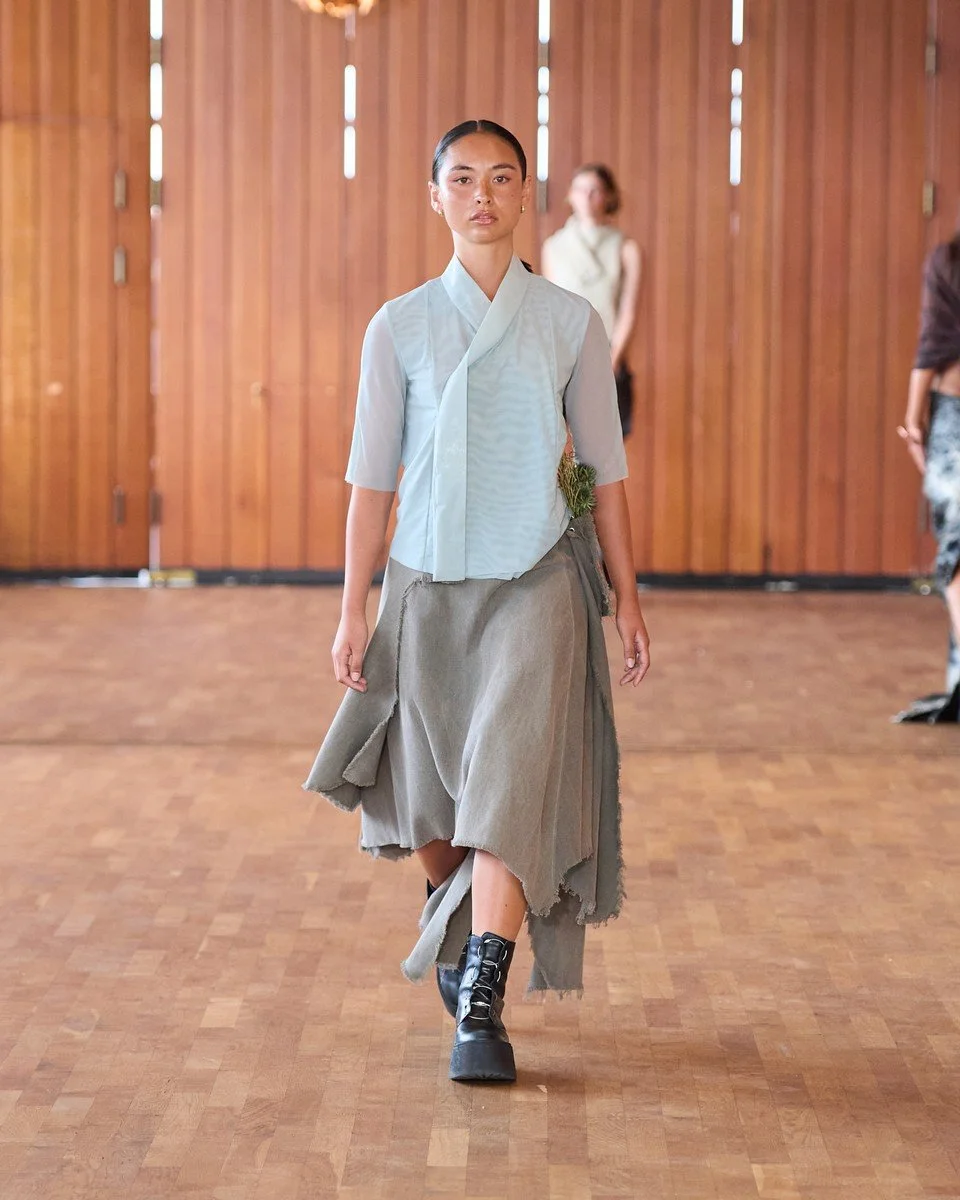
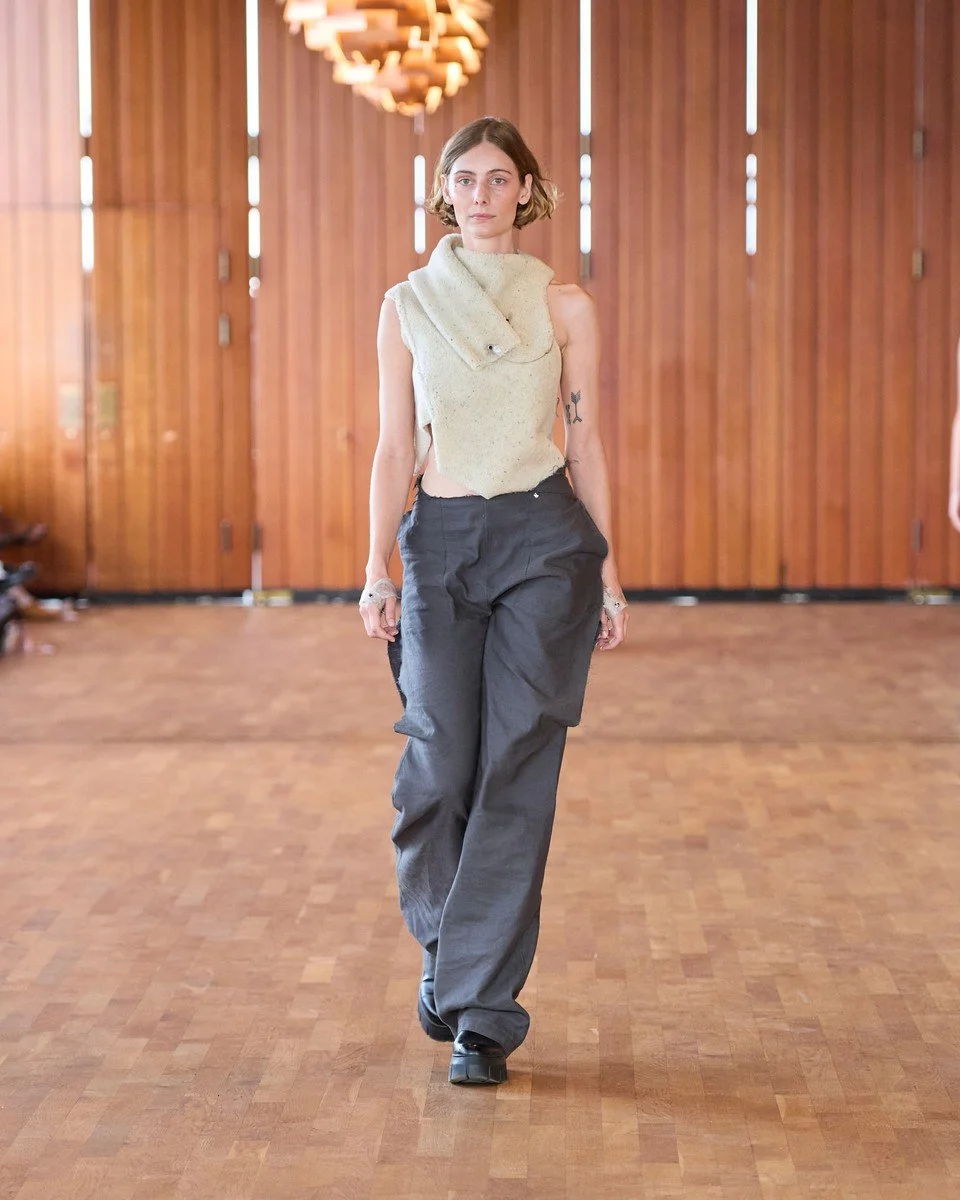
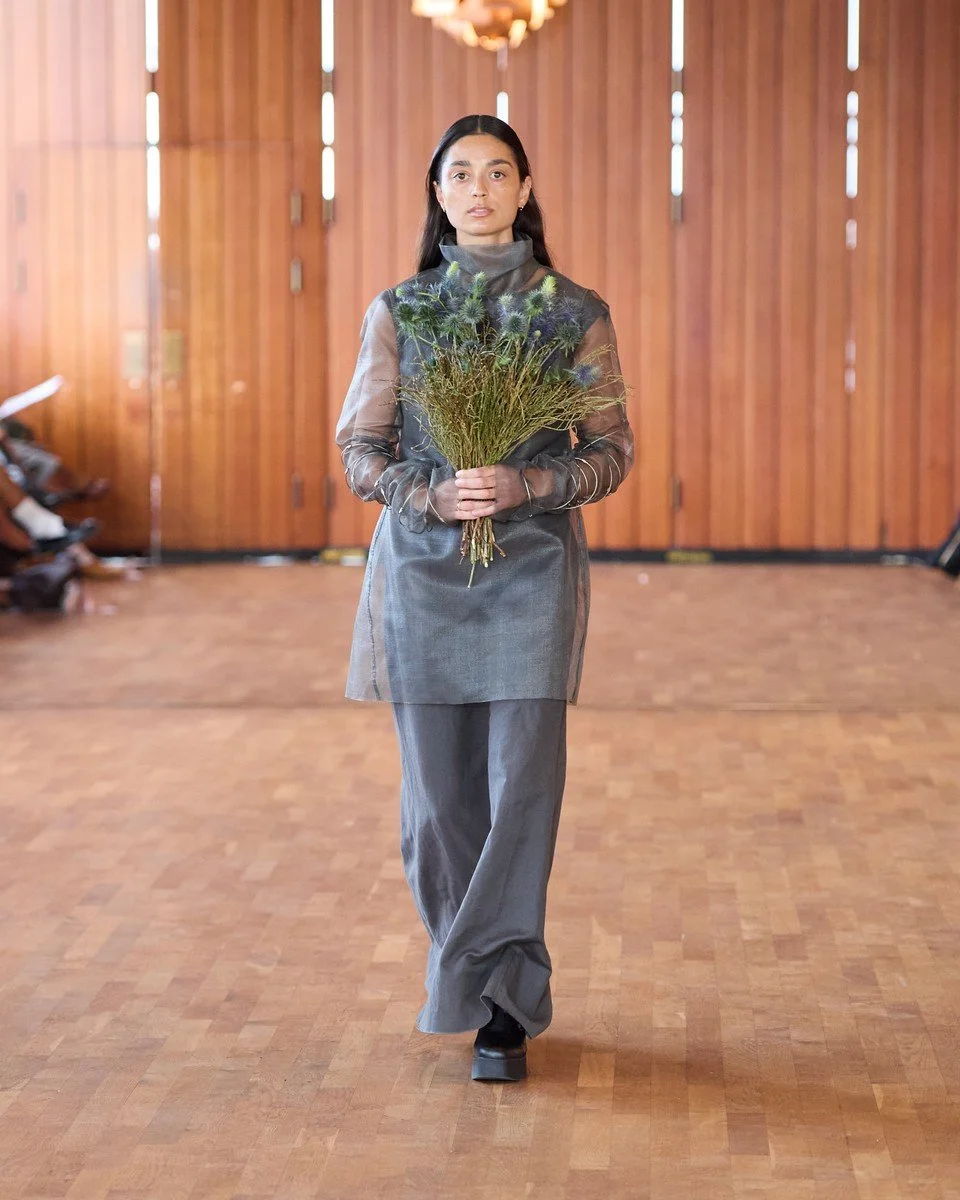
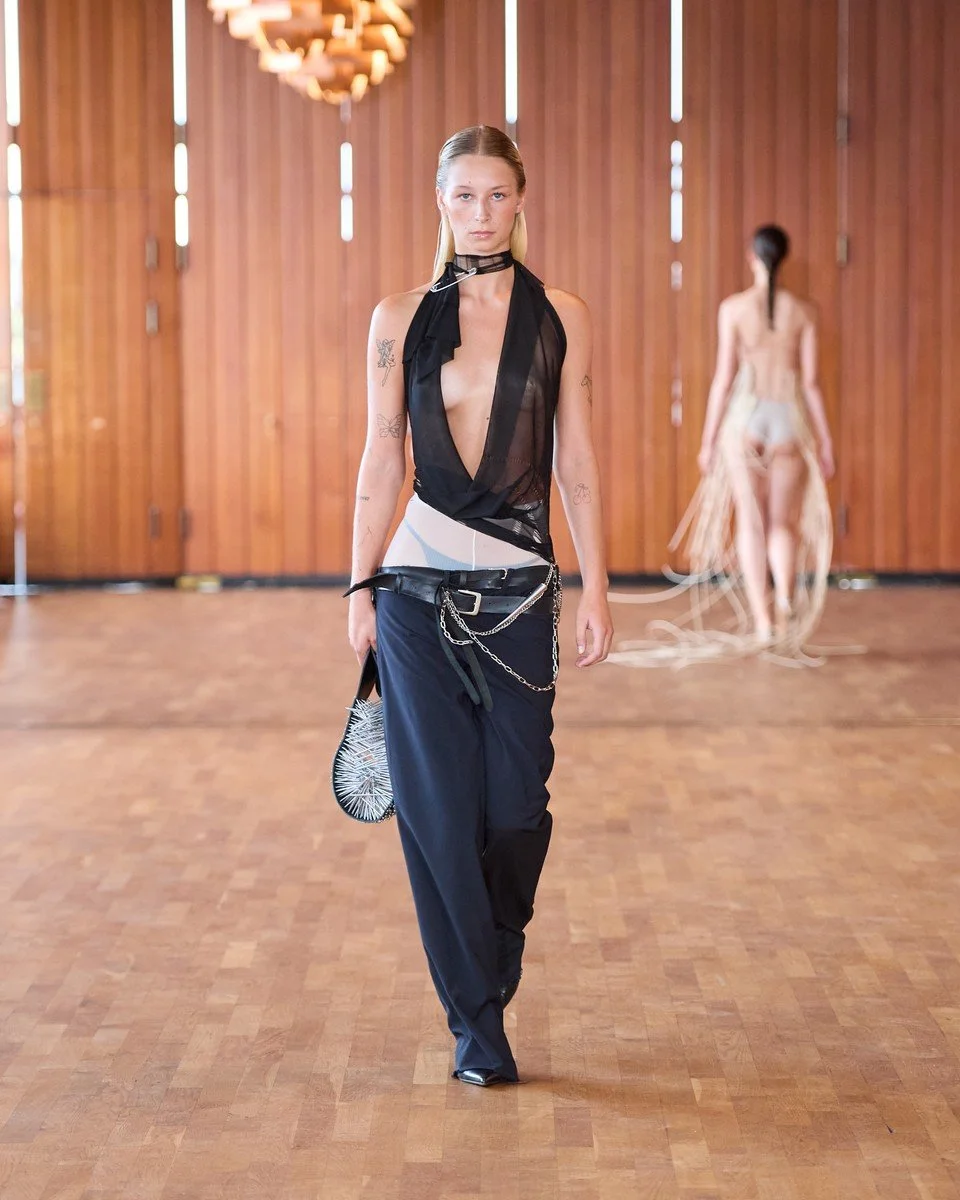
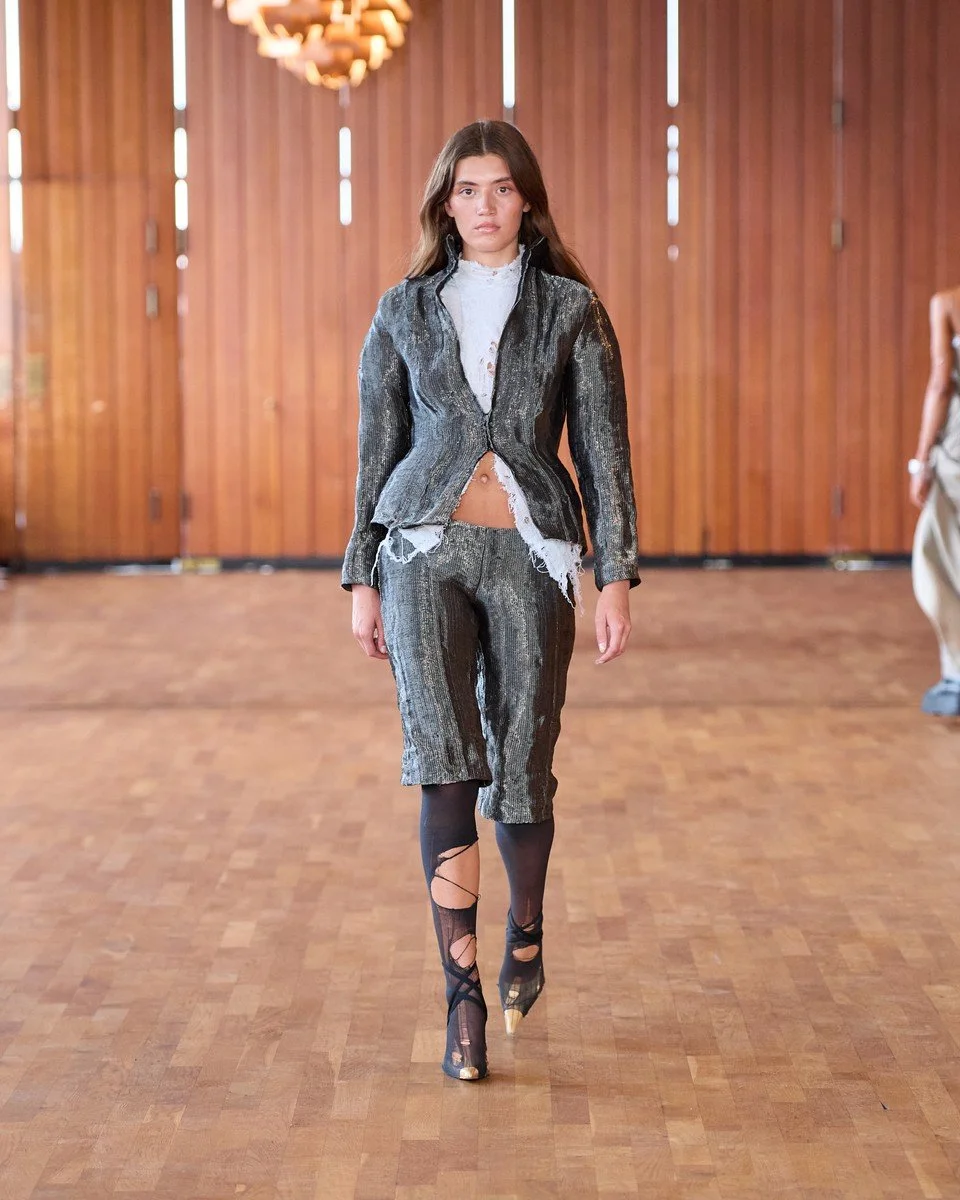
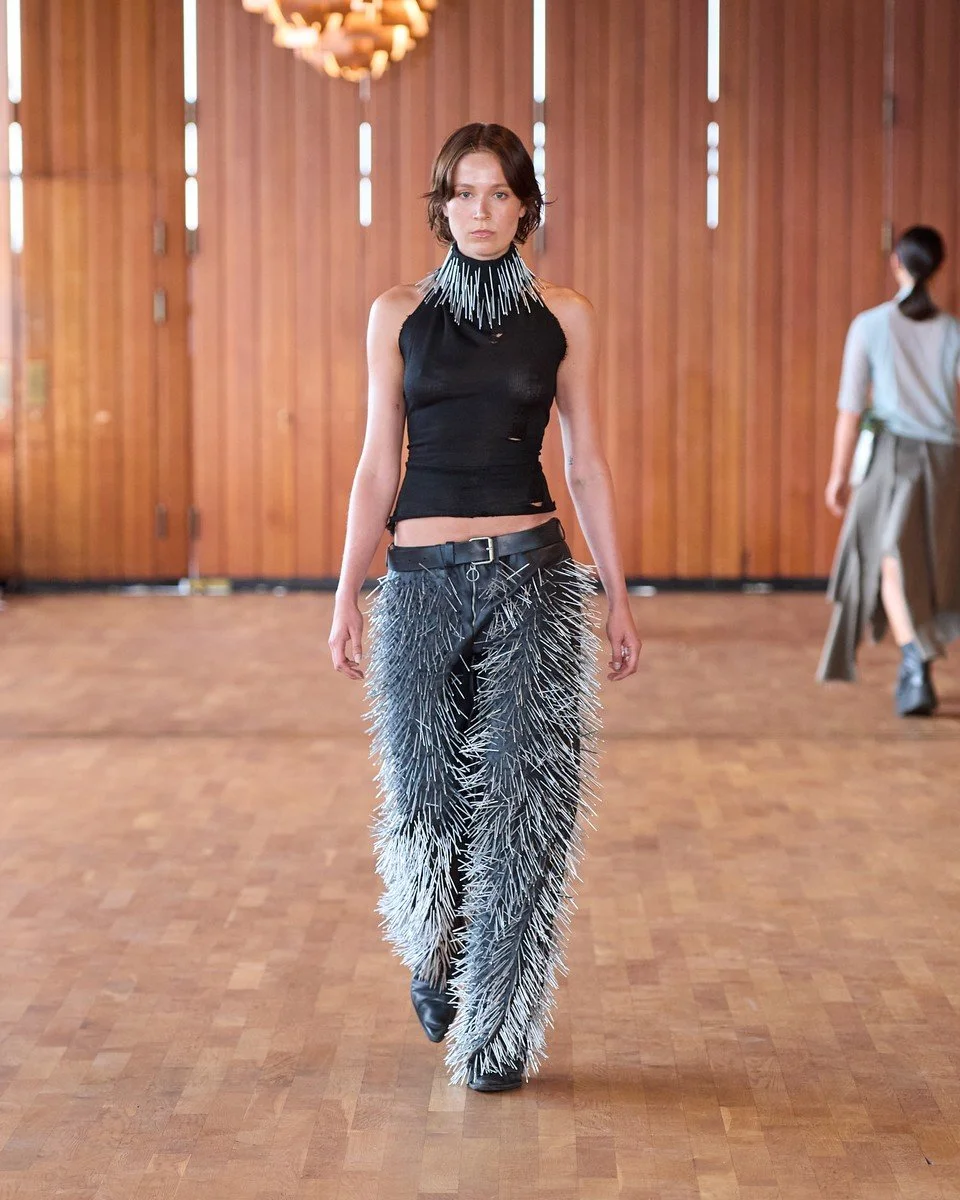
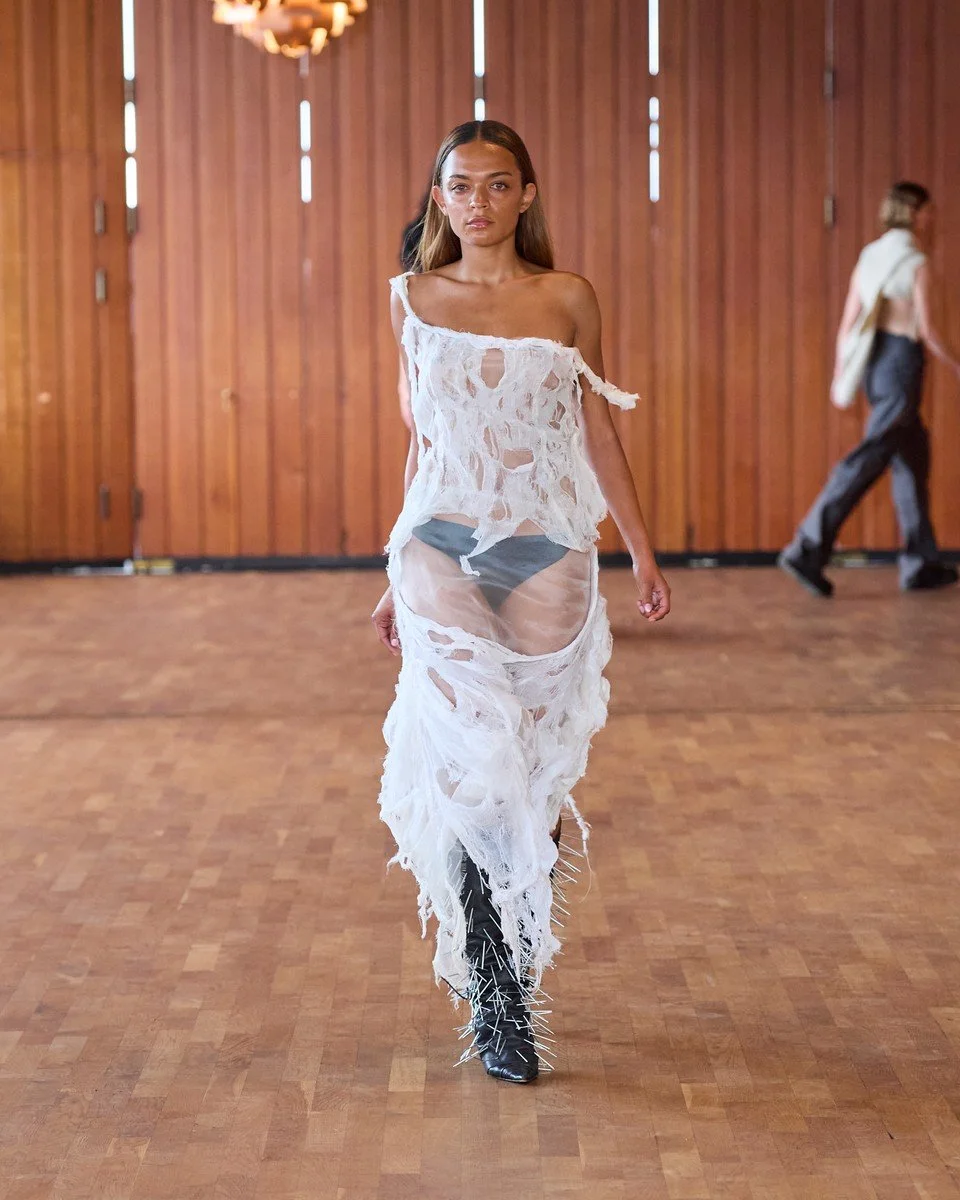
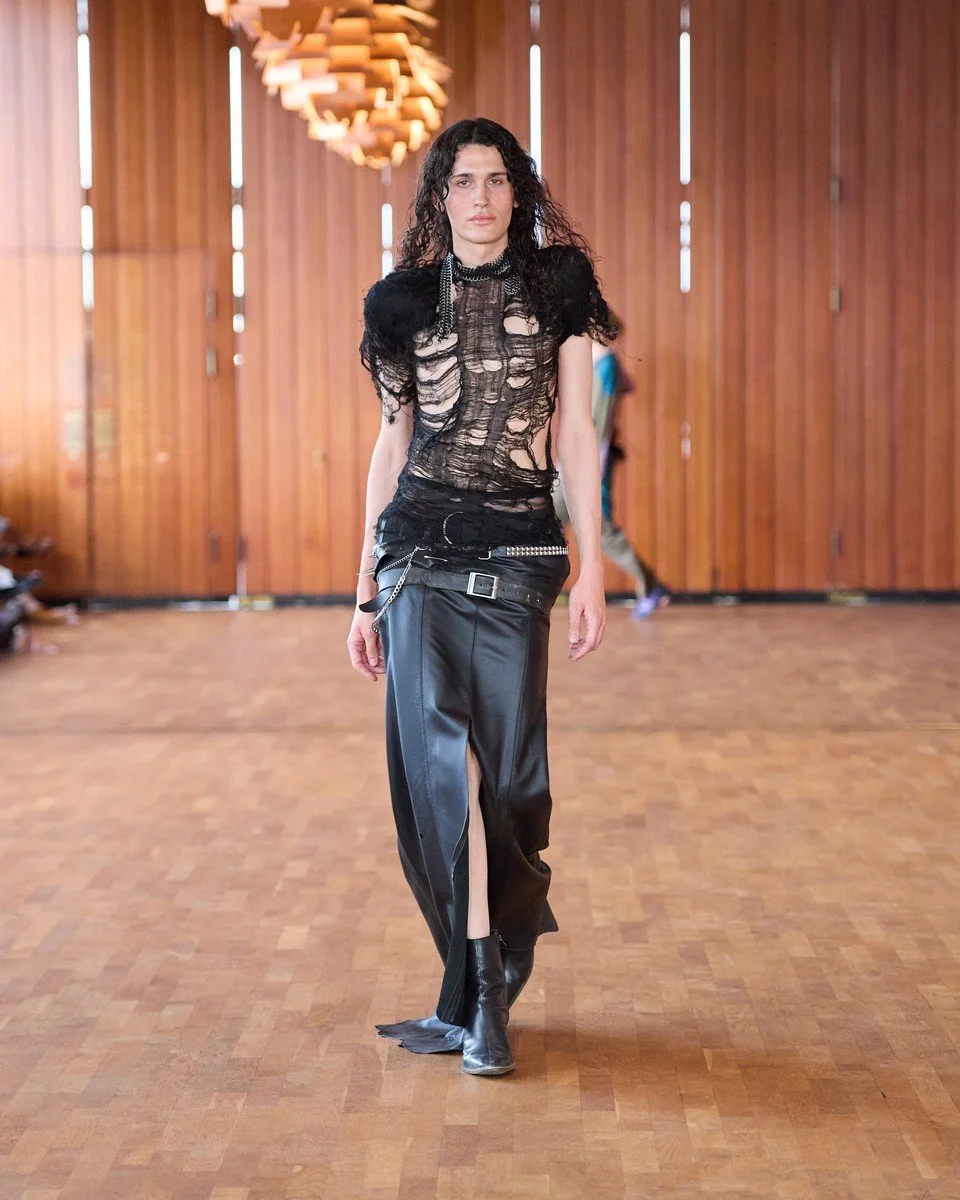
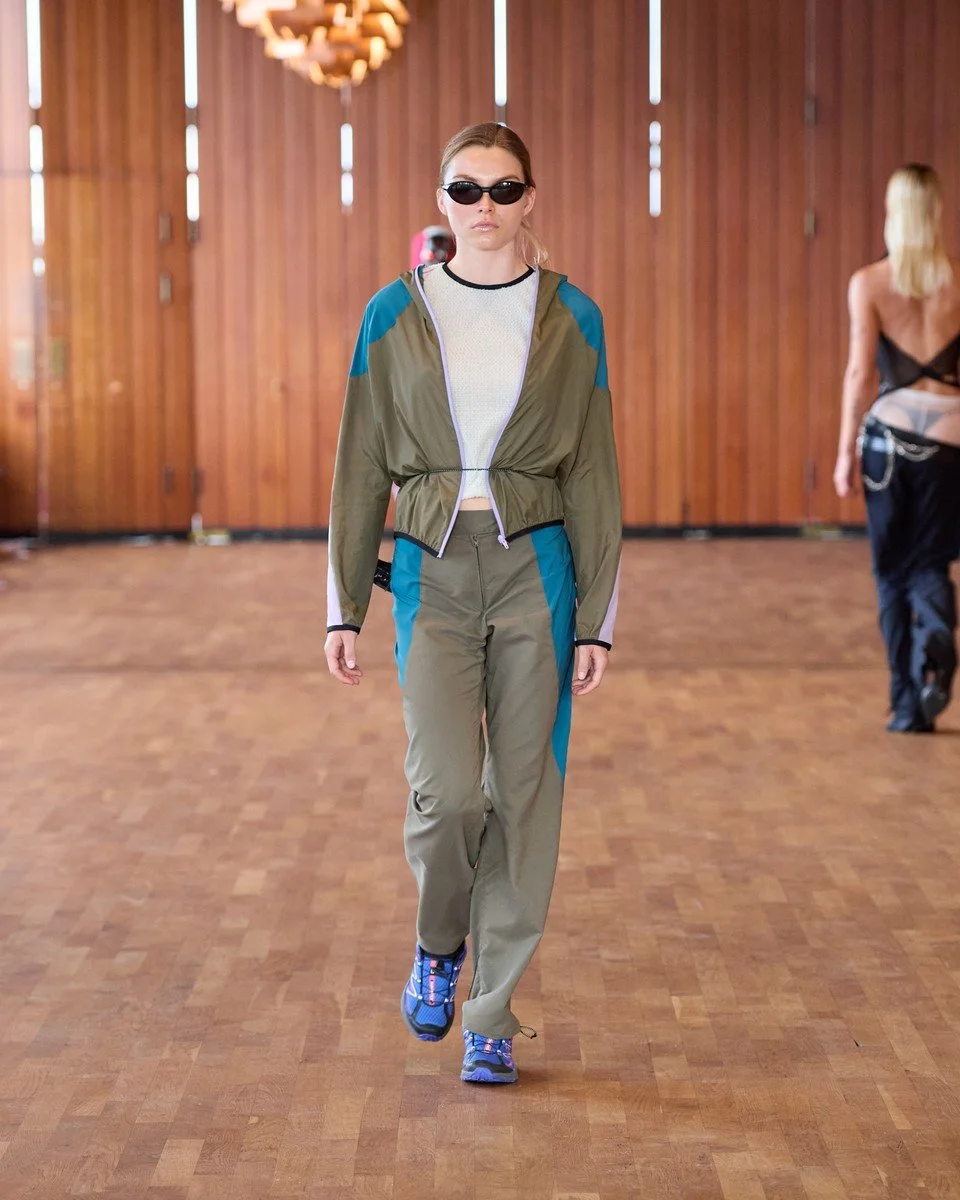
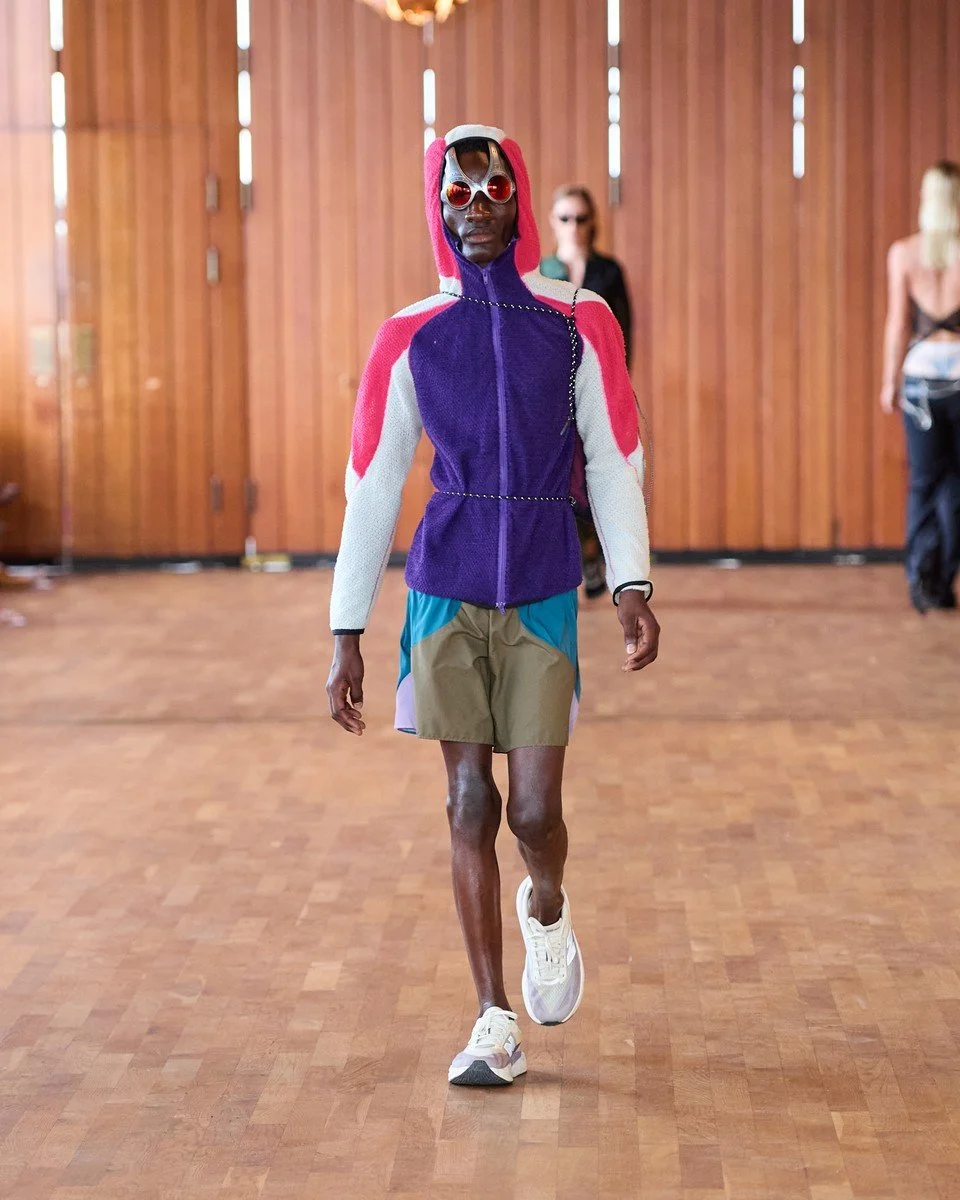
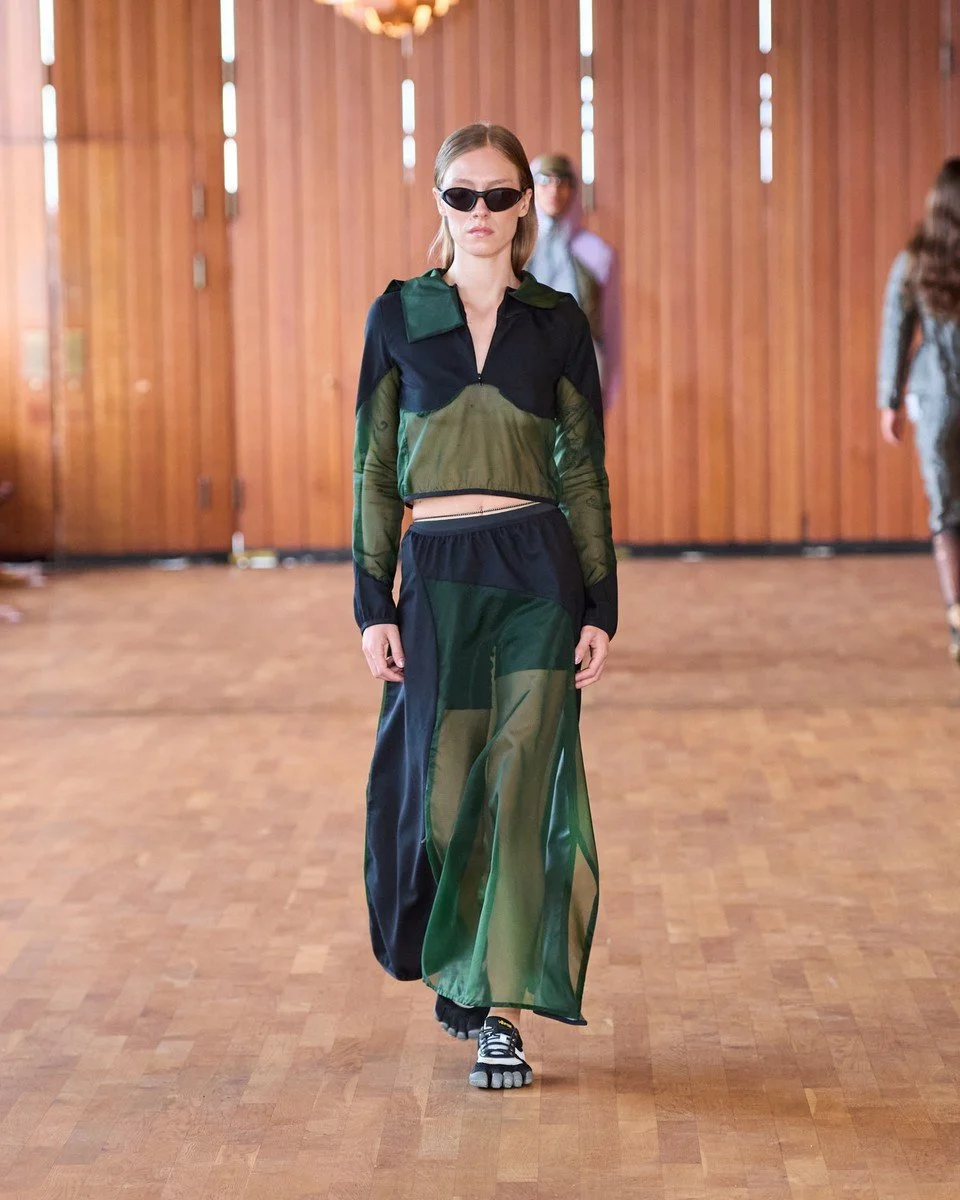
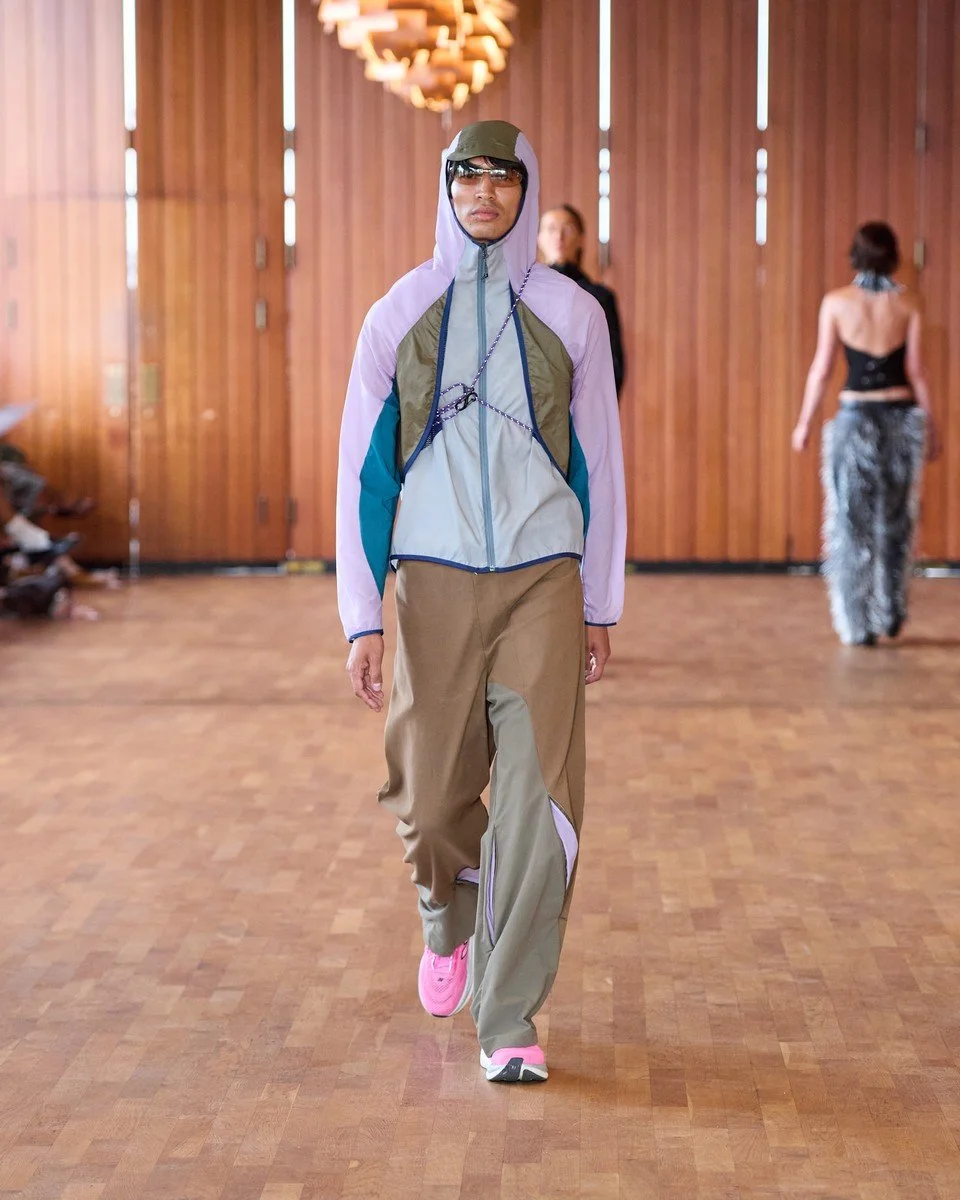
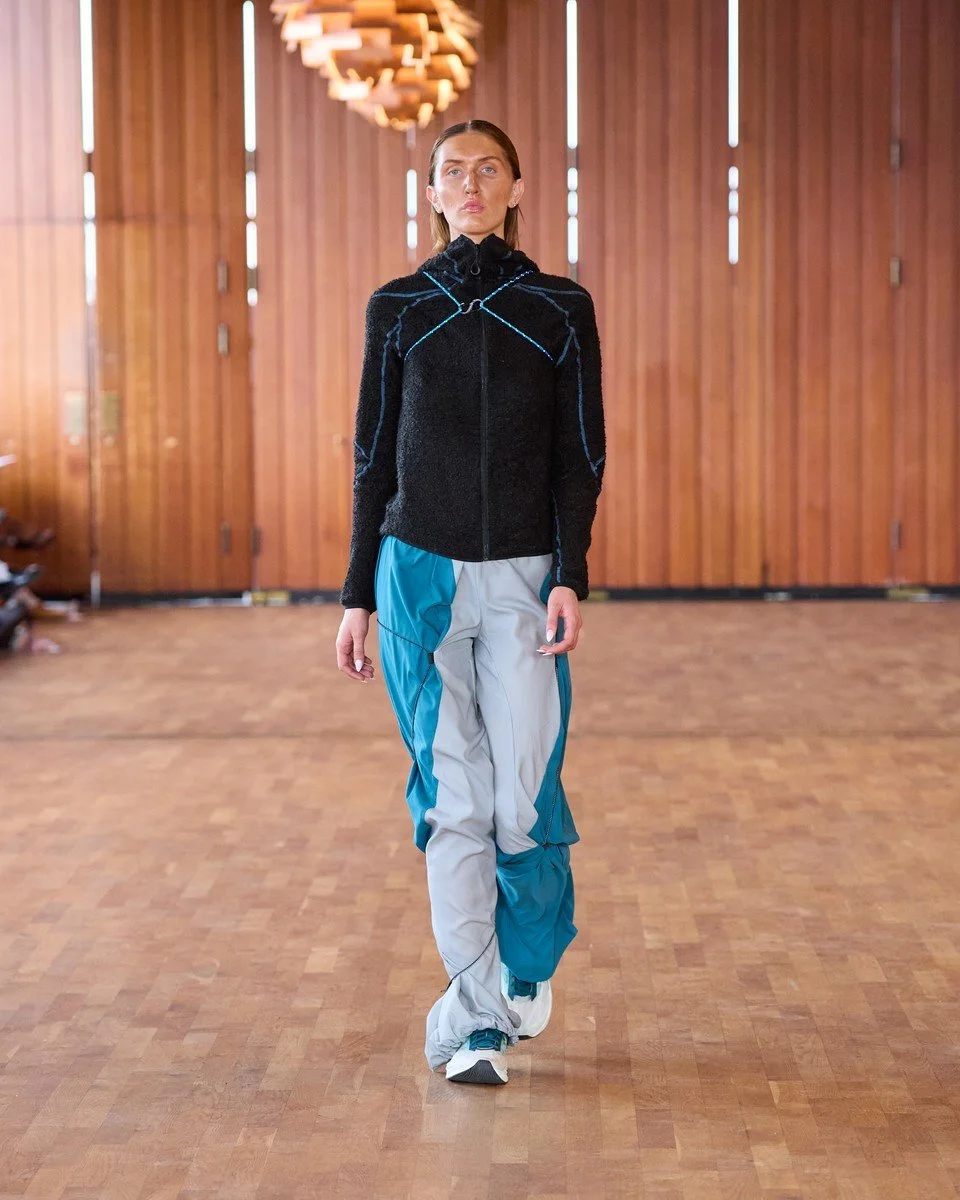
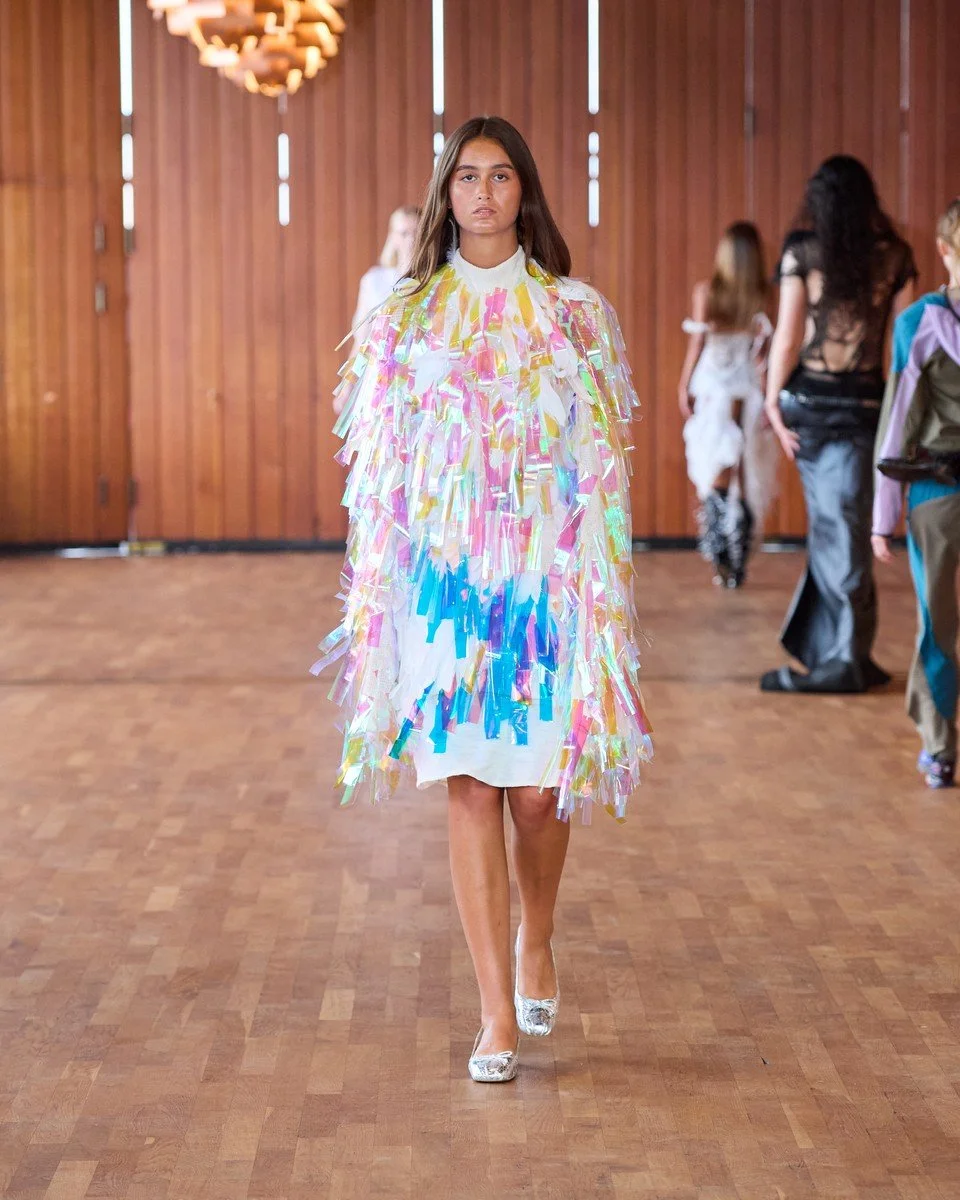
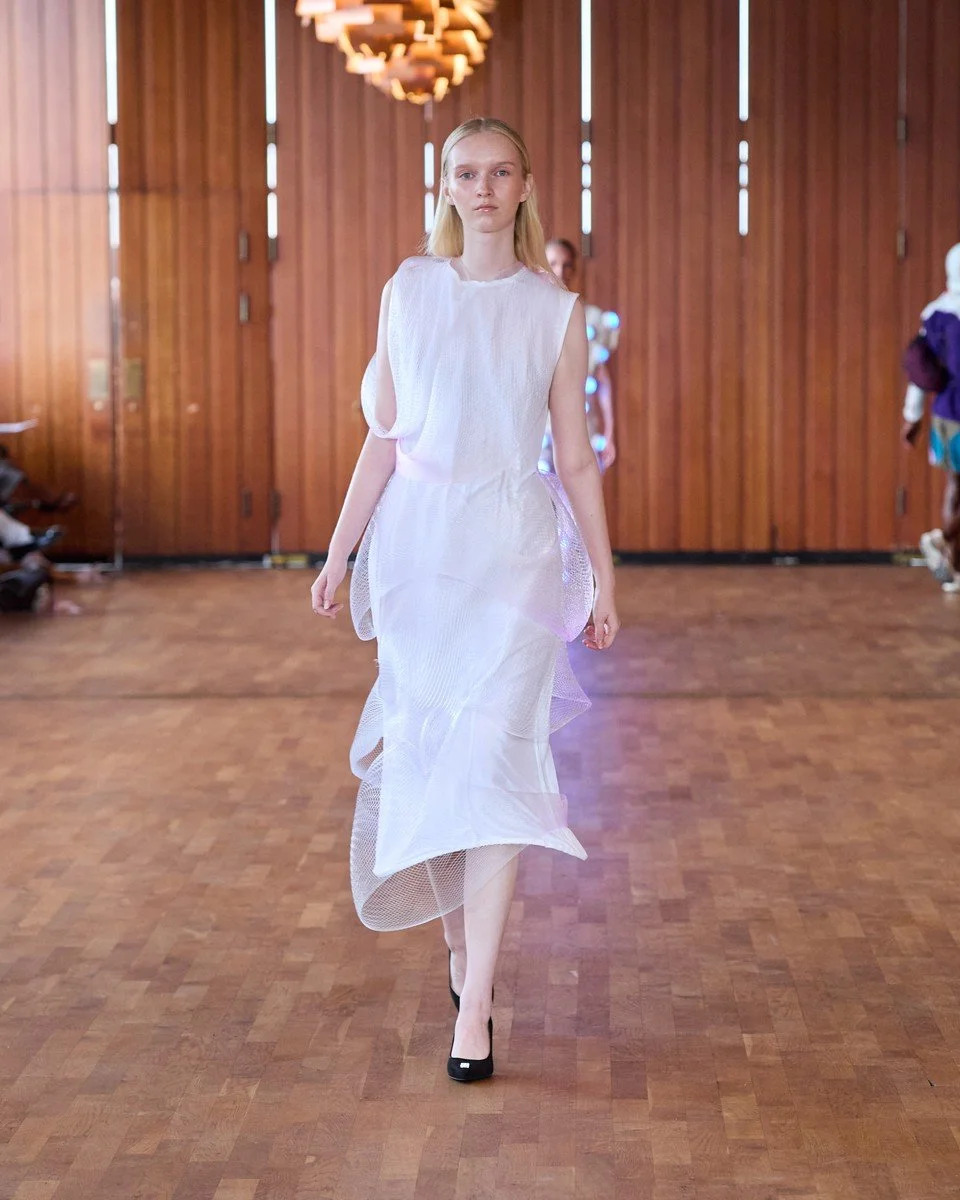
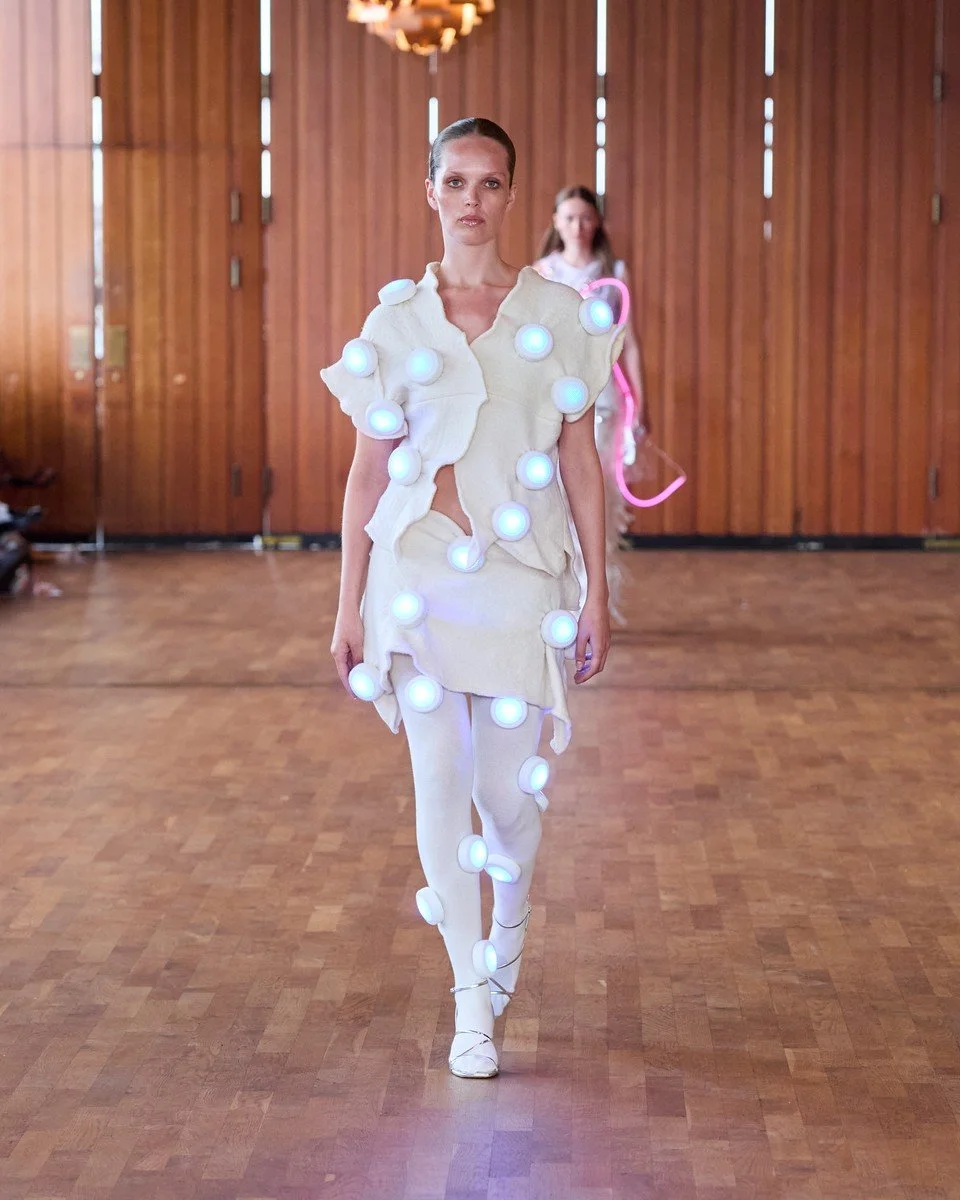
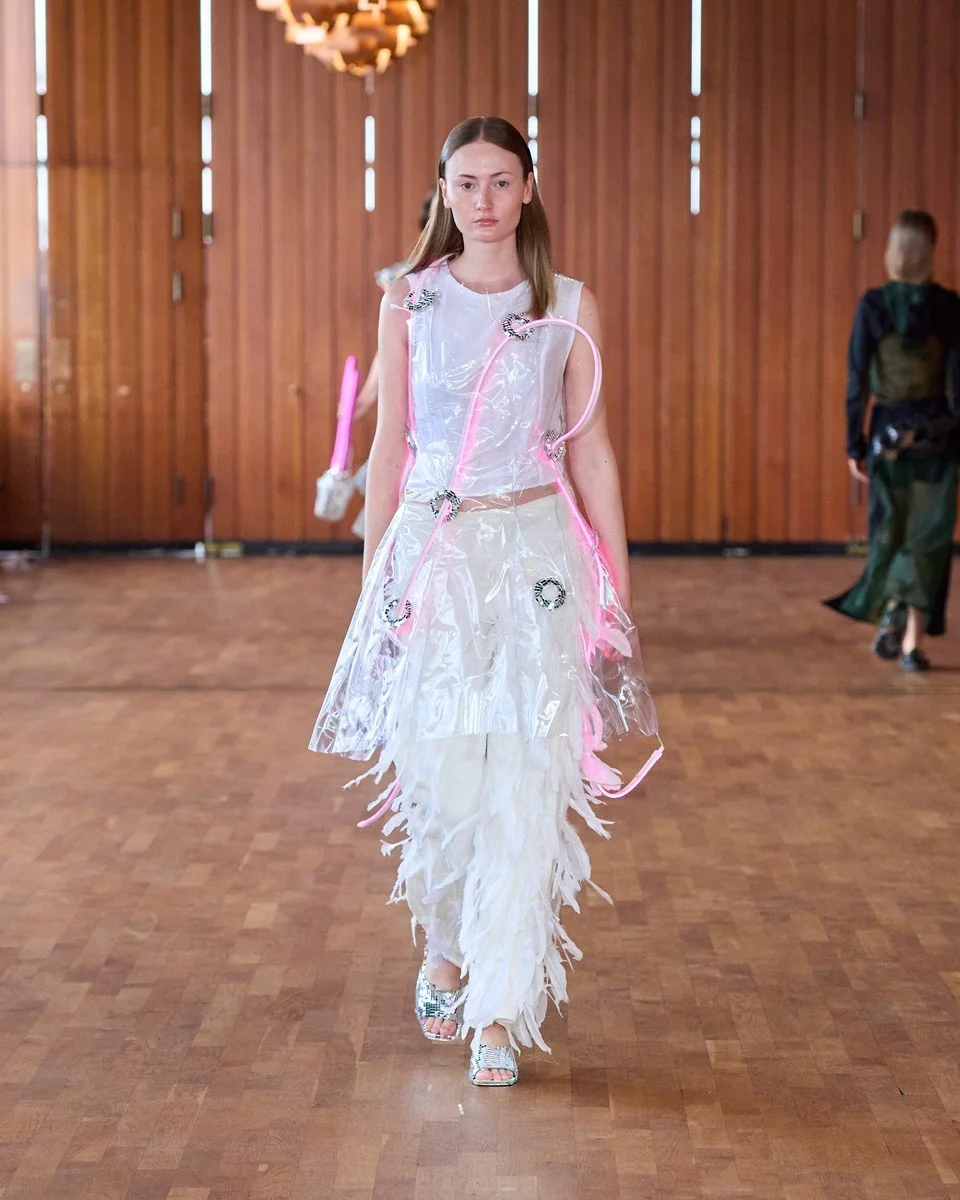
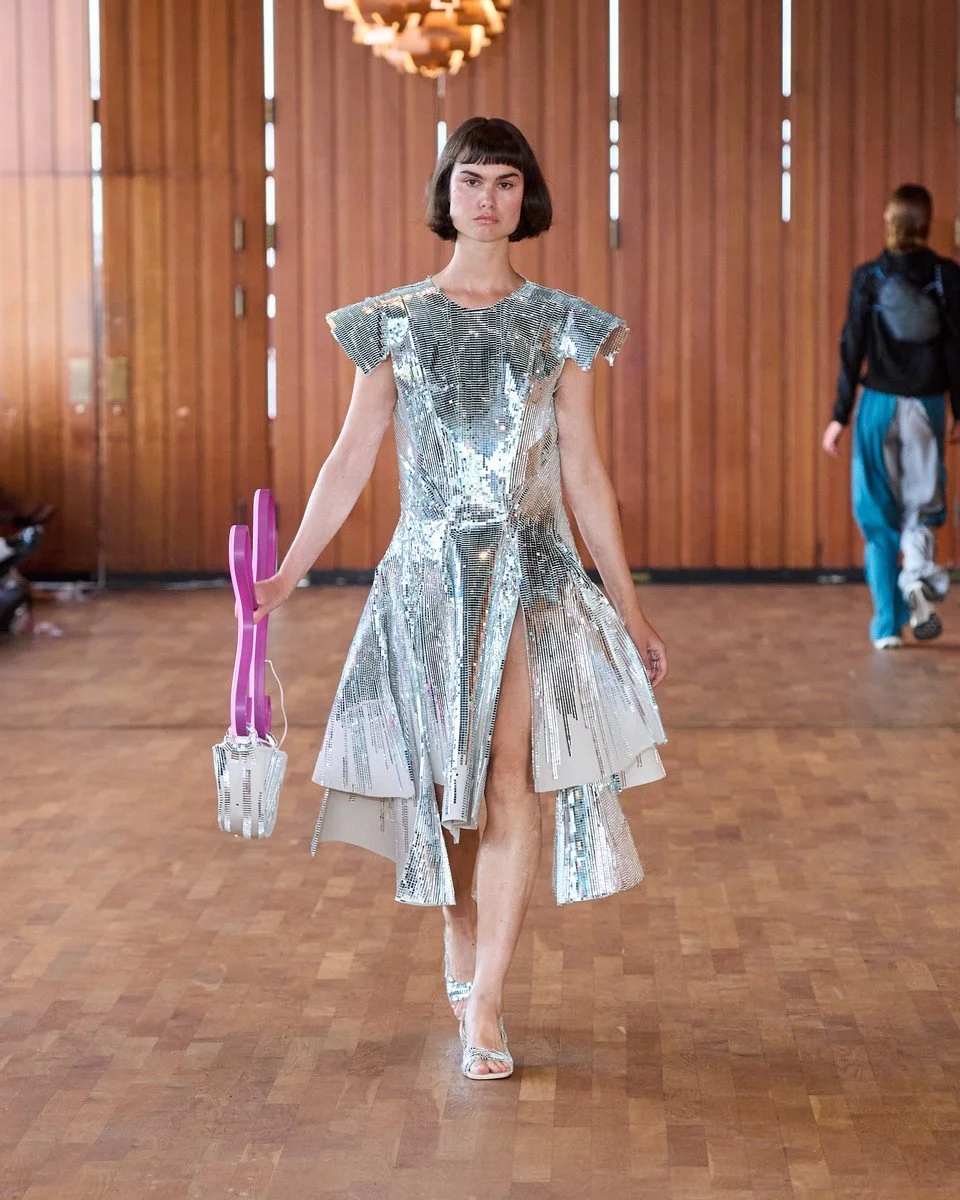
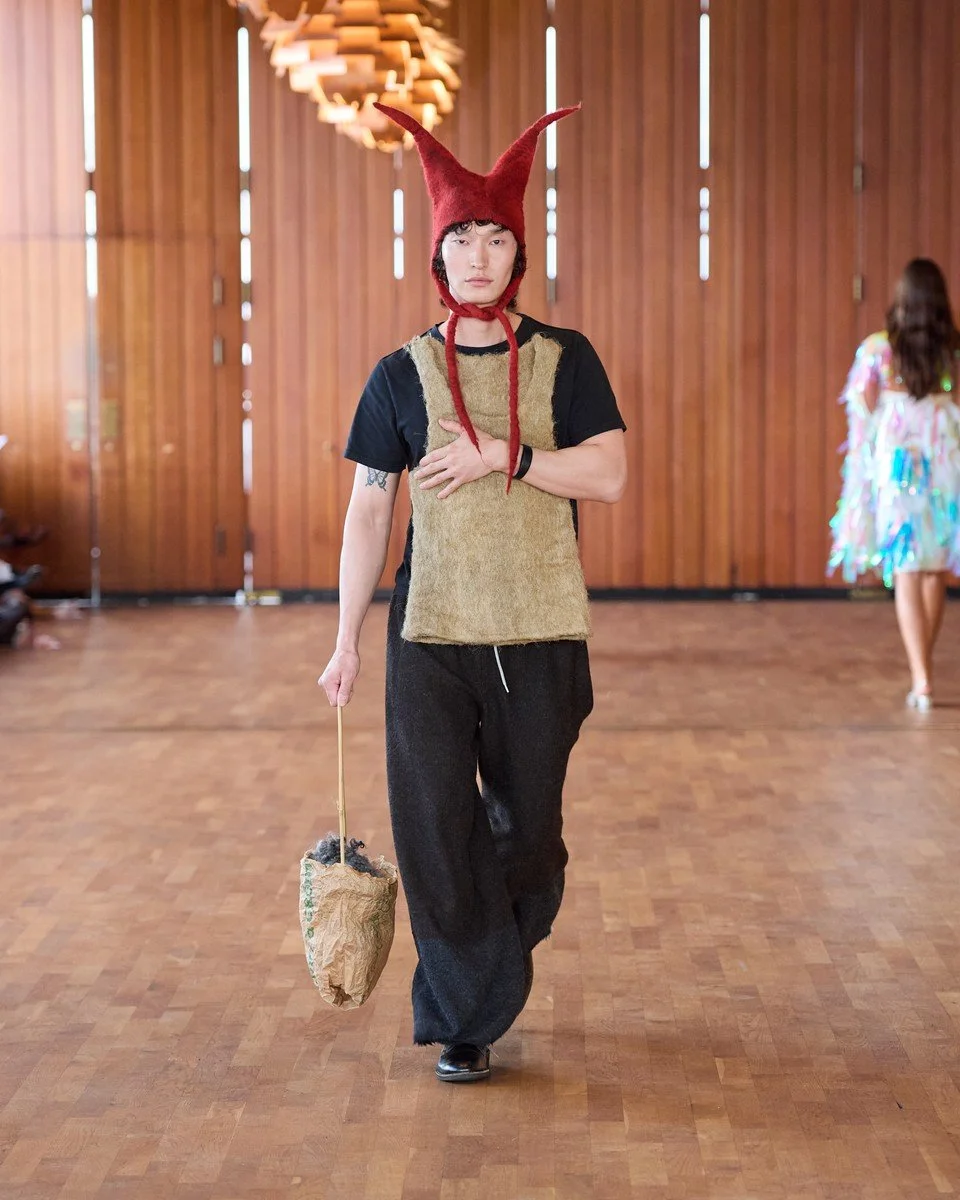
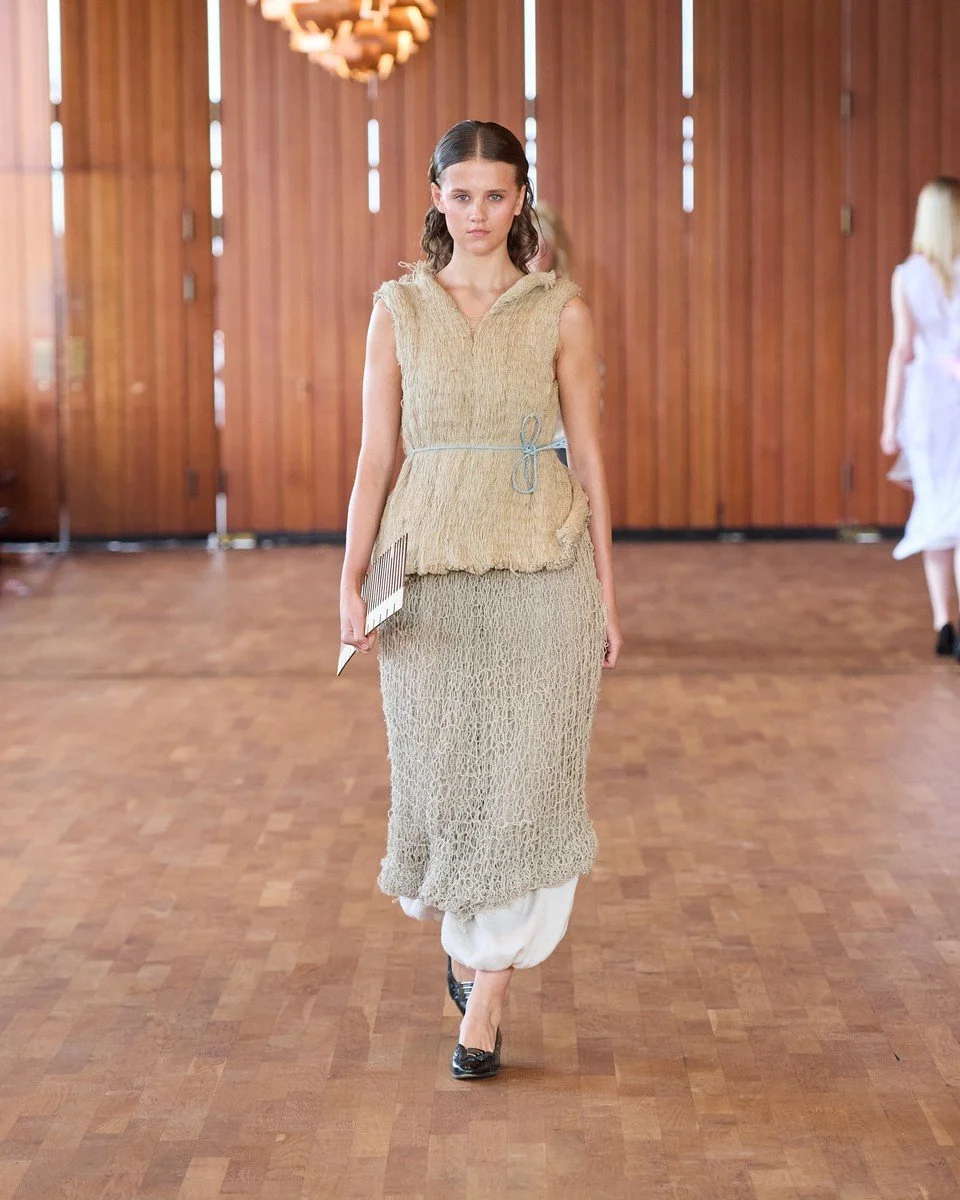
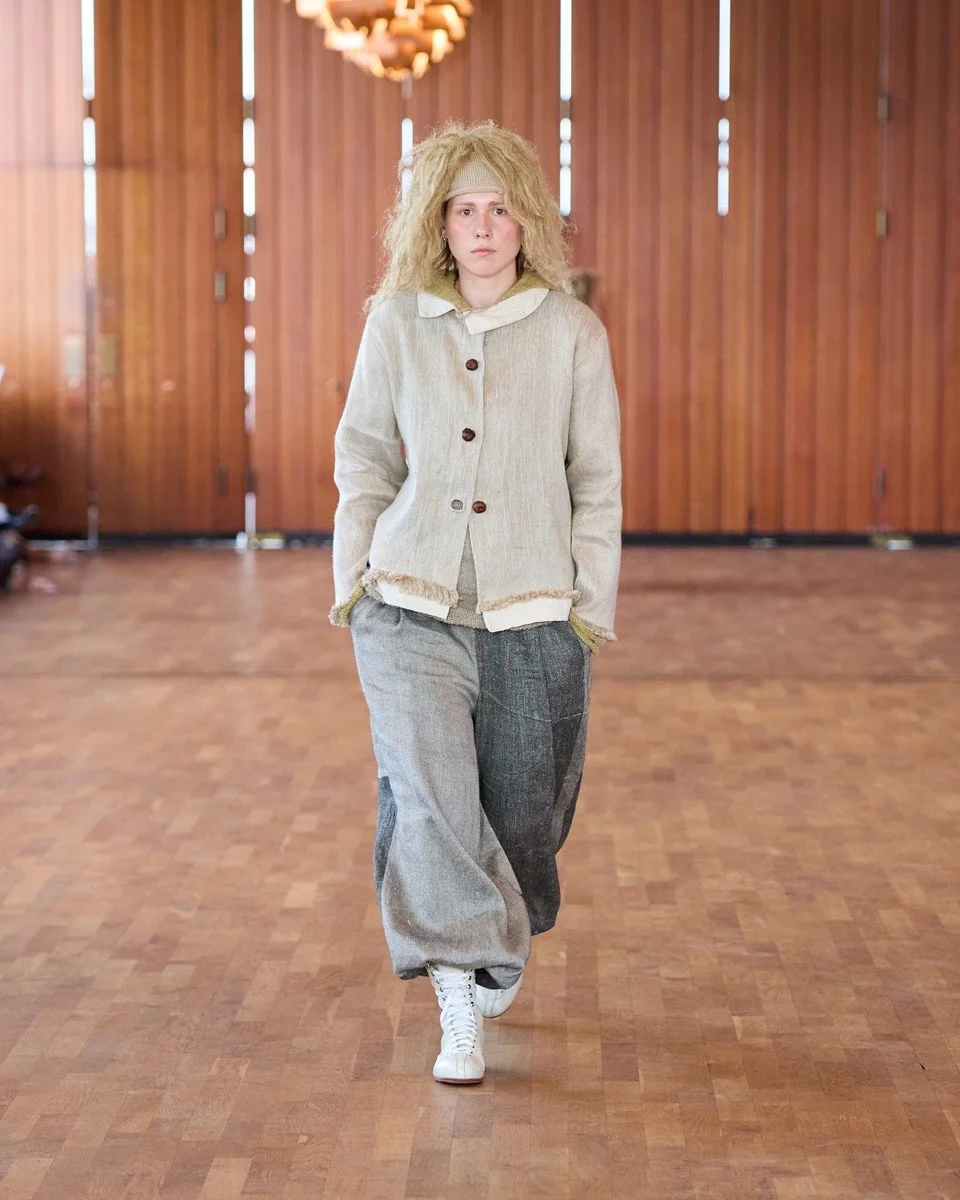
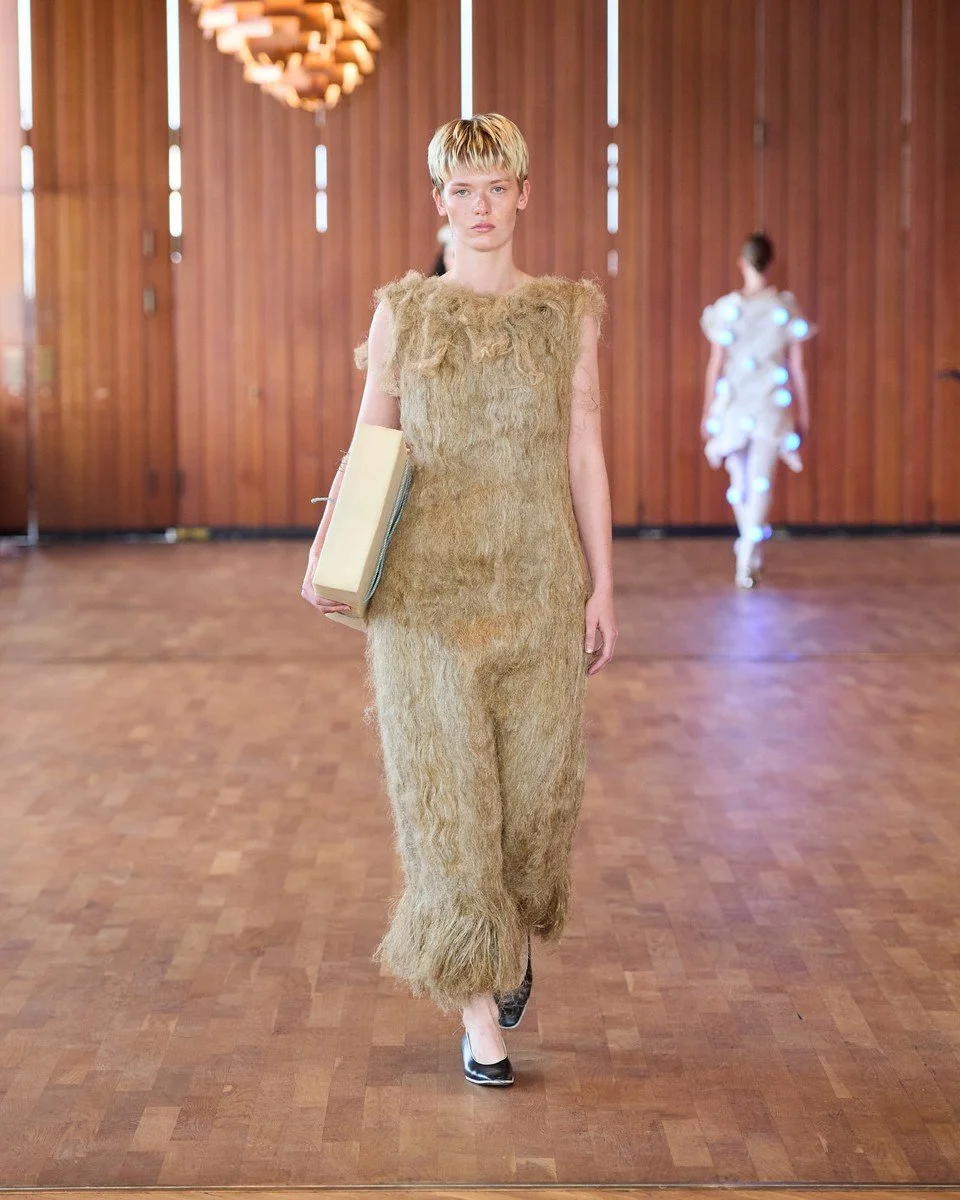
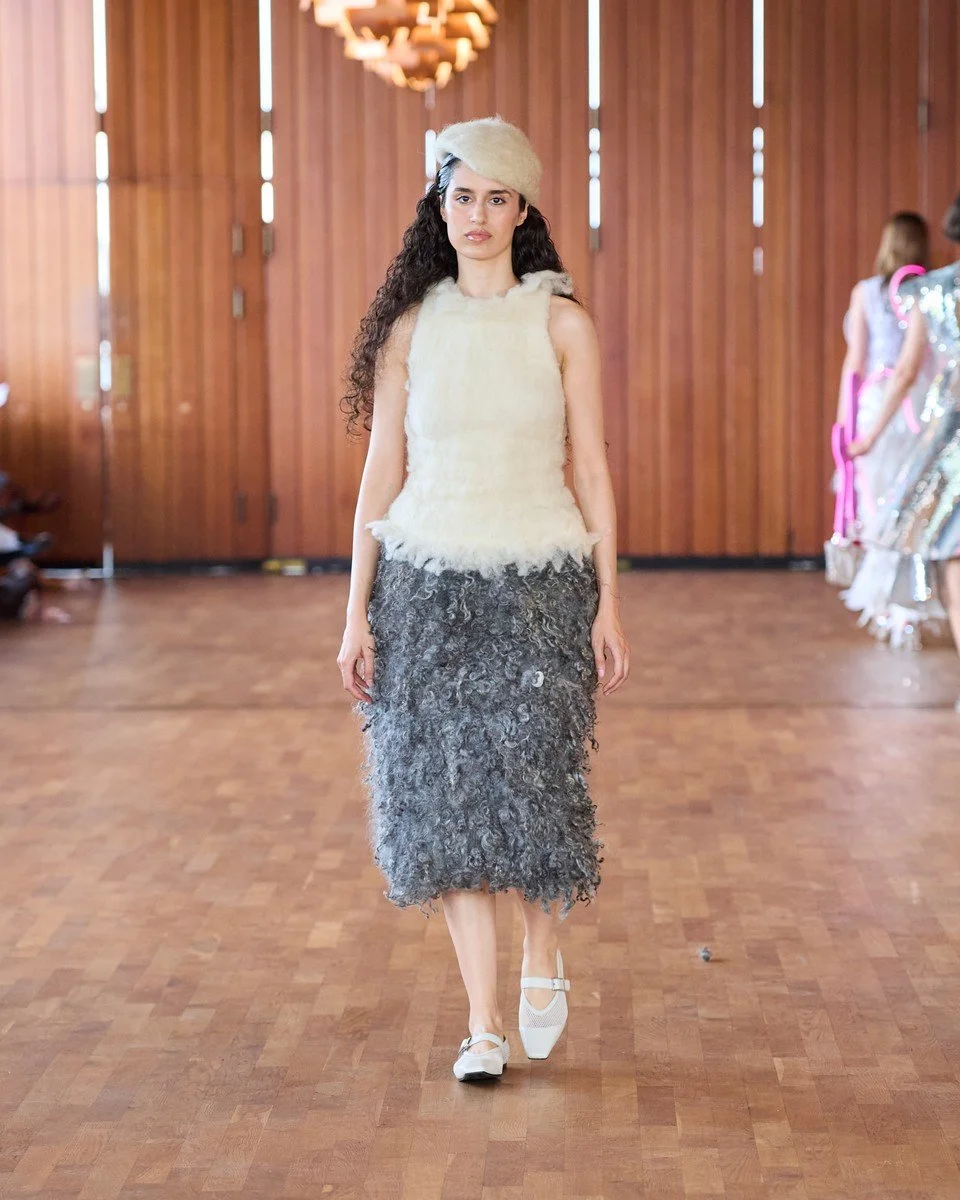
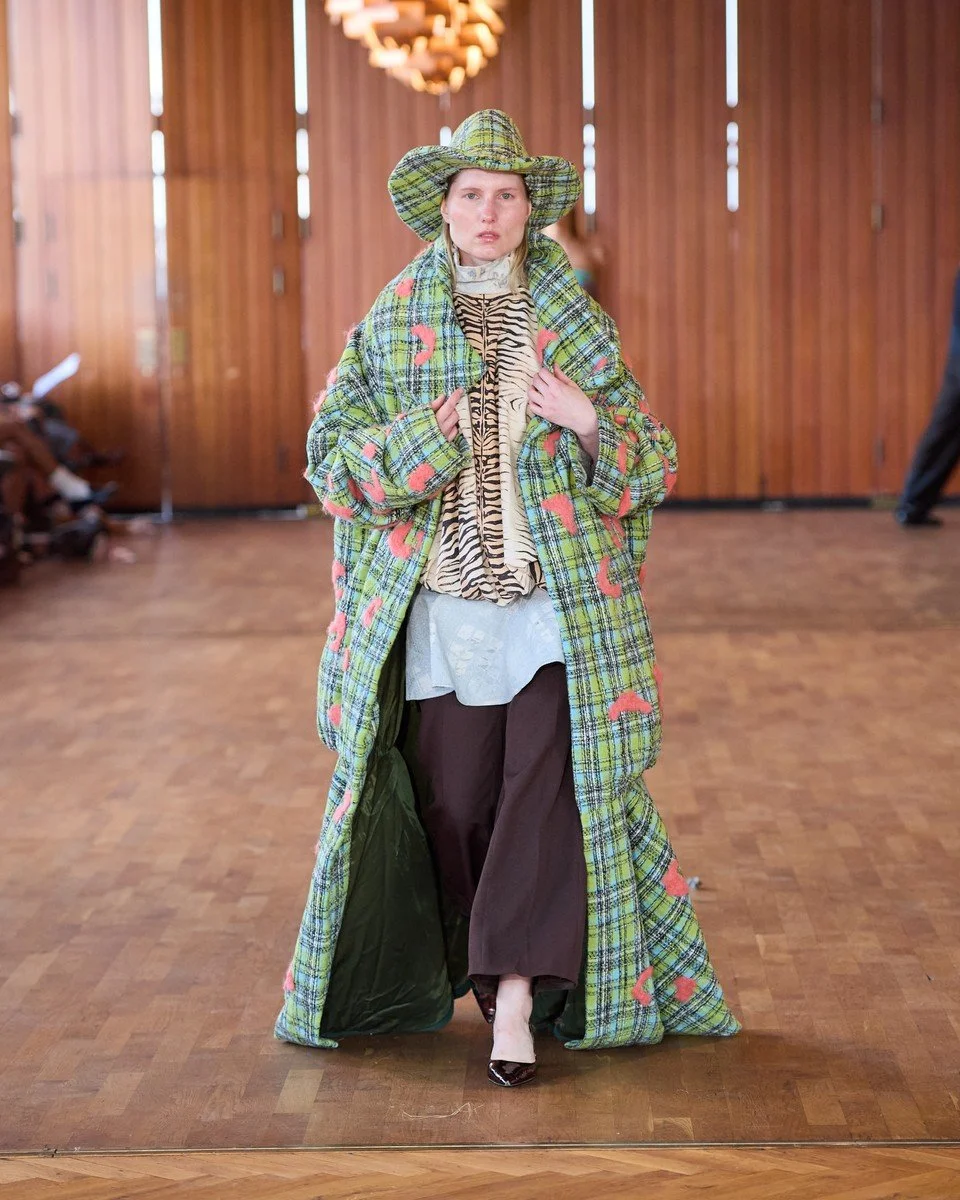
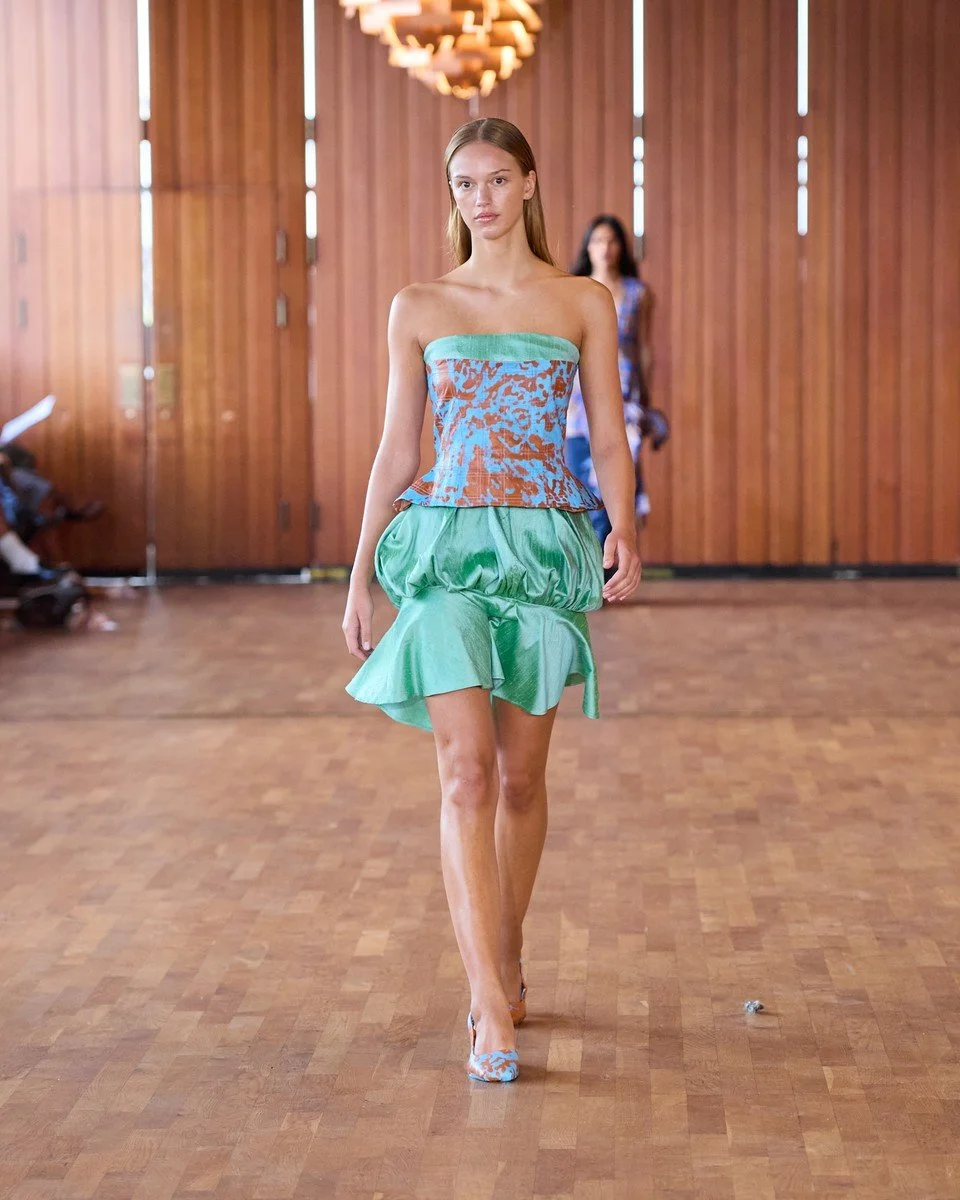
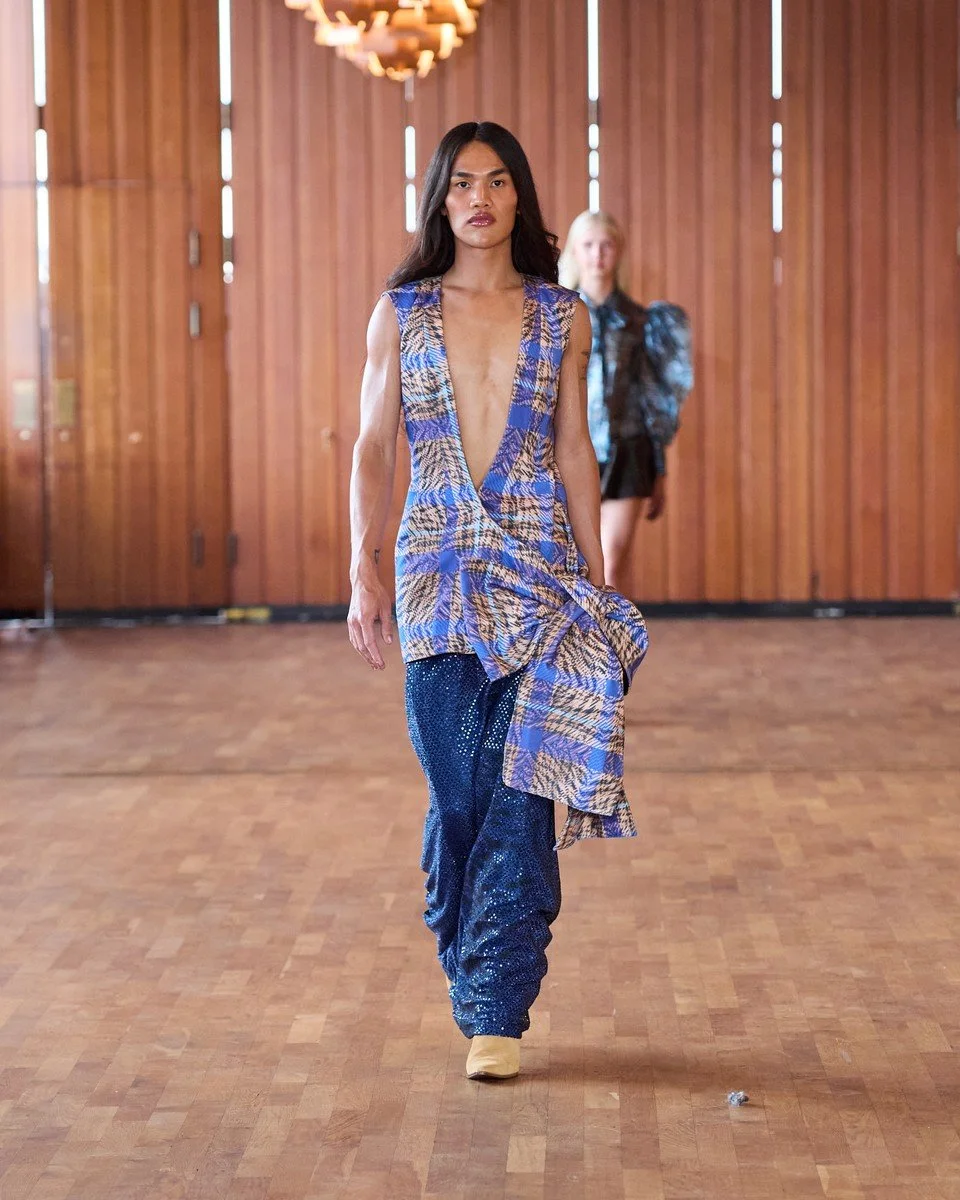
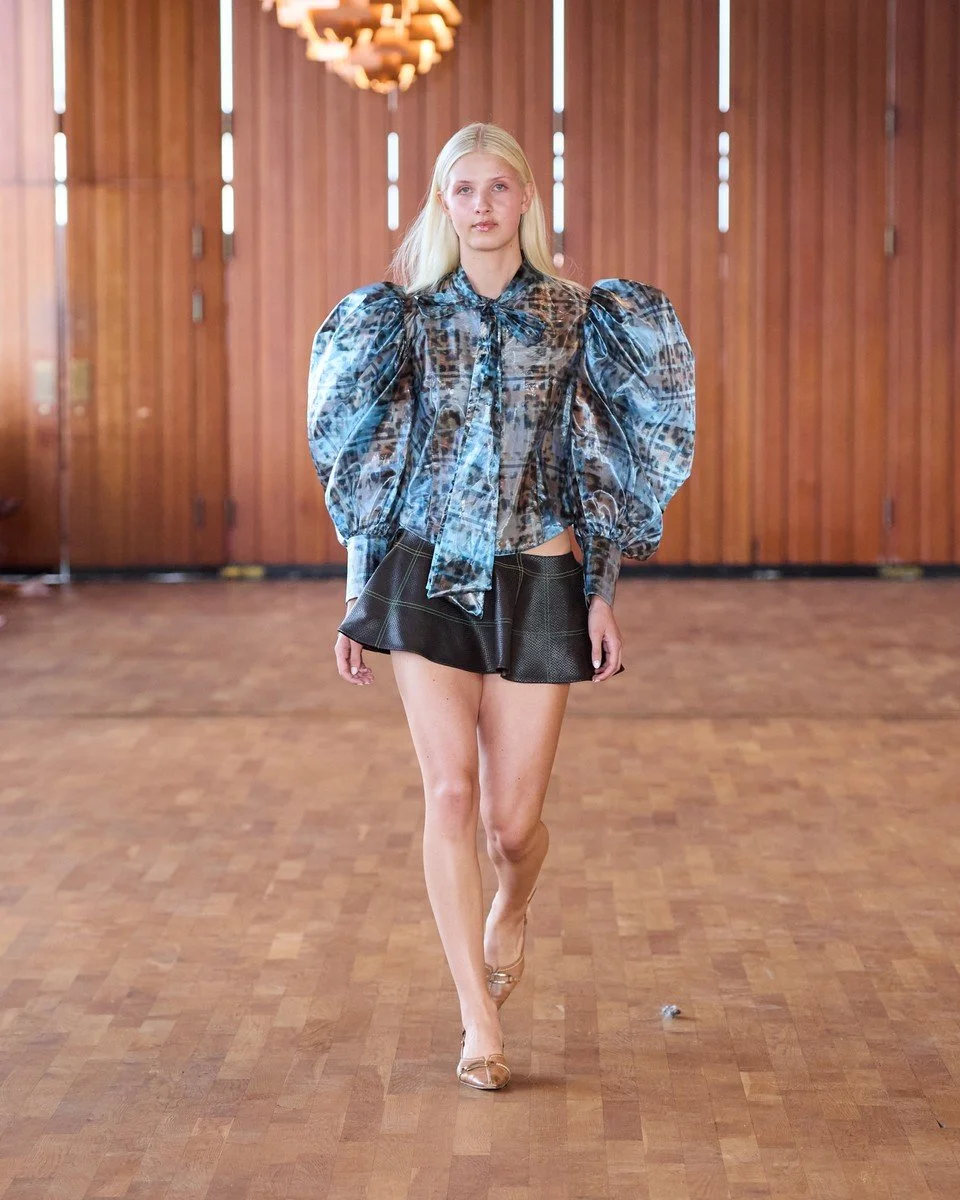
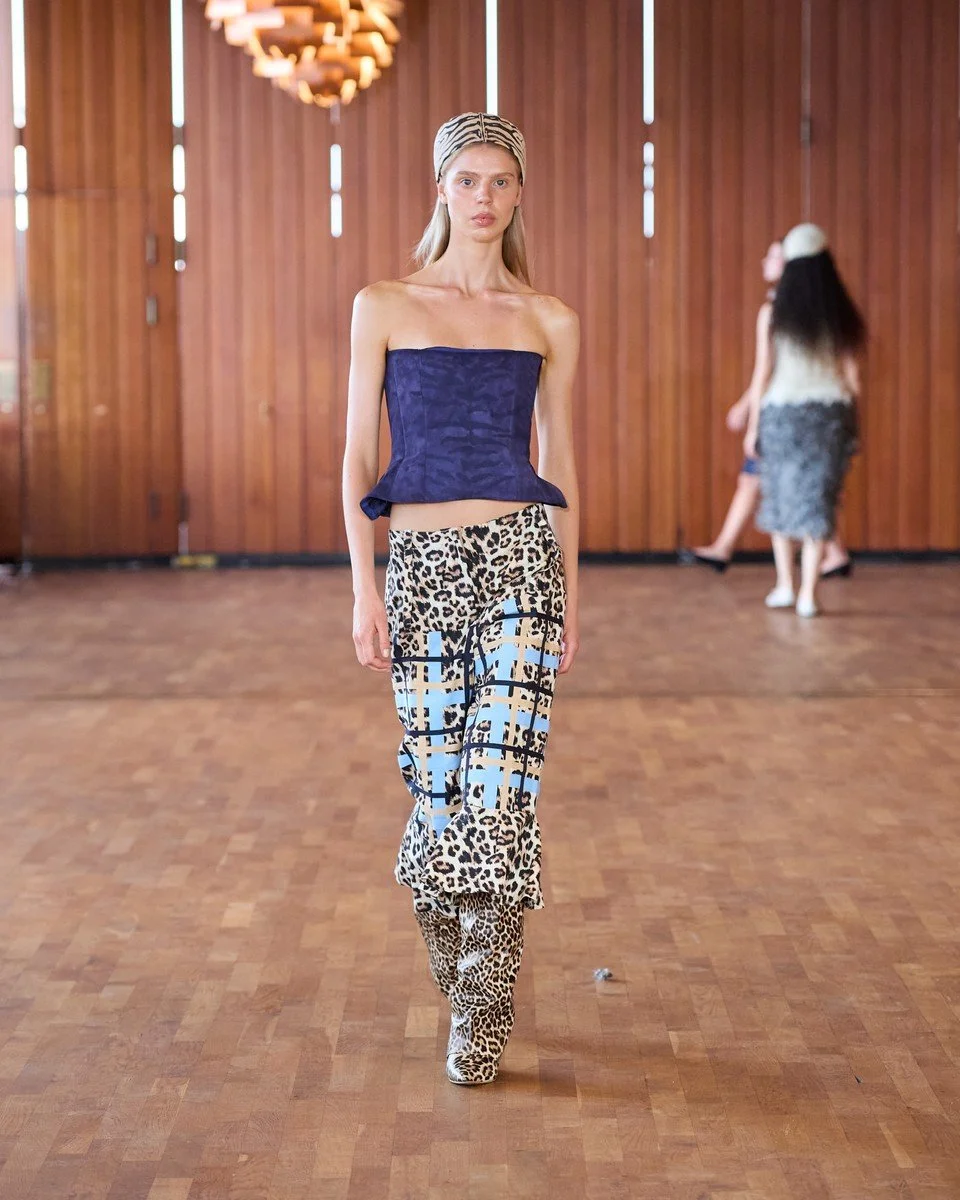
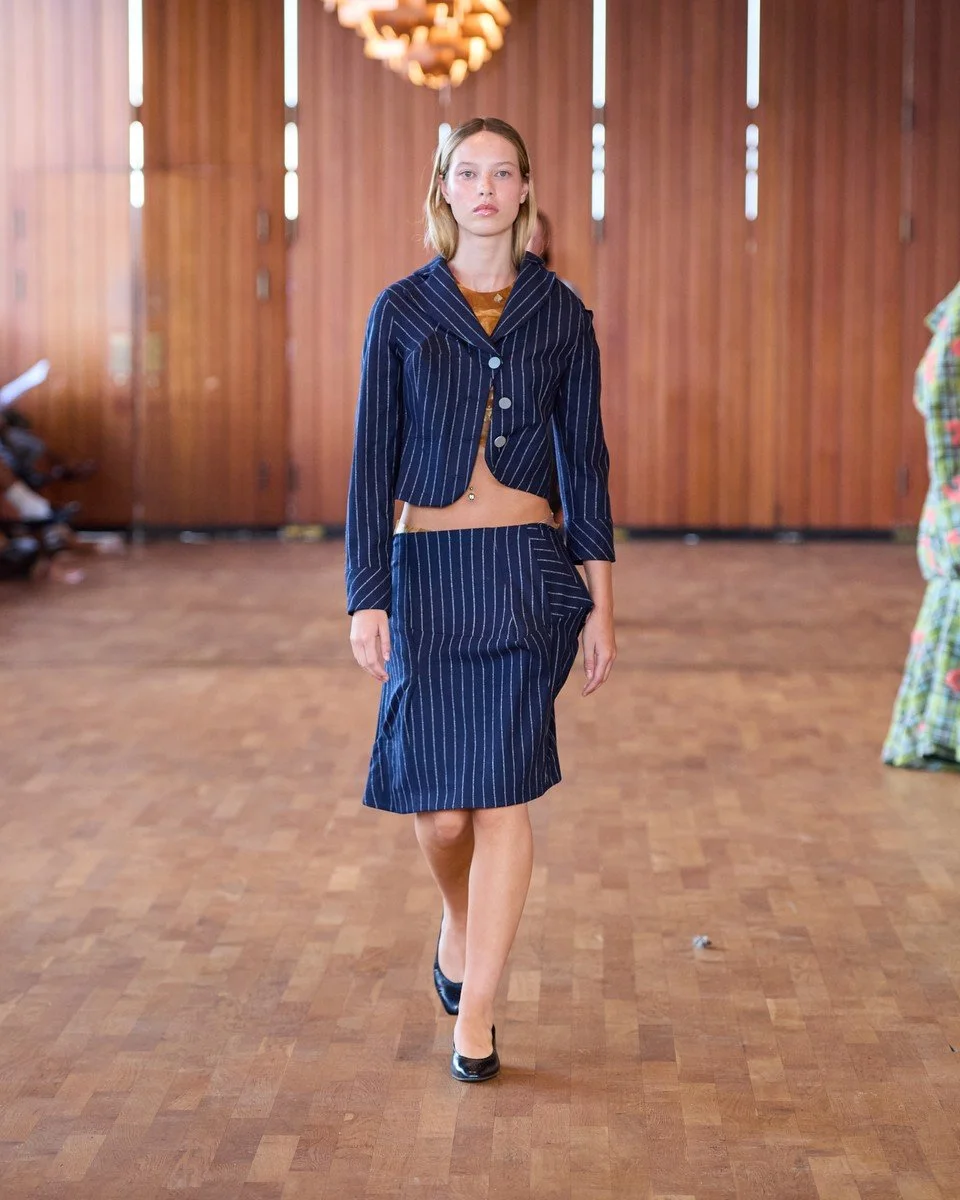
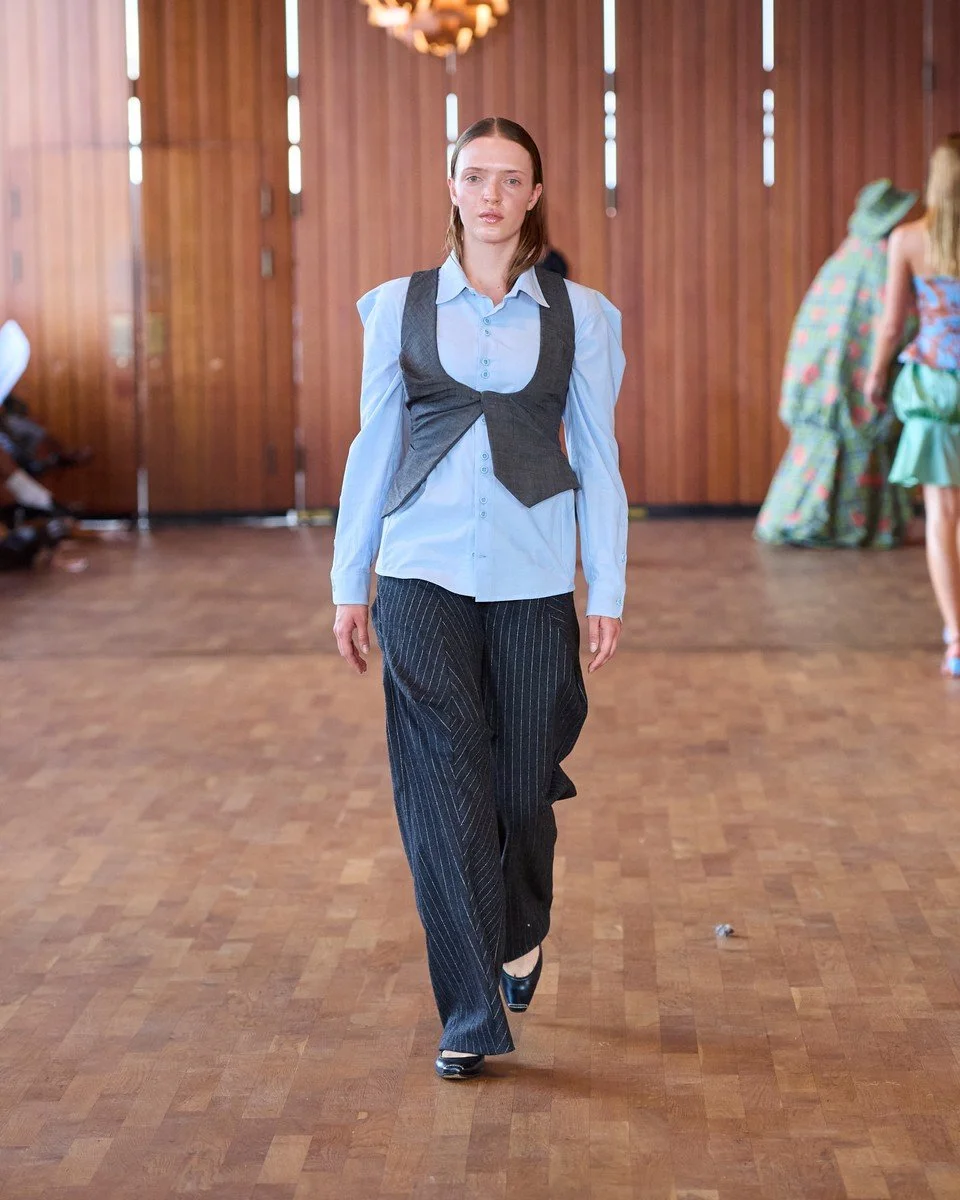
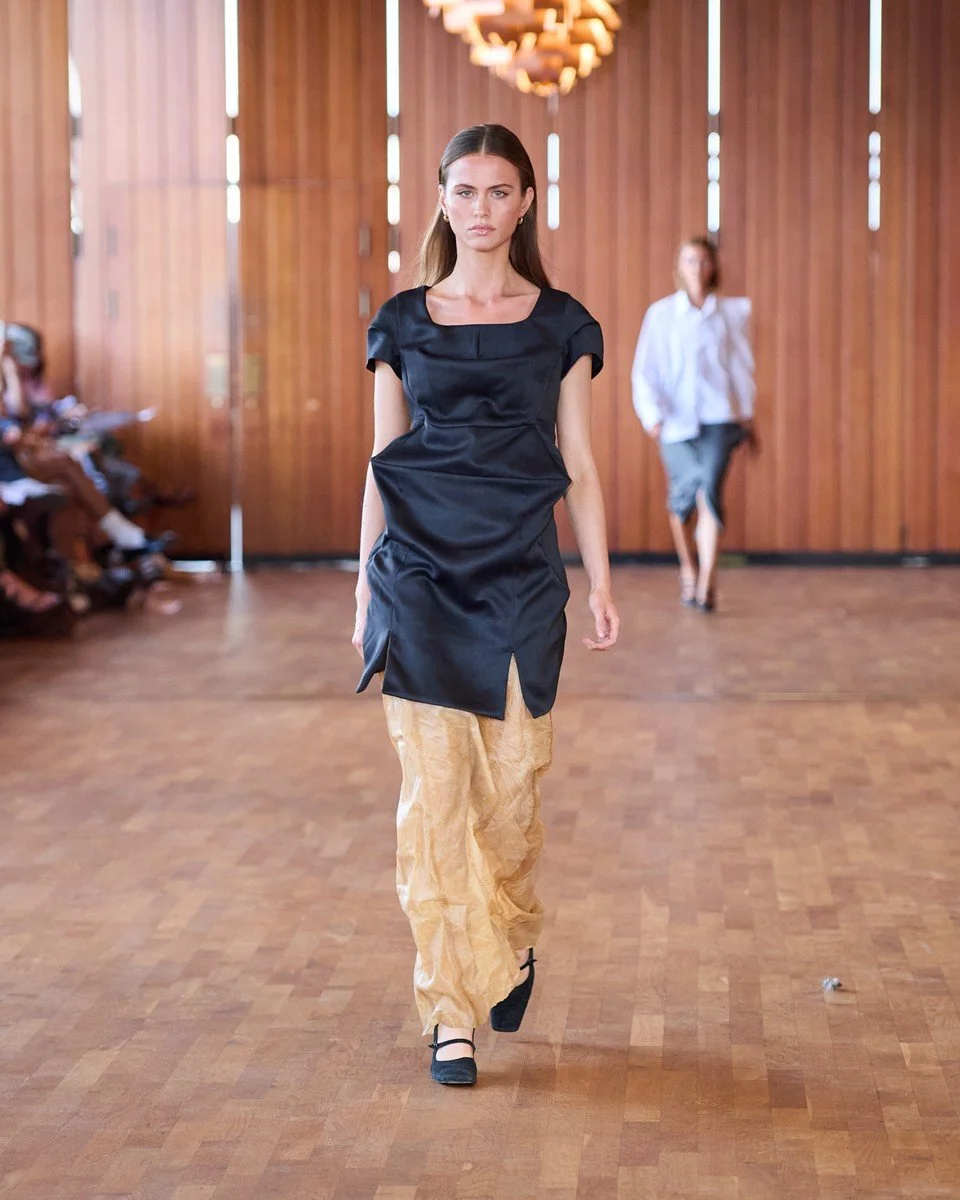
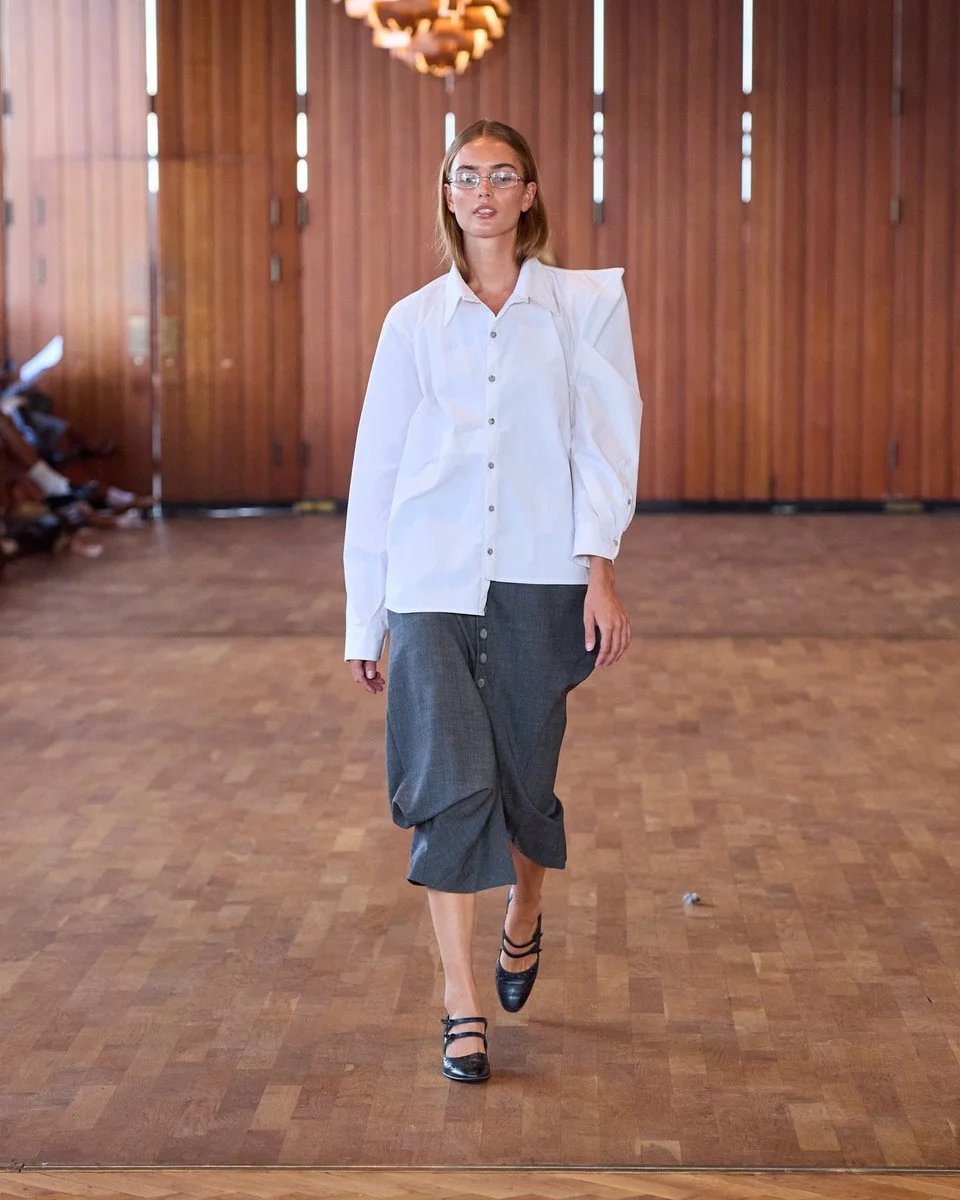
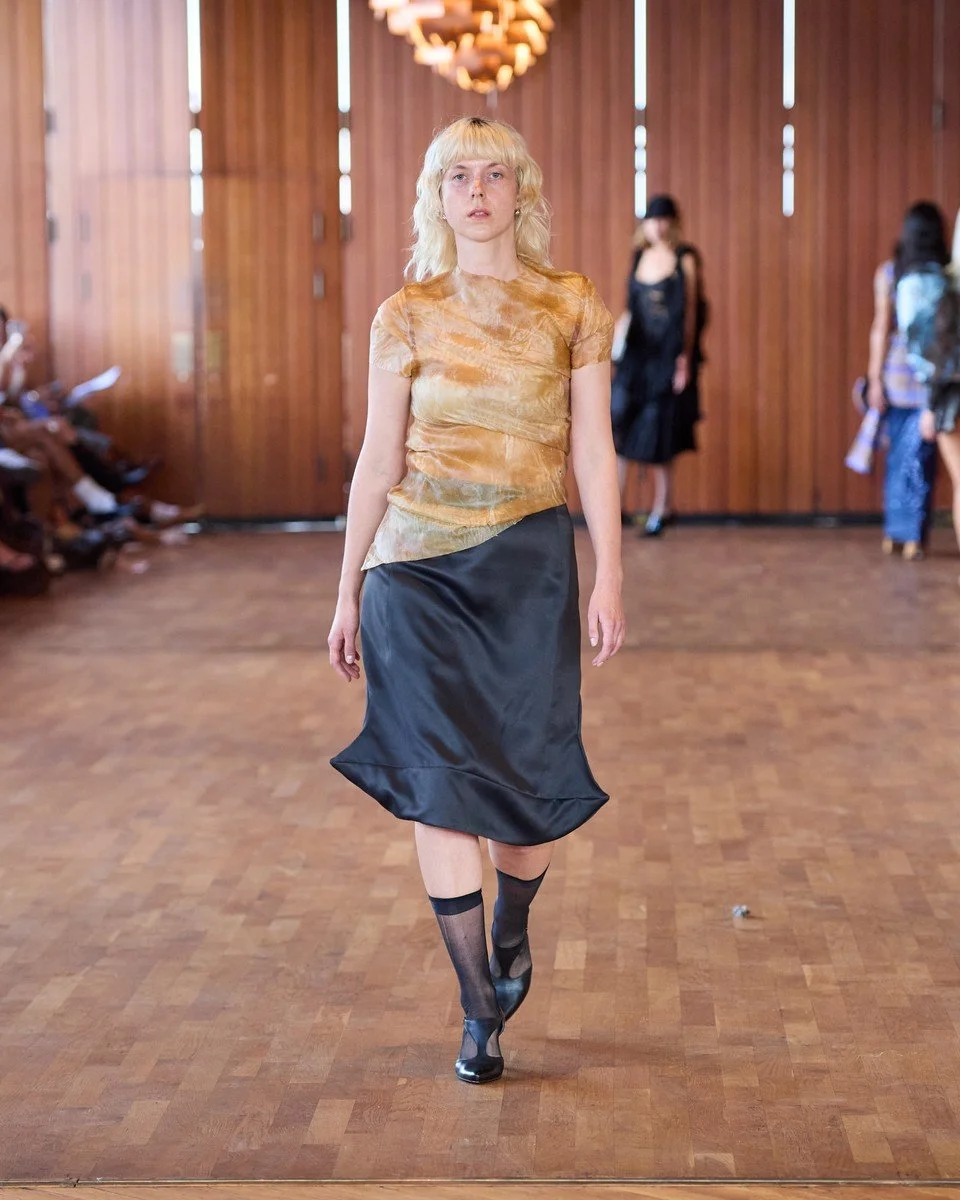
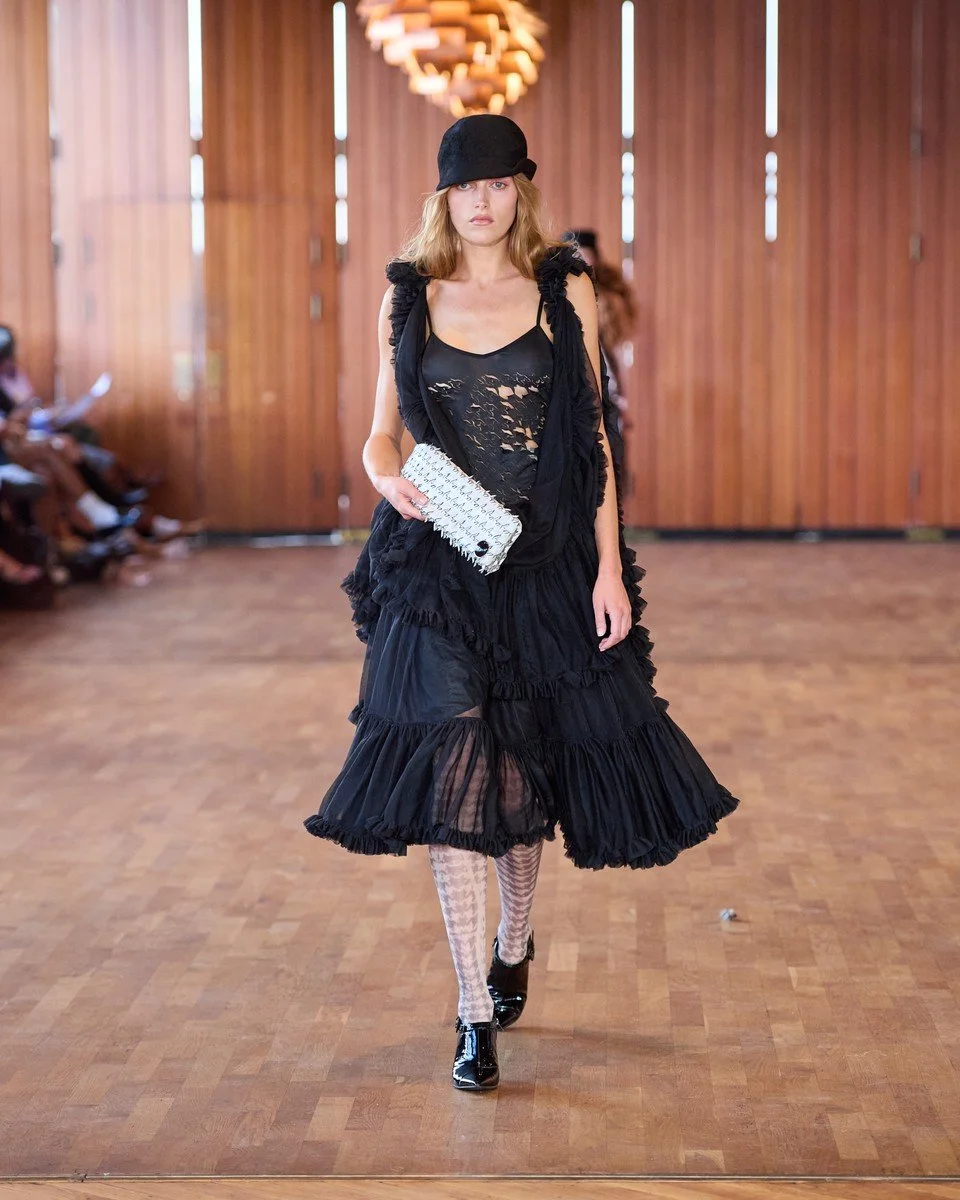
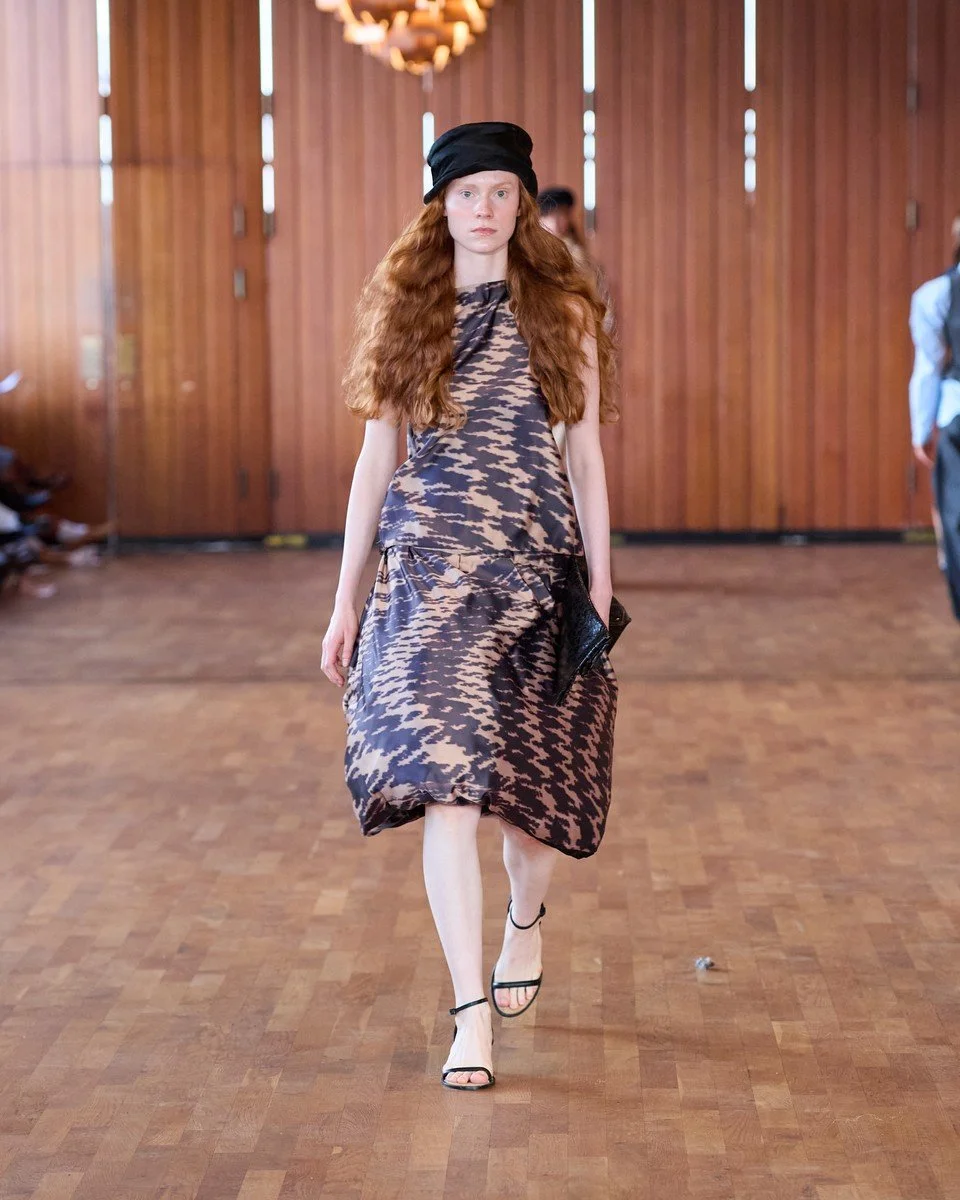
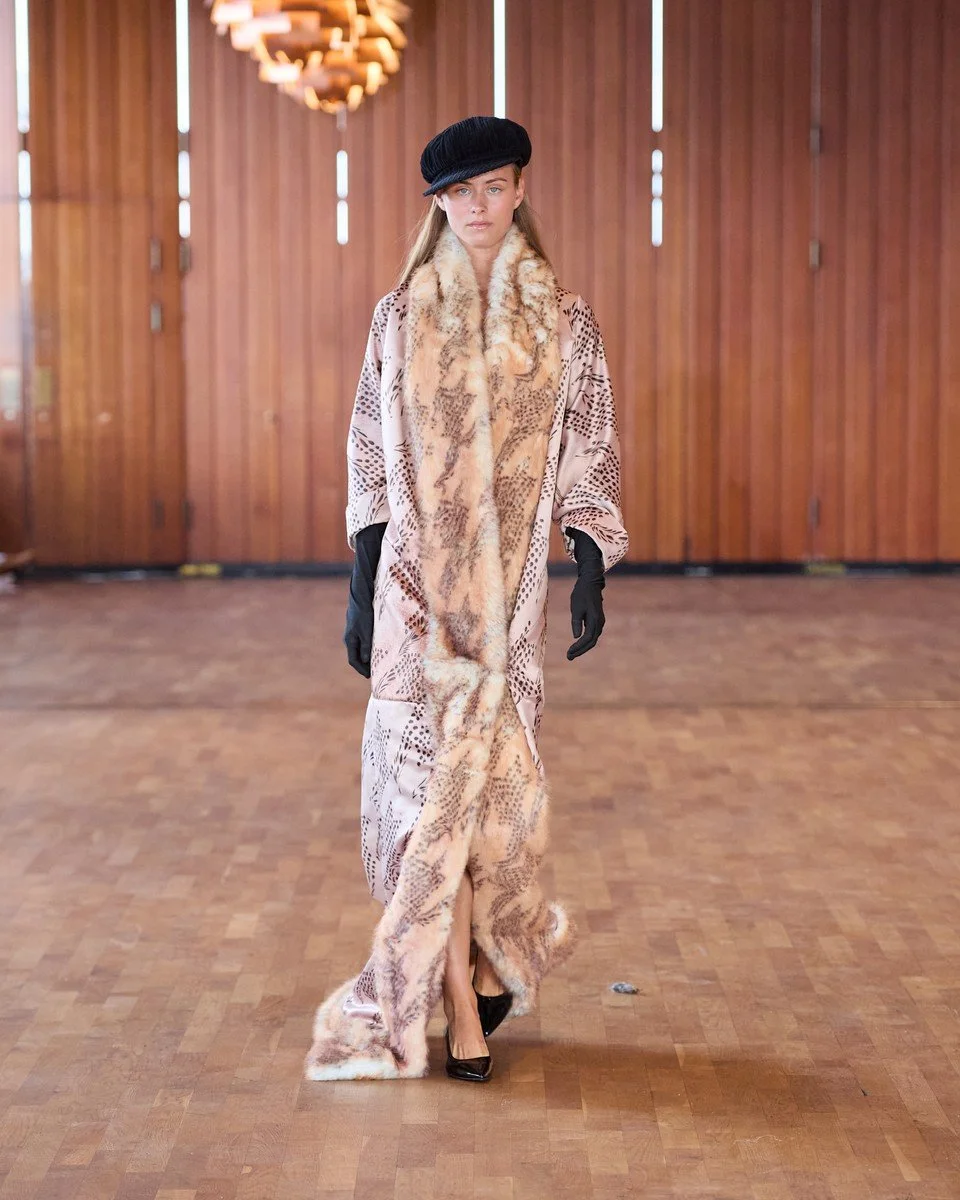
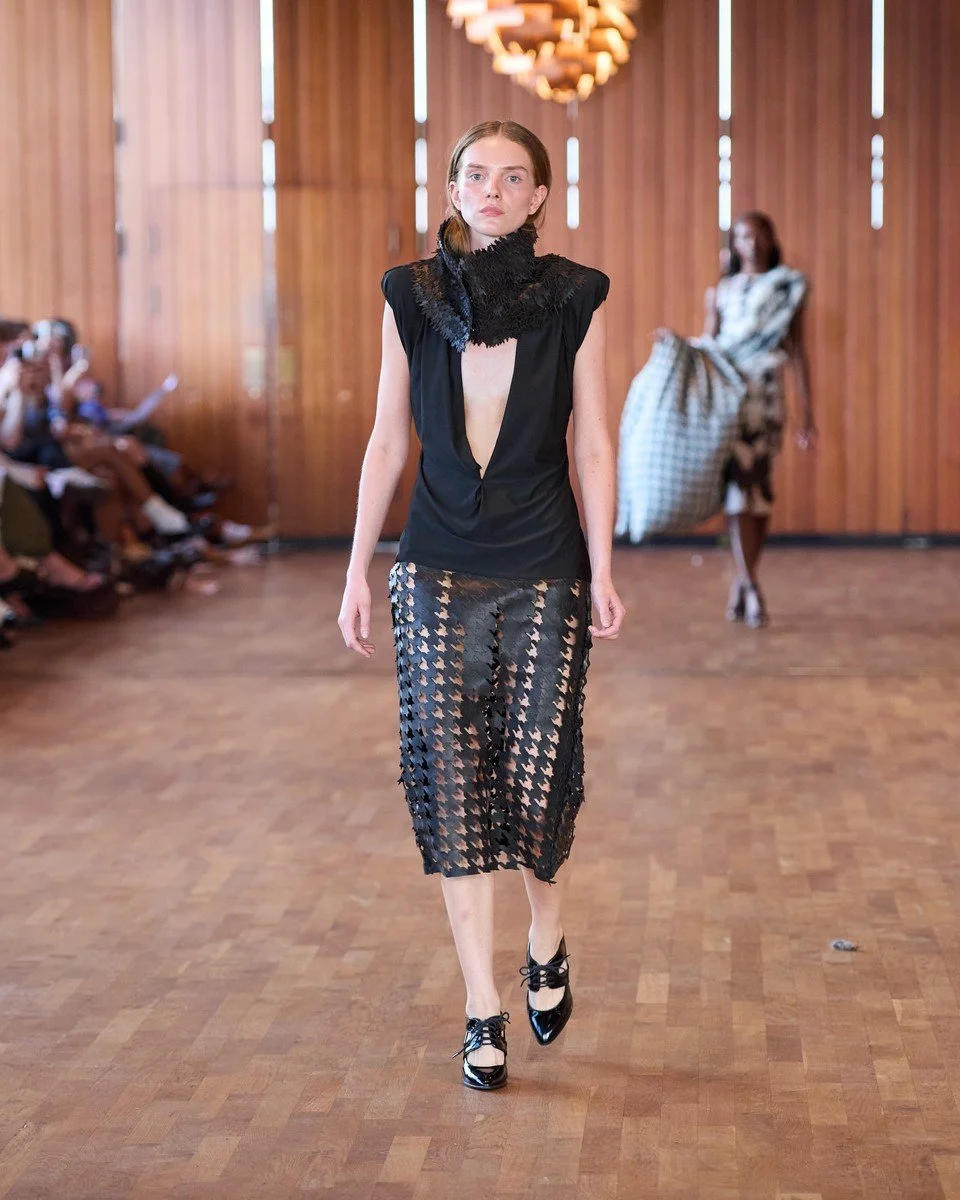
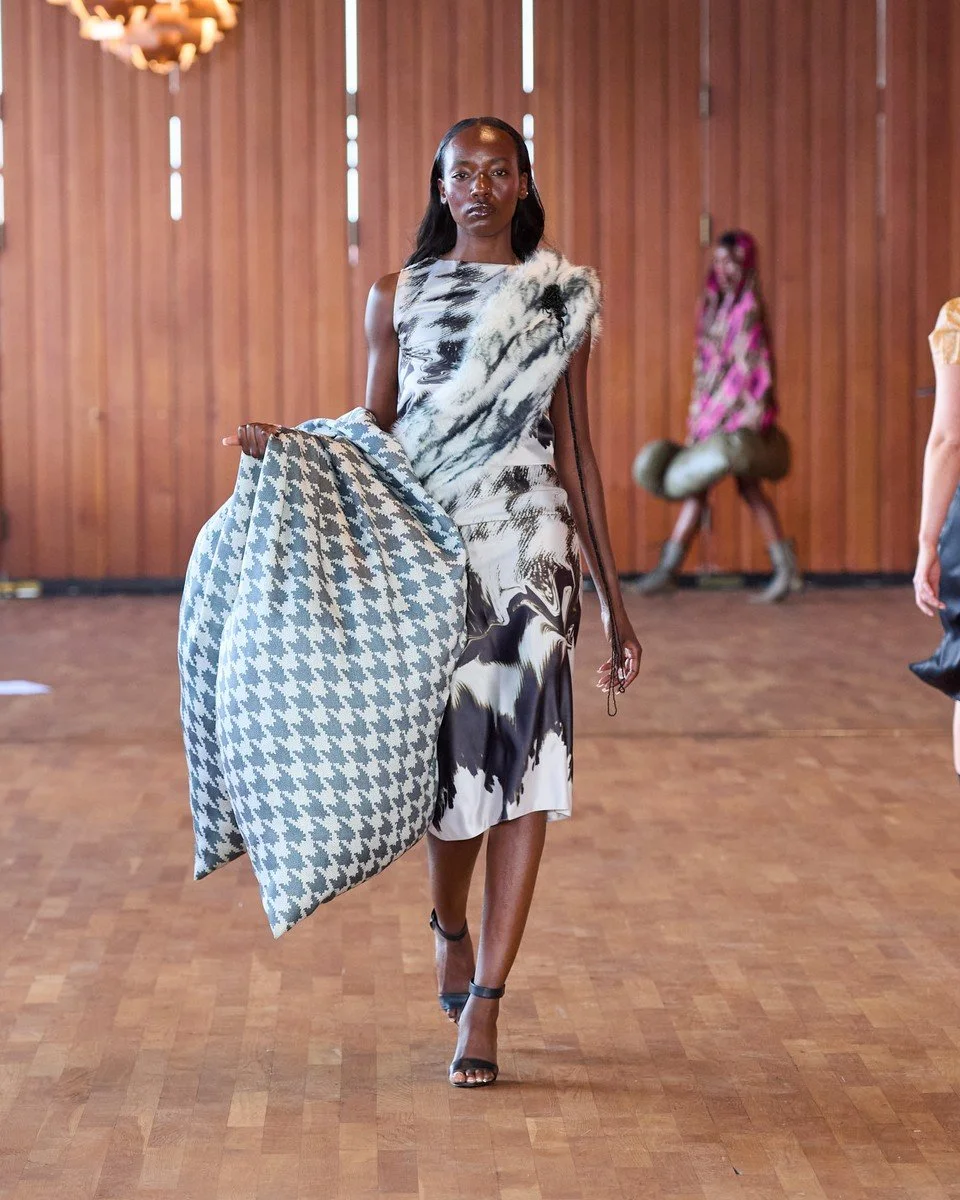
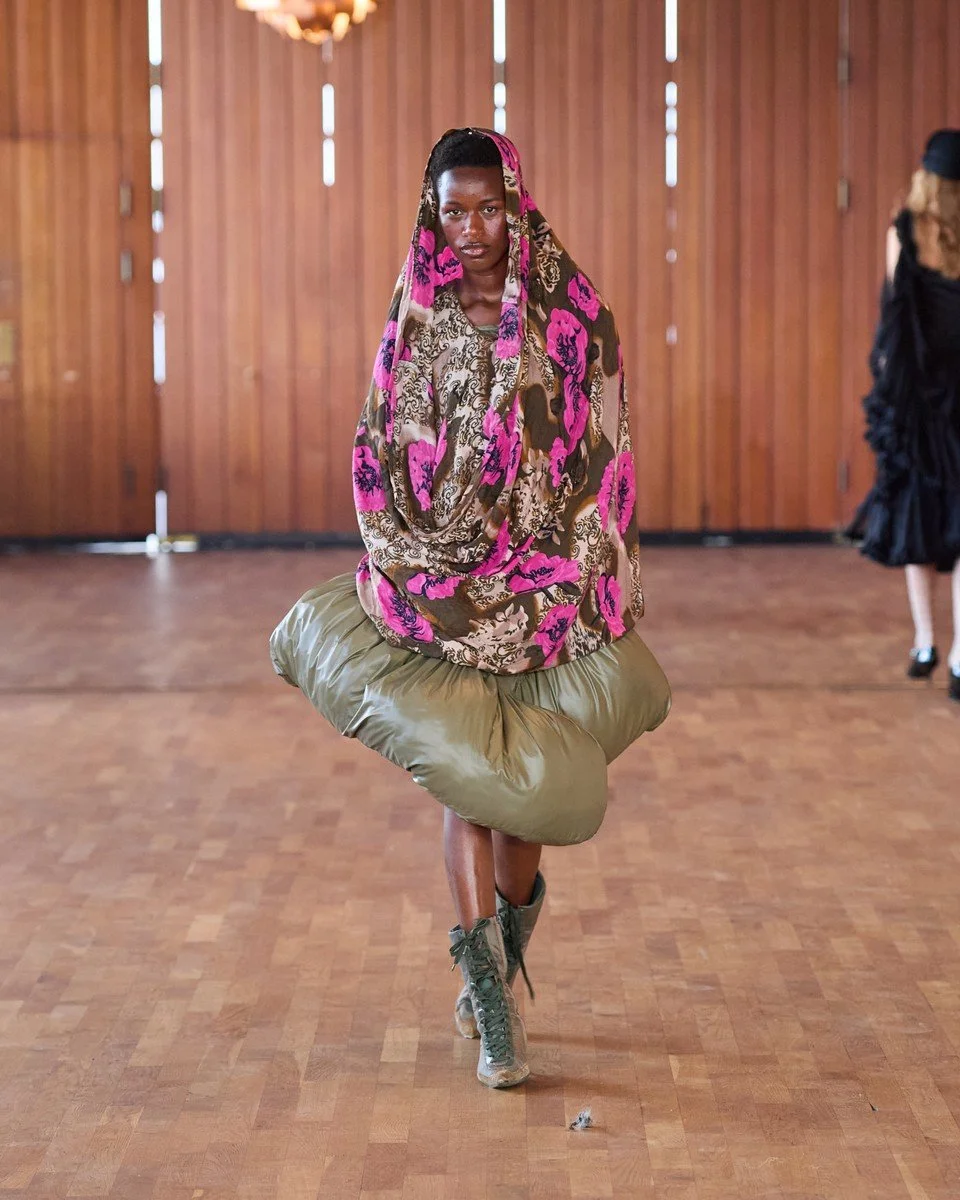
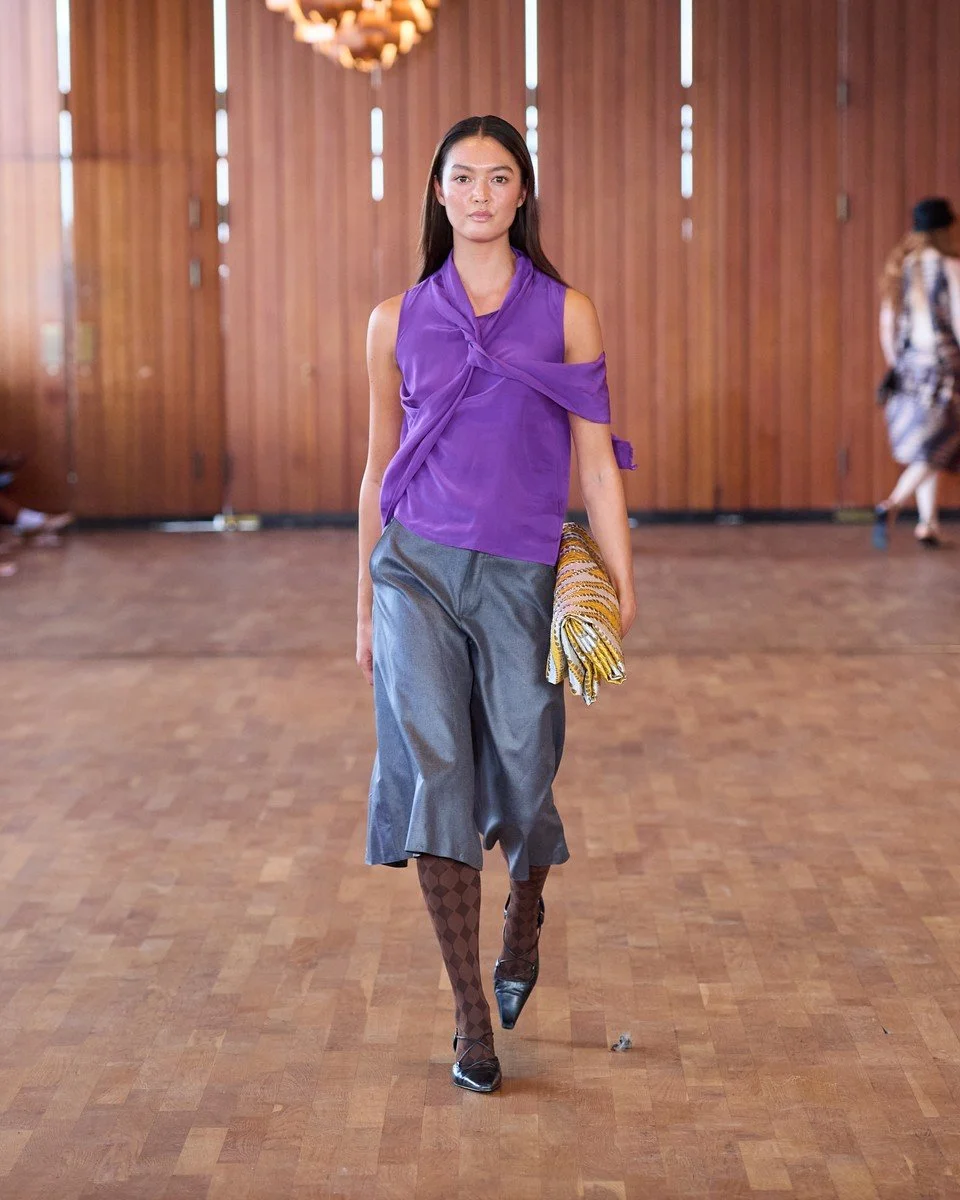
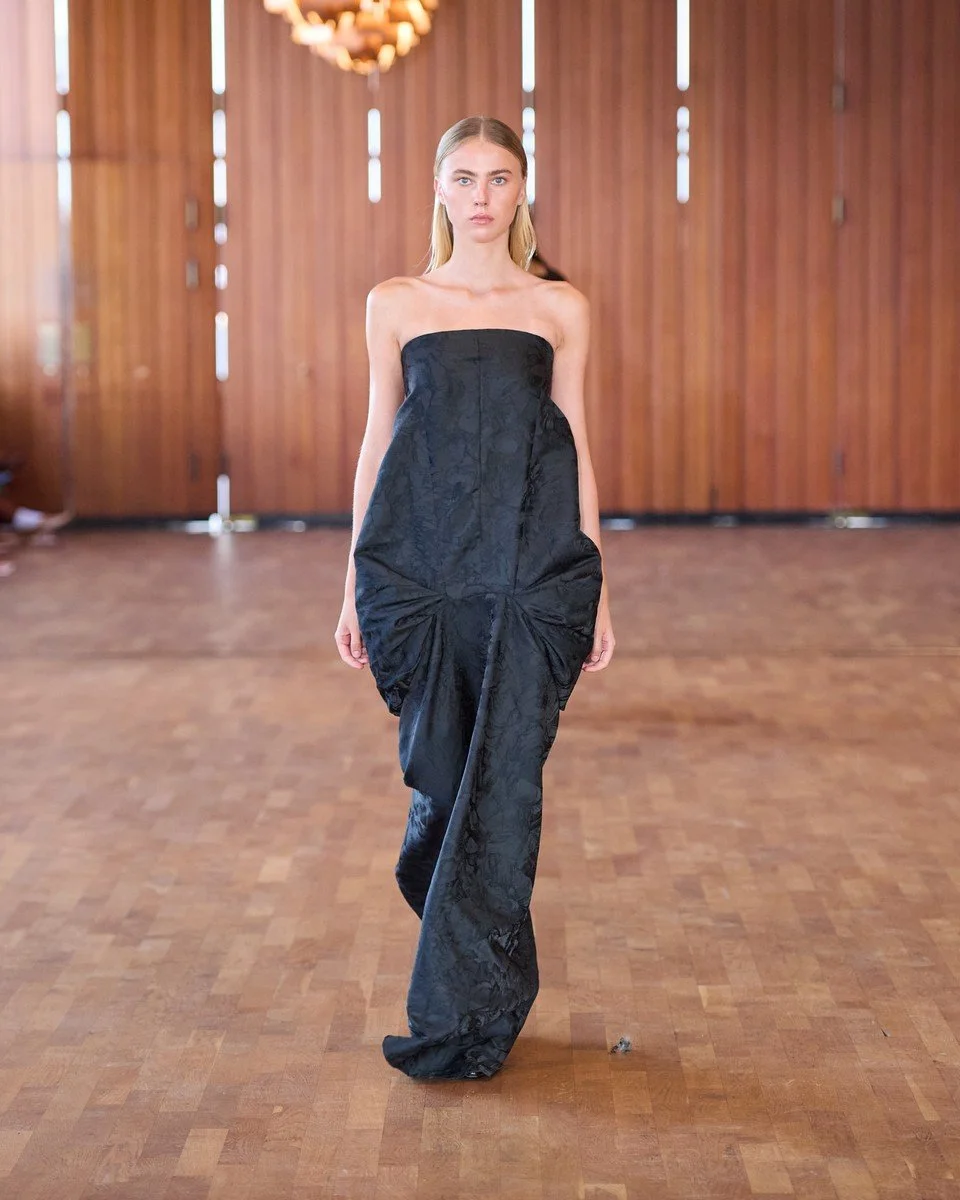
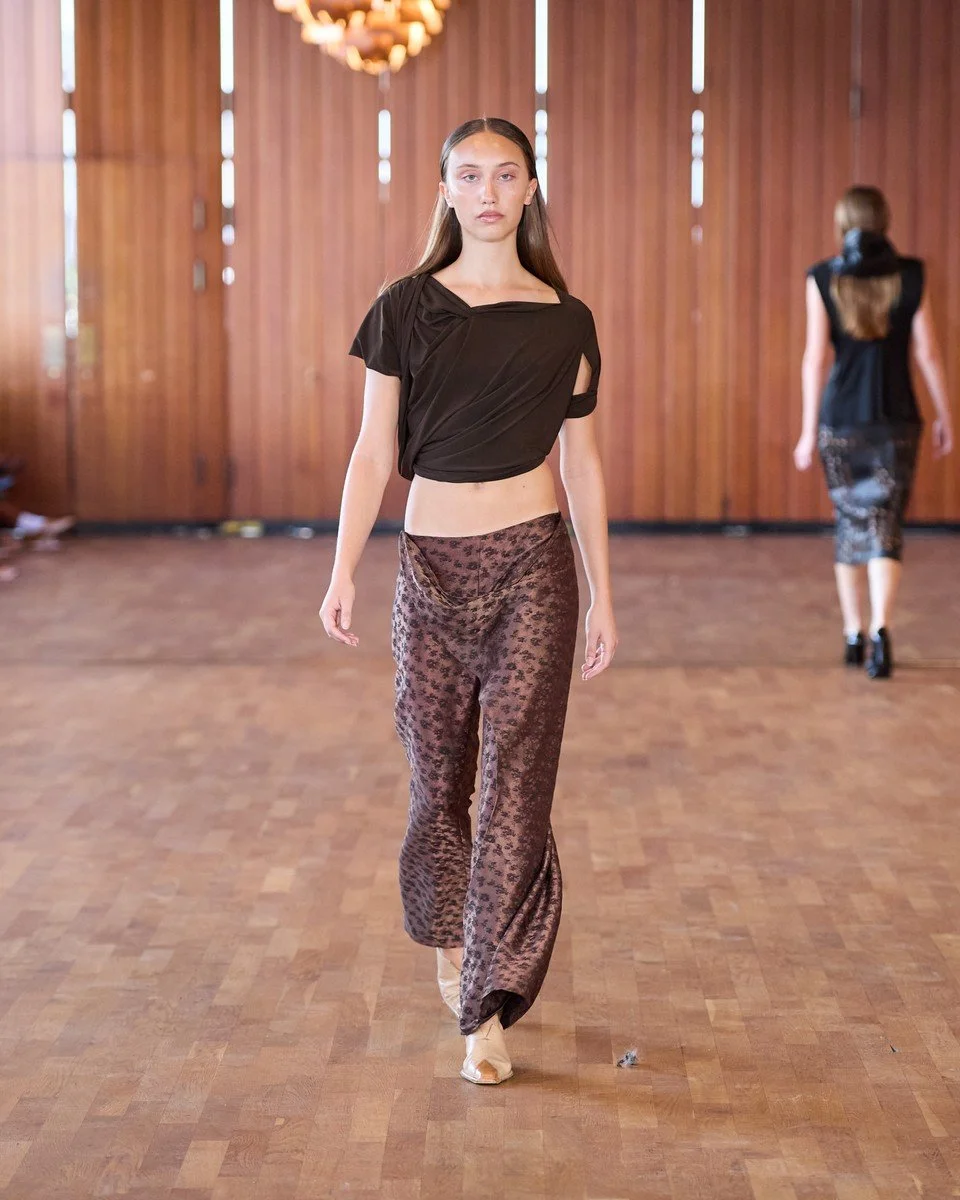
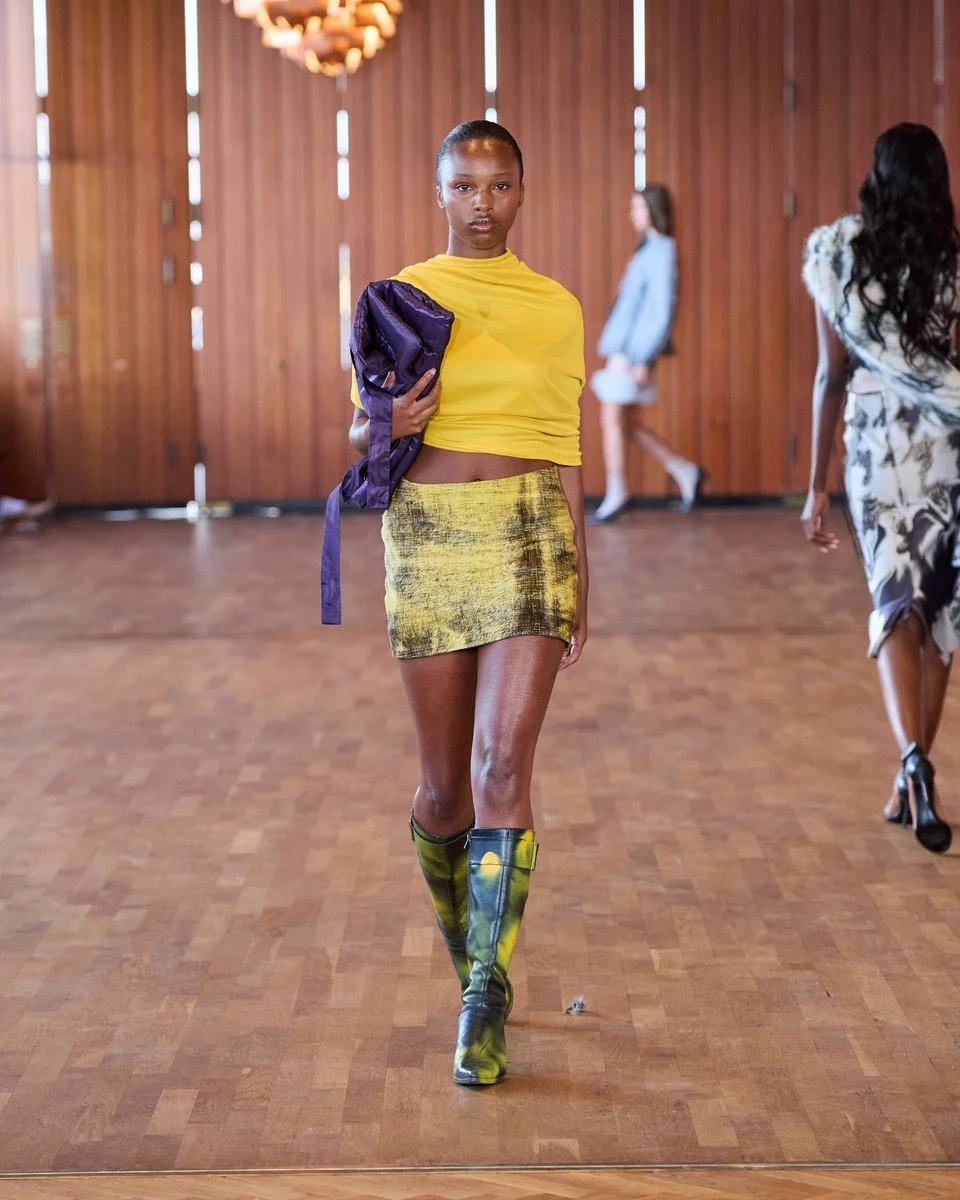
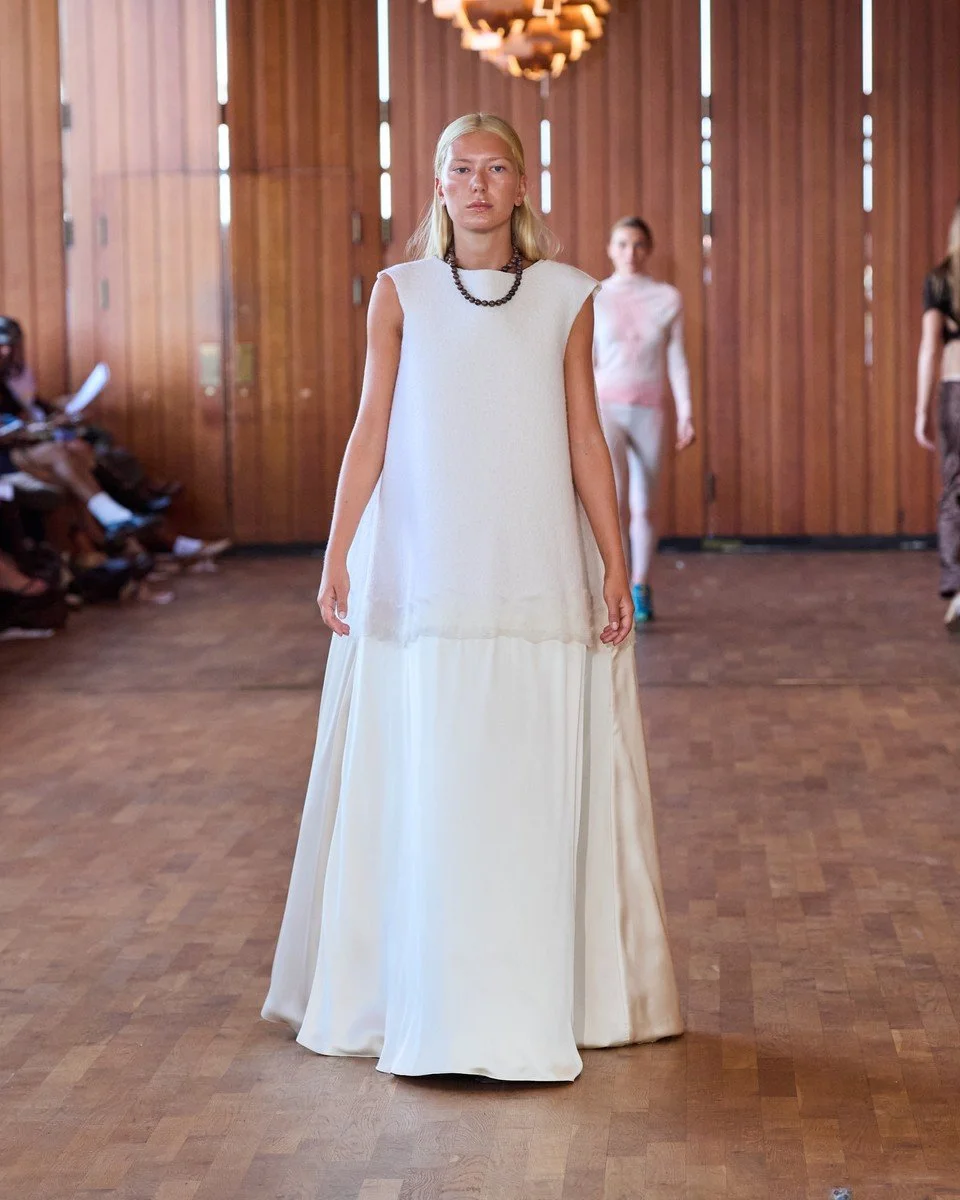
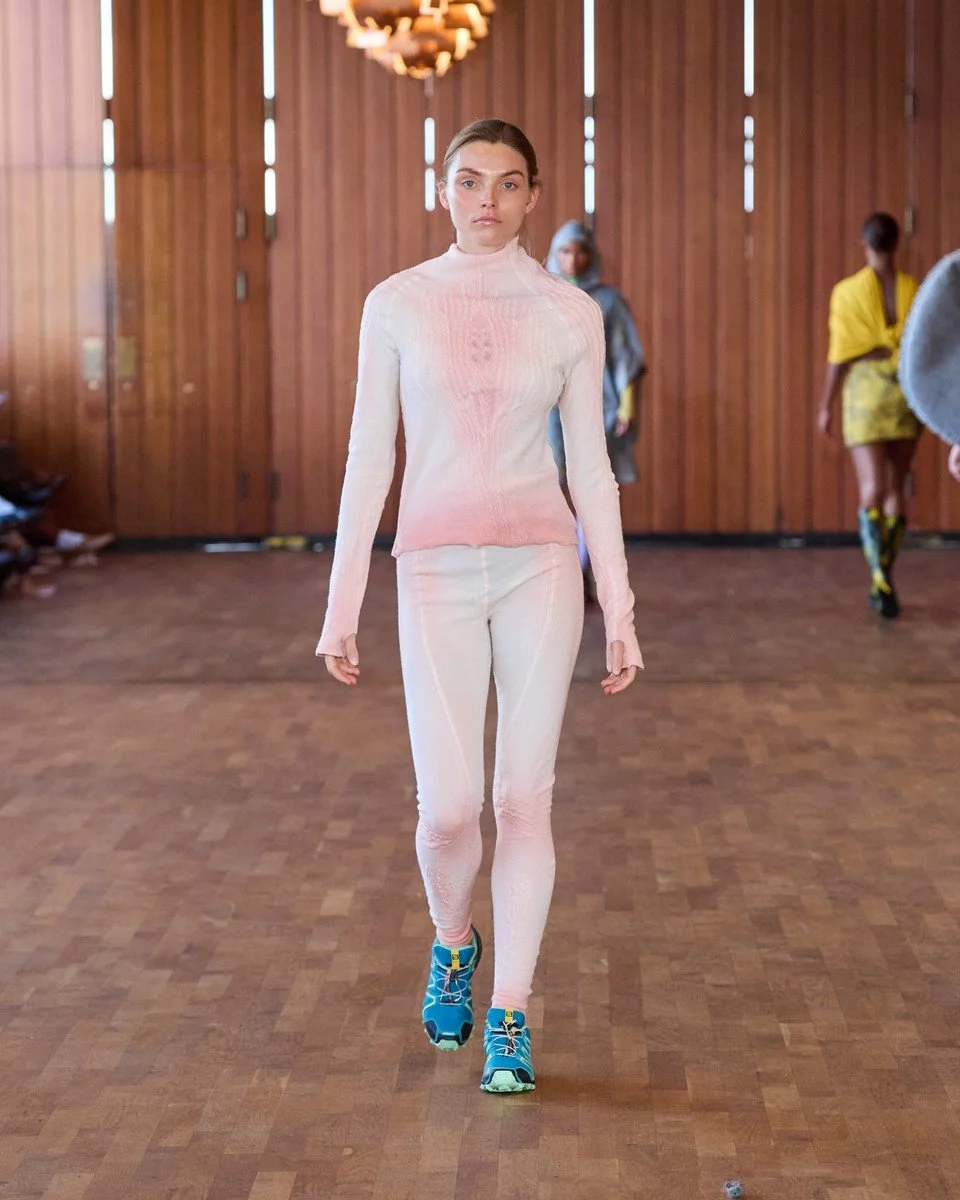
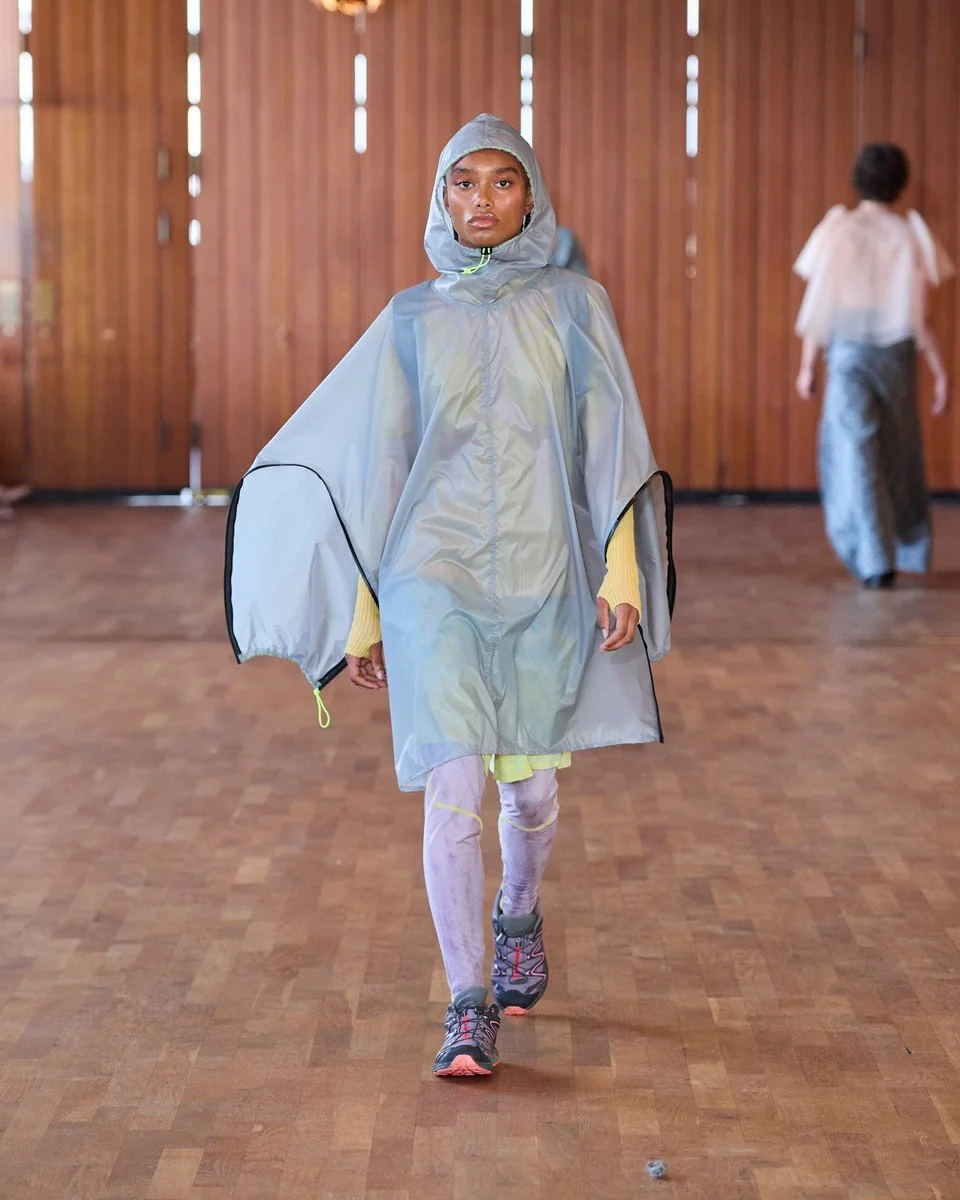
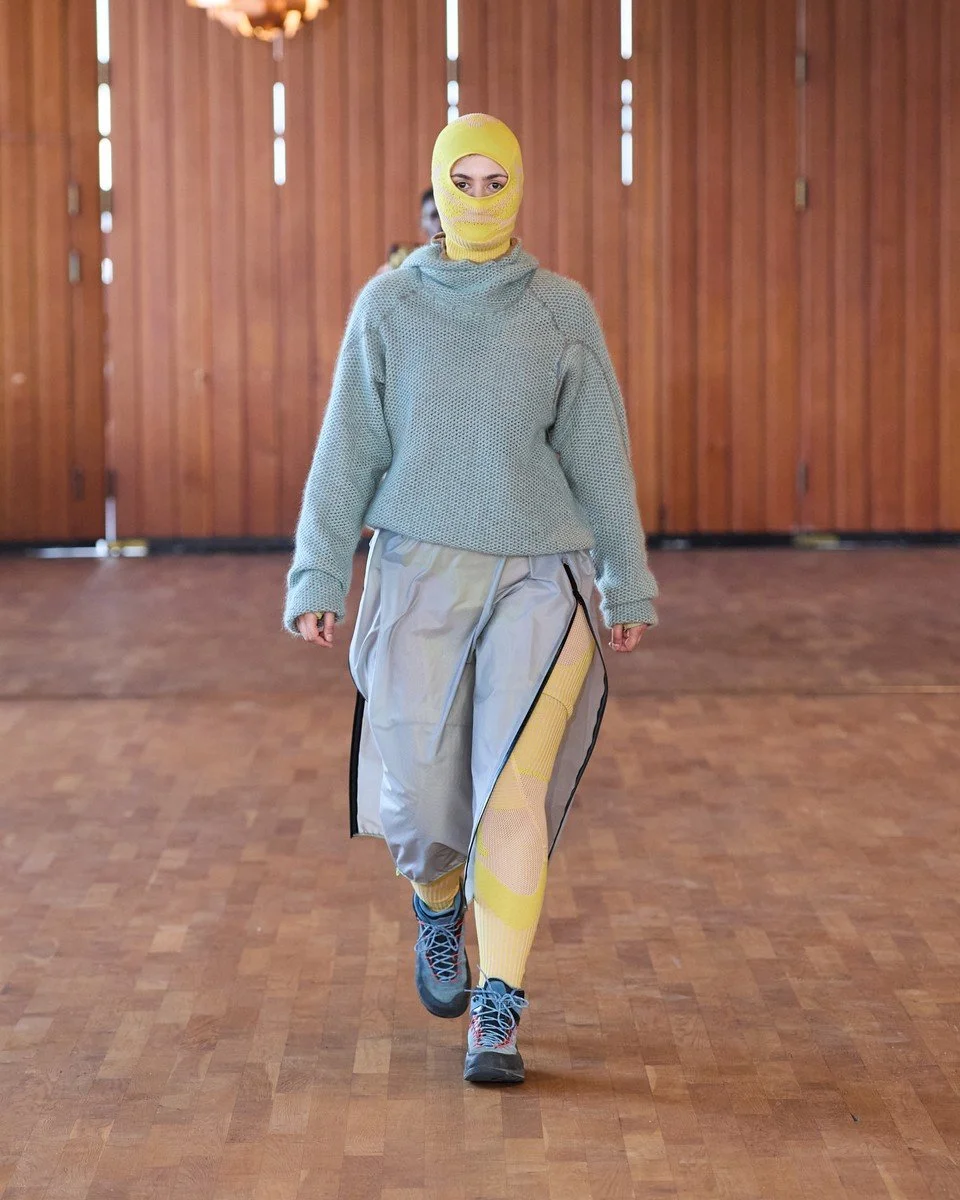
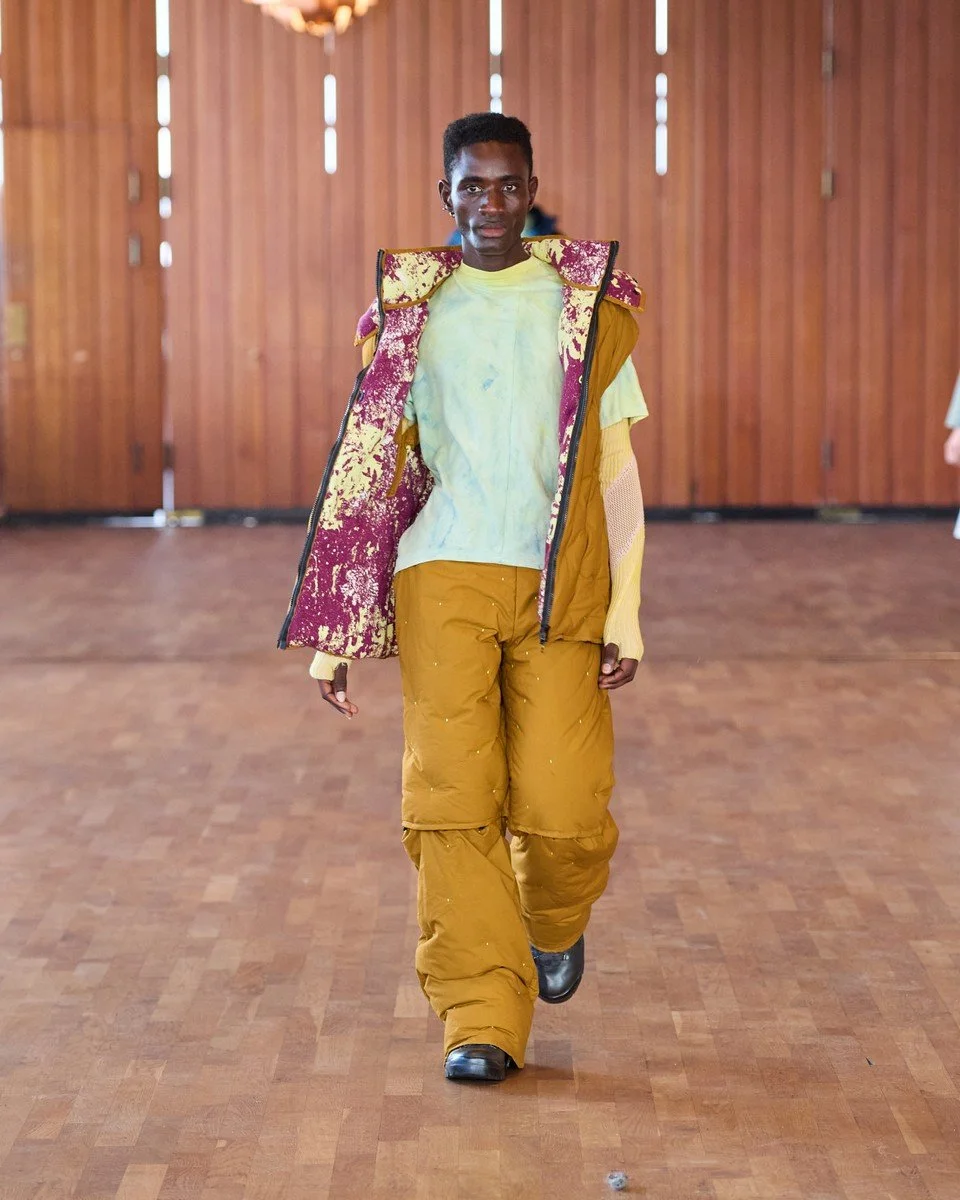
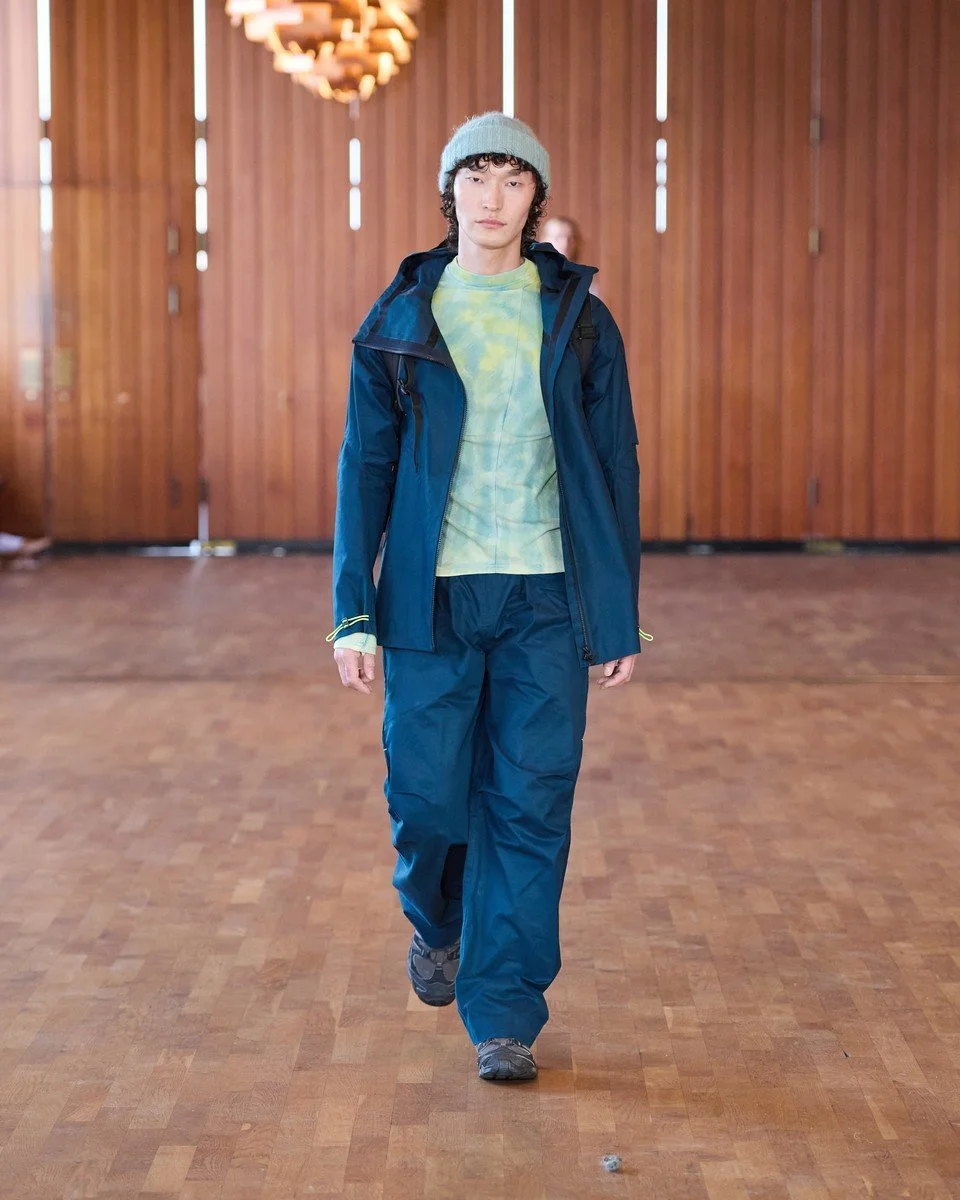
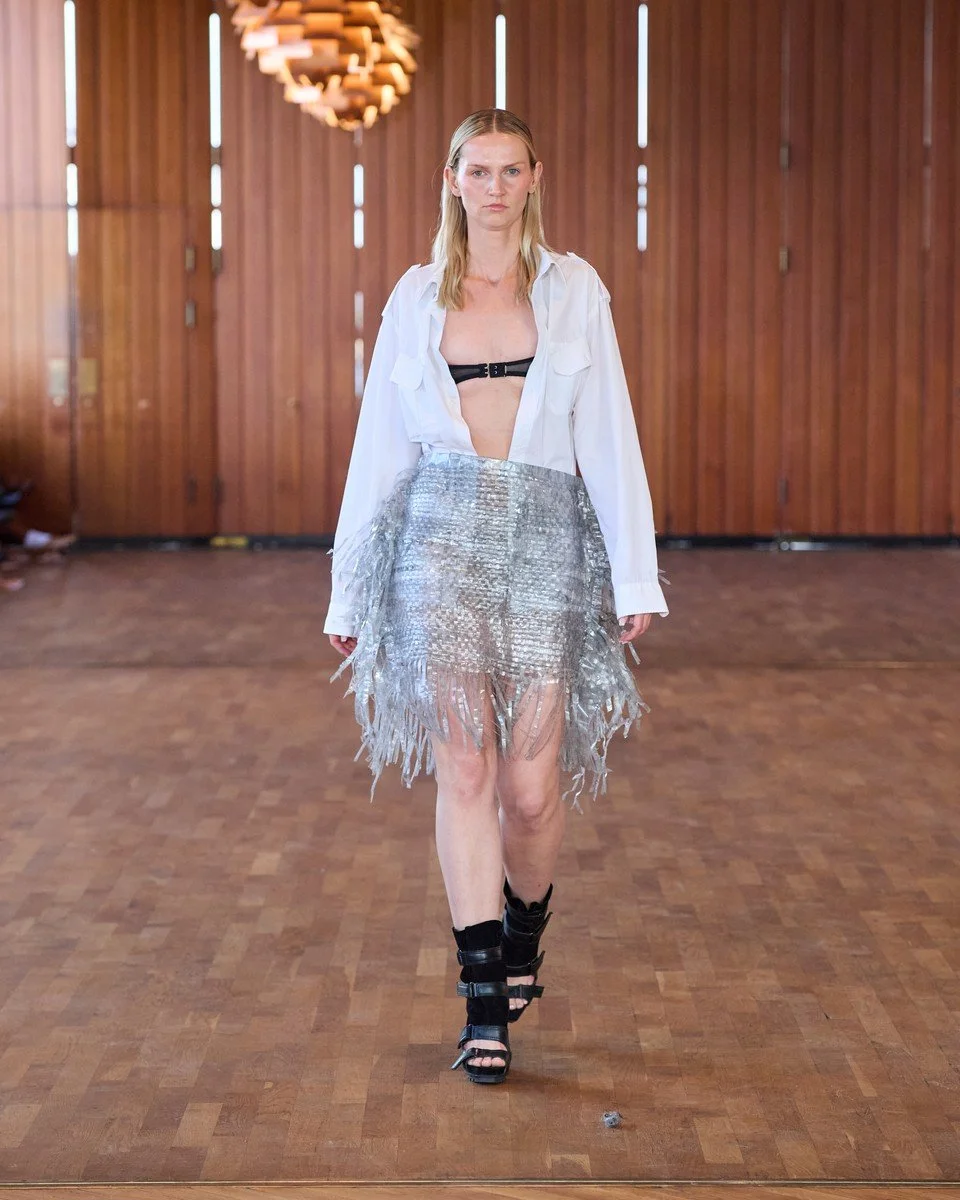
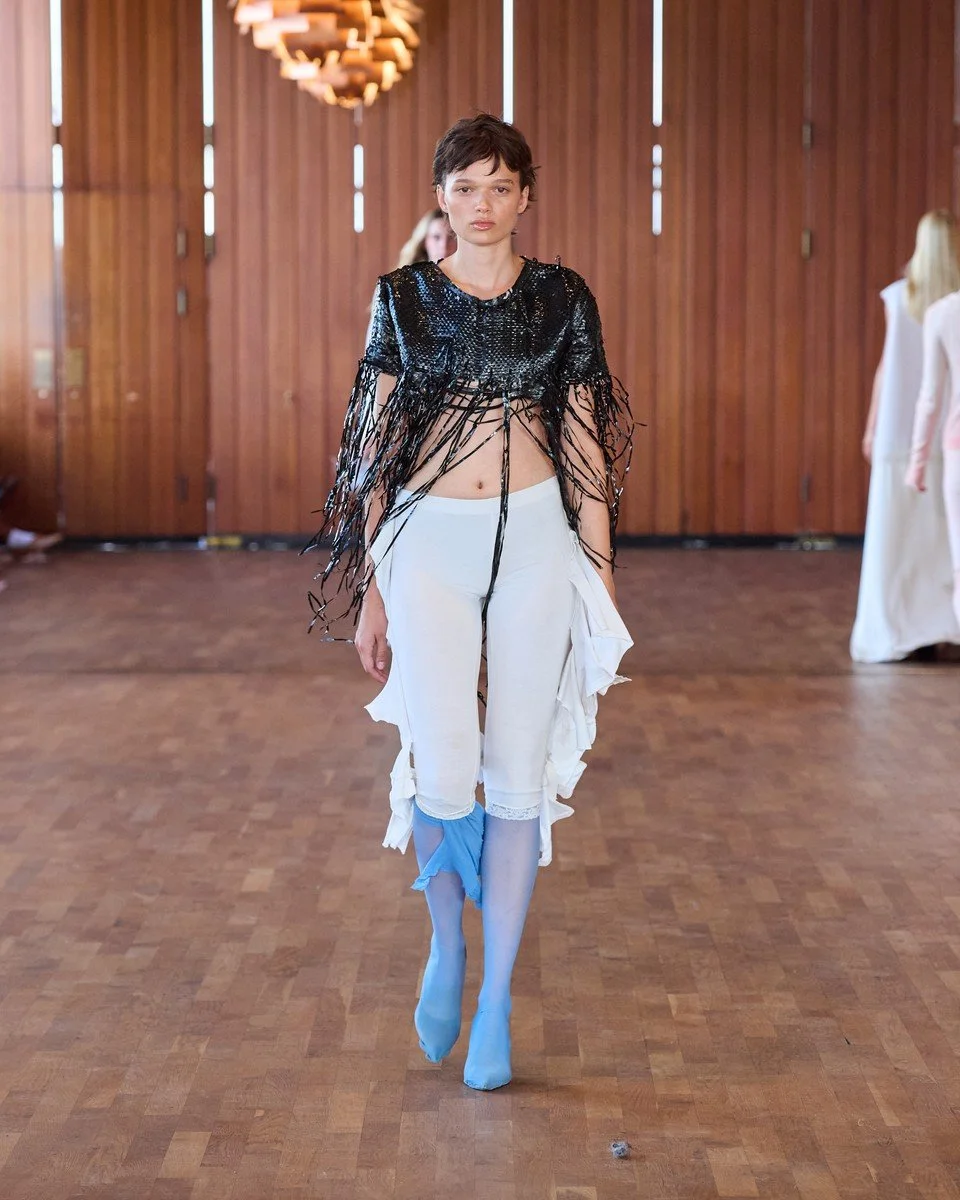
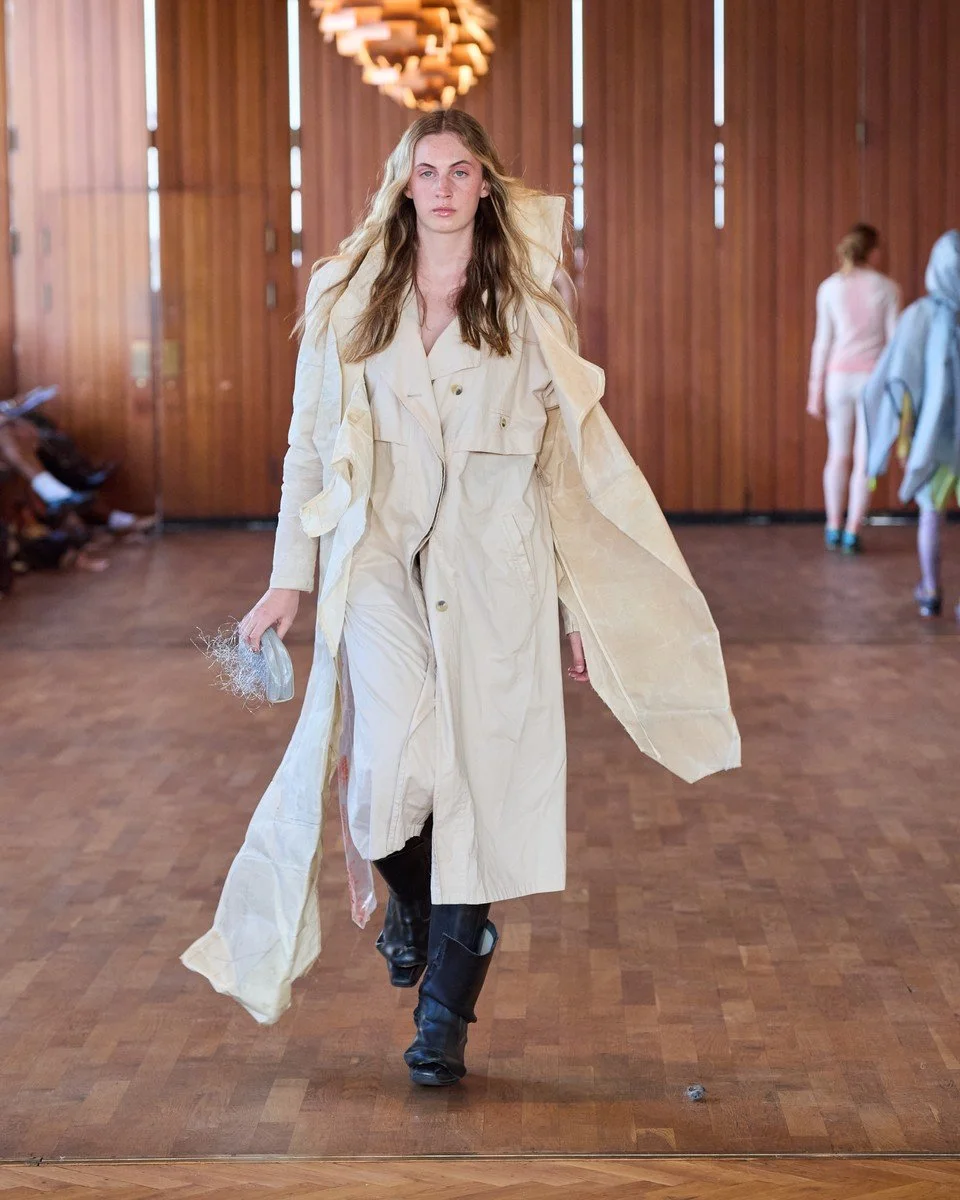
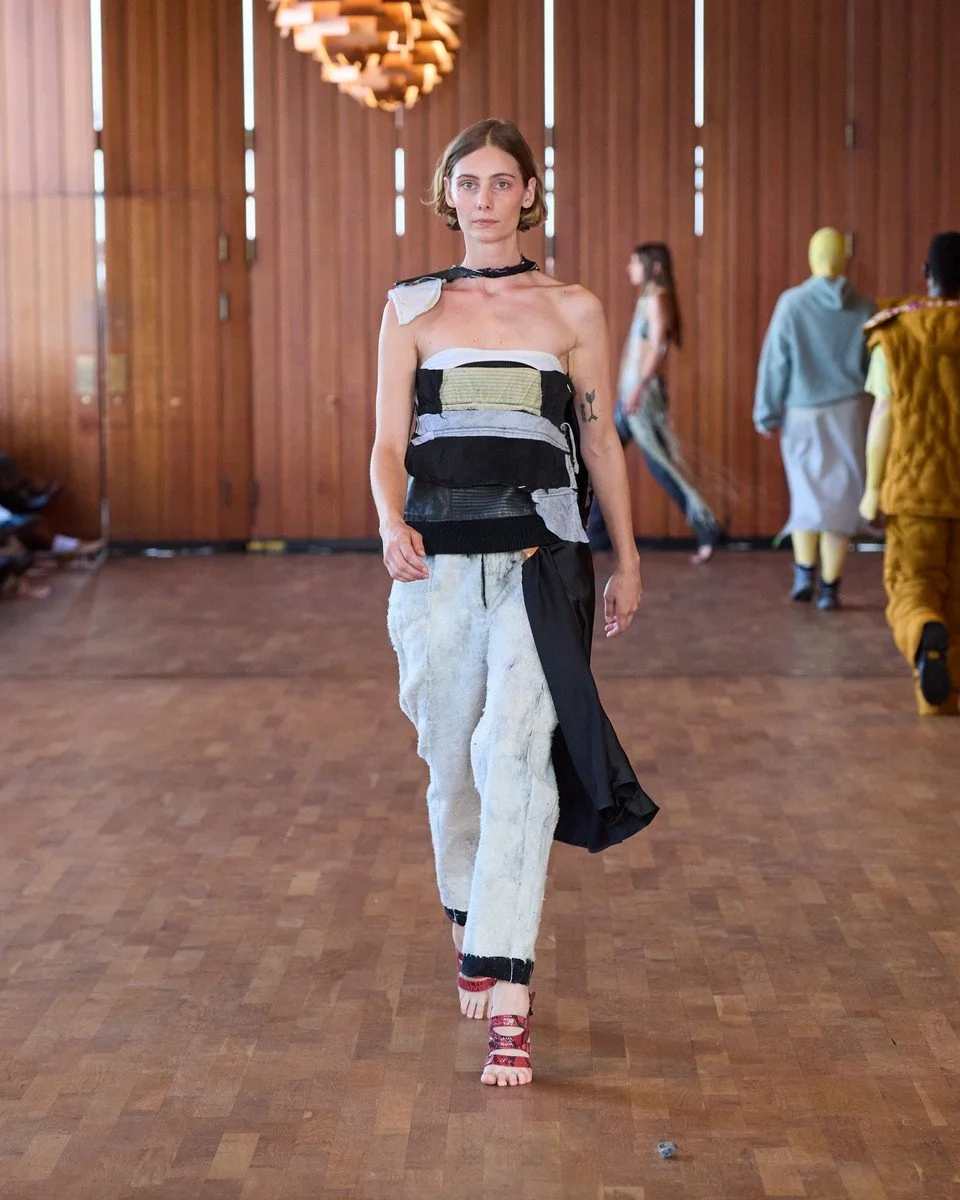
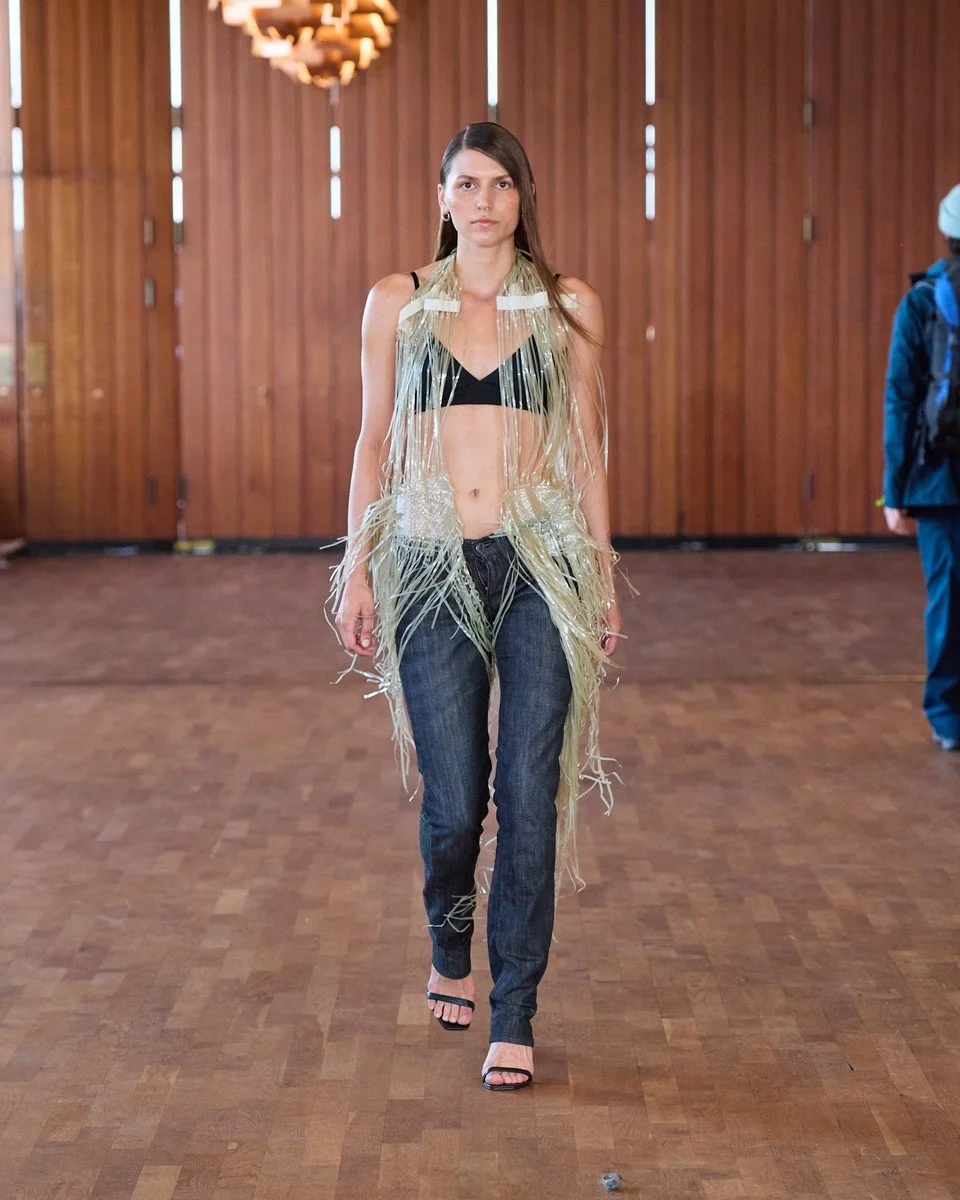
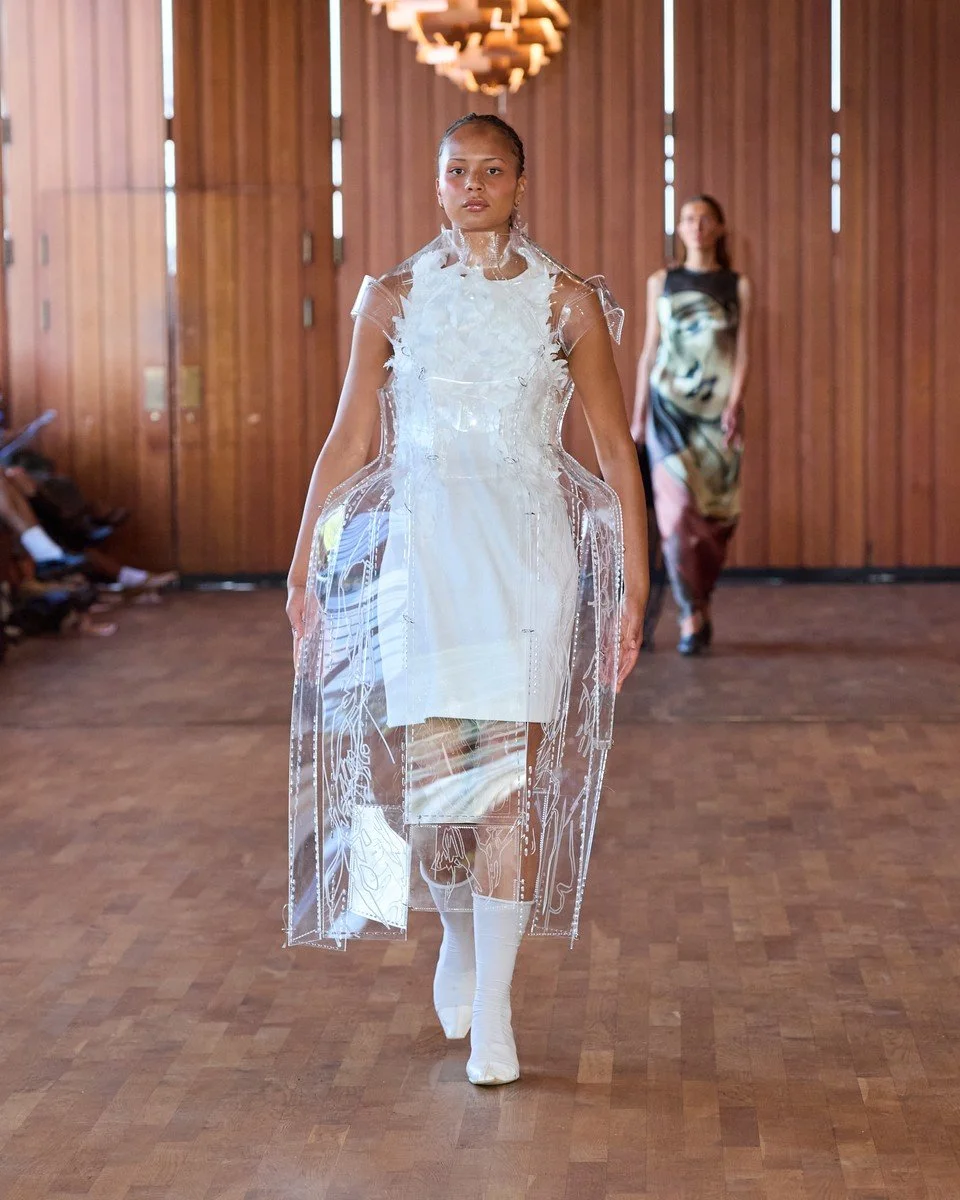
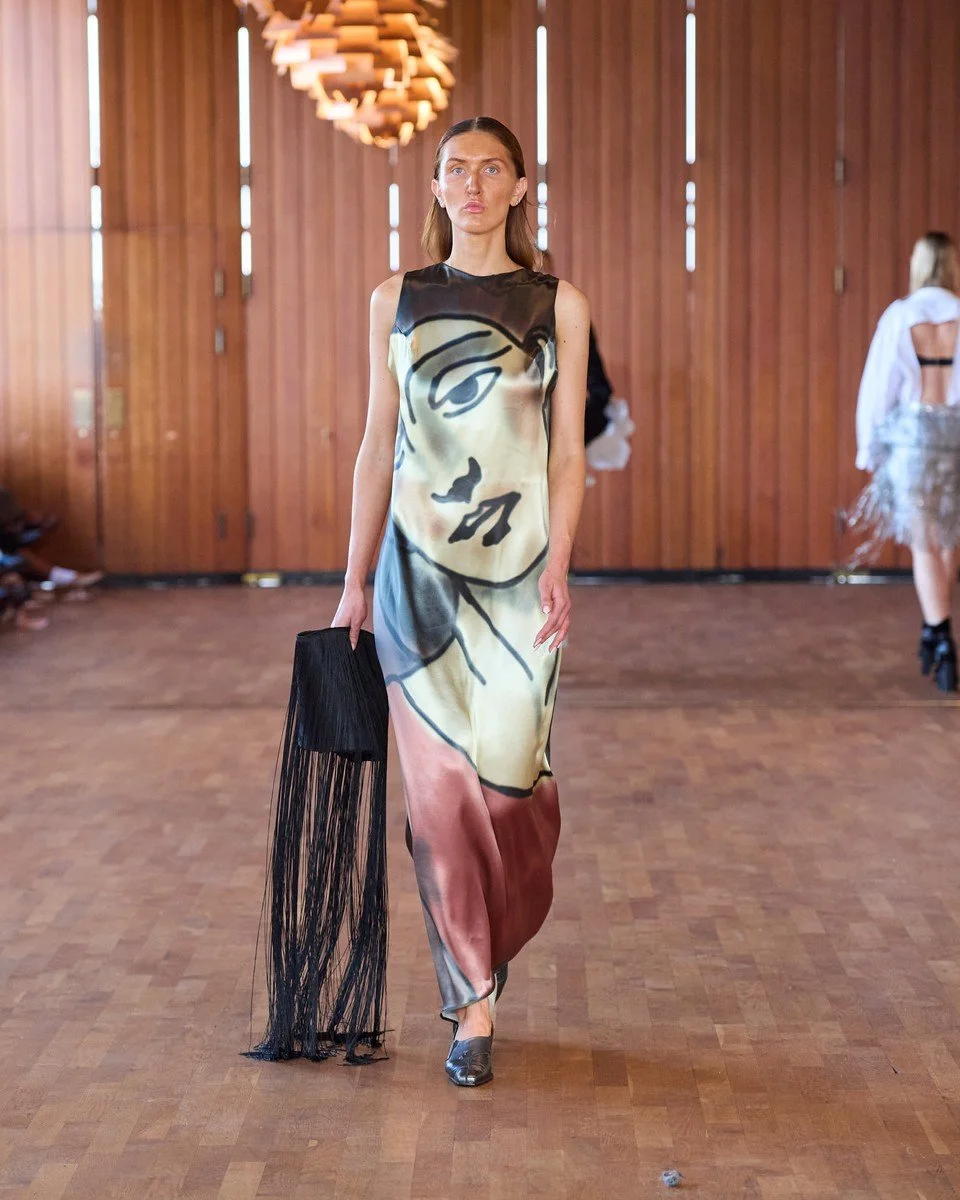
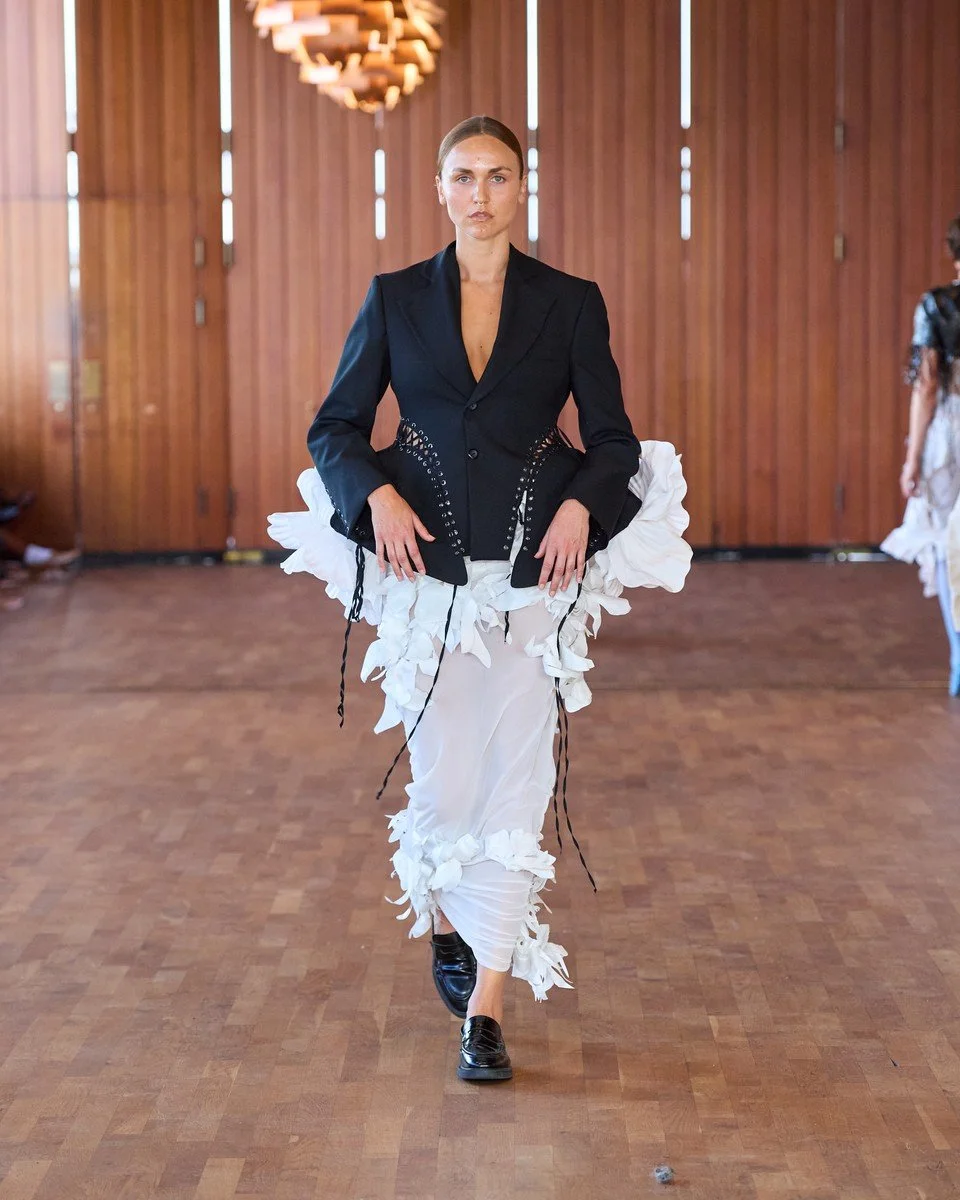
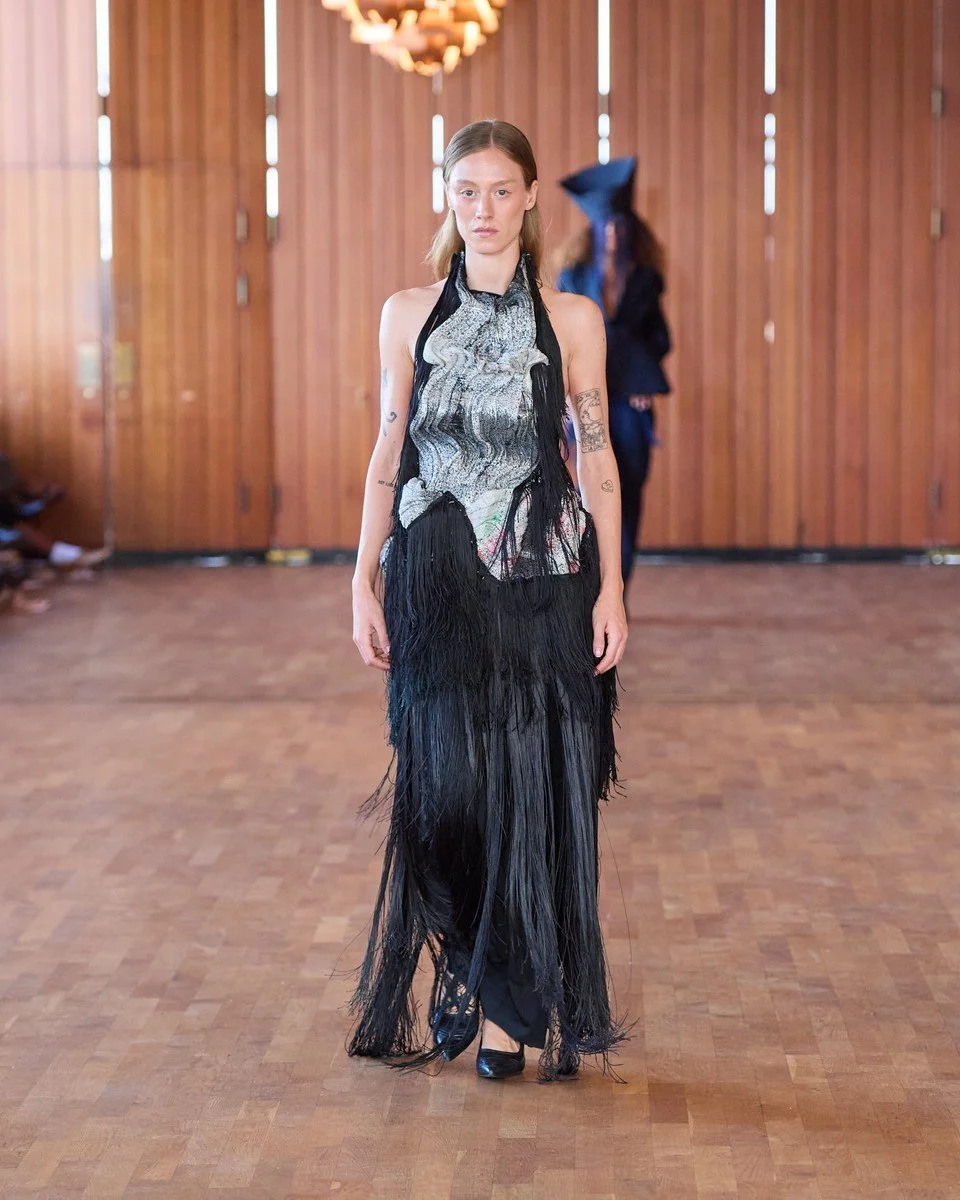
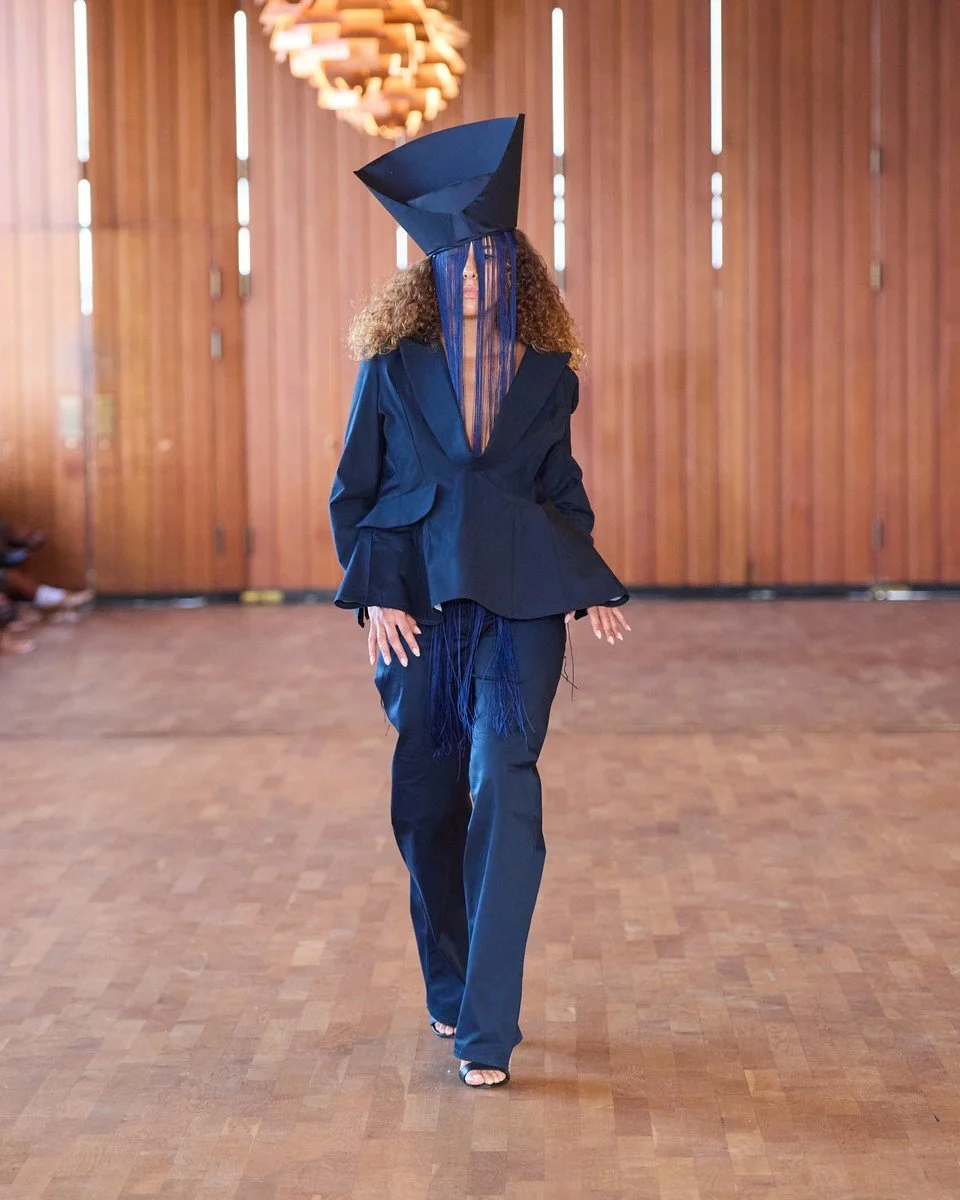
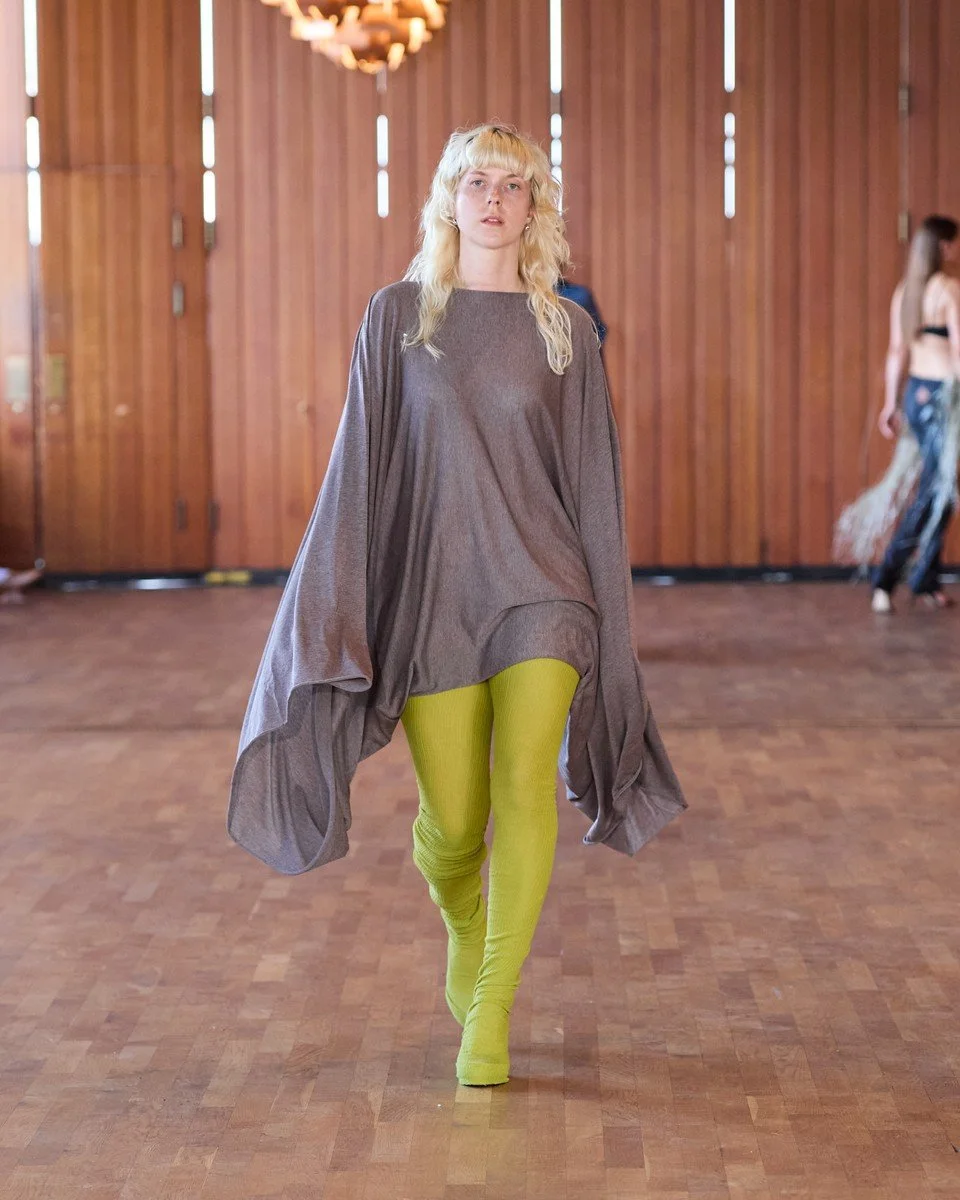
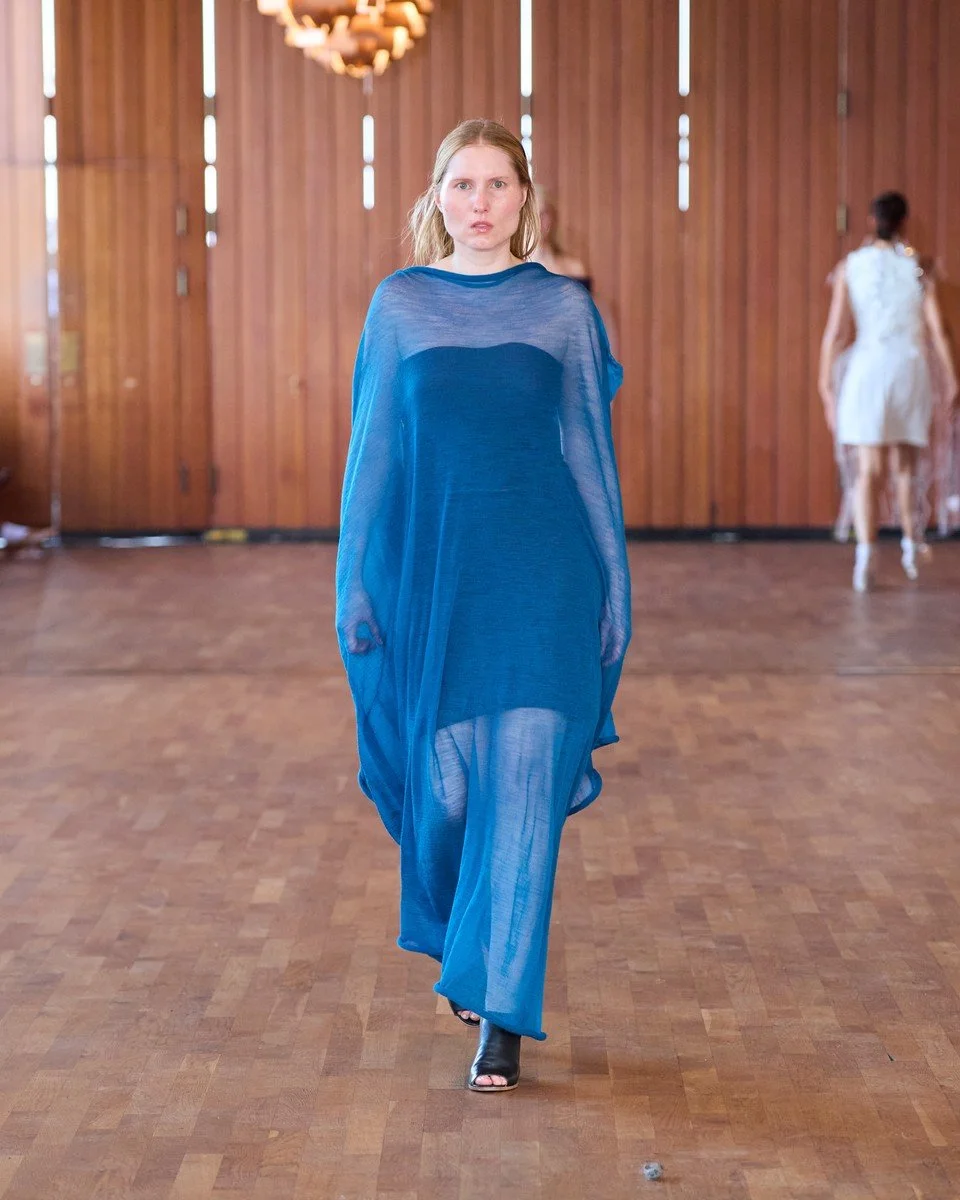
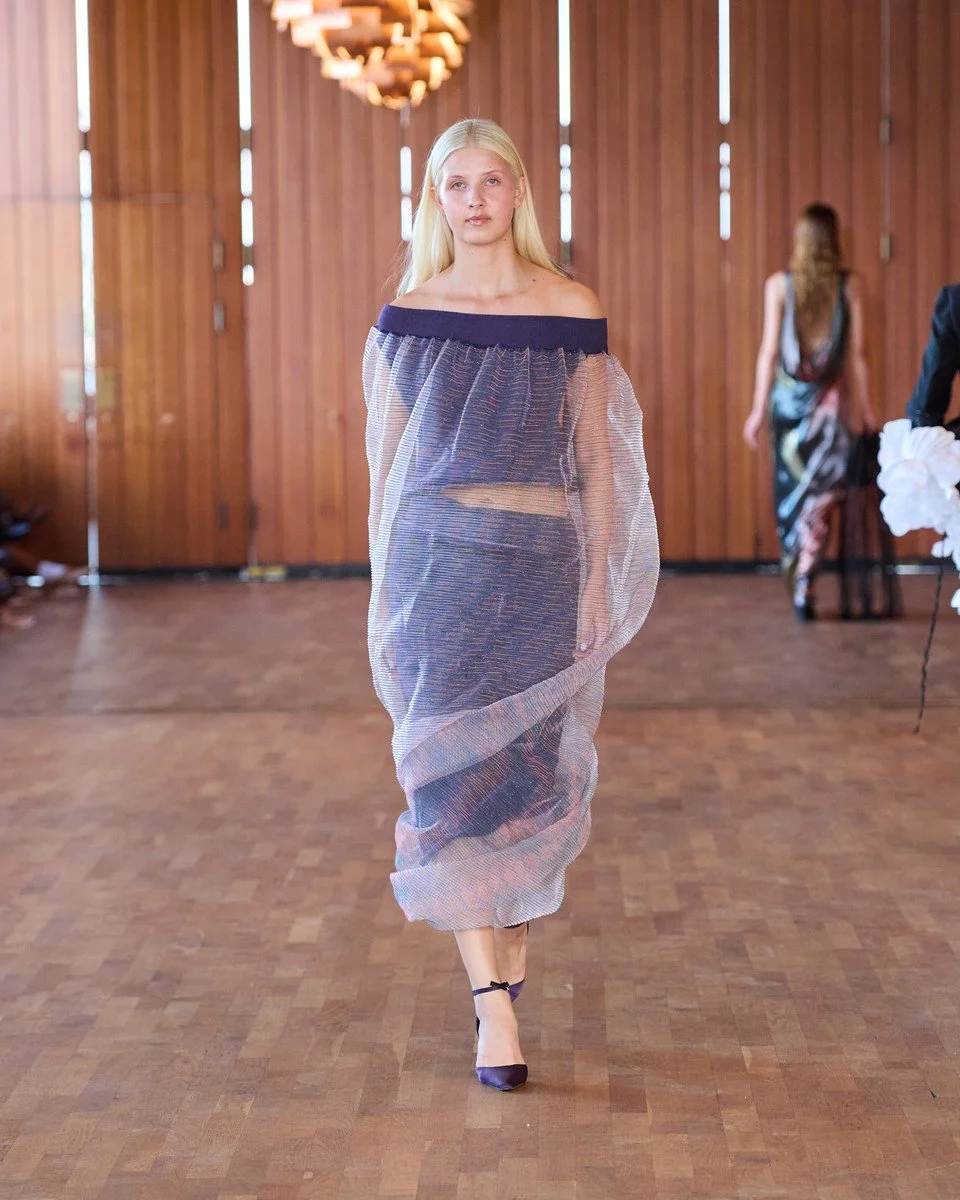
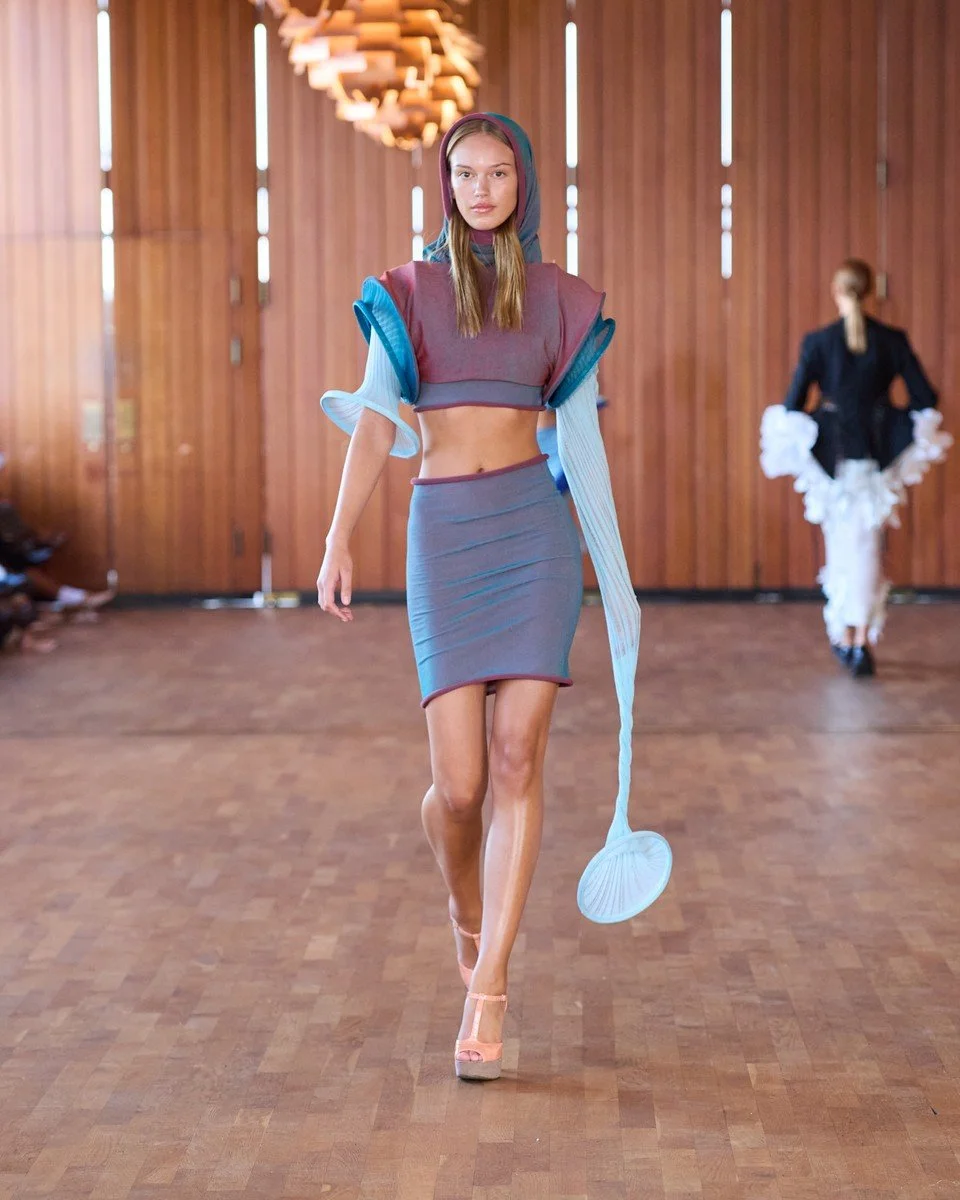
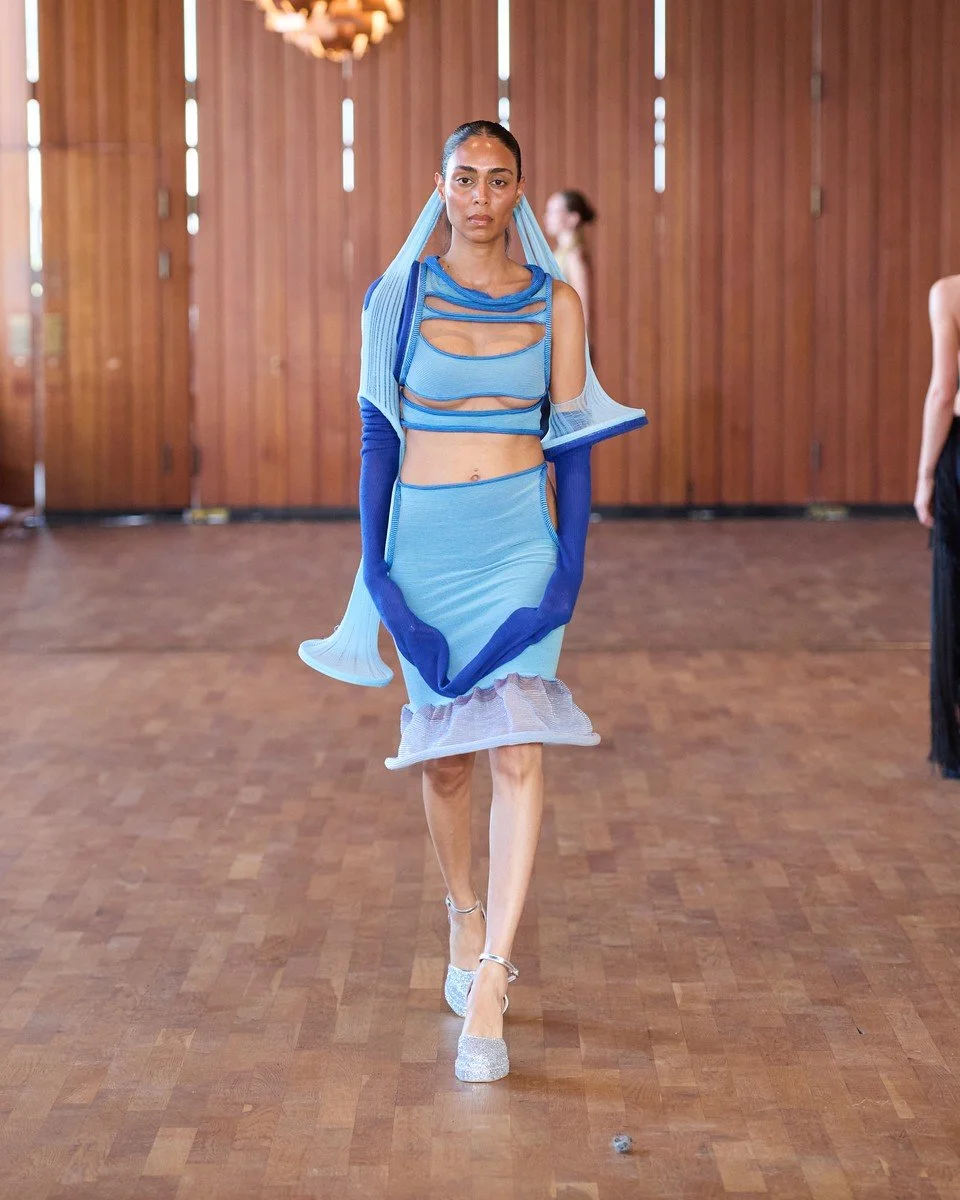
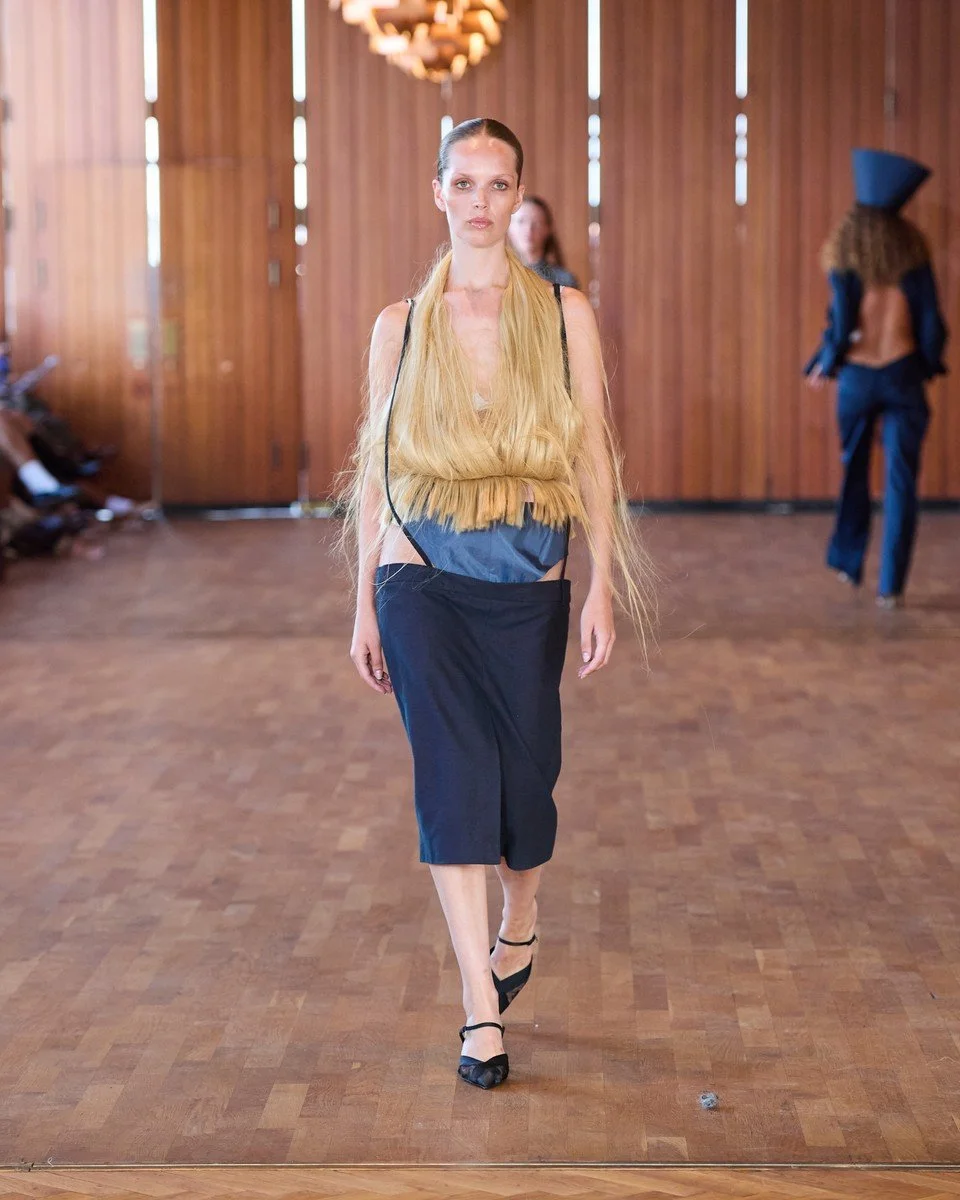
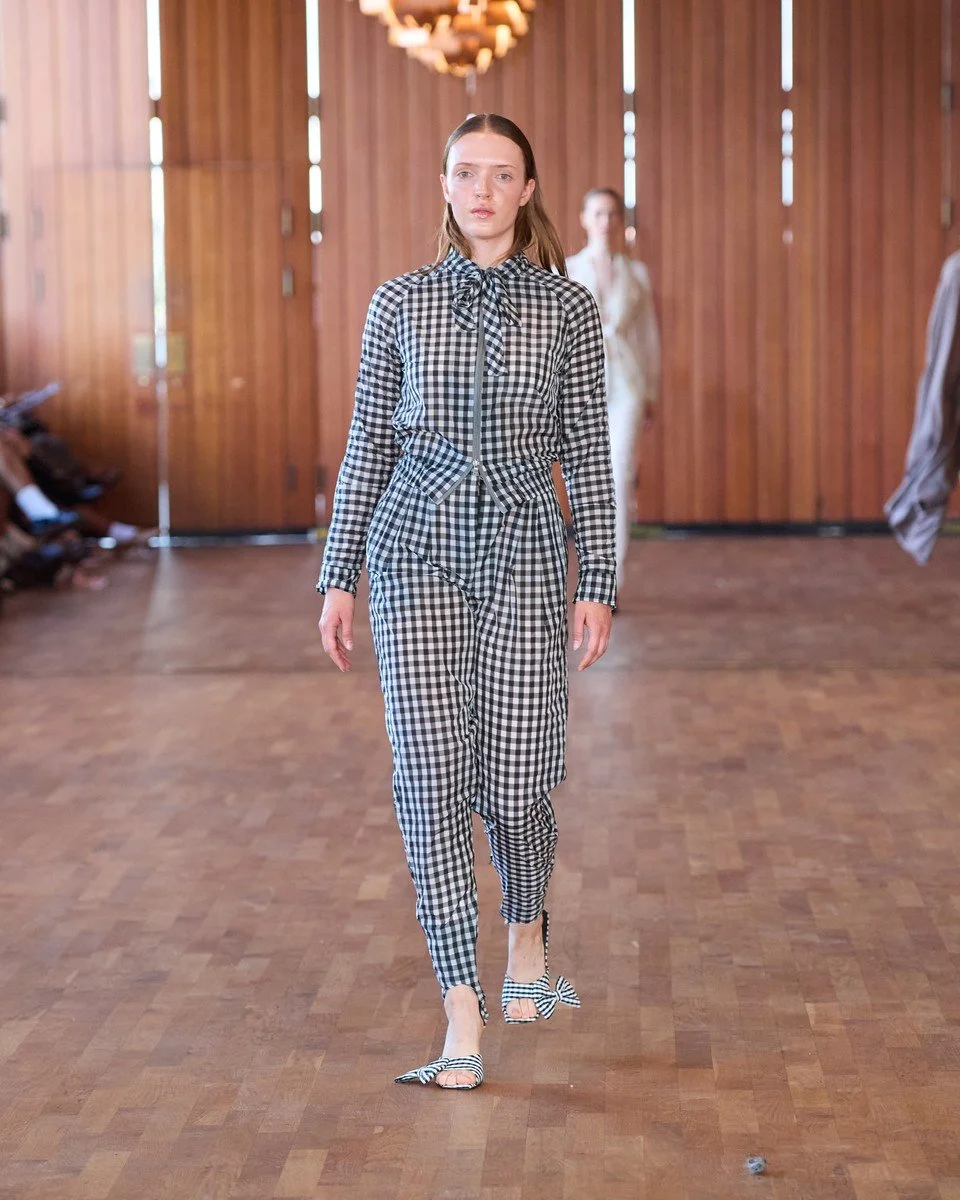
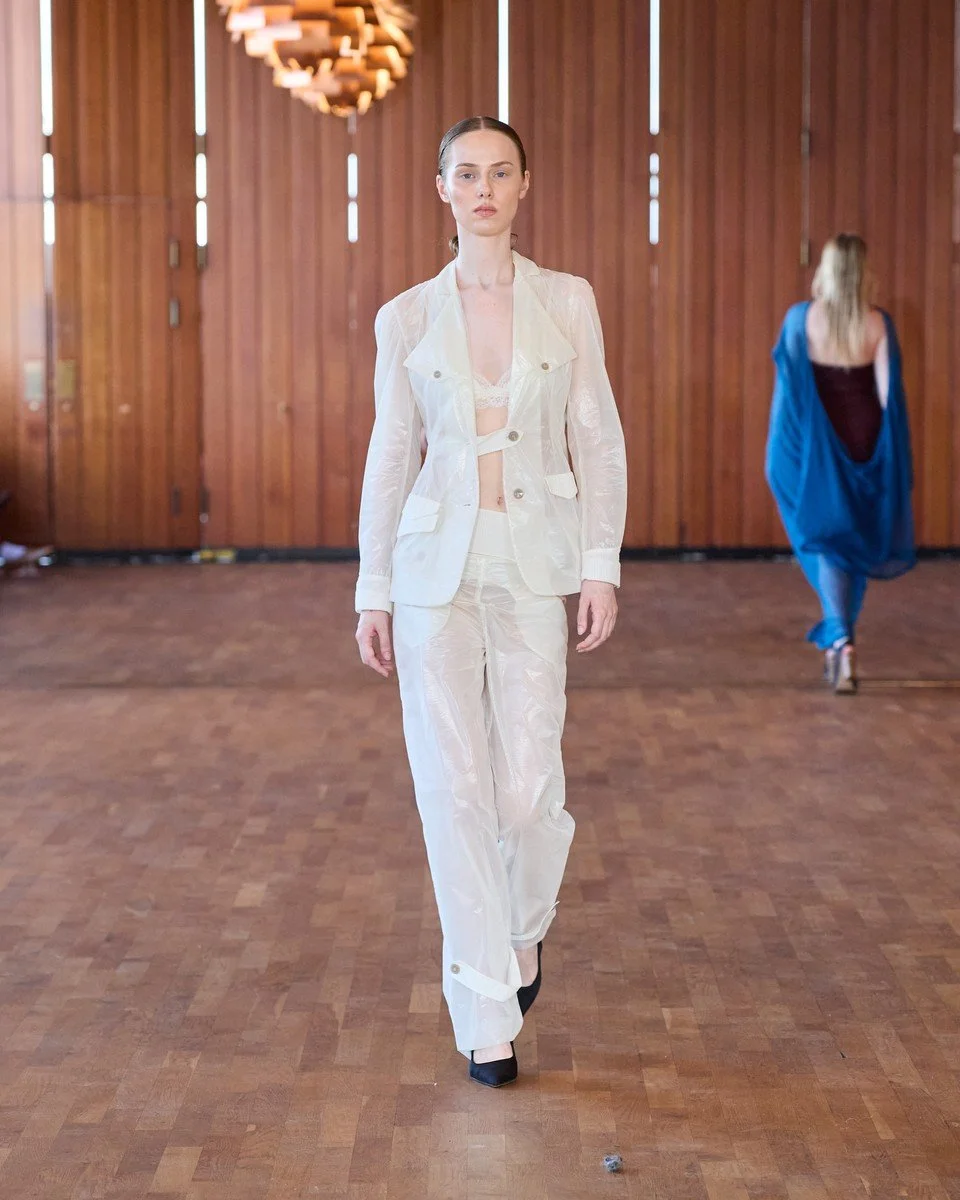
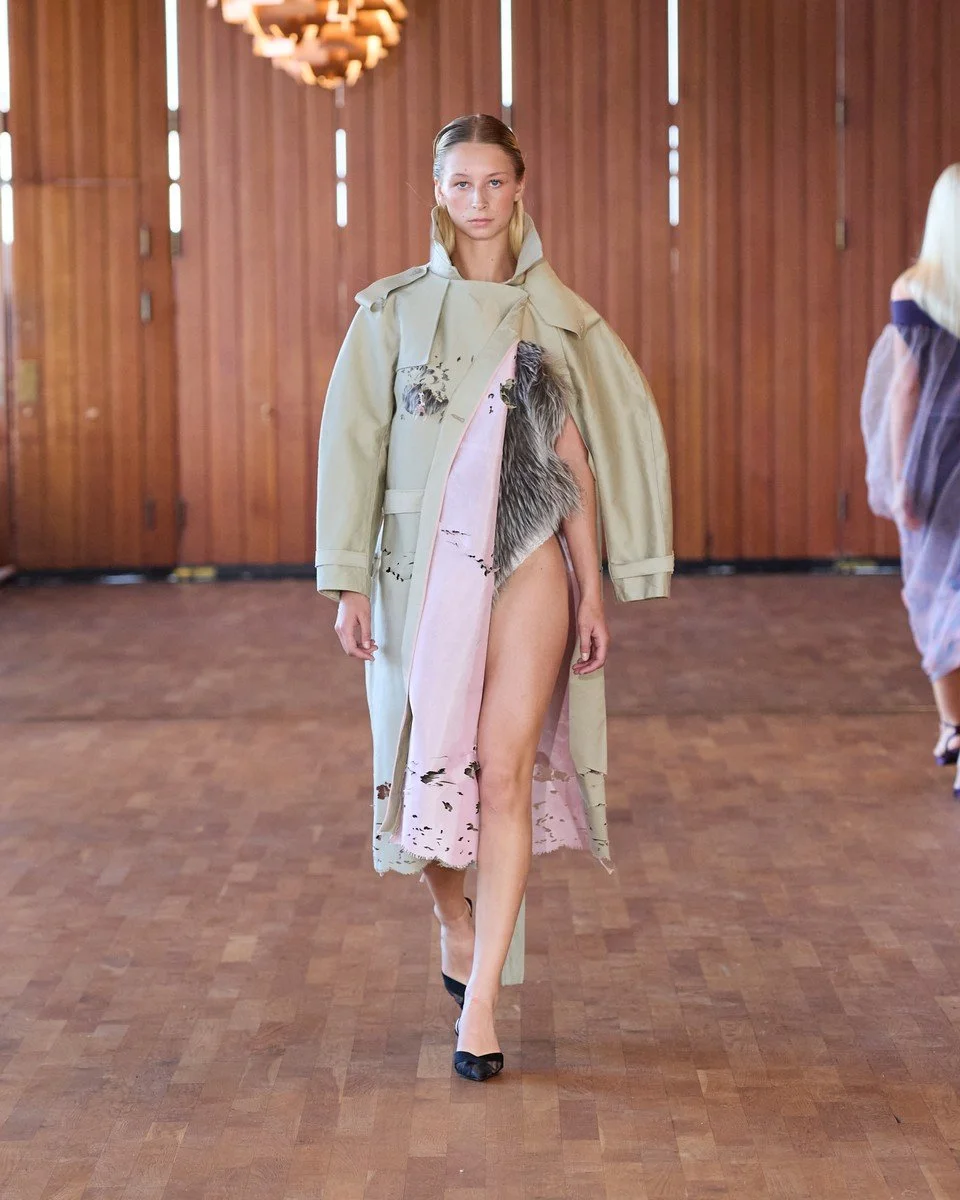
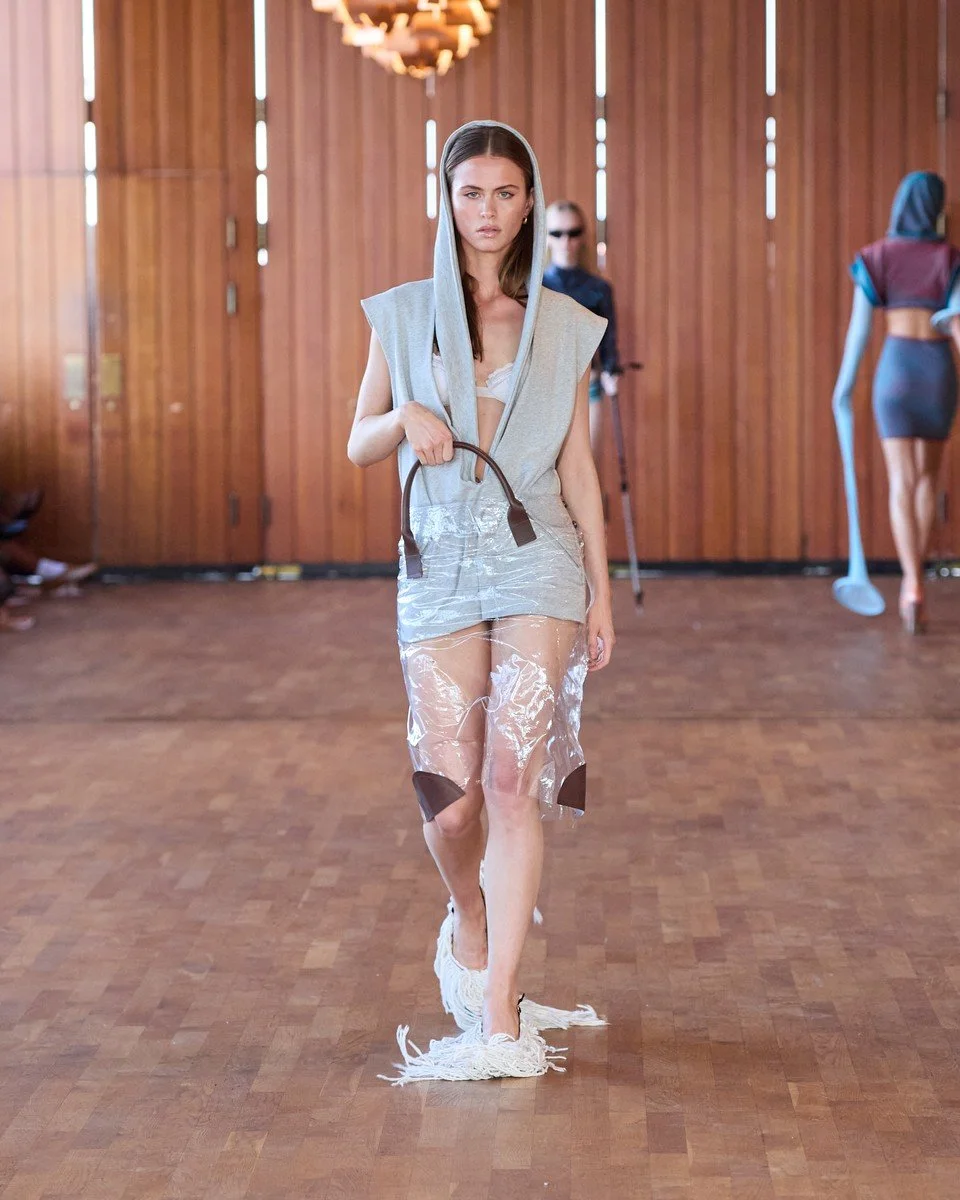
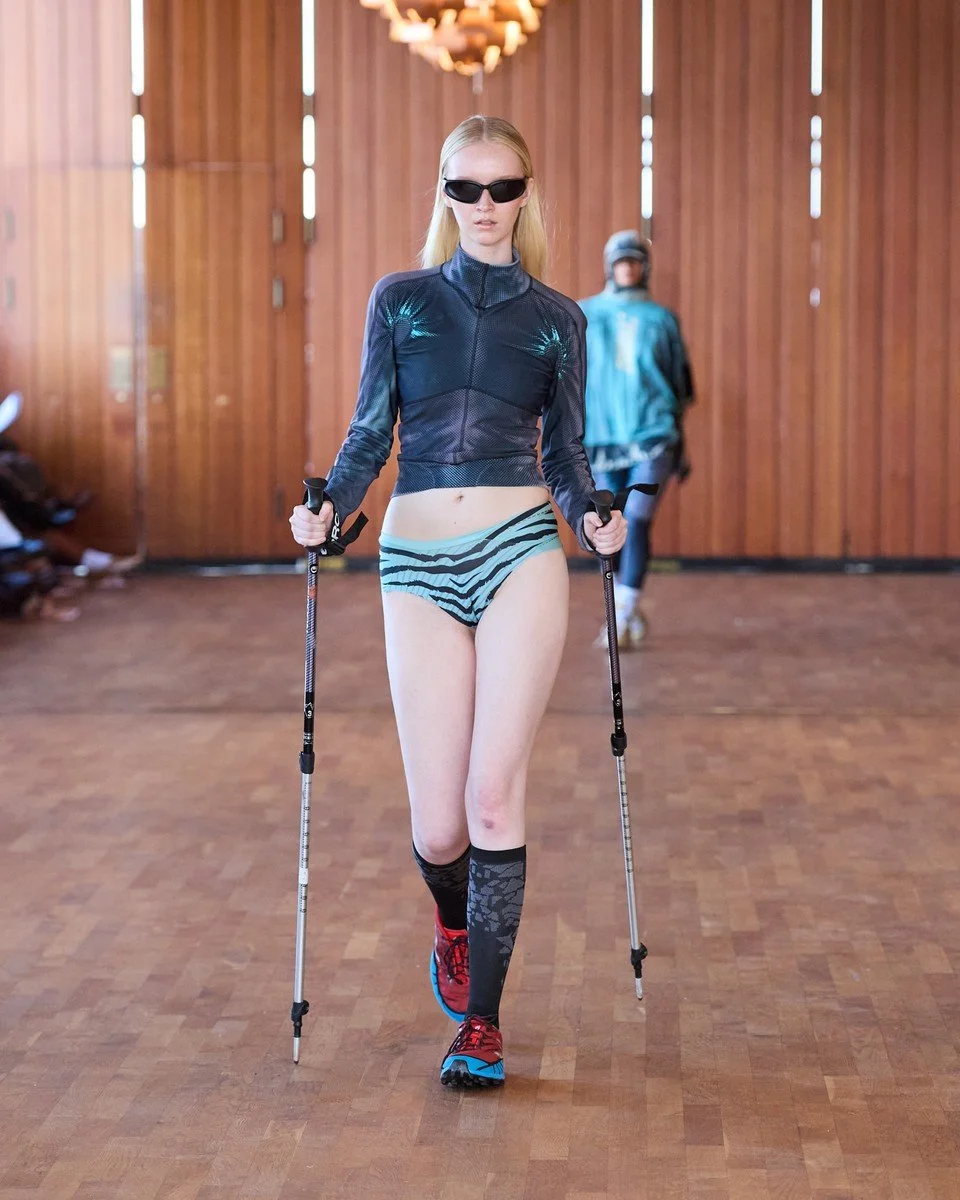
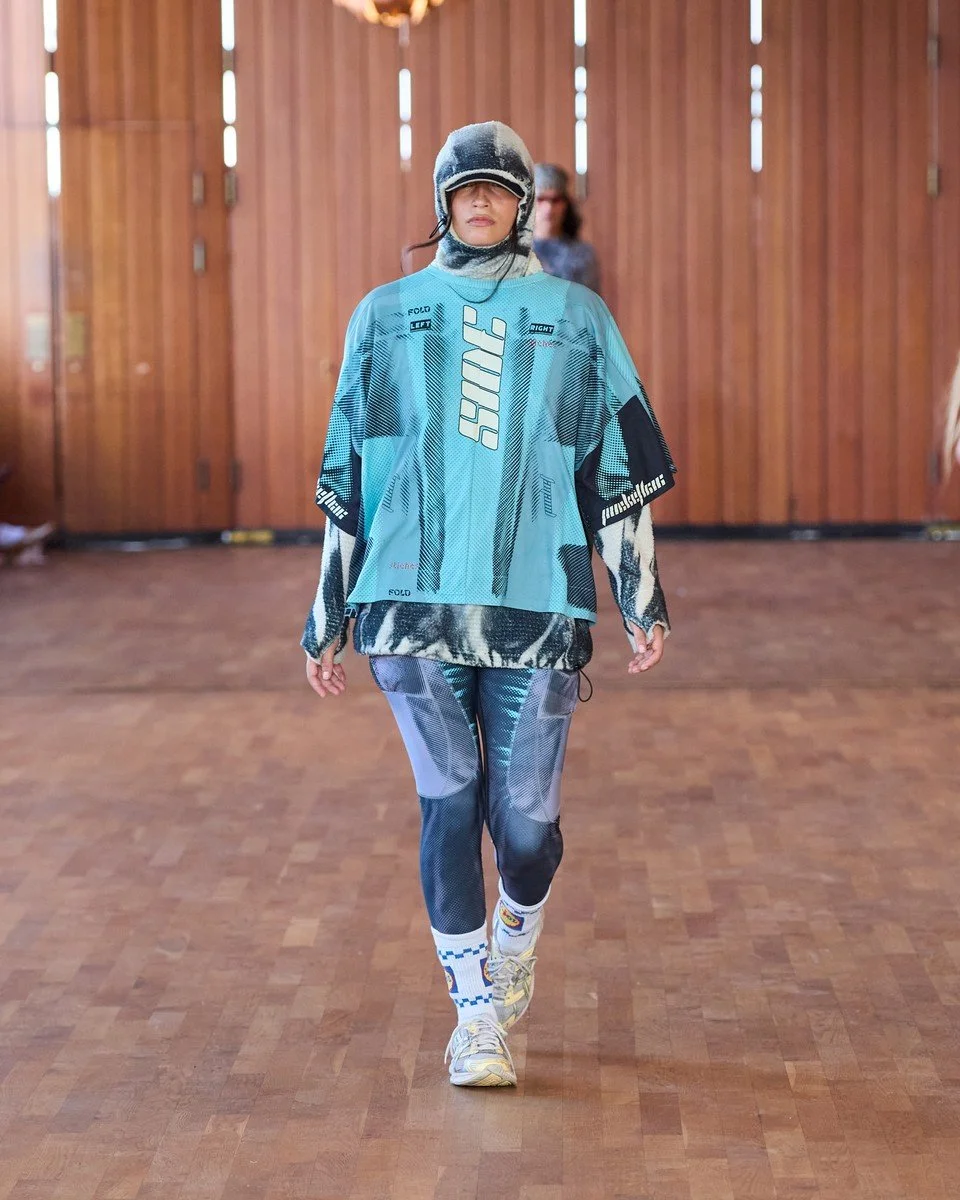
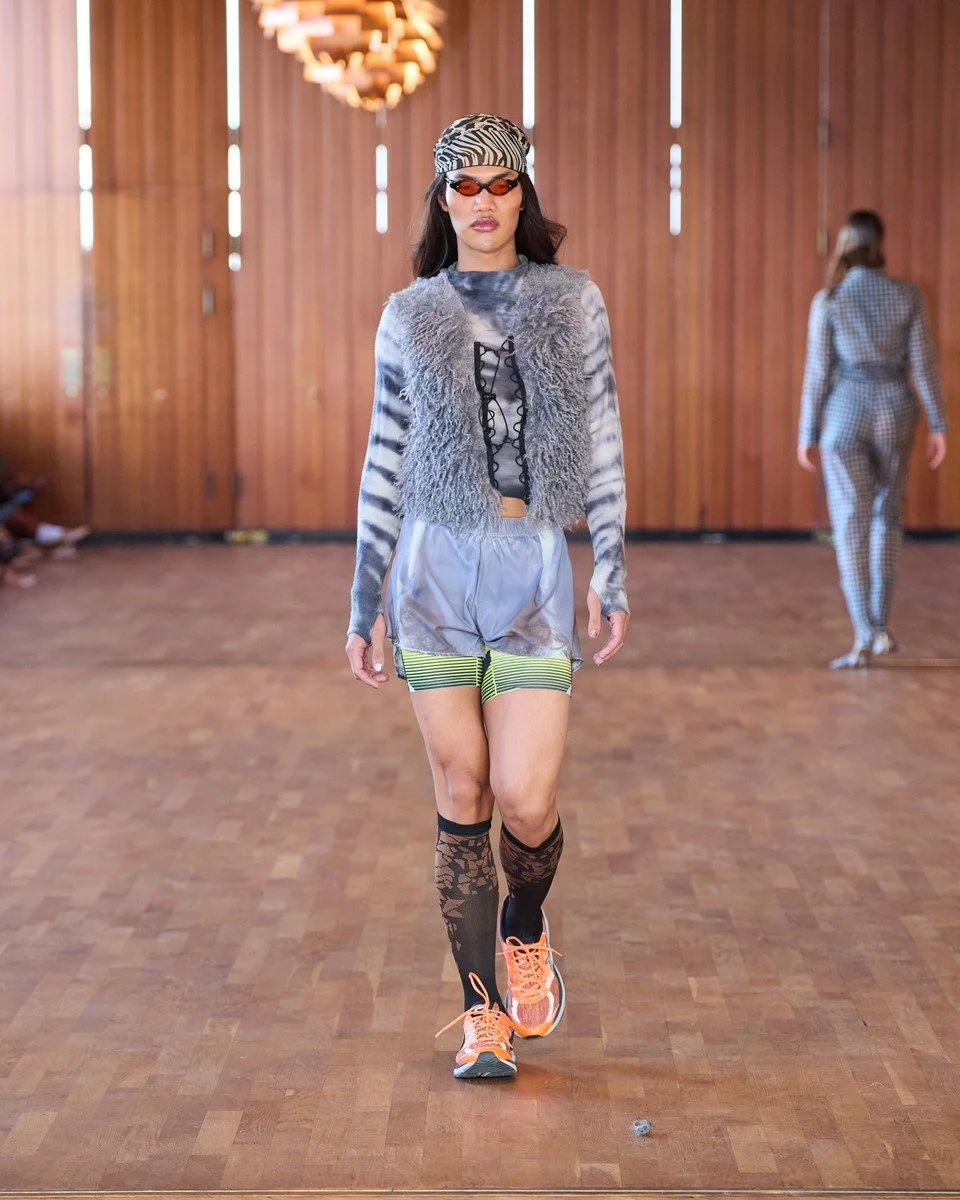
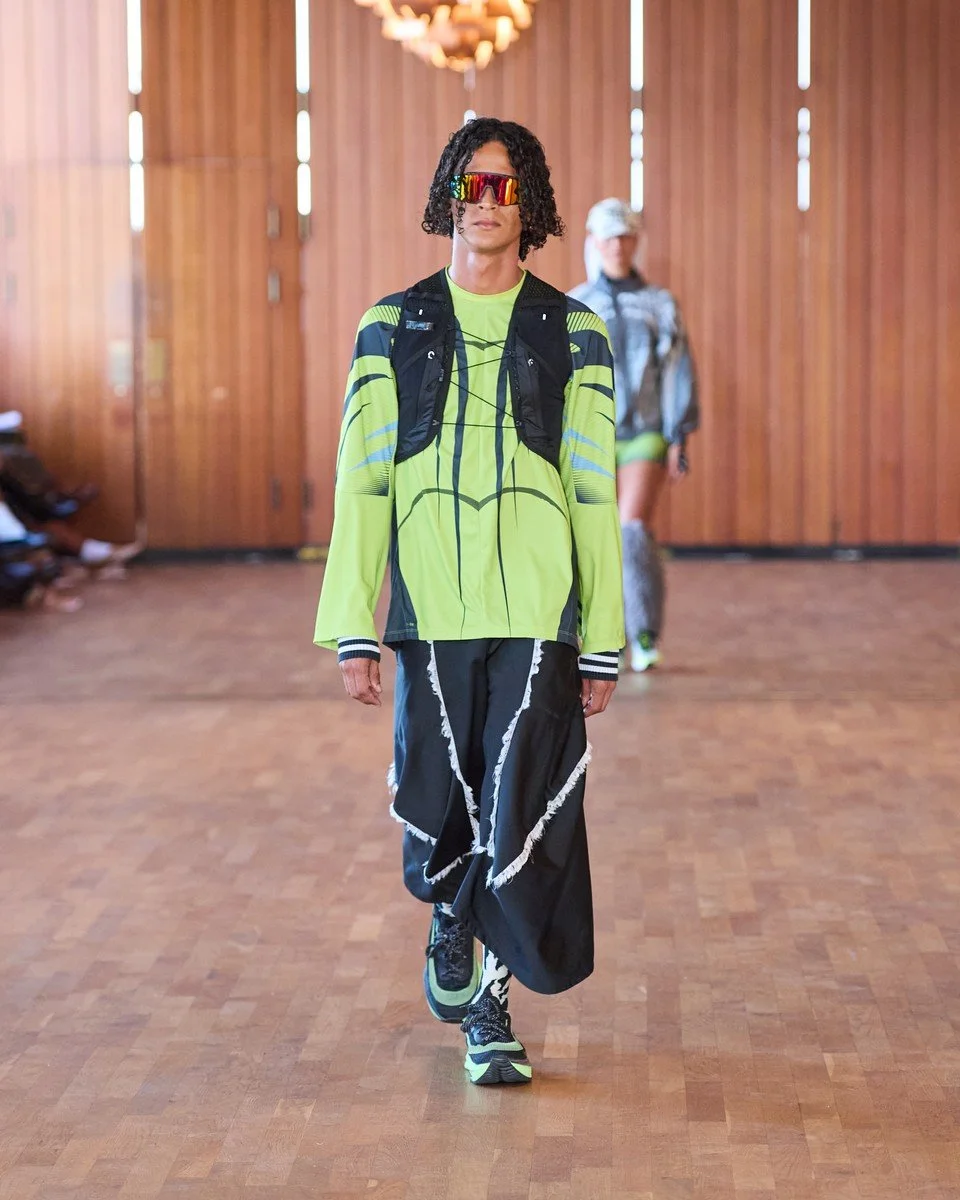
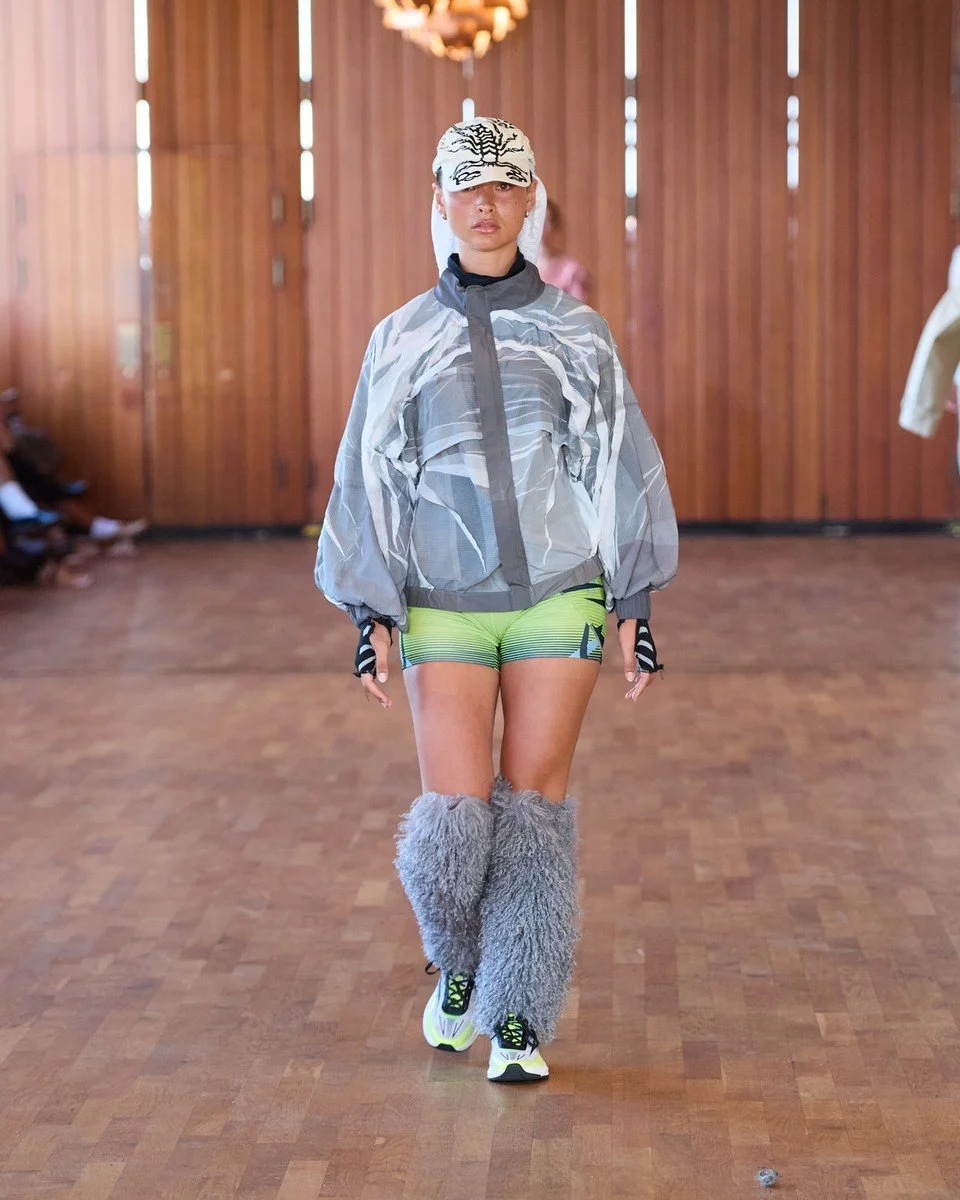
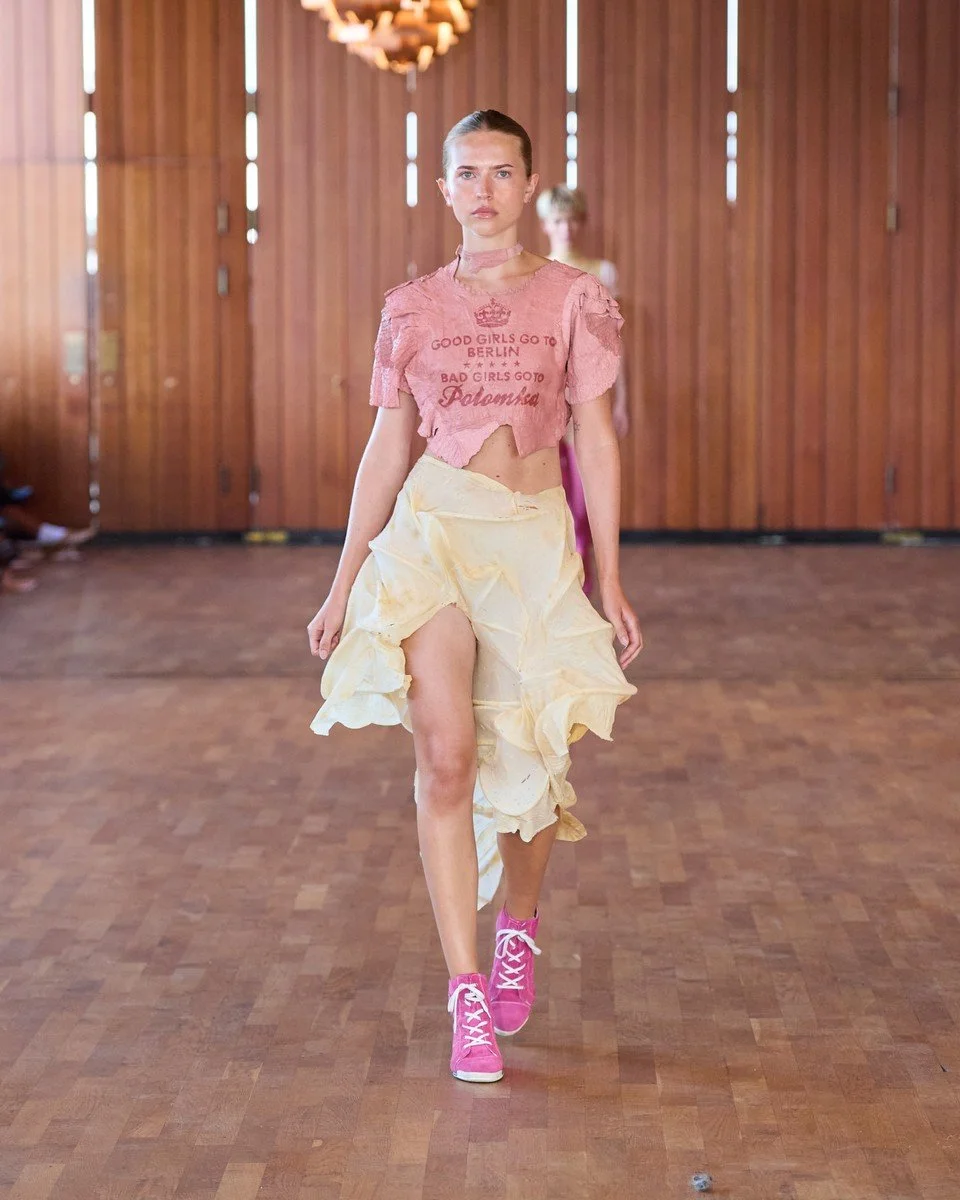
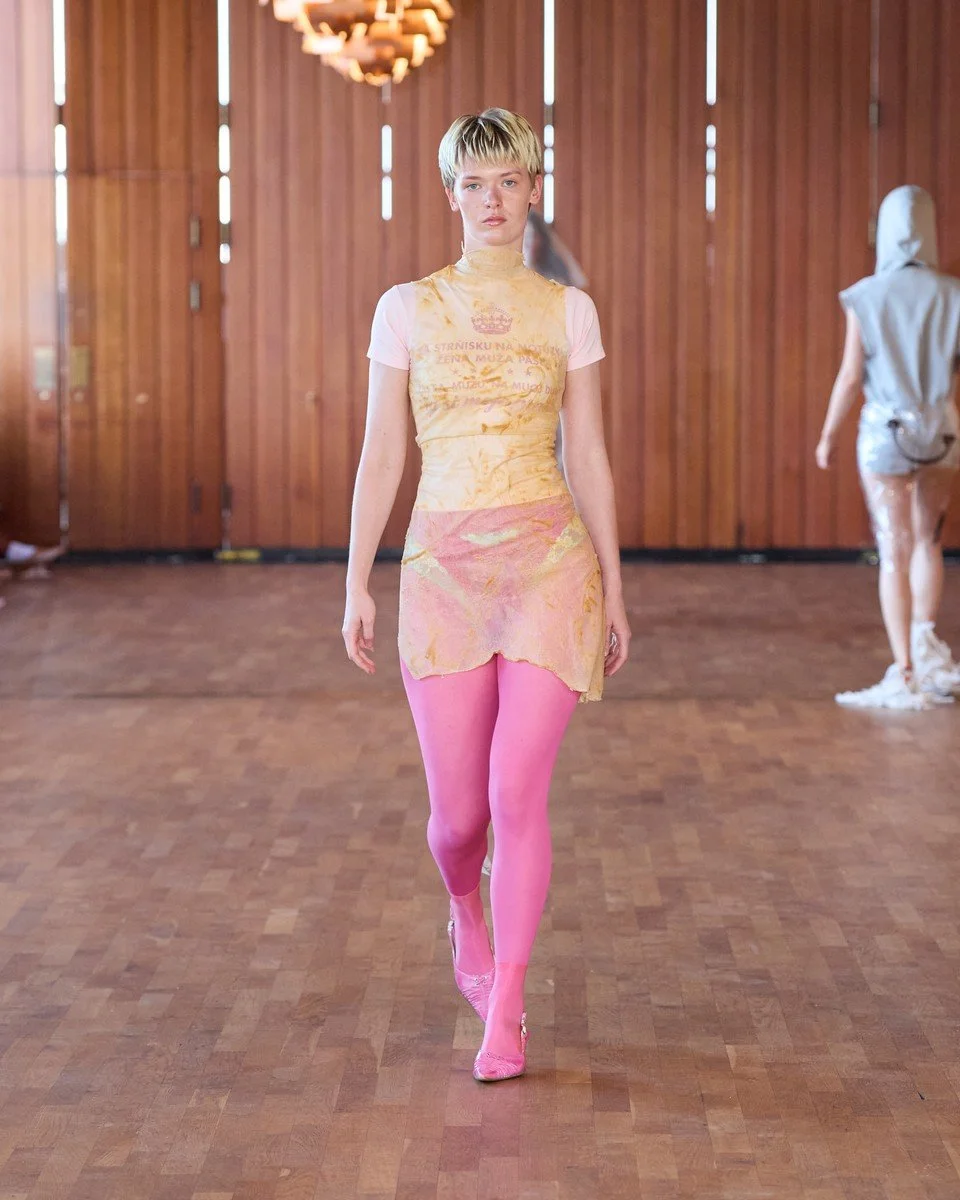
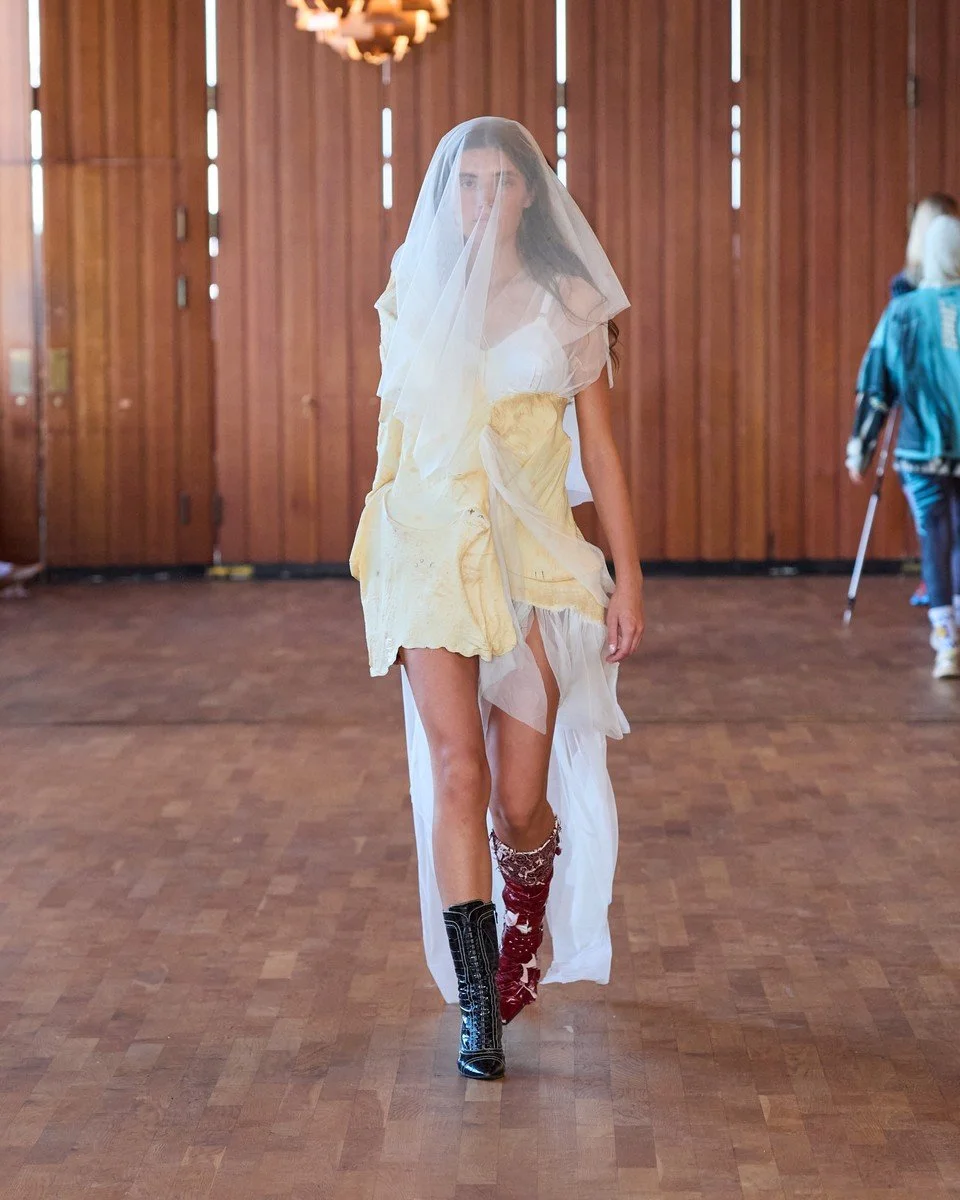
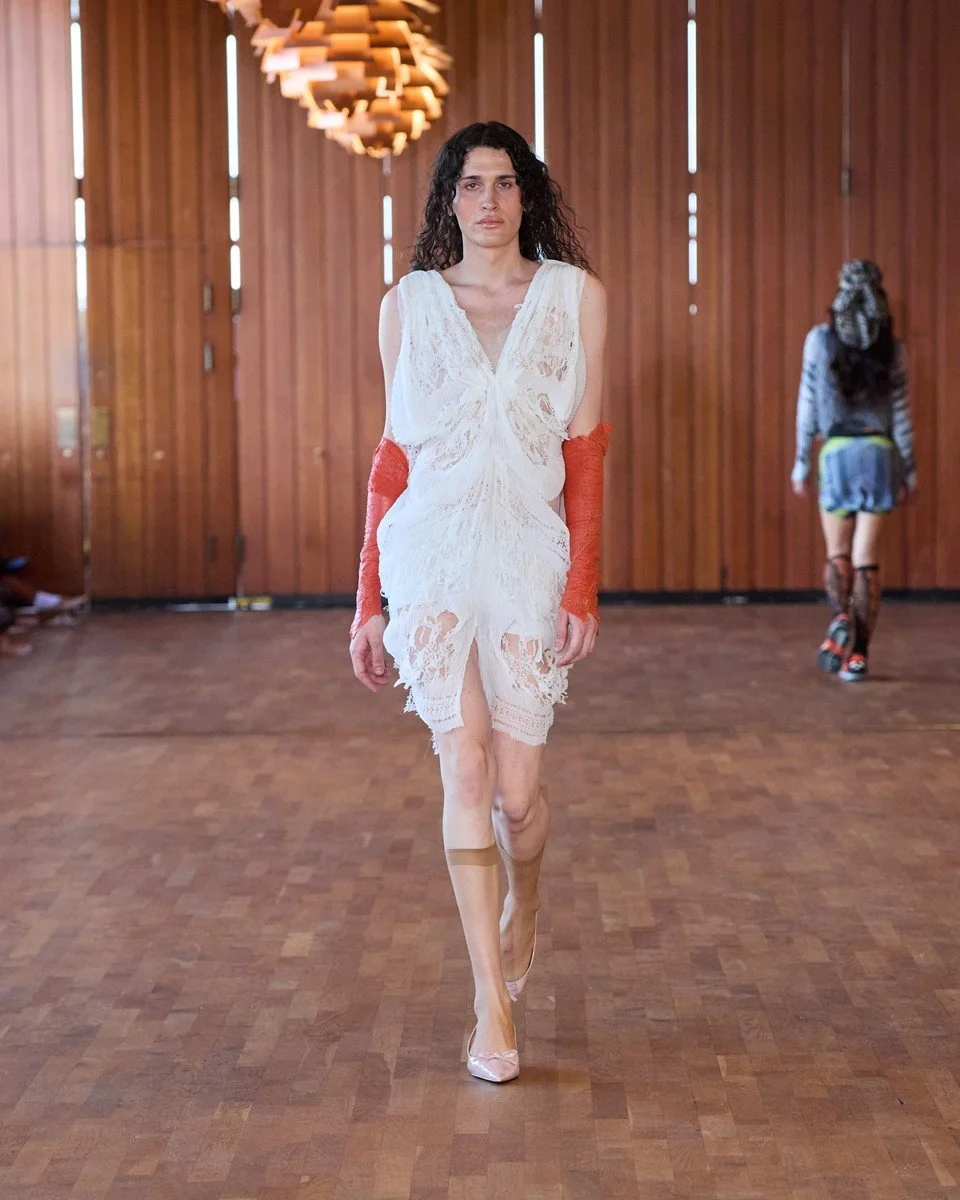
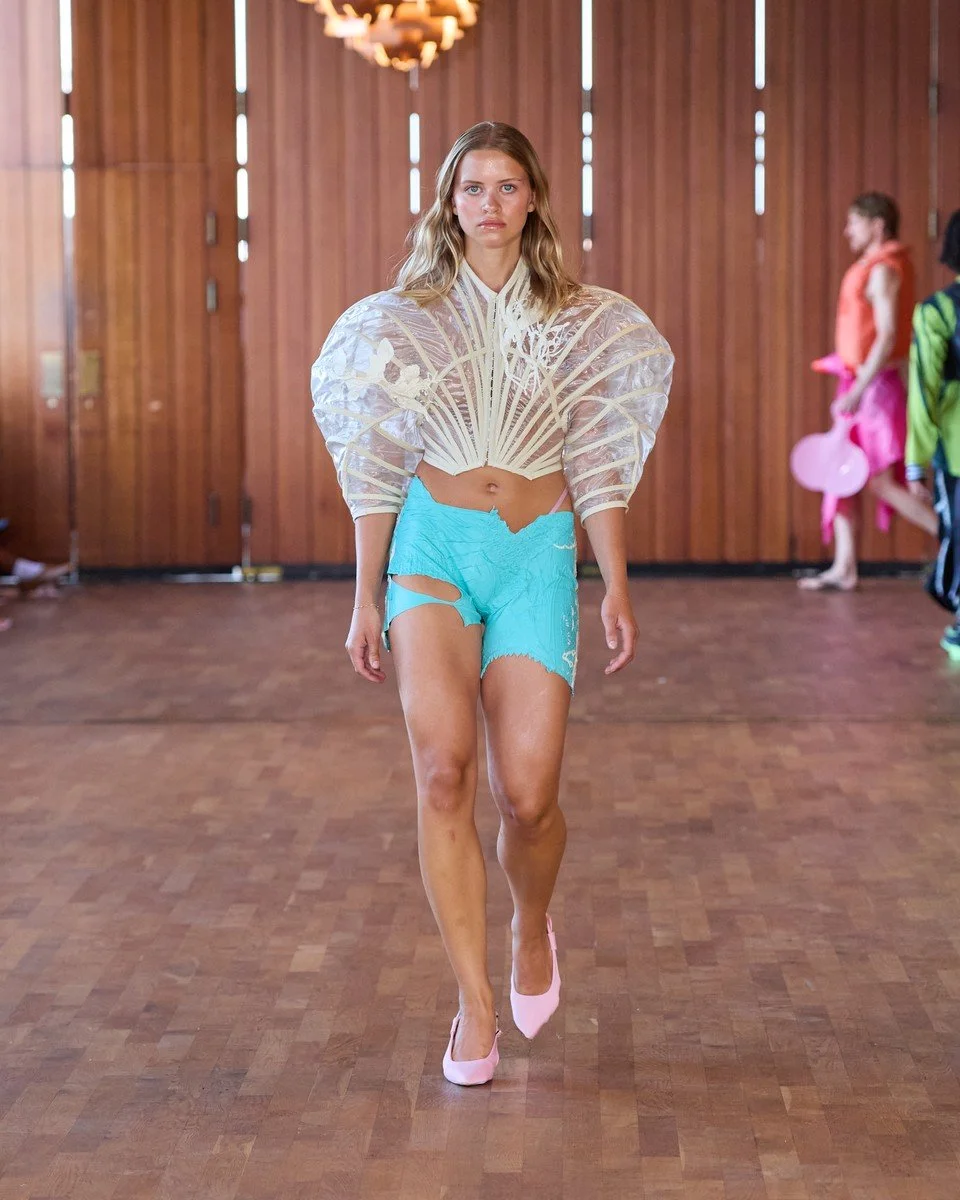
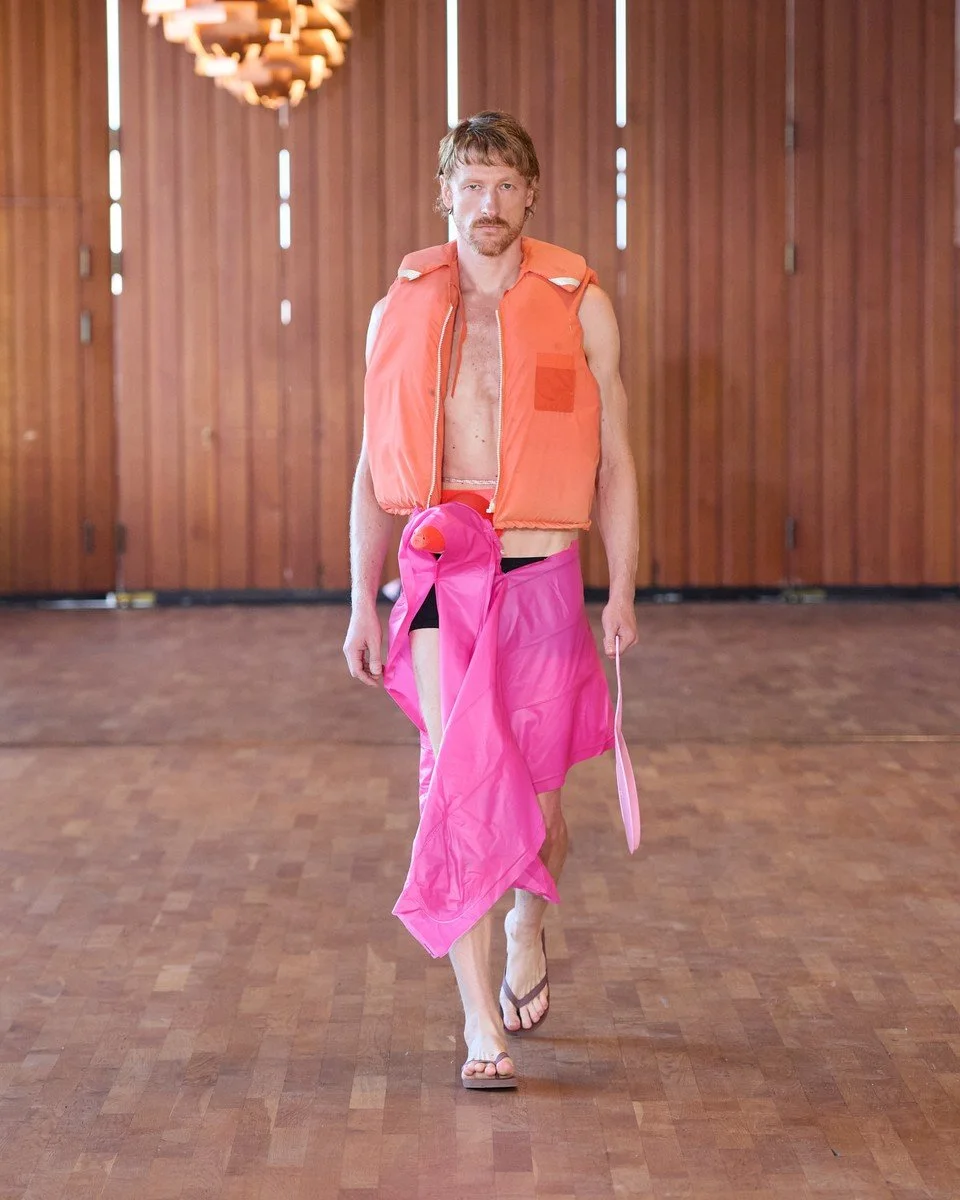
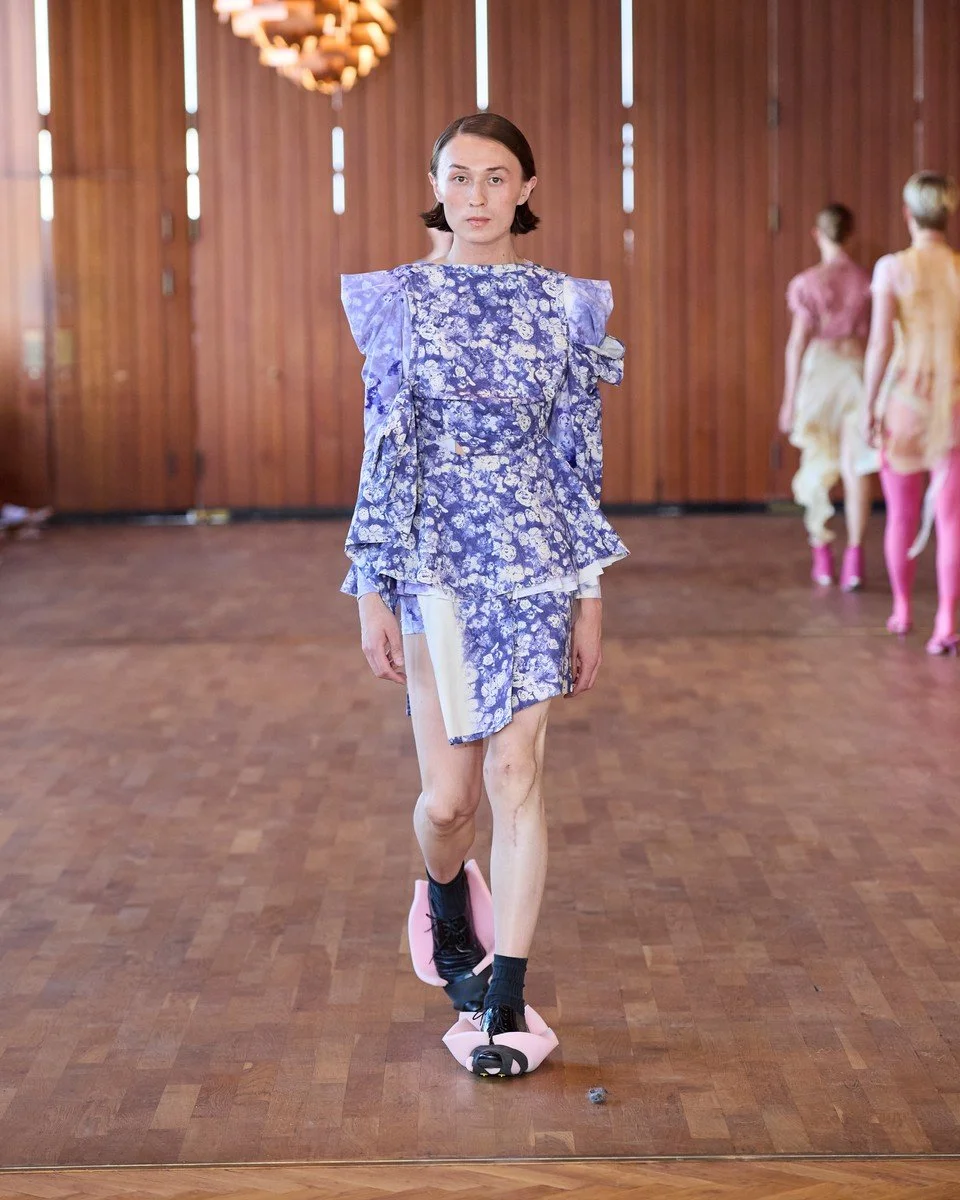
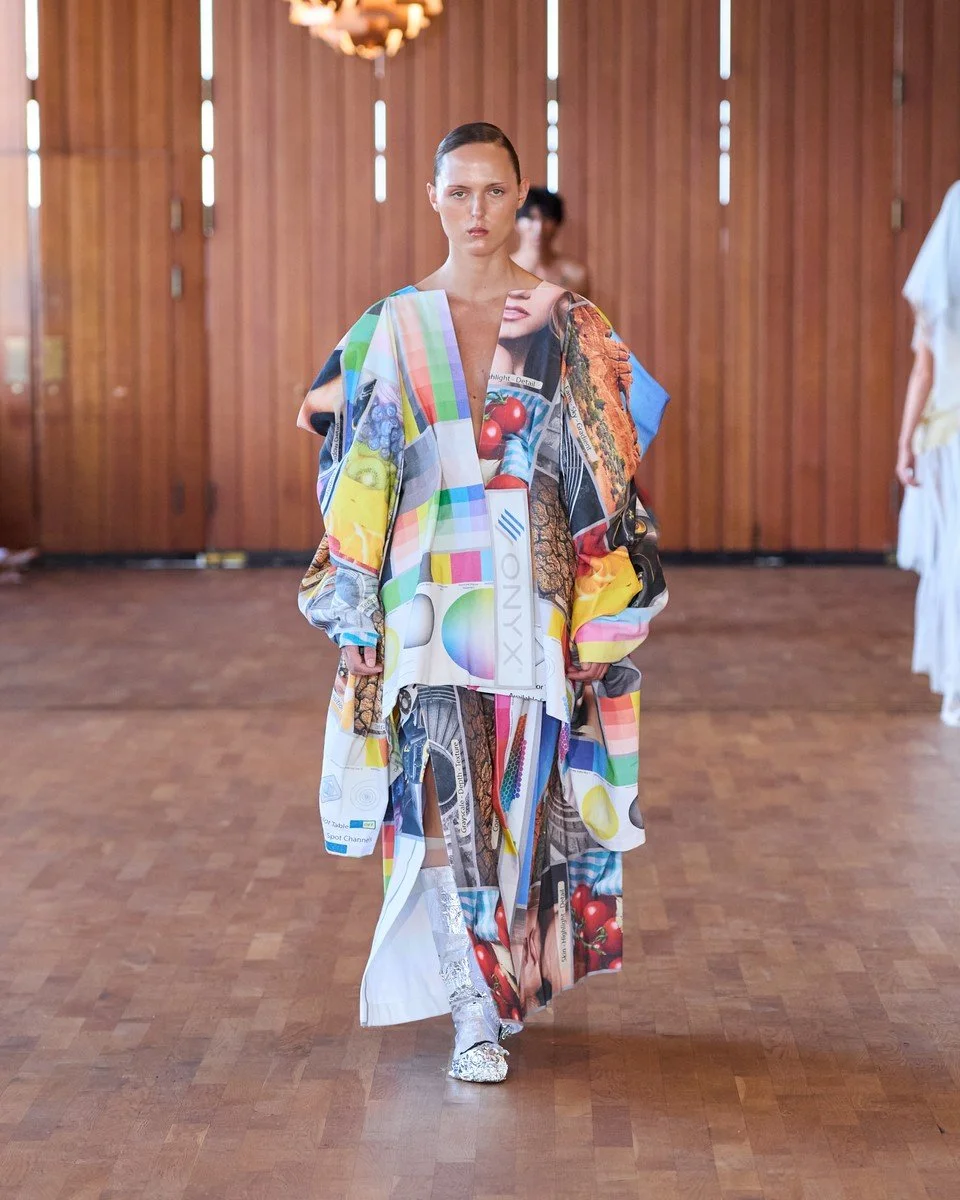
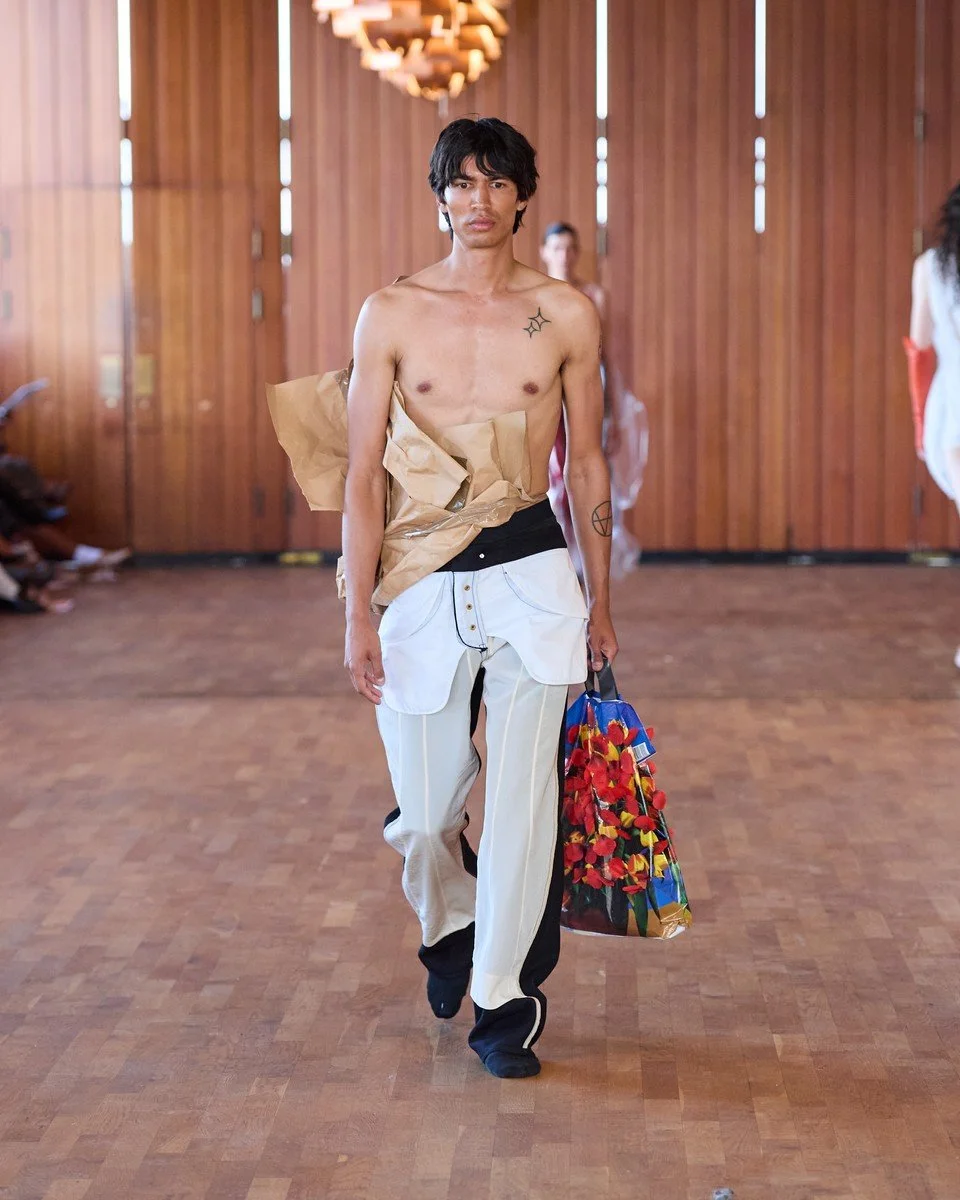
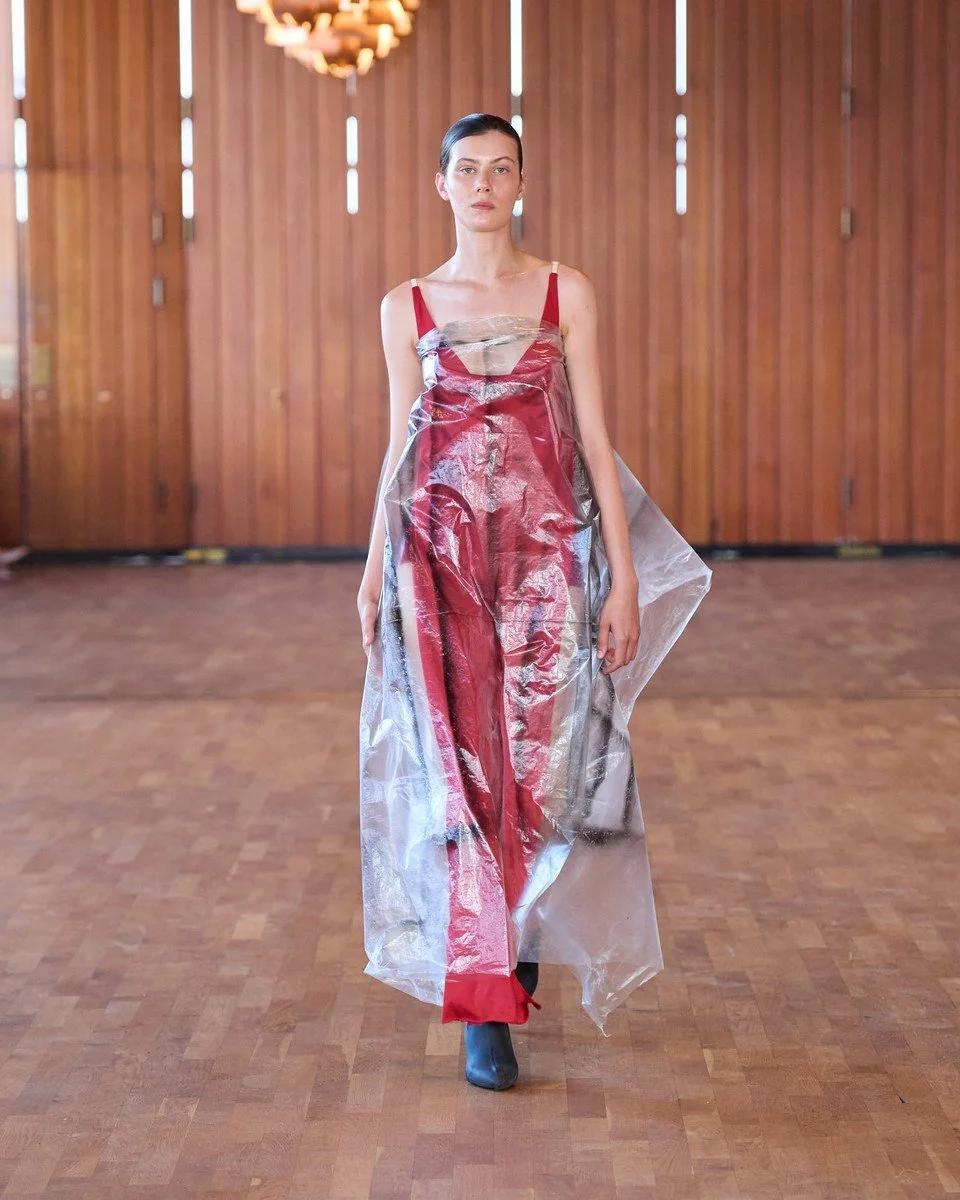
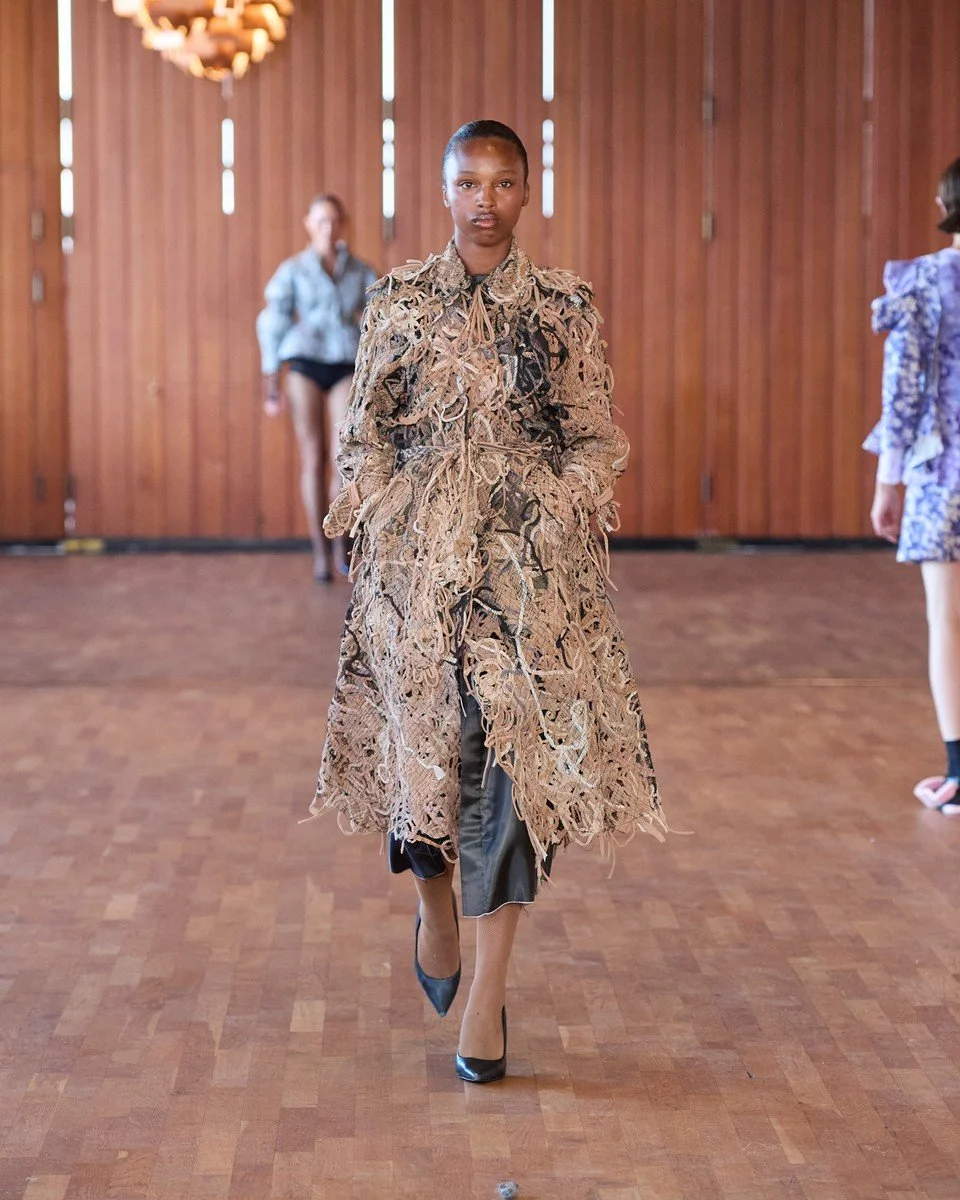
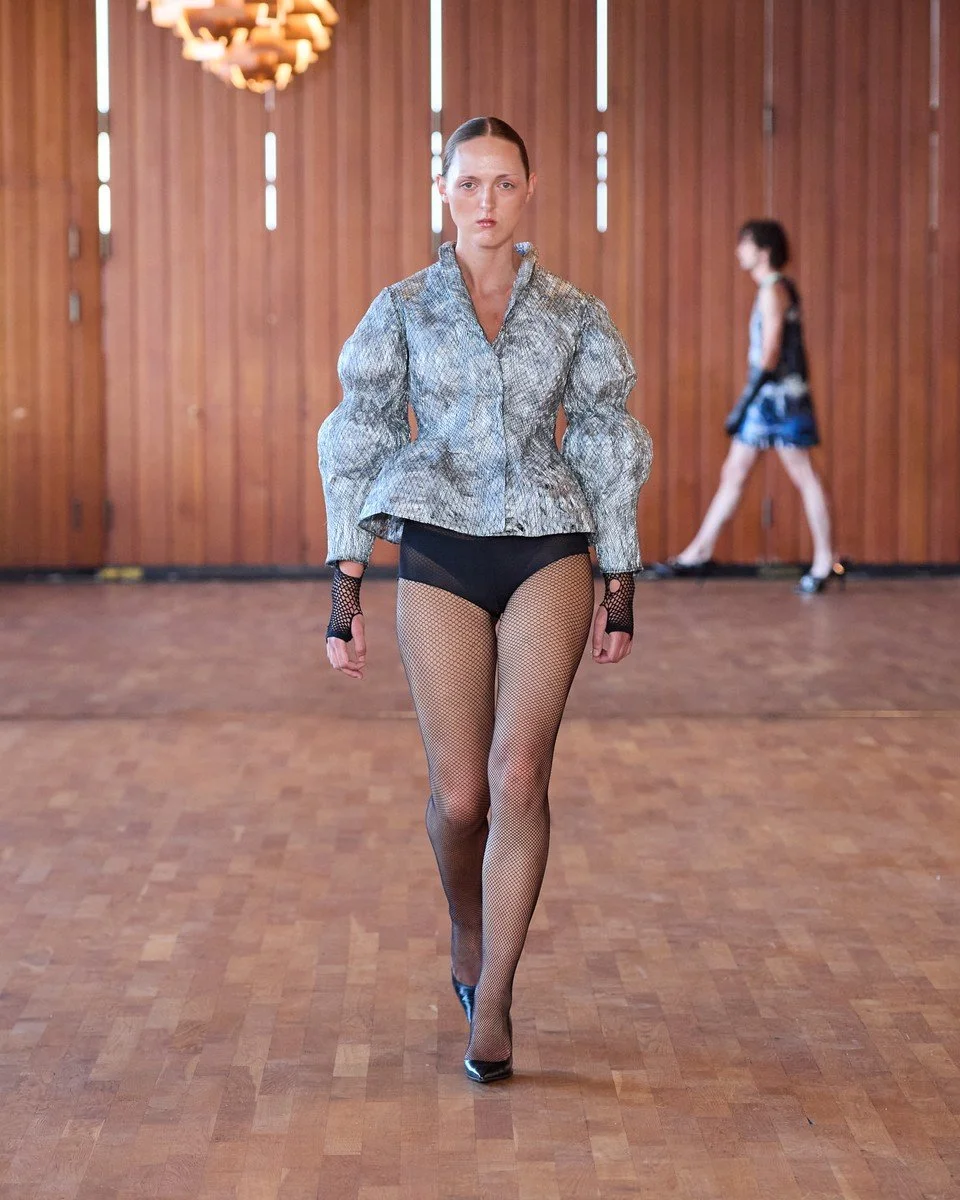
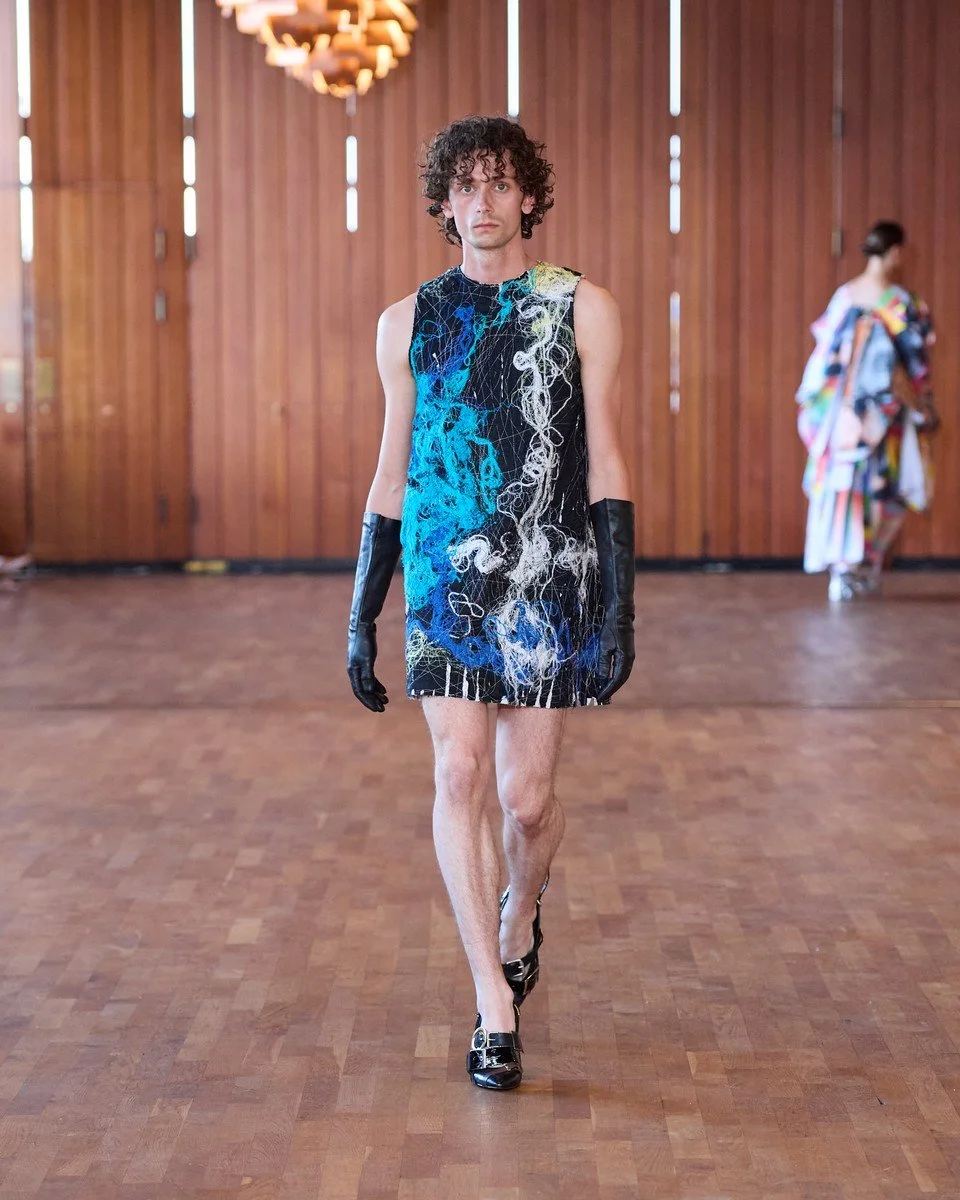
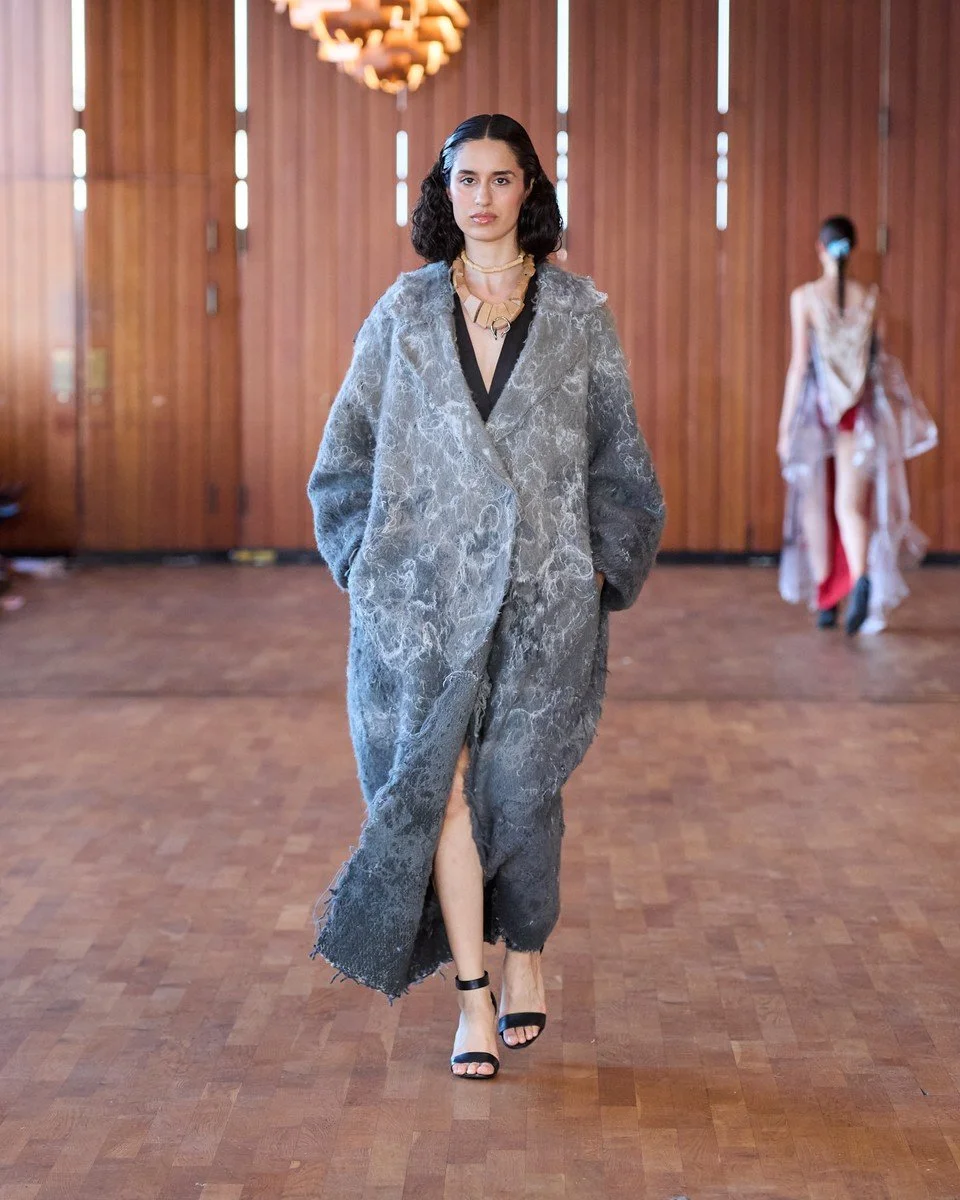
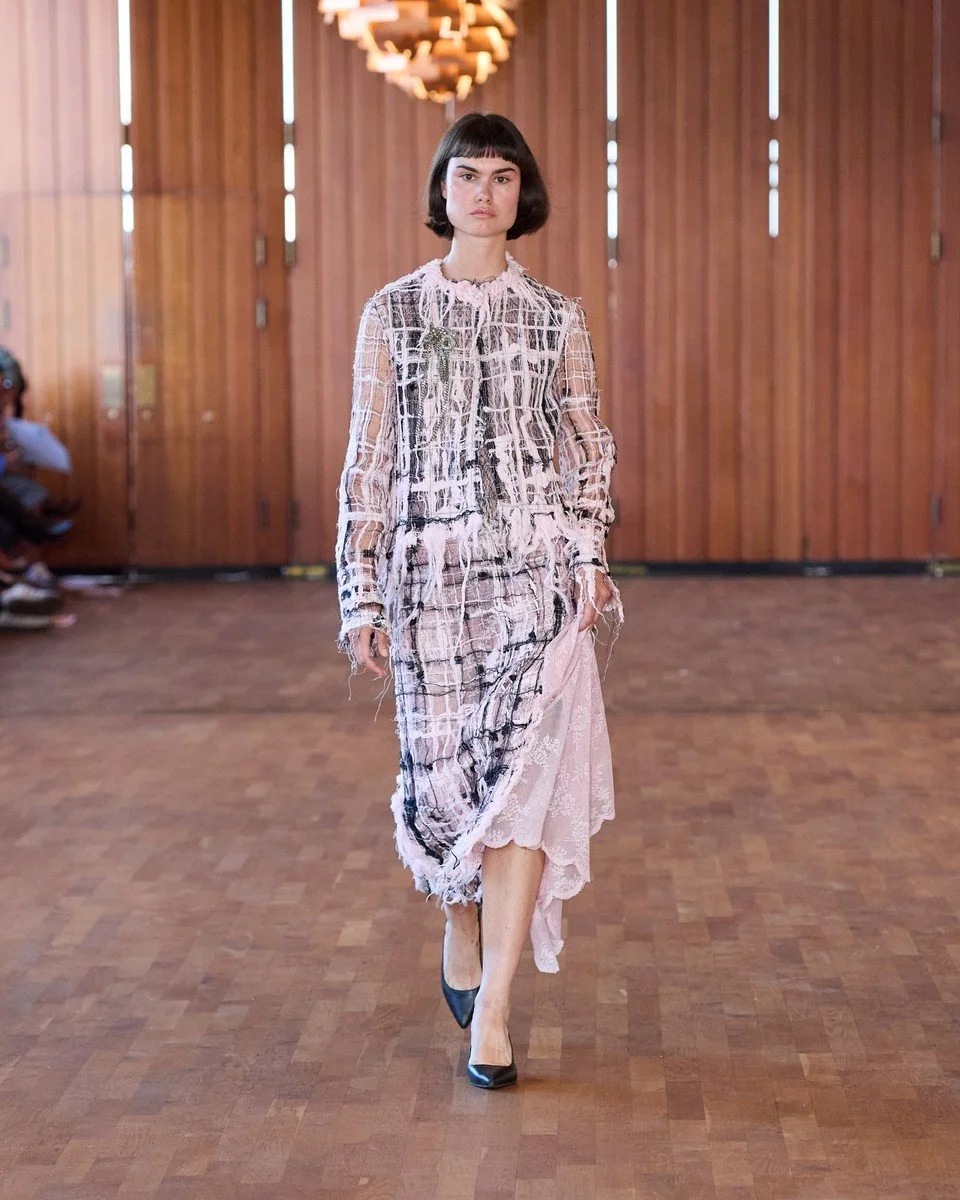
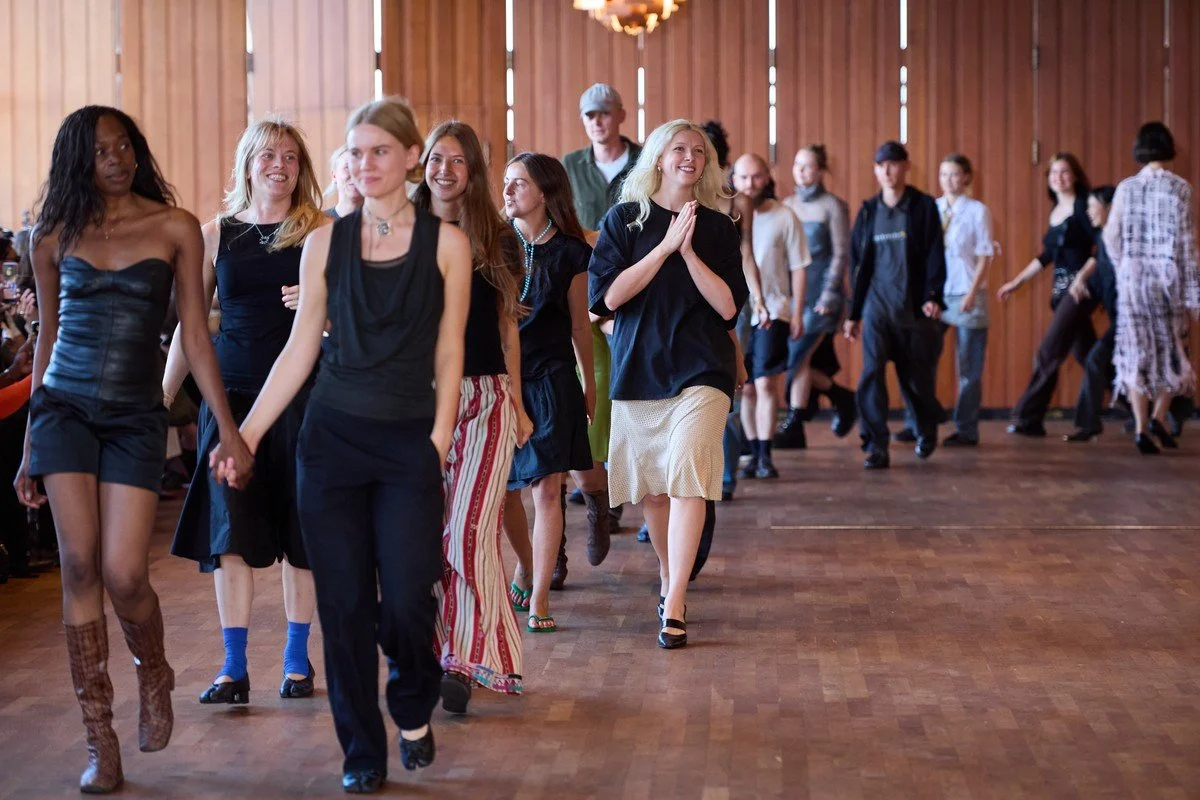
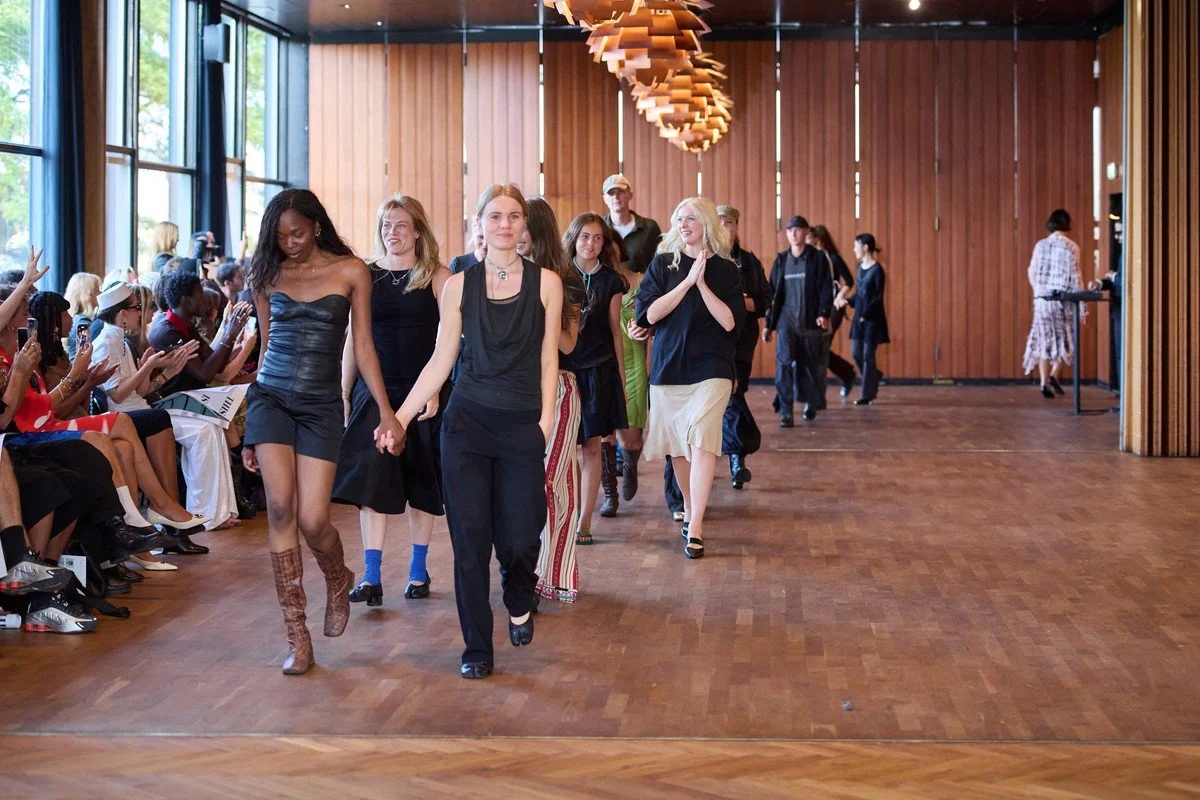
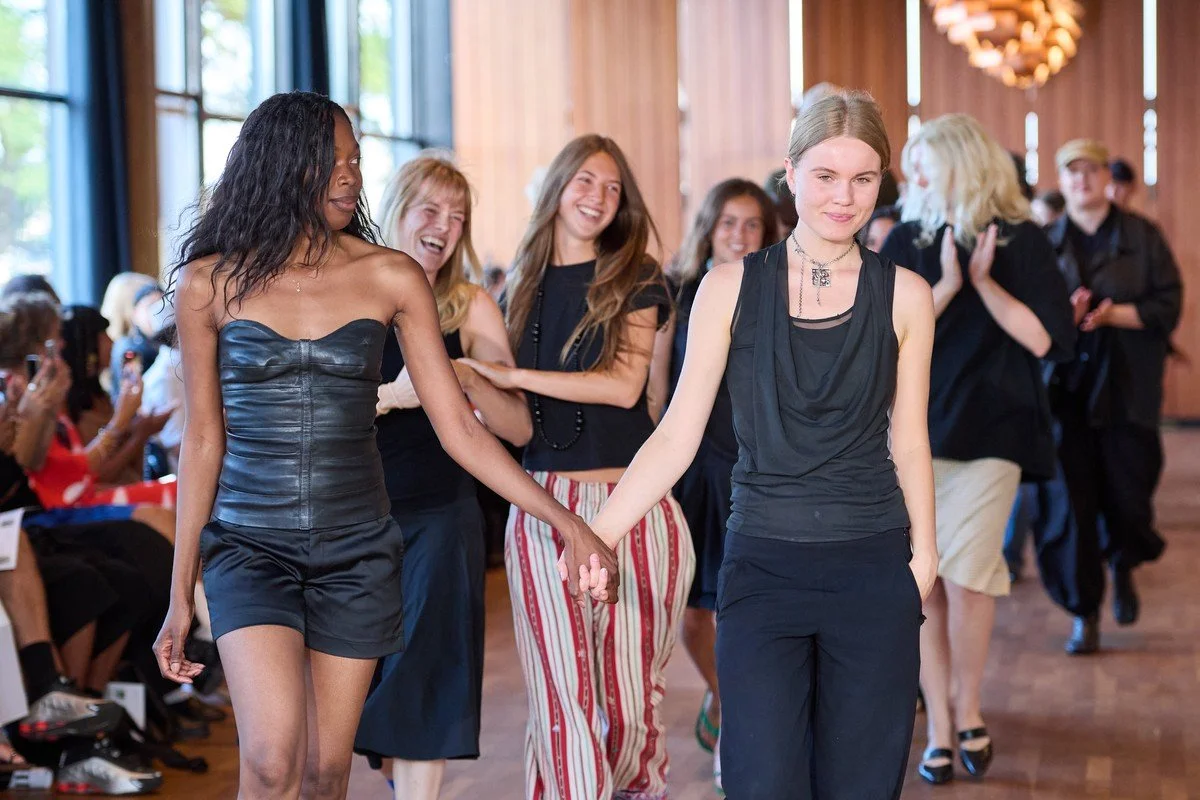
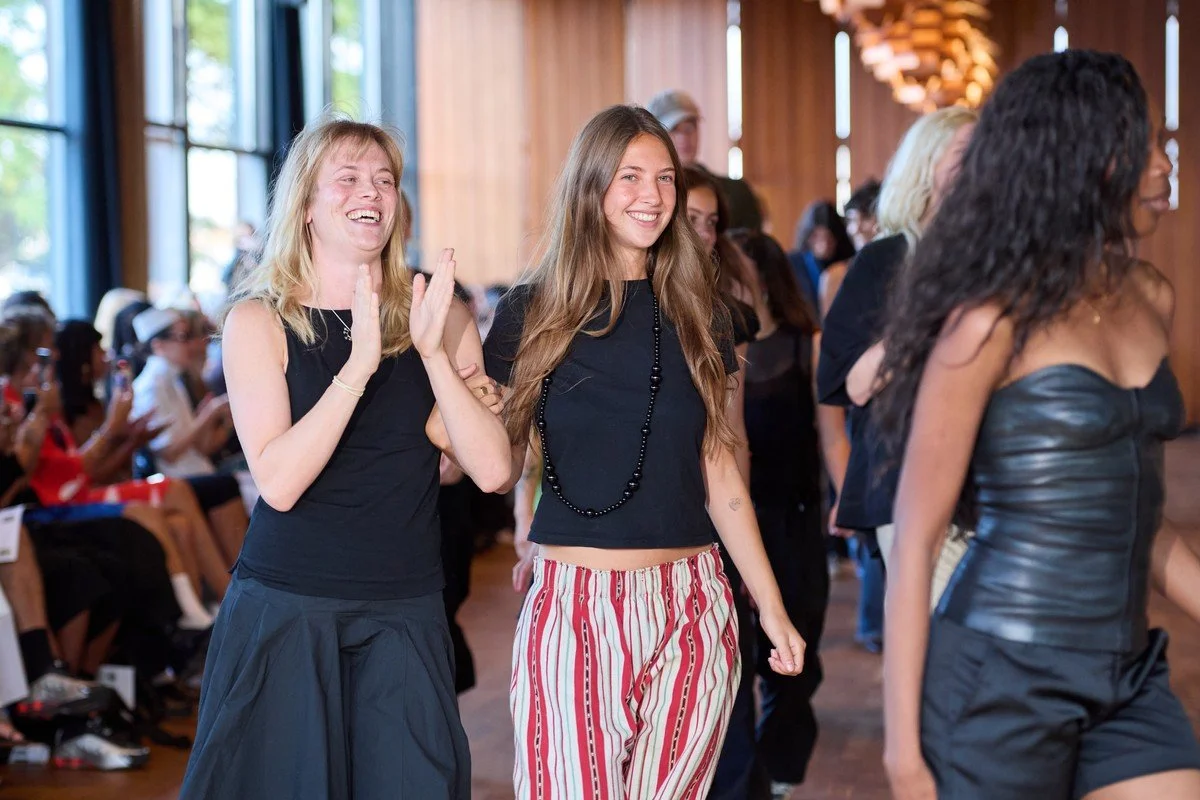
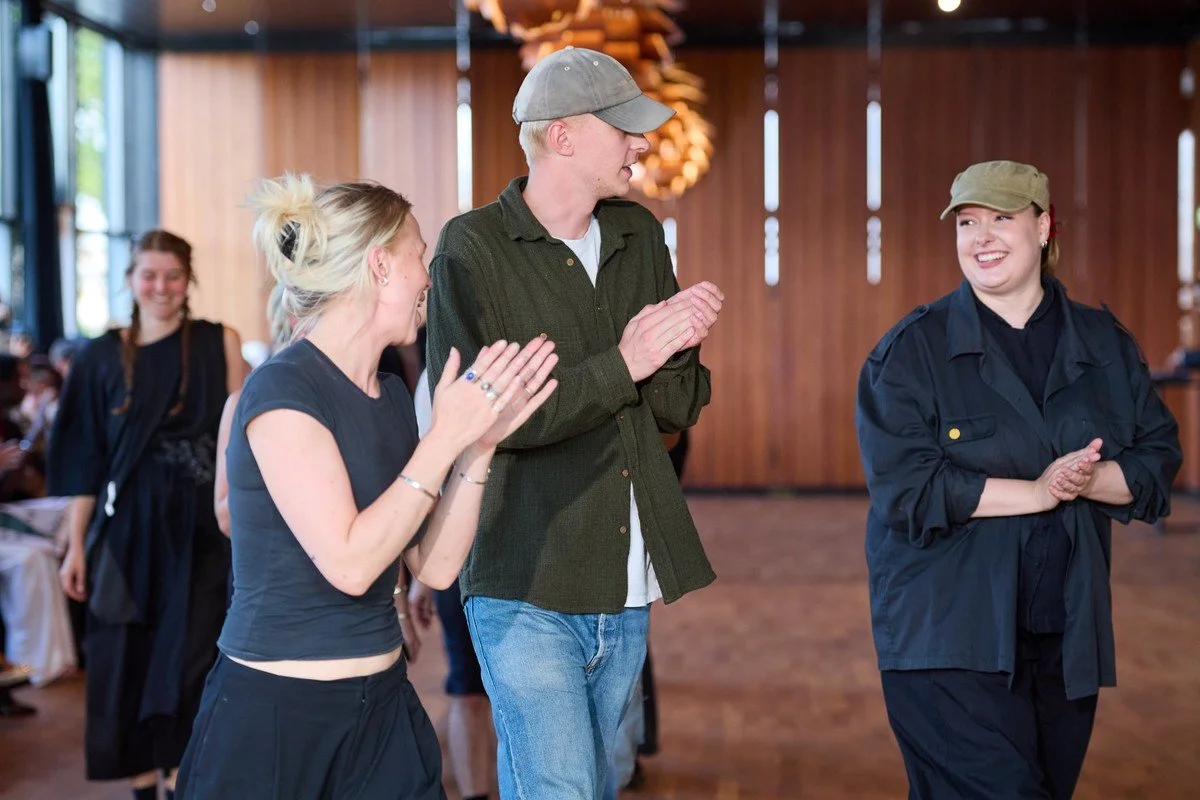
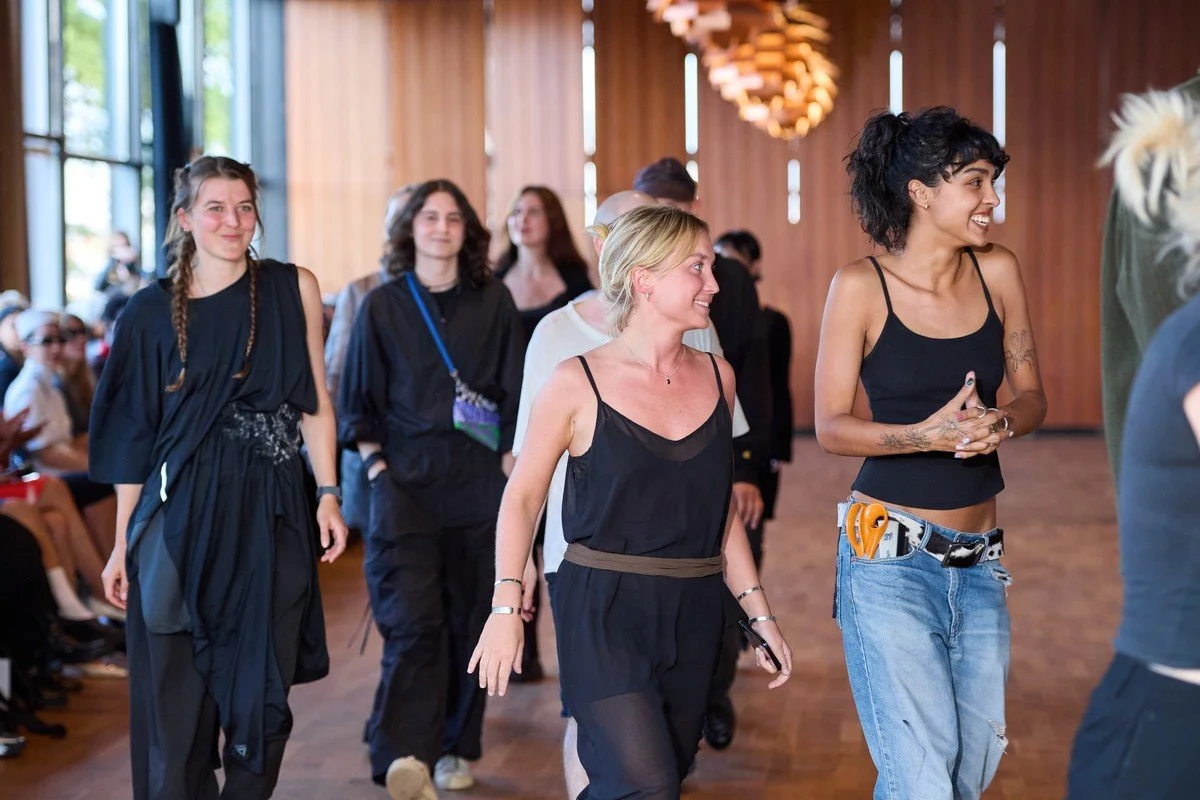
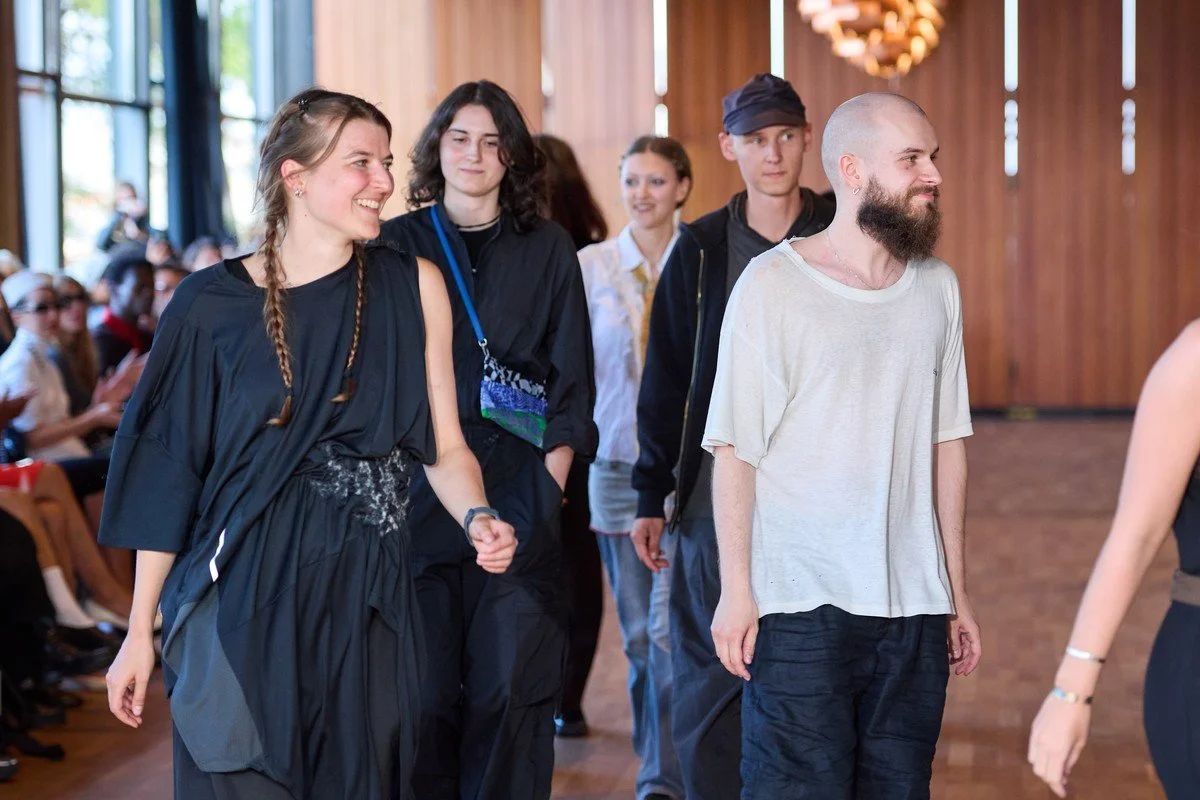
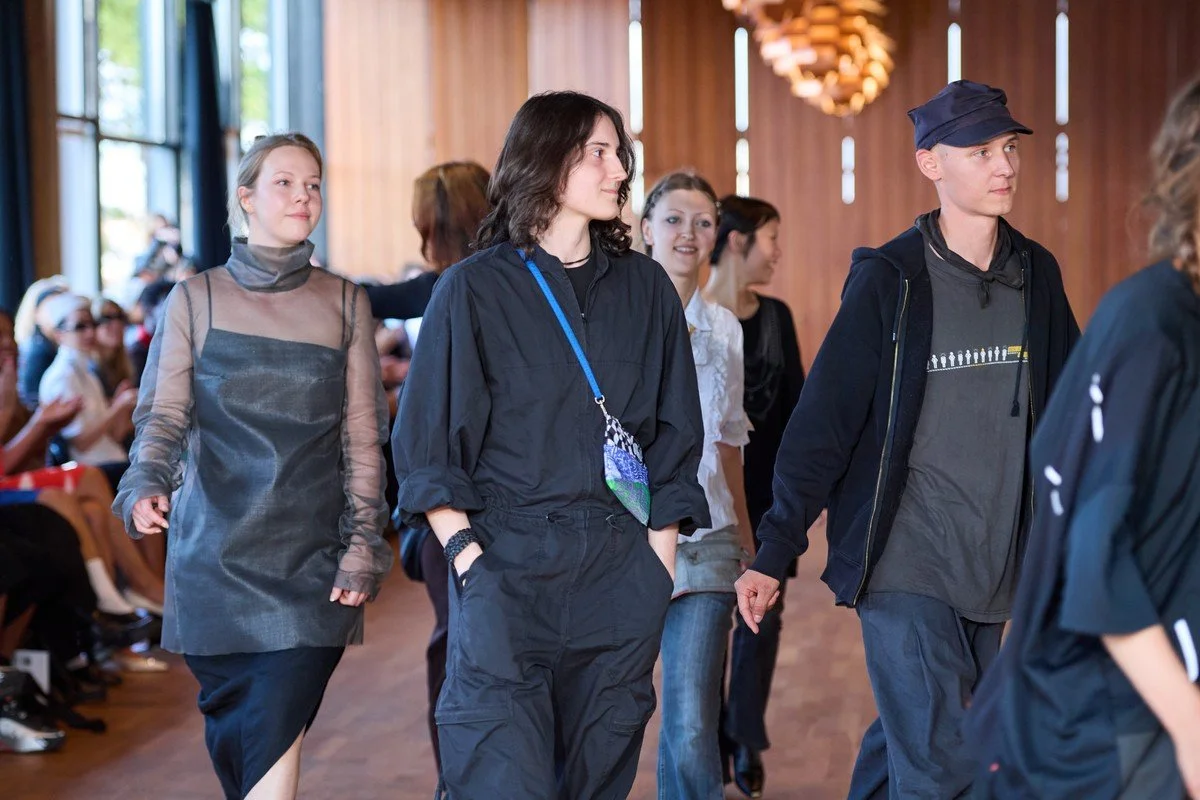
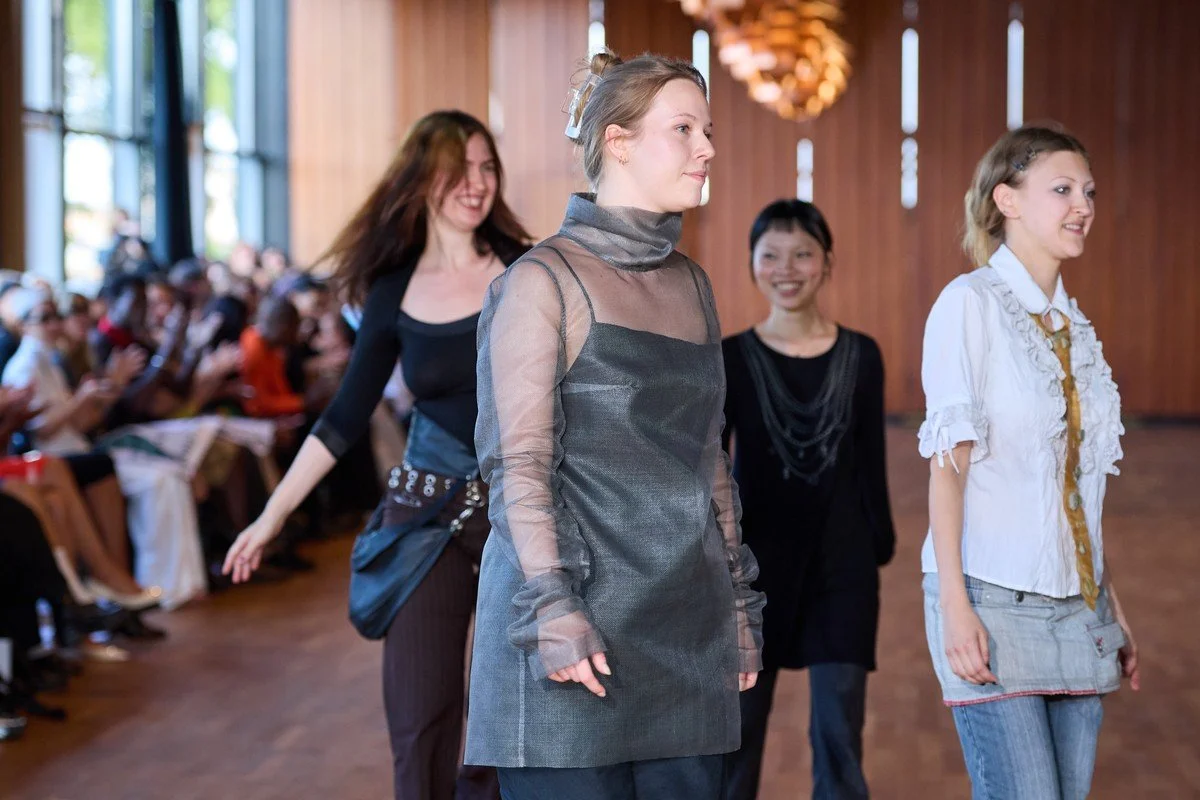
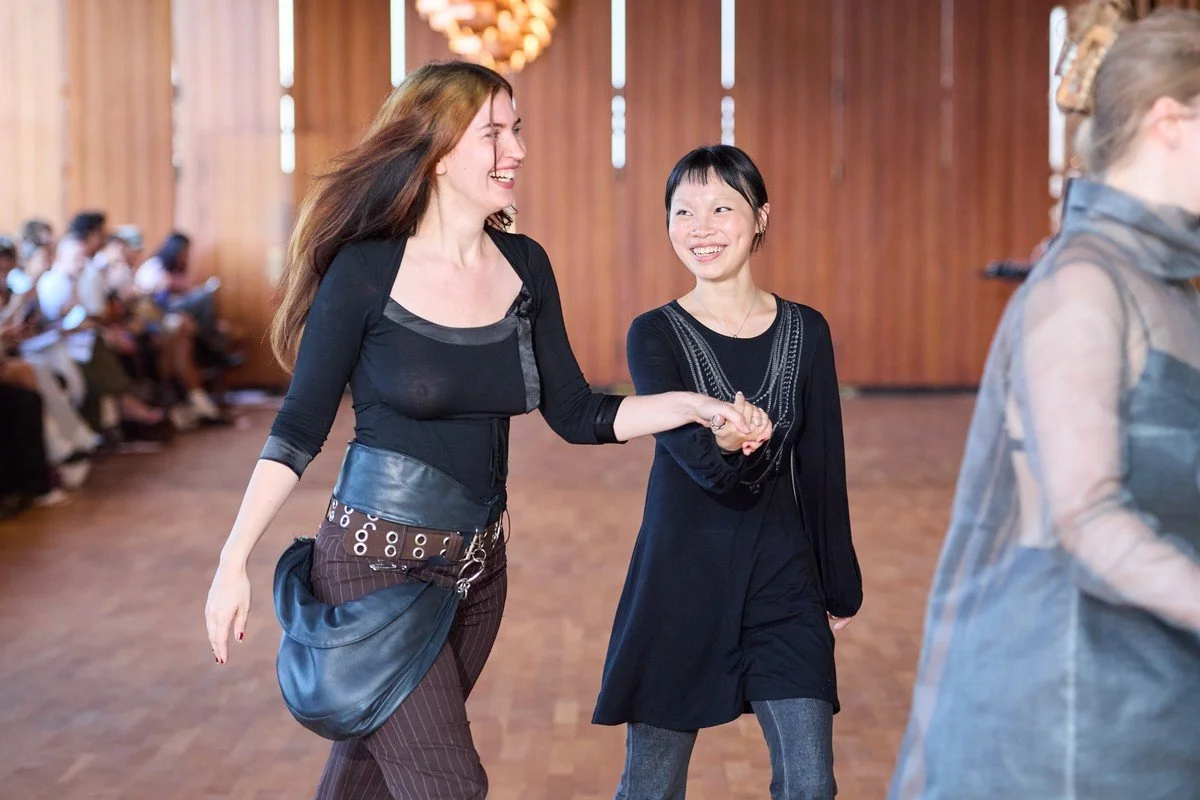
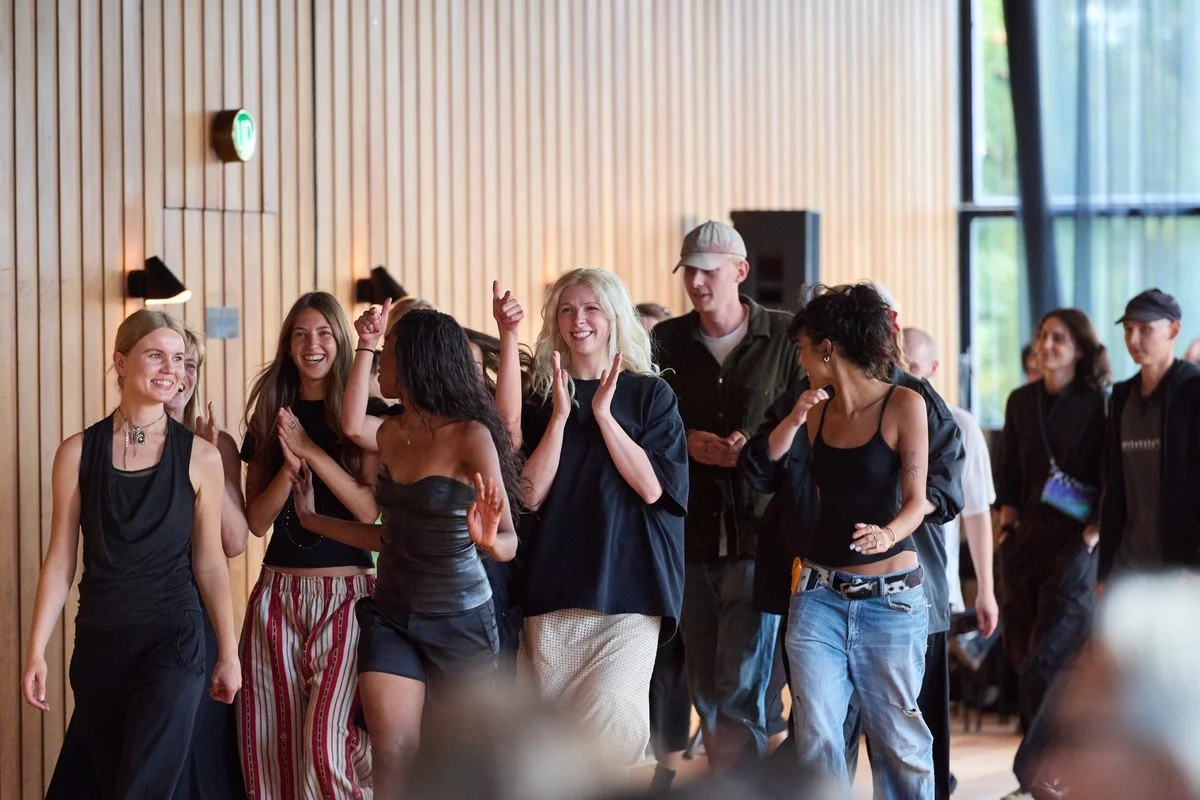
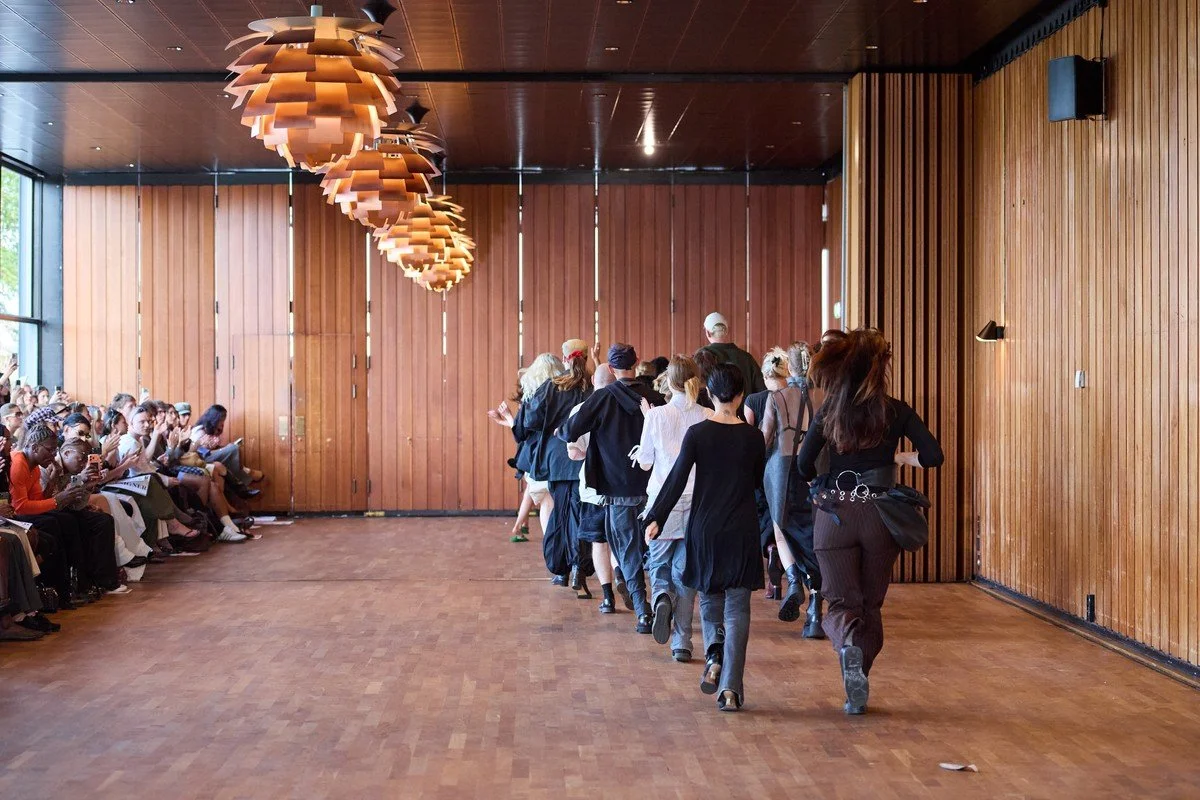
Fashion education has long served as a testing ground for what the industry could become. At the Swedish School of Textiles, that experimentation is particularly tangible. For EXIT 2026, 22 graduating students from the Bachelor’s and Master’s programs in Fashion Design come together for a collective runway presentation that marks the conclusion of their studies—and the public emergence of a new generation of designers.
The central question is deceptively simple: what does it mean to become a designer today?
PAGE
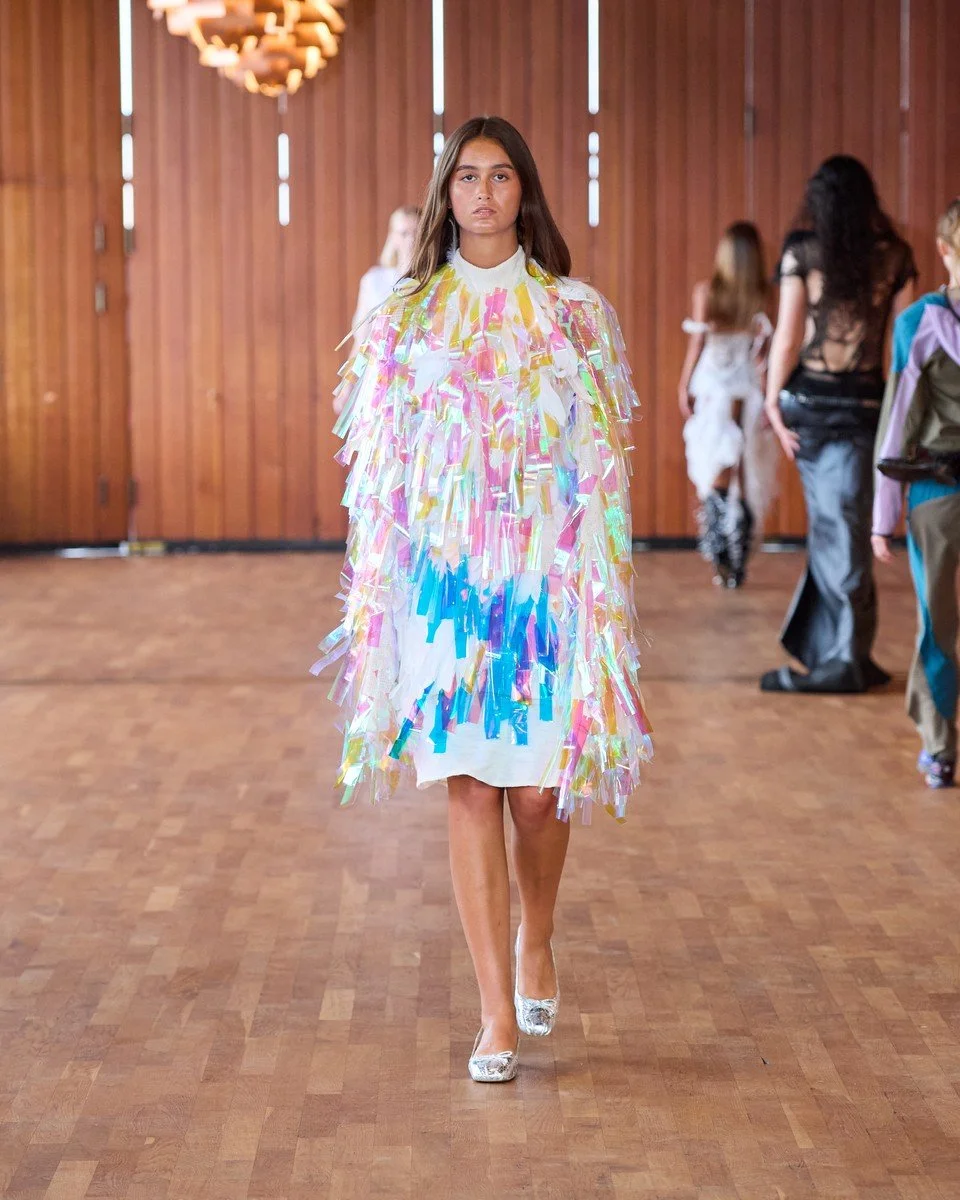
For this graduating class, there is no singular answer. Instead, EXIT 2026 presents a constellation of individual practices developed against a backdrop of economic uncertainty, technological transformation and the relentless circulation of images, references and ideas. The resulting collections reflect designers who are not simply responding to fashion’s current conditions, but actively questioning how those conditions might shape its future.
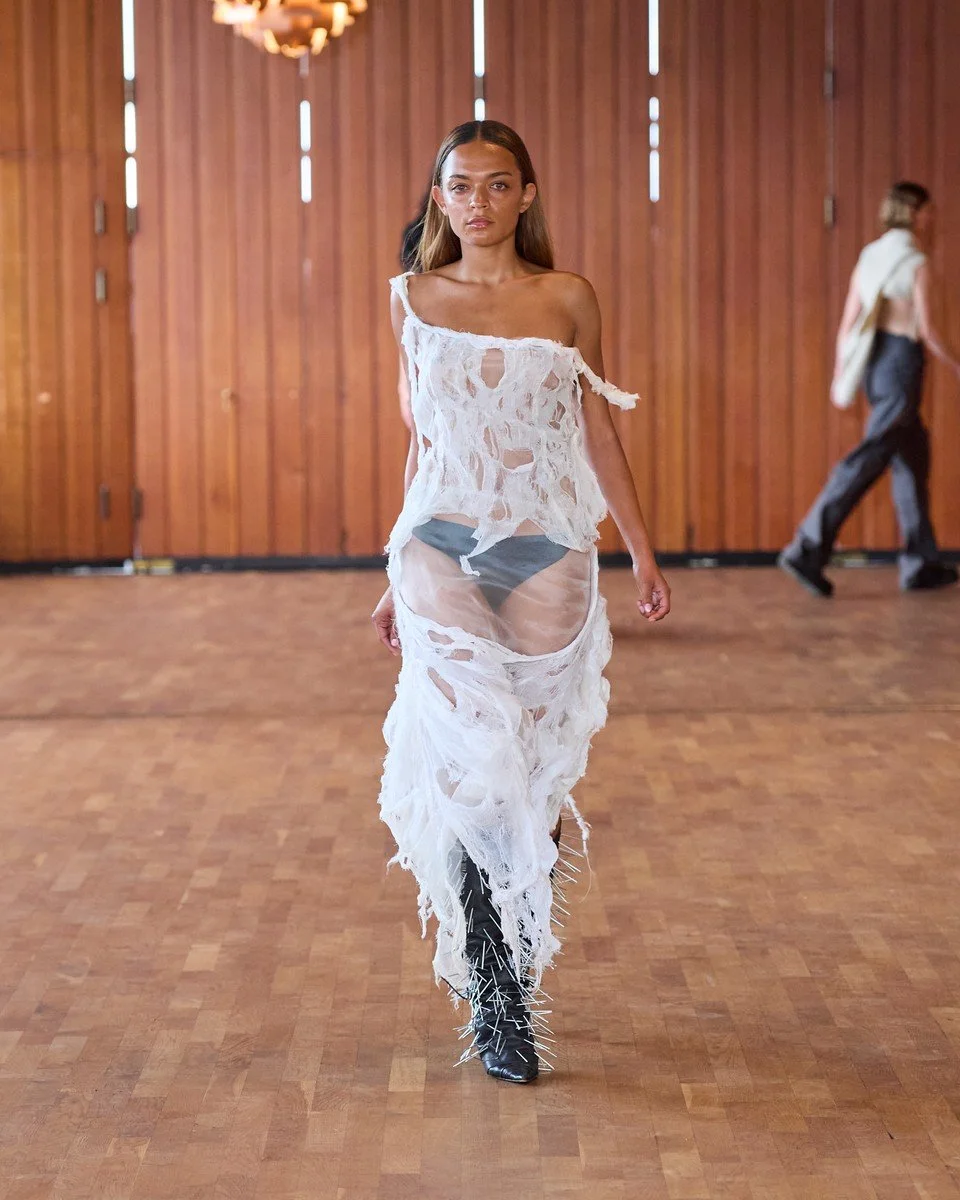
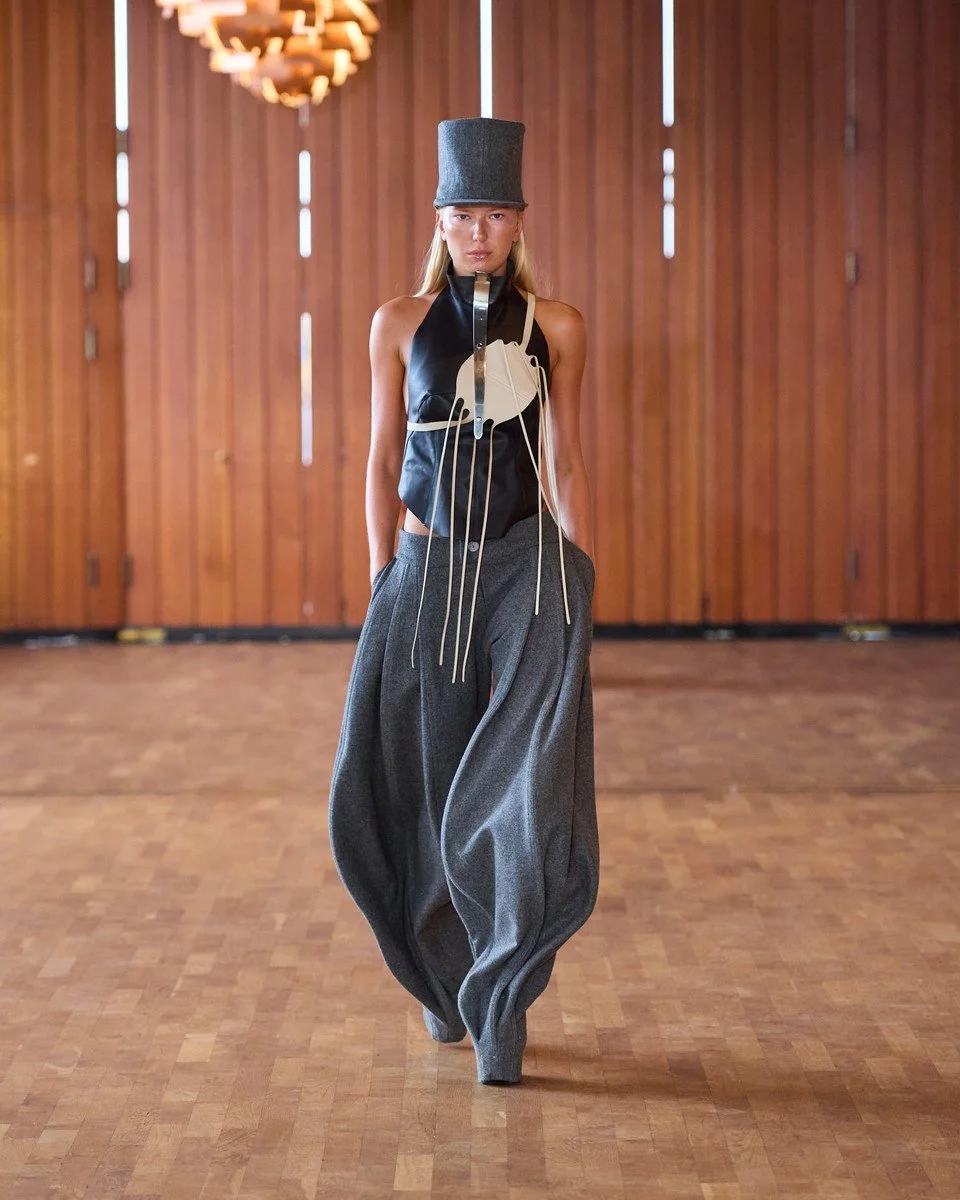
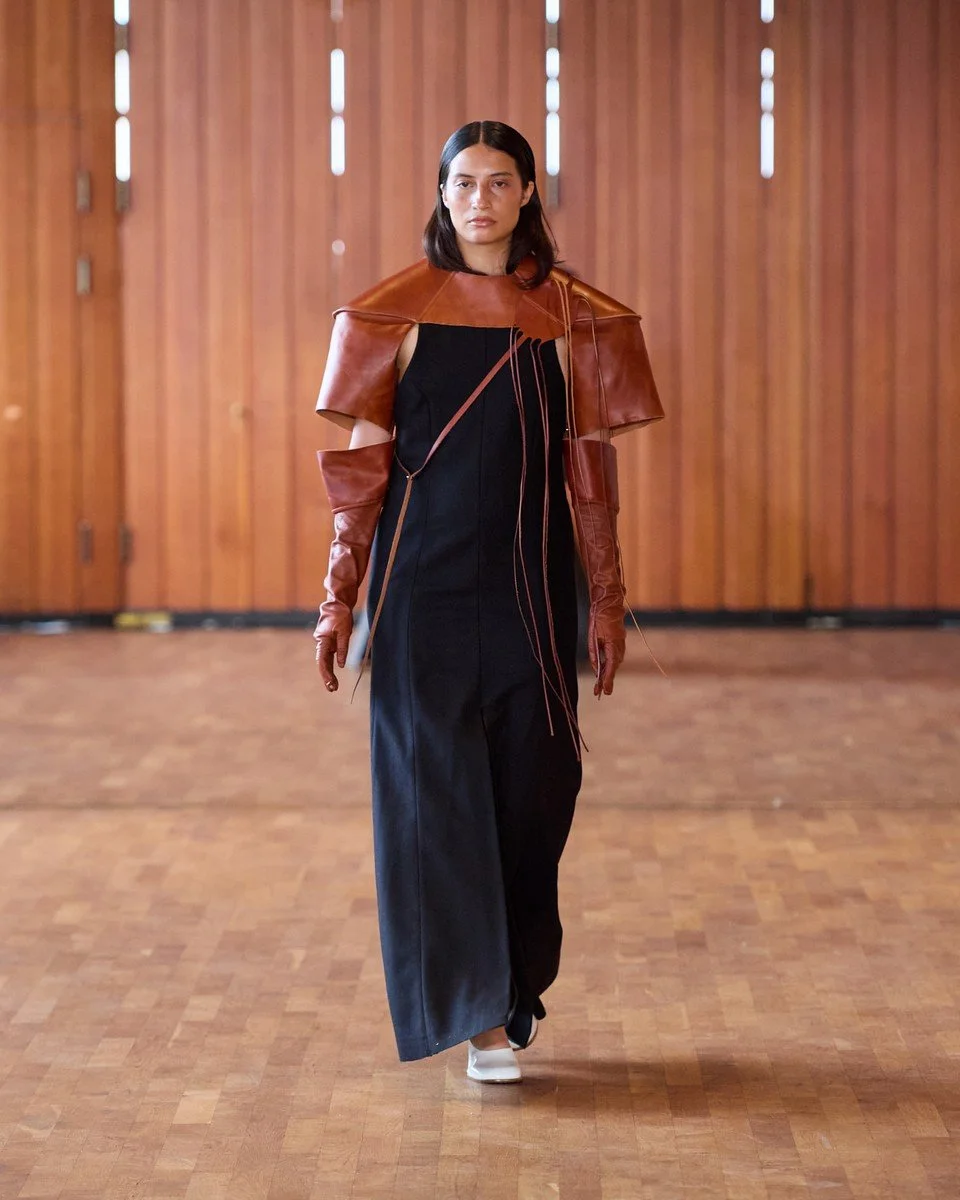
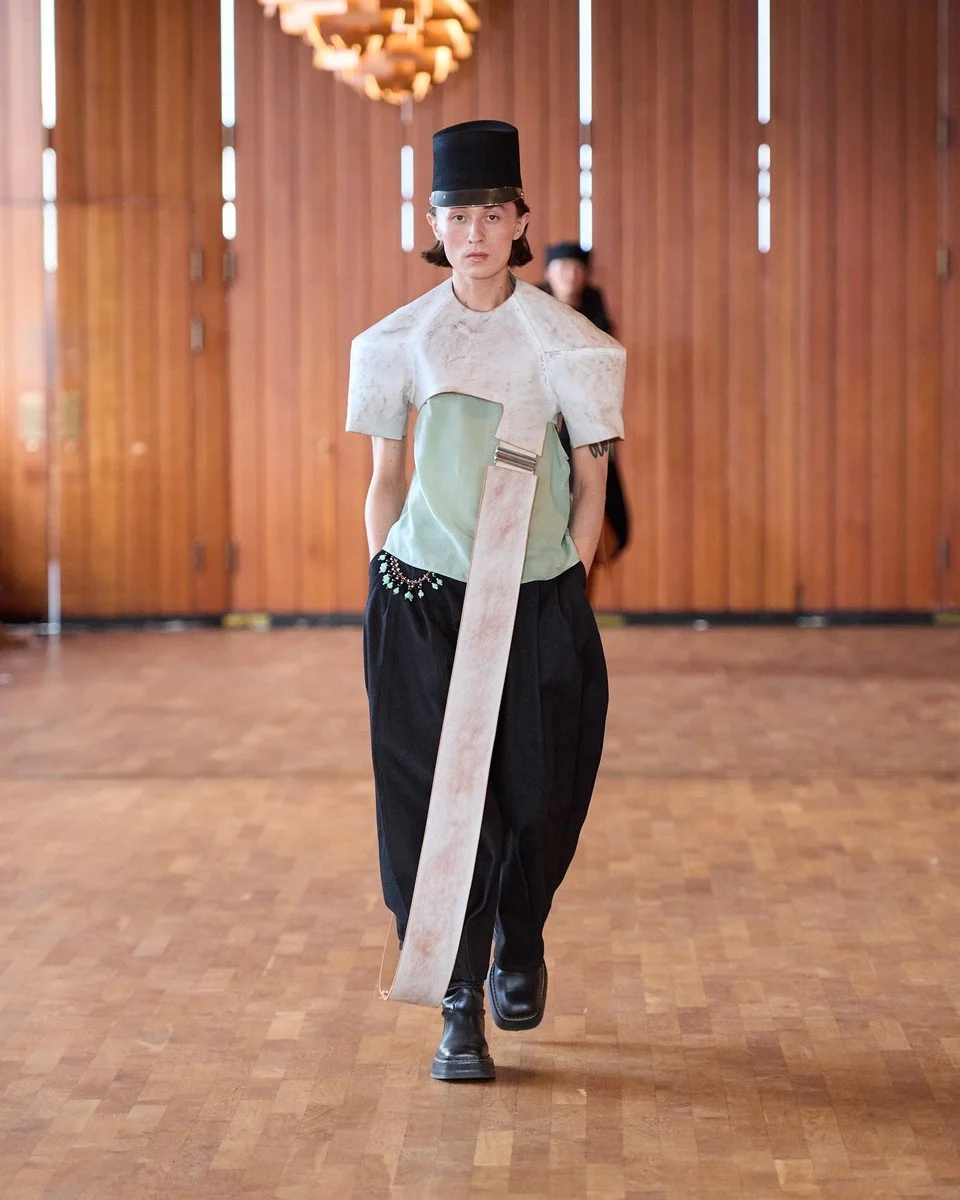
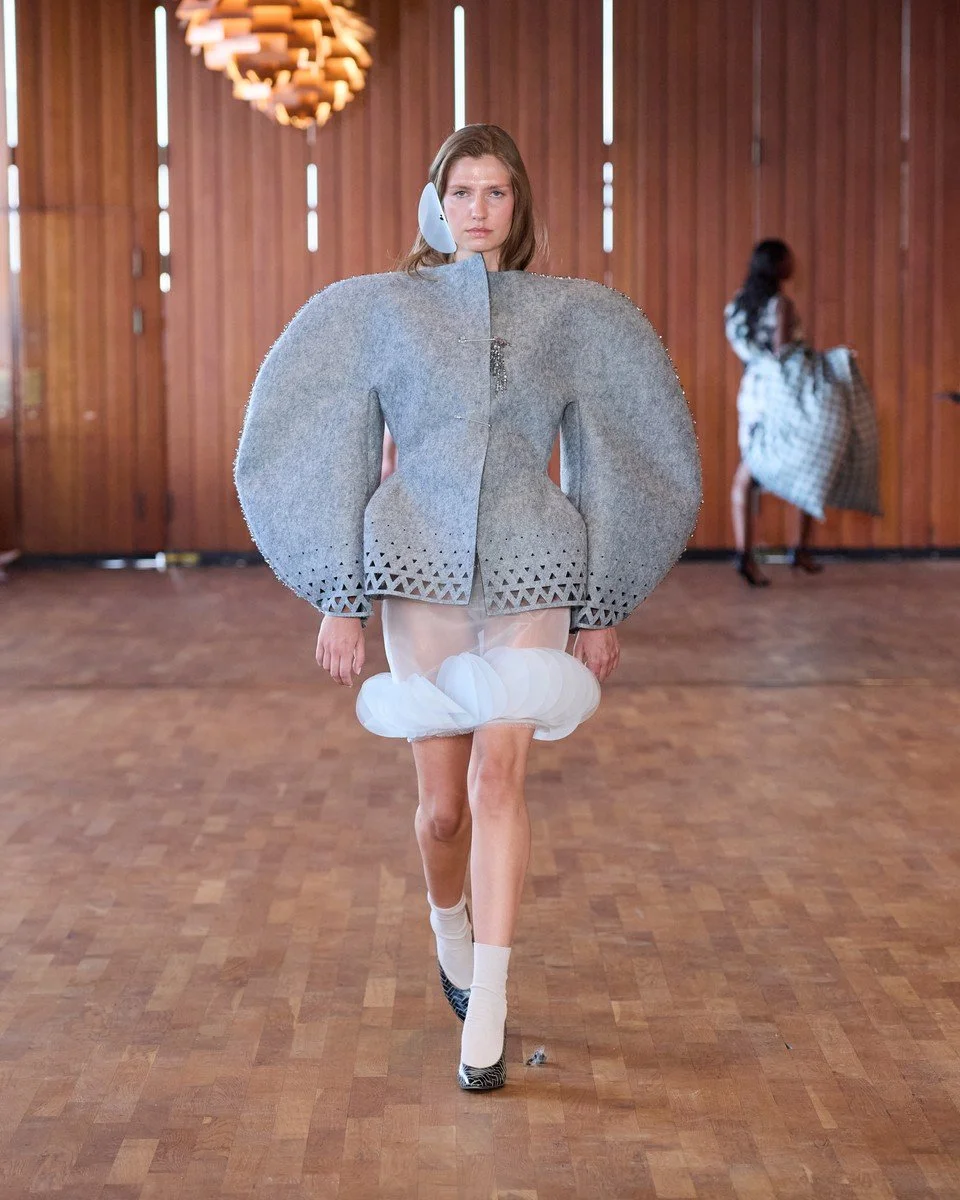
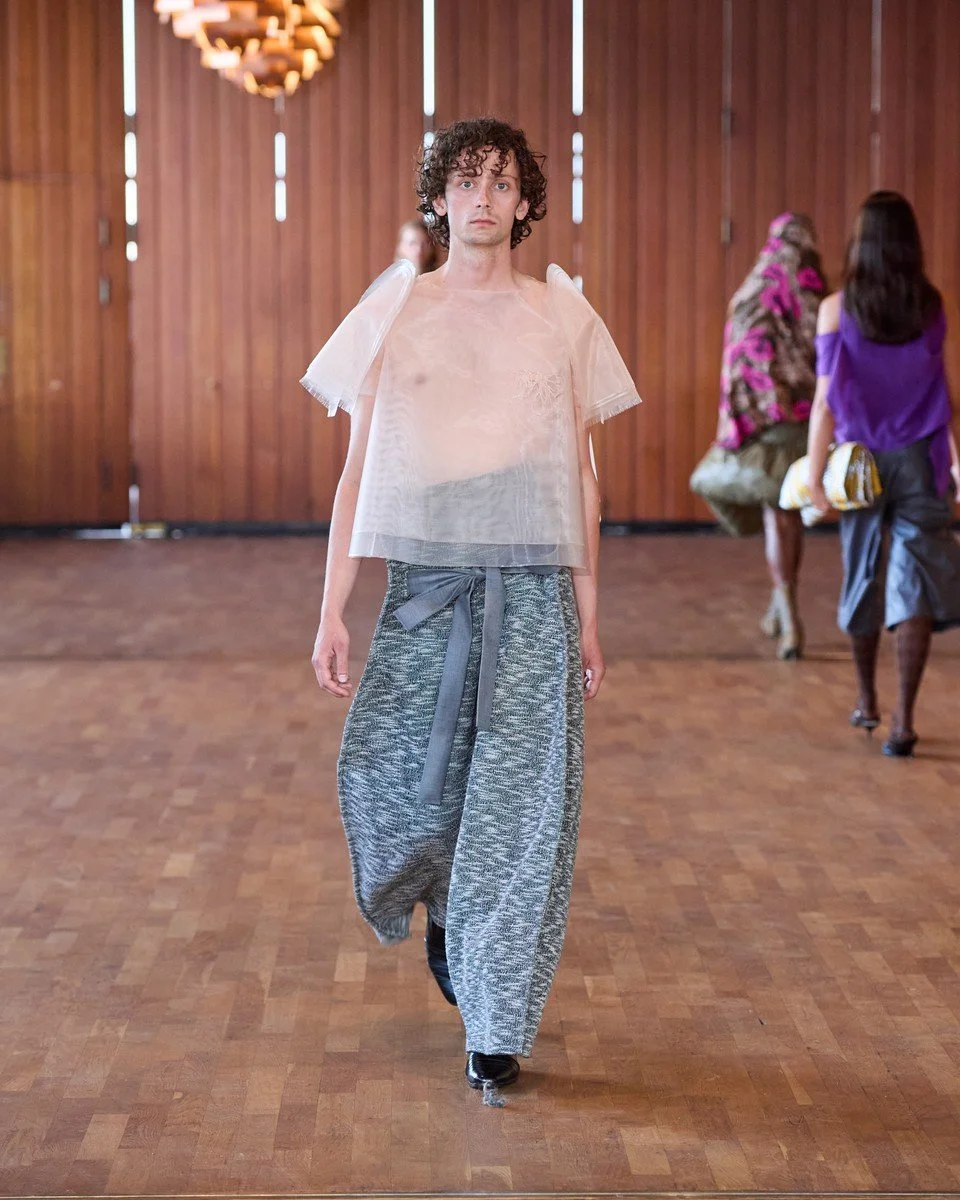
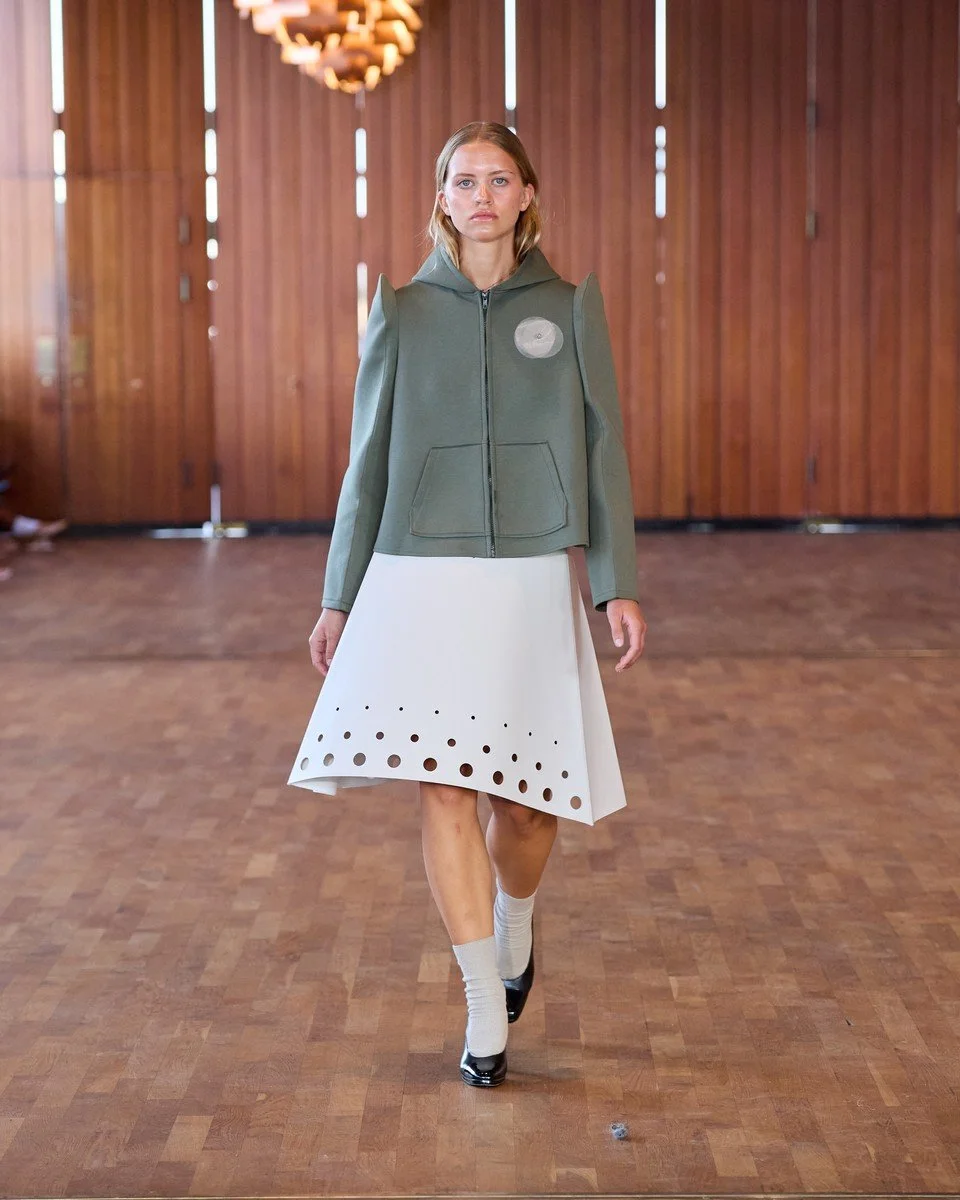
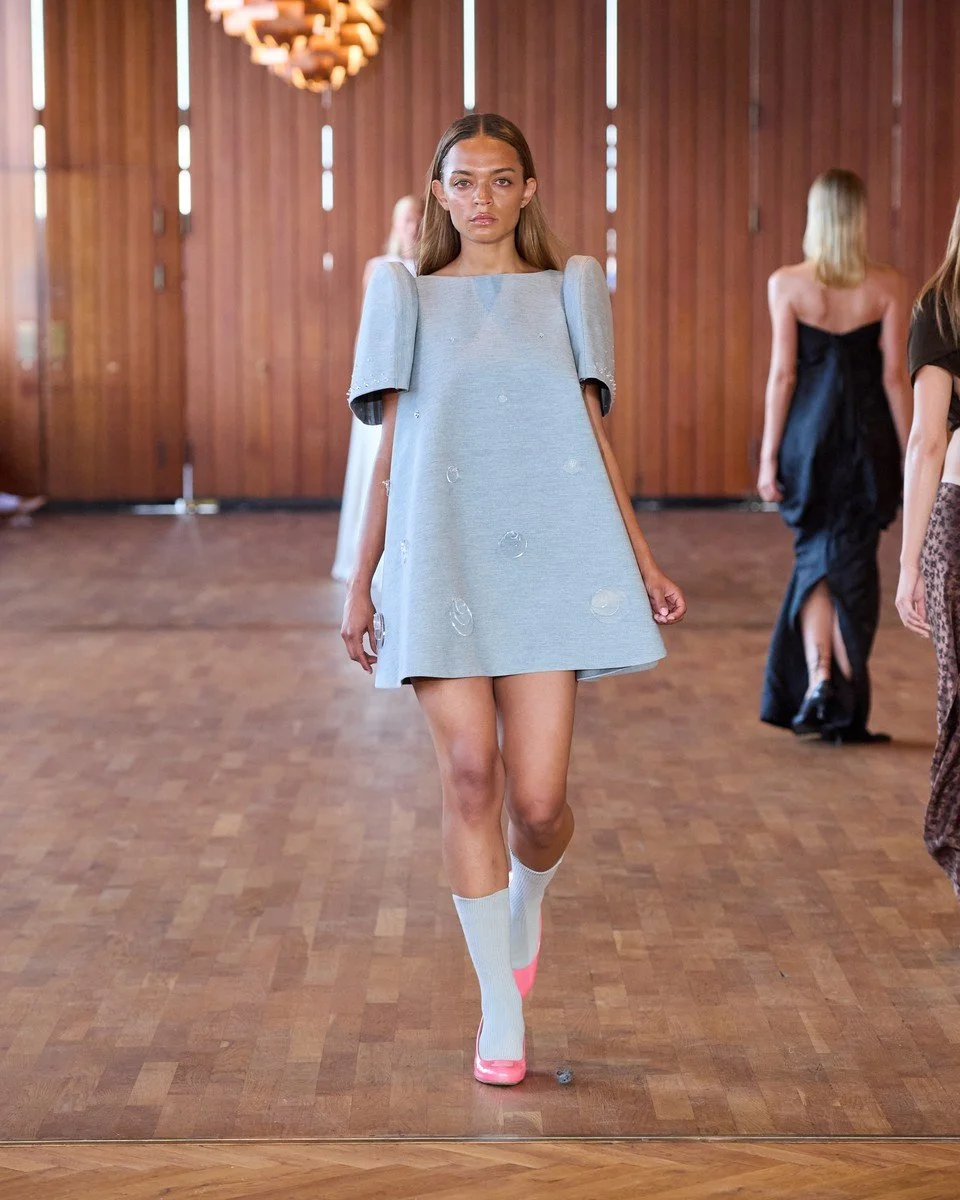
Across the runway, material investigation becomes a means of inquiry. Tailoring, knitwear, textile development, speculative material systems, digital processes and sculptural propositions reveal markedly different approaches to design. Familiar gestures are pulled from the past, reconsidered and rematerialized, transforming established references into propositions that feel distinctly contemporary.
That tension between recognition and reinvention is central to the collections. Rather than treating heritage as something fixed, the graduating designers approach it as a material to be challenged. Historical silhouettes, techniques and cultural references are filtered through contemporary technologies and personal perspectives, creating new relationships between body, material, technology and culture.
The diversity of the work is also a reflection of the Swedish School of Textiles’ particular approach to fashion education. Artistic research, technical knowledge and material investigation exist alongside one another, giving students the opportunity to develop fashion through making as much as through concept. The studio becomes both classroom and laboratory, where ideas are tested through sewing, weaving, knitting, dyeing and digital technologies.
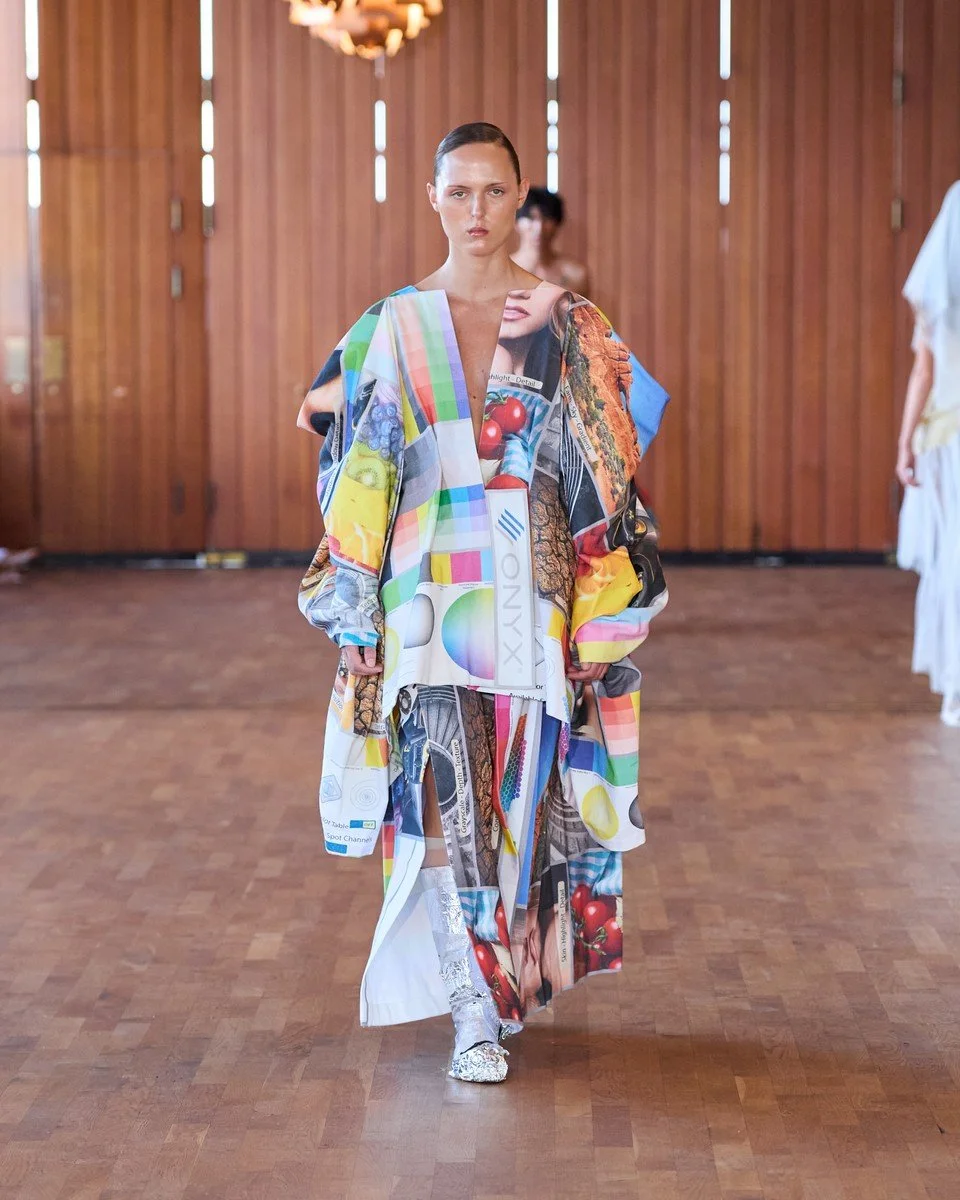
It is within that shared environment that the individuality of EXIT 2026 becomes most compelling.
The 22 collections may ultimately belong to individual designers, but their development is rooted in years of working alongside one another. Dialogue and exchange become an invisible thread connecting the presentation, demonstrating how individual authorship can emerge from a collective environment. The result is not uniformity, but a generation comfortable with contradiction, ambiguity and reinterpretation.
In that sense, EXIT 2026 feels less like a traditional graduation show and more like an introduction. The collections demonstrate that emerging designers do not necessarily need to identify one definitive direction for fashion. Their contribution may instead come from the ability to question existing systems, investigate materials differently and establish distinct visual languages within an industry undergoing profound change.
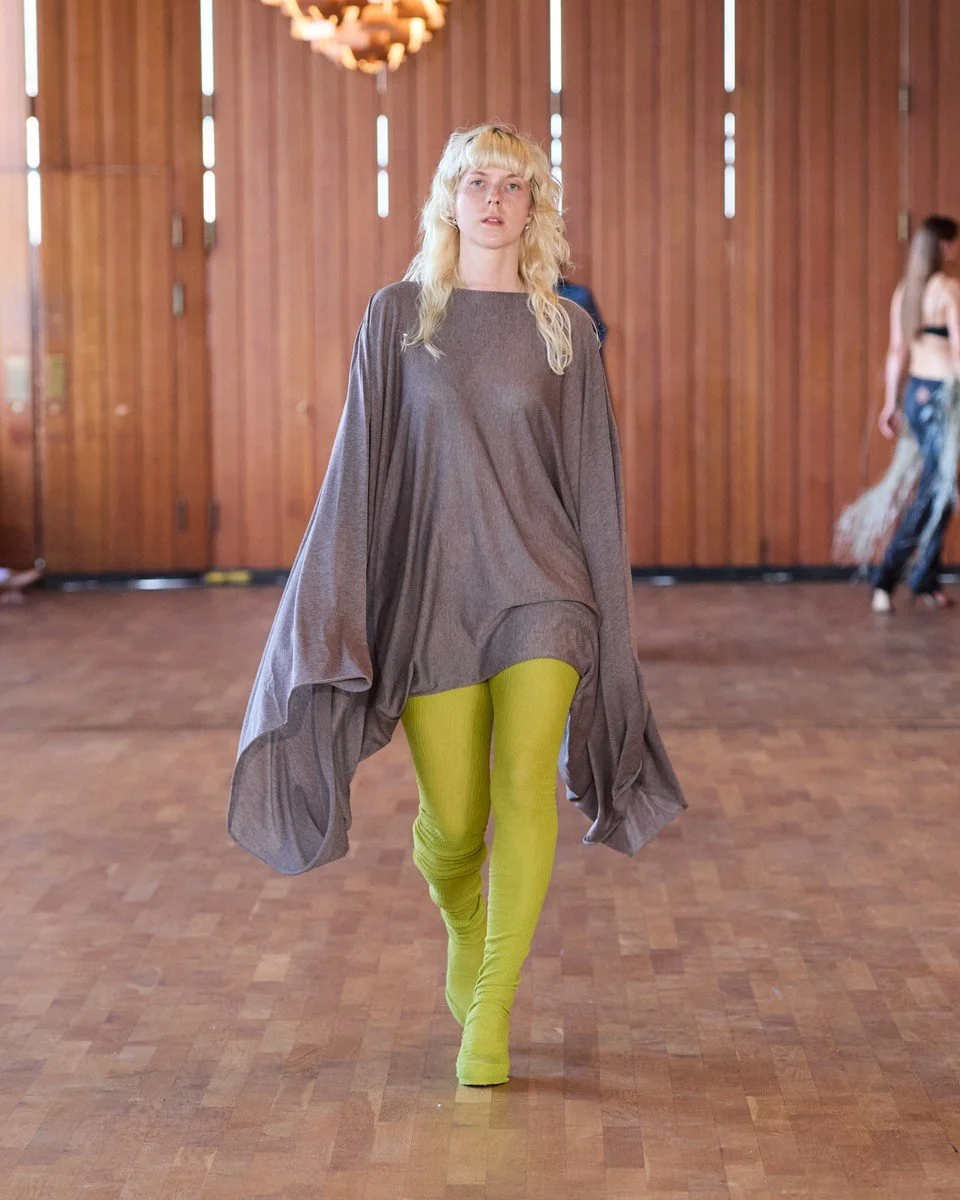
The certainty is found not in having all the answers, but in developing a practice capable of asking better questions.
For the Swedish School of Textiles’ class of 2026, that practice is already taking shape. EXIT is the point at which those individual investigations leave the studio and enter the wider fashion landscape—22 perspectives, developed collectively, now beginning to stand on their own.


HOW DO YOU FEEL ABOUT FASHION?
COMMENT OR TAKE OUR PAGE READER SURVEY
Featured



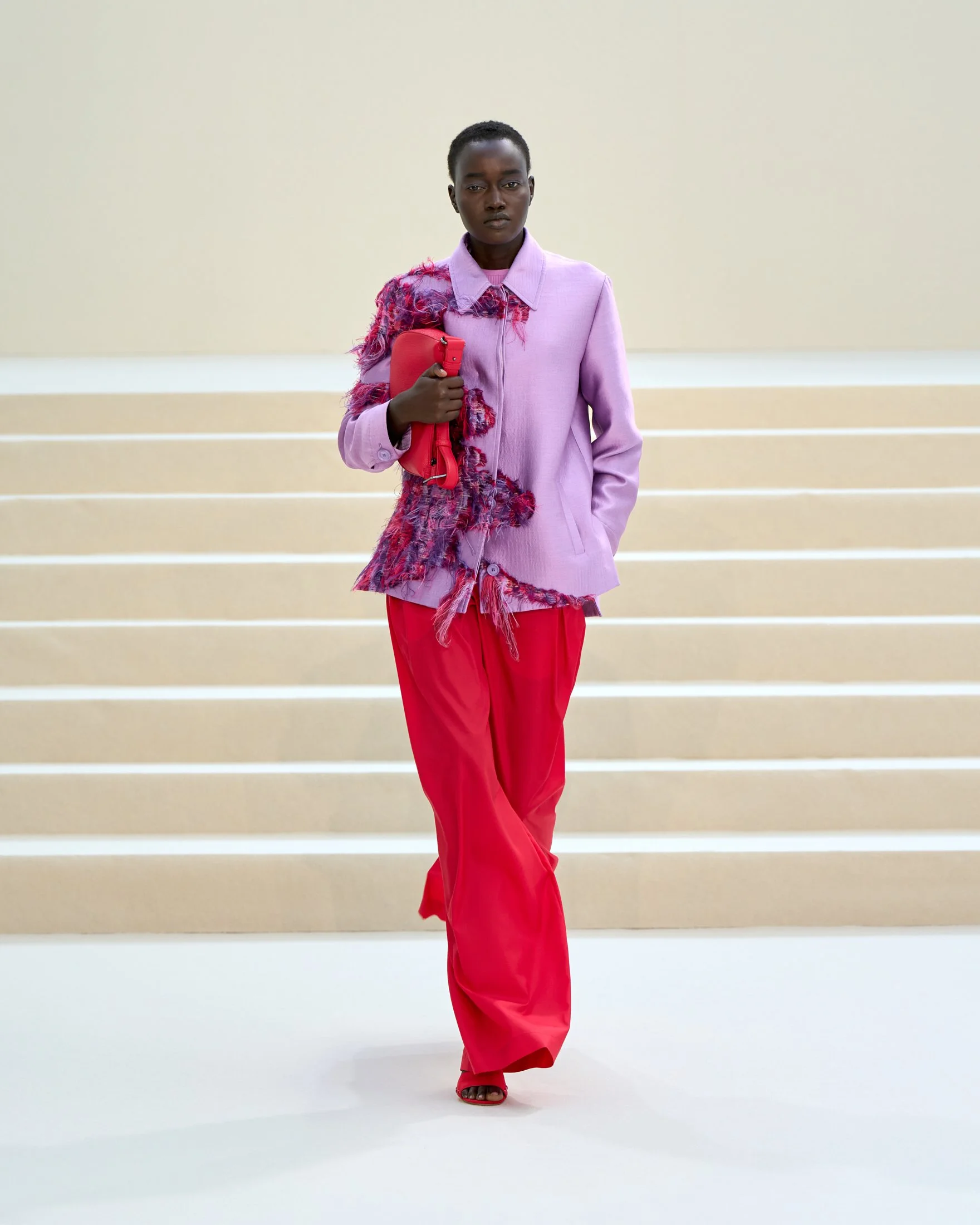

Telfar's SS2027 collection transforms the sample sale into a runway, using inside-out tailoring, manipulated materials, New York street references and a Brooklyn-to-Paris spectacle to question who gets to define fashion—and where it actually happens.