
Can A Global Climate Deal Move The Shipping Industry Beyond Fossil Fuels?
PAGE
By PAGE Editor
As the International Maritime Organization prepares to resume negotiations on its proposed Net-Zero Framework, new research from Chalmers University of Technology highlights why fuel standards and economic incentives will be critical to decarbonizing global shipping.
The global shipping industry faces a defining moment in its transition toward cleaner energy. From November 30 to December 4, the International Maritime Organization (IMO) will reconvene its Marine Environment Protection Committee (MEPC) to resume discussions on a proposed global regulatory framework designed to reduce greenhouse gas emissions across international shipping. The outcome could determine how quickly the industry moves away from fossil-based marine fuels and toward lower-emission alternatives.
The negotiations follow a significant setback in October 2025, when disagreements among member states, including opposition from the United States and Saudi Arabia, prevented the formal adoption of the proposed Net-Zero Framework. The framework, initially approved in draft form in April 2025, combines a global greenhouse gas intensity standard for marine fuels with an emissions-pricing mechanism. Its adoption was subsequently postponed for a year.
For Fayas Malik Kanchiralla, a postdoctoral researcher in maritime environmental science at Sweden's Chalmers University of Technology, establishing a unified regulatory approach is essential to creating meaningful industry-wide change.
"It is absolutely essential that all member states reach an agreement on effective global measures this time if we are to tackle carbon emissions from shipping. Without a decision, the sector risks falling short of its climate targets, and as such, emissions from the sector may continue to rise," Kanchiralla explains.
His position is supported by recent research published in Nature Energy, titled Marine Fuel Choices and Related Life-Cycle Environmental Impacts Under Global Shipping Policies. The study examines how different regulatory approaches could influence marine fuel adoption, emphasizing that reducing emissions requires looking beyond what comes out of a ship's exhaust.
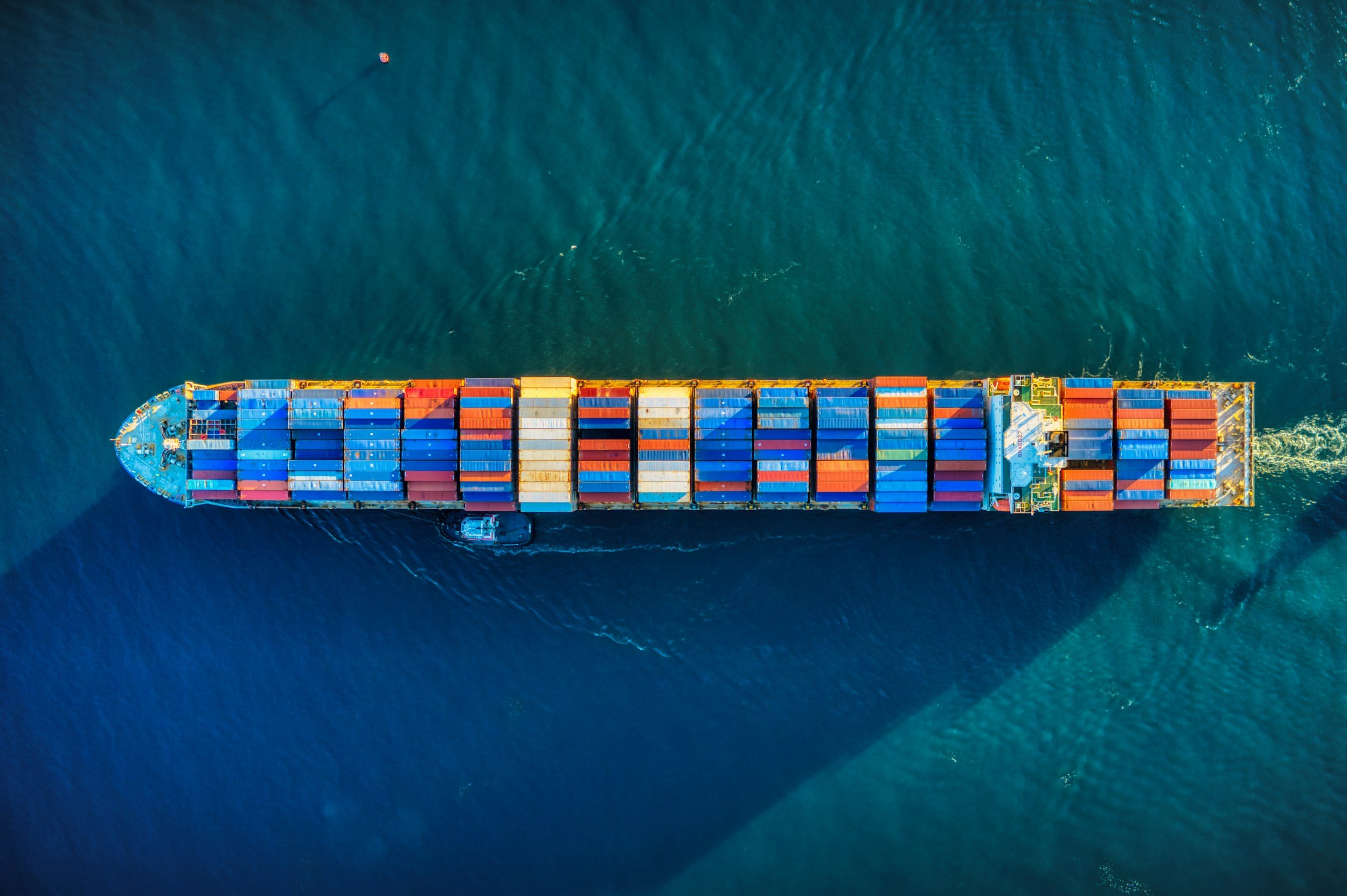
One of the central findings is the importance of evaluating the entire life cycle of marine fuels, including the emissions generated during production. A fuel that appears cleaner during operation may carry a substantial environmental footprint before it ever reaches a vessel. Without accounting for those upstream emissions, regulations could unintentionally shift environmental costs elsewhere in the supply chain.
The research also identifies the advantages of combining economic incentives with fuel greenhouse gas intensity standards rather than relying exclusively on emissions generated during shipping operations.
The financial implications are equally significant. Companies investing in lower-emission fuels can face higher operating costs than competitors continuing to rely on conventional fossil fuels. A coordinated international framework could help correct that imbalance, making sustainable alternatives more commercially competitive.
"As things stand today, companies investing in low-emission fuels can face higher costs than competitors continuing to use fossil-based fuels. A well-designed global framework could help change those incentives by rewarding genuine greenhouse gas reductions and creating a more level playing field," Kanchiralla says.
With 176 member states, the IMO's decisions carry considerable influence over an industry that operates across international borders. While regional initiatives, including those introduced by the European Union, have established important emissions-reduction measures, a fragmented regulatory landscape risks creating inconsistent incentives for global operators.
The challenge facing MEPC85 extends beyond securing an agreement. It is about establishing the right framework to ensure that the transition delivers measurable environmental benefits rather than simply changing where emissions occur.
For an industry responsible for moving the majority of global trade, the path toward climate neutrality will require more than alternative fuels. It will require the economic and regulatory infrastructure to make choosing them viable.
HOW DO YOU FEEL ABOUT FASHION?
COMMENT OR TAKE OUR PAGE READER SURVEY
Featured





Basic.Space returns to New York with a weeklong SoHo exhibition curated by Alexander May, bringing together collectible design, contemporary art, fashion, and sound in an immersive retail experience that connects cultural discovery with commerce.