
Ferrari And Rubelli Transform Historic Yearbook Covers Into Nine Tapestry Works
PAGE
By PAGE Editor
The Italian automotive marque partners with the 135-year-old Venetian textile house to reinterpret Ferrari’s visual archive through exceptional craftsmanship, intricate jacquard weaving, and contemporary textile design.
Ferrari has long understood that its identity extends beyond the automobile. From motorsport victories and industrial innovation to fashion, design, and cultural influence, the Prancing Horse has cultivated a visual language that has become synonymous with Italian craftsmanship and creative ambition. Now, the marque is taking another step into the world of design through an unexpected collaboration with historic Venetian textile house Rubelli.
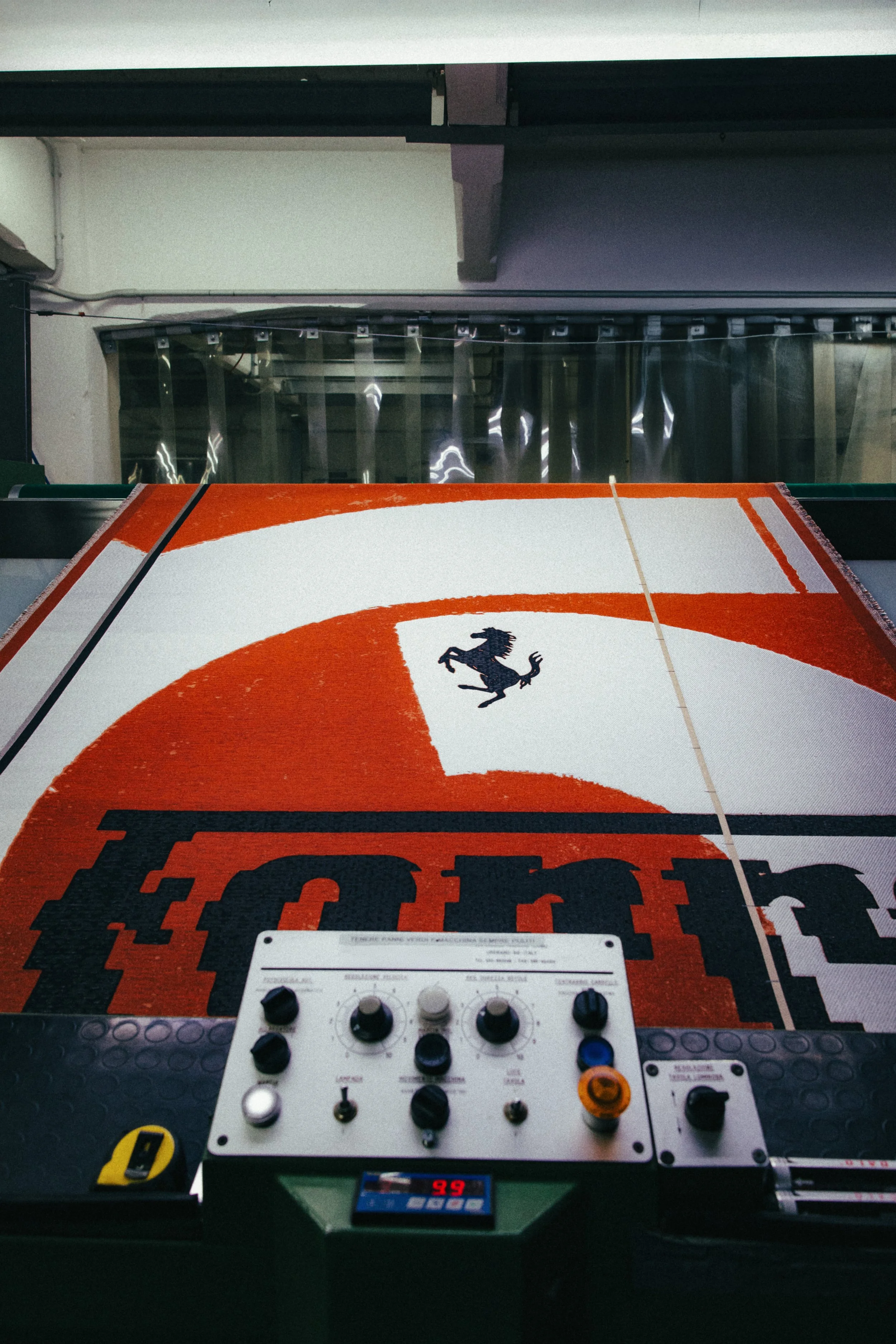
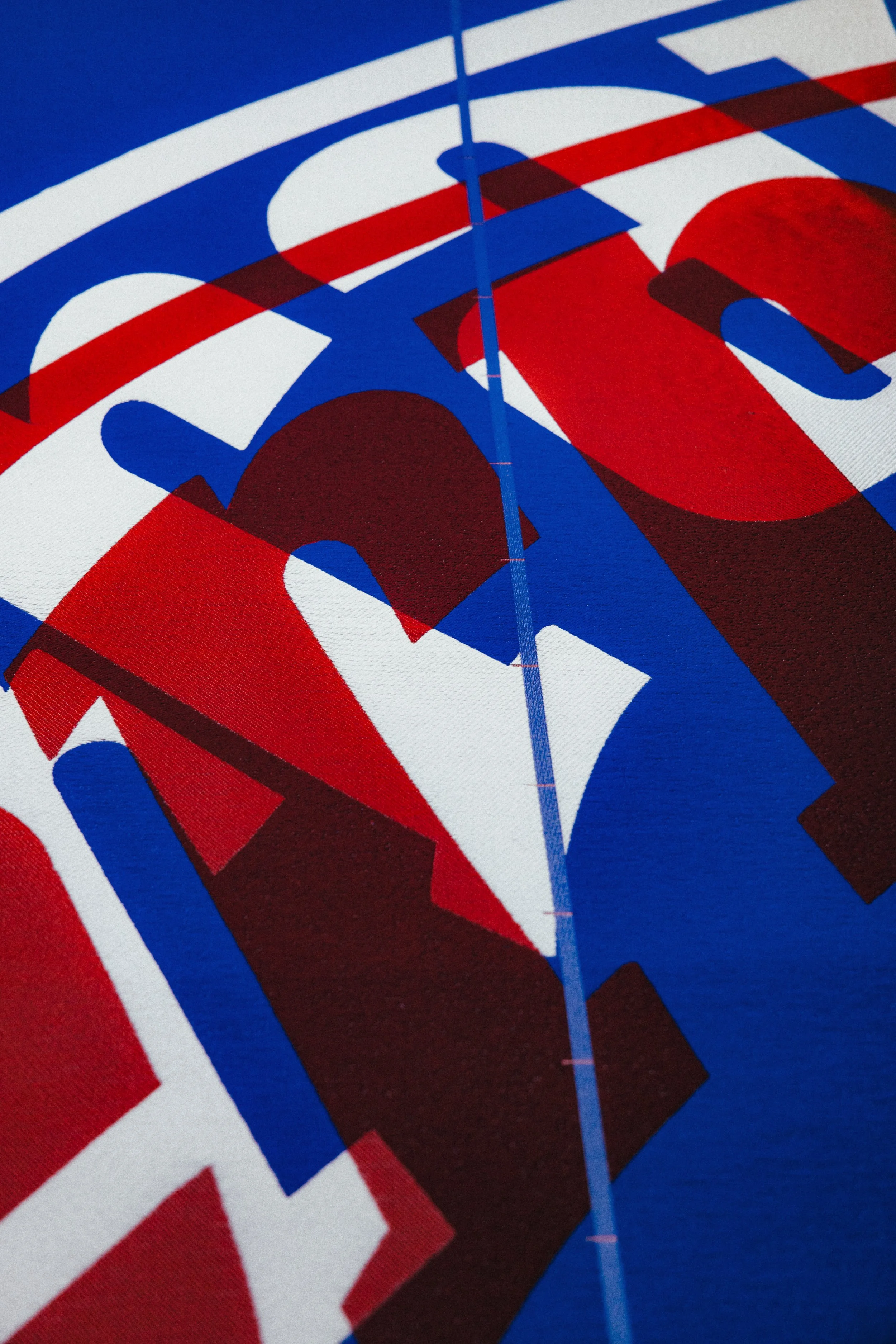
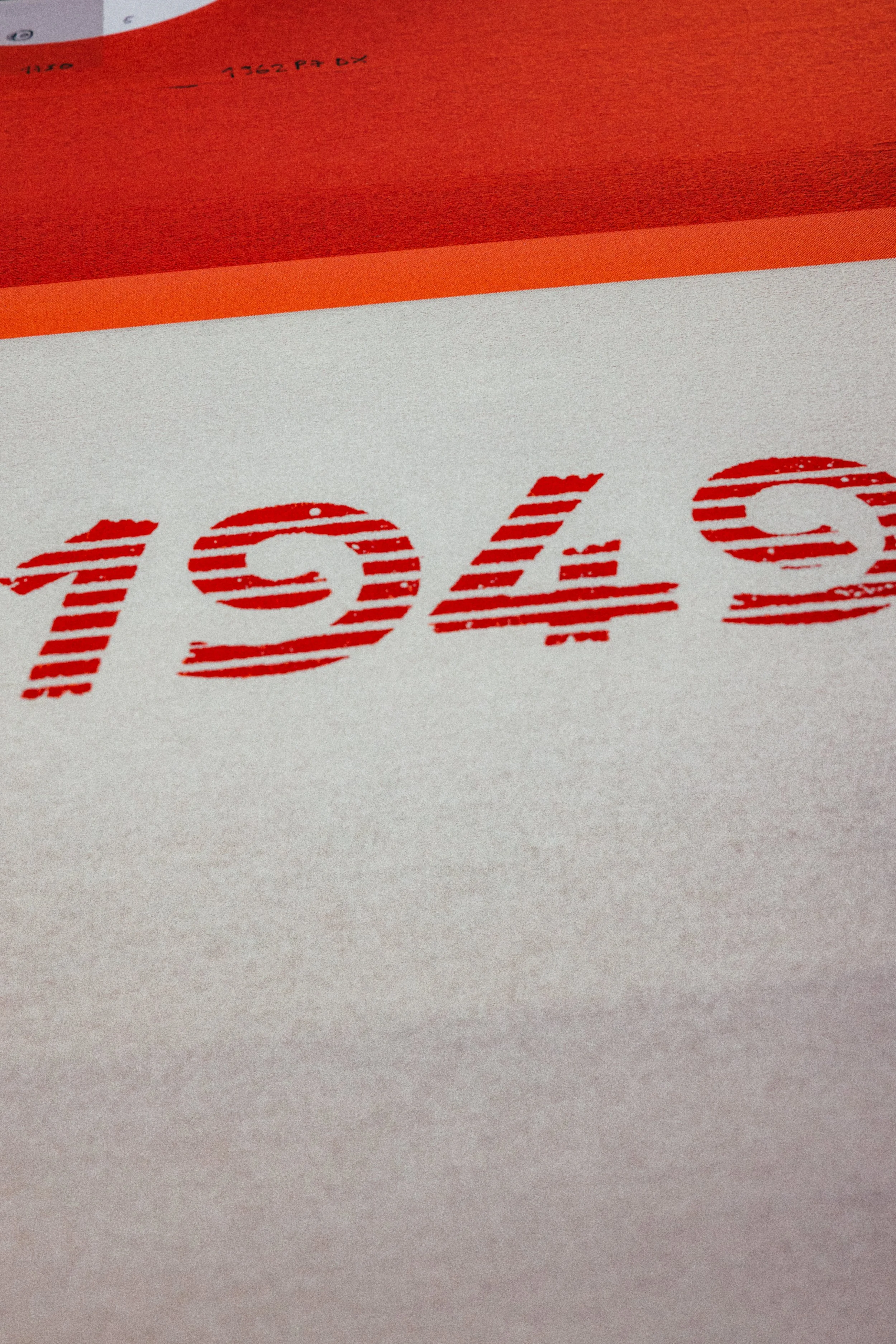
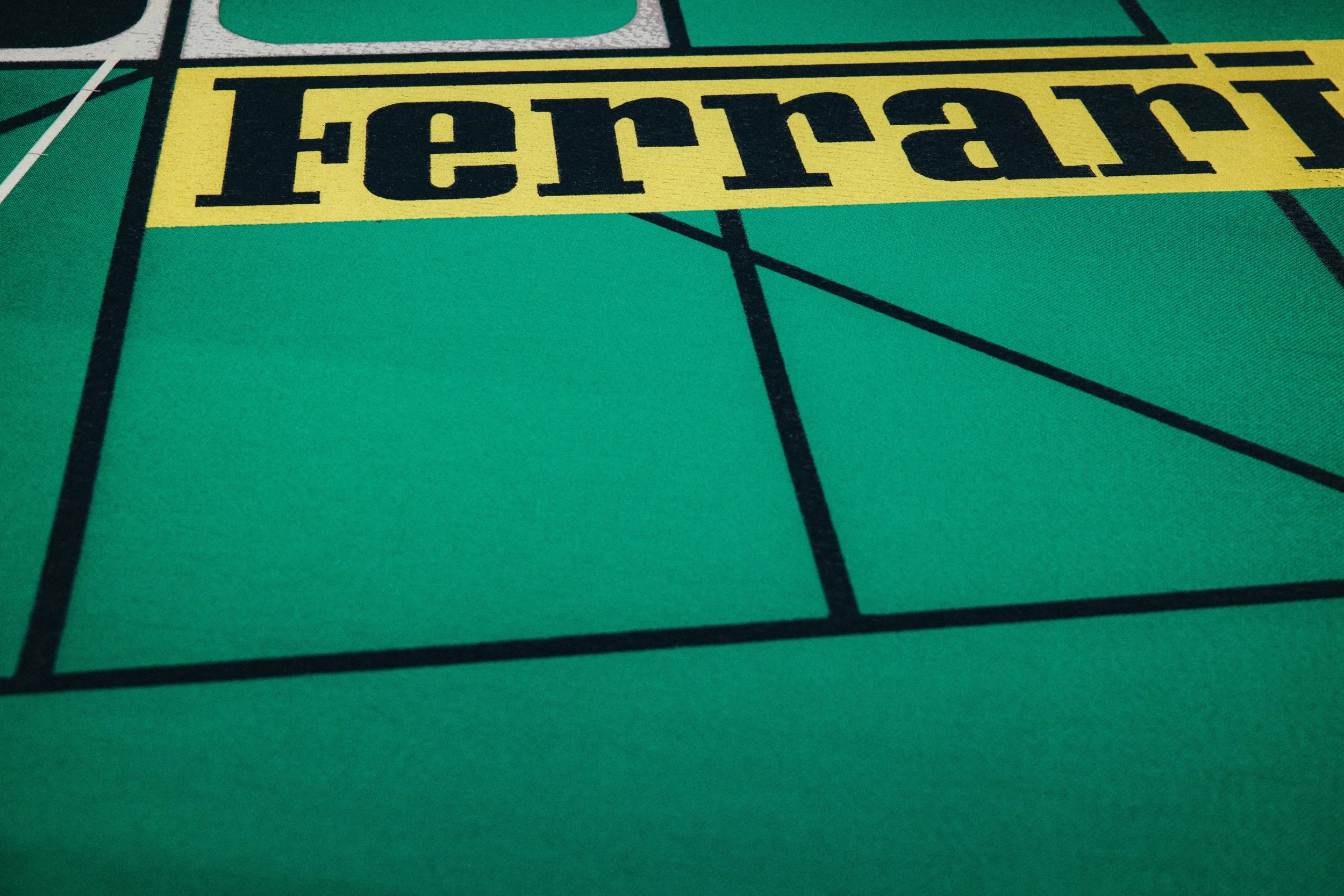
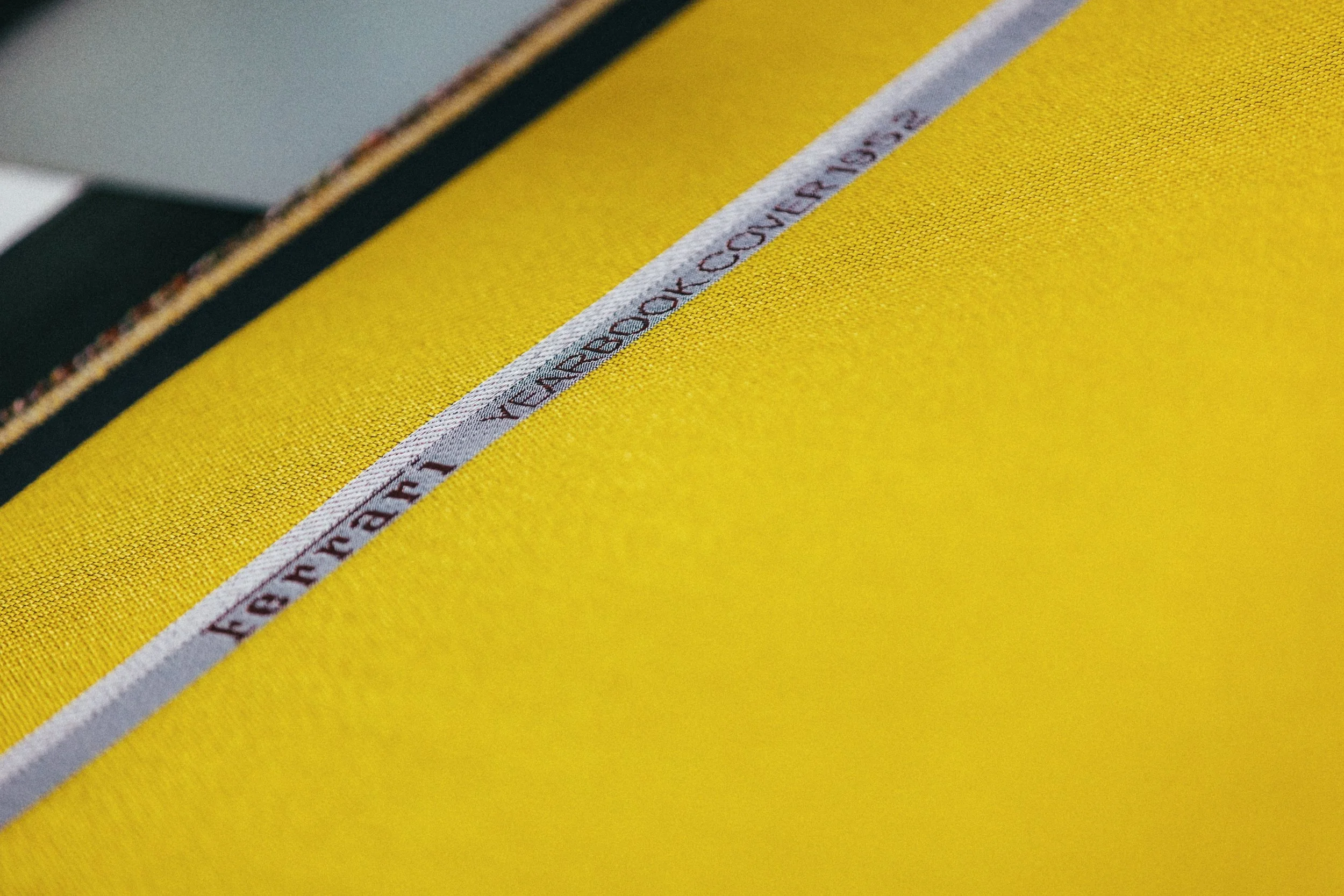
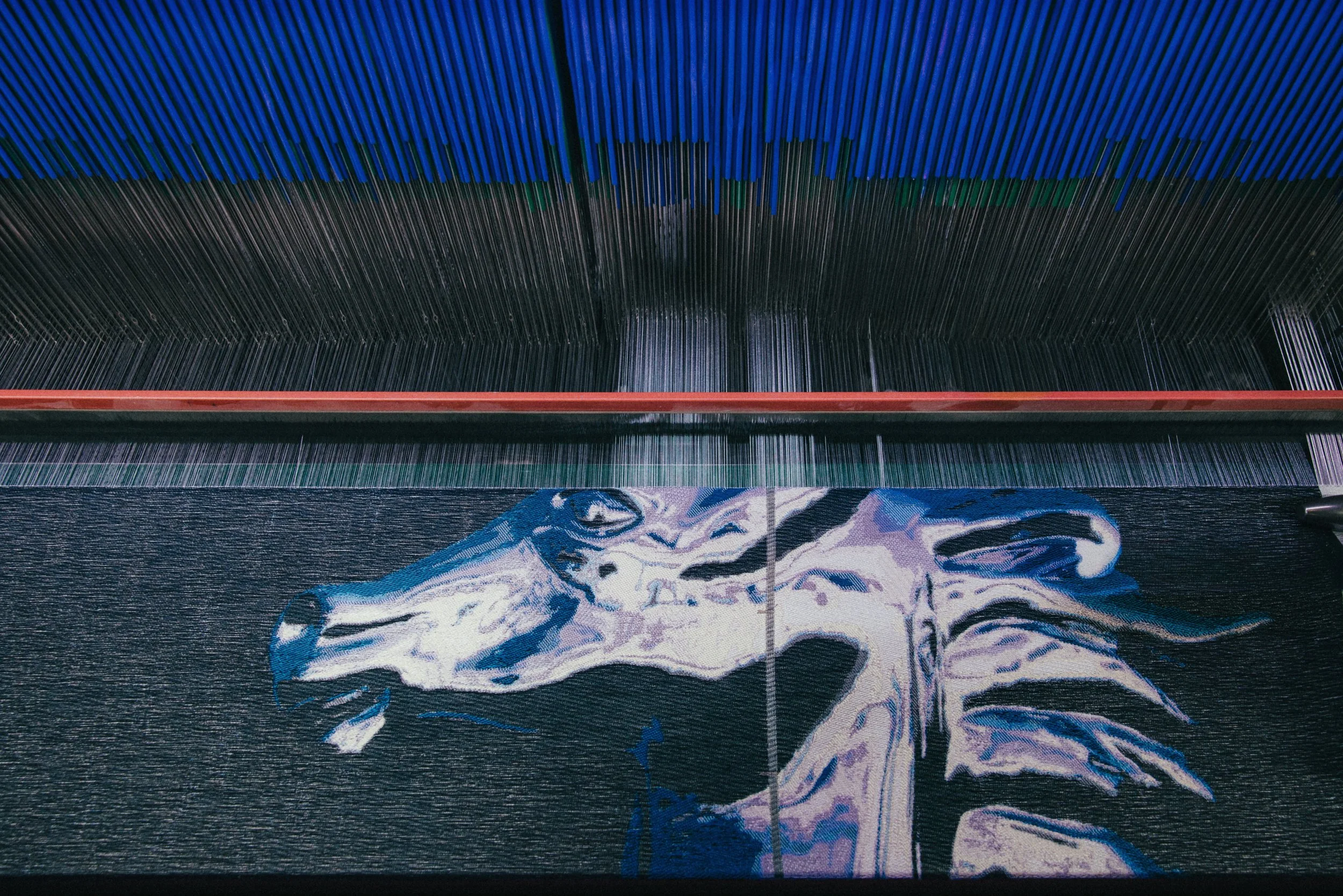
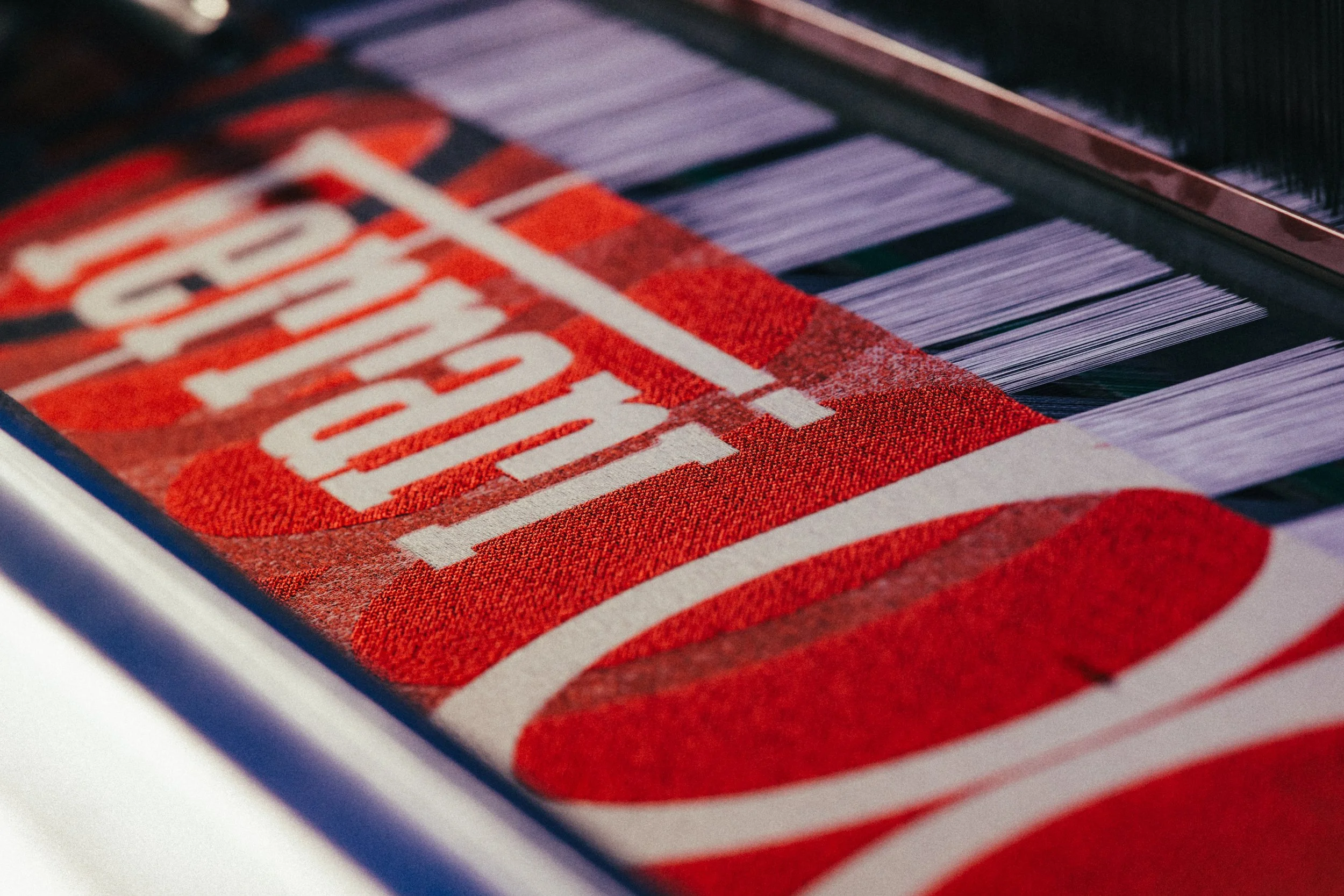
Unveiled during Ferrari’s November 12 runway show in New York, Ferrari × Rubelli introduces nine tapestries inspired by the covers of Ferrari’s historic yearbooks, spanning publications from 1949 through 1993. The project transforms decades of graphic storytelling into large-scale textile works, translating the marque’s archival imagery into a new material expression.
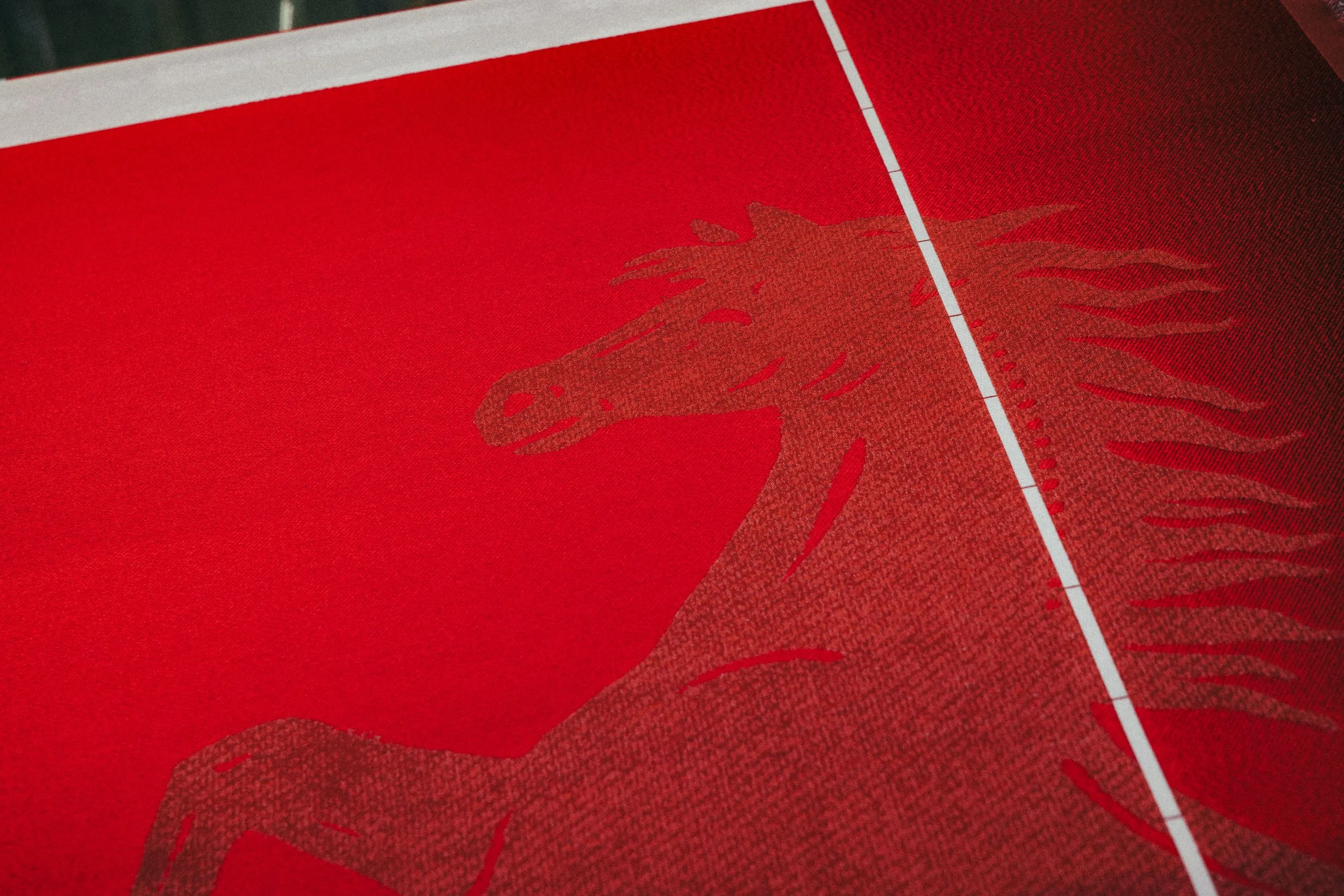
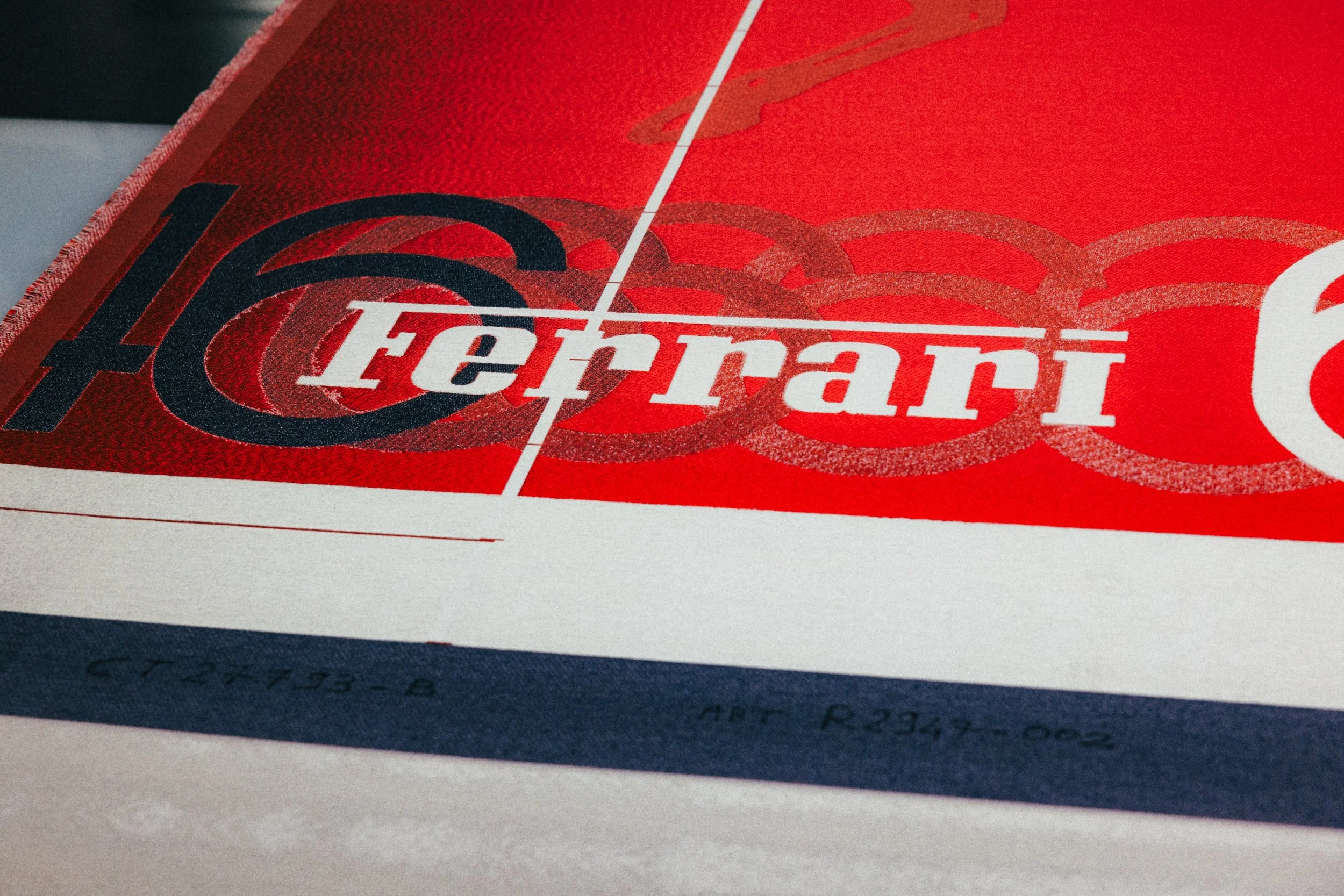
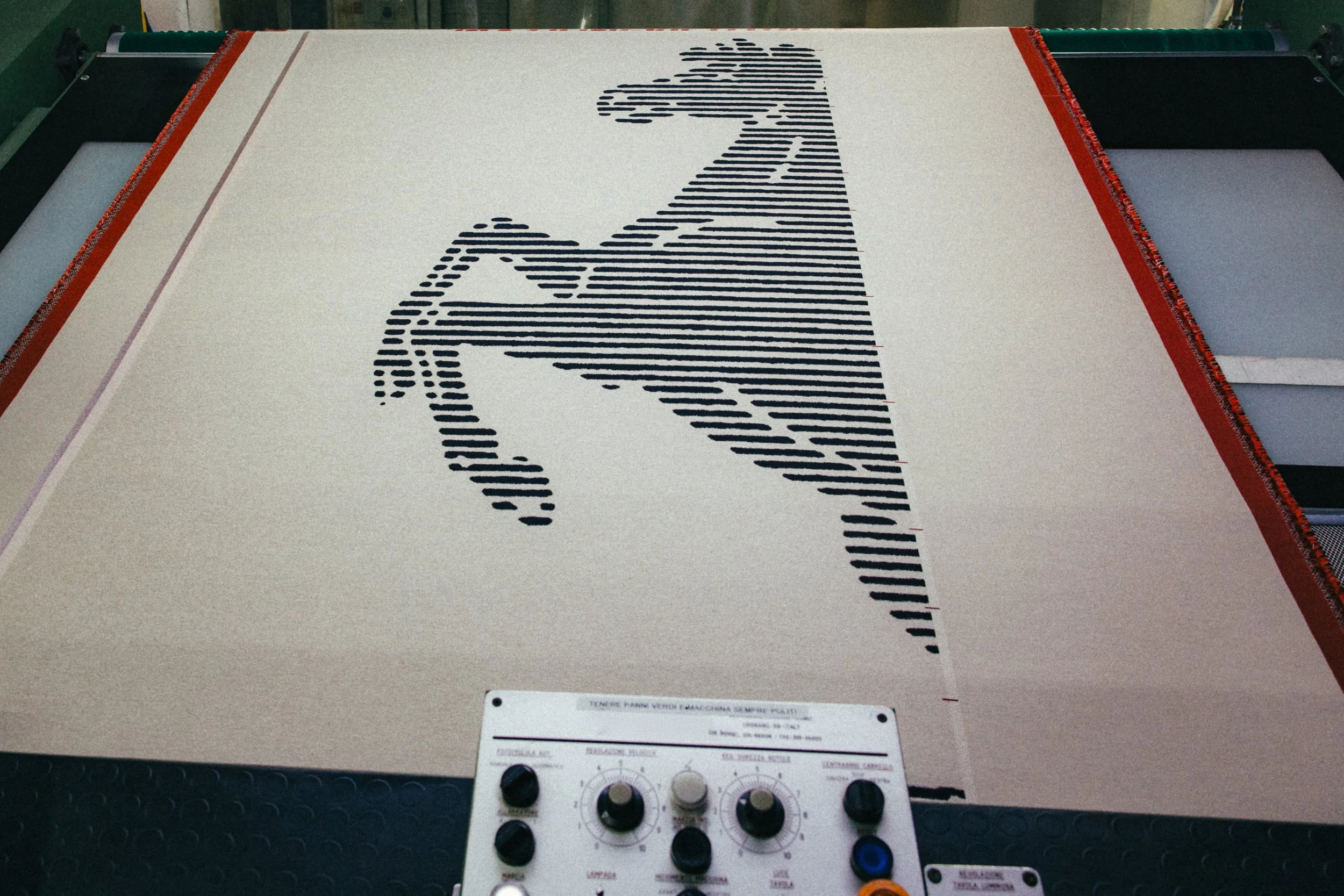
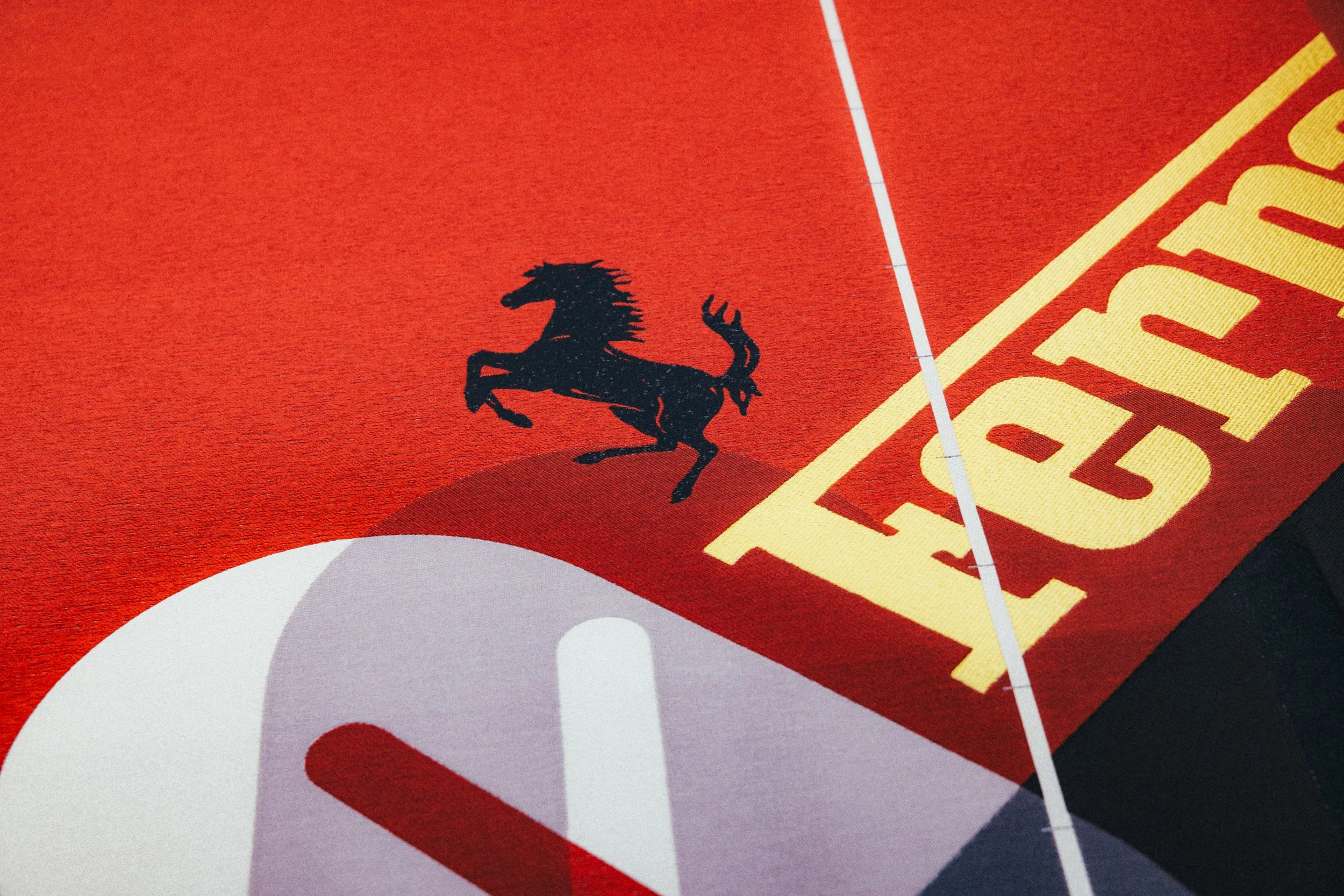
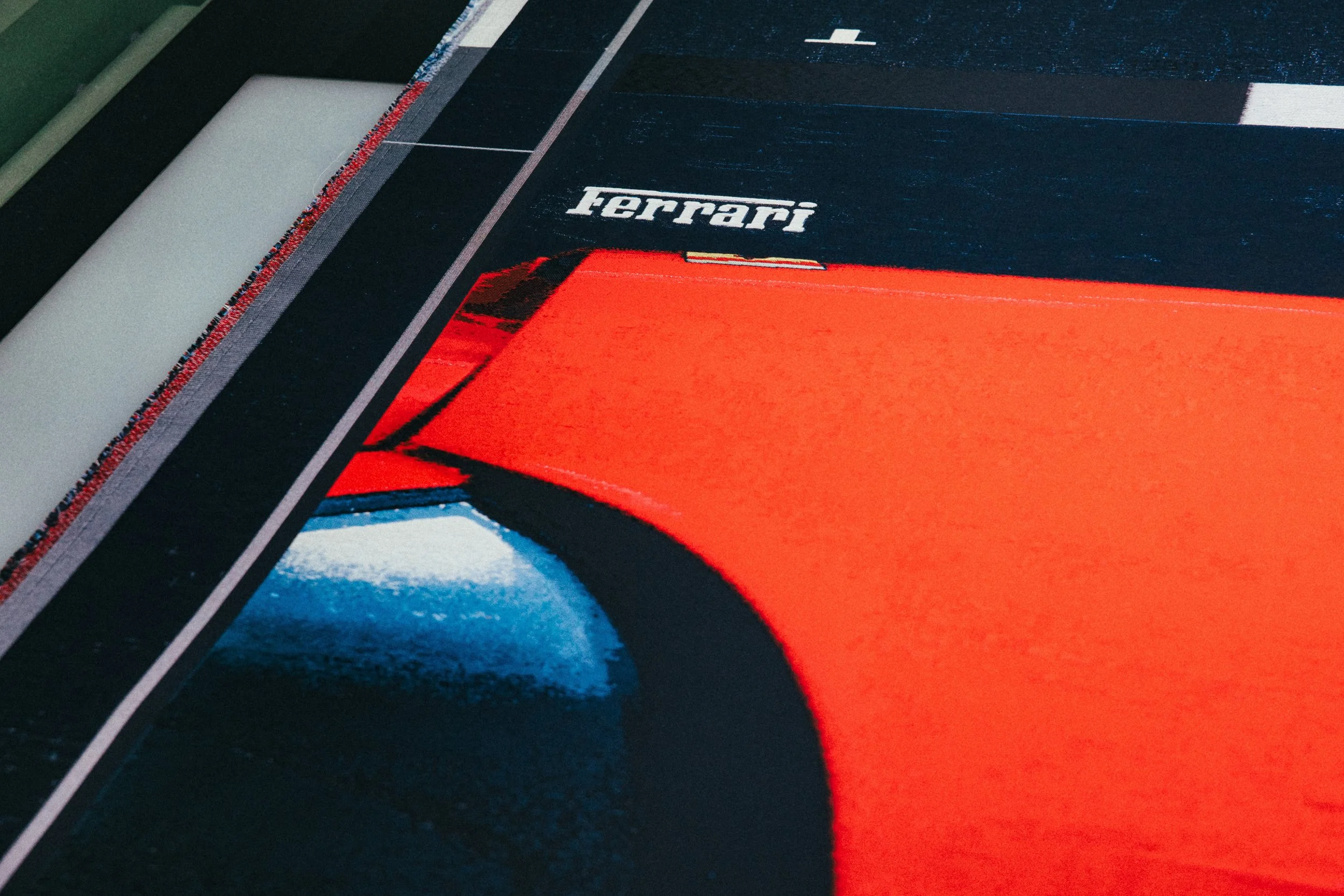
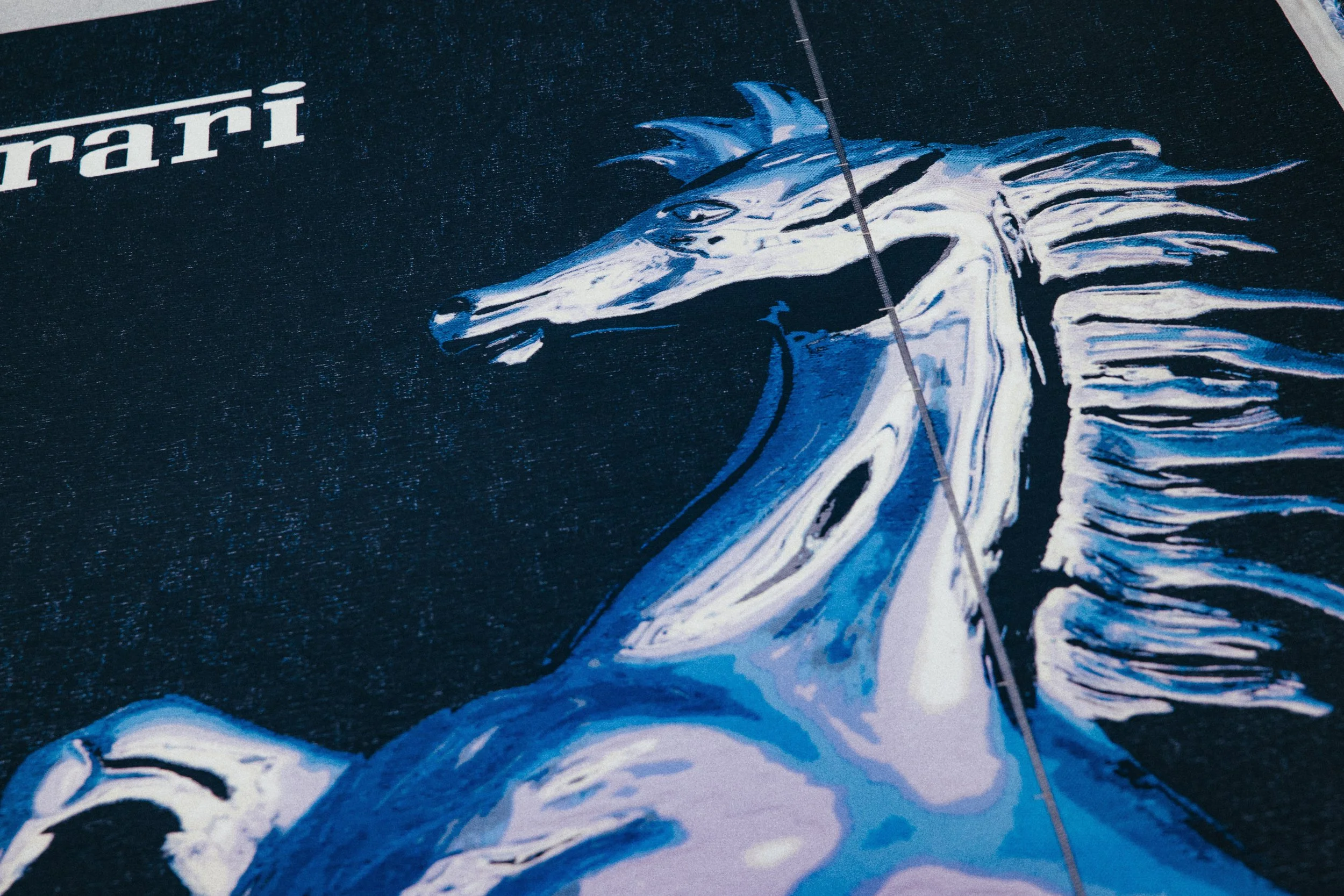
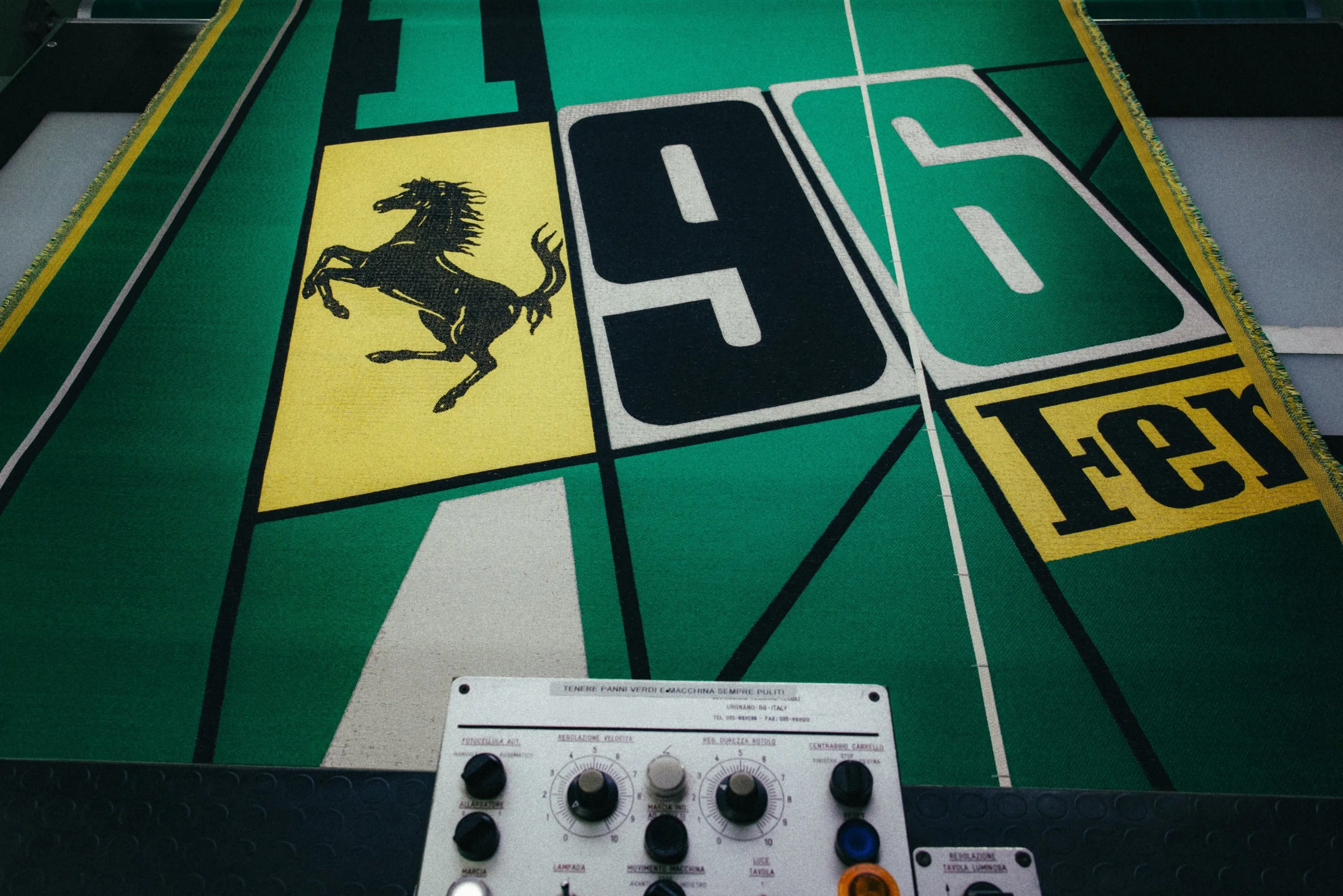
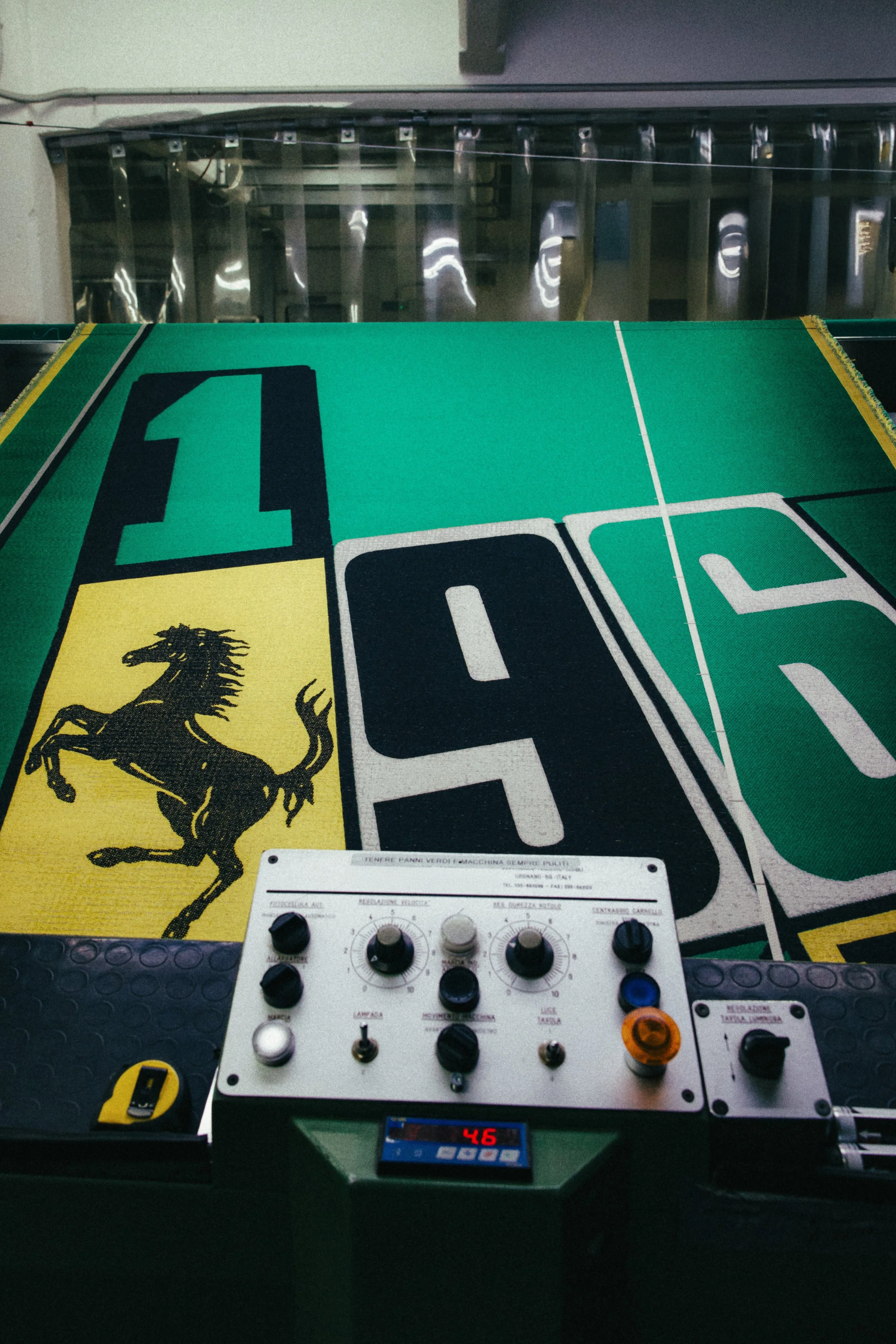
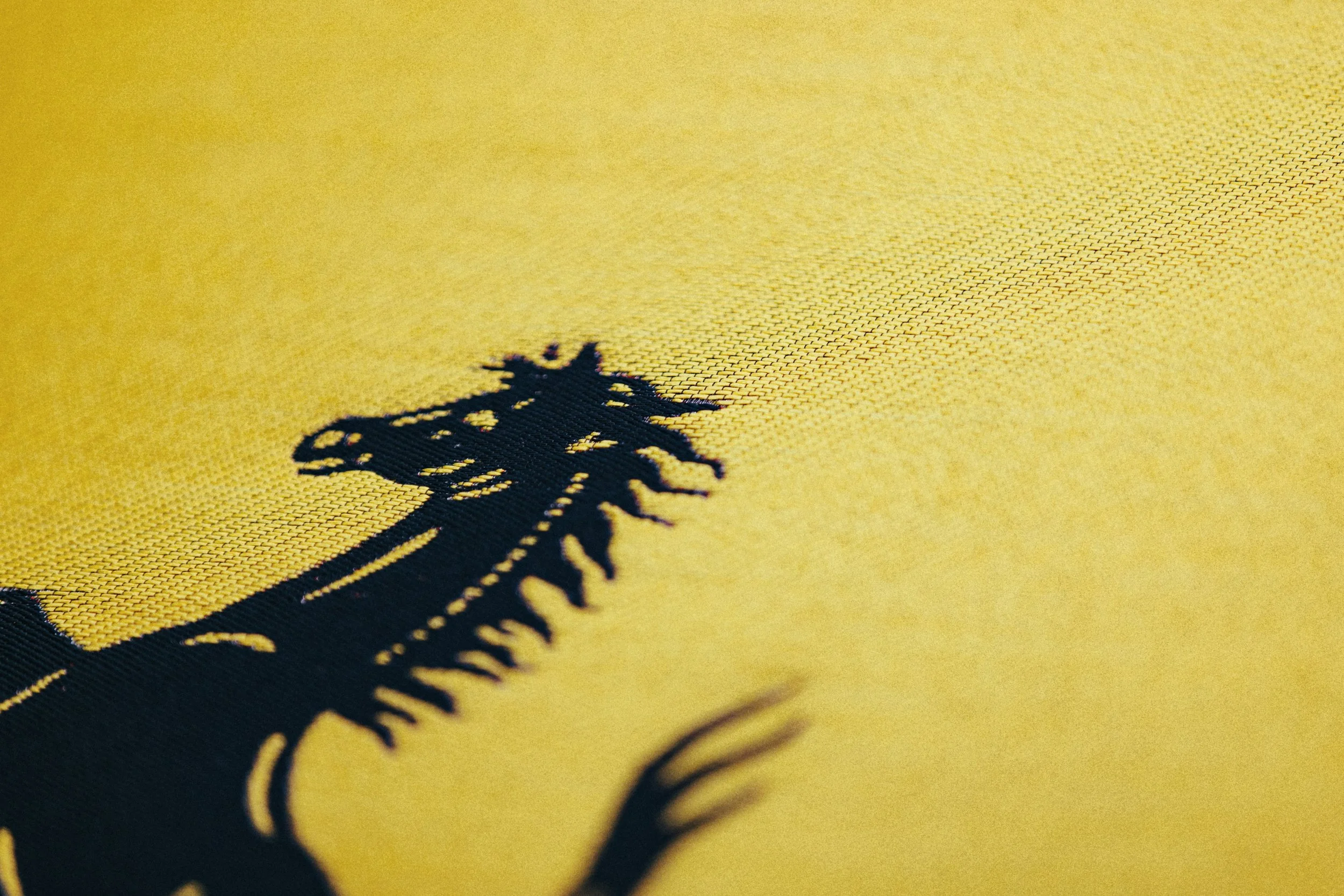
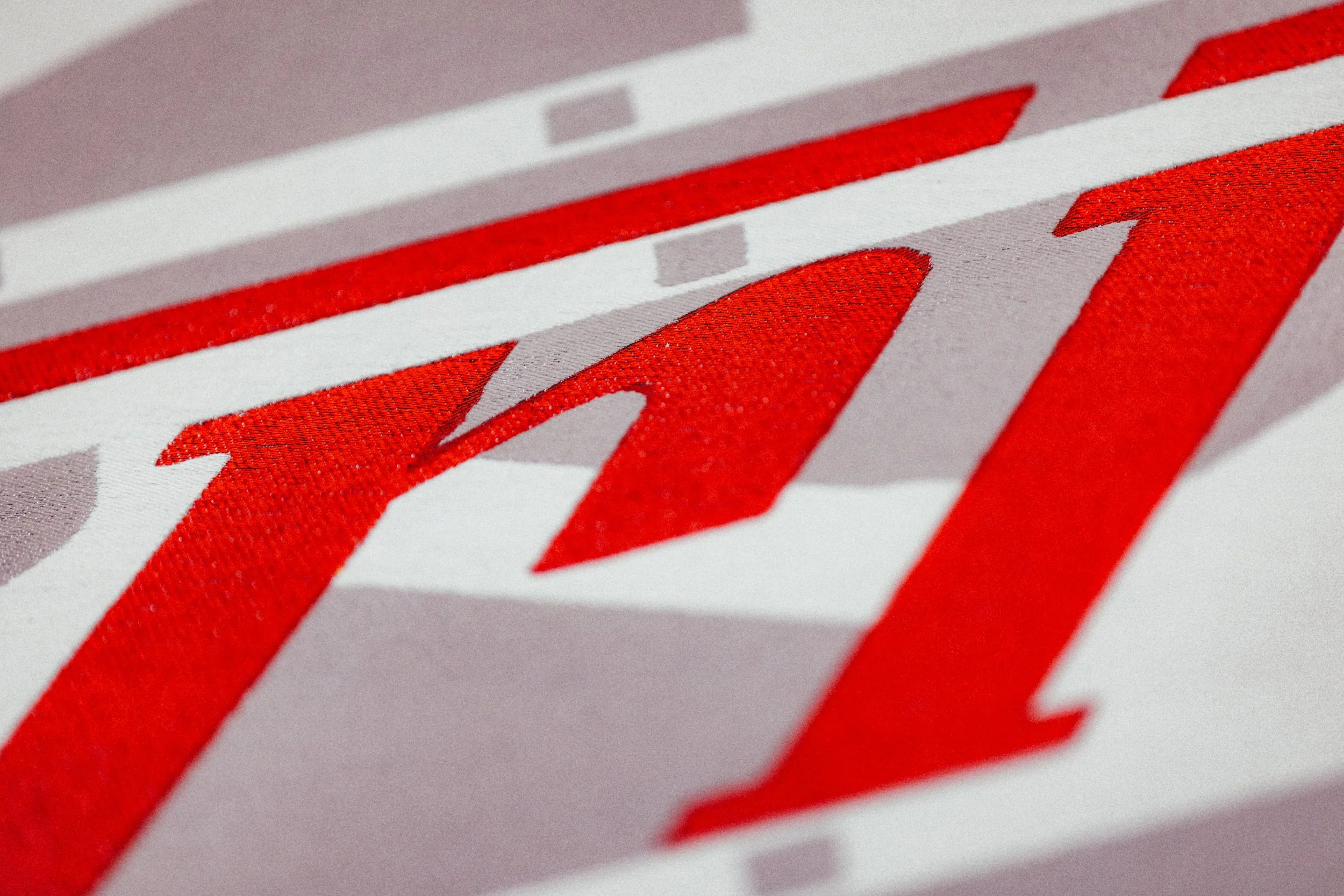
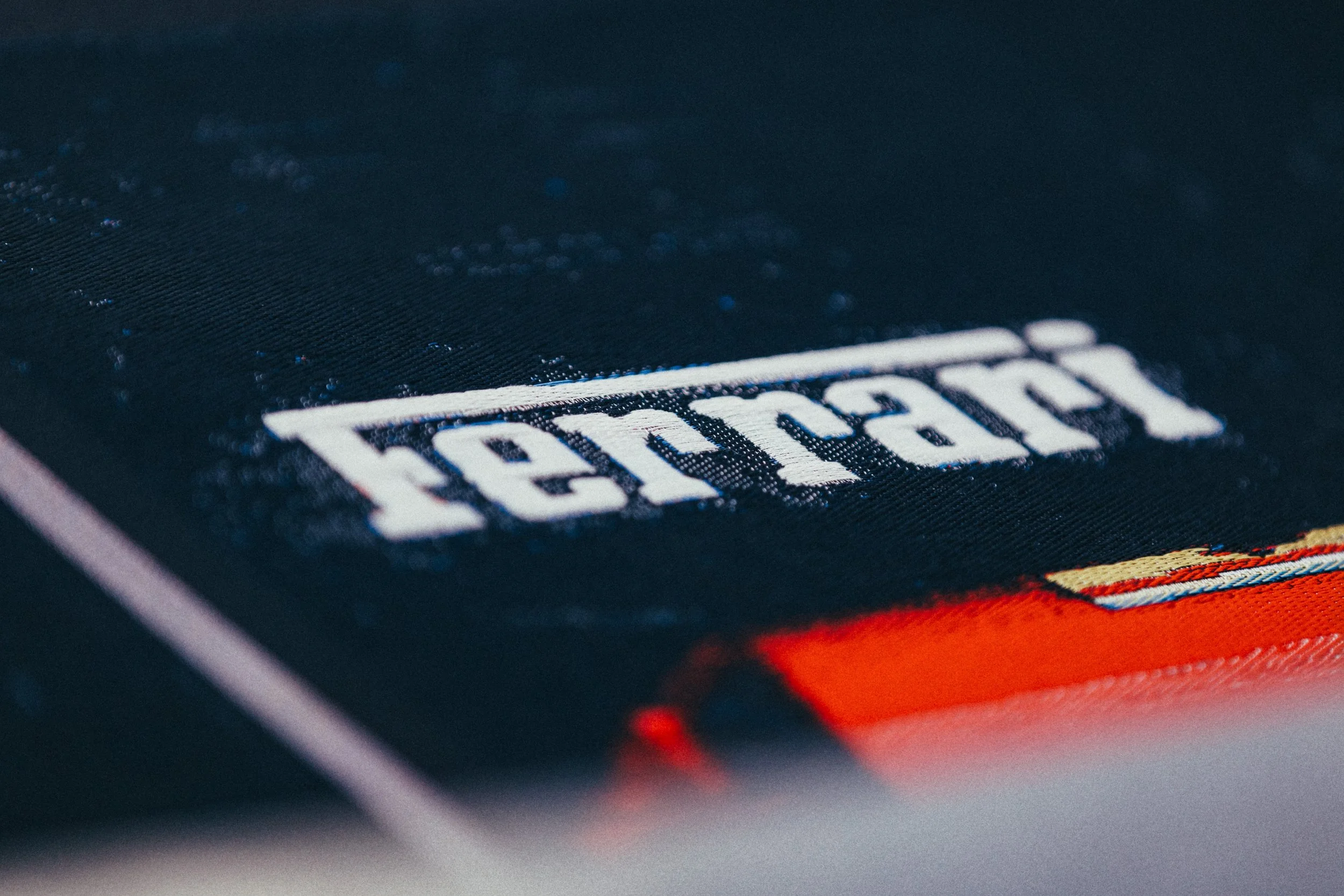
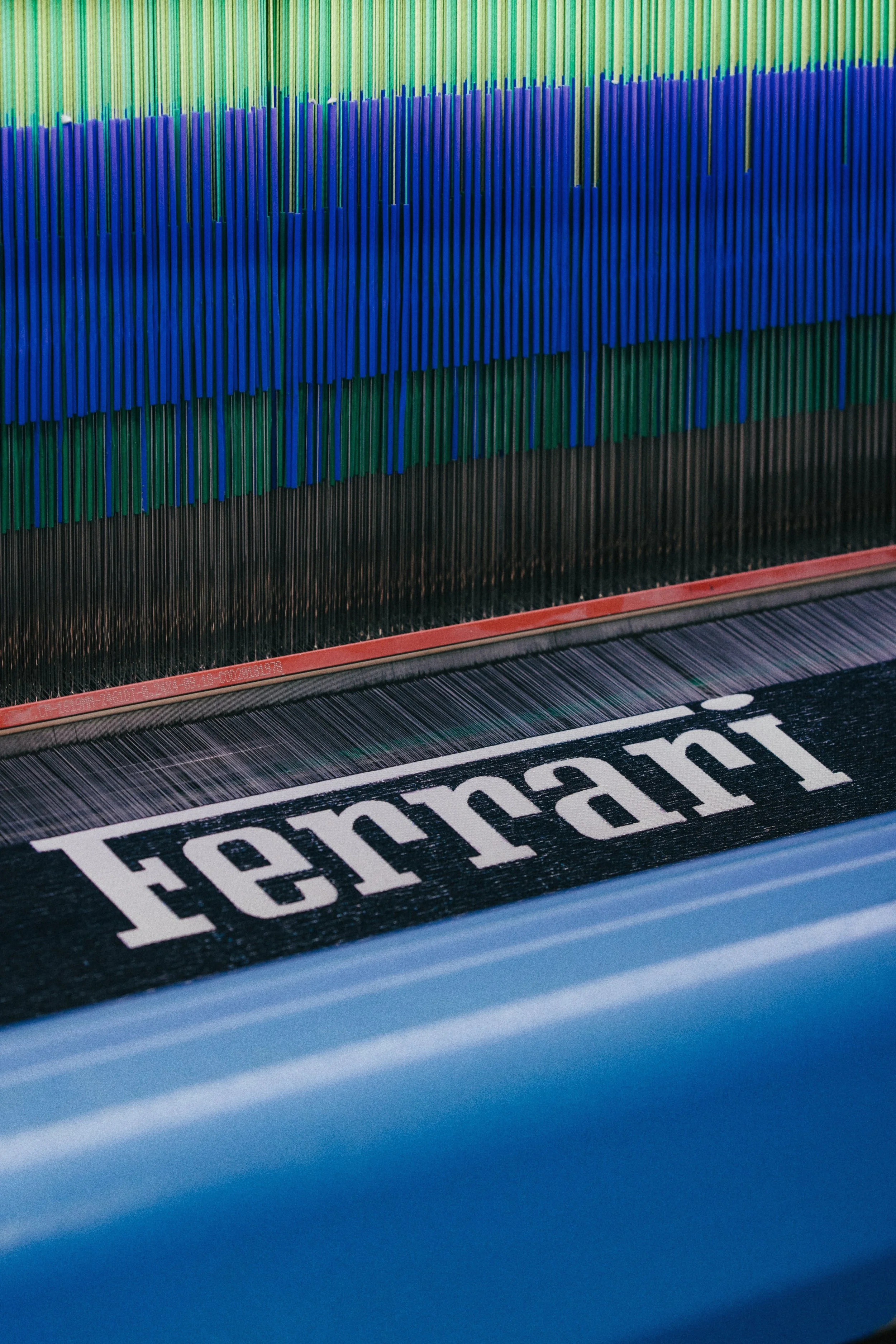
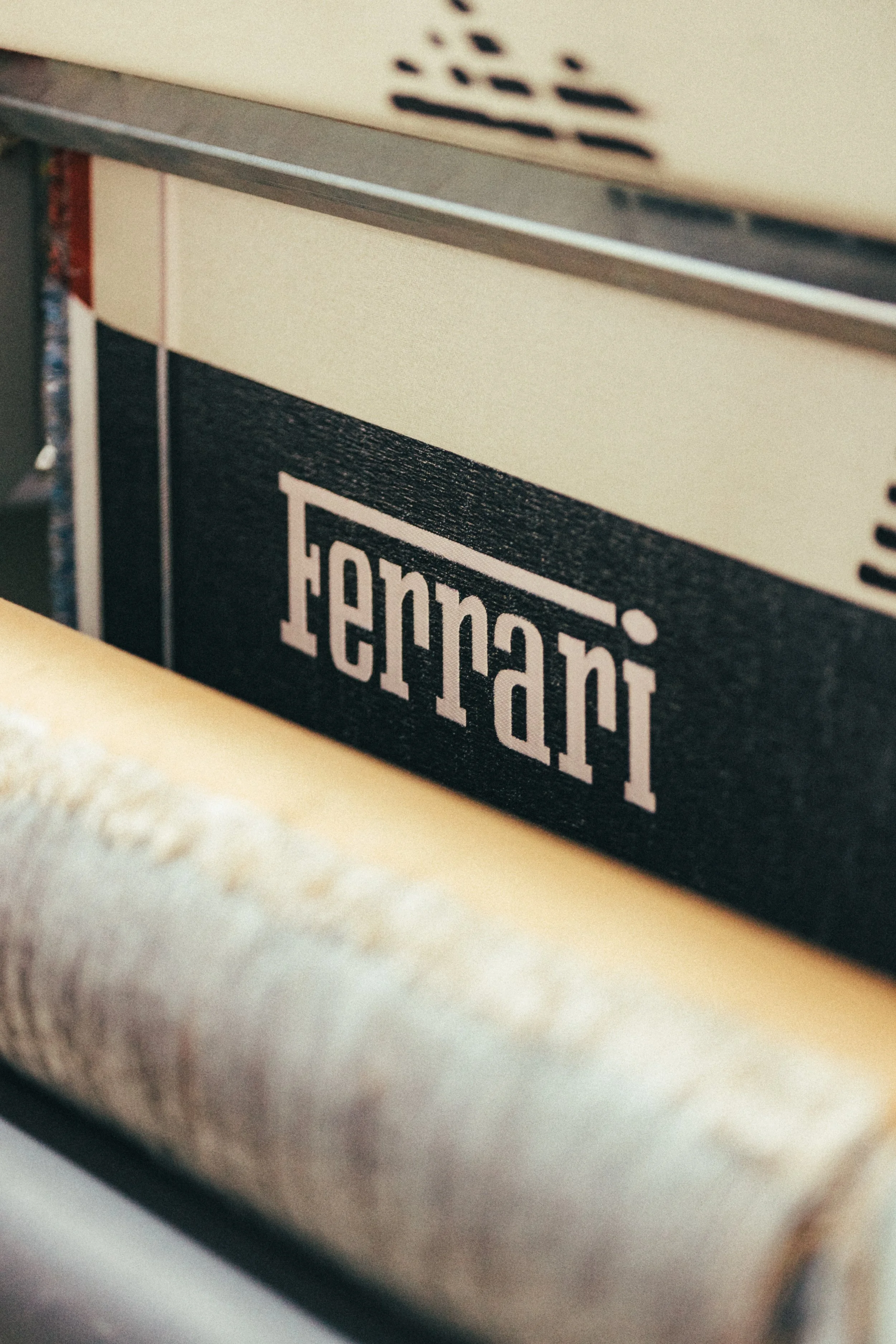
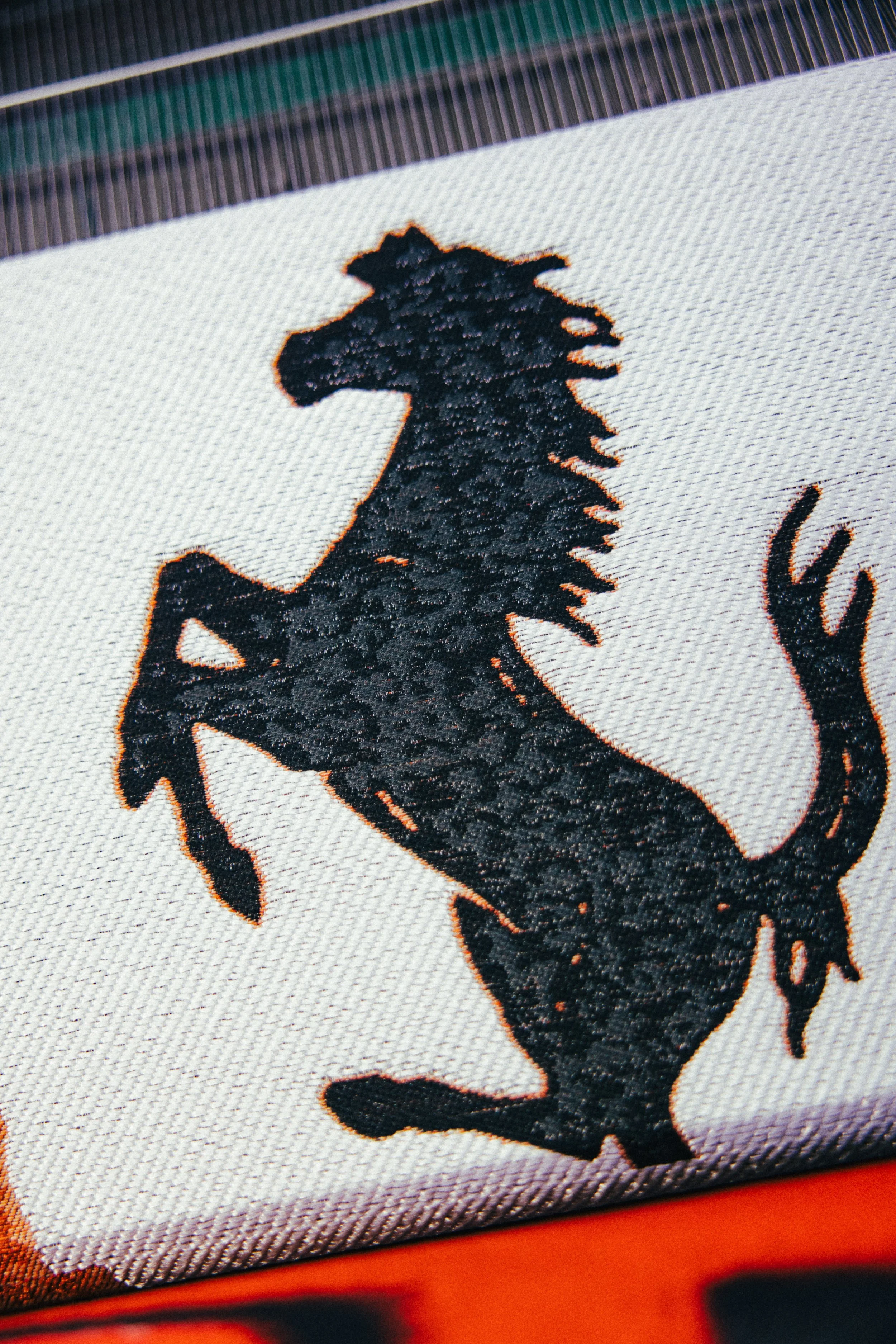
More than historical documentation, Ferrari’s yearbooks have served as a visual record of the company's evolving identity. Their covers capture the changing aesthetics of each decade, moving from early emblems and traditional typography to the graphic experimentation of the 1960s and the increasingly expressive compositions of the late 1980s and early 1990s. Among the reproduced imagery are the Prancing Horse, monumental Ferrari lettering, tire-track-inspired graphics, a red automobile bonnet viewed from above, and a chrome emblem emerging against a black background.
For Rocco Iannone, Ferrari's Creative Director, the collaboration represents a continuation of the company's relationship with visual experimentation.
“The yearbooks have always been a field of experimentation, with each cover seeking a new visual language through which to tell the Ferrari universe,” Iannone explains. He adds that bringing the imagery to the loom allows the company to continue transforming its heritage into something tangible and contemporary.
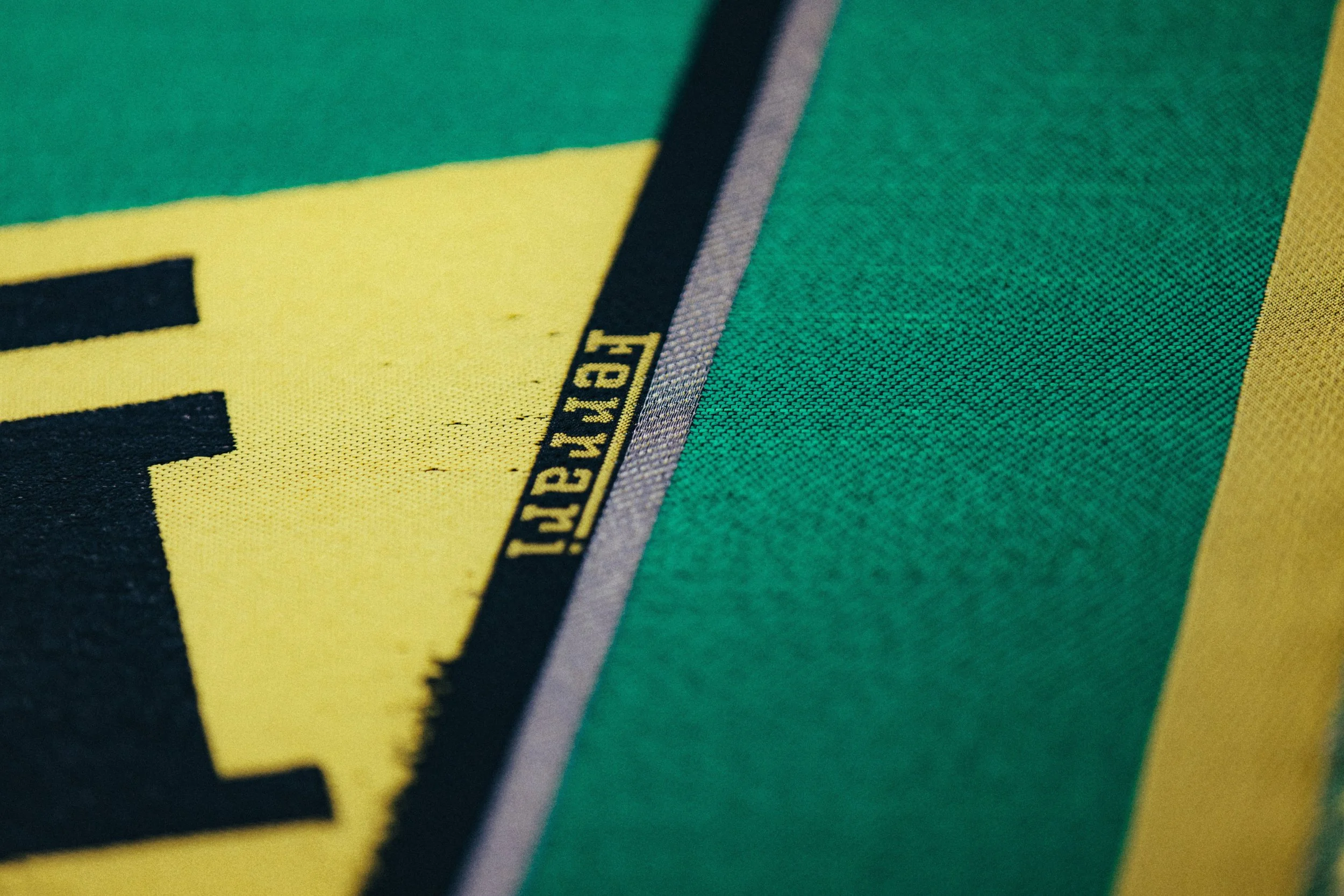
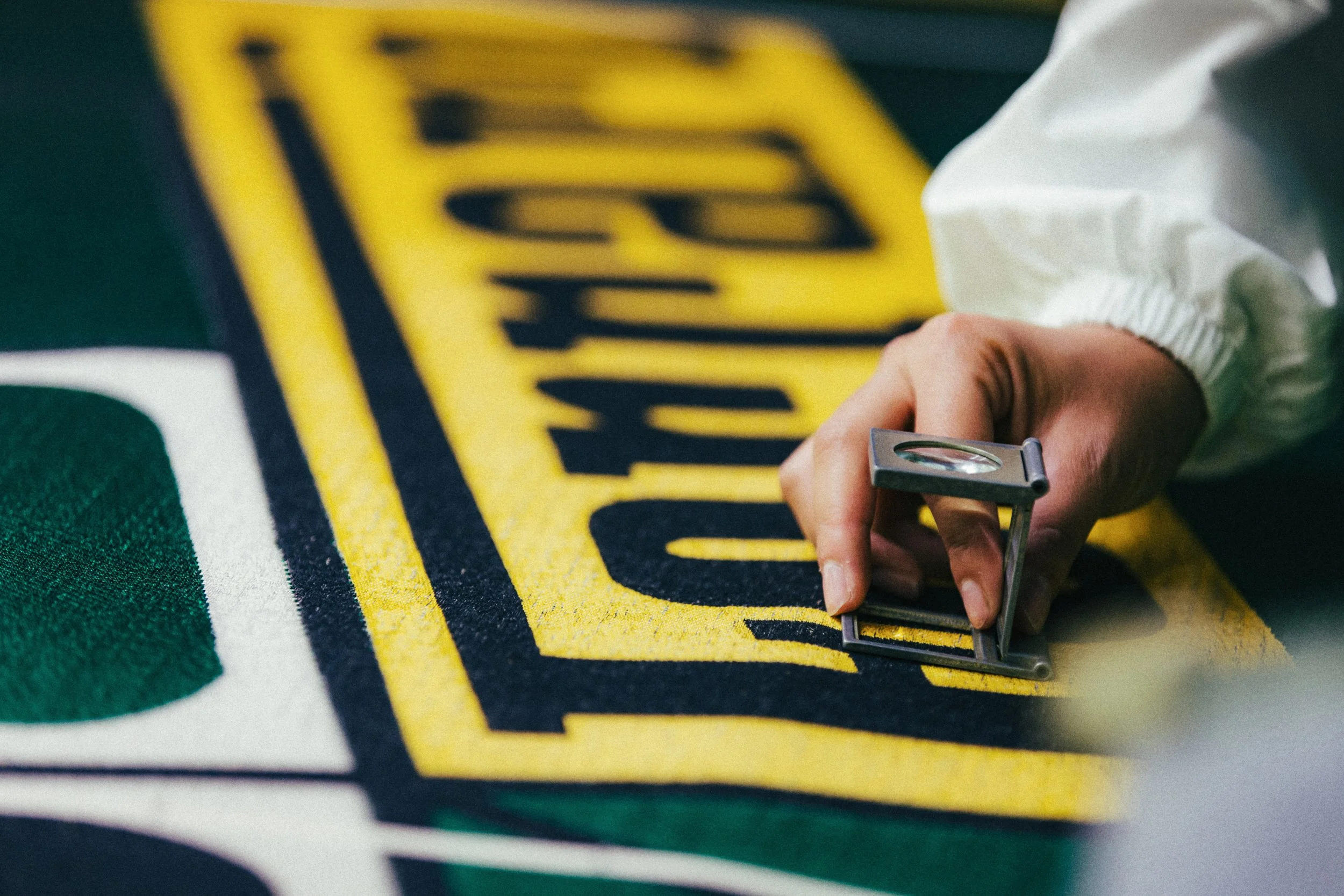
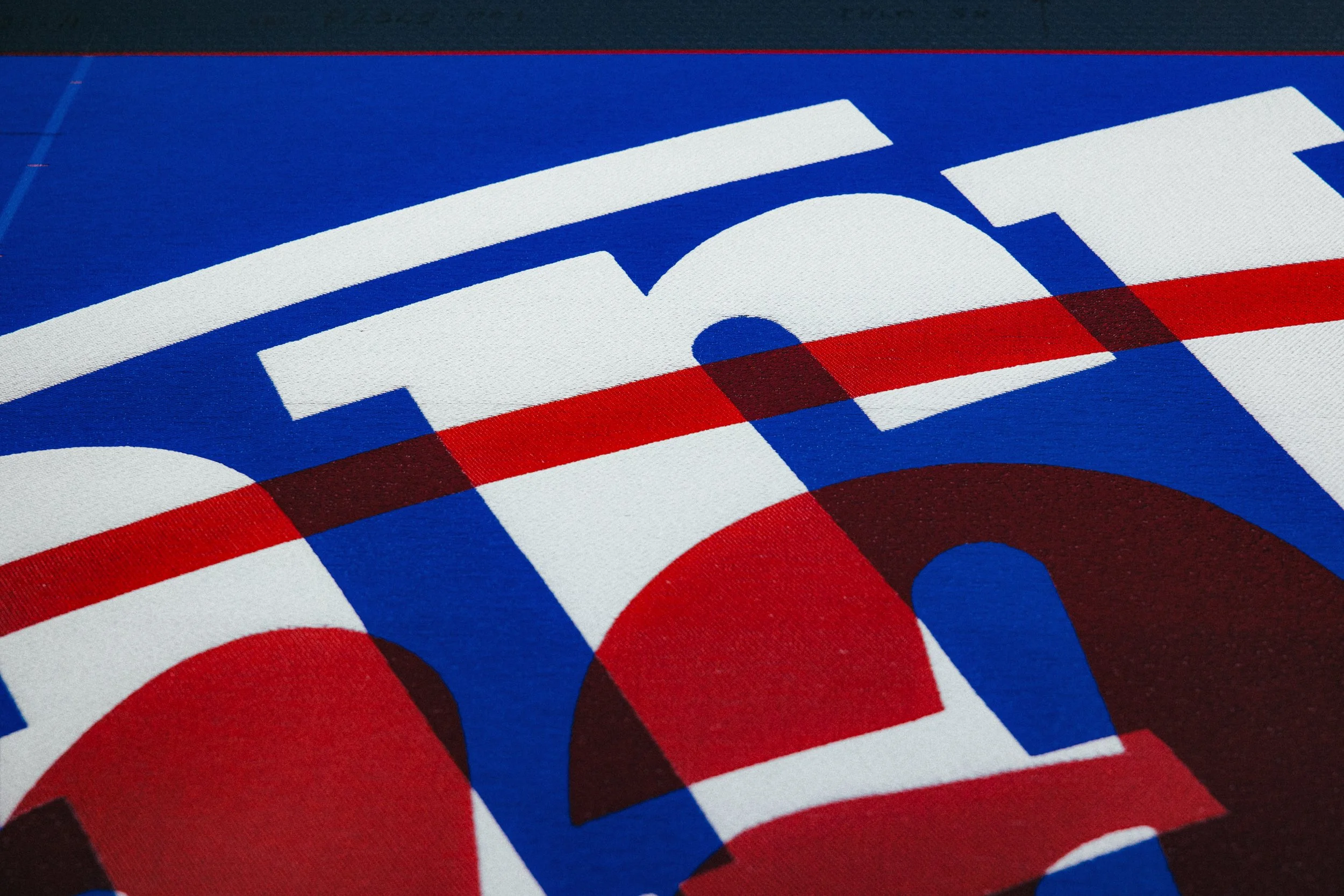
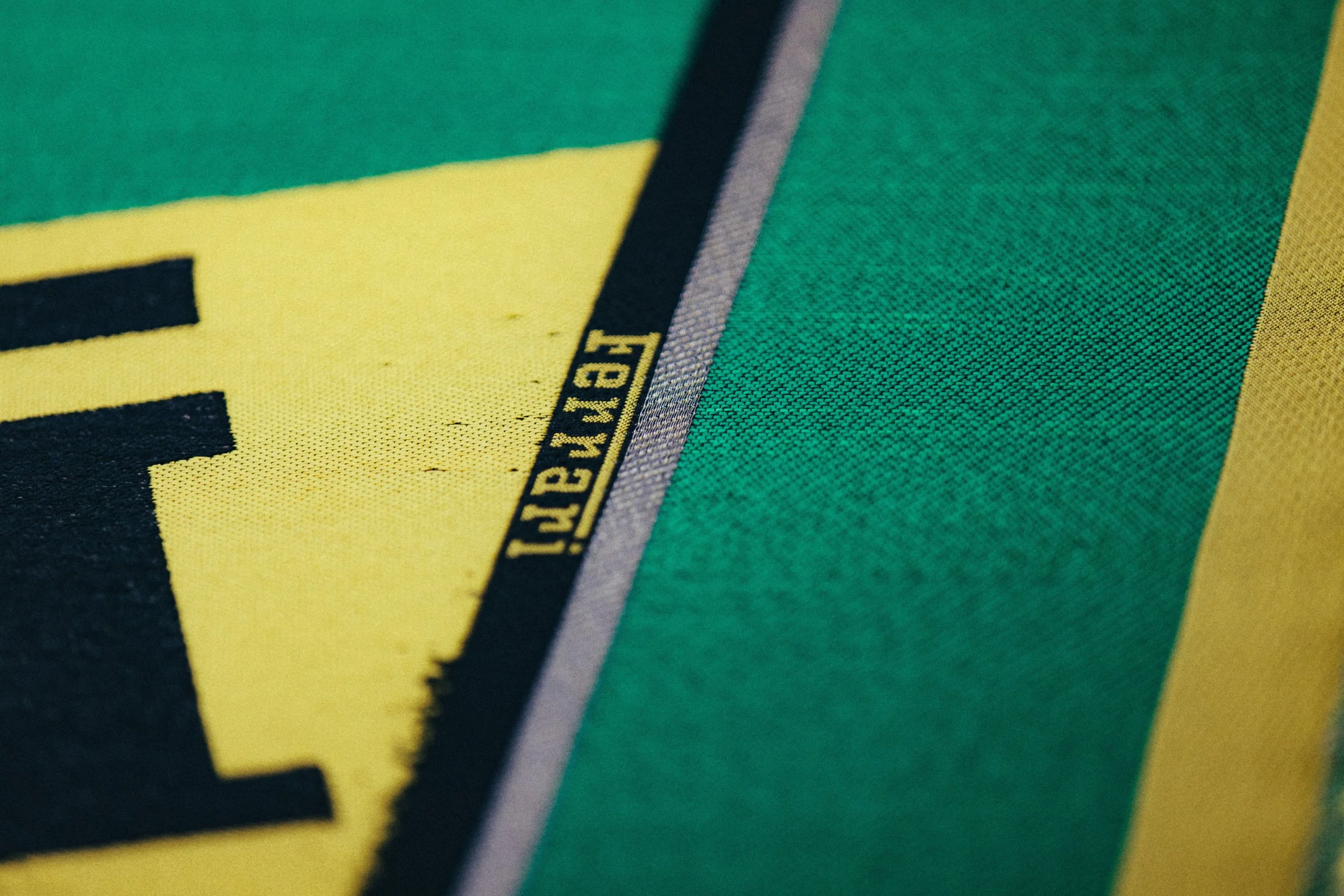
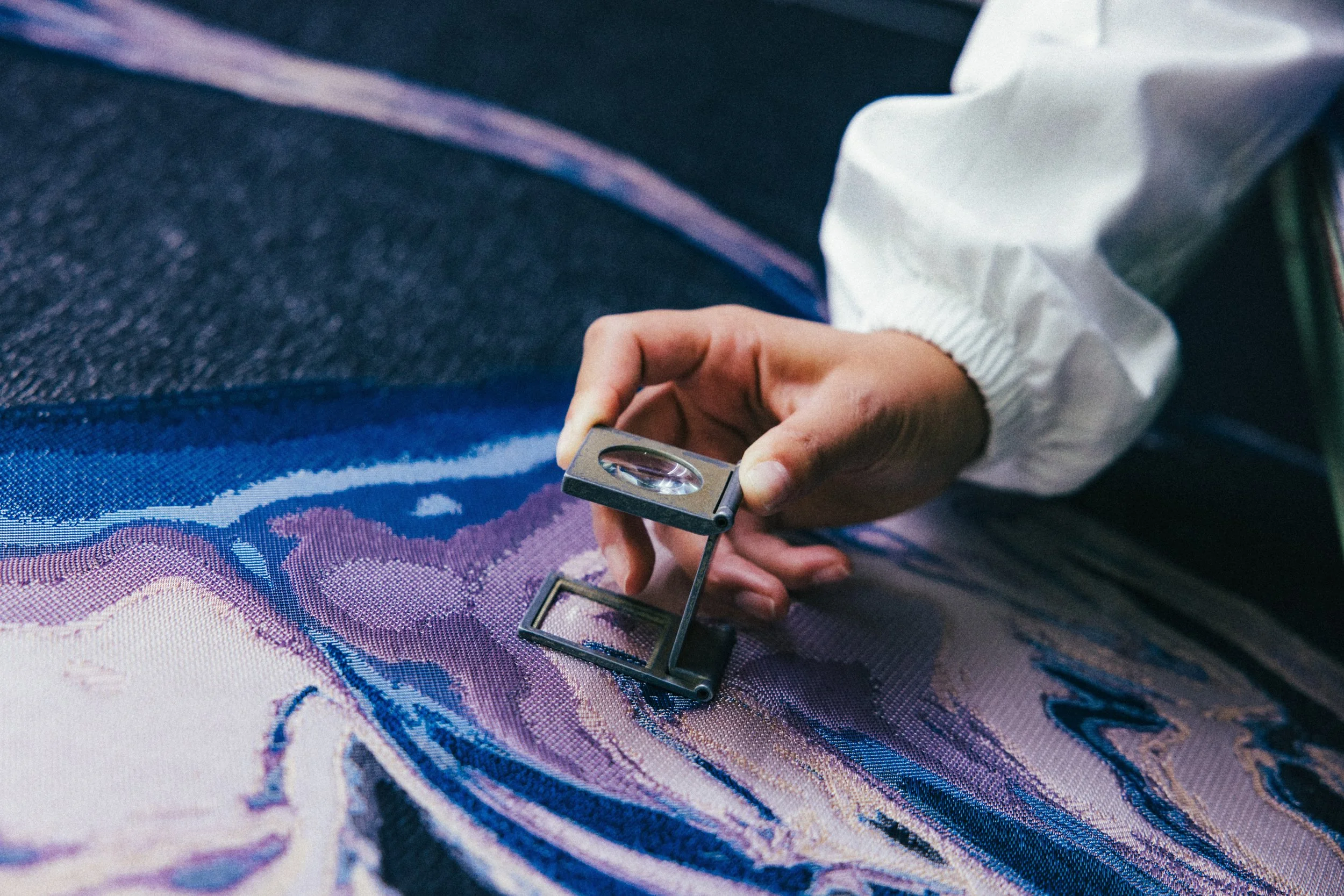
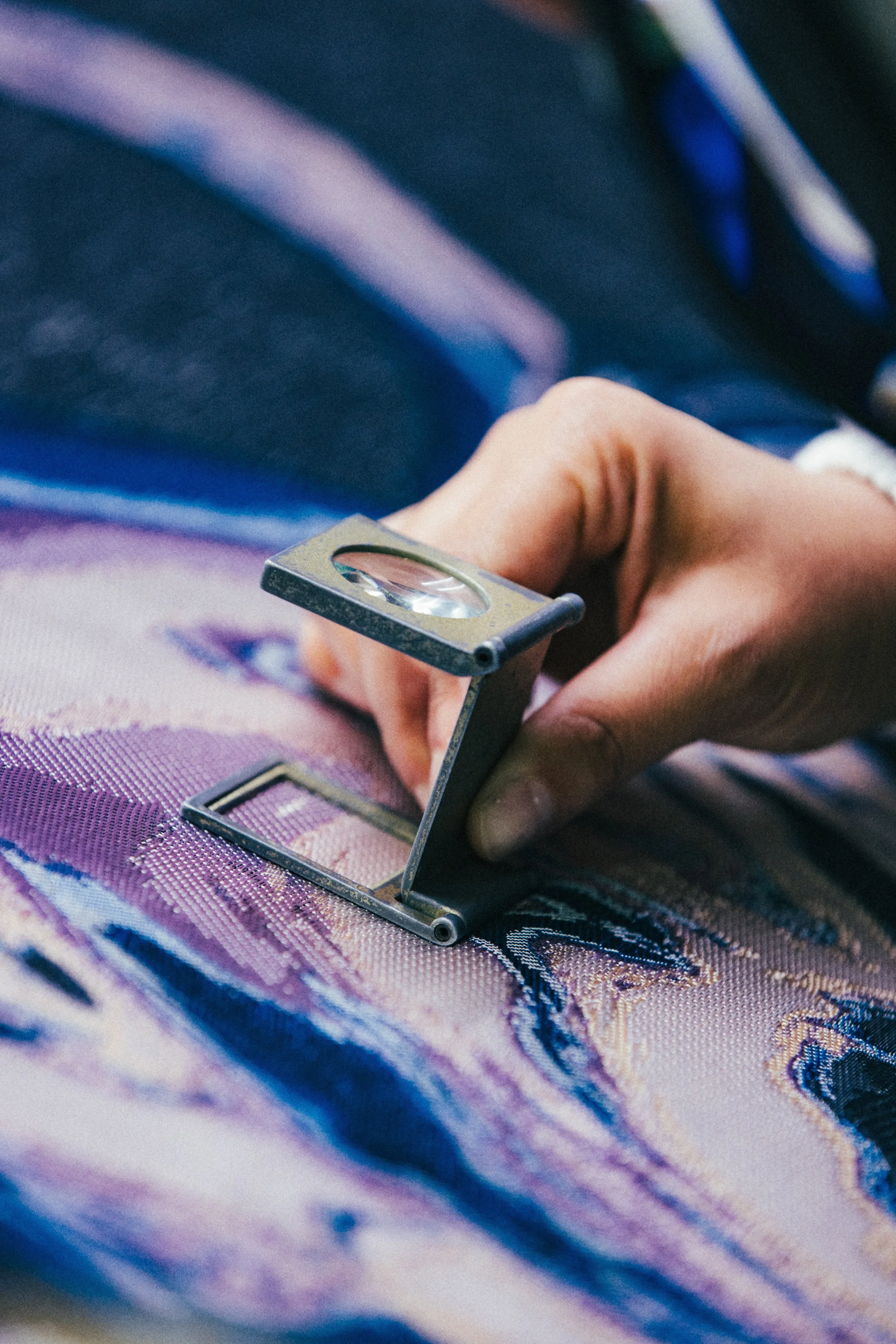
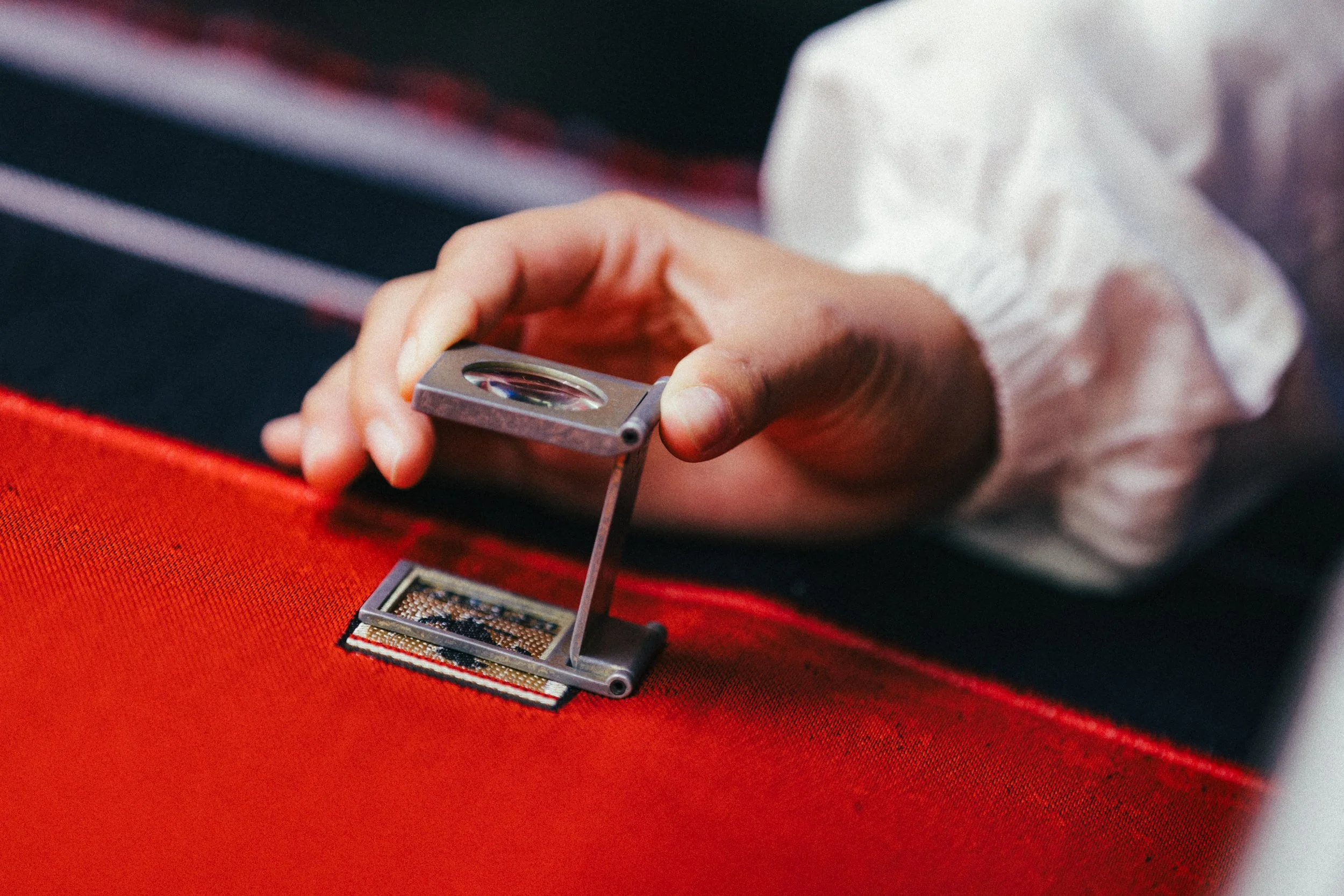
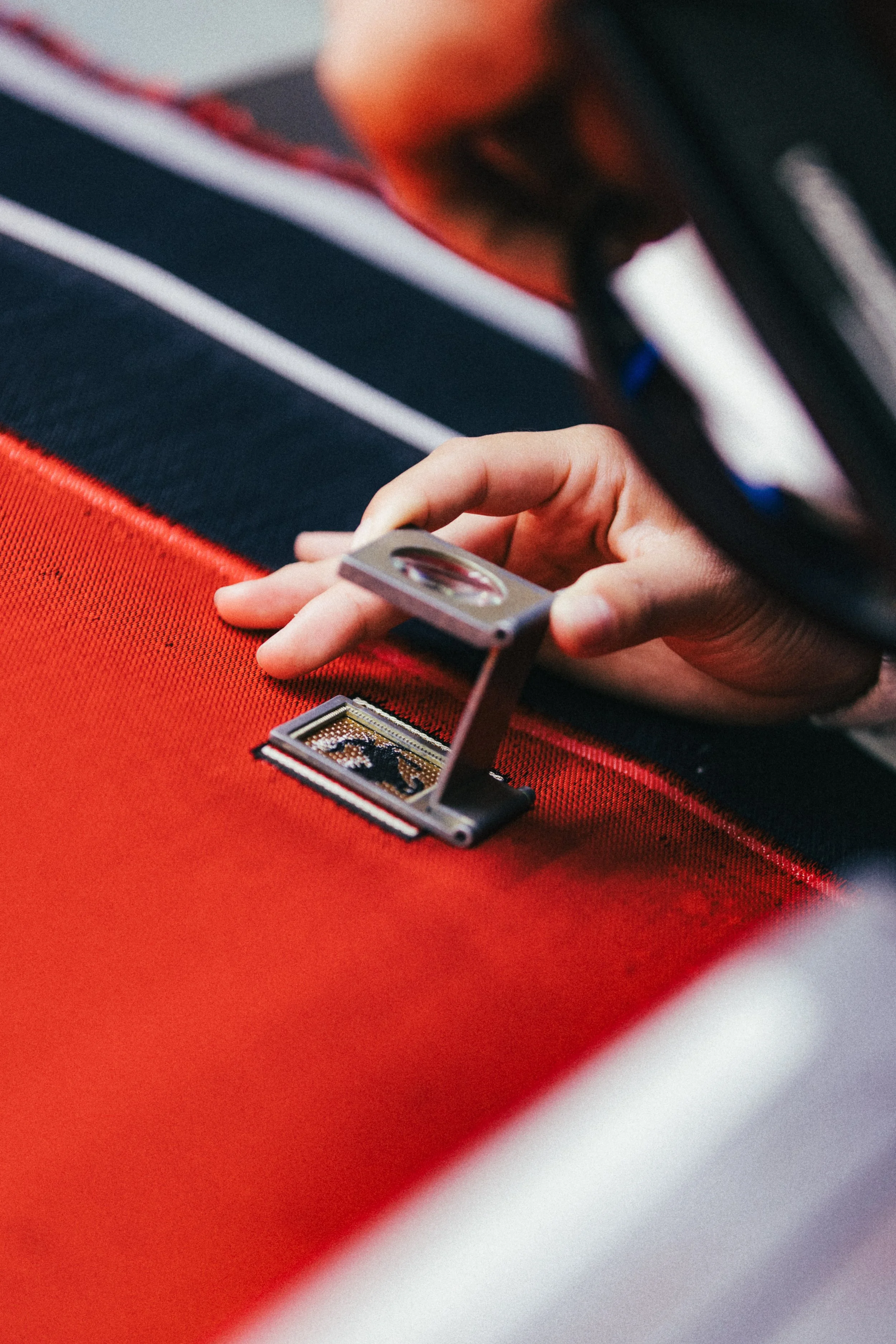
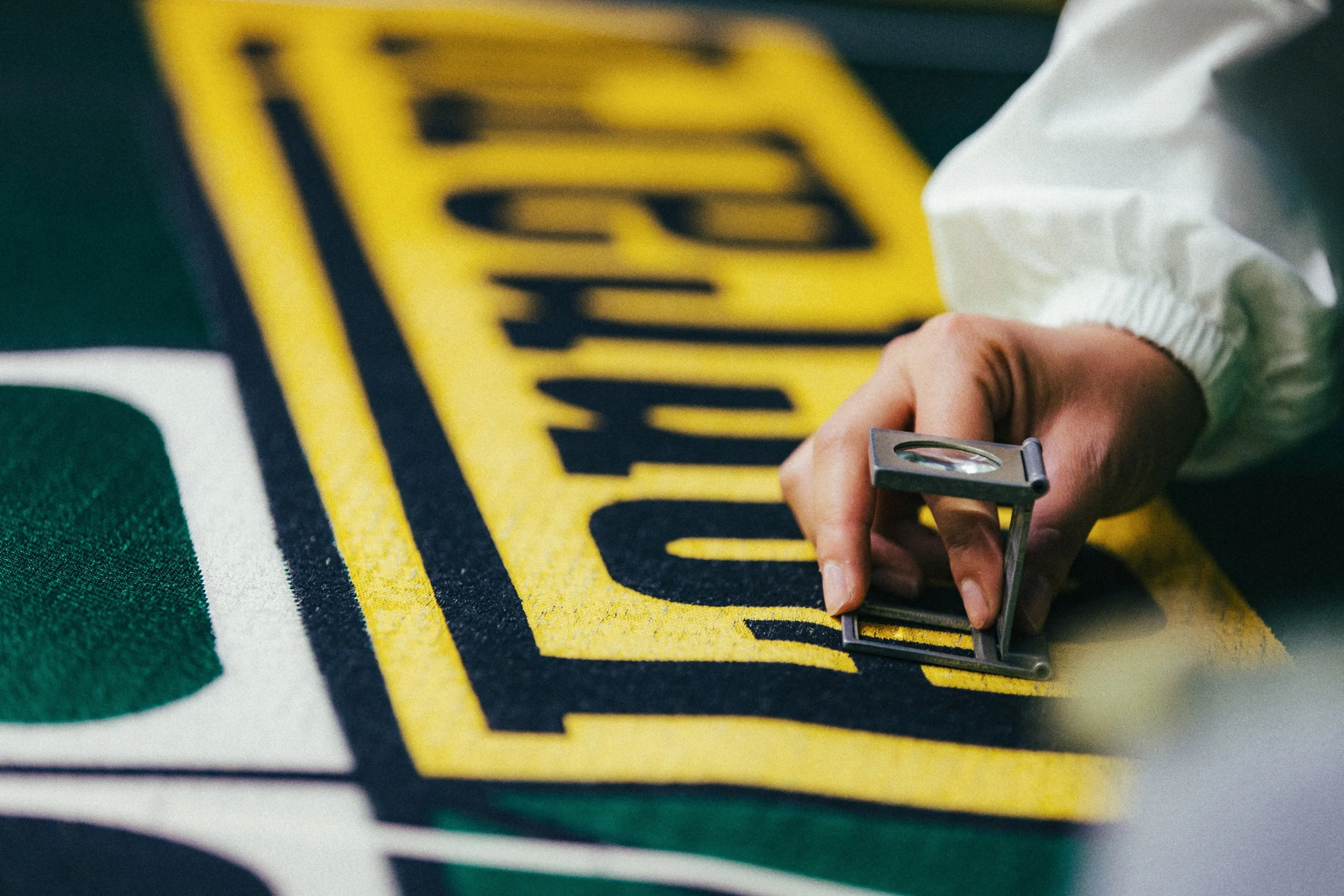
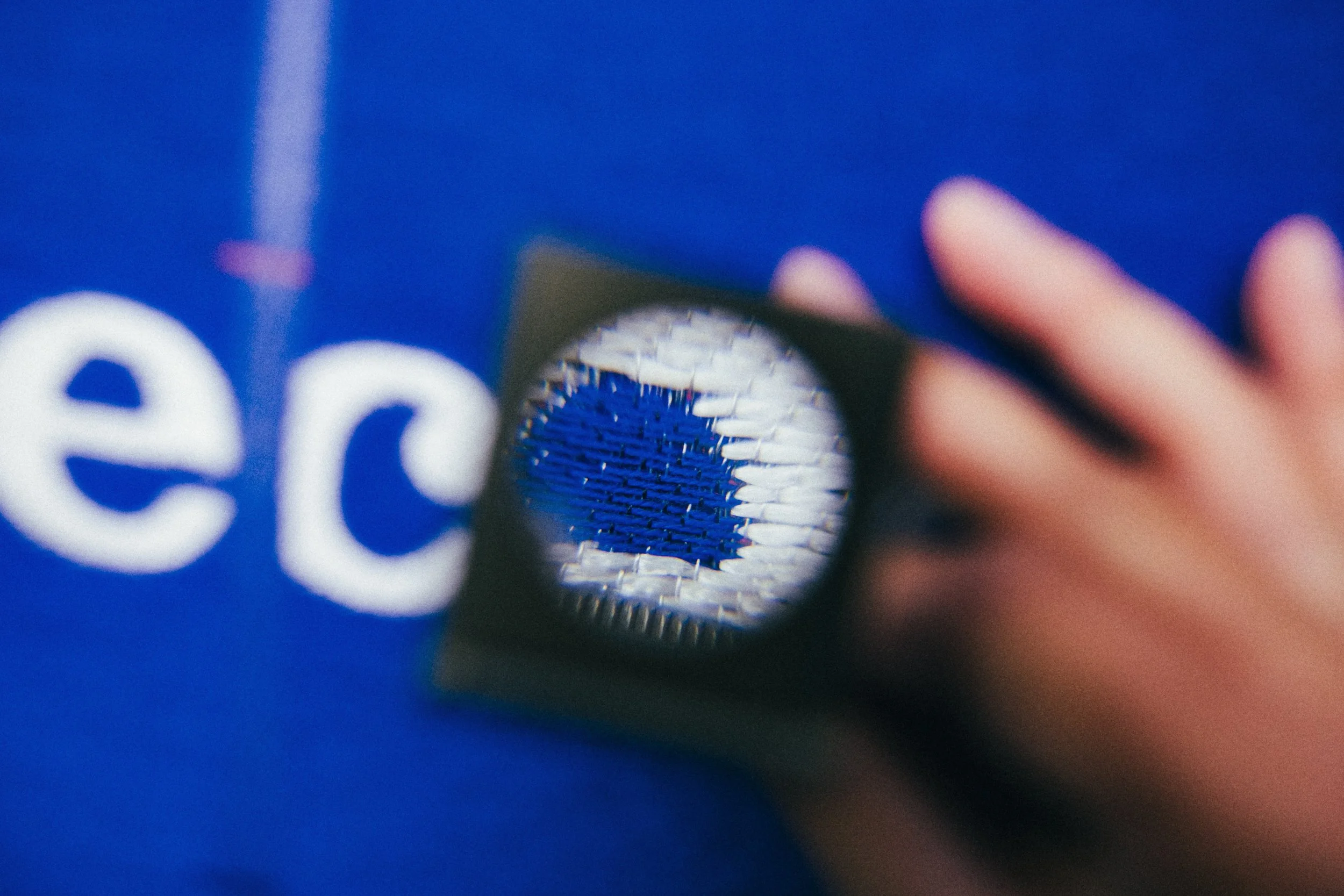
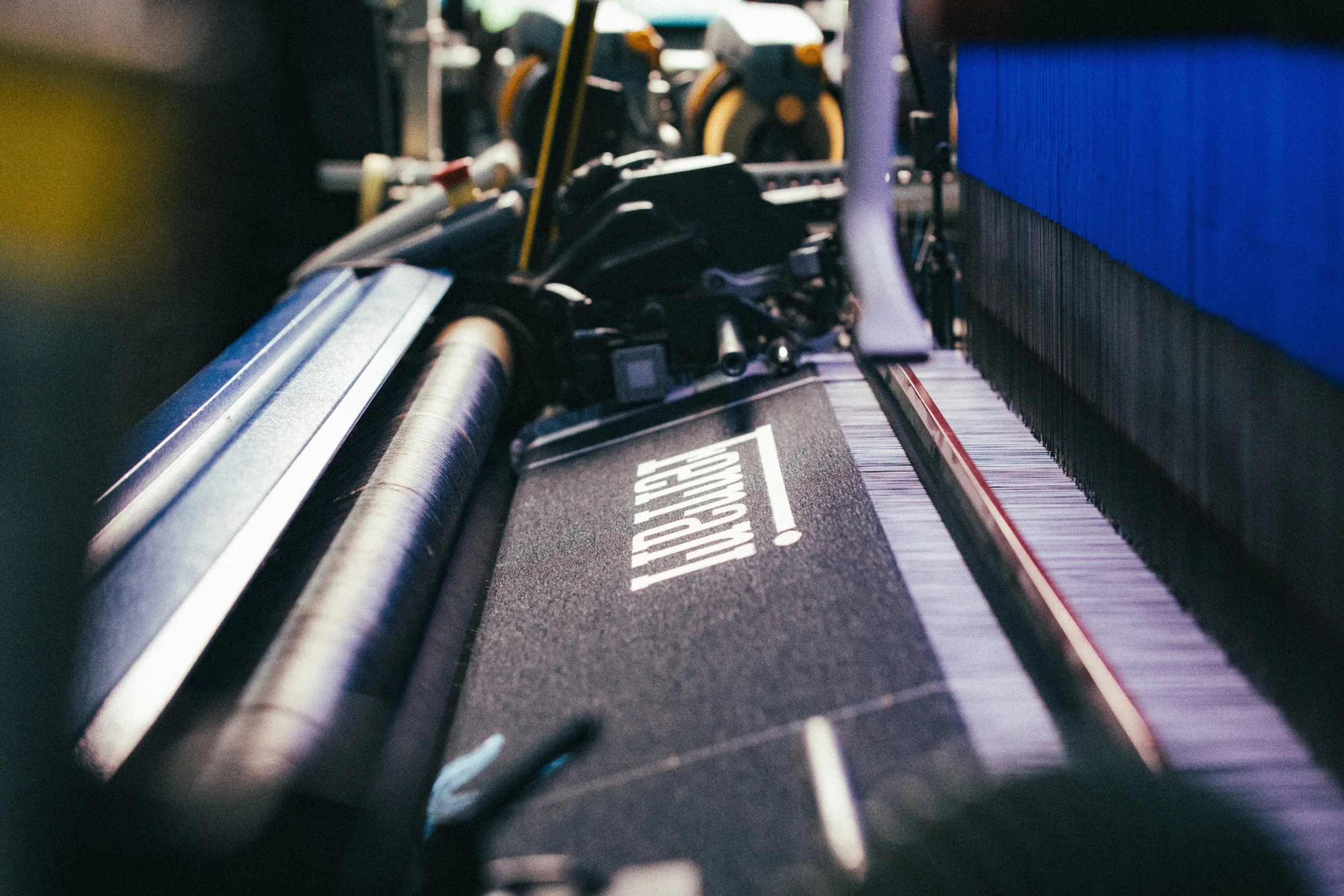
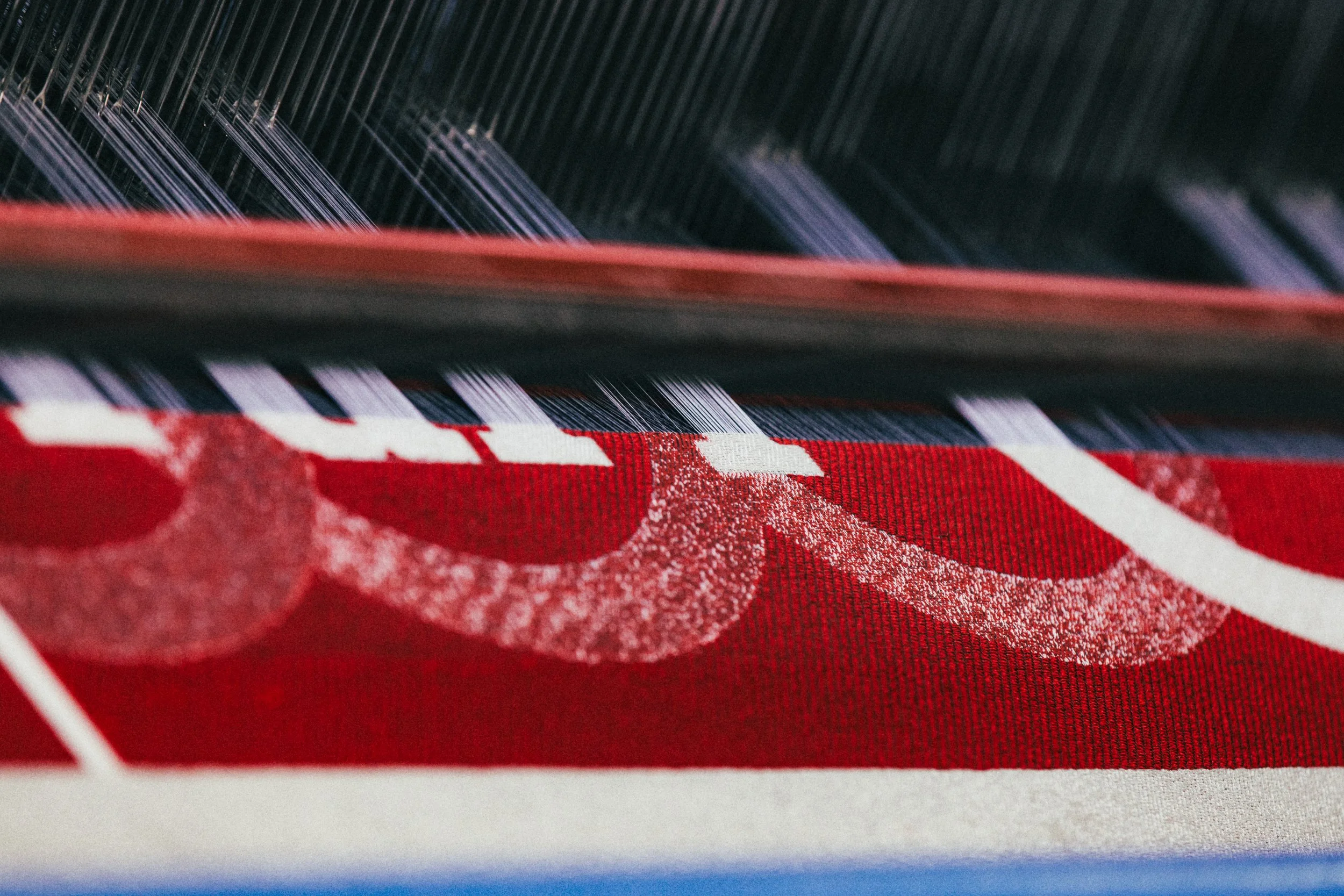
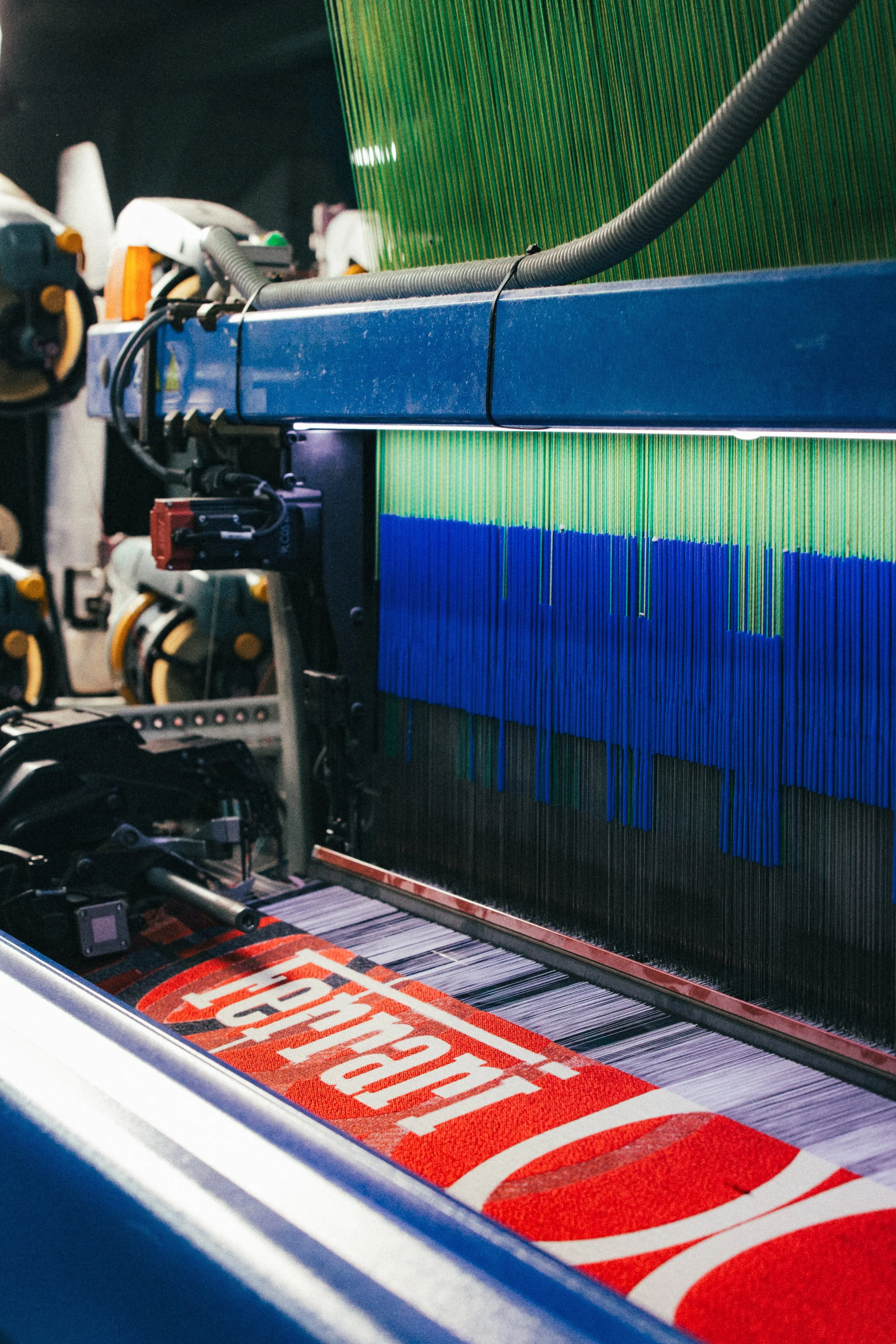
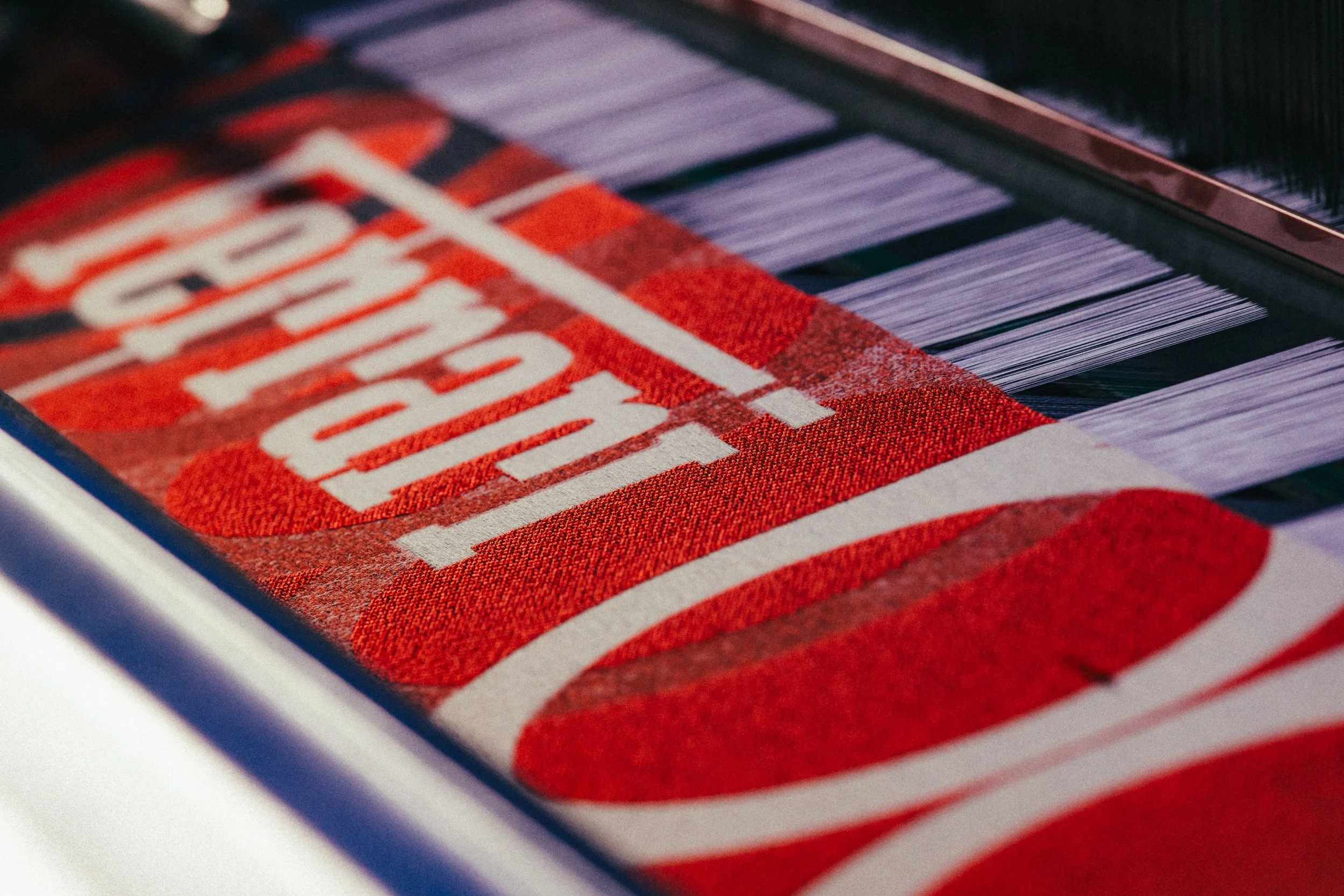
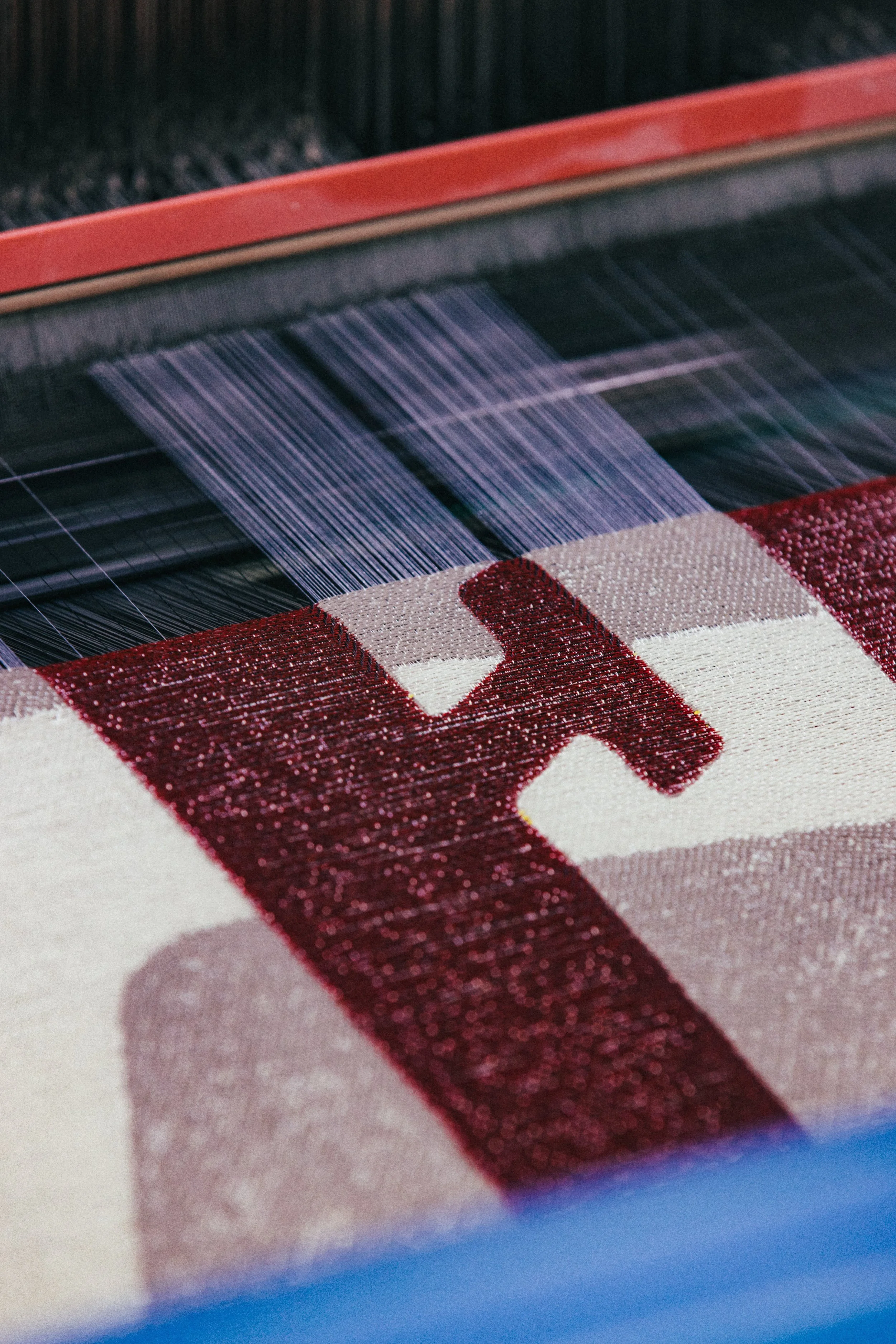
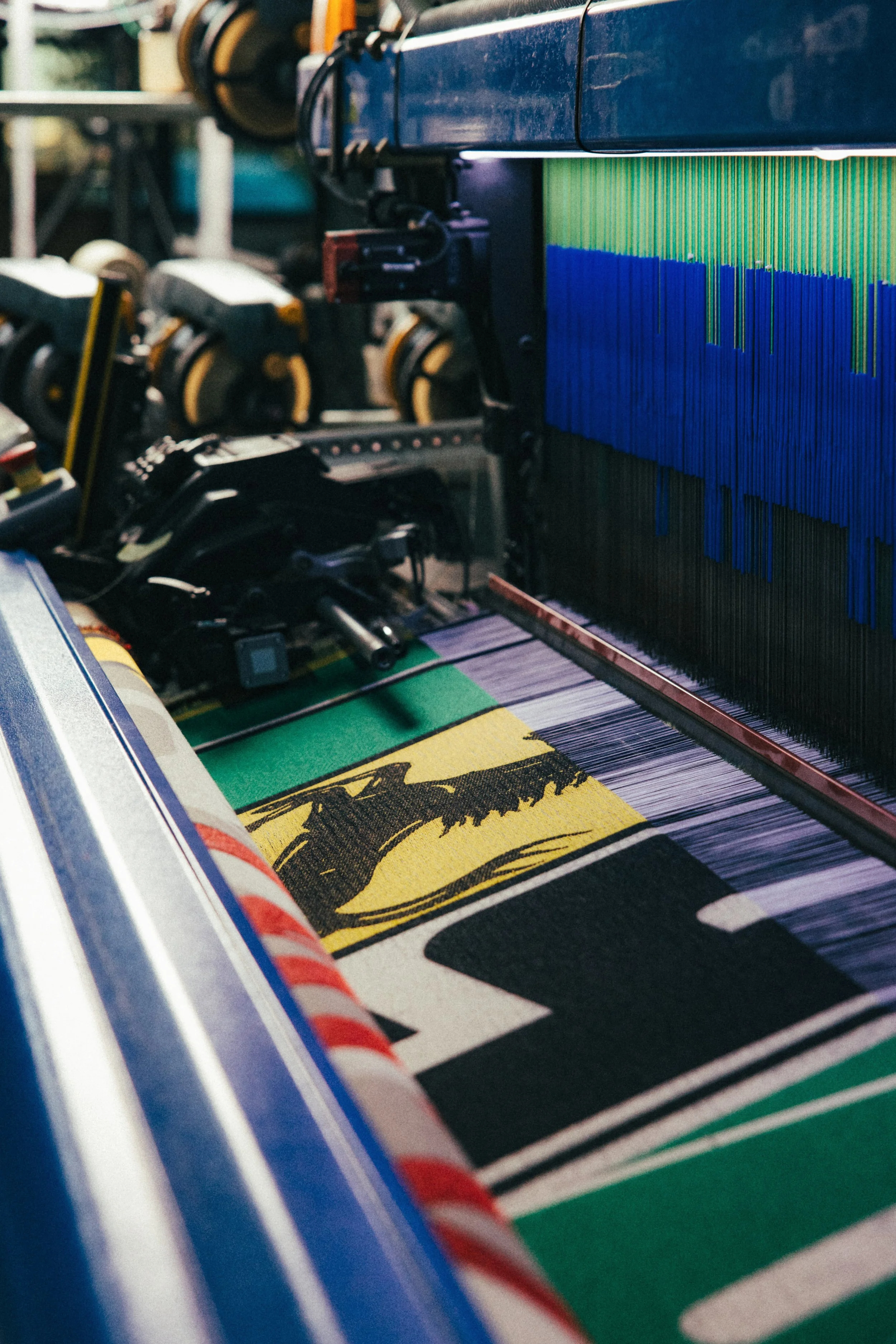
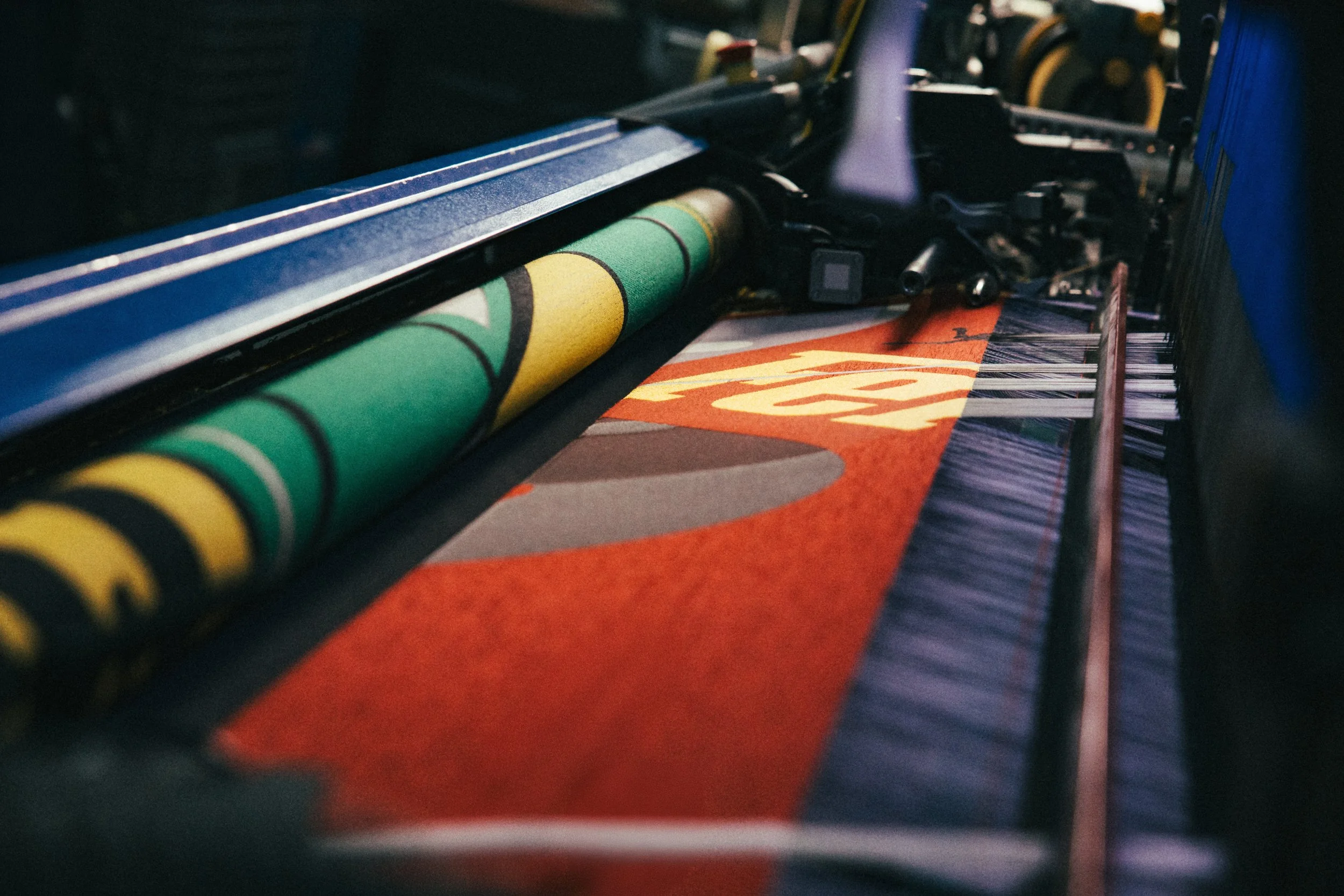
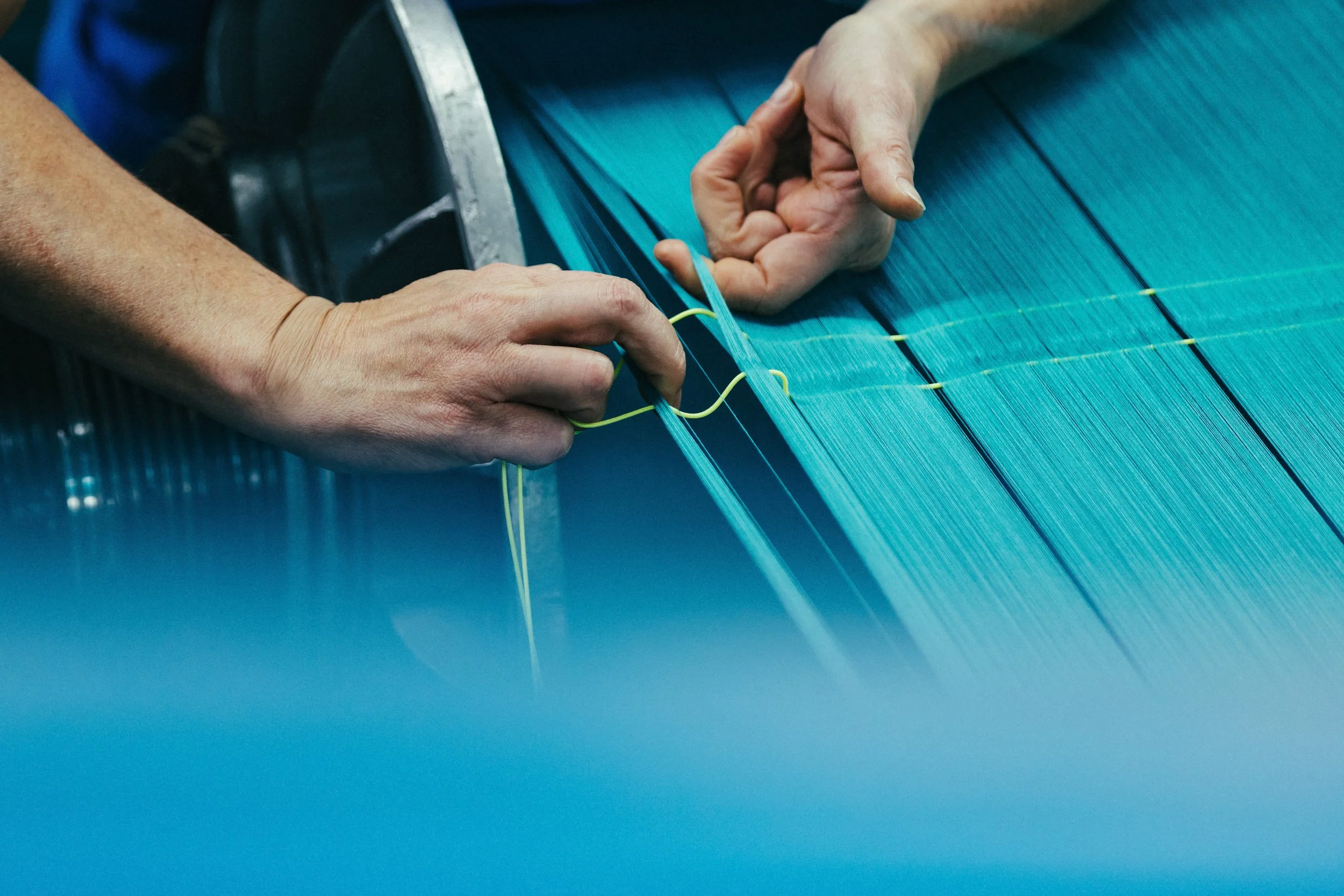
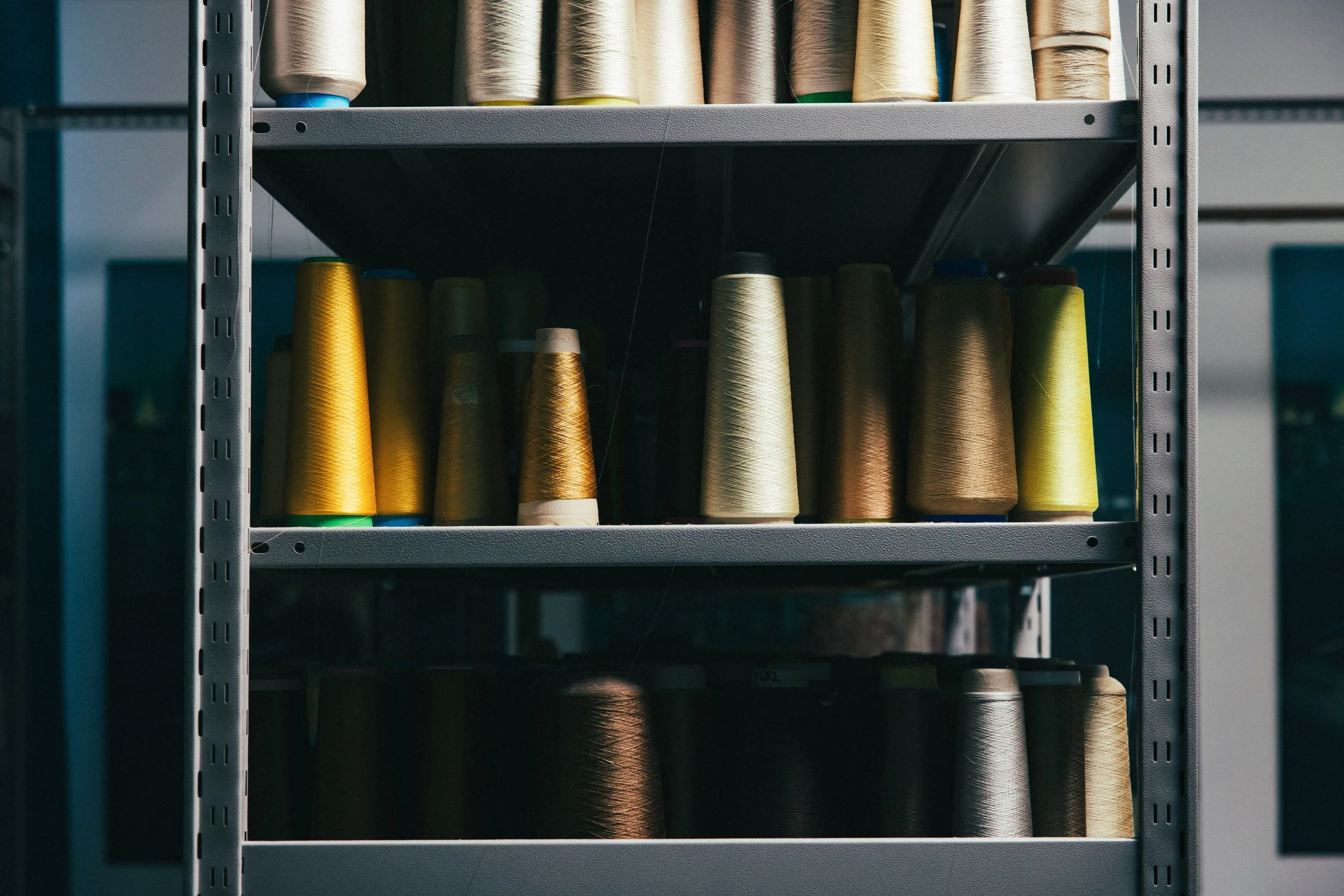
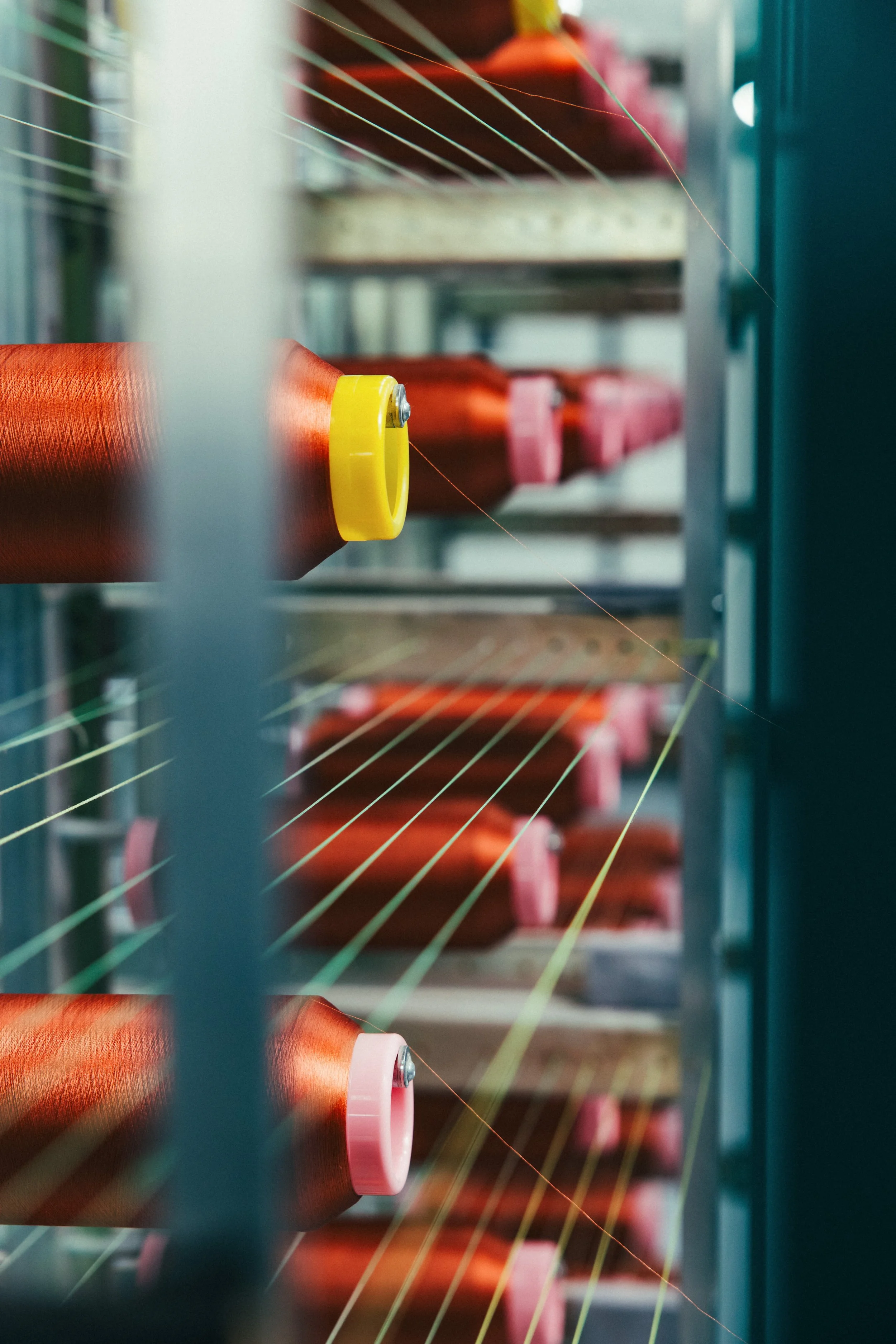
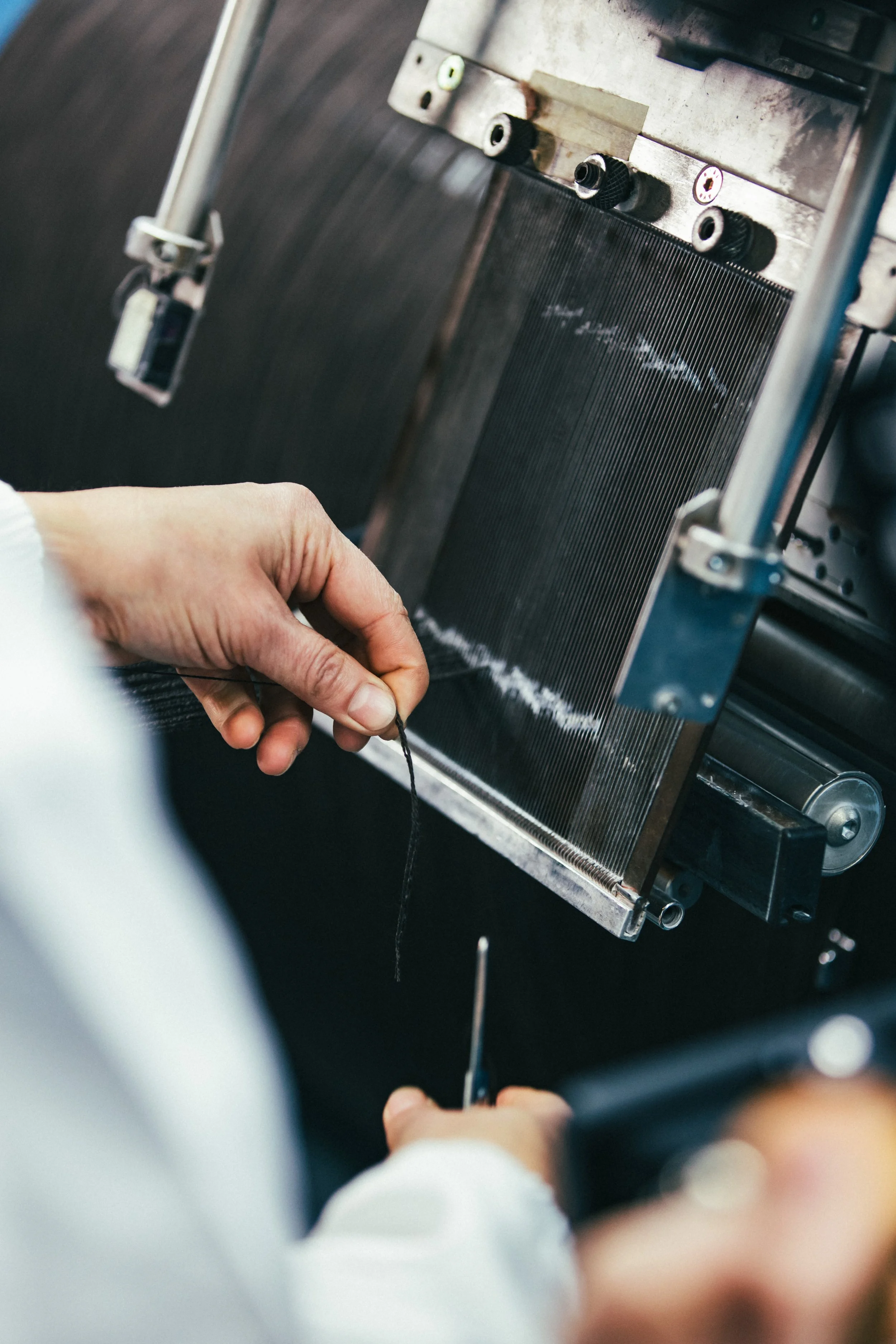
That transformation required considerable technical precision. Working alongside Iannone, Rubelli developed an intricate jacquard construction that translates the original printed covers into richly textured textile compositions. More than 200 weaving structures were tested to achieve the desired definition, tonal variations, and vintage qualities of the original imagery.
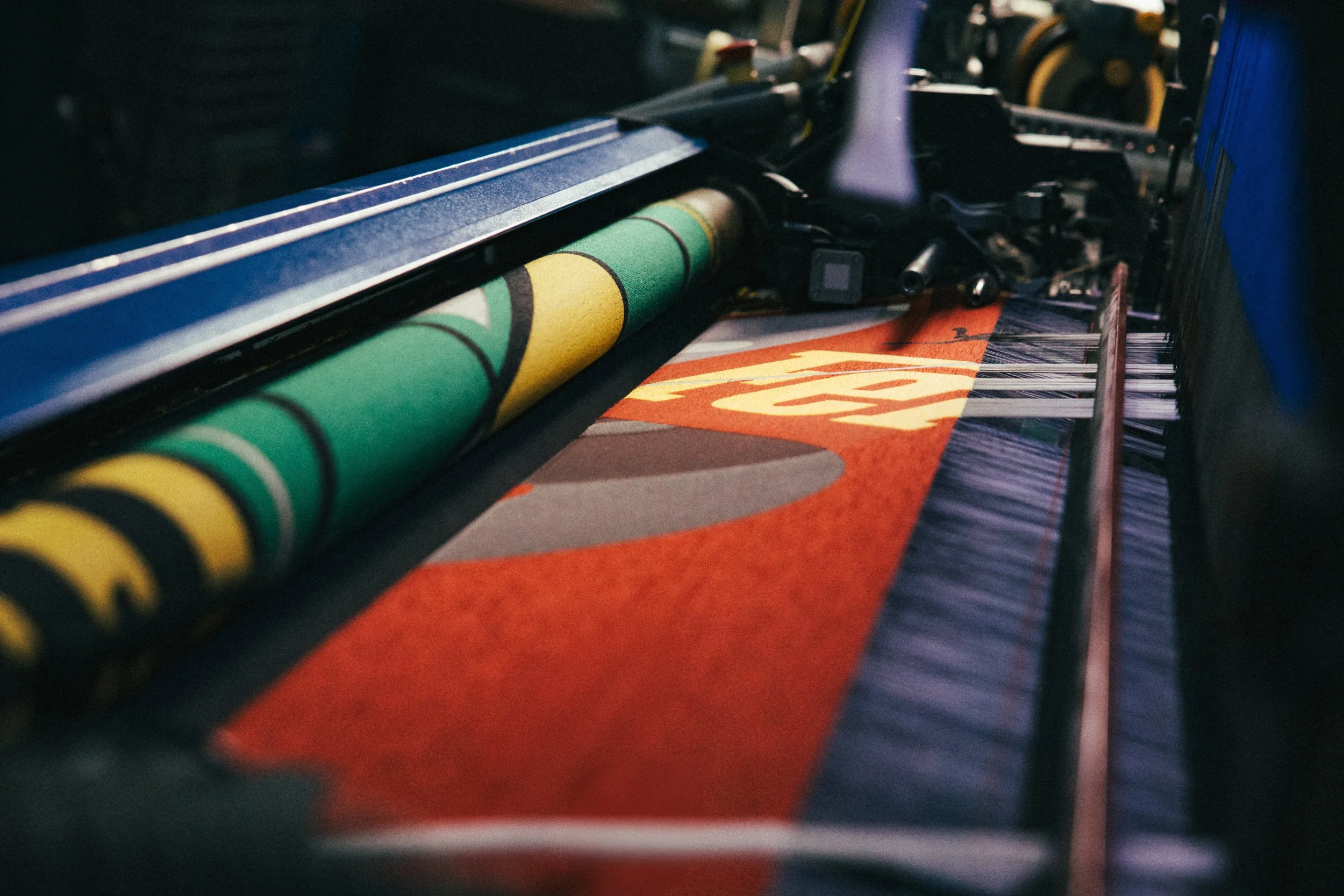
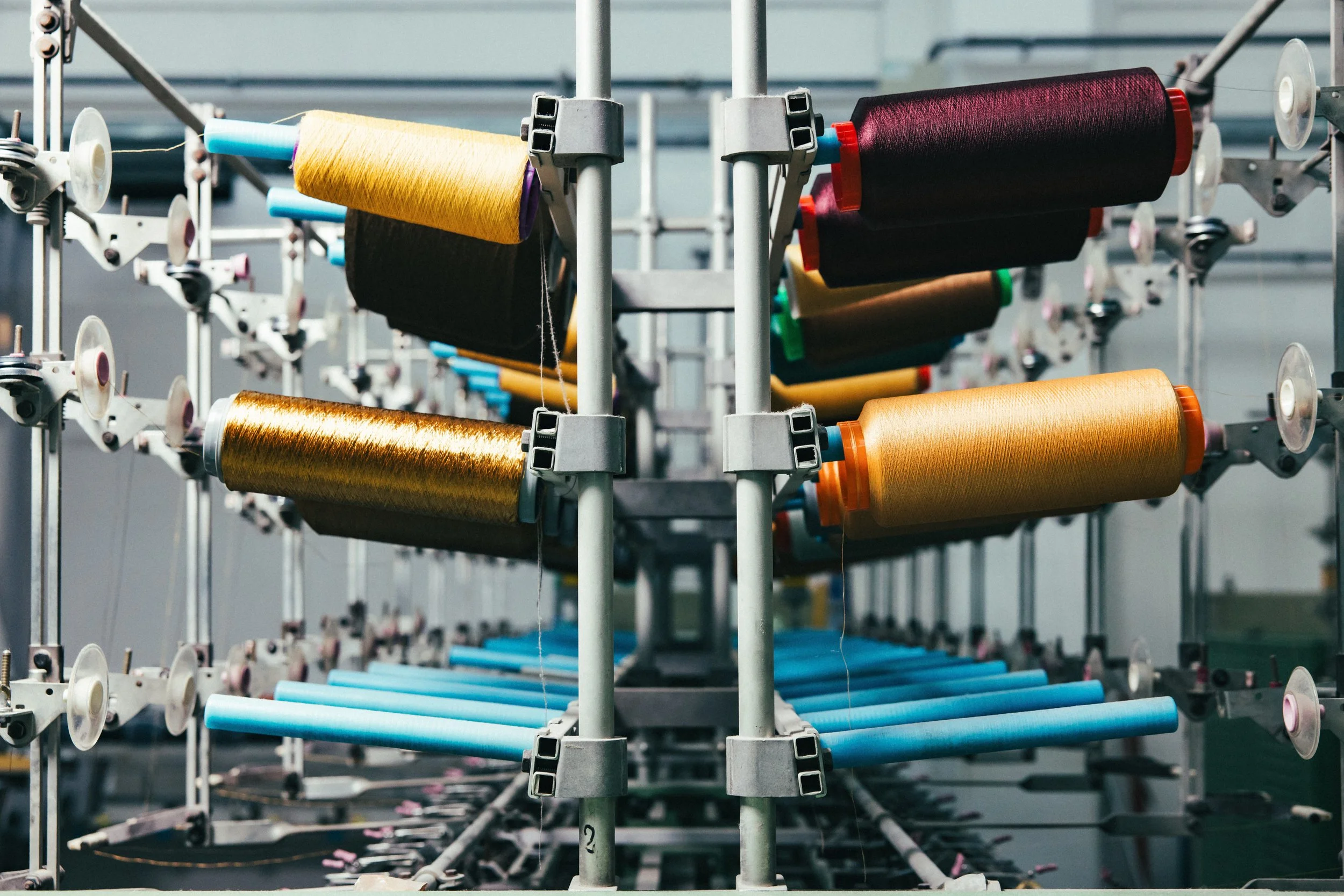
The resulting tapestries feature approximately 7,000 warp and weft interlacings per square centimeter, with individually calibrated yarn colors and Rubelli's signature cordonetto technique introducing dimensionality through contrasting matte and glossy surfaces. Each finished piece measures approximately 190 × 260 centimeters and requires two months of production, involving 15 people, 86 kilograms of yarn, and more than 50 colors.
For Andrea Favaretto Rubelli, CEO of the textile house, the undertaking was as much about honoring craftsmanship as it was about celebrating Ferrari's cultural legacy.
“We could never have settled for simply making beautiful fabric,” Favaretto Rubelli says. “Our ambition was to create works worthy of a place in the millennia-long history of textile art.”
The collaboration also reflects a shared appreciation for the relationship between design, material, and skilled craftsmanship. With more than 135 years of textile expertise, Rubelli brings a heritage of Venetian weaving into conversation with Ferrari's automotive and graphic history.
Ultimately, Ferrari × Rubelli demonstrates how an archive can become more than a reference point. By translating historical imagery into monumental textile compositions, the partnership gives Ferrari's visual heritage a different kind of permanence, bridging automotive culture, decorative arts, and contemporary design.
The nine tapestries debuted at Ferrari's New York runway presentation on November 12 and will be available for purchase.
HOW DO YOU FEEL ABOUT FASHION?
COMMENT OR TAKE OUR PAGE READER SURVEY
Featured
Basic.Space returns to New York with a weeklong SoHo exhibition curated by Alexander May, bringing together collectible design, contemporary art, fashion, and sound in an immersive retail experience that connects cultural discovery with commerce.