
How Athlete Collaborations Are Redefining Performance and Lifestyle Eyewear
PAGE
By PAGE Editor
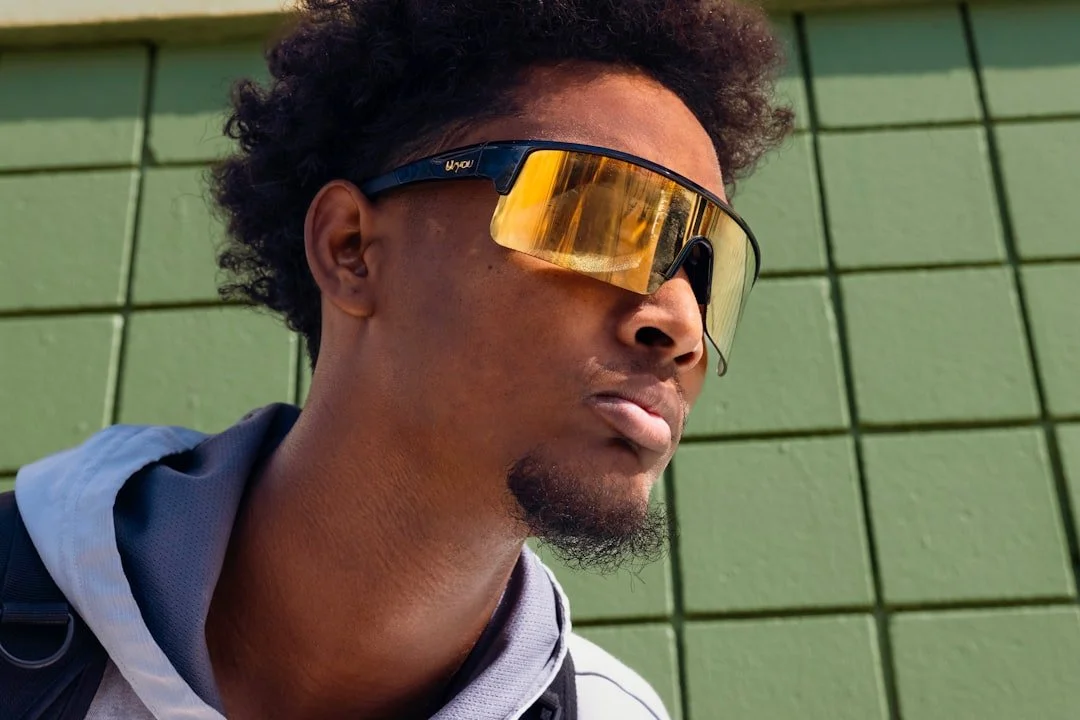
Sports eyewear was once a specialized tool designed to protect an athlete’s vision during competition and enhance performance. Today, however, its role has expanded significantly. Models bearing athletes’ names are worn not only on the field but also on the streets, becoming products that blend functionality and fashion with the athletes’ personal images.
To understand this shift, we need to look beyond the eyewear industry alone. This is because an increasing number of companies—from sports and fashion brands to media outlets and sports-related service providers—are placing collaborations with athletes at the center of their brand strategies. Athletes are no longer merely advertising icons; they have become cultural ambassadors who convey a brand’s narrative.
From Functional Gear to Cultural Statement
Oakley is one of the brands that symbolizes this shift. For many years, the company has developed performance eyewear and, through collaborations with athletes, has combined lens performance, fit, durability, and design. Its ongoing collaboration with NFL player Justin Jefferson also illustrates this direction.
The value of these signature products lies beyond simply lending a celebrity’s name. What do athletes need during competition, and what styles do they choose off the field? The significance lies in the ability to reflect both of these aspects in product design and marketing.
For consumers, too, collaborations with athletes change the reasons behind their purchasing decisions. This is because they can understand a product not only in terms of lens performance and weight, but also in terms of the competitive spirit, personality, and lifestyle that the athlete embodies. Eyewear is not only a functional tool but also a means for the wearer to express their identity.
The Expanding Reach of Athlete Partnerships
As the relationship between sports and brands expands across national borders, it would be interesting to take a look at Japan, which is emerging as one of the most exciting markets. Japanese soccer culture is linked not only to the domestic league but also to interest in overseas competitions such as European soccer and the World Cup; it is not uncommon for international star players to enjoy high name recognition among Japanese fans. In such markets, an athlete’s fame itself serves to bridge the gap between international brands and local fans.
One example illustrating this dynamic is the collaboration between former Spanish national team player Fernando Torres and a Japanese sports-related service. Torres, who won the 2010 FIFA World Cup and played for top European clubs, also played in Japan’s J League. His appointment as a brand ambassador for a Japanese focused betting site Yuugado can be seen as an example of how a world-class soccer player’s international fame and the connections he has built with fans in Japan are leveraged for brand communication.
Similarly, partnerships between European soccer clubs and sports-related brands also demonstrate the significant international influence that athletes and clubs possess. In July 2025, Leeds United announced a partnership with Parimatch, revealing that the brand’s logo would appear on the sleeves of the men’s first-team jerseys. Furthermore, the agreement expands brand exposure to the stadium, training facilities, and digital content.
What these examples reveal is that an athlete’s value is no longer determined solely by competitive performance. The international recognition of players and clubs, their connections with fans in various regions, and the stories that emerge from these relationships are bringing together brands from different markets.
Design, Identity, and Everyday Wearability
For signature eyewear to be successful, brand recognition alone is not enough. It must strike a balance between the performance required for competition and a design that fits naturally into everyday life.
Technical elements such as lens clarity, facial fit, lightweight construction, and durability are the foundation of performance eyewear. At the same time, the frame shape, materials, color, and logo placement define the wearer’s style.
Collaborations with athletes are crucial because they allow these two values to be woven into a single narrative. The fact that the product is actually used in competition lends credibility to its functionality, while the athlete’s individuality gives meaning to the design. As a result, the product straddles the line between sports equipment and a fashion item.
What Athlete-Driven Collaborations Signal for the Future
In future athlete collaborations, the consistency of the relationship between the brand and the athlete will become more important than simply featuring a famous athlete.
Consumers are becoming increasingly adept at distinguishing between relationships created solely for advertising purposes and collaborations that reflect the athlete’s own competitive experience and values. That is precisely why it is necessary to align the three elements—product functionality, design, and story—in a single direction.
The evolution of sports eyewear is not merely a shift within the sporting goods market. It is also an example of how athletes have transformed into figures who shape brand culture. When performance honed on the field merges with an athlete’s individuality and personal story, eyewear transcends its role as a mere tool and becomes a cultural object that reflects the wearer’s own style and values.
HOW DO YOU FEEL ABOUT FASHION?
COMMENT OR TAKE OUR PAGE READER SURVEY
Featured





Deep clean, seal, and protect your tile & grout in Oceanside, CA. Bring the original shine back to your floors. Request a quote today!