
How to Plan a Culture-Focused First Trip to China
PAGE
By PAGE Editor
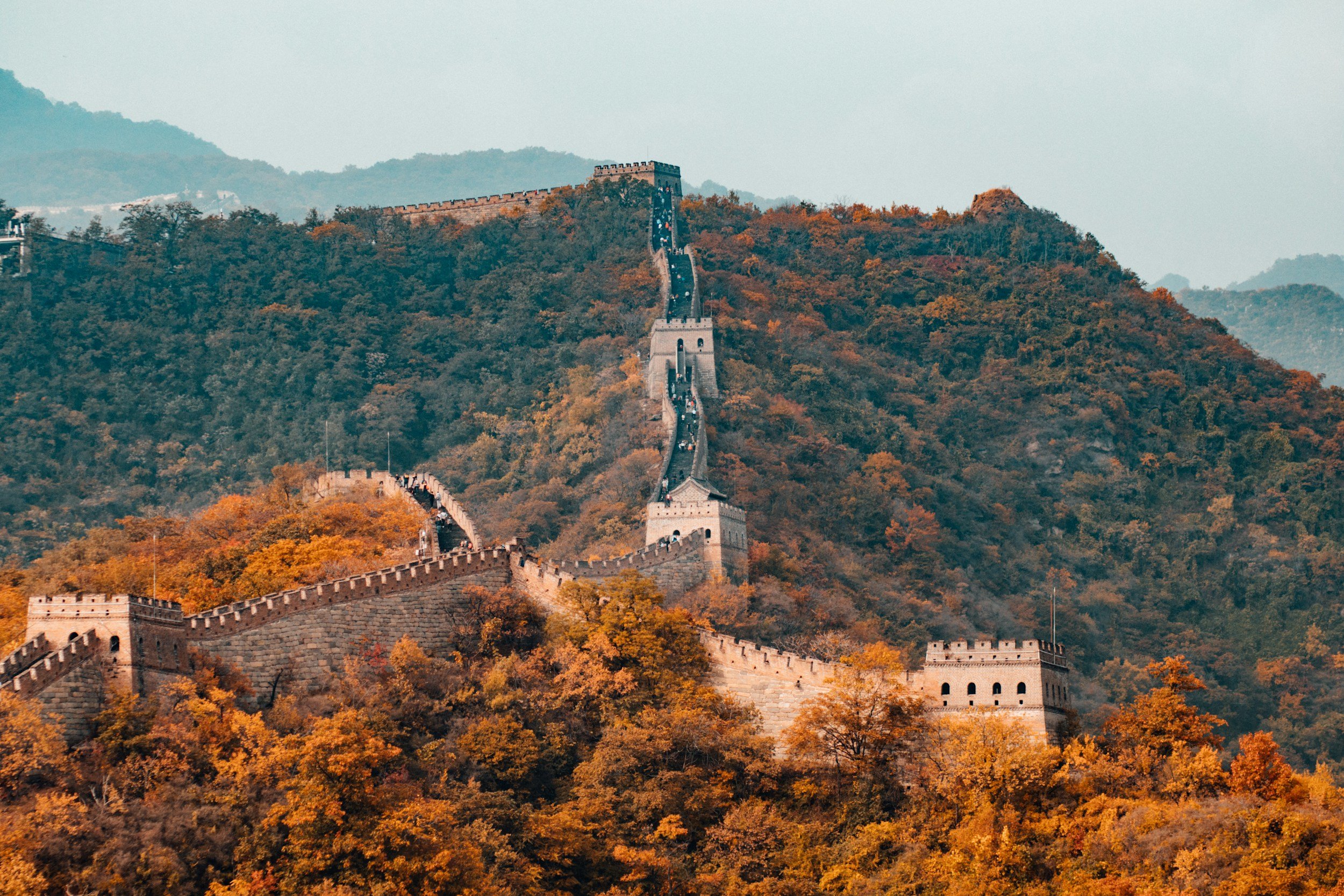
A first trip to China can quickly become a list of famous sights: the Great Wall, palace courtyards, glittering skylines, and crowded food streets. Yet a memorable cultural journey needs more than an ambitious itinerary. It needs time to notice how people live, what they make, and how history appears in everyday spaces.
For travelers interested in art, fashion, architecture, and food, the most useful starting point is curiosity. Choose a few interests, build a realistic route around them, and handle practical arrangements early enough to enjoy the experience once you arrive.
Start With What You Want to Discover
Before choosing hotels, ask what draws you to China. Is it garden design, regional cooking, contemporary art, traditional textiles, or the relationship between old neighborhoods and modern cities? Two or three interests can give your trip a clearer direction.
These interests also make decisions easier. Someone fascinated by craftsmanship might prioritize a museum and a guided workshop. An architecture enthusiast might spend that same afternoon exploring a neighborhood on foot. Neither needs to visit every landmark to have a rewarding first trip.
Keep Your Travel Route Manageable
Resist the temptation to fit the whole country into one holiday. For a visit of around ten days, consider two main bases, allowing for arrival fatigue and travel between destinations. Treat this as a planning framework rather than a fixed formula.
Beijing and Shanghai offer one possible pairing for travelers interested in historic settings and urban design. Alternatively, make Shanghai your main base and explore Suzhou for a closer look at garden aesthetics. UNESCO describes the Classical Gardens of Suzhou as landscapes that recreate nature in miniature.
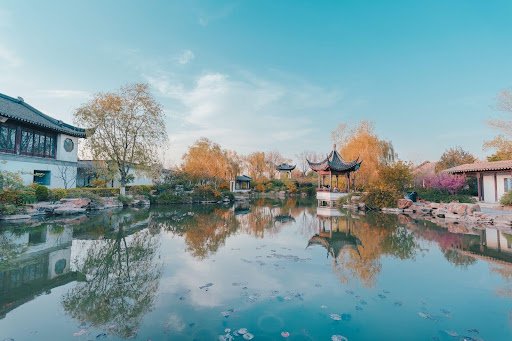
Whatever route you choose, count travel days honestly. Packing, reaching a station or airport, checking in, and finding your next hotel all take time. A shorter destination list leaves more room to understand the places you visit.
Organize Your Travel Documents Early
Travel administration deserves attention while your plans are still flexible. Check the entry requirements that apply to your passport, travel purpose, and itinerary through the relevant Chinese embassy or consulate. For U.S. travelers applying through Los Angeles, the consulate publishes official visa application instructions.
If you need application assistance, China Visa Depot’s china visa service offers application preparation and supporting-document review for eligible applicants. Confirm that its service covers your circumstances before making arrangements.
Keep your application information consistent with your actual plans and allow time for any requested corrections. Private assistance can help organize the process; Chinese authorities determine visa decisions. Once the paperwork is underway, you can give more attention to the cultural experiences you want to include.
Build Each Day Around One Meaningful Experience
A useful daily rhythm is one main visit, one nearby walk, and an unhurried meal. This gives the day structure while leaving space for discoveries that never appeared in your research.
At a museum, choose a small number of galleries and look closely. Read the labels, notice materials, and ask what an object reveals about the people who used it. You might focus on the shape of a vessel, the stitching of a garment, or the way a painting organizes space.
Follow that visit with time outside. Details from the collection may change how you see a shop window, a courtyard, or a contemporary building. Culture becomes easier to connect with when you let one experience inform the next.
Explore Contemporary Culture and Local Craftsmanship
Historic sites provide context, but a culture-focused trip should also include the present. Browse independent shops, investigate current exhibitions, or book a workshop that welcomes beginners. Check opening hours, language support, and booking requirements directly before visiting.
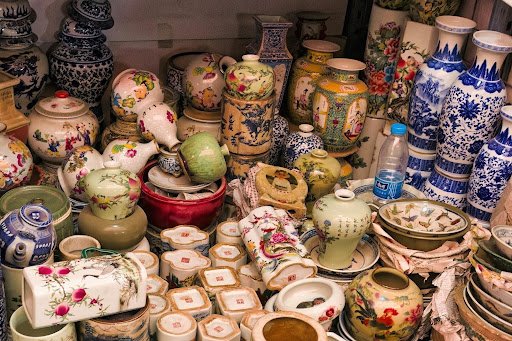
If fashion interests you, look beyond familiar international labels. Ask about a garment’s materials, construction, and designer when staff have time to talk. If you are considering a handmade purchase, learning who made it and how to care for it can be as valuable as choosing the item itself.
Avoid treating any single encounter as representative of an entire country. A neighborhood, restaurant, or studio offers one perspective. Keeping that distinction in mind makes room for complexity and more thoughtful conversations.
Make Food Part of Your Cultural Journey
Plan a few meals with the same care you give museums. Look for opportunities to learn about the dishes associated with the places on your route, whether through a guided market visit, a cooking class, or a restaurant willing to explain its menu.
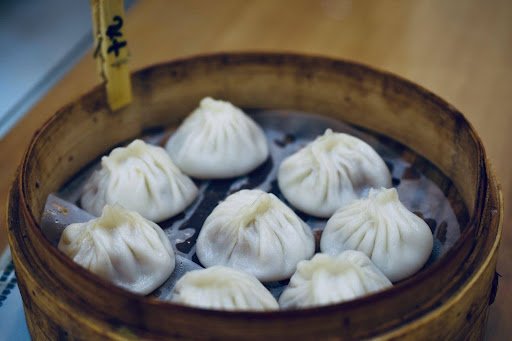
Communicate allergies and dietary requirements clearly, ideally with an accurate written translation. Ask before photographing cooks, diners, or food preparation. A meal becomes a richer experience when the people serving it feel respected and you have time to pay attention.
Leave Room for Unexpected Discoveries
Before departure, prepare the practical details that make independent exploring easier. Save accommodation addresses in Chinese, keep essential booking information accessible offline, and check connectivity and payment arrangements for the services you expect to use.
Then leave some gaps in the schedule. A return visit to a favorite street, a longer conversation with a guide, or an afternoon spent sketching can become the part of the trip you remember most clearly.
You do not need to leave China feeling that you have seen everything. A thoughtful first visit can introduce a handful of places, deepen a few interests, and leave you with better questions for the next journey.
HOW DO YOU FEEL ABOUT FASHION?
COMMENT OR TAKE OUR PAGE READER SURVEY
Featured



Hydroponics is a soilless growing method in which plant roots absorb dissolved nutrients from water instead of from soil.