
Family Style Food Festival Demonstrates Why Food Has Become Fashion's Most Powerful Cultural Collaborator
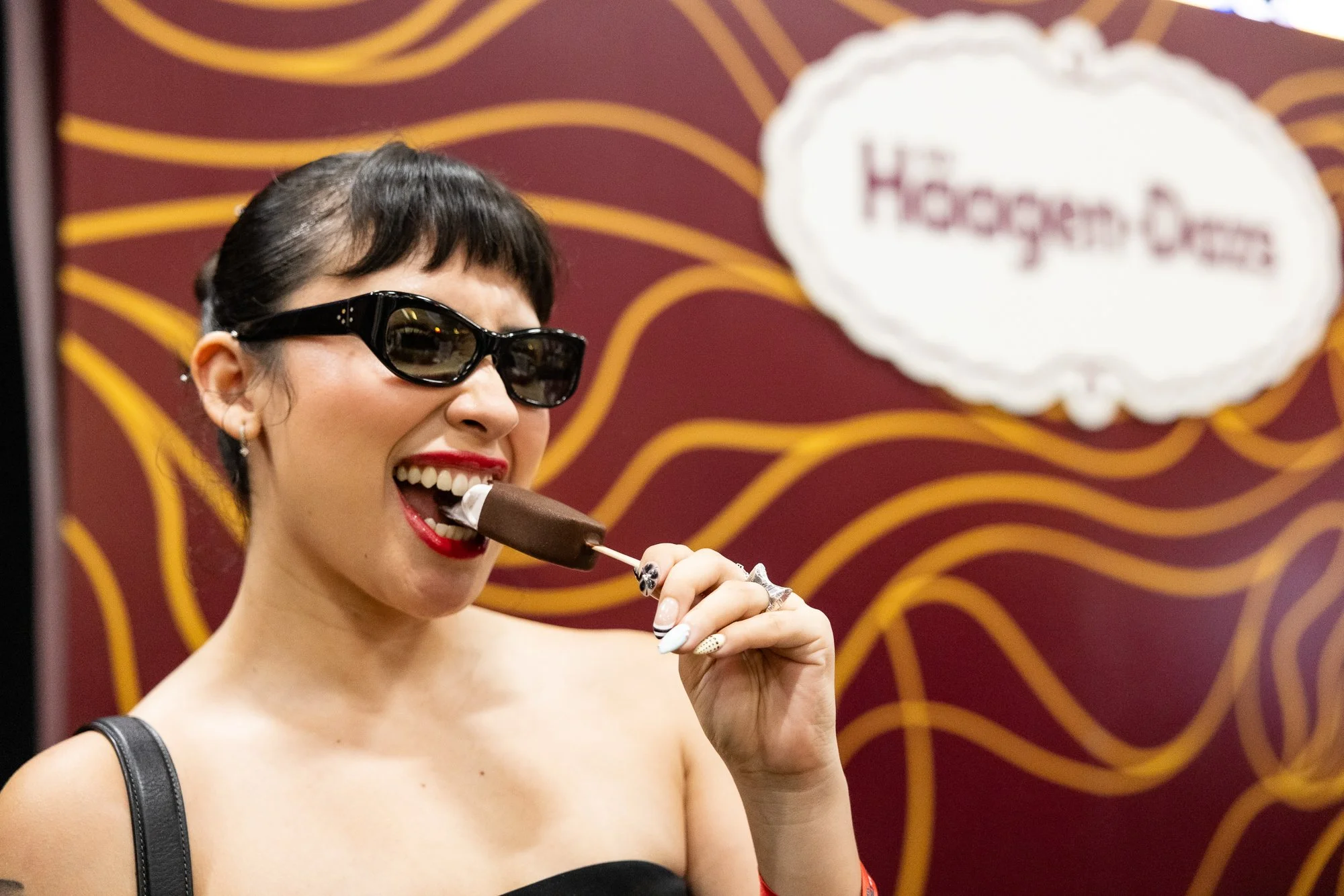
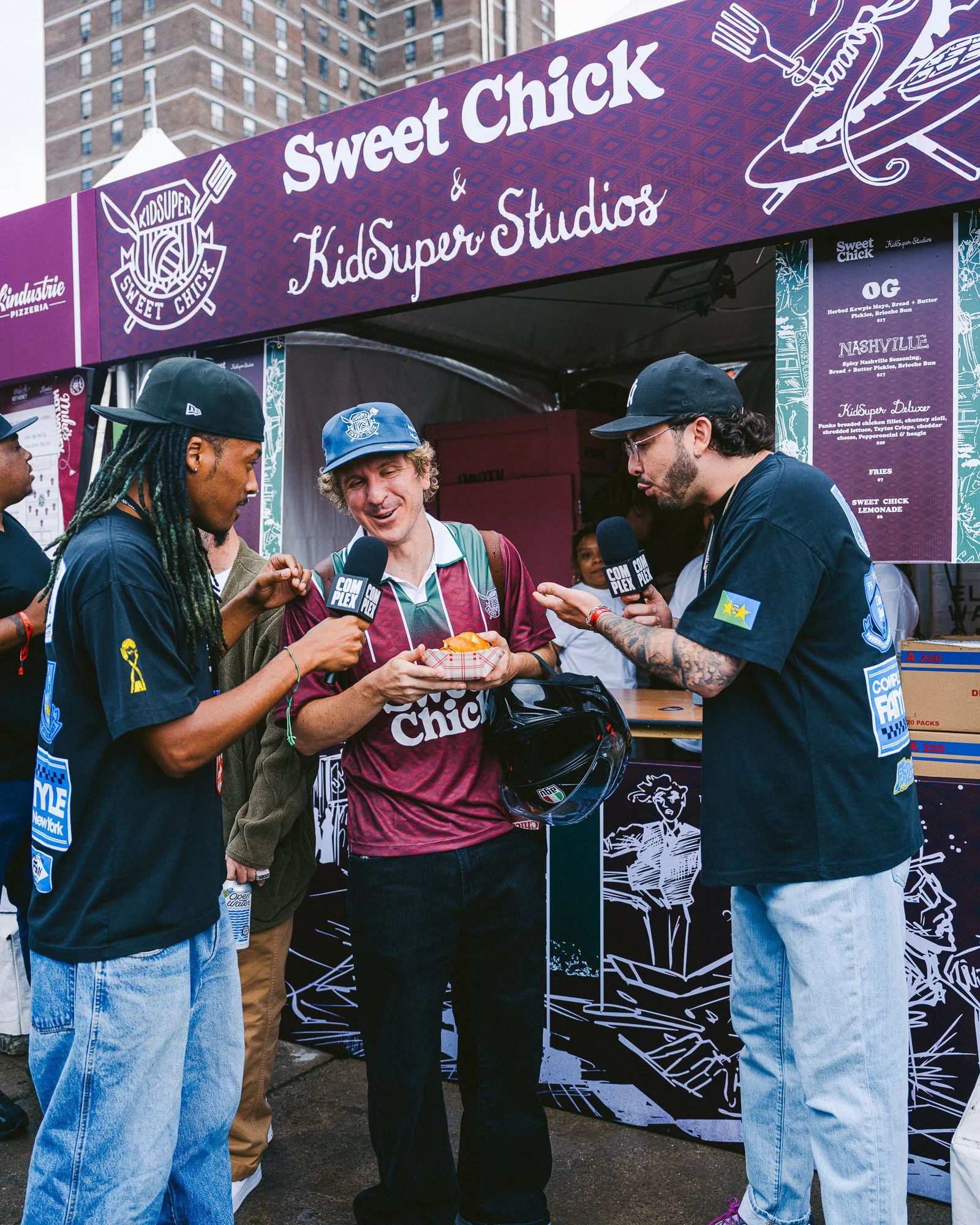
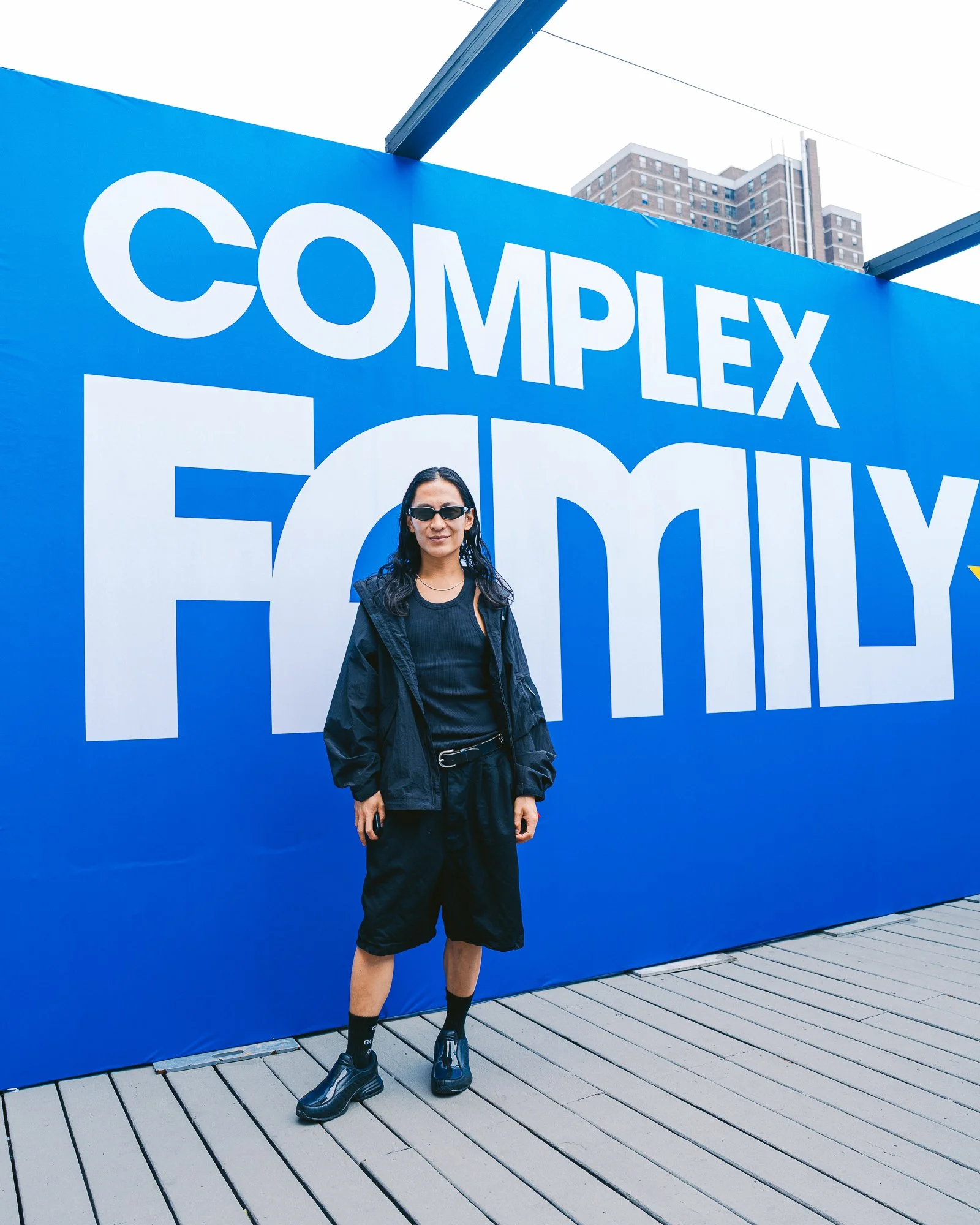
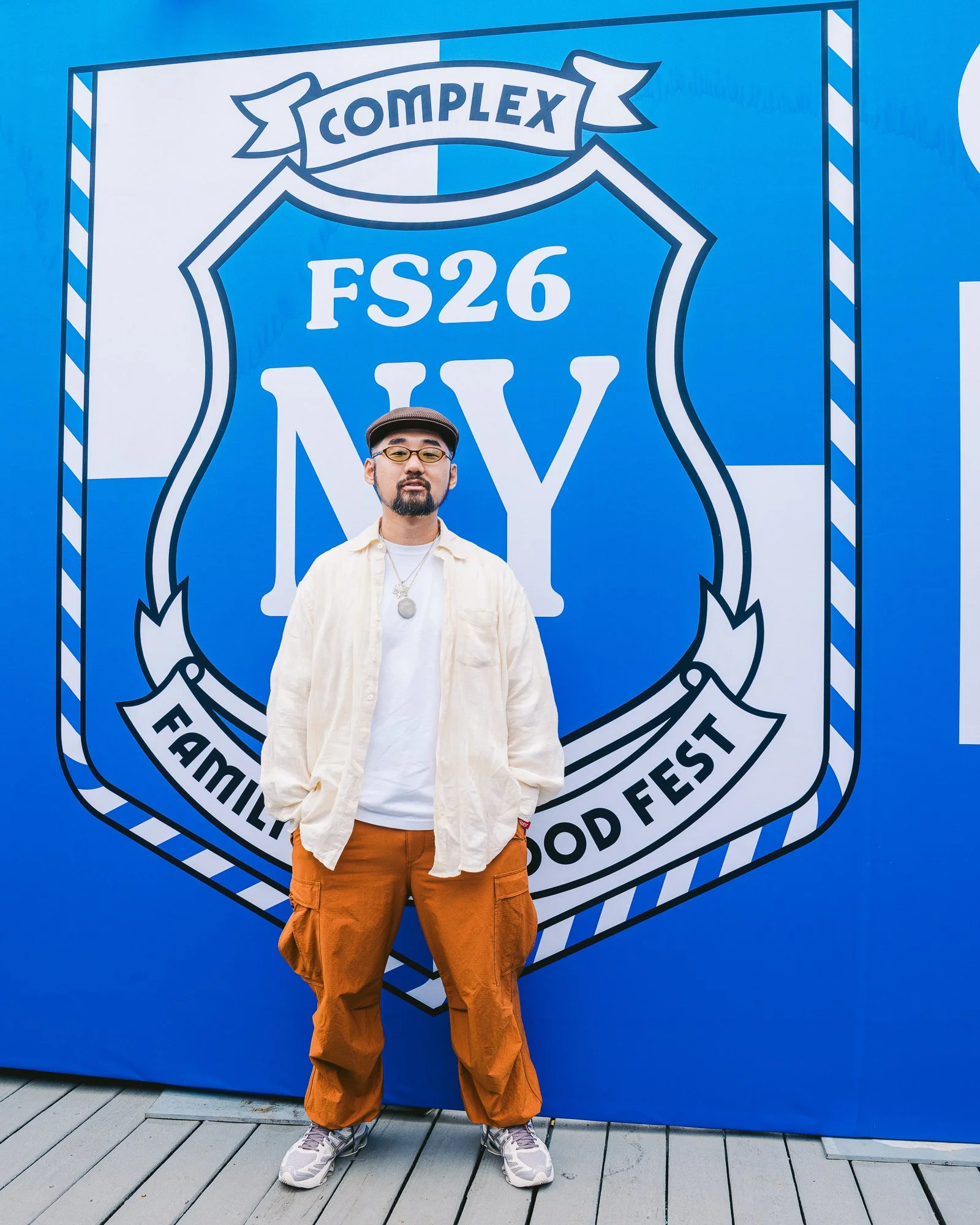
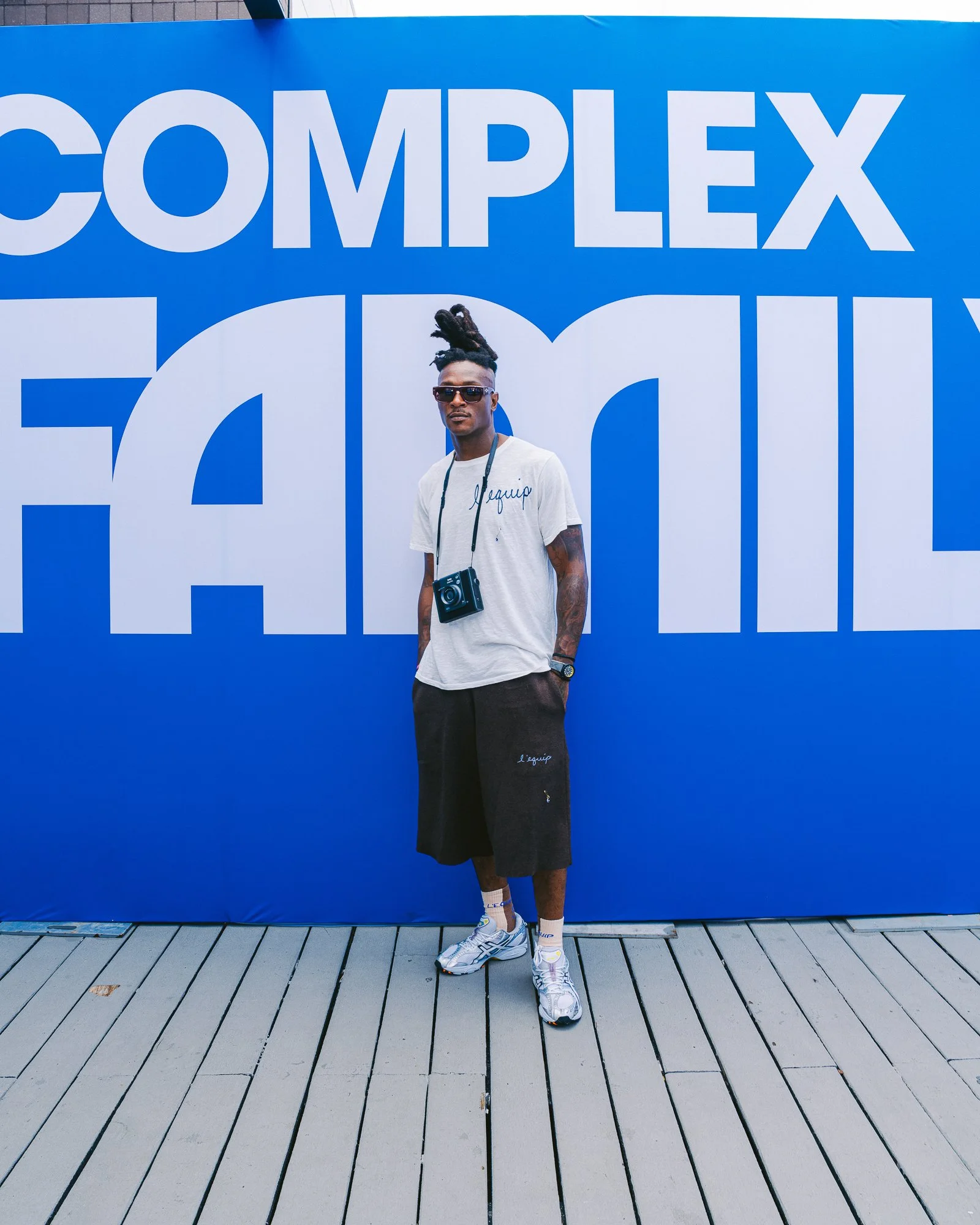
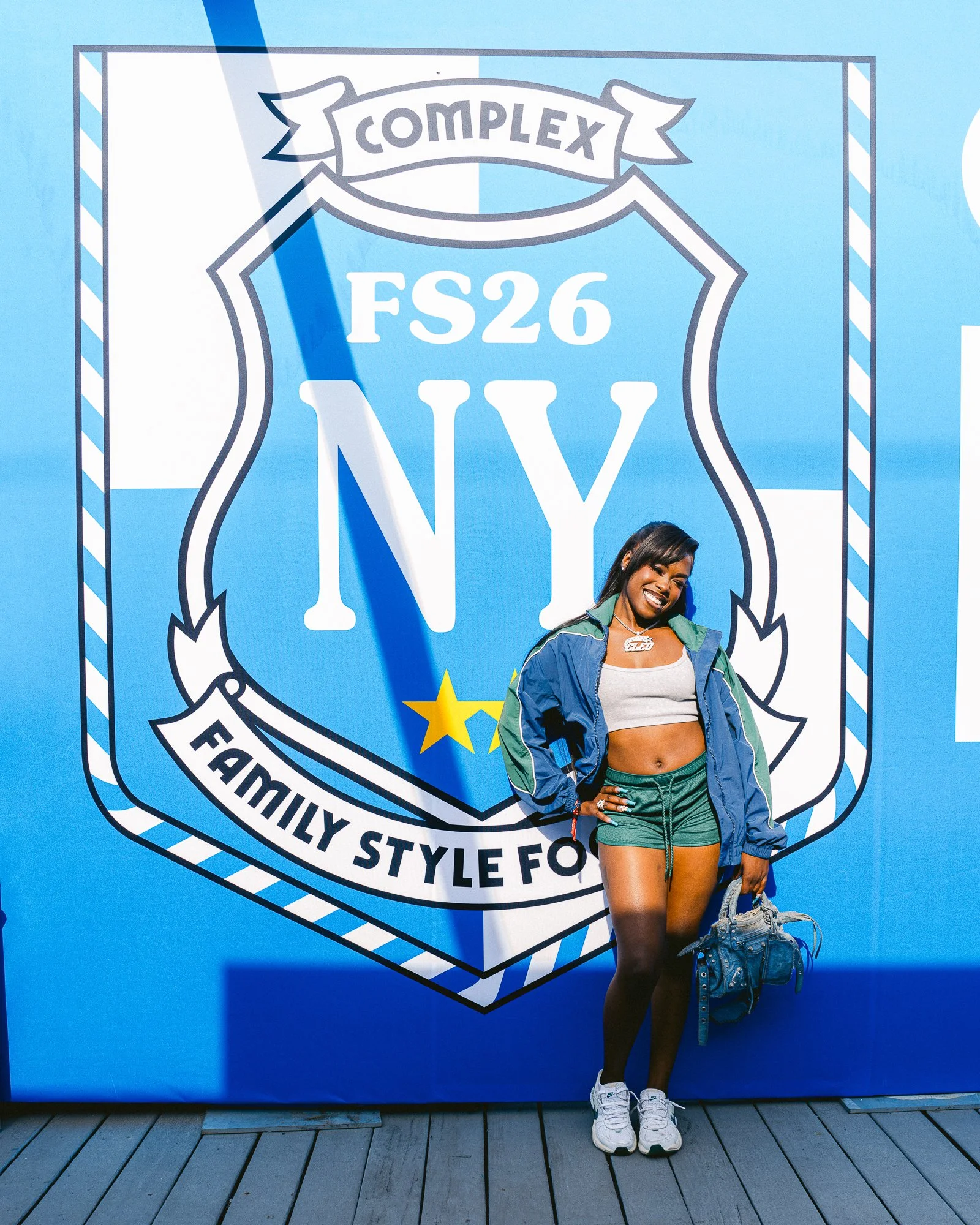
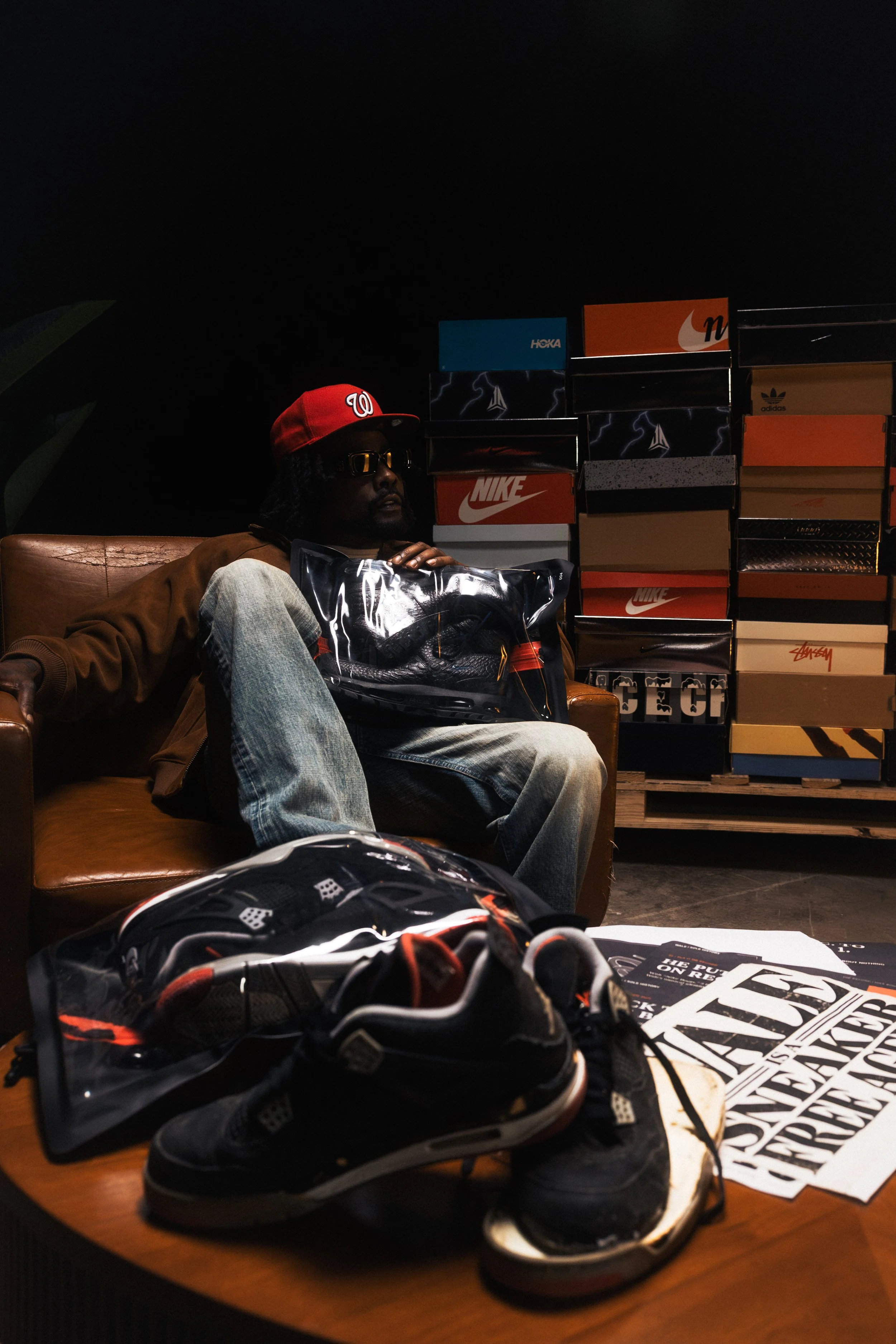
Guests attend Family Style Food Festival, featuring Toyota, adidas, Häagen-Dazs, Champion, Cash App, Square, Foot Locker, Complex, VandyThePink, Eddie Huang's Baohaus, and Barriers Worldwide, at Pier 36 on July 11, 2026, in New York City. (Photo Credit: Complex)
By PAGE Editor
Fashion's most meaningful collaborations are no longer confined to sneakers, capsule collections, or runway presentations. Increasingly, the industry's strongest cultural statements are happening around the dinner table, where food serves as both a creative medium and a catalyst for community. As consumers prioritize experiences over transactions, brands are discovering that hospitality has become one of the most effective forms of storytelling.
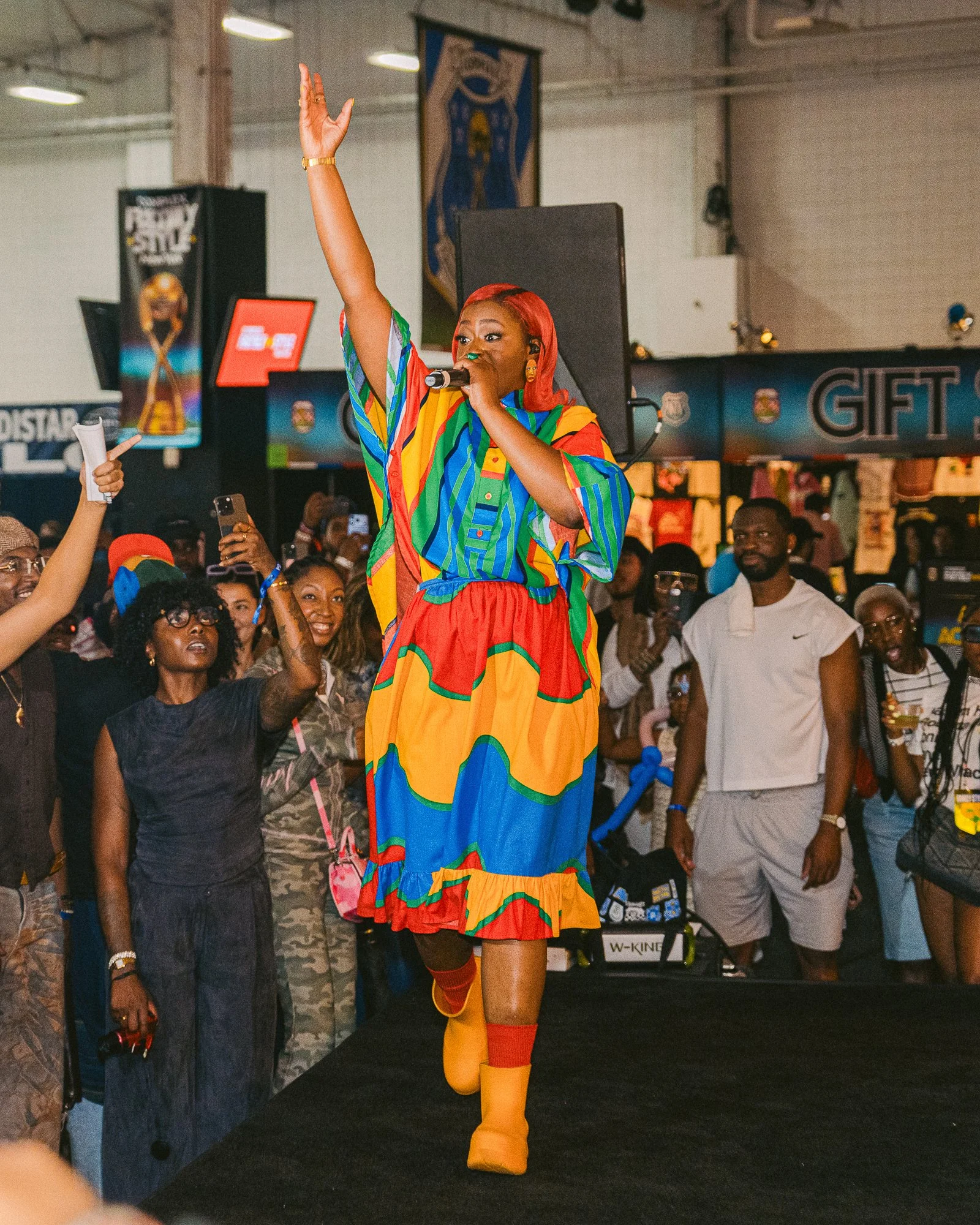
That evolution was on full display as Family Style returned to New York on Saturday, July 11, taking over Pier 36 for a day where food, fashion, and culture converged. Thousands of attendees packed the waterfront venue as more than 30 restaurants and over 30 brand collaborations transformed the festival into one of the summer's defining lifestyle events, reinforcing its position at the intersection of streetwear, hospitality, and experiential retail.
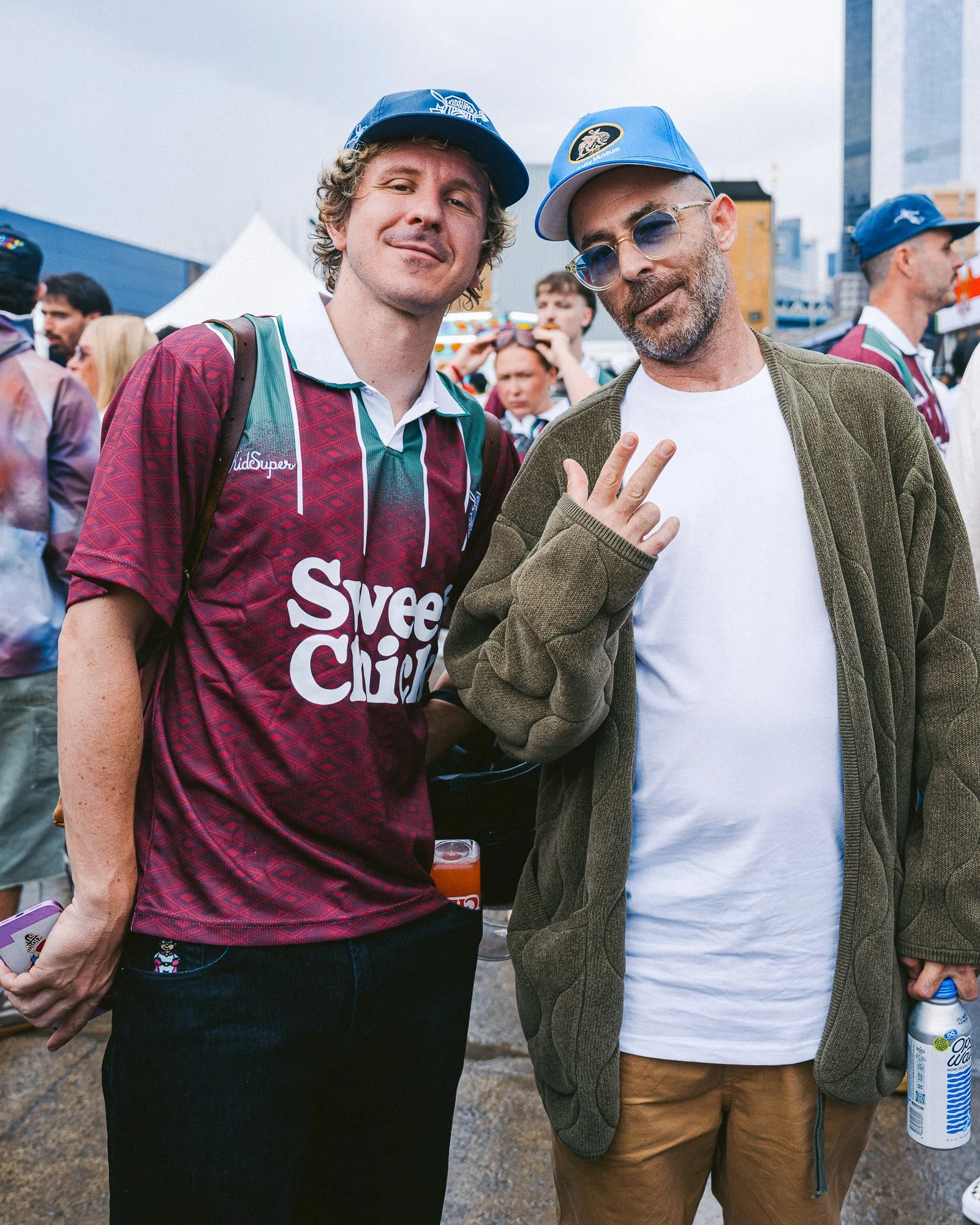
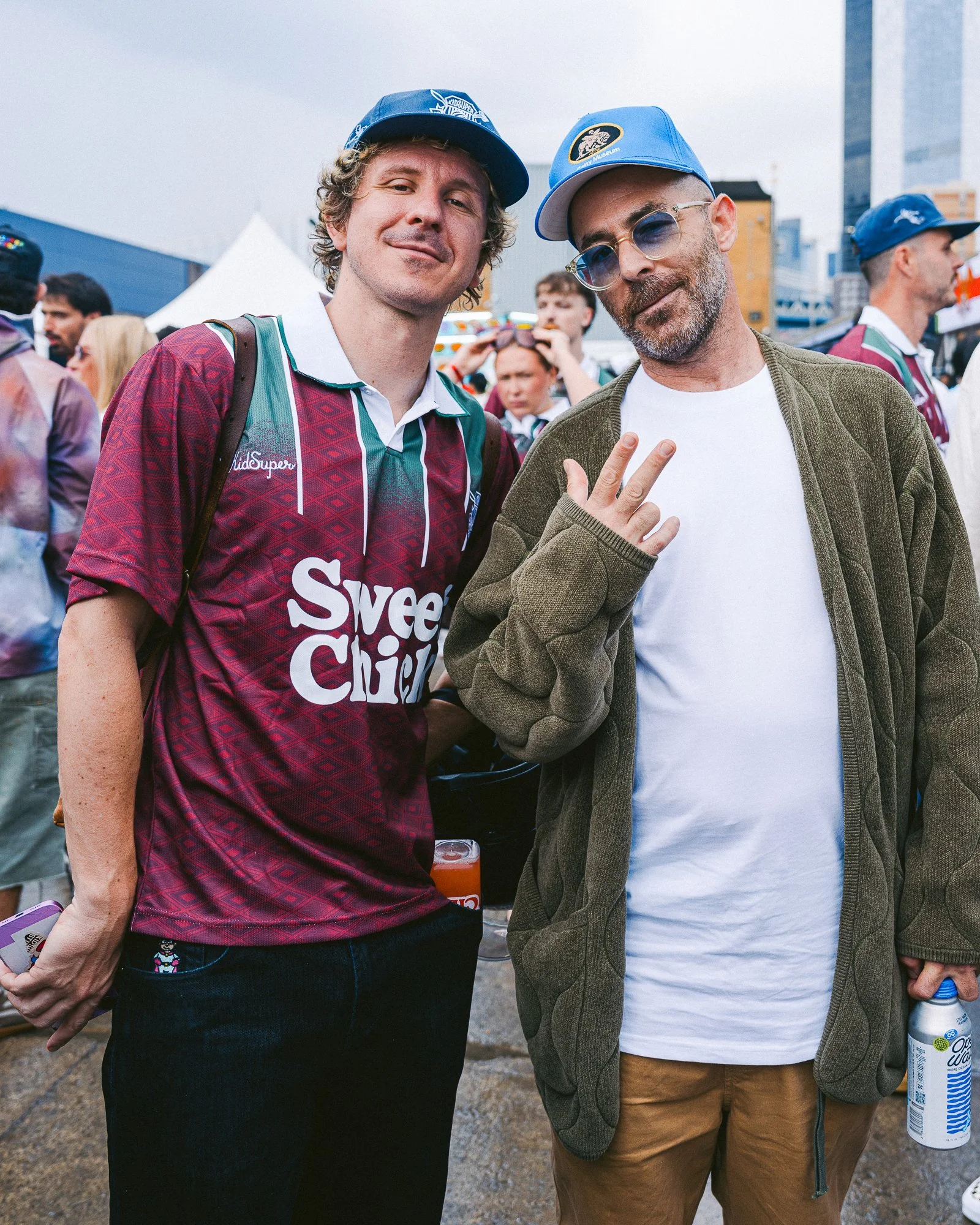
KidSuper and The Alchemist
The crowd reflected the festival's growing cultural influence. Among those in attendance were Dwyane Wade, Gabrielle Union, Lexa Gates, The Alchemist, Tierra Whack, DeAndre Hopkins, Alexander Wang, Brett Gray, Cleotrapa, Alex Consani, and Isan Elba—an intersection of athletes, musicians, designers, and creatives that mirrored the multidisciplinary spirit of the event itself.
More than celebrity appearances, however, Family Style demonstrated how brands are increasingly building loyalty through immersive experiences rather than traditional marketing. Every activation blurred the lines between commerce, entertainment, and culture, creating environments where consumers could engage with brands in memorable ways.
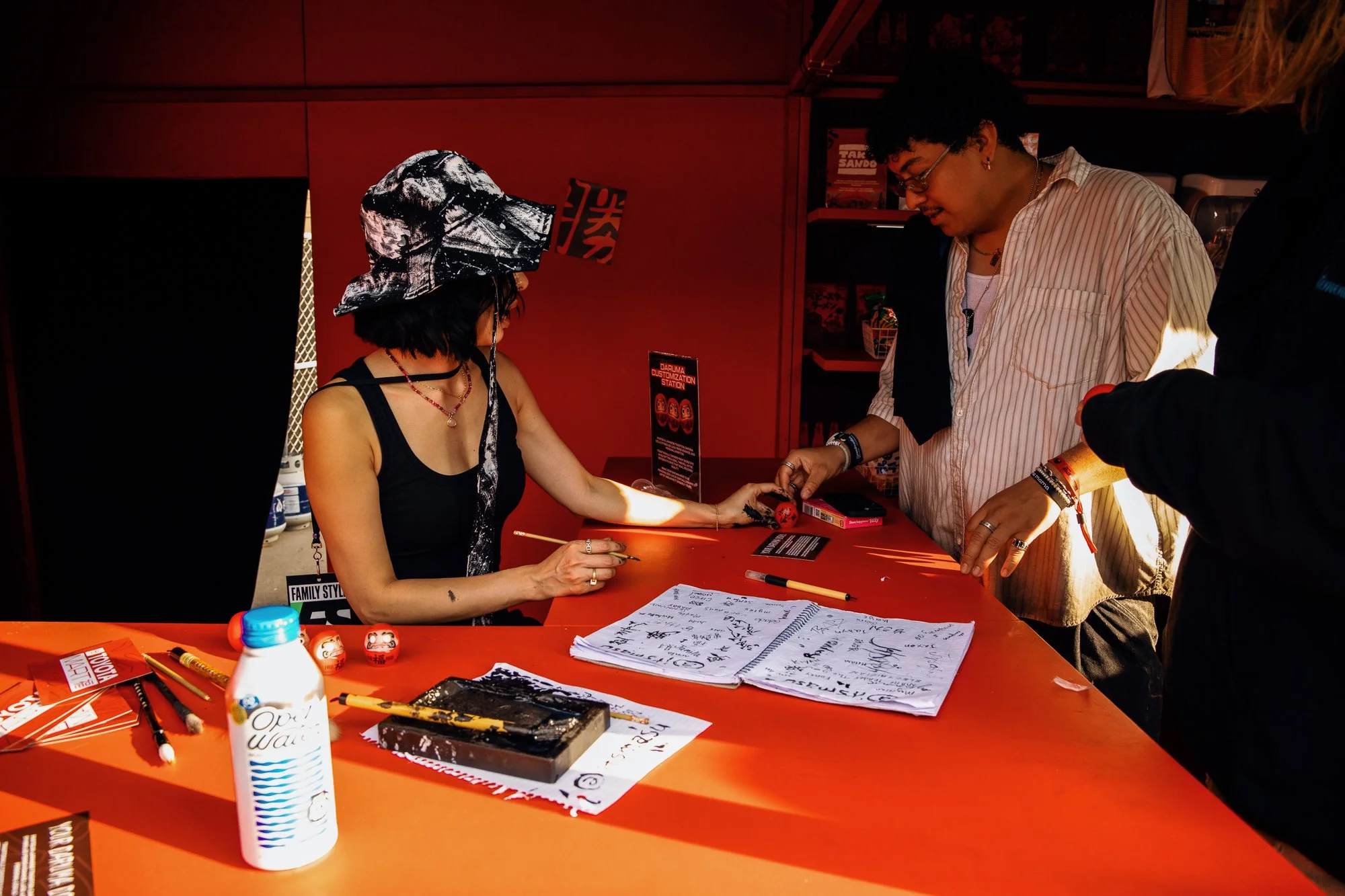
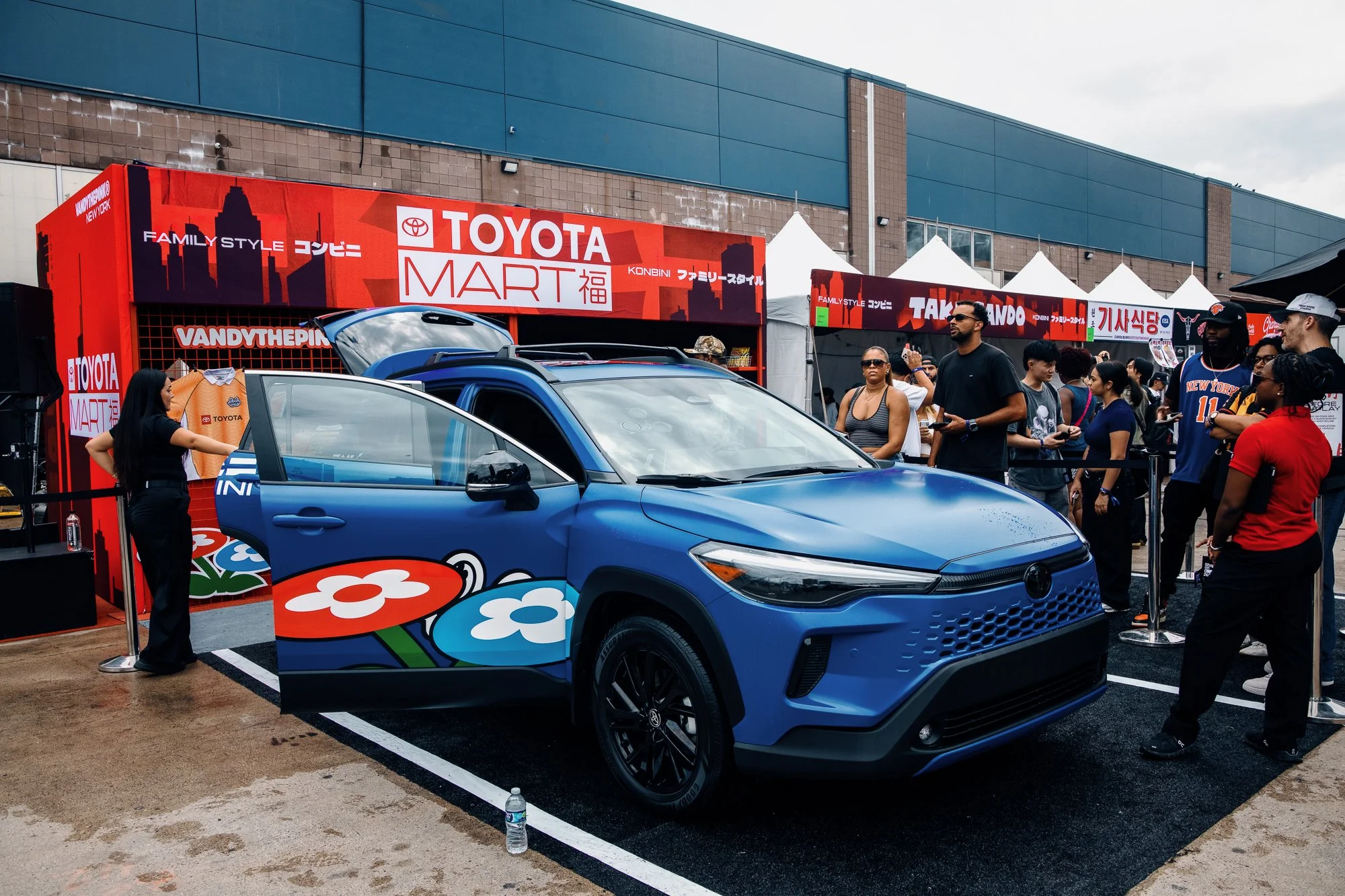
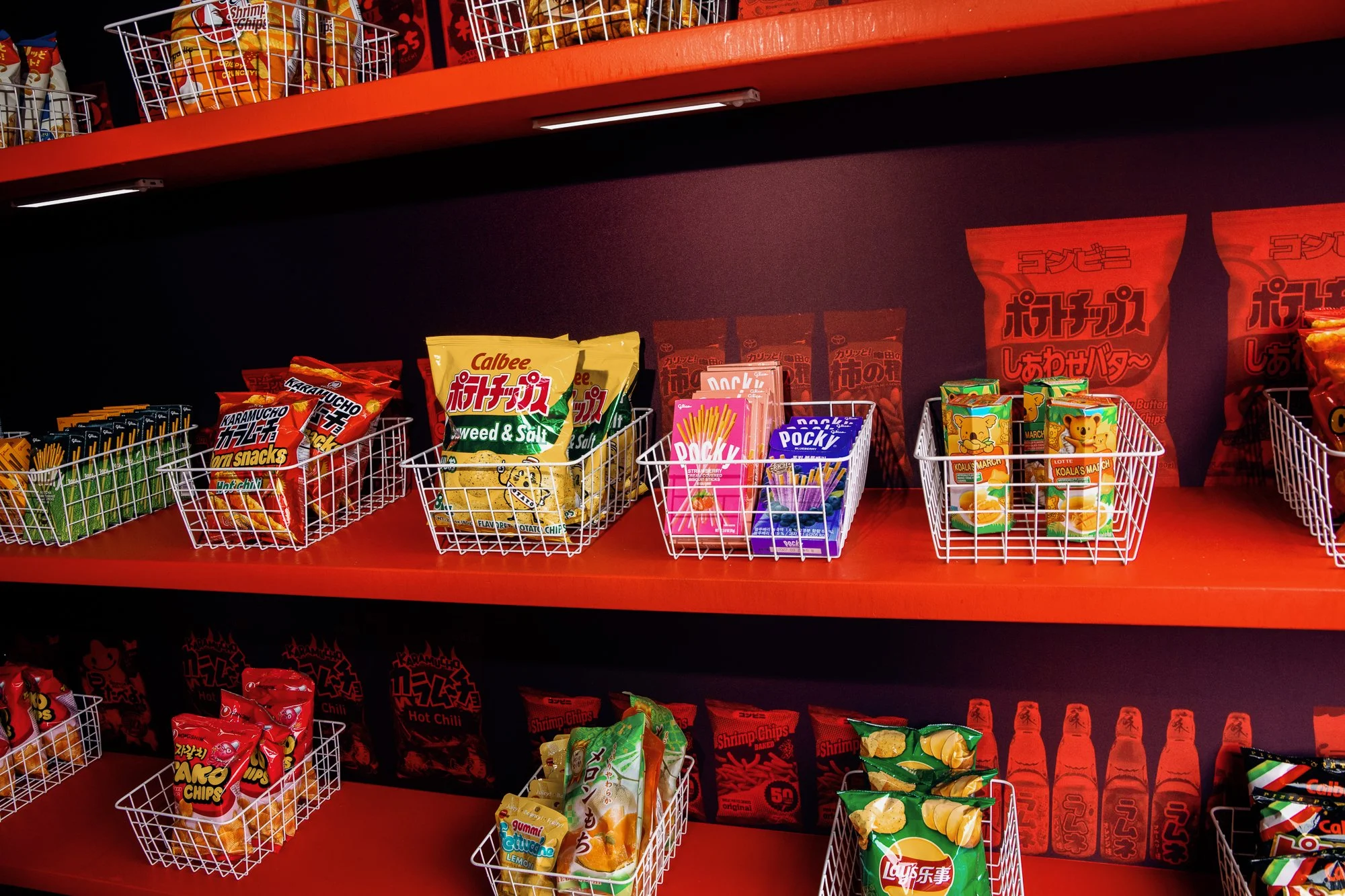
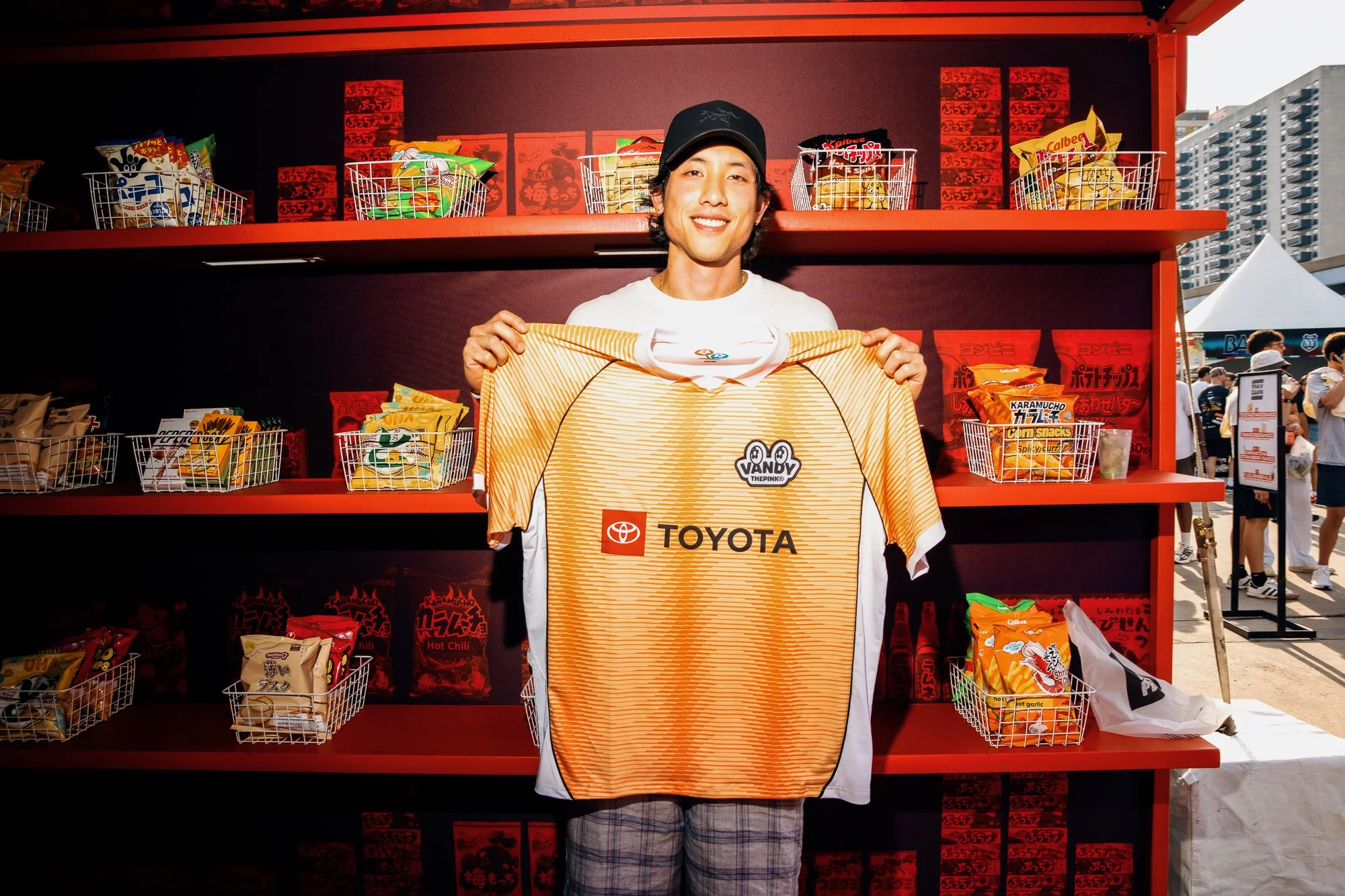
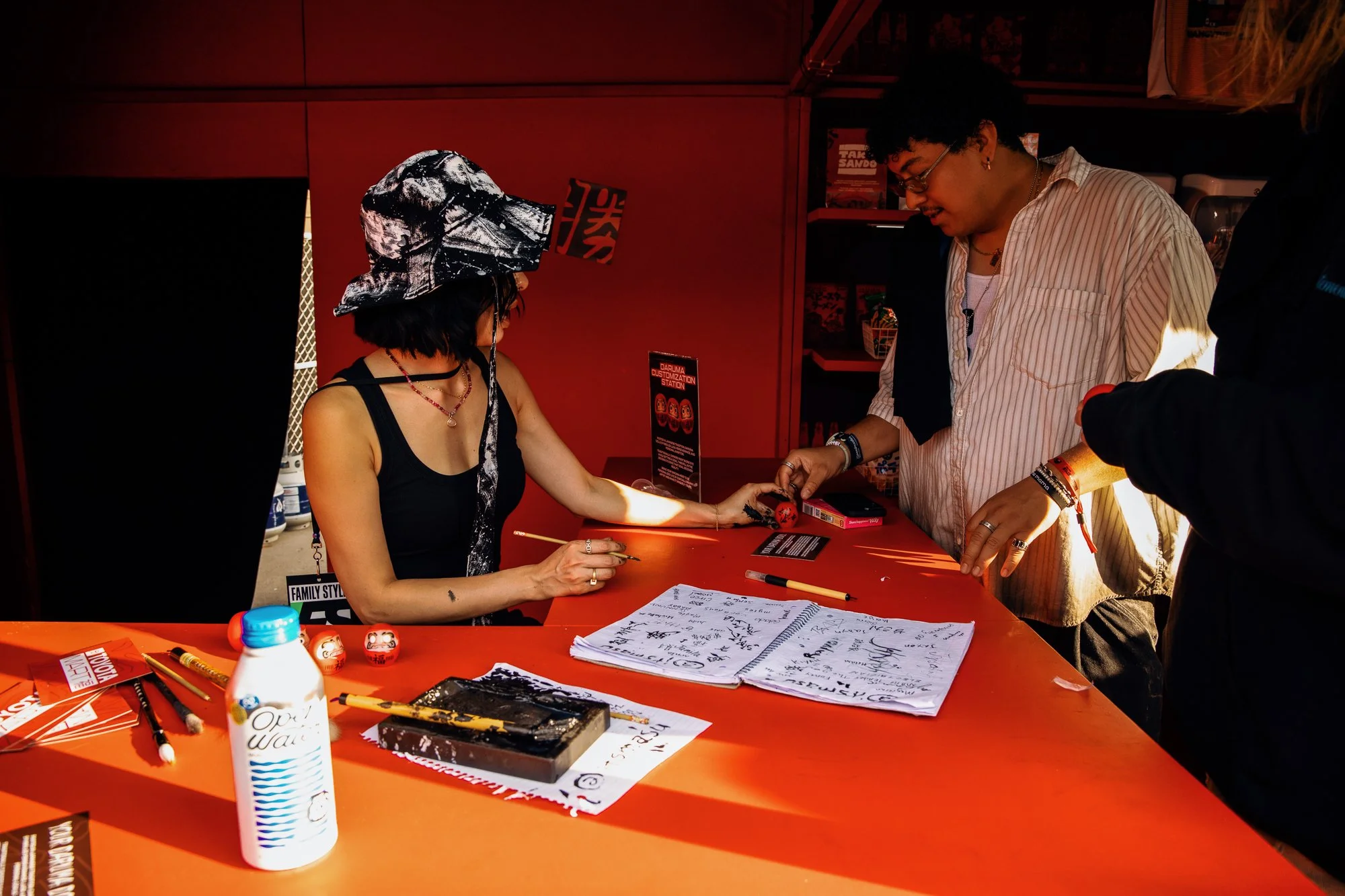
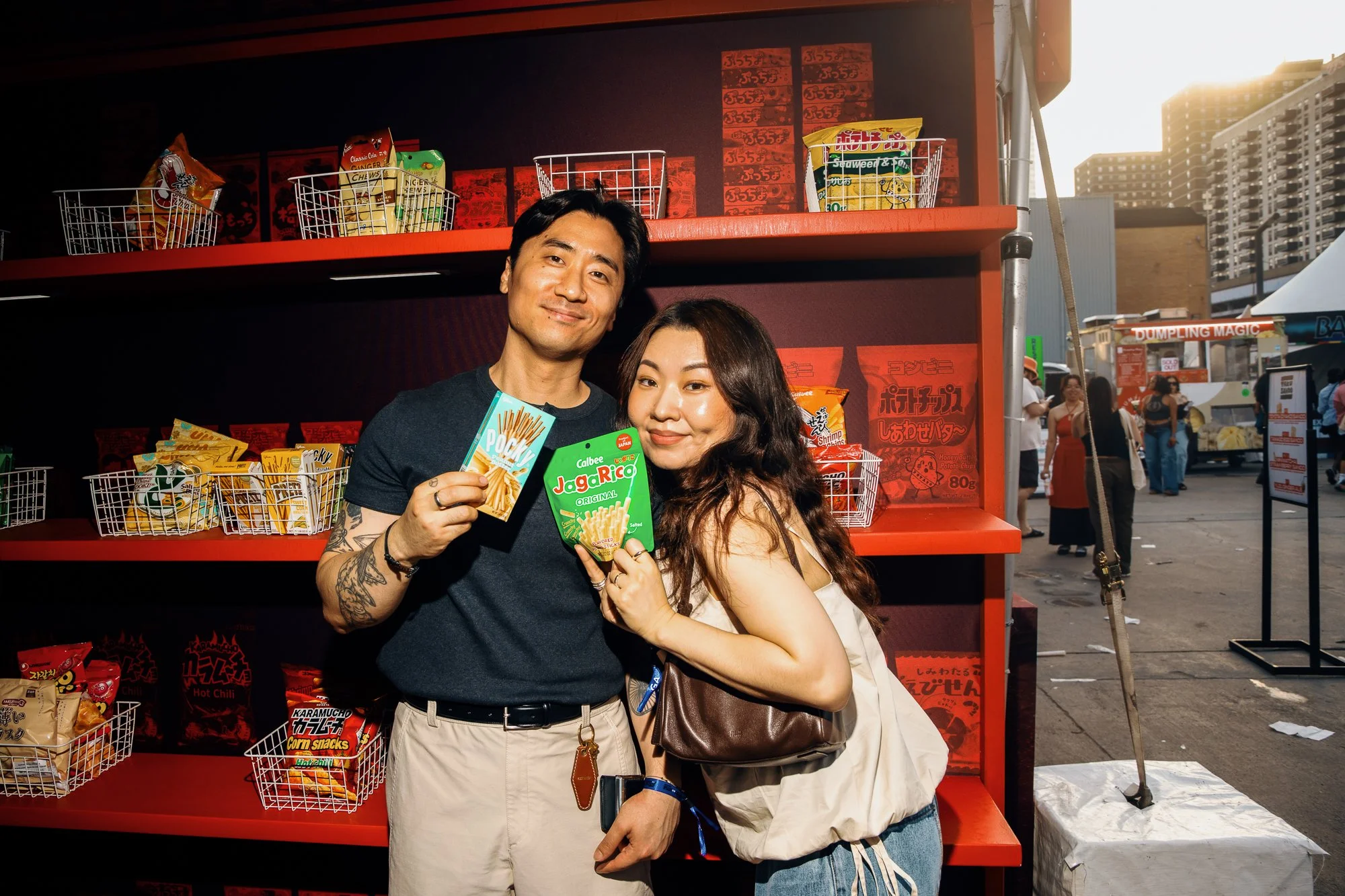
Toyota offered one of the festival's standout experiences with a konbini-inspired activation celebrating Japan's iconic convenience store culture. Guests explored exclusive merchandise designed by VandyThePink, admired a custom-wrapped Toyota Corolla Cross HEV, personalized Daruma dolls with a live Japanese calligrapher, interacted with the playful "Falling Konbini" game, and refueled with sandwiches from Taku Sando. Rather than functioning as an automotive showcase, Toyota positioned itself as a curator of cultural experiences rooted in design, hospitality, and everyday ritual.
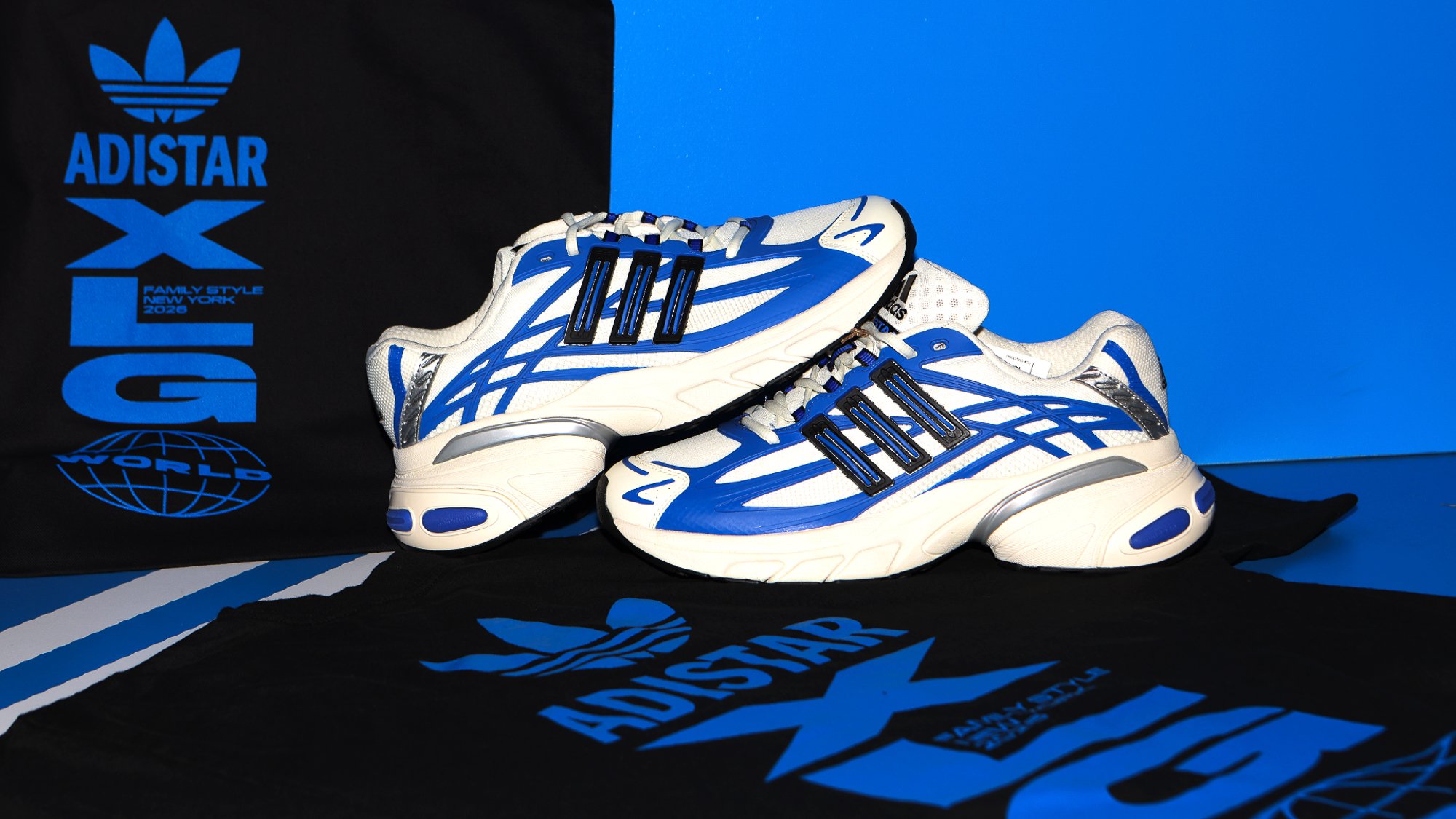
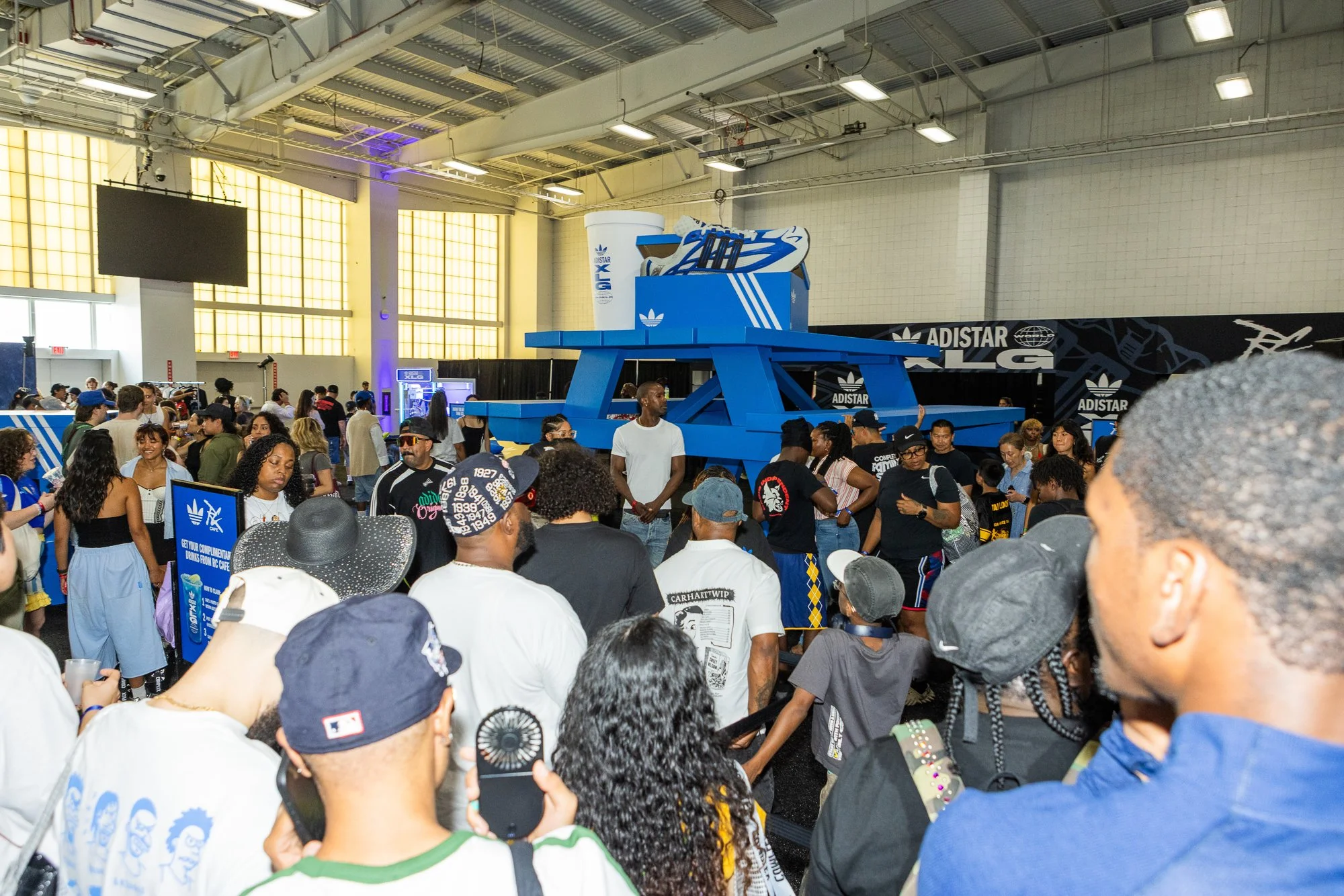
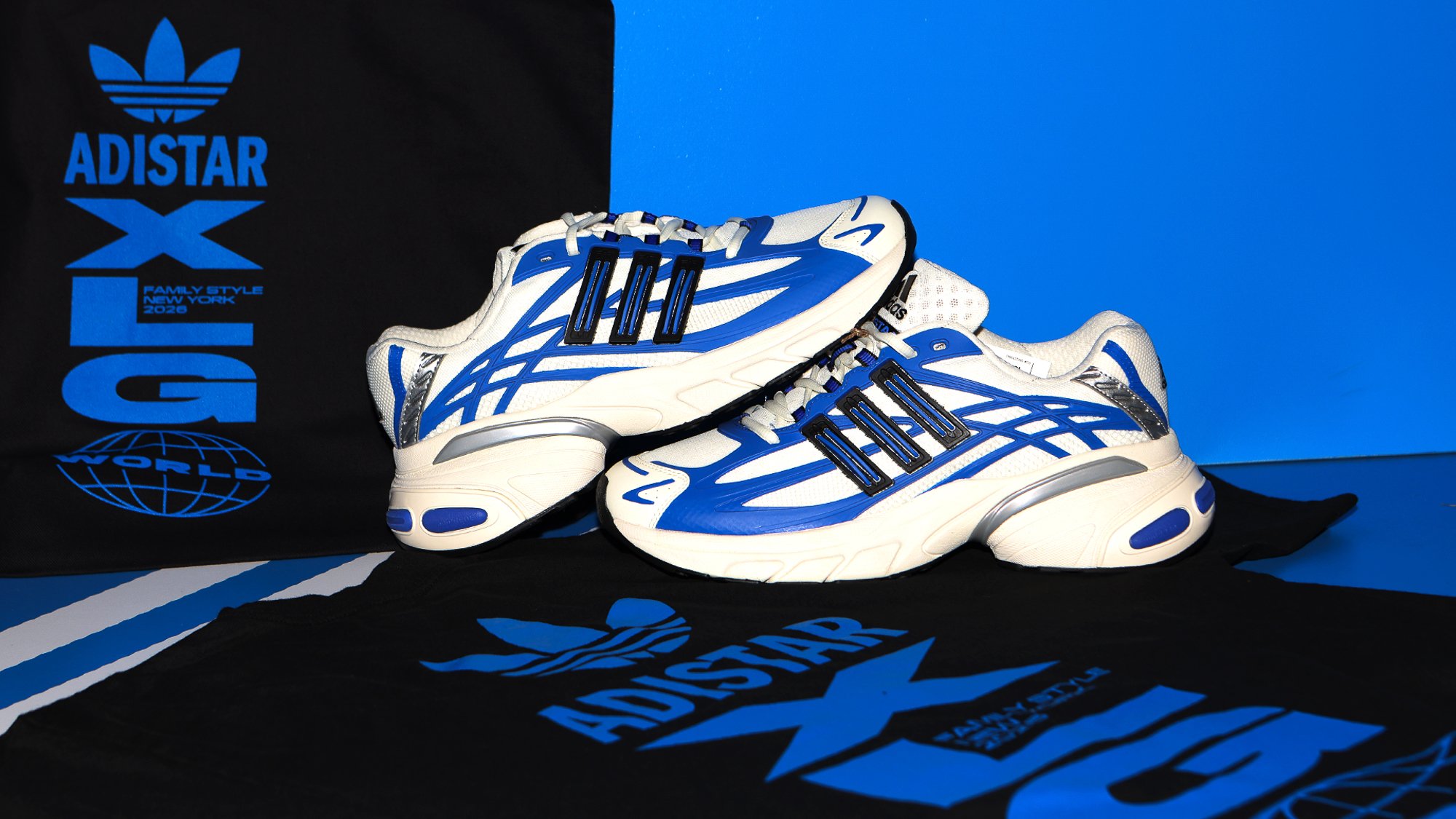
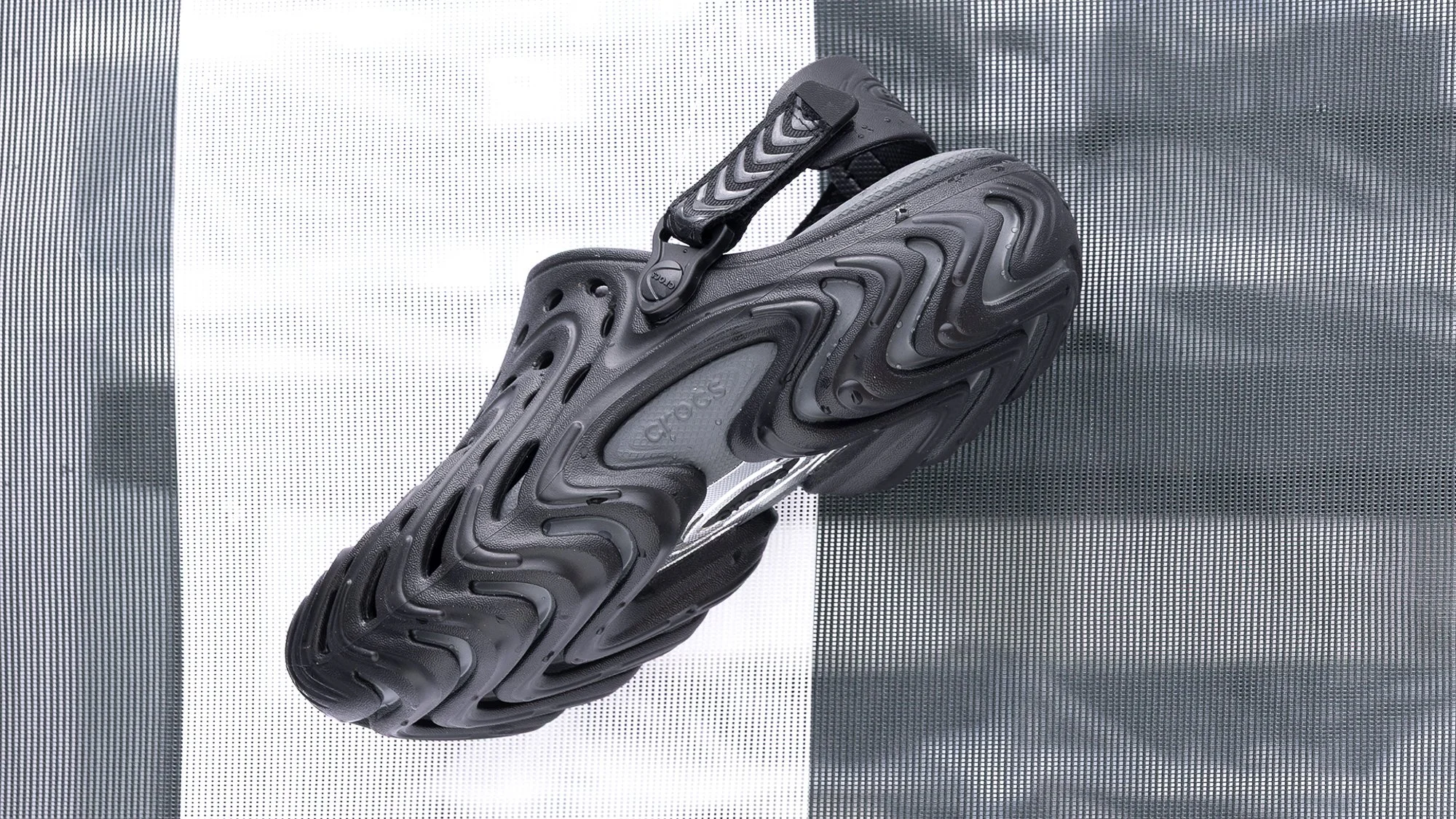
That same philosophy extended to adidas and Complex, which introduced "XLG World," an immersive installation inspired by the latest blue colorway of the adidas Adistar XLG 2.0. Oversized design elements, interactive games, surprise giveaways, and limited-edition merchandise translated the sneaker's exaggerated proportions into a physical environment visitors could explore.
Culinary storytelling completed the experience as Eddie Huang's Baohaus served its signature squid ink bao buns, reinforcing how food has become an integral component of modern brand experiences rather than an afterthought.
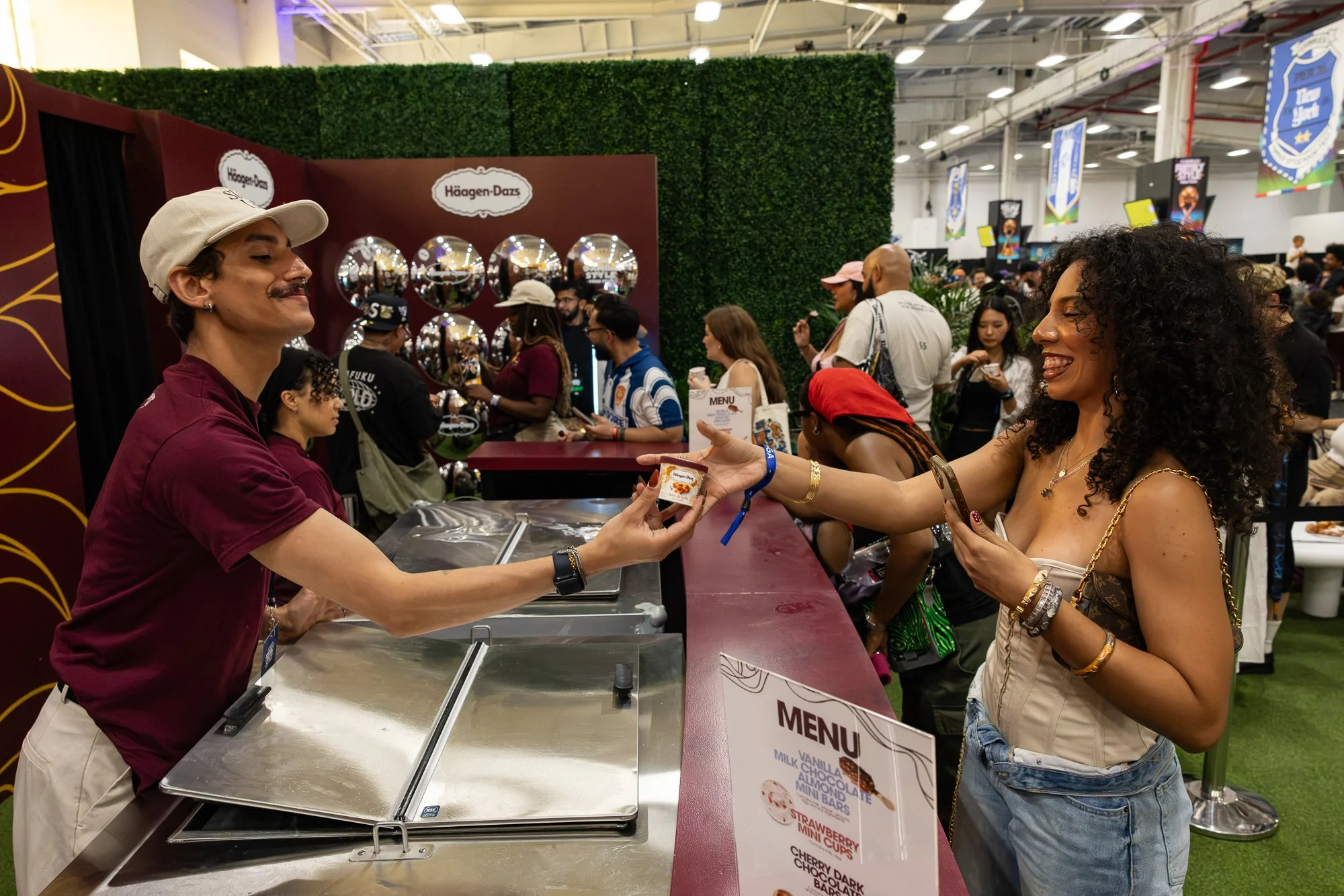
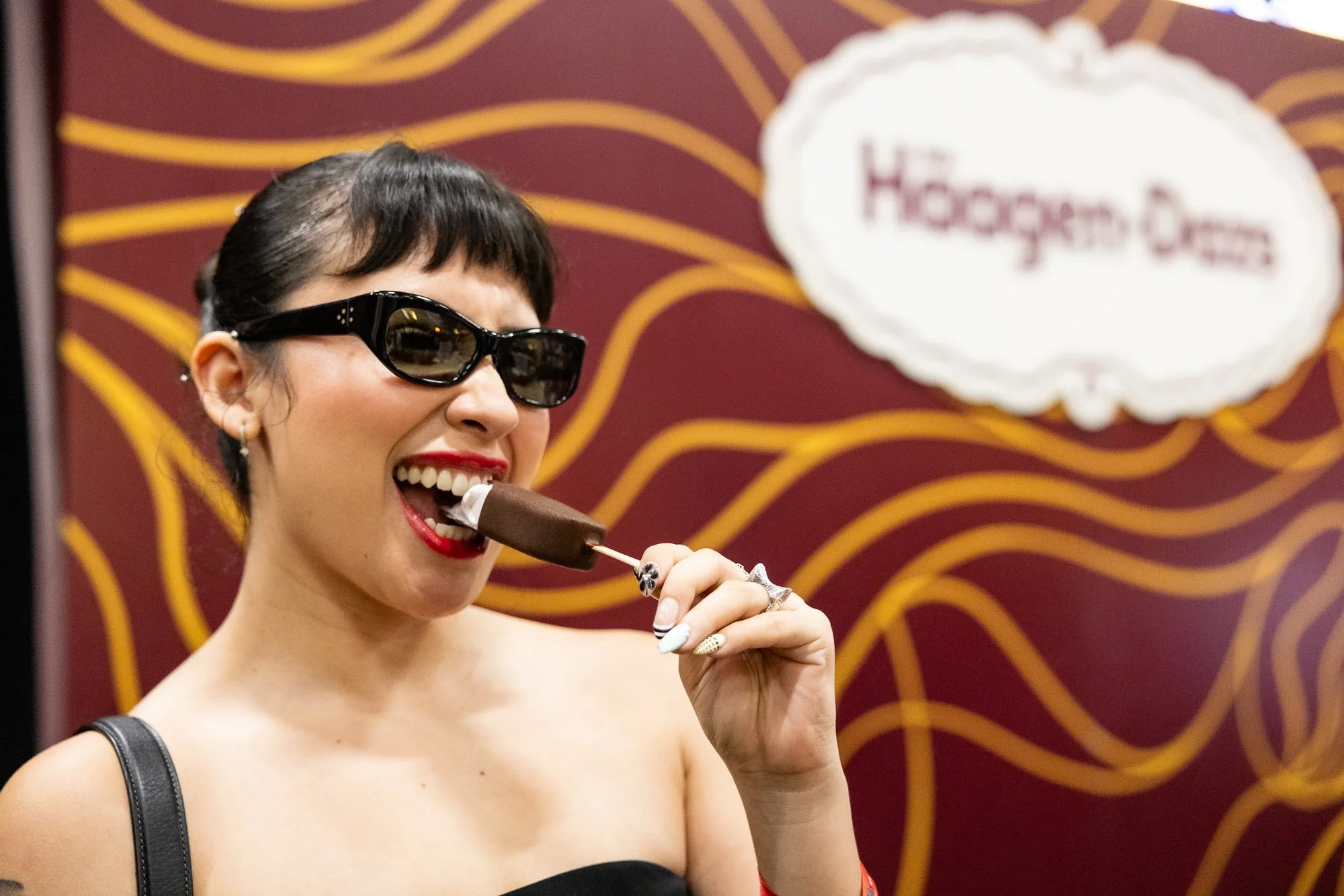
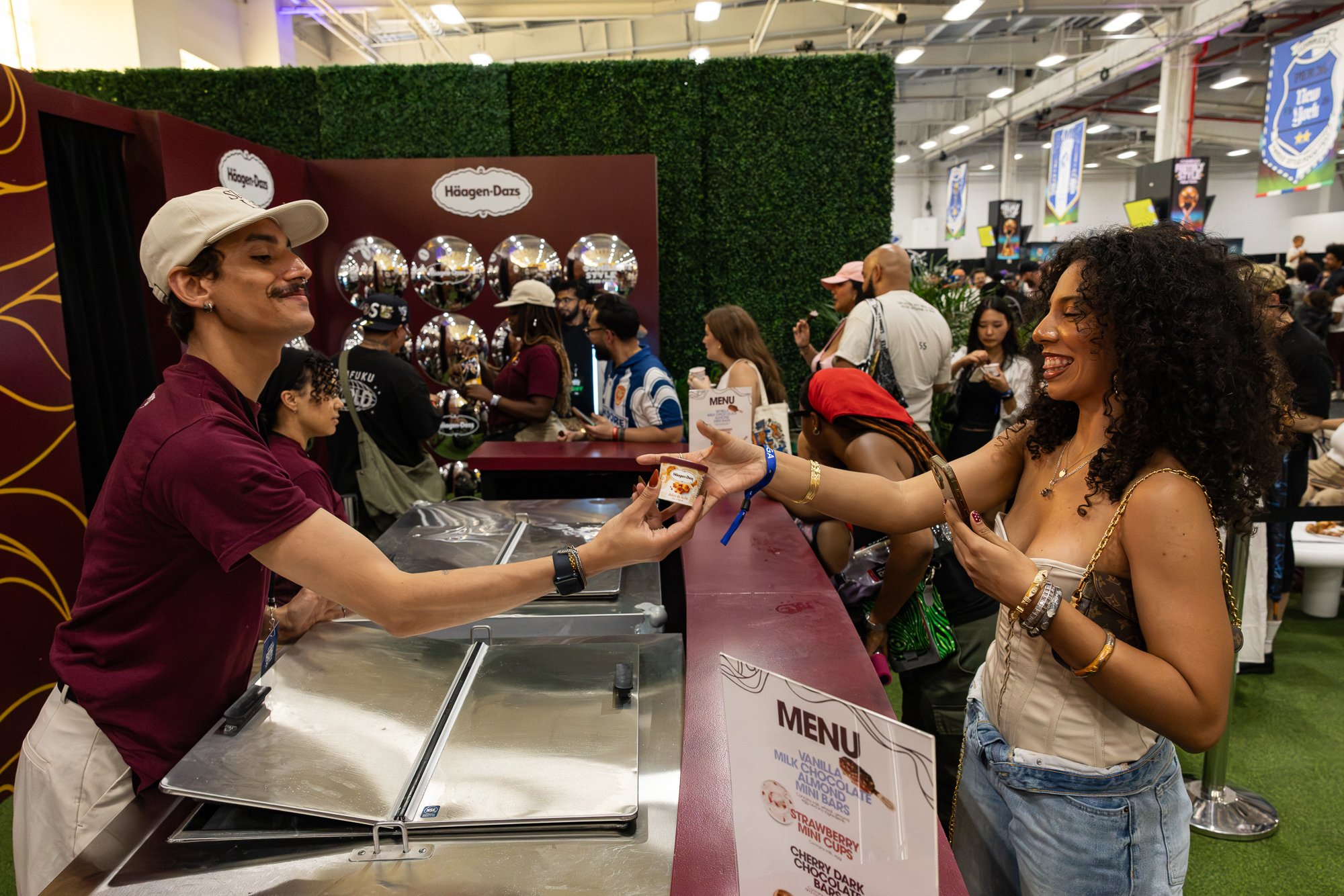
Elsewhere, Häagen-Dazs expanded its "Take Your Sweet Time" campaign with a collaborative lounge created alongside Champion. The activation invited guests to pause amid the festival's energy while enjoying ice cream favorites, exclusive merchandise, and a thoughtfully designed space that reflected the growing emphasis on intentional living and experiential luxury.
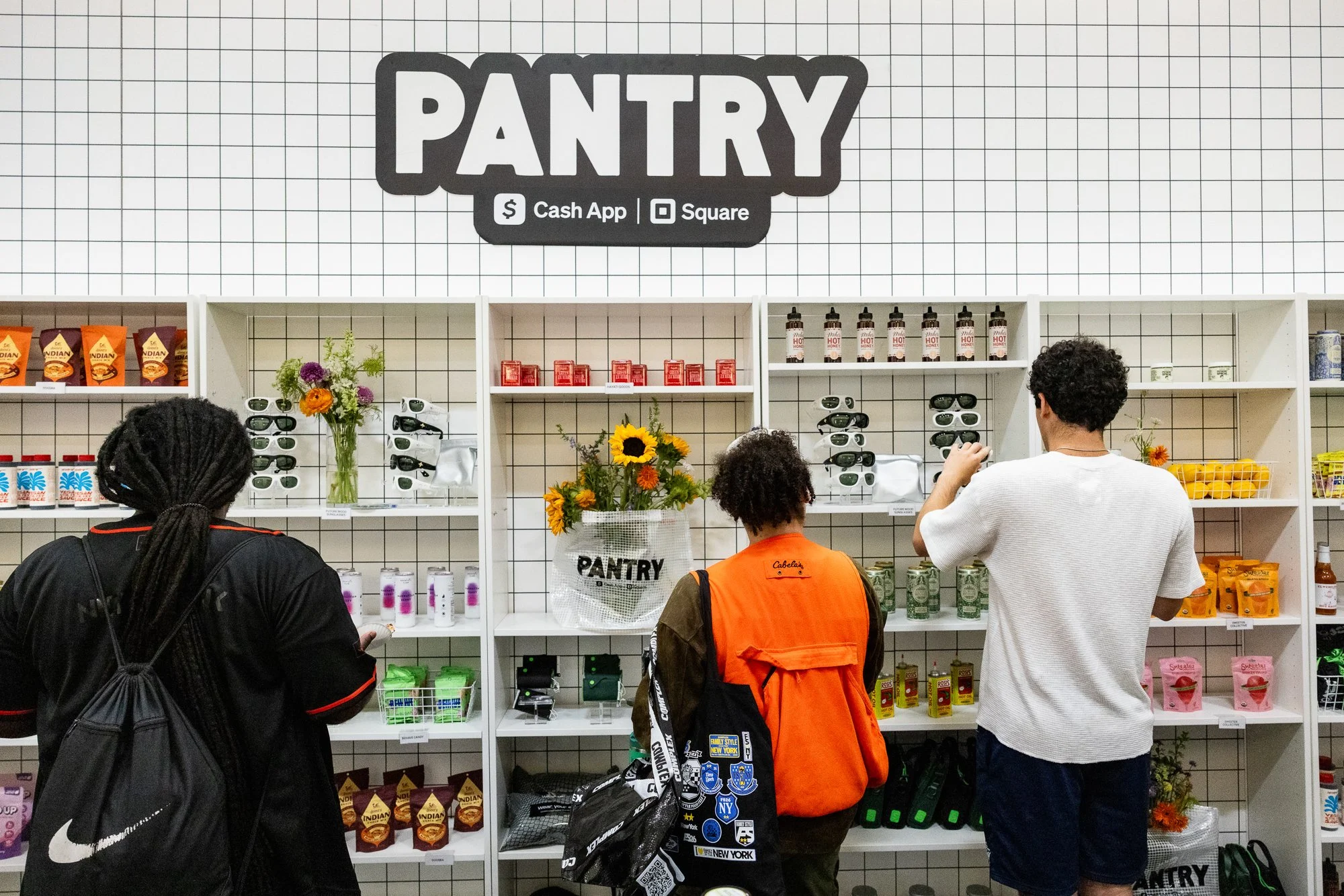
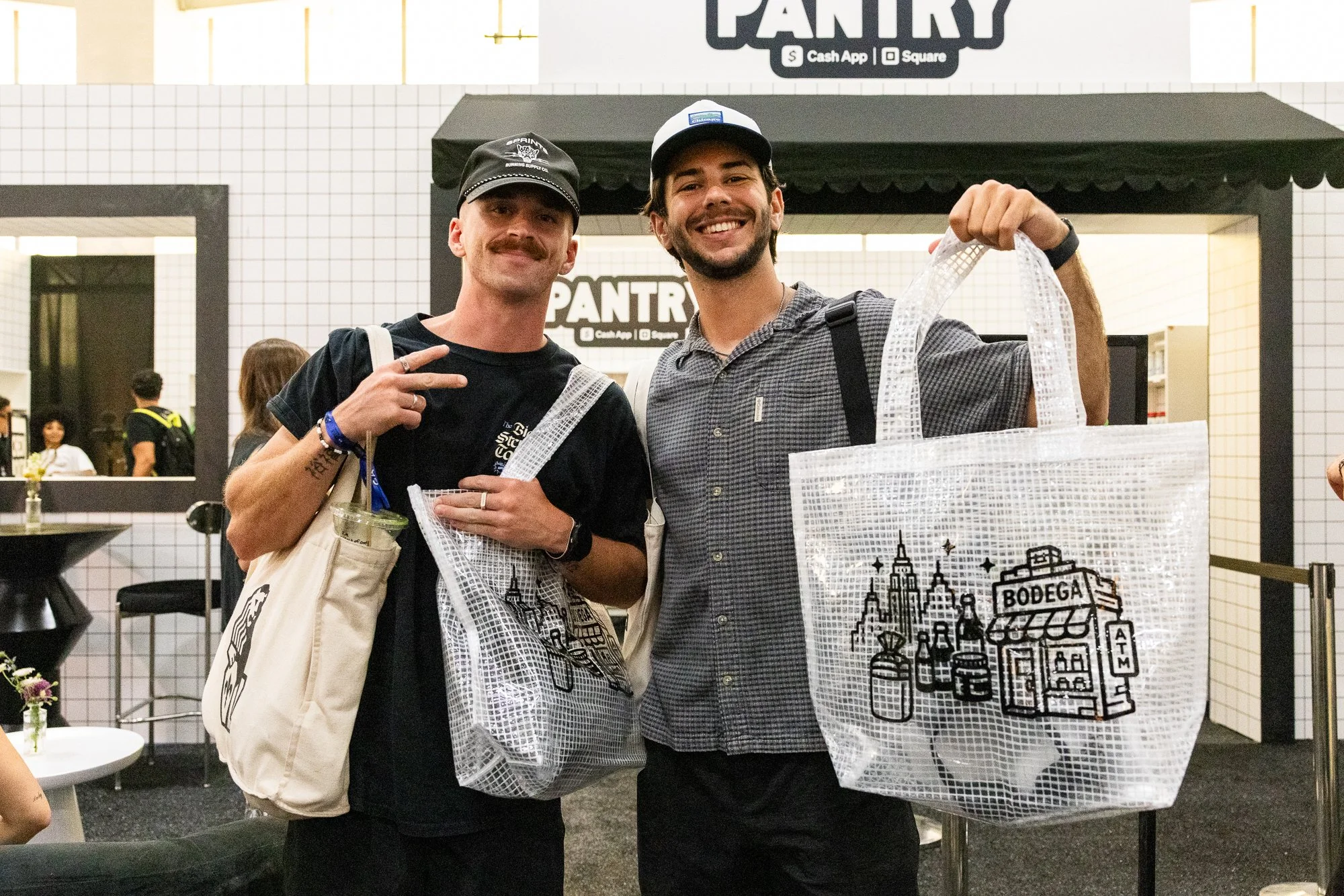
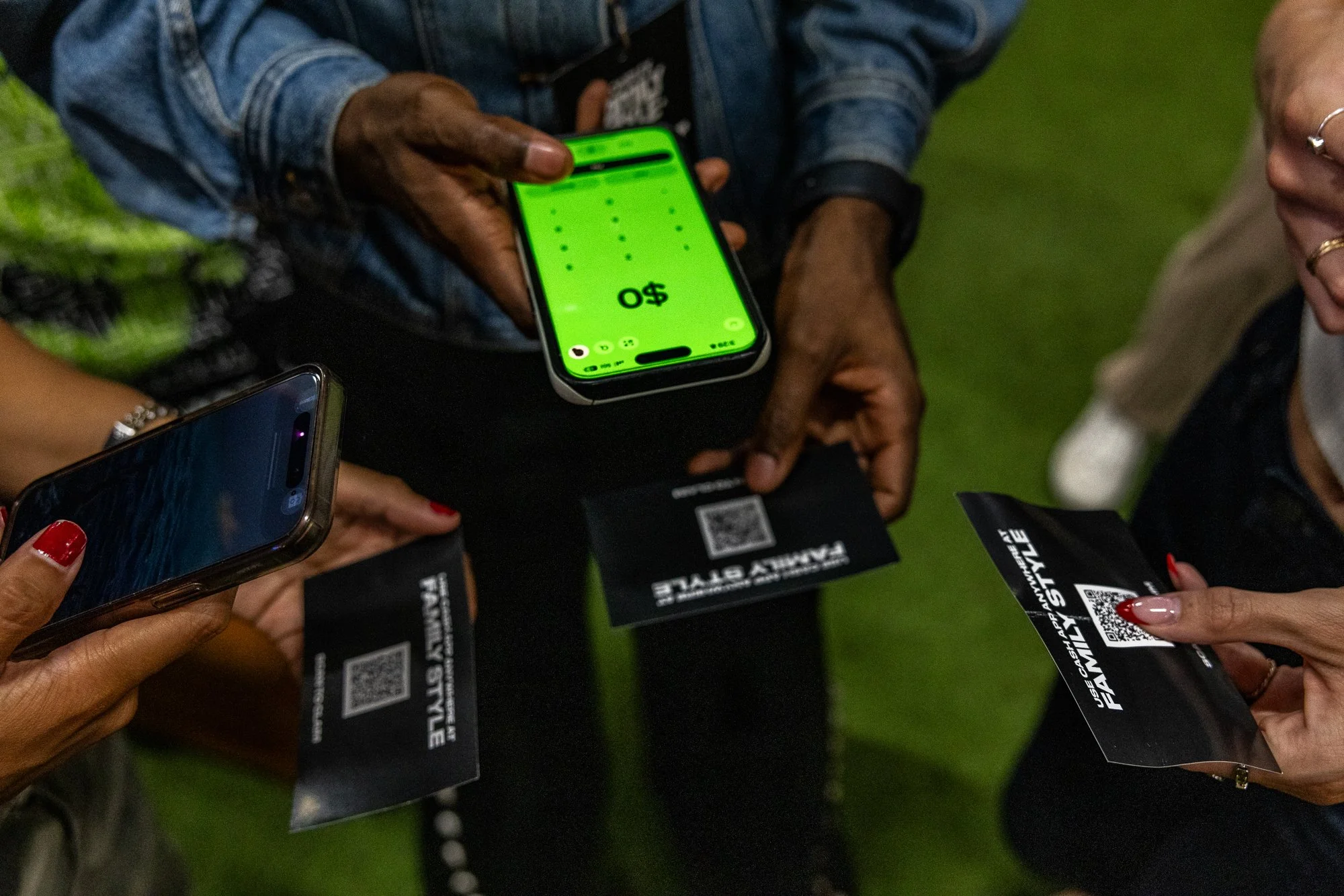
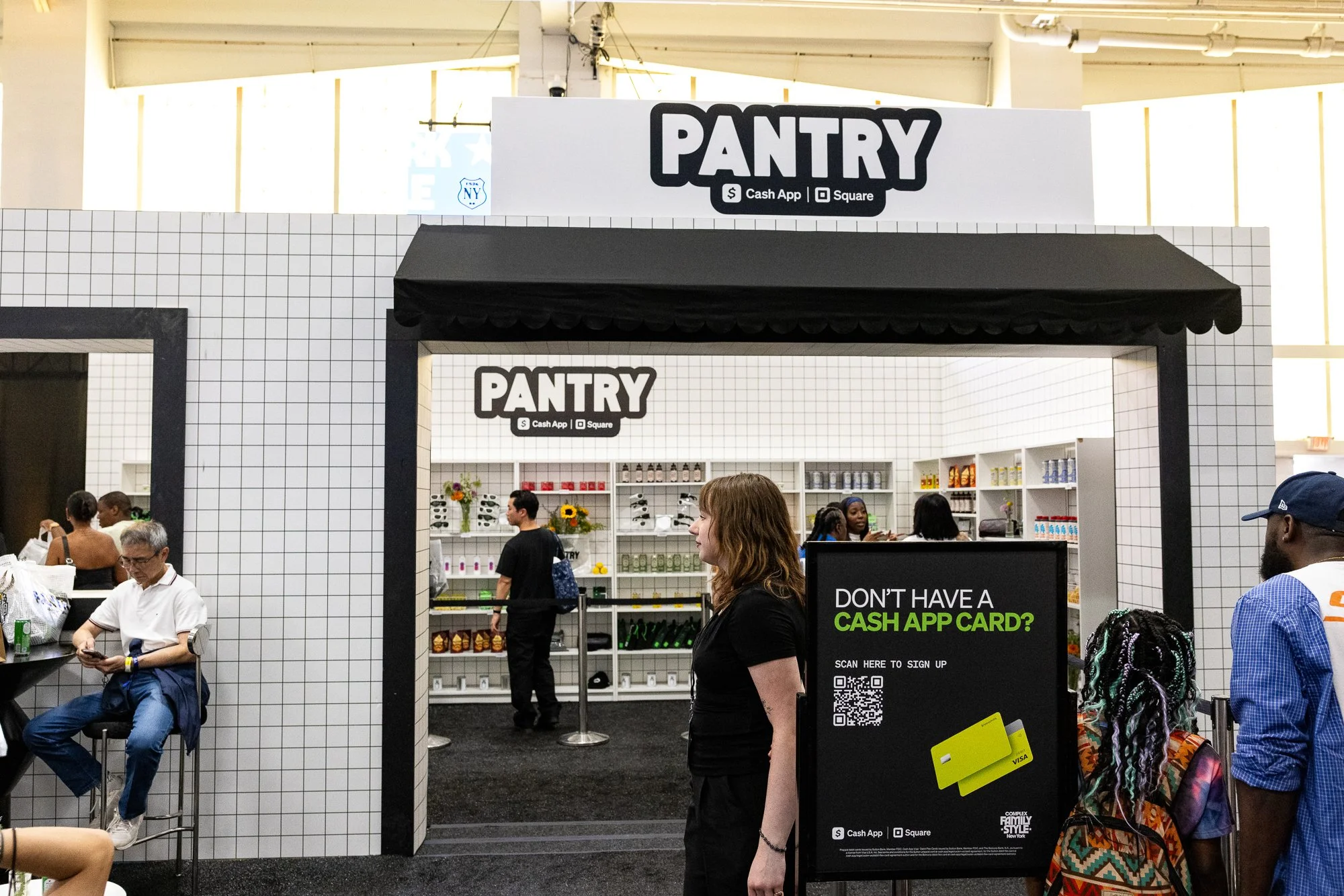
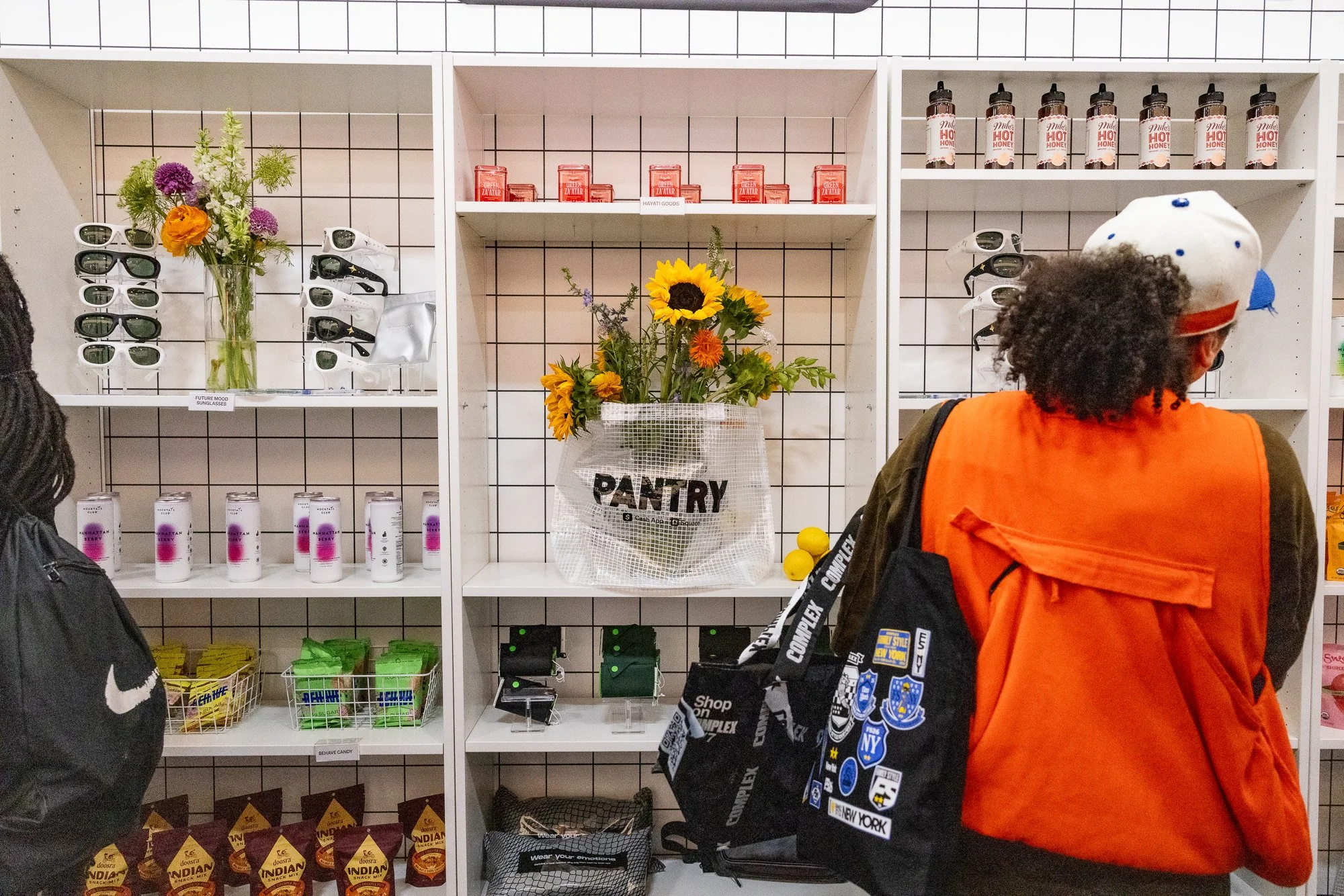
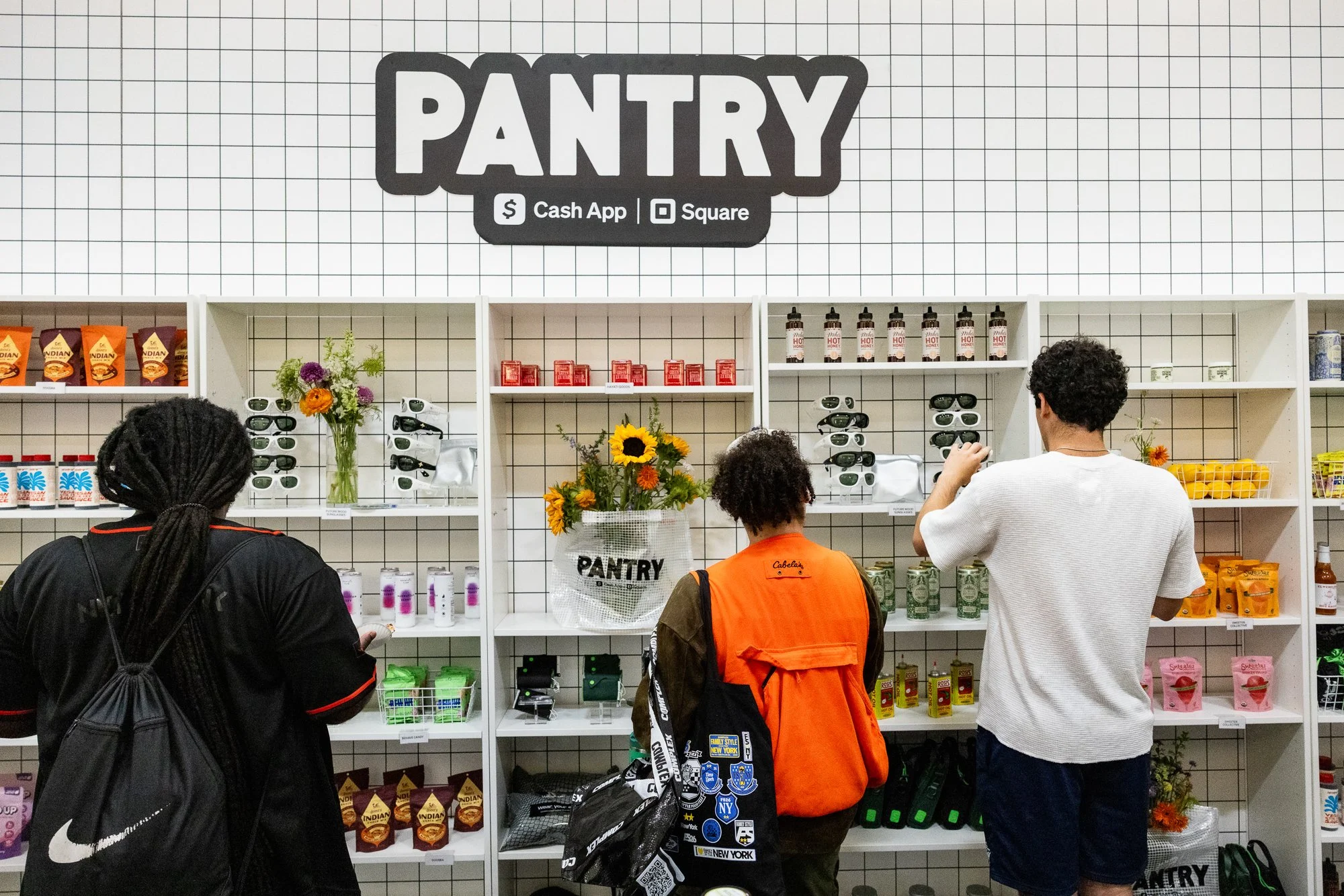
Commerce also evolved into community through Cash App and Square's "The Pantry," a curated marketplace spotlighting emerging food concepts, independent fashion labels, and culturally relevant small businesses. Anchored by the Cash App lounge, the activation encouraged discovery while connecting entrepreneurs directly with festival attendees, illustrating how financial technology companies are increasingly investing in community-driven cultural platforms.
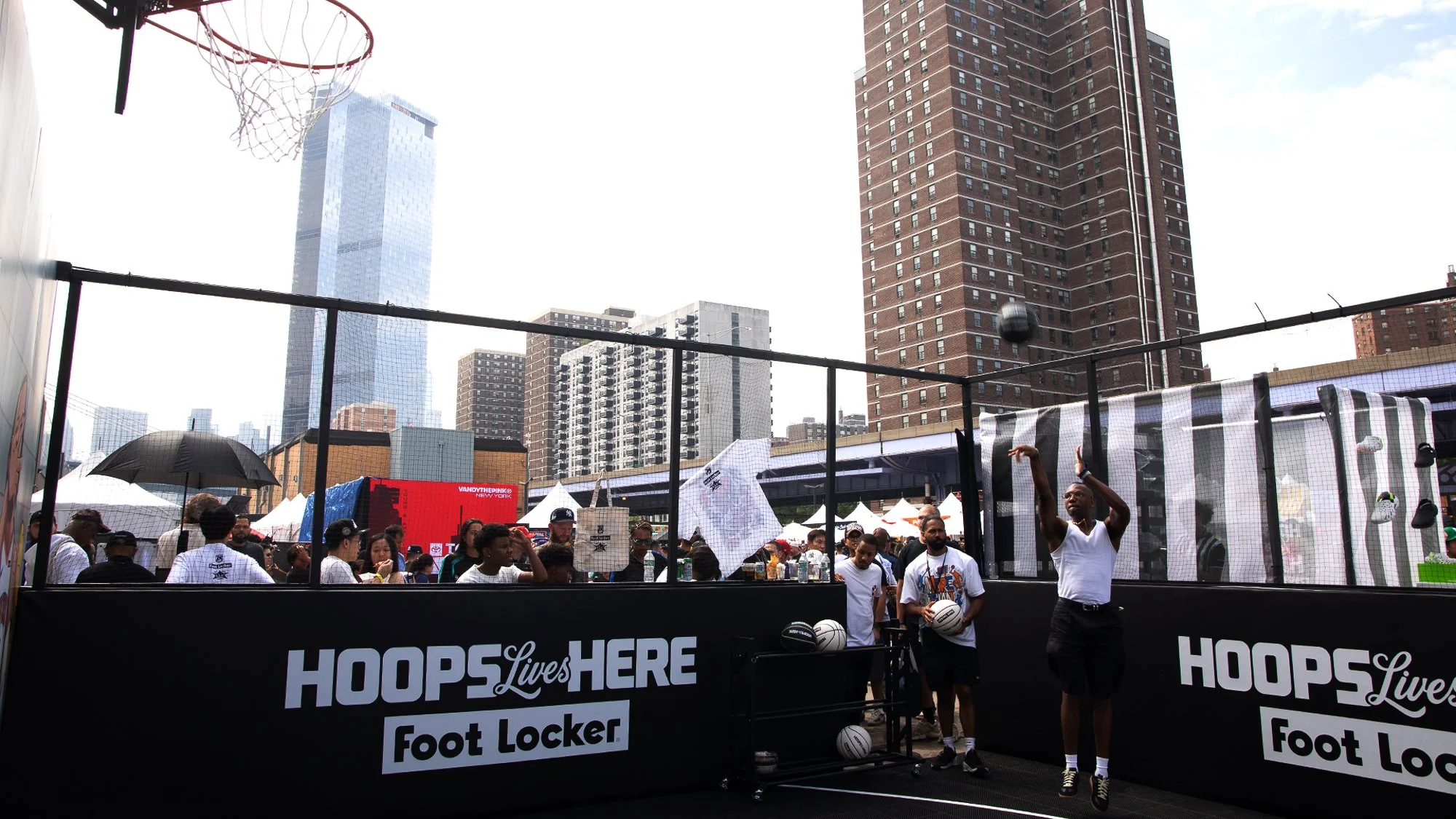
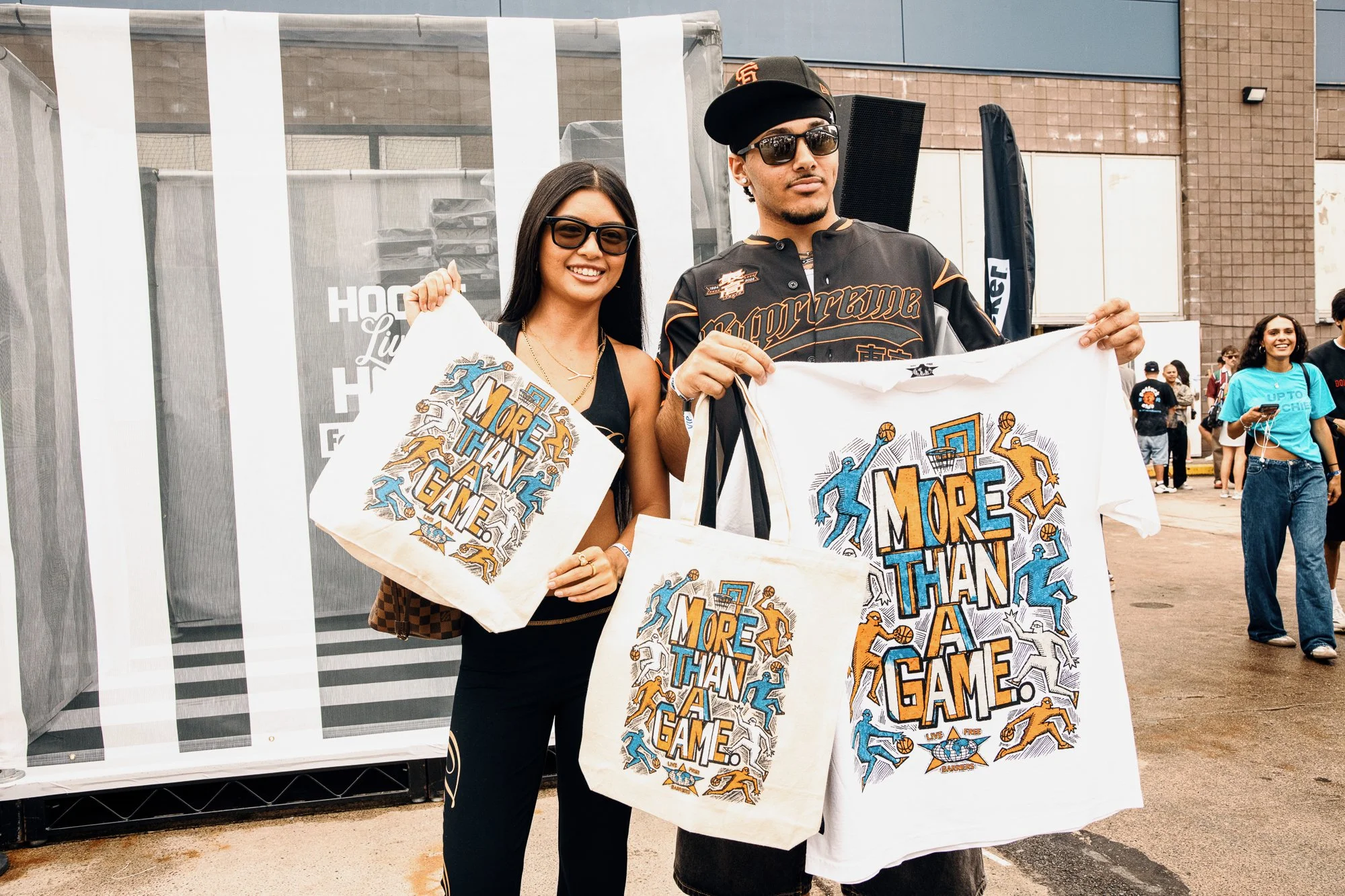
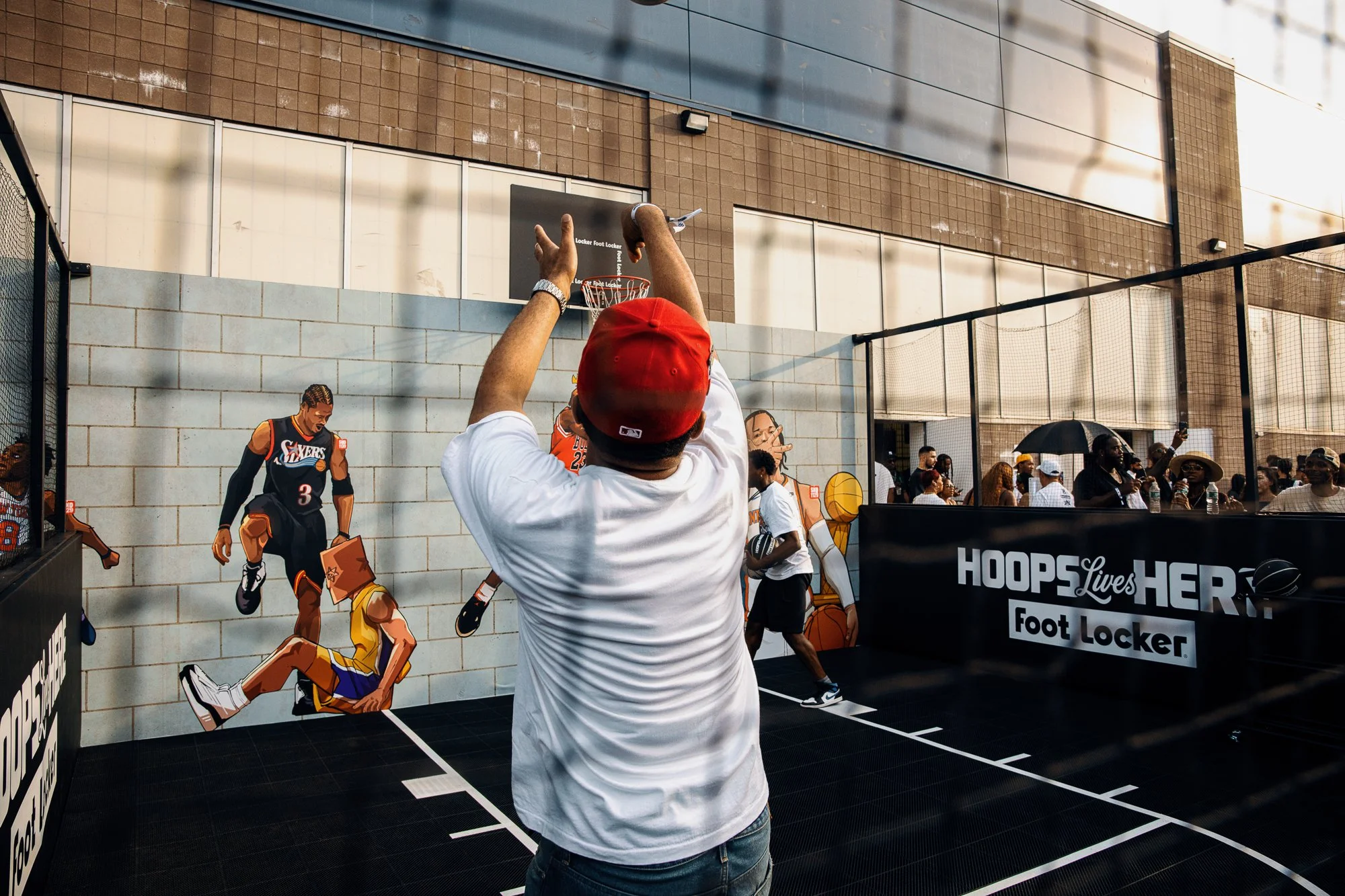
Meanwhile, Foot Locker celebrated New York City's basketball legacy through a mural by artist Steeve Verna, paying tribute to the playground legends who shaped the city's basketball identity. The activation also featured exclusive merchandise designed with Barriers Worldwide, alongside interactive games and experiences that transformed spectators into participants, reinforcing the enduring relationship between basketball culture and contemporary streetwear.
Collectively, the festival illustrated a broader transformation occurring across fashion and consumer culture. Restaurants are becoming fashion collaborators. Automakers are becoming cultural storytellers. Financial technology platforms are becoming marketplaces for creative entrepreneurs. The most successful brands no longer define themselves solely by the products they sell, but by the communities and experiences they create.
As Family Style concluded another successful New York edition, it became increasingly clear that fashion's future extends well beyond clothing. In today's experience-driven economy, the industry's most valuable currency is cultural participation—and few events demonstrate that better than Family Style Food Festival, where food serves not simply as nourishment, but as a universal language connecting brands, creators, and consumers.
(Photo Credit: Complex):
HOW DO YOU FEEL ABOUT FASHION?
COMMENT OR TAKE OUR PAGE READER SURVEY
Featured
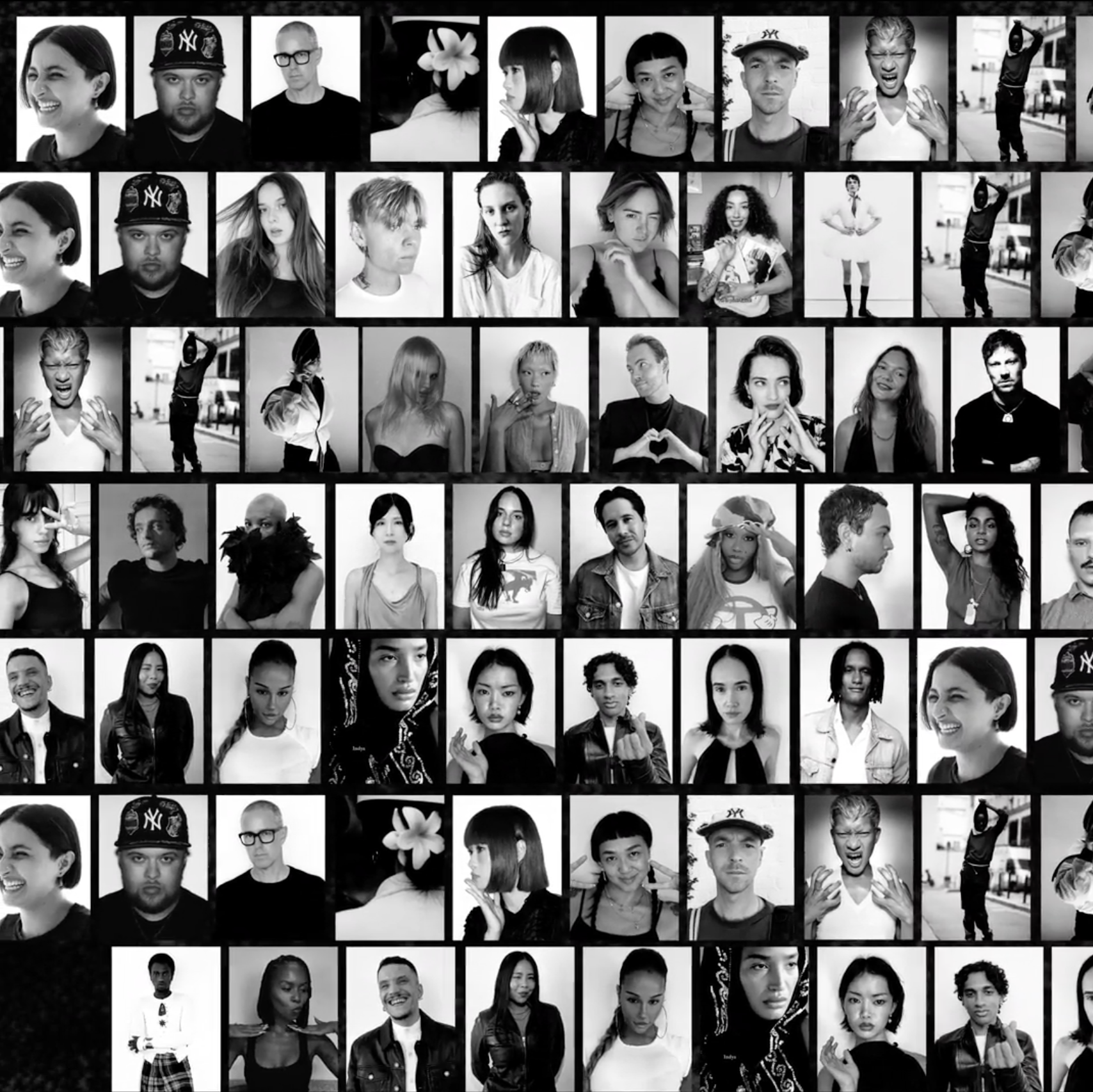


Adidas introduces its next NYC Creative Class, bringing together six artists, designers, musicians, and cultural innovators whose distinct practices and community-driven work reflect the creative energy shaping New York City.