
How Preventative Dental Care Builds Lifelong Health Habits
PAGE
By PAGE Editor
Two minutes. That is the actual cost of the habit that decides whether your next dental visit is a ten minute polish or a three appointment saga with a specialist. Most people spend more time choosing a Netflix show than they do thinking about the twenty eight teeth sitting in their mouth right now.
Here is the deal. Preventative dental care is not a chore you do for your dentist. It is a set of small, repeatable behaviors that compound the way a savings account compounds, except the interest is paid out in quieter checkups, fewer surprises, and a mouth that just works. According to the Centers for Disease Control and Prevention, routine oral care and regular dental visits are among the most effective ways to prevent cavities and gum disease before they ever start hurting. That last part matters. Dental problems are almost always silent until they are expensive.
This piece walks through the habits that actually move the needle, the ones that quietly wreck your teeth without you noticing, and how to build a routine that sticks past the first enthusiastic week.
Why your mouth is the first place habits show up
Your teeth do not care about your intentions. They care about repetition. A single missed brushing barely registers. A thousand skipped flossing sessions do.
Think about how buildup works. Plaque forms within hours of eating, and if it is not disturbed by brushing or flossing, it hardens into tartar, which no toothbrush on earth will remove. From there, it is a slow slide: gum tissue gets irritated, pockets form, and one day a hygienist is calling out numbers that make you wince. None of this happens overnight, and that is the good news. Because it is slow, it is interruptible.
The American Dental Association has long noted that the mouth functions as a window into overall health, with conditions like diabetes and heart disease showing connections to gum inflammation. You do not need to become a dental nerd to benefit from that idea. You just need to treat your mouth as part of your body instead of a separate, slightly annoying accessory.
What does a genuinely good daily routine look like?
Not complicated. Here is the version I would actually recommend to a friend, in order of how much it matters.
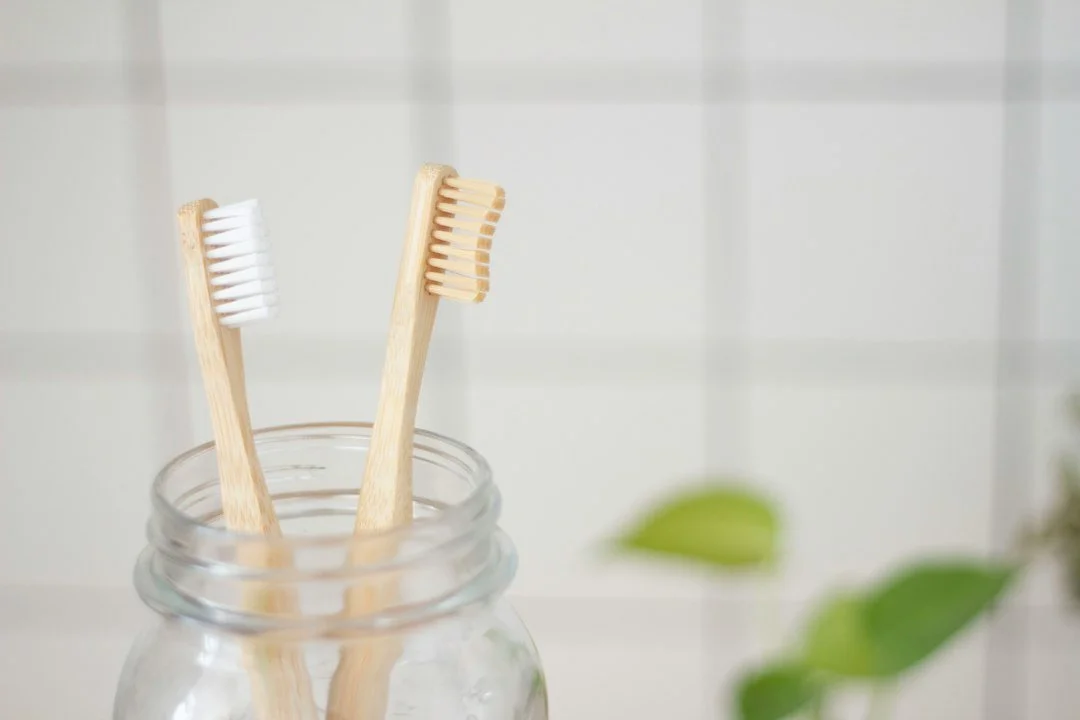
Brush twice a day for two minutes. A soft bristled brush, gentle circles along the gumline, not a scrubbing contest. Electric or manual, your technique matters more than the price tag.
Floss or clean between teeth once a day. This is the one most people skip, and it is the one that protects the gums between your teeth where a brush simply cannot reach.
Rinse with fluoride toothpaste, do not guzzle water right after. That lingering fluoride keeps working after you walk away from the sink.
Limit sugary and acidic drinks to meal times. Sipping soda all afternoon is worse than drinking one with lunch, because your mouth never gets a chance to recover.
Book a checkup and cleaning every six months, or whatever interval your dentist recommends for you. Some people need more frequent visits, some need fewer. Your mouth gets a vote.
Notice what is not on that list: whitening strips, charcoal paste, and whatever gadget is trending this month. Skip those. They are the dental equivalent of buying a gym membership and calling it exercise.
The habits nobody warns you about
Some of the worst offenders hide in plain sight.
Crunching ice is a classic. So is using your teeth as tools to open packaging, which is a decision your molars will eventually bill you for. Chewing on pen caps, biting your nails, grinding your teeth at night, all of it adds up.
Dry mouth deserves its own mention. Saliva is your mouth's built in cleaning crew, and when it thins out, whether from medications, mouth breathing, or just getting older, cavity risk climbs. If your mouth feels like cotton by mid afternoon, that is worth raising at your next visit rather than toughing out.
And then there is the scheduling problem. People do not avoid the dentist because they hate cleanings. They avoid it because booking feels like a hurdle and life is loud. One practical fix: schedule your next appointment before you leave the office, while you are already sitting in the chair. It removes the decision entirely.
Building a routine that survives a bad week
Anyone can floss for four days. The trick is what happens in week three, when you get home late and the couch is calling.
Lower the bar. Keep floss picks in a bowl next to the remote. Brush while your coffee brews instead of adding a separate trip upstairs. Stack the new habit onto something you already do without thinking, because that is how routines actually stick, not through willpower but through location and timing.
If you live in a place where finding care is part of the friction, this matters even more. Good clinics make the routine easier by tracking your history and flagging changes early. In British Columbia, the Government of Canada notes that the Canadian Dental Care Plan now helps expand access to dental services for eligible residents, which removes one more reason to postpone a visit that has been sitting on your list since last spring. Whether you search for a dentist Surrey or book with whoever is closest to your commute, the goal is the same: get in the chair before something small becomes something surgical.
One habit I would push hard on: write down your questions as they pop up. That weird sensitivity to cold, the spot on your gum that comes and goes, the grinding your partner mentioned. You will forget all of it in the waiting room. A note on your phone takes ten seconds and turns a routine cleaning into an actual conversation about your mouth.
Prevention pays you back in ways you will notice
The rewards are not dramatic, and that is exactly the point. Fewer emergency appointments. Lower cumulative costs. Less time in a chair with your jaw cranked open.
There is a confidence layer too. People who are not worried about their breath or a tender spot smile more freely, and that ripples into work meetings, first dates, and photos you would otherwise dodge.
Here is my honest take: the people with the calmest dental histories are almost never the ones with perfect genetics. They are the ones who brushed without negotiating, flossed without a lecture, and showed up twice a year like clockwork. Boring, repeatable, effective. That is the whole formula.
So pick one thing today. Not five. Maybe it is the floss sitting in a drawer, or the appointment you have been putting off since the last reminder card went in the recycling. Two minutes now beats two hours later, every single time.
What is the one dental habit you have been meaning to start? You already know the answer. The only question left is whether tonight counts as day one or day never.
HOW DO YOU FEEL ABOUT FASHION?
COMMENT OR TAKE OUR PAGE READER SURVEY
Featured




Christmas shopping becomes easier when you focus on how a child already likes to play.