
Jaeger-LeCoultre Revisits Its American Watchmaking Legacy With The Collectibles VIII
PAGE
By PAGE Editor
For collectors, vintage watchmaking offers something that contemporary releases cannot easily replicate: a tangible connection to the design decisions, cultural influences and mechanical ingenuity of another generation. Jaeger-LeCoultre is revisiting that relationship with the eighth edition of The Collectibles, a curated release that places the Maison’s American history at the center of its latest archival presentation.
Unveiled in New York on November 6, 2026, The Collectibles VIII brings together nine rare LeCoultre timepieces produced exclusively for the American market between 1933 and 1981. The presentation marks the second New York edition of the program and arrives ahead of the 250th anniversary of the United States’ Declaration of Independence in 2026. Through the capsule, the Swiss watchmaker explores a lesser-known chapter of its history, examining how American tastes, manufacturing requirements and cultural influences helped shape some of its most distinctive designs.
The American connection dates back to the 1920s, when the Maison established a presence in the United States under the Jaeger name, initially through precision instruments and the creation of Jaeger Inc. in New York in 1926. By 1936, LeCoultre S.A. of America had opened its New York office, establishing LeCoultre as a recognizable signature in the American watch market.
However, the relationship between Swiss watchmaking and American manufacturing was shaped by more than commercial opportunity. Import duties in the United States were particularly restrictive, with tariffs influenced by a watch's value and specifications. To navigate those regulations, LeCoultre adapted its production process, shipping Swiss movements, dials and hands across the Atlantic while cases were manufactured locally. Watches were subsequently assembled, adjusted and finished in America.
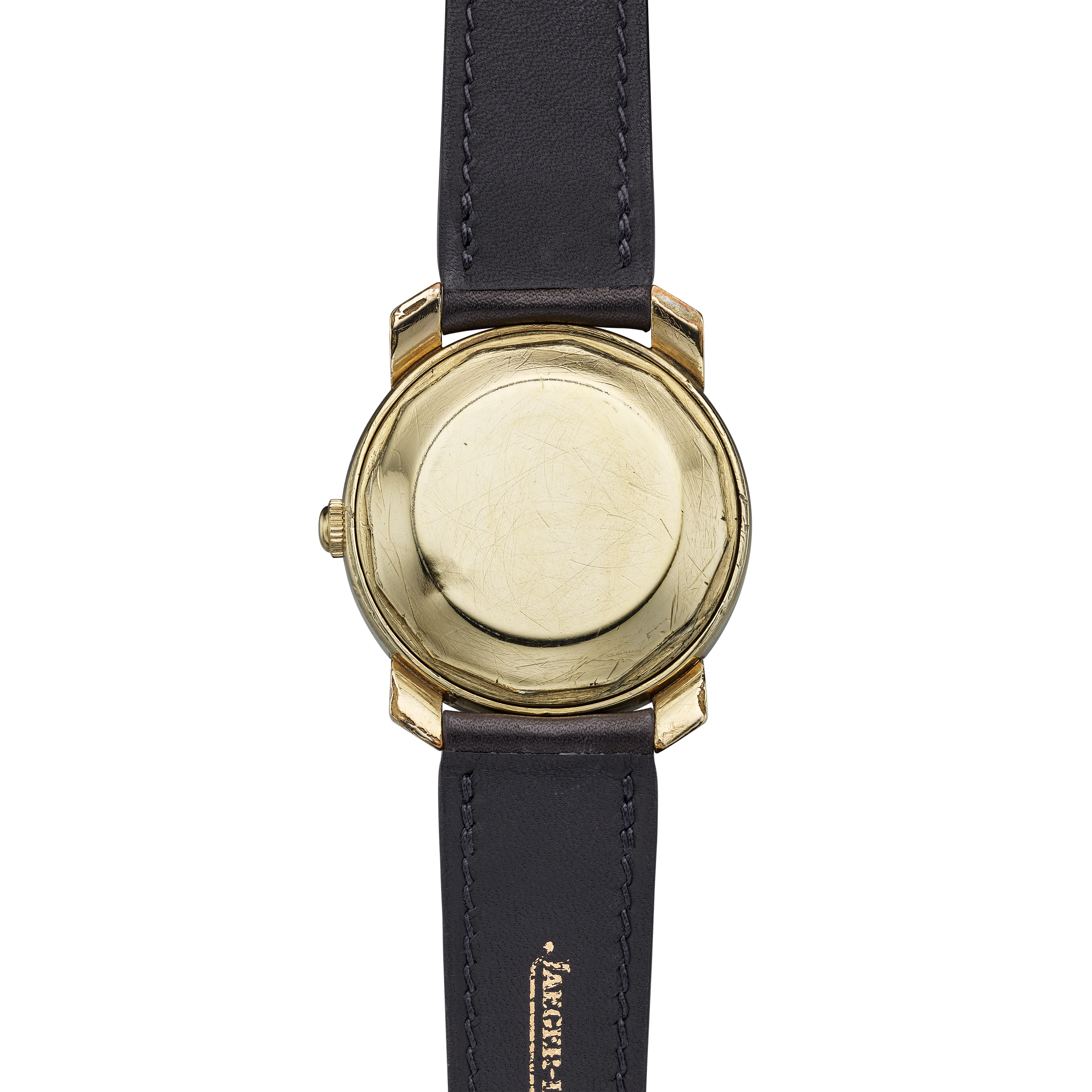
What began as a practical response to trade regulations eventually became an opportunity for design experimentation. American-produced cases introduced different proportions, geometries and materials, including gold-filled constructions and 14-karat gold. The resulting timepieces reflected a distinctly American design sensibility, one that often favored more expressive forms than their European counterparts.
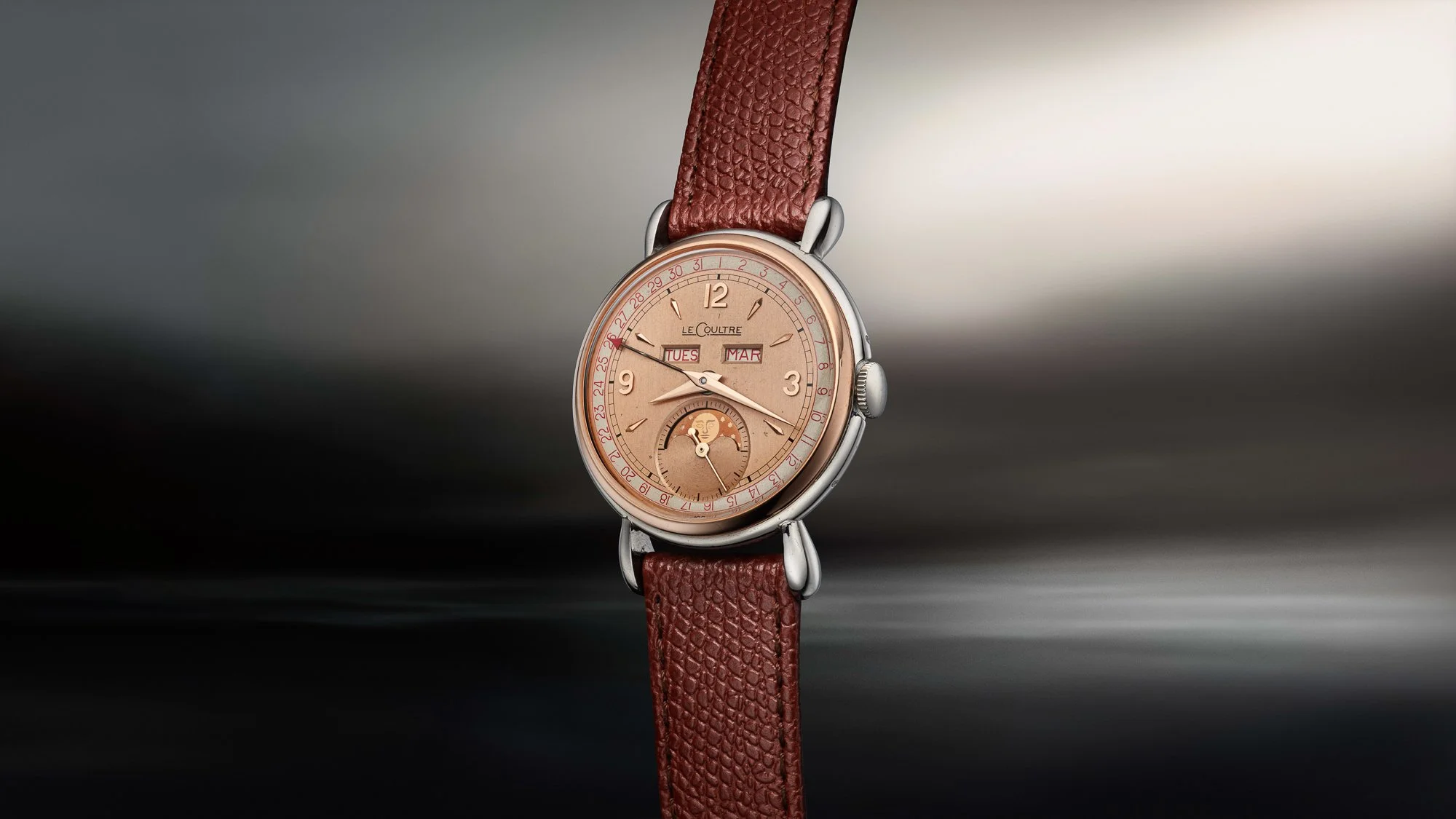
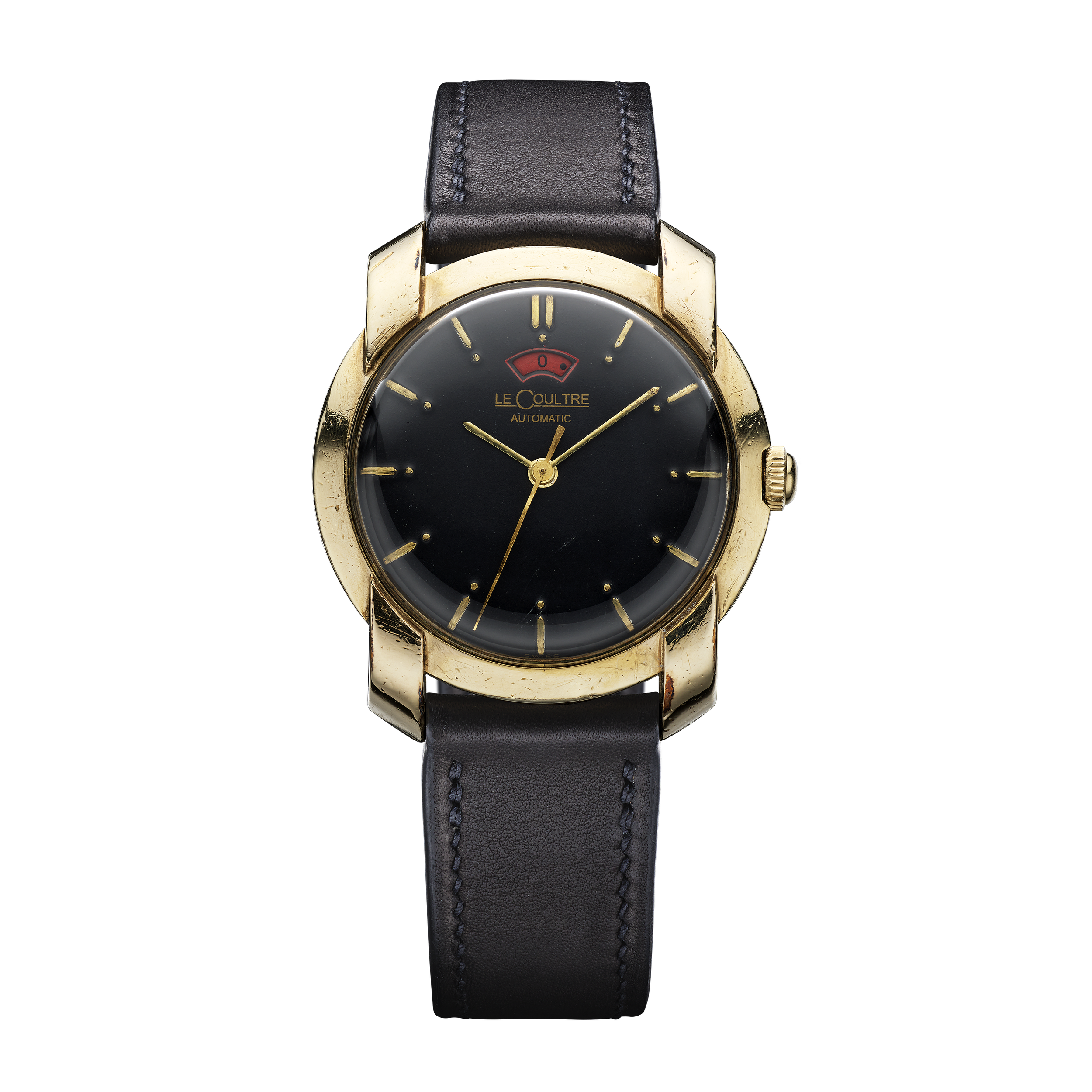
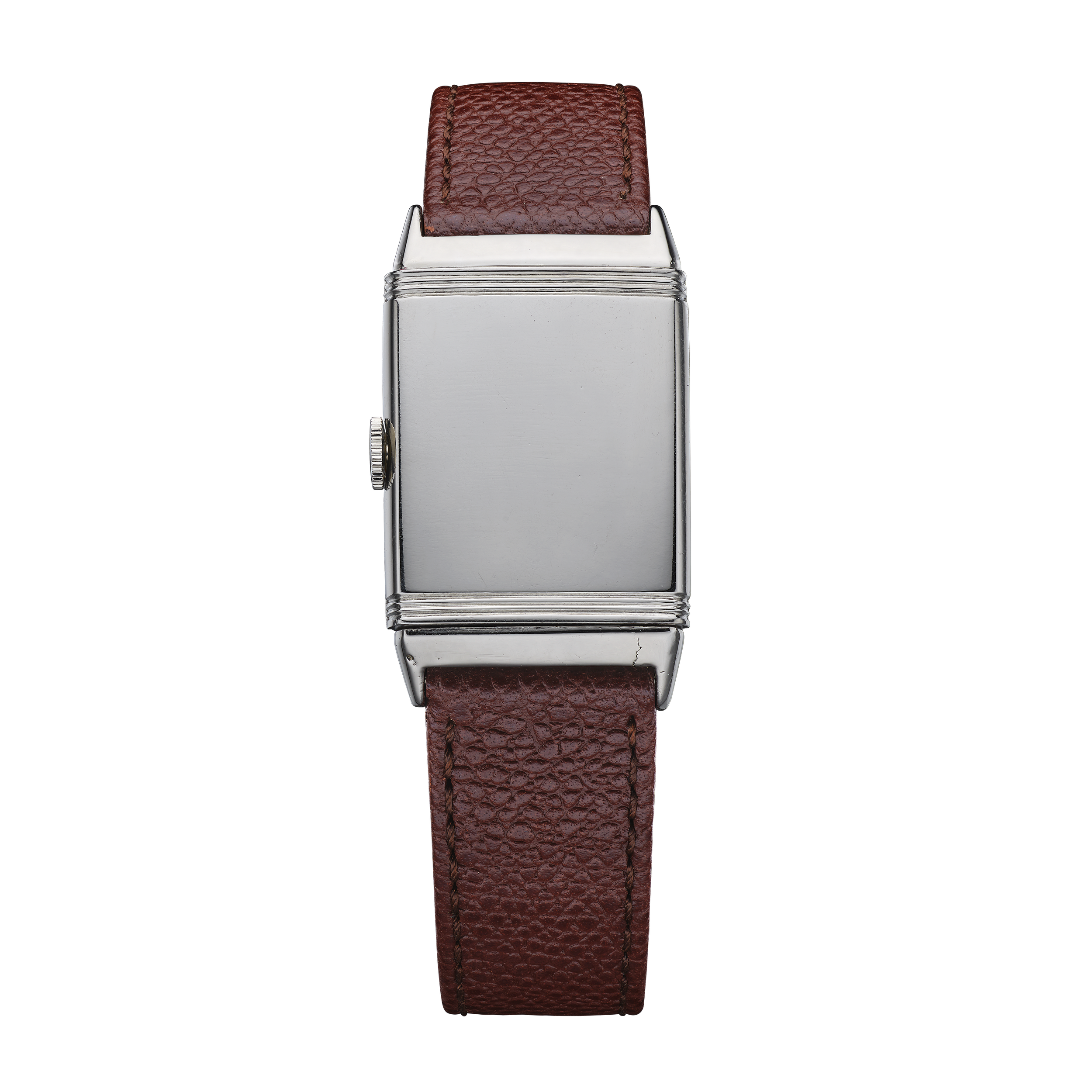
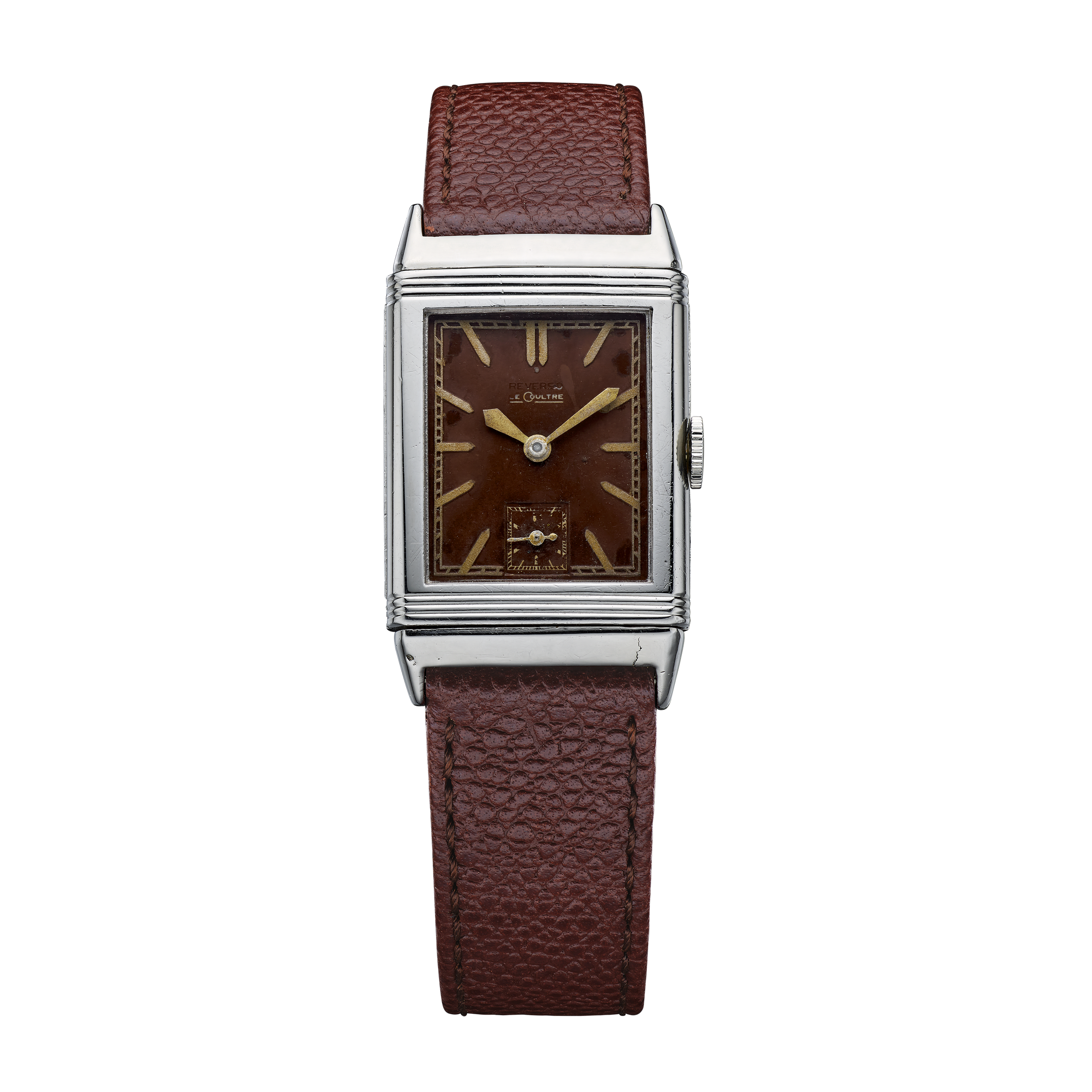
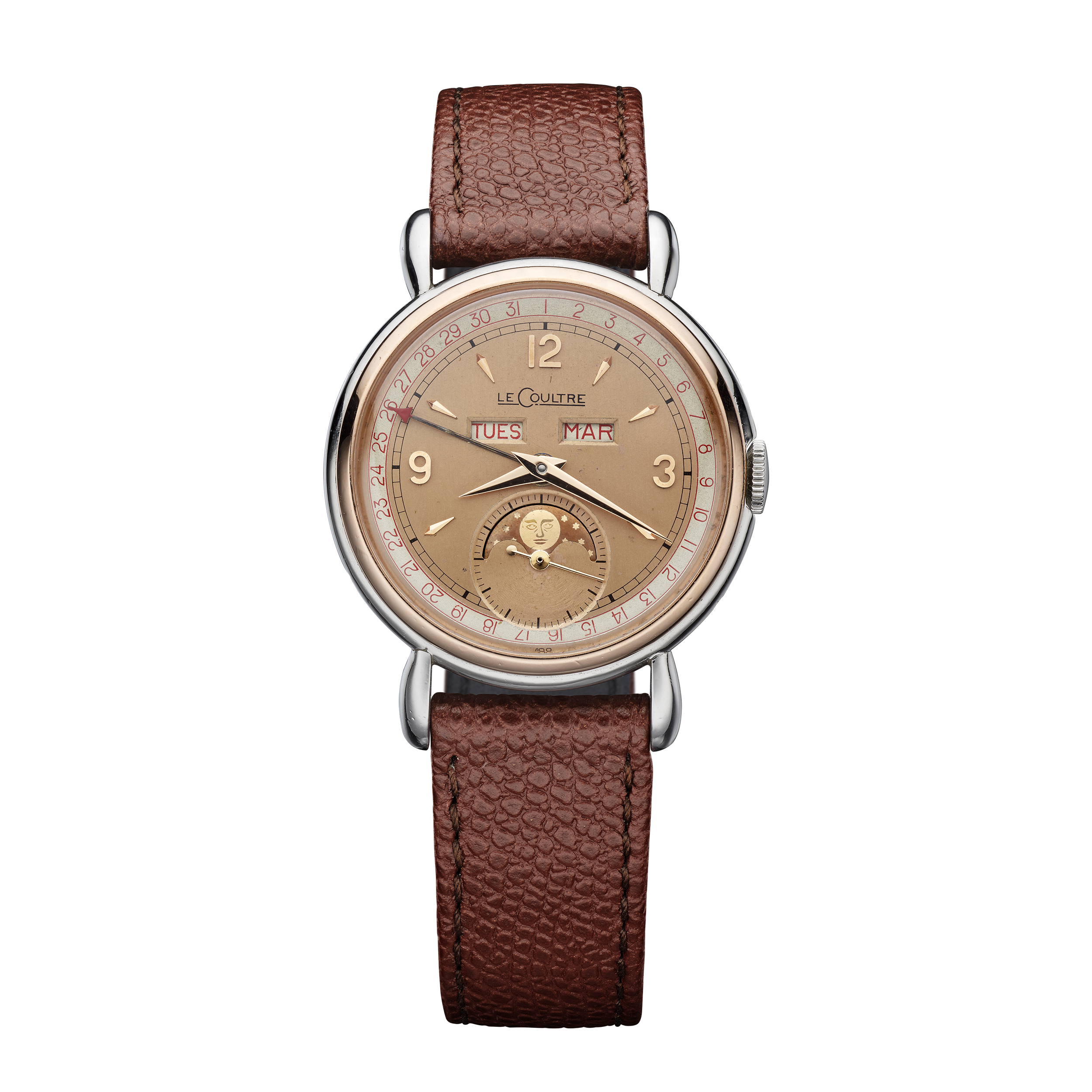
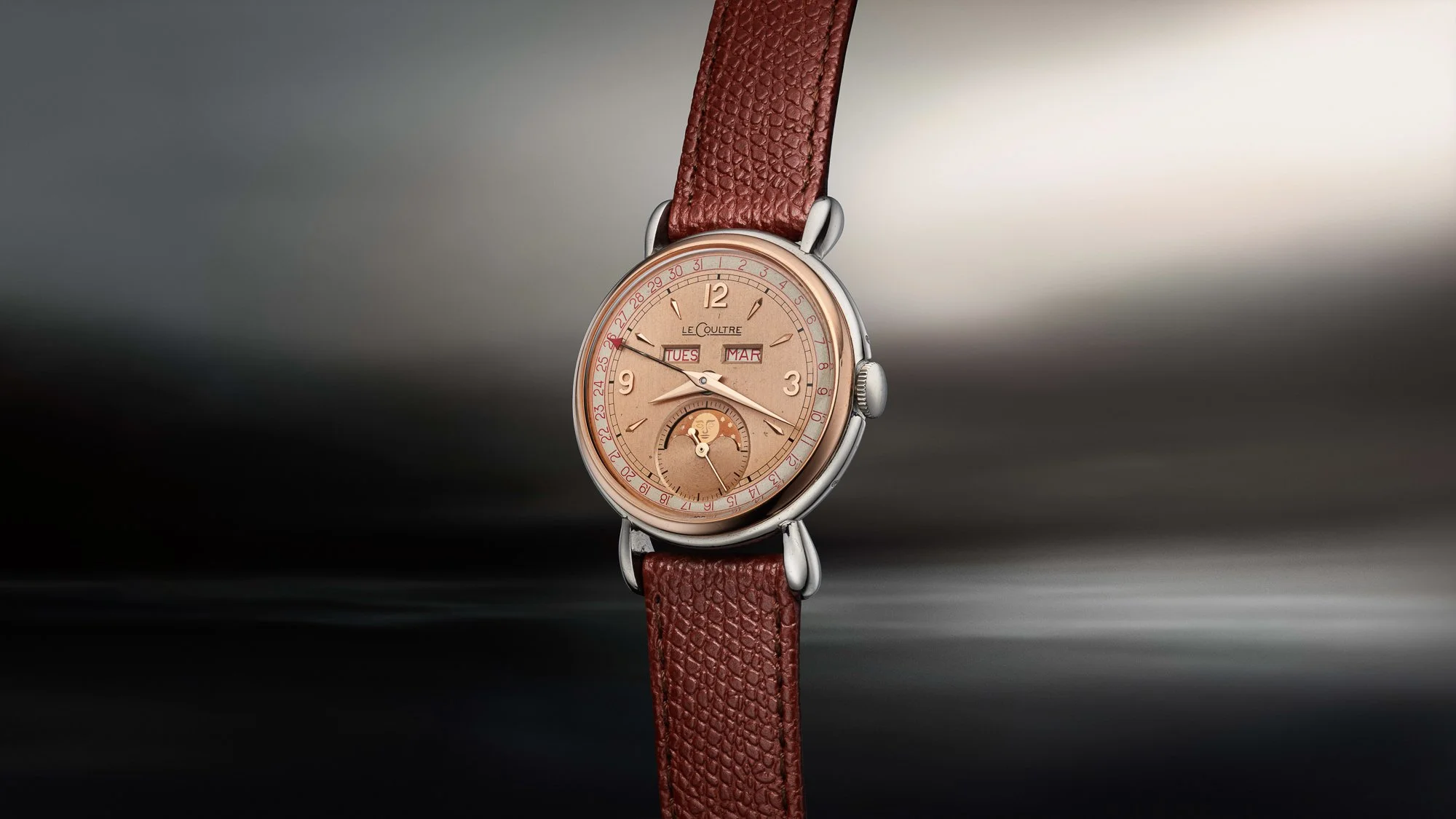
The nine watches selected for The Collectibles VIII illustrate that evolution across several decades of technical and aesthetic innovation. Among the highlights is a rare 1933 Reverso featuring an unusual chocolate-brown dial, powered by Calibre 410, the first in-house movement developed specifically for the model. A 1947 Triple Calendar introduces an unexpected combination of stainless steel, an 18-karat pink gold bezel and a copper-colored dial, while its Calibre 494 integrates a moon-phase display into the small-seconds counter.
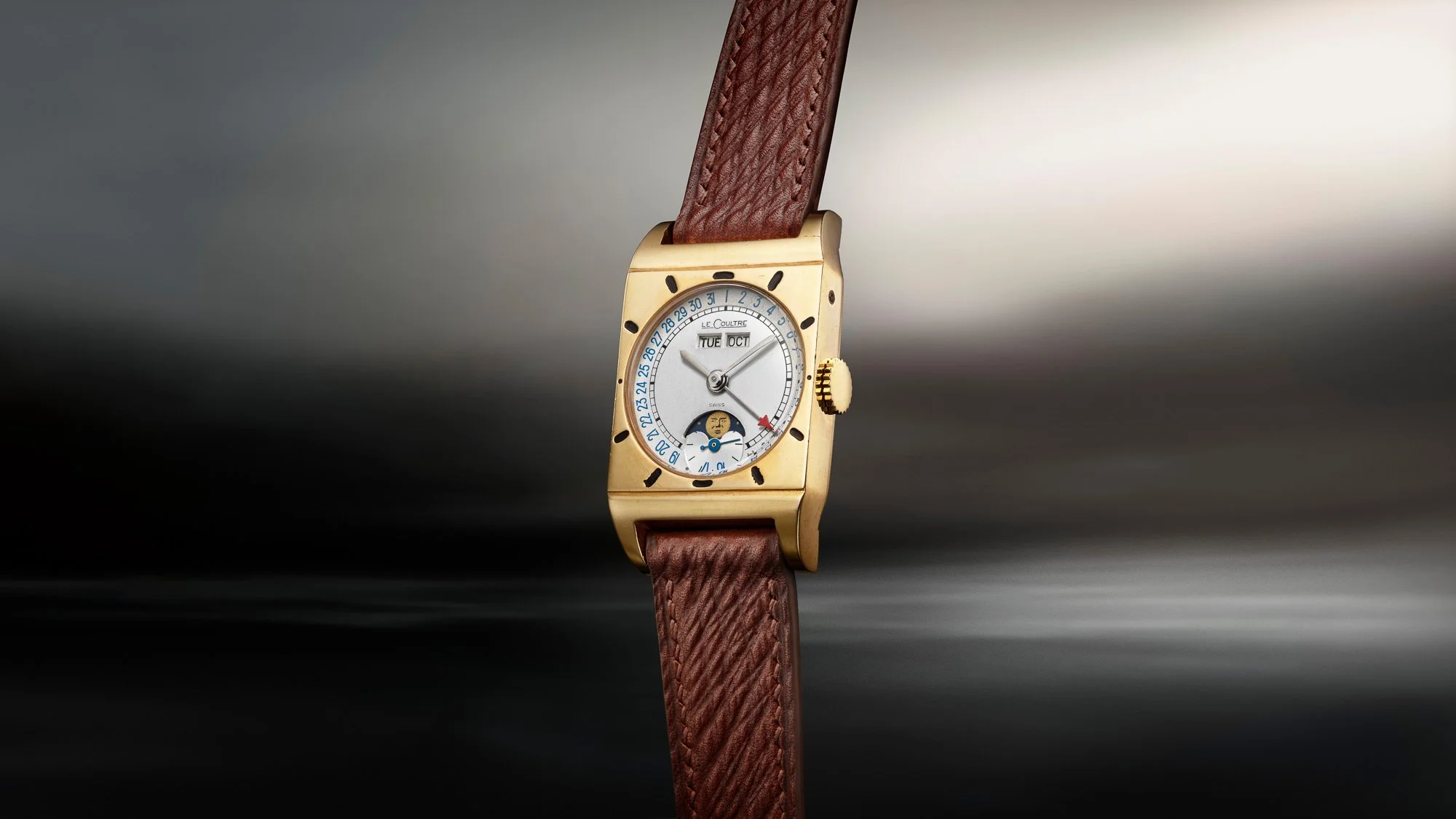
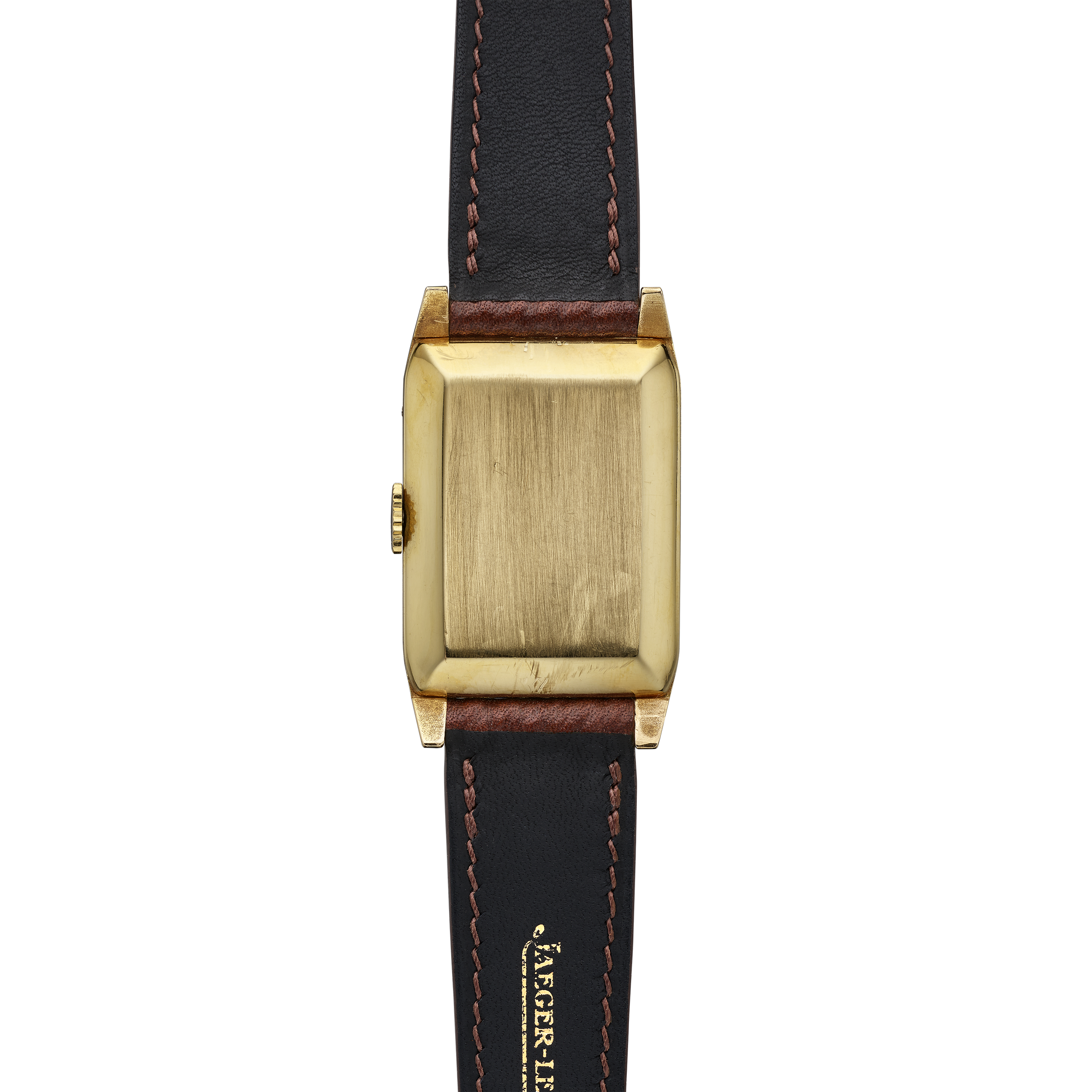
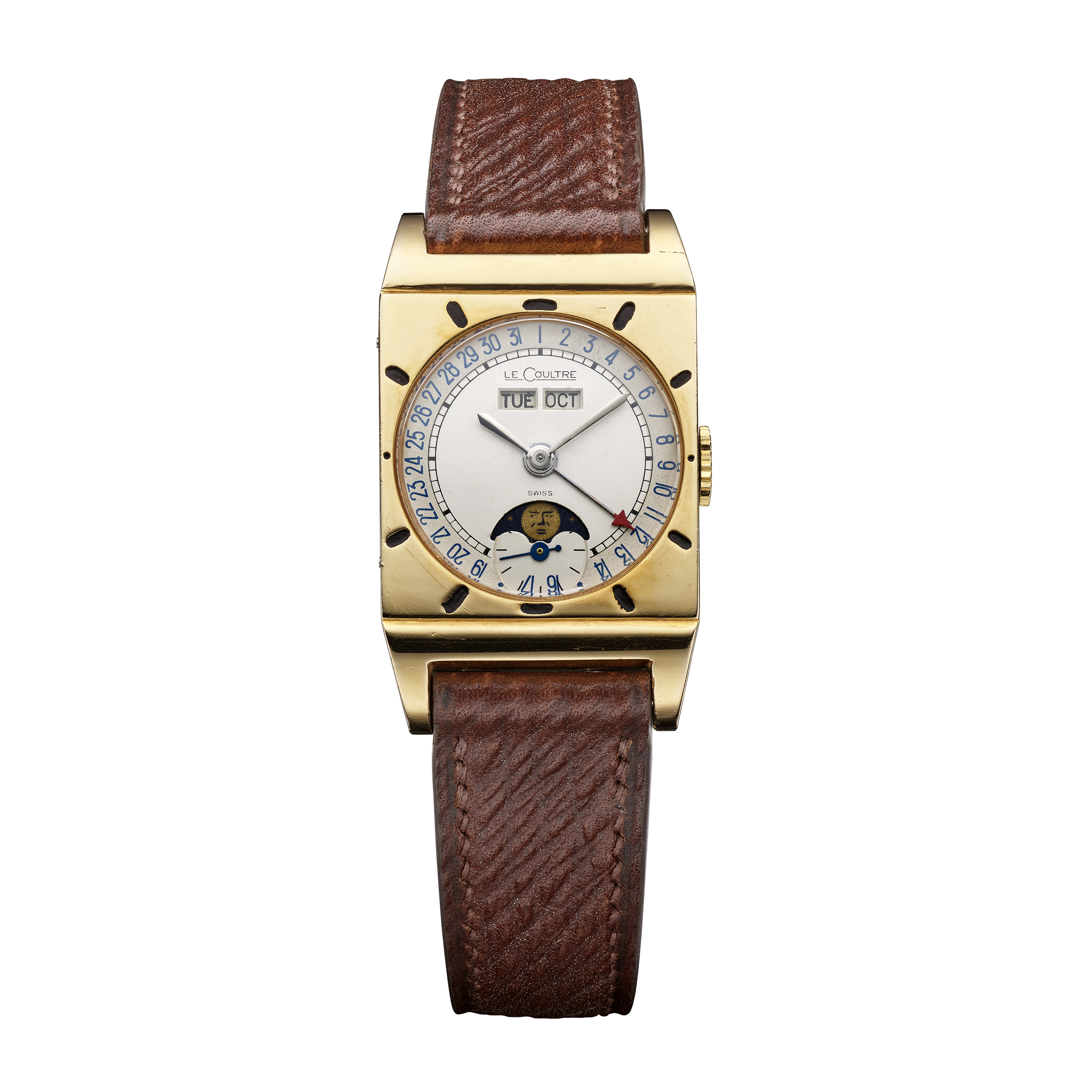
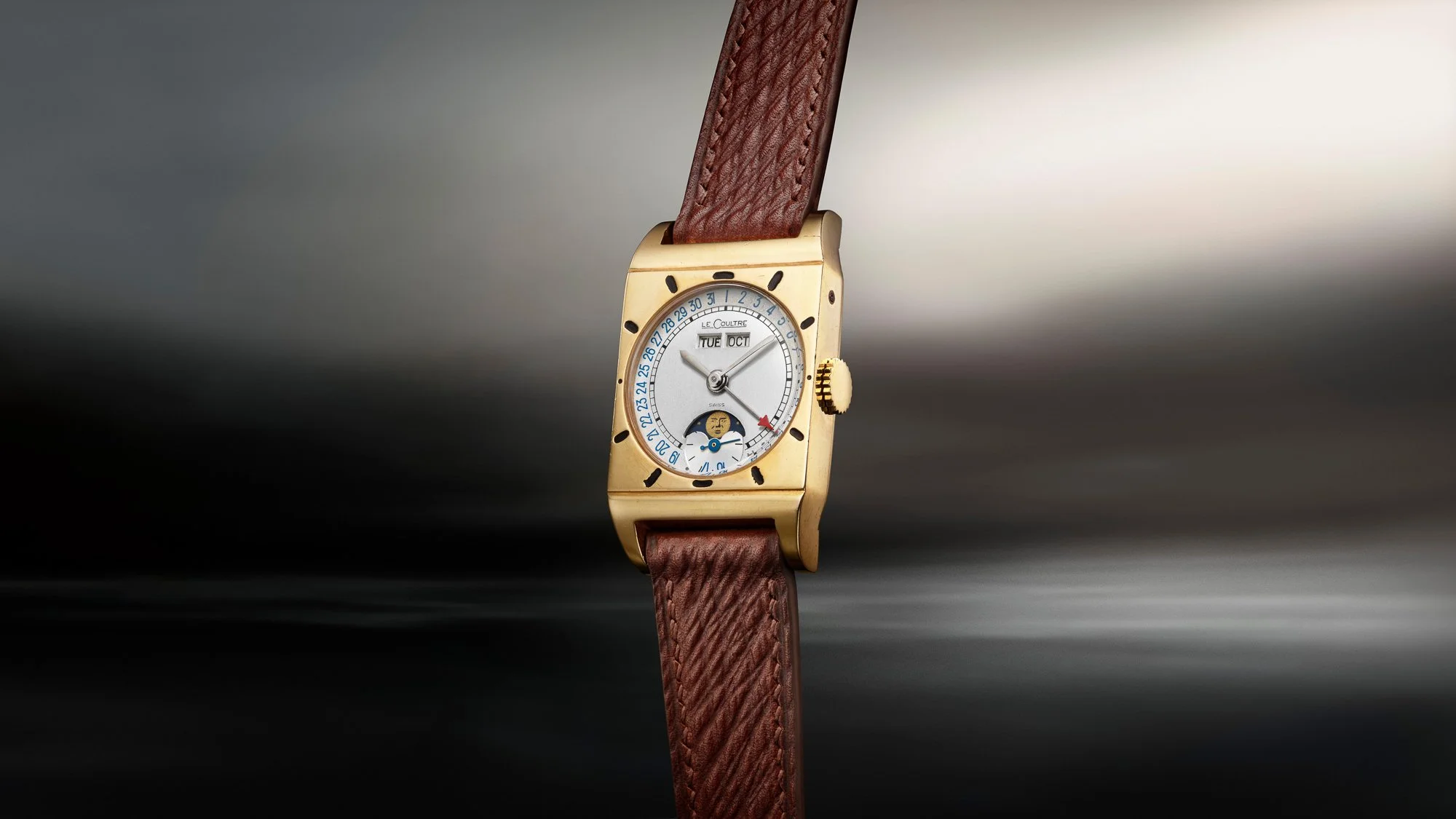
Another standout is a circa-1952 Triple Calendar Reference 2726, distinguished by its rectangular 18-karat yellow gold case. Particularly rare, the reference represents the Maison's first Triple Calendar model presented in a rectangular rather than traditional round silhouette. Its engraved and lacquered hour markers and bold blued date indicators give the watch a distinctive visual identity.
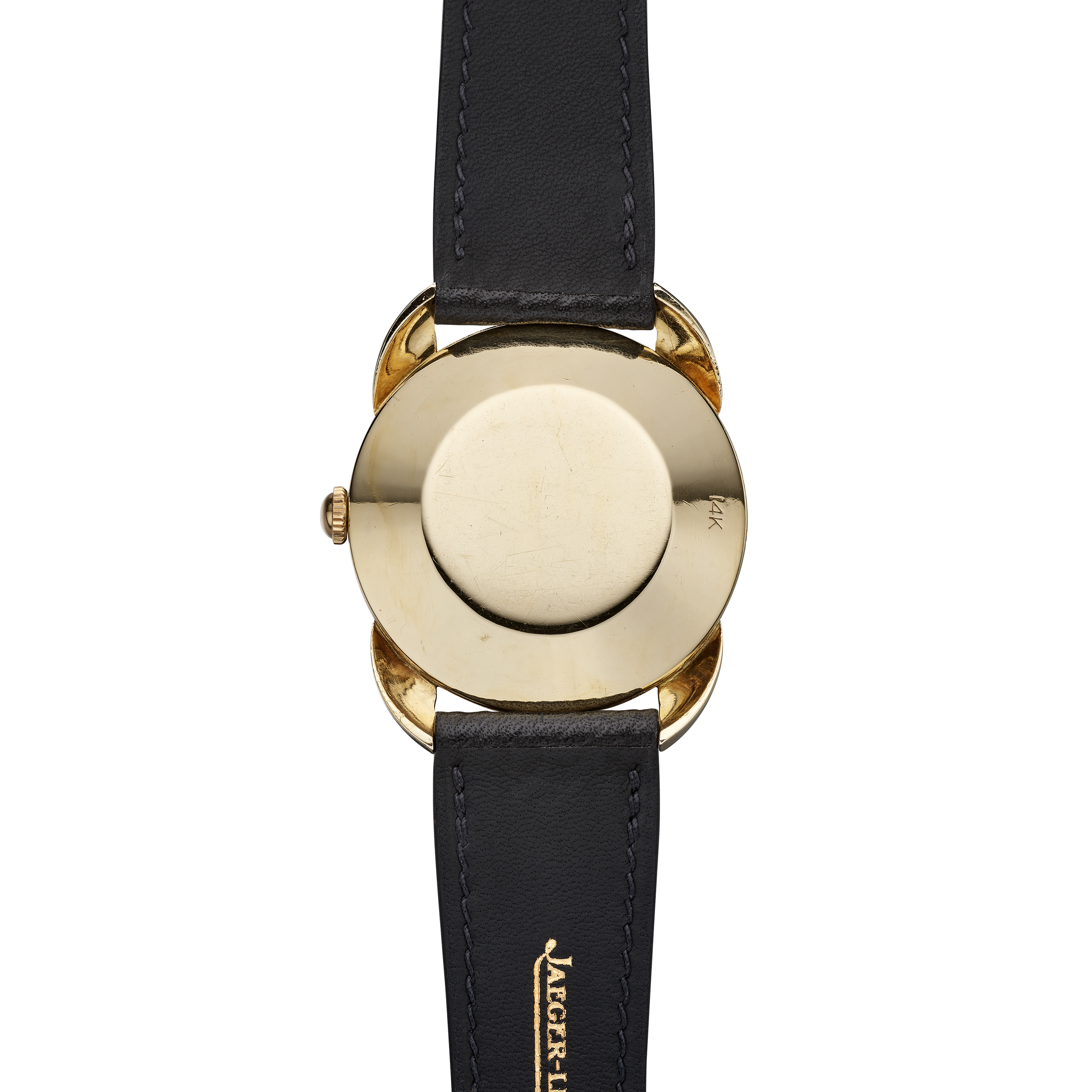
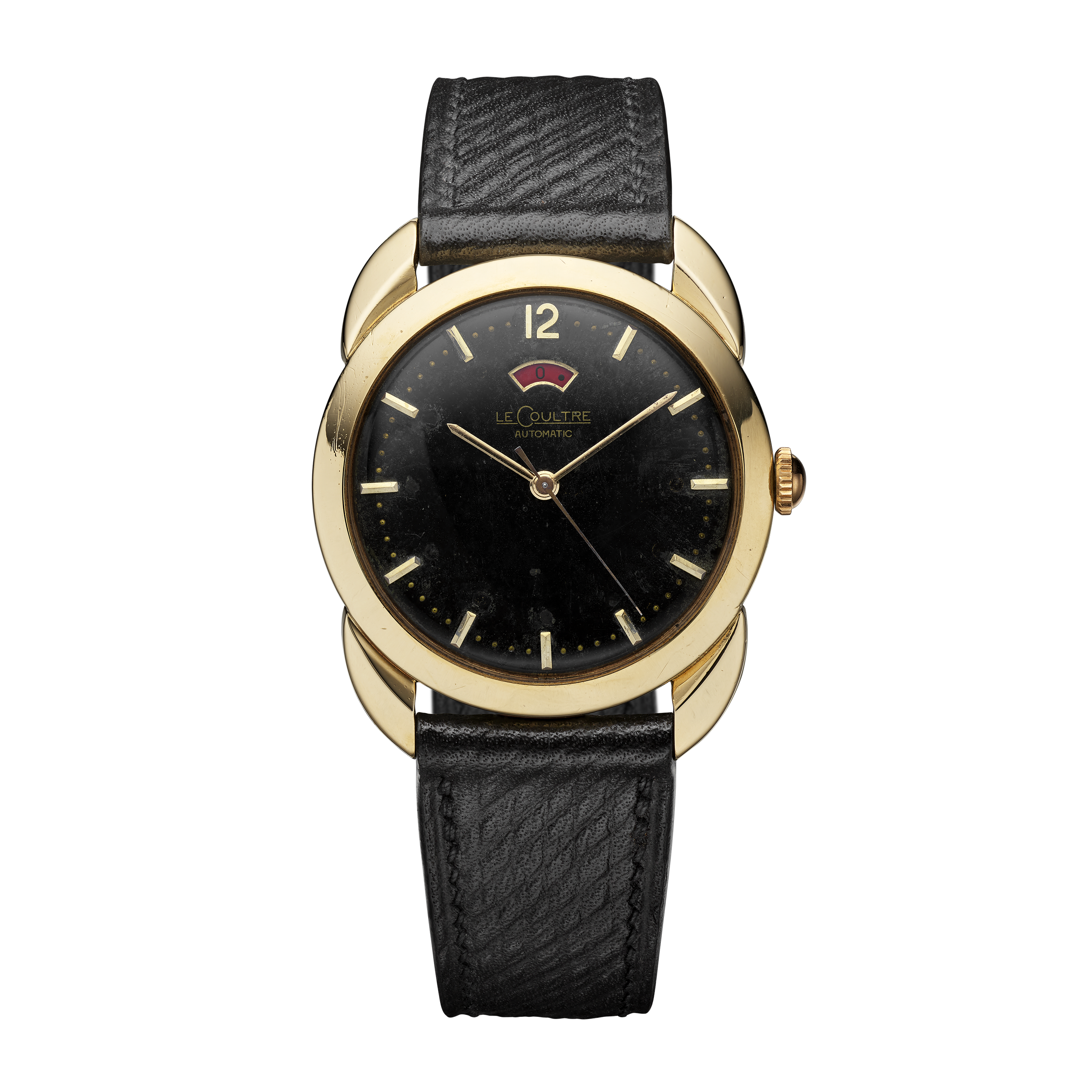
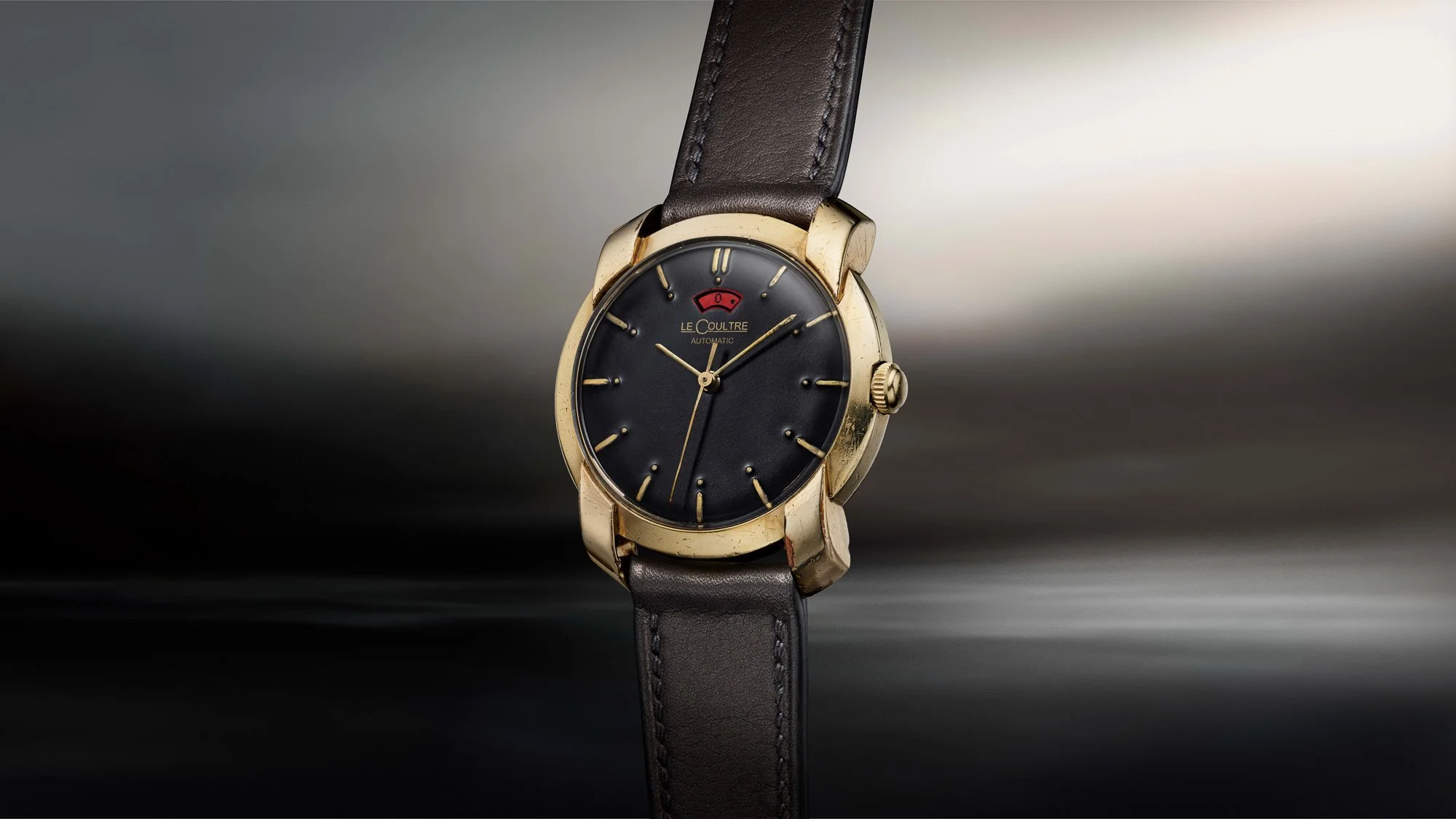
The collection also traces the evolution of sports and tool watches. The 1950 Powermatic Nautilus showcases the early development of automatic watchmaking through Calibre 481, the first wristwatch movement to display its power reserve indicator on the dial. Its prominent lugs, which extend across the top of the bezel, demonstrate the more adventurous case designs emerging from the American market.
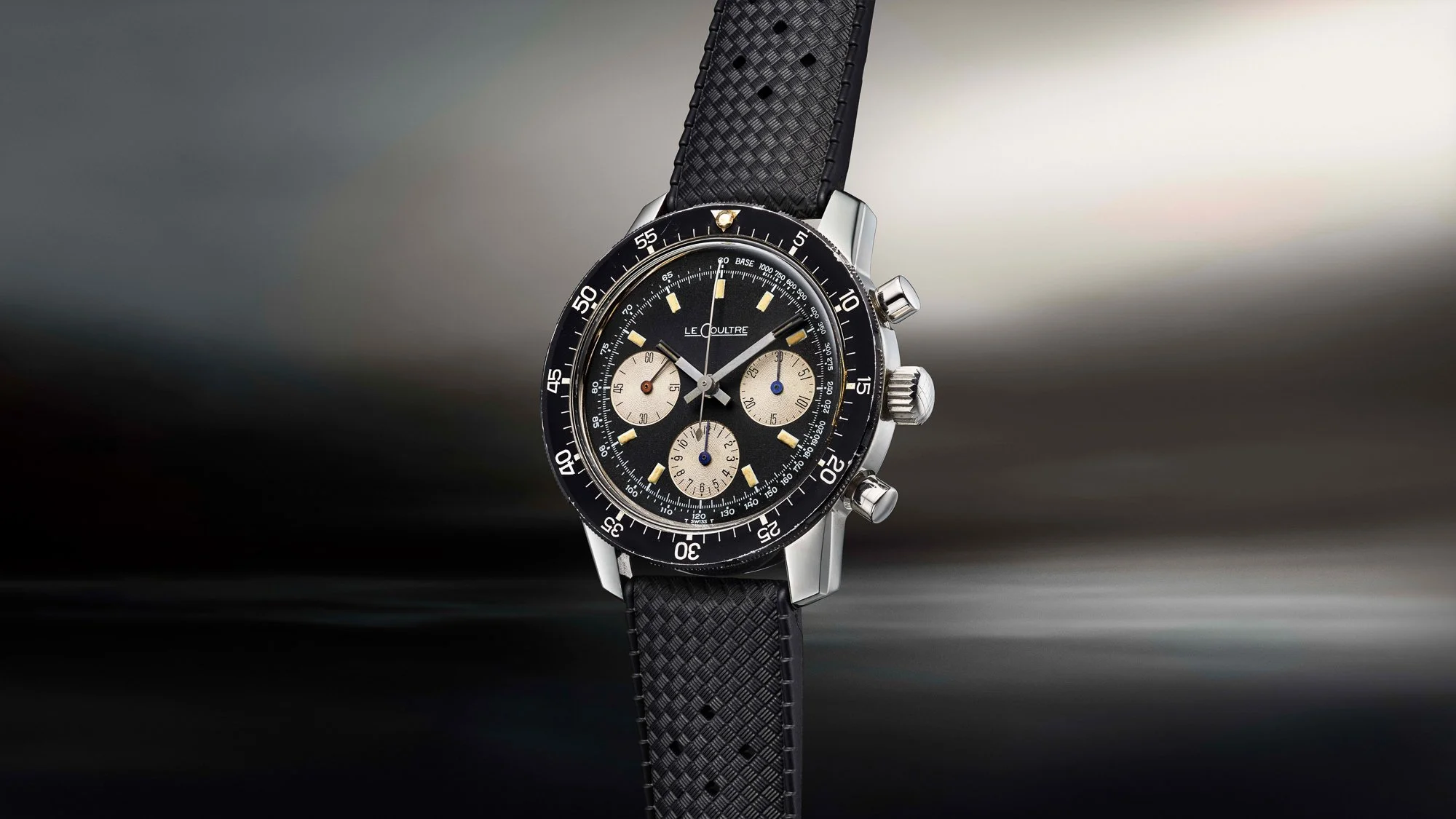
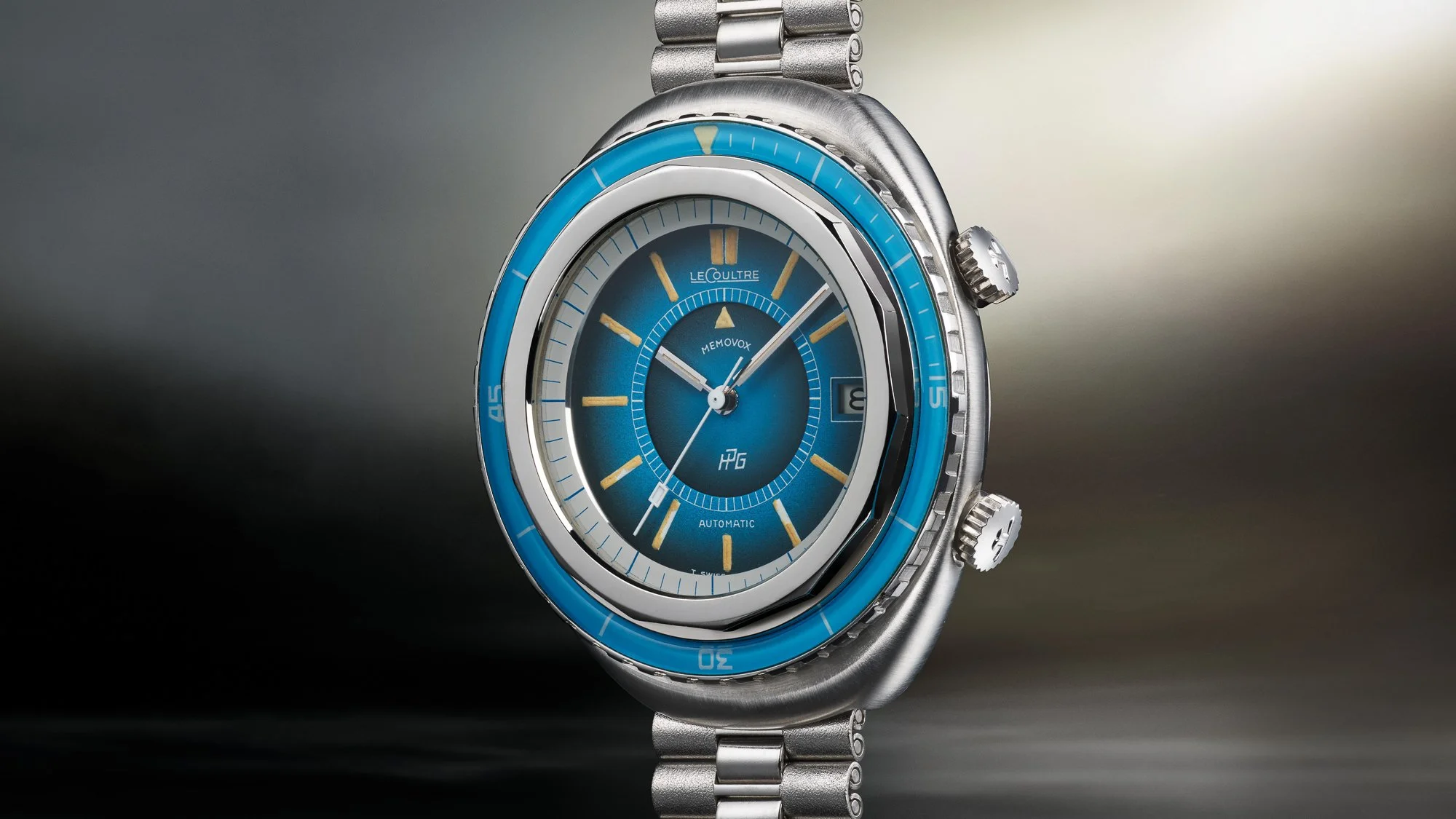
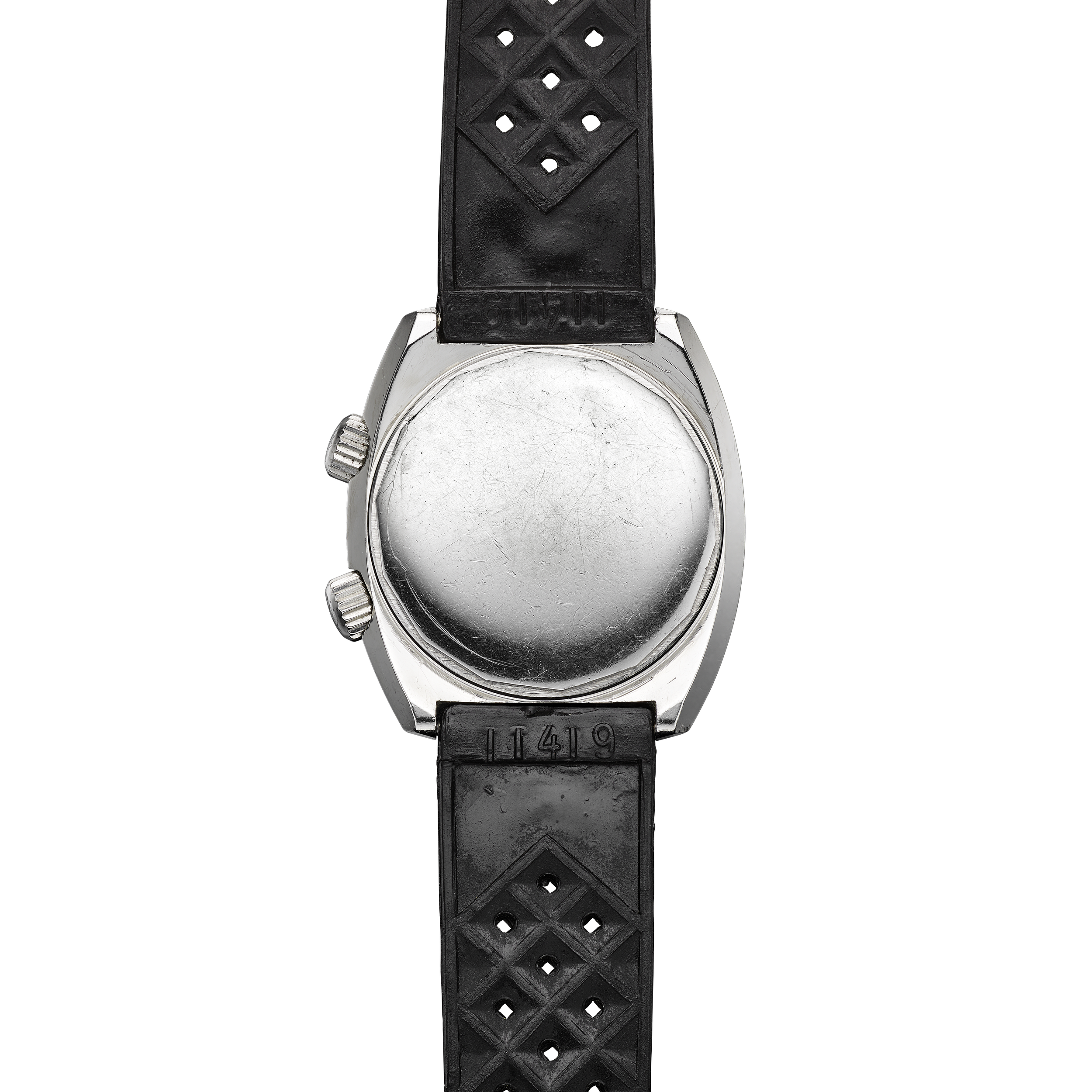
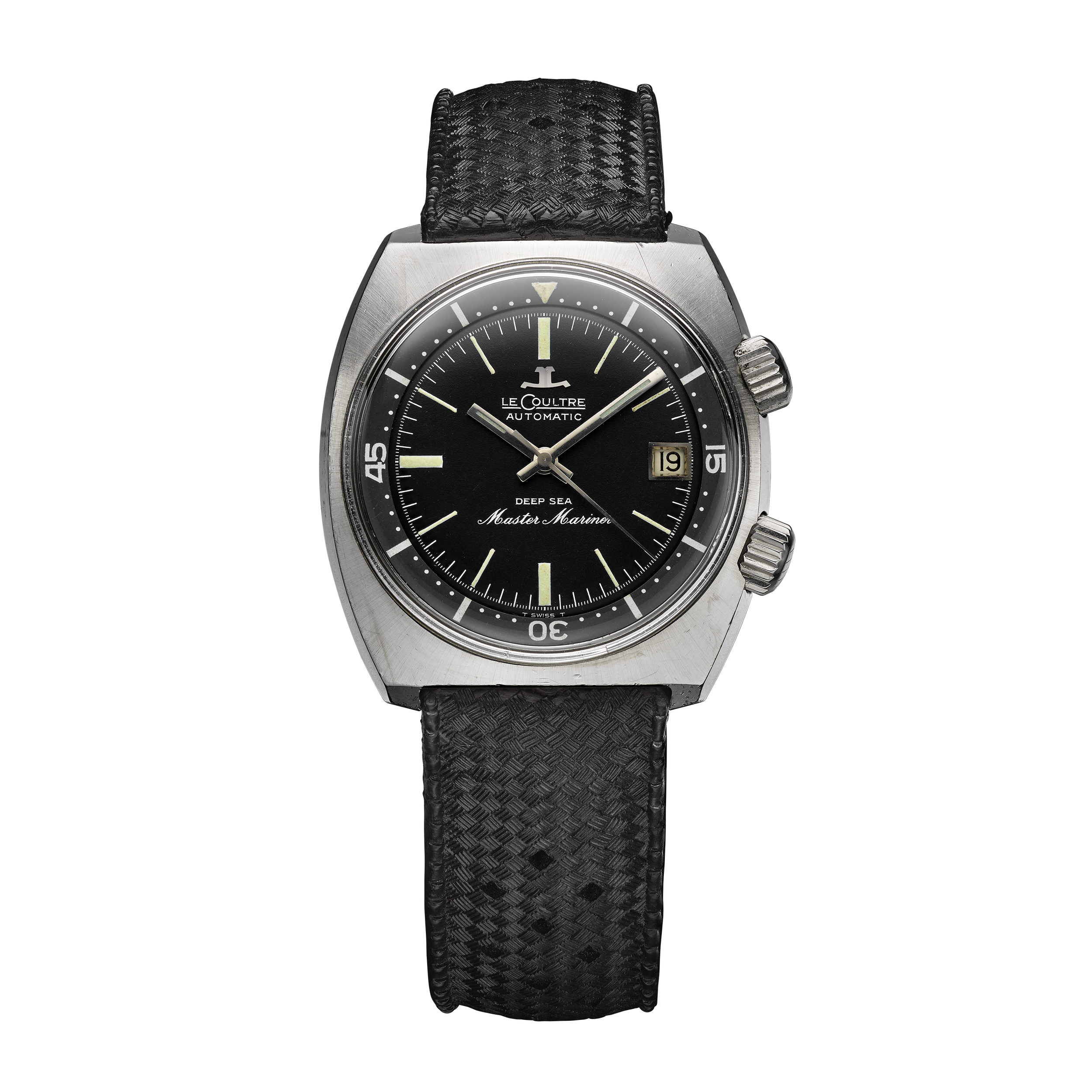
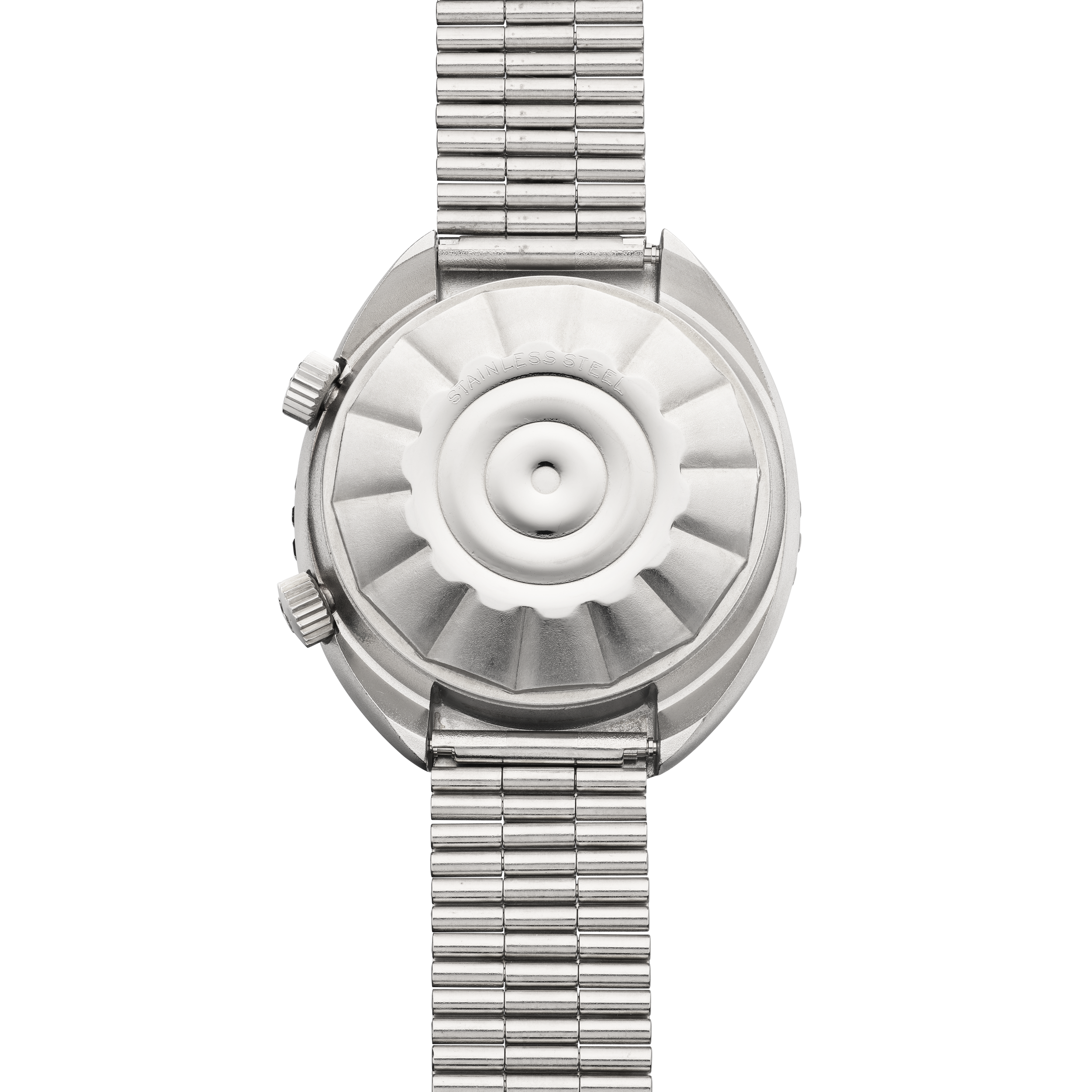
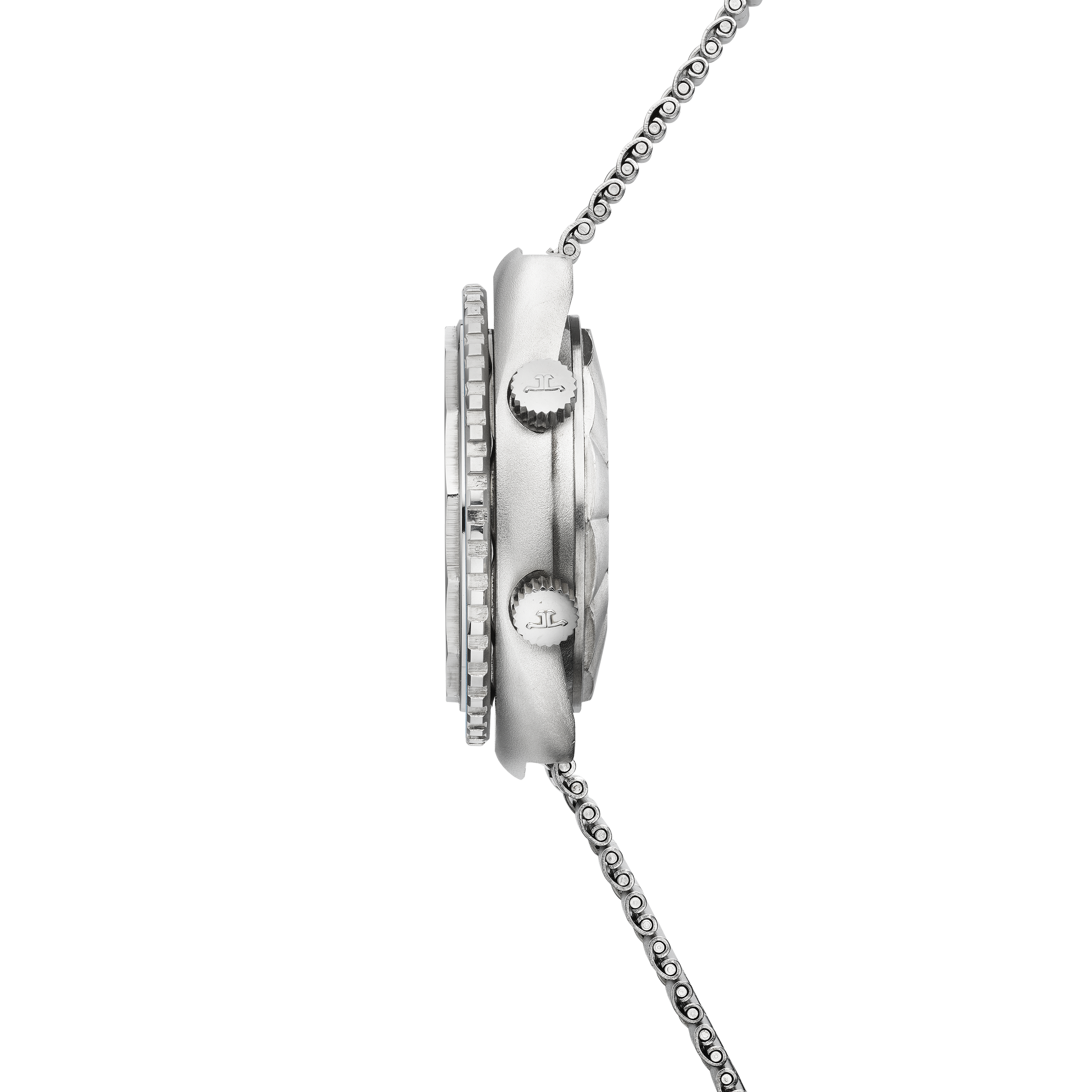
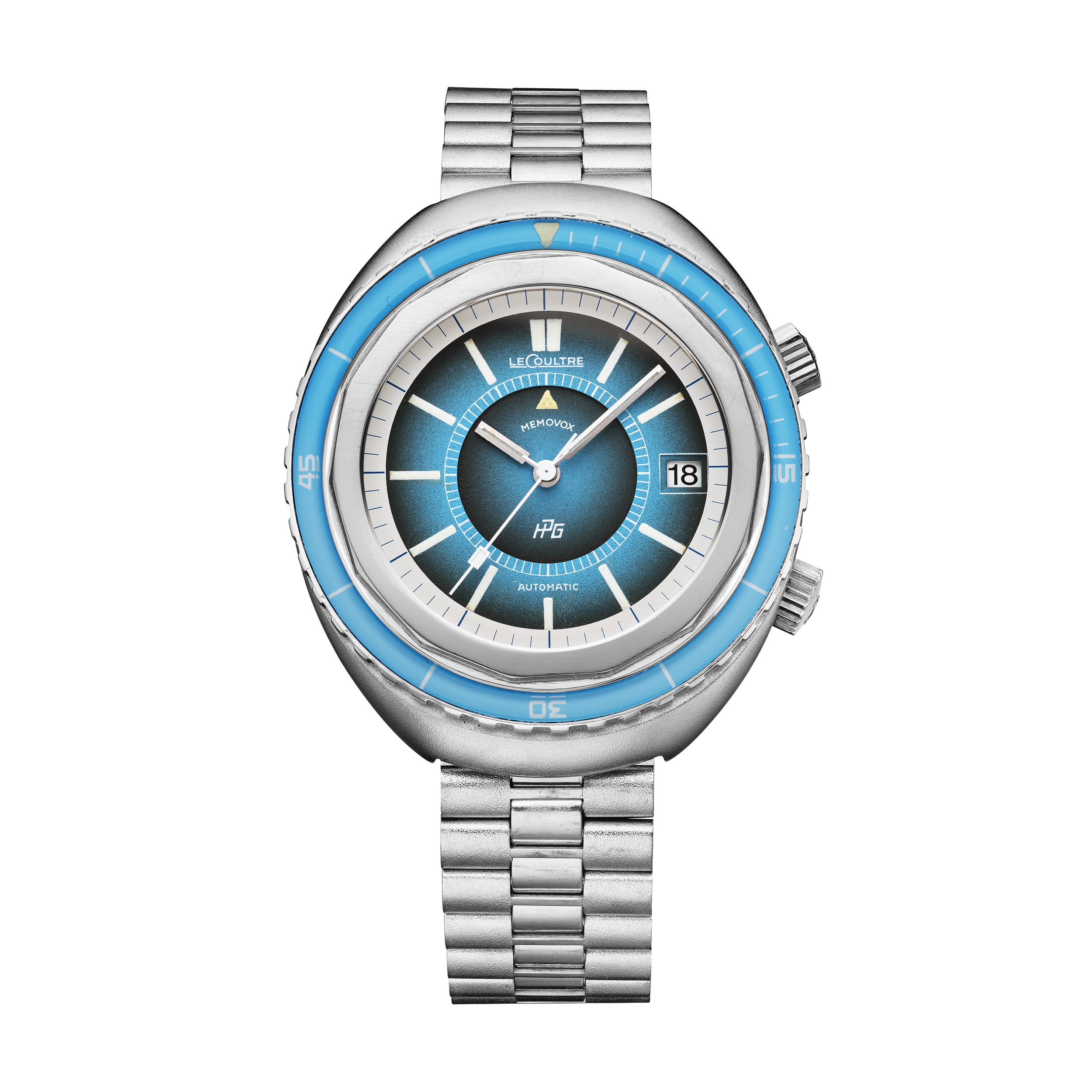
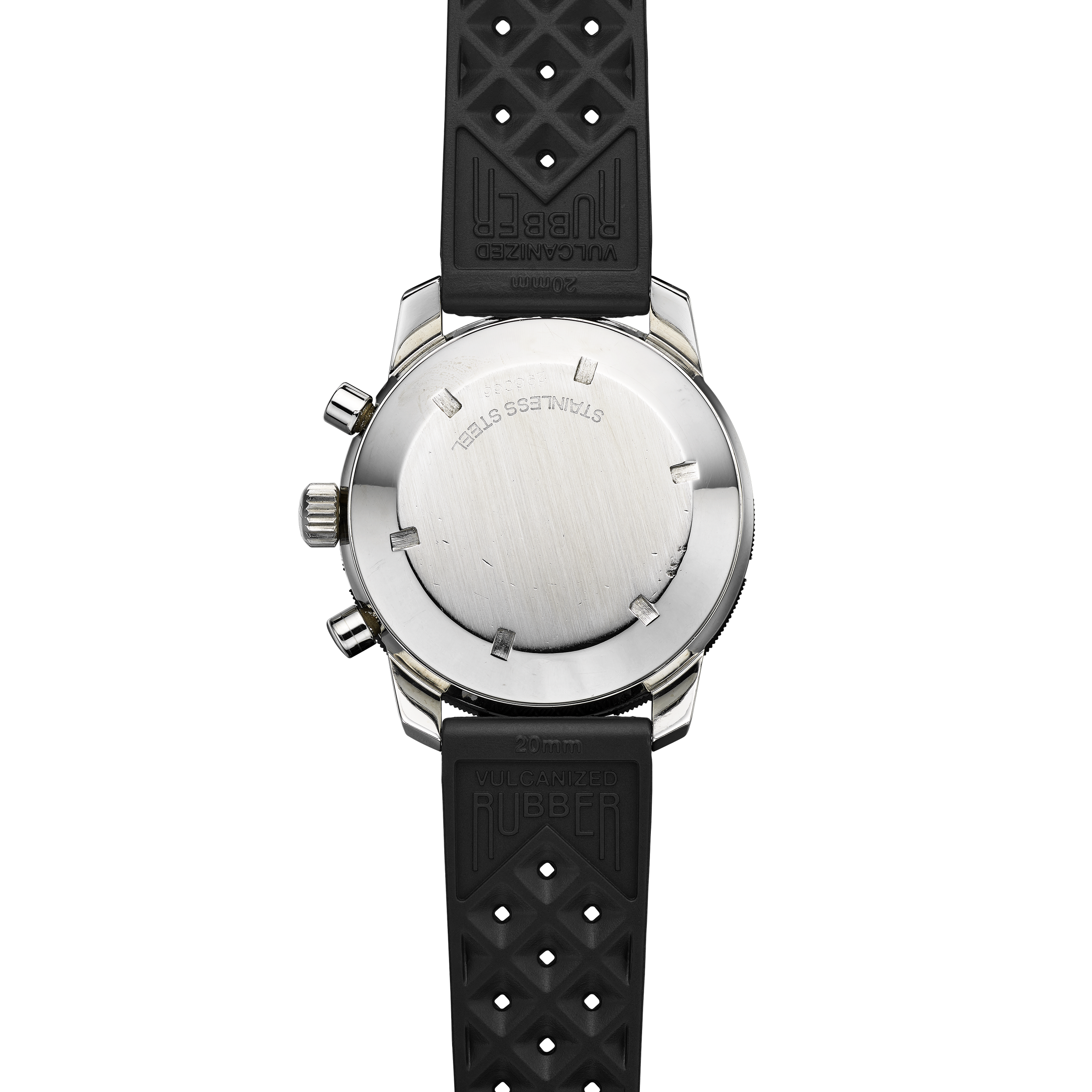
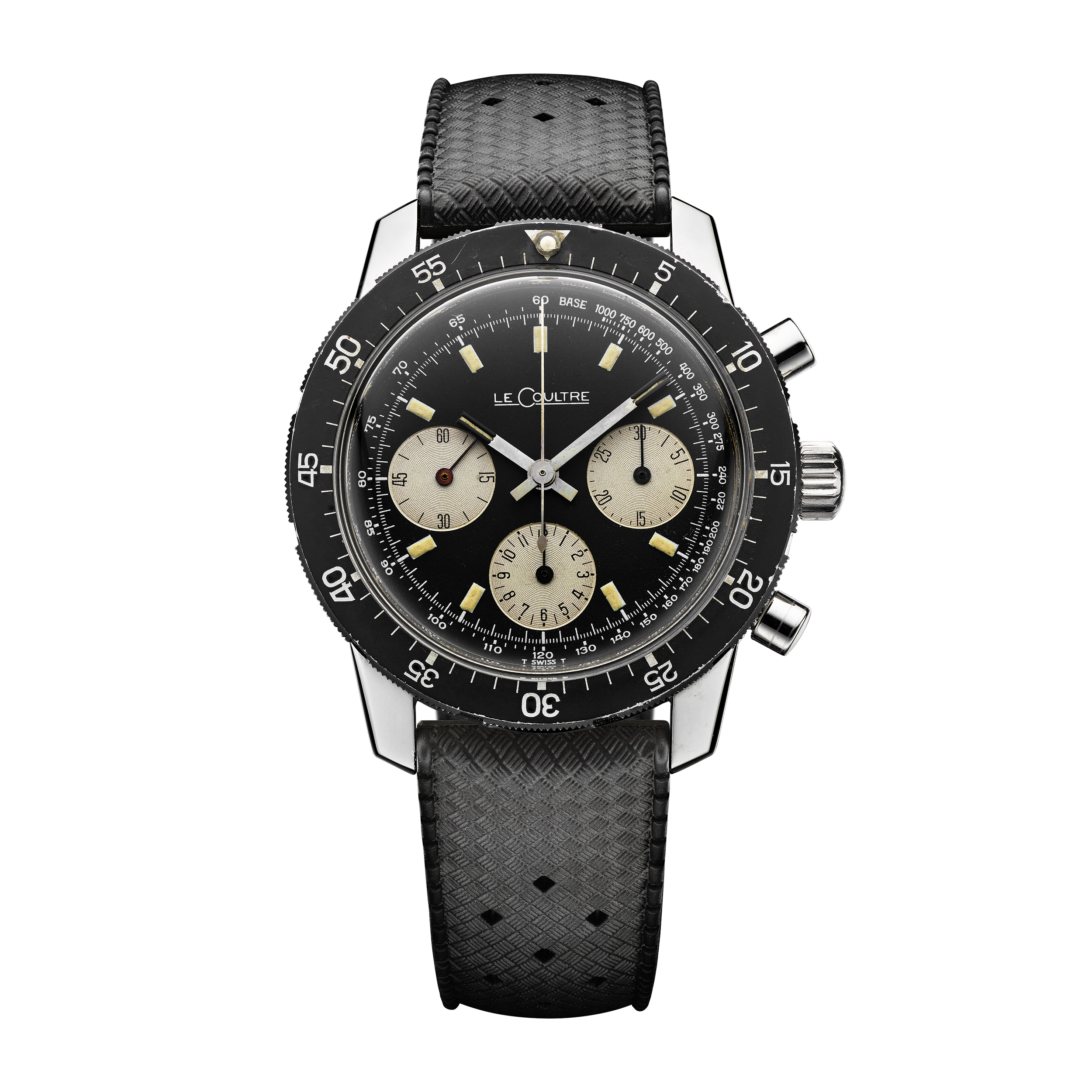
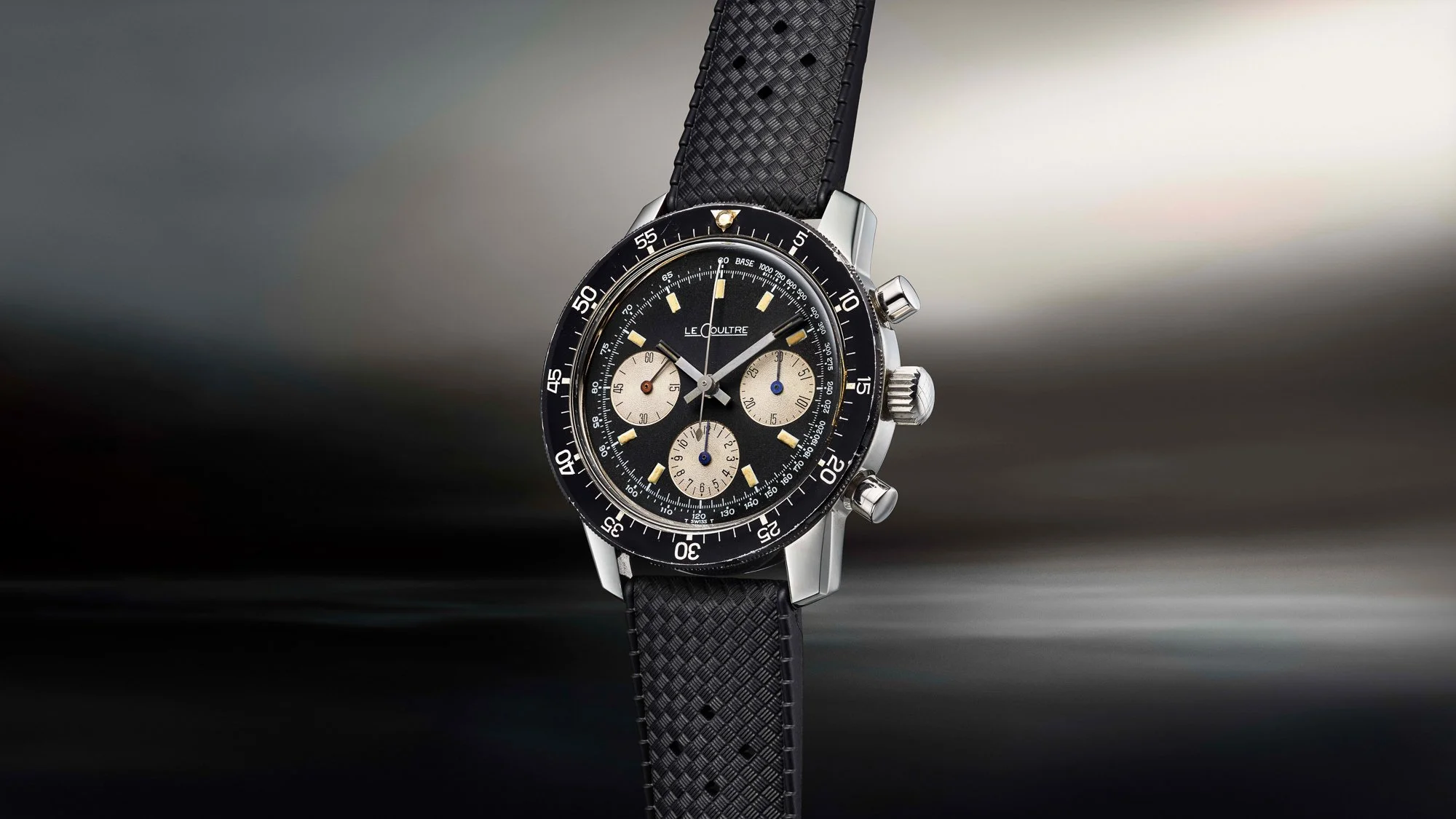
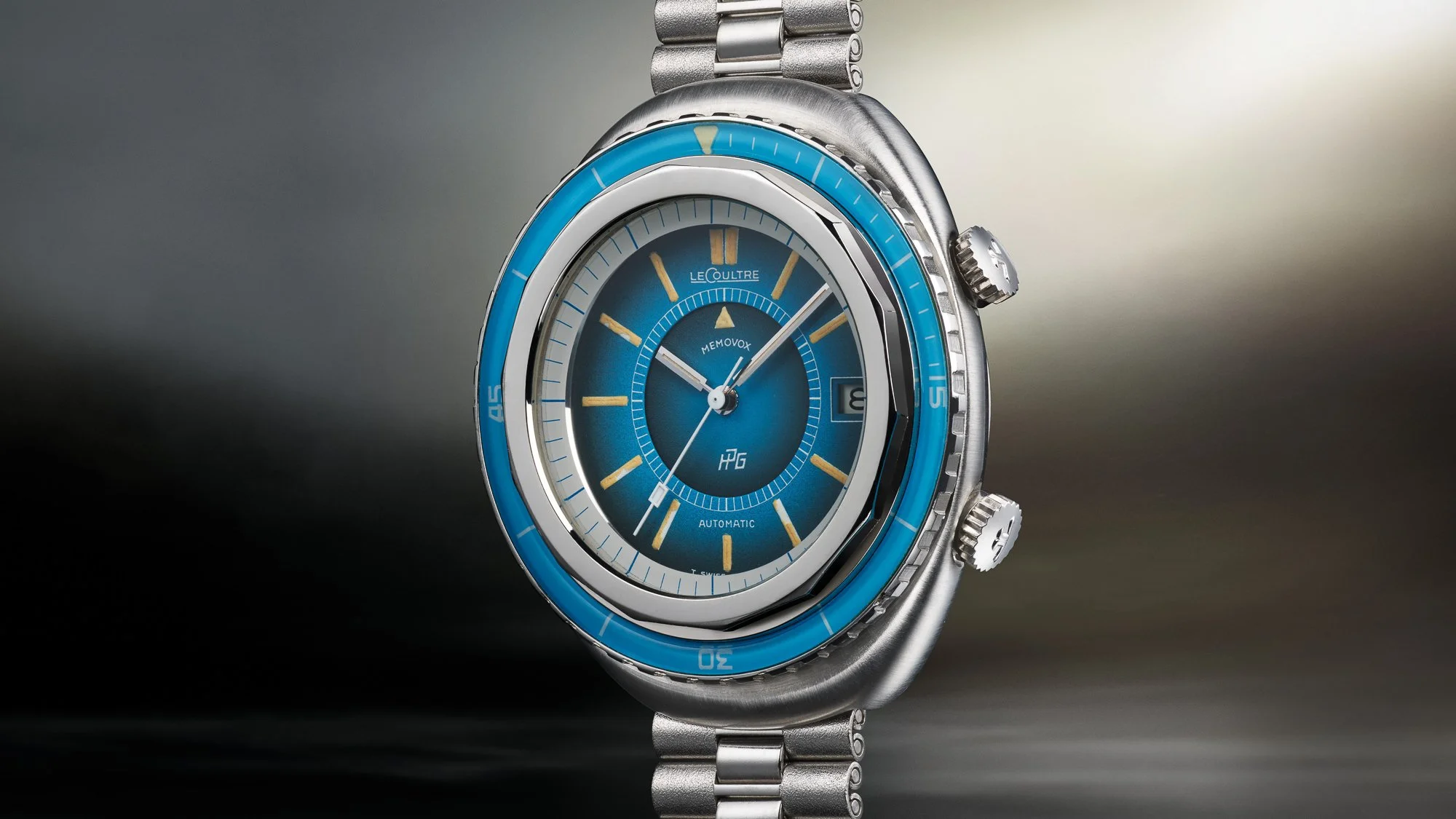
By the late 1960s, diving watches had become another important category. The 1968 Master Mariner Deep Sea Barracuda features a tonneau-shaped Super Compressor steel case and an inner rotating bezel operated through its crown. A circa-1970 Shark Deep Sea takes the concept further with a chronograph movement, tachymeter scale and water resistance to 120 meters. Meanwhile, the 1972 Memovox Polaris II introduces a more expressive aesthetic through its sculptural case, gradient-blue dial and sky-blue rotating bezel.
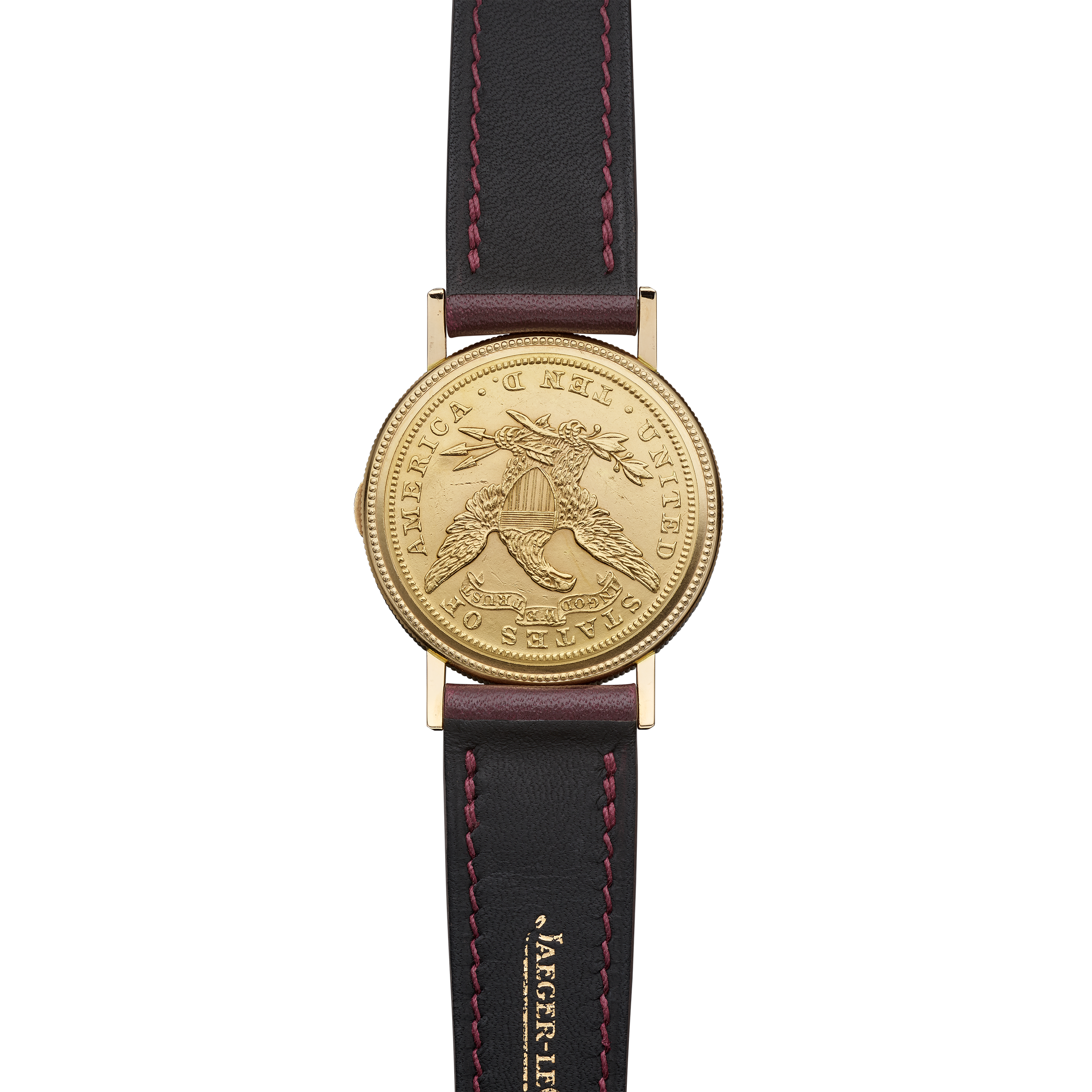
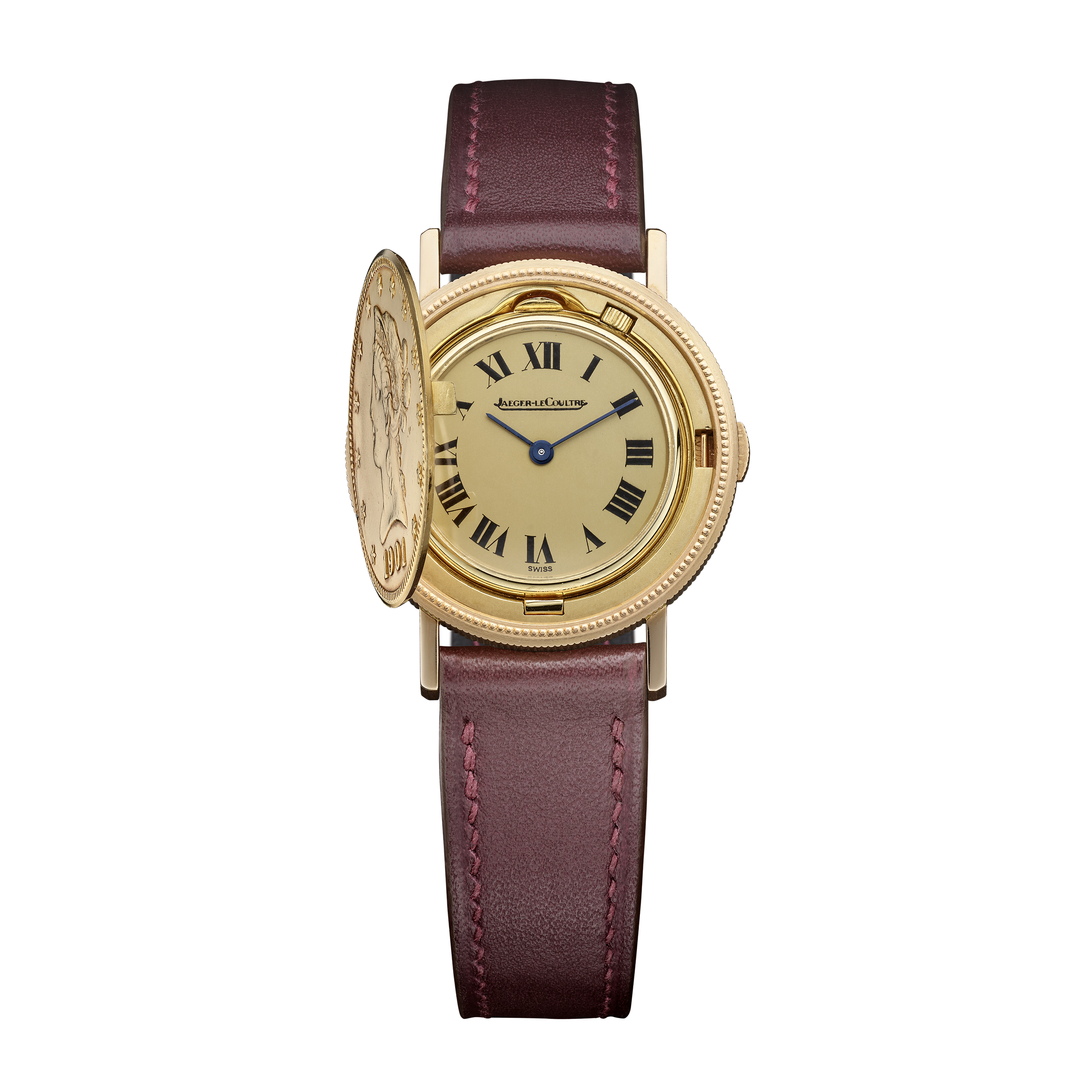
Closing the selection is a circa-1981 Coin Watch, an unconventional design that conceals an ultra-thin Calibre 839 inside a hollowed-out 18-karat gold U.S. $10 coin. The hinged construction reveals the dial when opened, transforming an everyday object into an unexpected exercise in horological engineering.
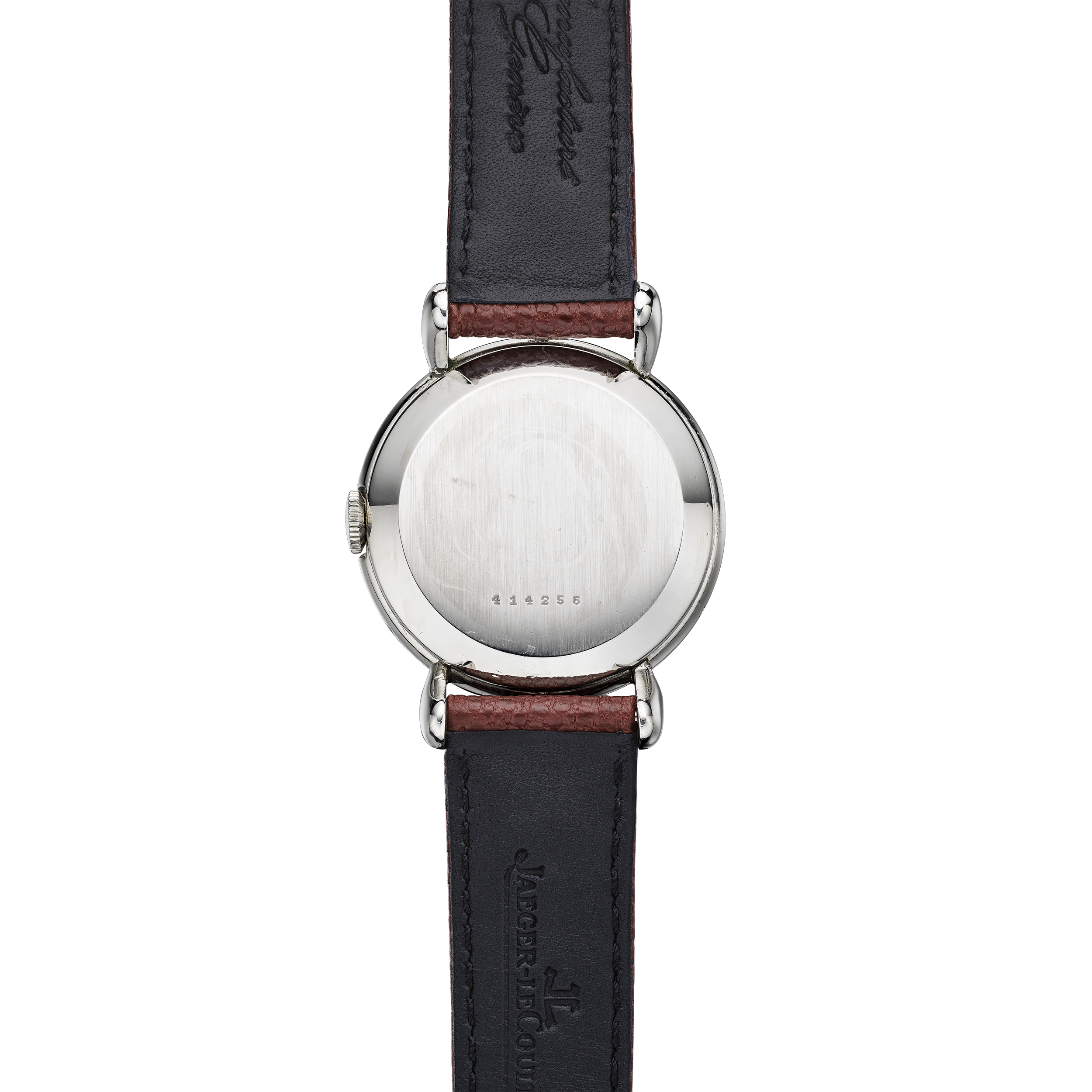
Beyond the individual references, the program's defining feature is its commitment to restoration. Each timepiece is serviced by Jaeger-LeCoultre's in-house restoration workshop, where master watchmakers rebuild components by hand, source historical parts and preserve the original character and patina of each watch. Once restored and certified to museum standards, every piece is accompanied by an archival extract and a copy of The Collectibles, a reference book documenting 17 emblematic models from the Maison's mid-20th-century history.
The Collectibles VIII is on display at Jaeger-LeCoultre's New York flagship at 701 Madison Avenue from November 6 through November 20, 2026. The nine timepieces will also be available for worldwide acquisition through the Maison's website beginning November 6.
For Jaeger-LeCoultre, the capsule offers more than an opportunity to revisit its archives. It recognizes a period when international expansion, local manufacturing requirements and evolving consumer tastes helped produce a distinct design language. The LeCoultre name may have eventually given way to the Maison's unified Jaeger-LeCoultre identity, but these nine timepieces demonstrate how an American chapter helped shape the watchmaker's enduring legacy.
HOW DO YOU FEEL ABOUT FASHION?
COMMENT OR TAKE OUR PAGE READER SURVEY
Featured





Jaeger-LeCoultre brings nine rare, museum-grade LeCoultre timepieces to New York for the eighth edition of The Collectibles, exploring the Maison’s distinctive American watchmaking legacy through archival design, technical innovation and the art of restoration.