
How to Choose Breathable Shapewear for Summer

PAGE
By PAGE Editor
Shapewear can smooth summer outfits, but the wrong piece may feel hot, damp, or restrictive after a few hours. The best breathable shapewear for summer should provide enough support without trapping excessive heat. This guide explains how to compare fabric, moisture control, compression, coverage, and fit.
What Makes Shapewear Breathable
Breathability depends on more than a fabric label. Summer shapewear should feel light, manage sweat, and move naturally.
Lightweight Fabric
Thick, multilayer shapewear often provides stronger control, but it can also hold more heat against the body. For summer, look for thin, flexible fabric with targeted support instead of firm compression everywhere.
A lightweight garment can still smooth effectively when stronger panels are placed over the stomach or waist.
Moisture Control
Breathable and moisture-wicking are not the same. A light fabric may still remain damp, while moisture-wicking material moves perspiration away from the skin so it can evaporate faster.
This is useful for outdoor events, travel, and humid weather. Shapewear cannot prevent sweating, but quick-drying fabric can reduce the sticky feeling caused by trapped moisture.
Ventilated Construction
Even a lightweight material can feel hot when the entire garment uses dense compression. Mesh panels and lighter knit zones can improve airflow around the back, sides, thighs, and underbust.
Look for a design that keeps supportive fabric over the areas you want to shape while using lighter construction elsewhere. Avoid unnecessary layers, bulky seams, and overly thick waistbands.
Check the Fabric Before You Buy
Similar fiber blends can feel very different because of fabric weight and construction. Review the full product details rather than one material name.
Look for Lightweight and Airy Materials
Nylon, polyester, microfiber, and spandex blends are common because they stretch well and usually dry faster than heavier fabrics. Lightweight microfiber is often smooth under fitted dresses, while performance polyester may provide better moisture management.
Cotton feels soft but can hold moisture during heavy sweating. It may suit light everyday wear, while quick-drying synthetic blends are often more practical for humid conditions.
Choose Moisture-Wicking Fabric for Hot Days
Prioritize moisture-wicking fabric when you expect to walk, dance, commute, or spend time outdoors. It helps prevent perspiration from sitting directly against the skin.
Choose only the coverage you need. Briefs may feel cooler than shorts when thigh coverage is unnecessary. For sensitive skin, look for soft seams, a breathable gusset, and a tag-free design to reduce irritation.
Pay Attention to Mesh Panels and Seam Design
Mesh can improve ventilation, but its placement and texture matter. Stronger fabric should remain over shaping zones, while mesh can be used where flexibility is more important.
Under thin dresses, smooth mesh is usually less visible than open or textured mesh. Flat seams, bonded waistbands, and seamless leg openings also help reduce rubbing and visible lines.
Pick the Right Compression Level
Choose compression according to how long you will wear the garment and how much shaping you need. Stronger control is not always the best option for hot weather.
When Light Compression Is Enough
Light compression gently smooths the body without creating a tightly held feeling. It works well for everyday dresses, skirts, linen pants, travel, and long workdays.
Choose it when comfort and subtle smoothing matter more than strong waist definition.
When Moderate Compression Makes More Sense
Moderate compression offers more noticeable smoothing while remaining manageable for several hours. It is a practical choice for fitted dresses, weddings, parties, and other special occasions.
The garment should feel secure without limiting breathing, sitting, bending, or walking. Test it with your complete outfit before the event to check for rolling, shifting, or visible edges.
Why Strong Compression May Feel Too Hot
Firm shapewear often uses denser fabric, stronger elastic, and additional shaping panels. These features create more definition but may also trap heat and restrict movement.
It may work for a shorter event, but it is often uncomfortable for all-day outdoor wear. Pain, numbness, deep marks, or difficulty breathing indicate excessive compression.
Choose the Best Style for Your Outfit
Start with your outfit, then choose the least coverage needed to solve your main concern.
Shaping Shorts for Dresses and Chafing Protection
Shaping shorts smooth the stomach, hips, and upper thighs while helping prevent inner-thigh rubbing. They work well under midi dresses, maxi dresses, skirts, and fitted pants.
Choose the inseam carefully. Longer shorts provide more chafing protection, while shorter styles stay hidden under shorter dresses. Seamless leg openings and lightweight thigh panels help prevent riding up and visible lines.
Briefs for Short Dresses and Less Coverage
Shaping briefs smooth the stomach and waist without covering the thighs, so they often feel cooler than shorts. They work well under short dresses, high slits, and lightweight pants.
Briefs are also easier to manage during bathroom breaks. However, they do not prevent thigh chafing. Choose bonded edges and a waistband that stays flat when you sit.
Bodysuits for Smooth Full-Body Support
Bodysuits create a continuous line across the stomach, waist, sides, and back. They are helpful when separate high-waisted shapewear tends to roll down.
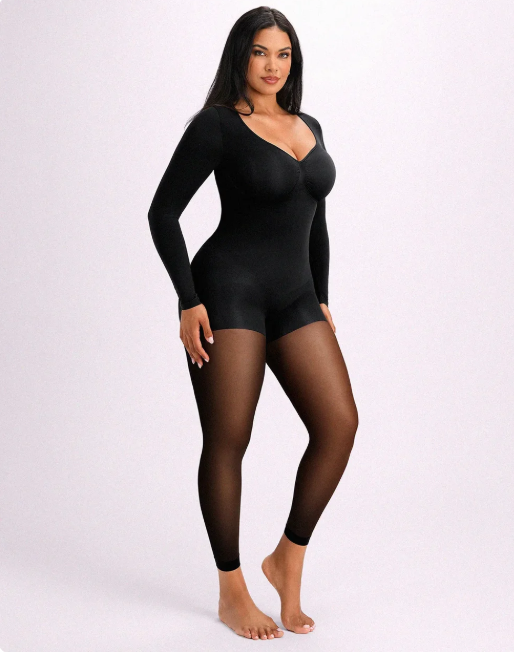
Because they cover more skin, prioritize lightweight fabric and ventilation. Check torso length because a short bodysuit may pull while a long one may bunch. An accessible gusset also improves convenience.
For lightweight everyday support, the Feelingirl Scoop Neck Buttery Seamless Everyday Bodysuit combines a soft nylon and spandex blend with a seamless knit that sits smoothly under summer clothing. Its light waist compression gently smooths the core and sides without the restrictive feel of firm shapewear, while the brief cut reduces unnecessary leg coverage. A scoop neckline makes it easy to wear as a base layer or a simple top, and the snap closure allows for more convenient bathroom breaks throughout the day.
Open-Bust Styles for More Bra Flexibility
Open-bust shapewear lets you wear your own bra while smoothing the torso. It is useful when you need specific bust support or a bra that works with a low neckline.
Make sure the open edge lies flat under the bra band without creating a ridge. Adjustable straps can also help the garment fit different torso lengths.
Get the Right Fit From the Start
Breathable fabric will still feel uncomfortable in the wrong size. Accurate measurements help prevent rolling, digging, and overheating.
Measure Your Waist and Hips
Measure your natural waist and the fullest part of your hips with a flexible tape. Keep the tape level and snug without pulling it tightly into the skin.
For a bodysuit, also check torso length. Measurements are more reliable than your usual clothing size because shapewear sizing varies widely among brands.
Use the Brand Size Chart Carefully
Compare your measurements with the specific brand’s size chart rather than assuming your normal size will fit. When your waist and hips fall into different sizes, consider which area the garment must fit most closely.
Shaping shorts need enough room through the hips and thighs, while waist-focused briefs must fit securely without cutting into the stomach.
Reviews from people with similar proportions may help, especially if you have fuller thighs or a long torso. Check the return policy before ordering.
Do Not Size Down for More Control
Sizing down often causes rolling, digging, limited movement, and new bulges. It can also stretch the fabric too tightly, making the garment feel hotter.
Properly fitted shapewear should feel secure, allow normal breathing, and stay in place while you move. For stronger shaping, choose a higher compression level in the correct size instead of buying a smaller size.
Final Thoughts
Choosing breathable shapewear for summer is about balancing support, comfort, and coverage. Start with the area you want to smooth, then select the lightest style and compression level that can meet that need.
Look for thin fabric, moisture-wicking properties, ventilated panels, and smooth seams. Light compression is best for everyday wear, while moderate control works well for fitted outfits and events. Accurate measurements are just as important as fabric because the right fit helps shapewear stay comfortable, smooth, and discreet.
HOW DO YOU FEEL ABOUT FASHION?
COMMENT OR TAKE OUR PAGE READER SURVEY
Featured


Choosing the right footwear is essential for comfort, performance, and everyday confidence.