
How to Choose the Right Gym: Classes, Trainers, and Facilities
PAGE
By PAGE Editor
Living in a fast-paced city means your free time is precious. When you join a gym, the last thing you want is to pay for a membership you barely use. The goal is not to find the best gym in theory. It is to find the one you will actually show up to, week after week.
That comes down to three practical filters: classes that match your energy, a trainer who fits how you learn, and facilities that support your routine, including recovery. Here is how to make a clear choice.
Start with Your Goals and Schedule
What You Want in the Next 90 Days
Before you tour a gym, get honest about what you want in the short term. Maybe you want to build a steady three-day habit. Maybe you are training for a hiking trip, easing back in after a desk-bound year, or looking for stress relief. Write down one or two goals. Specific goals help you filter out gyms that look impressive but do not serve what you need right now.
Your Weekly Time Blocks and Commute Reality
Pull up your calendar and mark the realistic windows when you could train. Is it early morning before work, lunchtime near the office, or evenings near home? Then check the travel time. A gym that is a 30-minute MTR ride away might seem manageable, but you may skip it when you are tired. Convenience usually matters more than prestige.
Pick two or three non-negotiables, such as time of day, neighborhood, and one class style or feature you do not want to compromise on. This short list will save you hours of comparison shopping.
Compare Class Formats You Will Actually Use
Group classes can help with consistency because a scheduled session and the energy of the room keep you accountable. But not every format suits every person. Here is a quick breakdown of common options.
Strength and resistance: Barbell or dumbbell-based sessions focused on building muscle and improving posture. These are usually 45 to 60 minutes and suit people who like structure and measurable progress.
HIIT and conditioning: High-intensity intervals that mix cardio and bodyweight exercises. These can be efficient if you are short on time, but they may be tough on joints, so ease in if you are new.
Yoga and mind-body: Slower-paced sessions for mobility, breath, and stress reduction. These work well as a standalone practice or as a complement to heavier training days.
Skills-based classes, such as boxing or martial arts: These build coordination and add a mental challenge. If you get bored with standard gym routines, a skills class can keep training fresh.
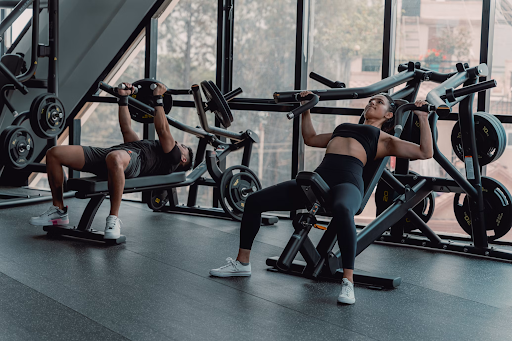
If group energy helps you stay consistent, reviewing a gym’s workout class schedule can show you what is available, from strength and HIIT to yoga and recovery-focused sessions. GO24 Fitness, for example, lists a range of class types. Still, schedules vary by location, so check the branch nearest you before planning your week.
How to Read a Class Timetable
When you pull up a gym schedule, look beyond the time slot. Check level tags such as beginner, intermediate, or all levels so you do not walk into a session that is too advanced or too basic. See whether coach names are listed, because the instructor can shape the whole experience. Ask about class capacity and waitlists too. Small classes usually mean more attention, while larger classes can be energizing but harder to book at peak hours.
Trainer Fit: Credentials, Style, and Safety
A good trainer is not just someone with certifications on a wall. It is someone whose teaching style fits how you learn. Some people like a coach who pushes hard and keeps the pace up. Others prefer a patient, technique-first approach that builds confidence over time.
The best way to judge fit is to try a single session before buying a package. Most gyms and independent trainers offer an introductory session or consultation. Use it to see how the trainer listens, explains movements, and asks about your history or limitations.
If you want technique and accountability in a specific discipline, start by comparing how a coach explains footwork, pacing, and basic combinations during a trial. GOAT Boxing Club in Central, for example, lists private sessions, trial lessons, conditioning, and nutrition support, which can help you decide whether to try a personal boxing trainer. Trying one session there, or at any studio, gives you a better sense of whether the coaching style suits you. If you have injury concerns, check with a healthcare professional before starting a new training program.
Questions to Ask in a Consult
Do you have experience working with someone who has my goals?
What does a typical session look like, and how do you structure progressions?
How do you communicate between sessions, such as through an app, messages, or in person?
How would you handle an old injury or physical limitation?
What would the first month of training look like?
Facilities and Recovery That You Will Actually Use
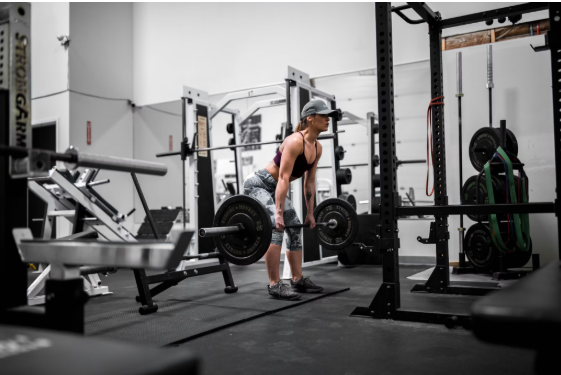
Fancy equipment means little if the basics are not right. When you visit a gym, pay attention to the details that affect everyday use. Are there enough racks and plates during the hours you plan to train? Is there open floor space for warm-ups and stretching? Is the ventilation good? Are the showers clean, and do the lockers fit a work bag? Is there a water refill station so you do not have to buy plastic bottles every visit?
Recovery is another factor to consider. If post-workout recovery helps you stay on track, look for a training setup that pairs training with wellness amenities. The Clubhouse Hong Kong, for instance, combines personal training in a community setting with options such as a sauna and cold plunge, which may appeal to busy professionals who want training and recovery in one place.
Recovery Extras You Might Value
Saunas and cold plunges have become popular additions in Hong Kong gyms. Stretching zones and quiet corners for cooldowns can be just as useful, especially after an intense class. These features are not essential for everyone, but if recovery helps you feel good and keep returning, factor it into your decision. Keep expectations realistic and speak with a professional if you have specific health considerations. If recovery affects whether you come back, use your tour to ask whether the gym room and nearby cooldown areas feel practical at the exact time you expect to visit.
Membership Terms and the Fine Print
Before you sign anything, read the contract carefully. Focus on the terms that affect your routine and your ability to change plans later.
Contract length: Is it month-to-month, three months, or annual? Shorter commitments give you more flexibility.
Freeze policy: Can you pause your membership if you travel or get sick?
Class booking windows: How far in advance can you reserve? Do popular slots fill quickly?
Cancellation rules: What is the notice period, and are there fees?
Location access: If the gym has multiple branches, does your membership cover all of them?
Whenever possible, try a day pass or introductory pack before locking in. A single visit at your intended training time tells you more than any brochure.
Vibe, Community, and Style
A gym’s culture is harder to measure but easy to feel. When you walk in, notice how staff greet you, how members treat shared equipment, and whether the space feels inclusive and respectful. Design touches matter too. Good lighting, a clean layout, towel service, and refill stations can make regular visits more pleasant.
Your Hong Kong fitness lifestyle is shaped by the atmosphere of a space as much as by the equipment in it. If sustainability and thoughtful design motivate you, explore sustainable fashion brands to see how style-conscious choices extend beyond the wardrobe.
What to Wear and Pack
Keep it simple. A good pair of trainers, breathable workout clothes, a towel, a water bottle, and a lock for your locker cover the basics. If you are heading to work afterward, pack a small toiletry kit and a change of clothes. Locker-room etiquette is straightforward: wipe down what you use, keep your belongings in your locker, and be mindful of shared space. These small habits make the environment better for everyone.
Try Before You Commit: A 7 to 10 Day Mini Plan
Before choosing a gym, give yourself a short trial period. Use it to test the parts of the experience that will matter once the newness wears off.
Sample two different class types. Pick one high-energy option and one slower-paced or skills-based session.
Book one trainer session. Use an intro offer or consultation to test the coaching style.
Try one recovery feature. Use the sauna, stretching area, or cold plunge if available.
Visit at peak and off-peak hours. See how crowded it gets and whether you can access the equipment you need.
Note your travel time and any queues. Small friction points add up over weeks.
After your trial, run through a three-point checklist: Does the class schedule match my week? Did I connect with the coaching style? Are the facilities clean, comfortable, and practical for my routine?
Conclusion
The right gym is not the most expensive one or the one with the flashiest social media. It is the one you can visit three or four times a week without dreading the commute, crowd, or schedule. Focus on classes that match your energy, a trainer whose style helps you learn, facilities that support your routine, and terms that give you flexibility. Try before you commit, then choose the space that fits your life as well as your goals.
FAQ
How do peak hours affect my workout in Hong Kong gyms? Many Hong Kong gyms are busiest between 6 and 8 in the morning and again from 6 to 9 in the evening on weekdays. During these windows, popular equipment such as squat racks and benches may have wait times, and group classes can fill quickly. Visit during your intended time slot before joining to get a realistic picture.
What should I bring to my first class if I am new? Bring a water bottle, a small towel, and comfortable workout clothes with supportive shoes. Most gyms provide basic equipment for classes, but check in advance if you need a yoga mat, boxing wraps, or grip socks. Arriving five to ten minutes early gives you time to settle in and introduce yourself to the instructor.
Are trial classes common, and how do I find them? Many gyms and studios in Hong Kong offer trial classes, day passes, or introductory packs. Check the gym’s website or social media for current offers, or call and ask. Trying a session before signing up is one of the most reliable ways to judge whether a space suits you.
How do I switch gyms if I move neighborhoods? Start by reviewing your current contract for cancellation terms and notice periods. Some memberships with multiple locations let you transfer to a different branch. If not, give proper notice, confirm any final payments, and use a trial pass at the new gym before committing.
HOW DO YOU FEEL ABOUT FASHION?
COMMENT OR TAKE OUR PAGE READER SURVEY
Featured




BAPE® brings its streetwear legacy into the ring with UNDEFEATED’s wrestling-inspired Fall/Winter 2026 collection while expanding its design vocabulary through the TYPE 10 BAPEX®, an automatic timepiece that translates the brand’s signature camouflage into contemporary watchmaking.