
PJ O'Rourke Is Building A Fashion Brand The Hard Way—And That's Exactly The Point
PAGE
By PAGE Editor
In an era when fashion brands can materialize overnight through viral moments, celebrity co-signs, and venture-backed growth strategies, PJ O'Rourke has spent the last decade pursuing a markedly different path.
The New York-based artist and designer has built his namesake label through persistence, self-reliance, and an unwavering belief in the value of original ideas. Long before he was producing heavyweight garments and hand-sewn outerwear, O'Rourke was selling artwork on subway platforms, carrying prints in a backpack, and learning how to survive in one of the world's most unforgiving cities.
"The brand is me," O'Rourke says. "People ask me when it started, and that's a hard question to answer. I'd say it started when I was two years old, because that's when I started drawing."
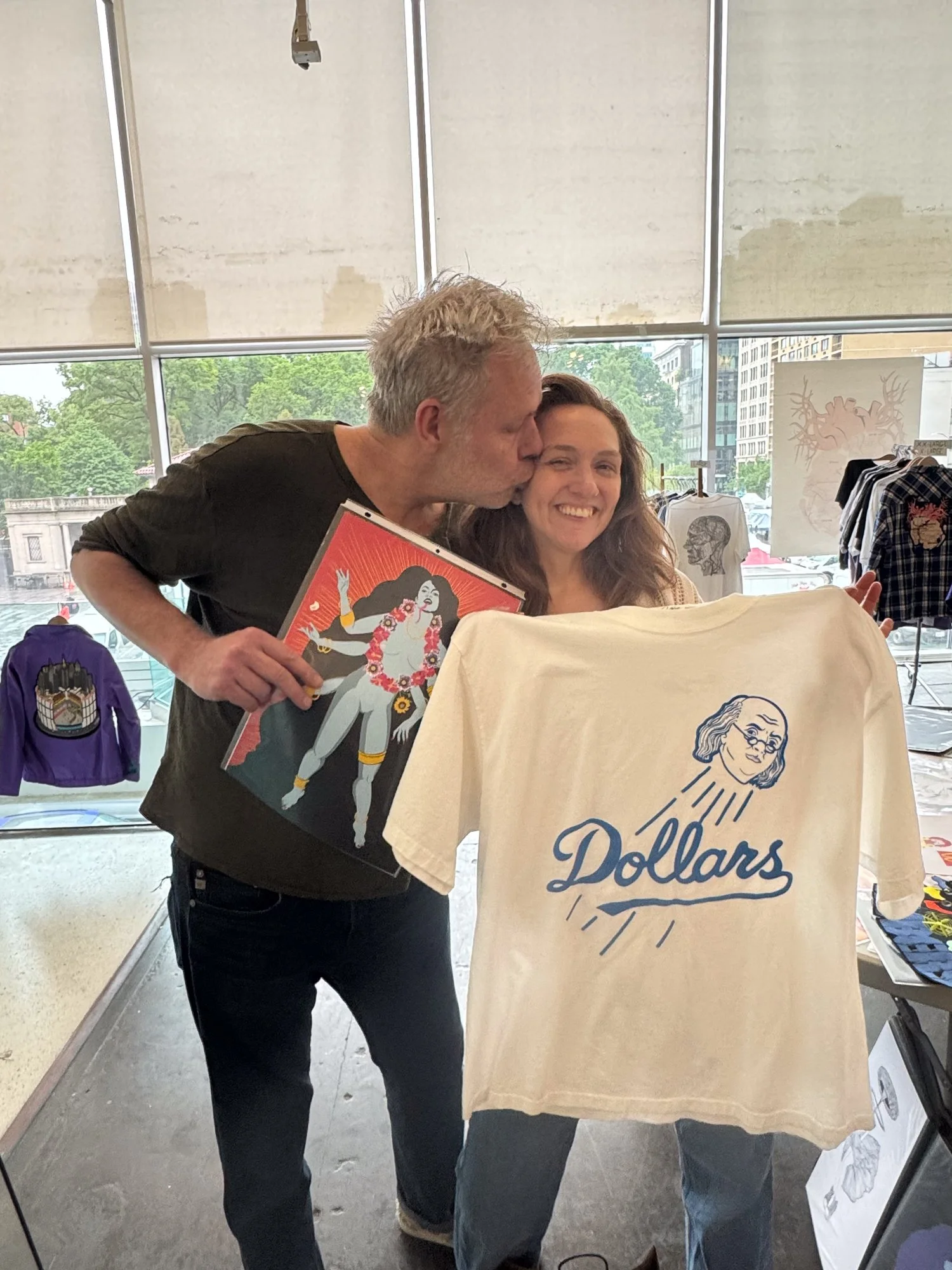
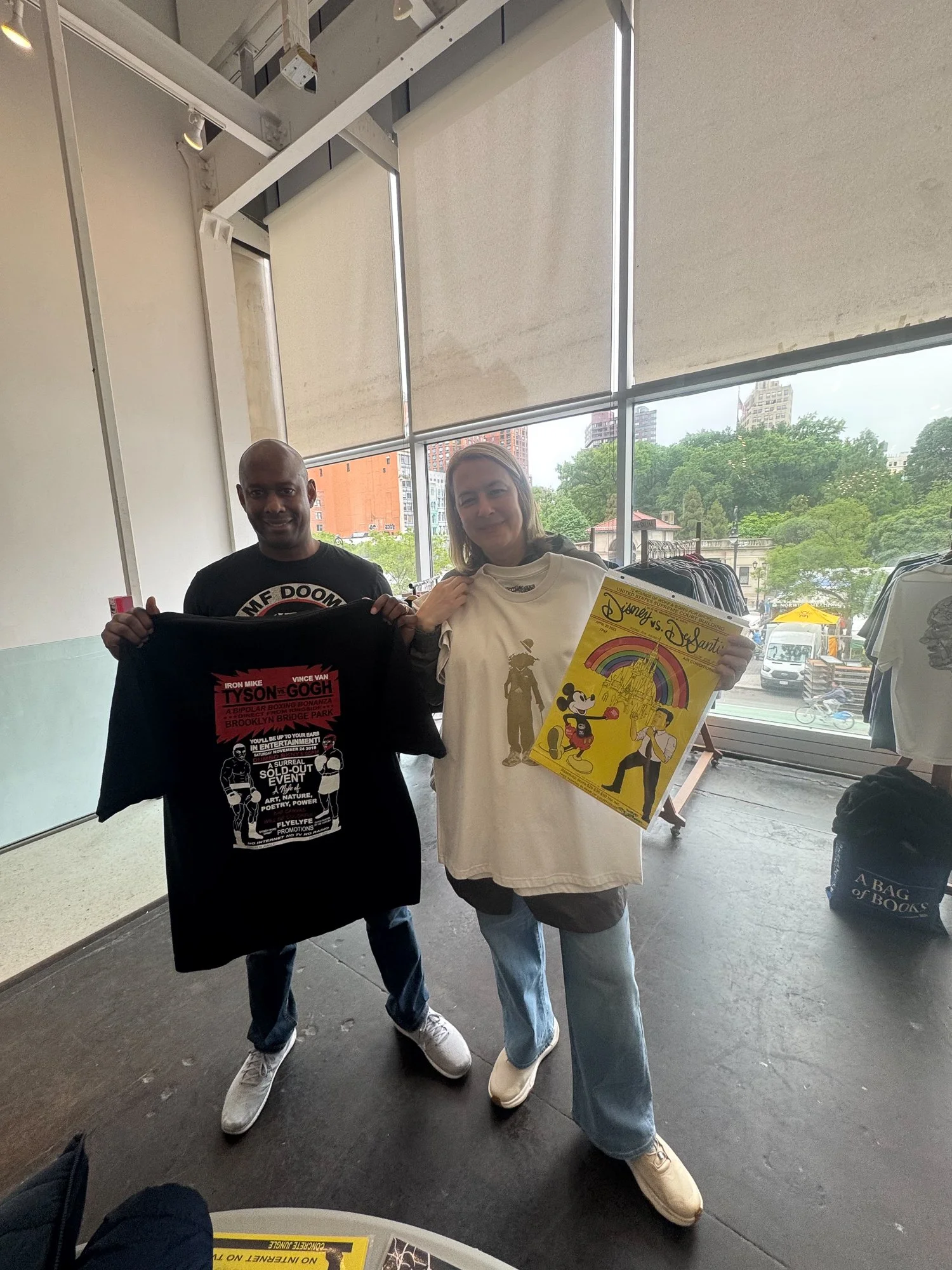
That perspective explains why O'Rourke rarely speaks about his work in the language of traditional fashion. While his collections include graphic apparel, outerwear, accessories, and prints, the foundation of the brand is rooted in illustration, satire, and visual storytelling. Many of his most recognizable designs reinterpret familiar cultural symbols through humor and social commentary, drawing inspiration from influences that range from Mad Magazine to New York City's infrastructure and institutions.
His popular "New York Fuckery" series, for example, transforms recognizable civic iconography into commentary on the frustrations, contradictions, and absurdities of urban life. The design became notable enough to attract legal scrutiny before ultimately being defended as protected parody under free speech principles.
That willingness to challenge convention is central to O'Rourke's creative identity.
"I want to offer something intellectual," he says. "Something rooted in social commentary. Fashion should say something."
Yet the origins of that mindset may have less to do with art than athletics.
Growing up in Tulsa, Oklahoma, O'Rourke developed an intense relationship with basketball that continues to shape his approach to business today. The competitive instincts that once fueled hours on the court now drive his pursuit of creative excellence.
"A lot of fashion designers are afraid of competition," he says. "That's not me. I didn't get into this to hold hands."
For O'Rourke, basketball, hip-hop, and design share a common thread: a relentless desire to improve.
"I took the same obsessive competitiveness I had as a basketball player and plugged it into art," he explains. "Now that mindset drives everything I create."
That philosophy became especially important after he arrived in New York in 2011. The transition was far from glamorous. O'Rourke recalls sleeping on subway trains during his first year in the city while navigating temporary housing arrangements and searching for opportunities. Those experiences reinforced a survival mentality that remains embedded in the business today.
Rather than seeking traditional fashion pathways, O'Rourke built his audience independently. He photographed hand-drawn illustrations, converted them into vector artwork, and sold prints directly to commuters. The process was labor-intensive but allowed him to establish a direct relationship with customers while refining his visual language.
Eventually, that artwork found its way onto garments.
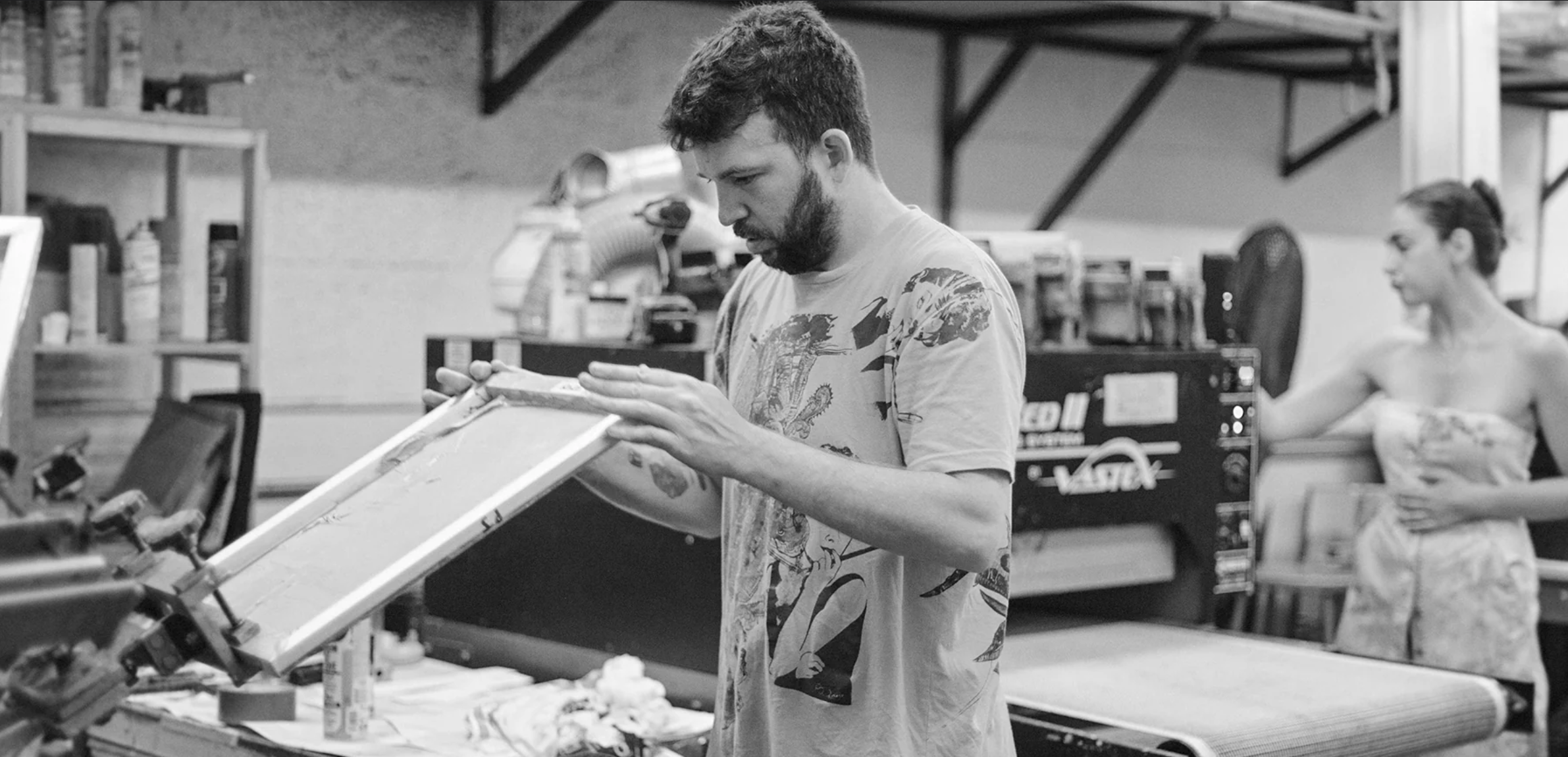
He began producing apparel with a heat press in 2013 before transitioning into screen printing years later. Along the way, he became increasingly focused on fabric weight, construction quality, and manufacturing details—an evolution that reflects his broader belief in slow, deliberate growth.
The approach runs counter to an industry that often rewards speed over substance.
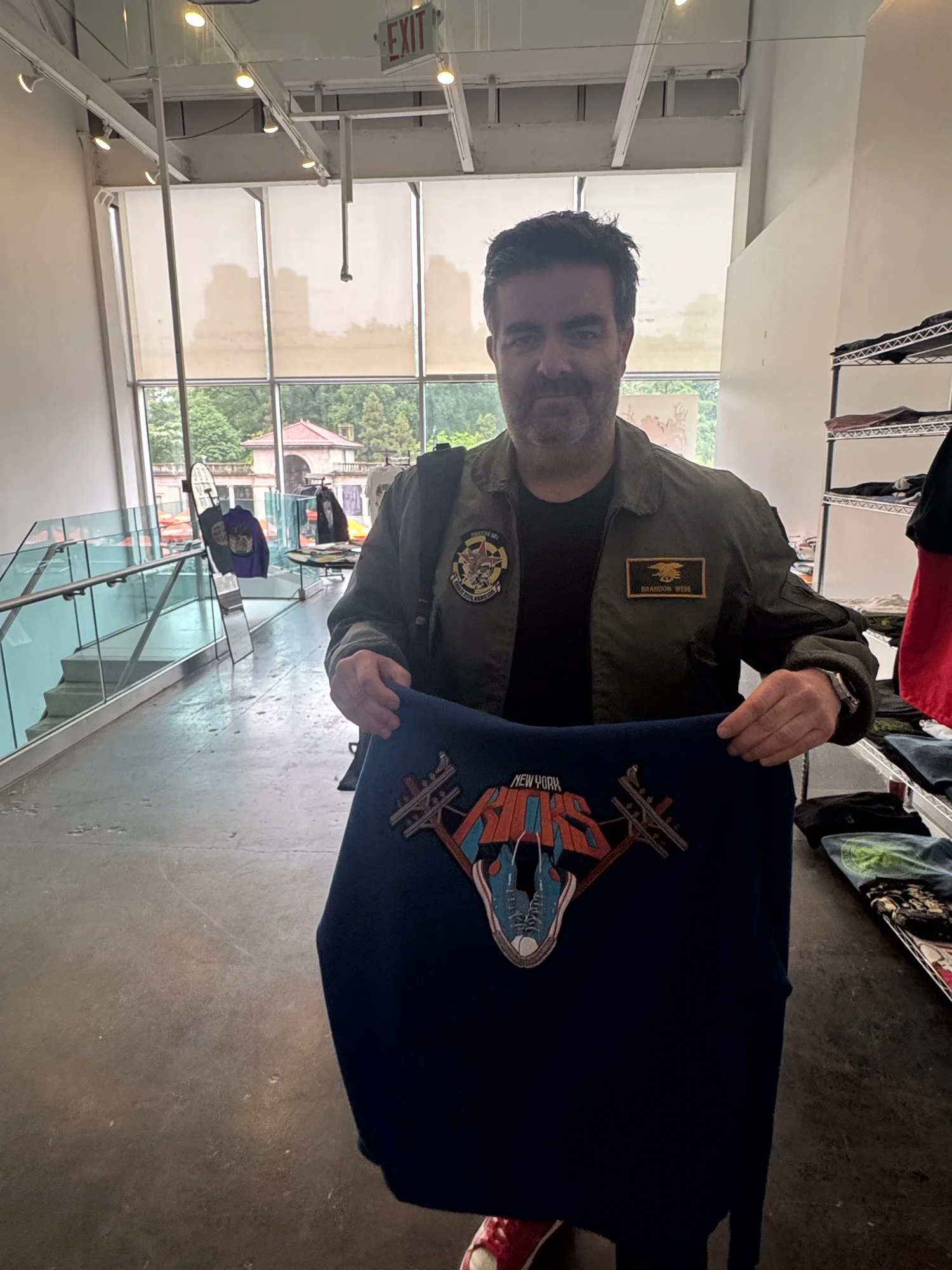
Today, O'Rourke's collections feature garments that are screen-printed in the Bronx and hand-sewn in New York, emphasizing craftsmanship and local production over scale. His catalog spans everything from heavyweight tees and bomber jackets to collectible prints, each tied together by a distinct visual language rooted in satire and urban observation.
That commitment to process is also why O'Rourke remains skeptical of fashion's increasingly homogenized landscape.
He argues that much of contemporary streetwear has become driven by logos, social validation, and trend cycles rather than genuine creative expression. Whether one agrees with his critique or not, it is clear that his response has been to double down on originality rather than chase prevailing aesthetics.
The result is a business that has grown organically and largely on its own terms.
"It's probably the slowest-growing organic clothing brand in the history of New York," O'Rourke jokes.
Yet beneath the humor is a long-term vision that extends beyond product launches or seasonal collections.
"I'm cultivating a brand that's going to last beyond my lifetime," he says.
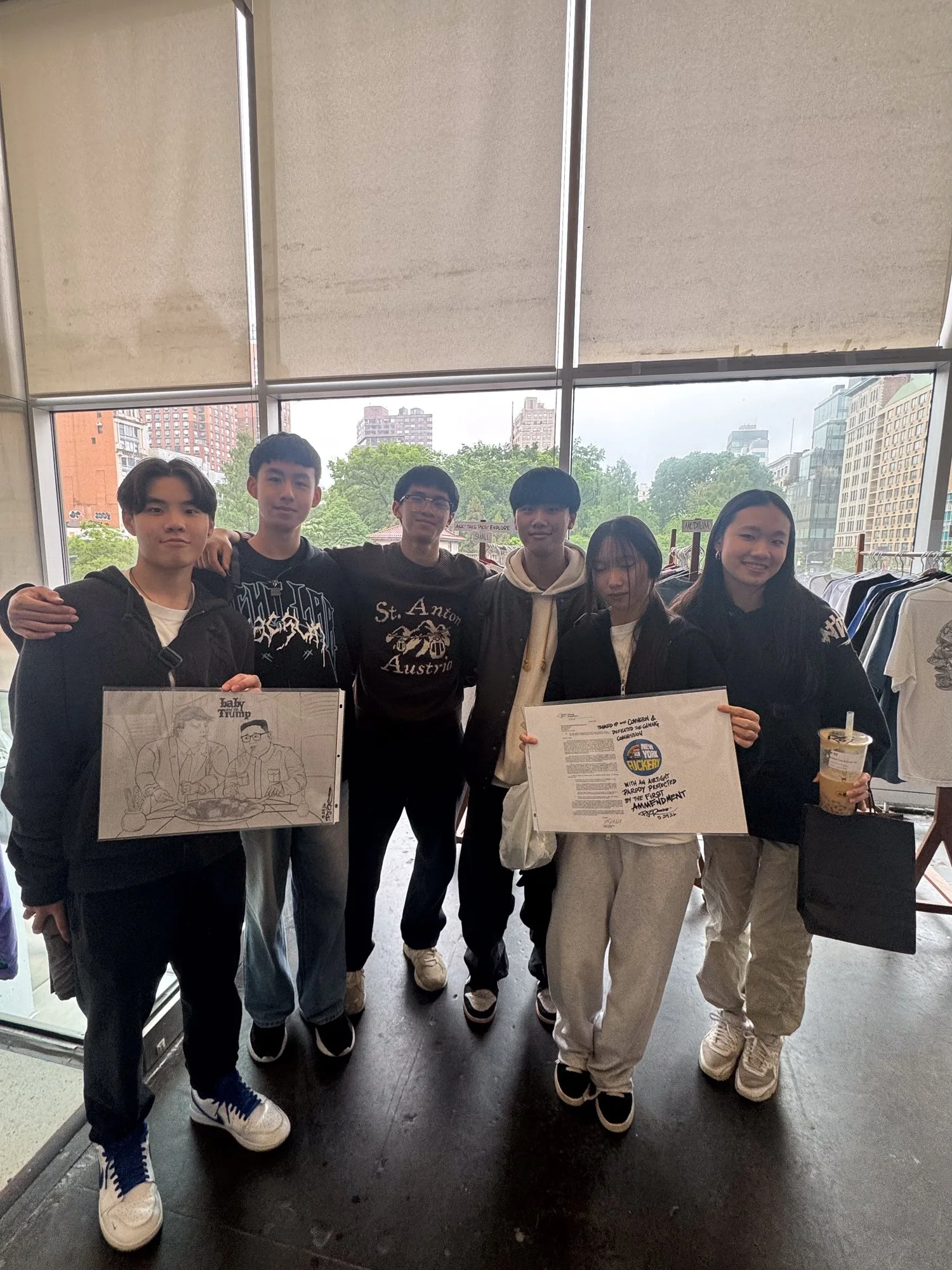
In an industry increasingly defined by acceleration, that may be O'Rourke's most radical idea. While many brands compete for attention through constant visibility, he is focused on something less immediate but potentially more durable: building a body of work that reflects a singular point of view.
For independent designers navigating today's fashion landscape, his story offers a reminder that success does not always arrive through conventional channels. Sometimes it begins with a sketchbook, a backpack full of prints, a subway ride, and the conviction to keep creating long after easier paths have presented themselves.
HOW DO YOU FEEL ABOUT FASHION?
COMMENT OR TAKE OUR PAGE READER SURVEY
Featured

Depop and Burton are celebrating 50 years of snowboard culture with a 50-piece archival resale drop priced at $50.50 and below, bringing vintage outerwear and apparel to a new generation while launching Depop’s Brand Shop Drop series.