
Safety Eye Glasses: Types, Benefits, and How to Choose the Right Pair
PAGE
By PAGE Editor
Every day, thousands of workers go to job sites with the thought that everything's safe. Yet workplace eye hazards can lead to injuries. Many of these injuries could be avoided if proper protection is used. Tiny wood dust, a spray of chemicals or a flying piece of metal can harm eyes in a few seconds.
Workplace eye injuries happen in industries, including construction, manufacturing, laboratories and maintenance. Beyond the pain that hits away a severe eye injury can change a person's career and everyday life. Eye injuries may also interfere with daily activities and decrease work productivity.
Certified safety eyeglasses provide safeguarding against various typical eye hazards in the workplace. Protecting your eyes is crucial. Adhering to safety regulations, using protective equipment, and never overlooking safety measures are essential for eye protection.
What Are Safety Eye Glasses?
Everyday glasses or fashion glasses are not designed to handle high-speed impacts at work. They break easily on impact, leaving loose fragments of brittle frame components to pose a threat to the eyes.
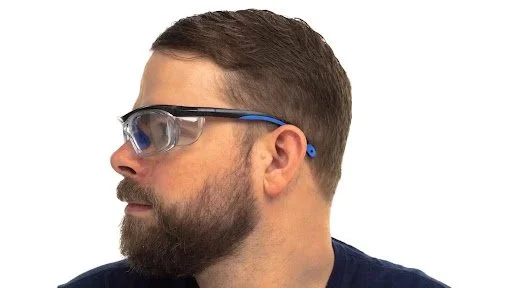
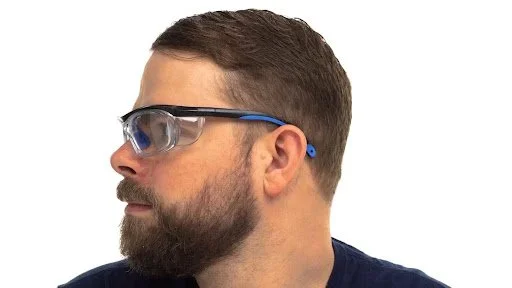
Safety Eye Glasses are a type of eyewear made to meet safety regulations like ANSI Z87.1. Many safety glasses use impact-resistant lens materials such as polycarbonate, although construction varies by product.
Depending on the design, safety glasses can protect against flying debris, dust, liquid splashes, and certain workplace hazards. That makes them different from ordinary eyewear, which is primarily designed for vision correction.
Common Types of Safety Eye Glasses
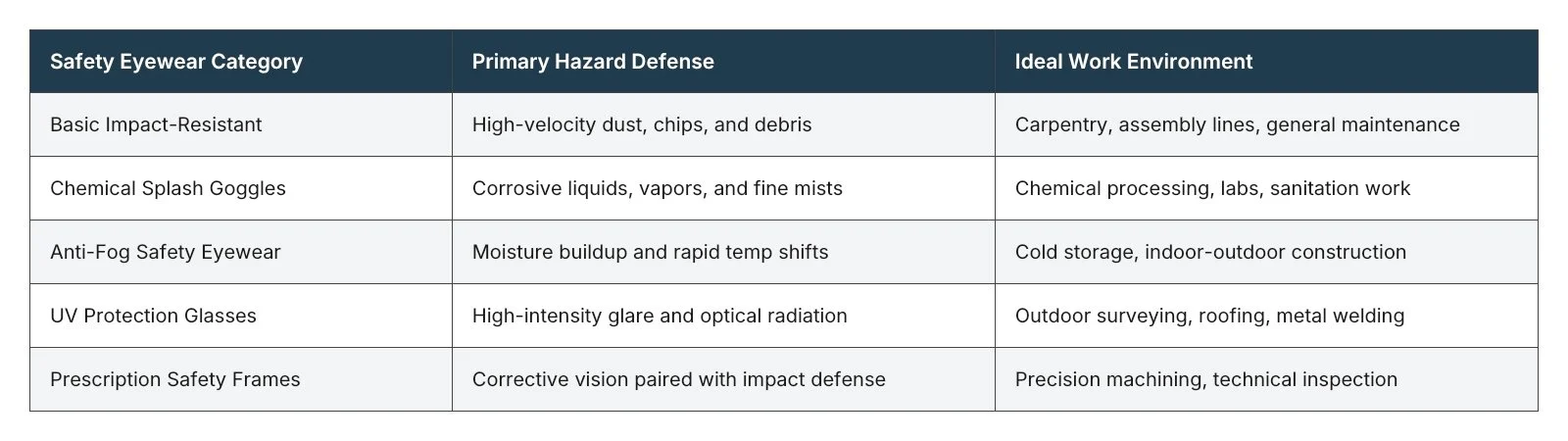
Wearing protective eyewear that is appropriate for your work area ensures that your eyes are adequately protected from common threats. Coatings, physical sealing, and optical adjustments are required for certain jobs.
Basic Impact-Resistant Safety Glasses
Clear polycarbonate lenses with impact-resistant frames keep out flying debris, metal shavings, and sawdust. They protect during general material handling, light assembly work, and routine maintenance jobs.
Chemical Splash Safety Glasses
Chemical splash goggles are designed to limit liquid droplets from reaching the eyes. Some models use indirect ventilation to reduce fogging while maintaining coverage. They block harmful splatters, solvent fumes, and volatiles from reaching sensitive eye tissue during fluid transfer or mixing.
Anti-Fog Safety Glasses
When the temperature changes, condensation forms on standard lens surfaces, blocking the worker's visibility during the task. On wet plant floors or in freezer situations, anti-fog frames' hydrophobic surface coatings enable moisture droplets to instantly evaporate, guaranteeing clear visibility.
Safety Glasses with UV Protection
Outdoor workers are constantly exposed to UV radiation and sun glare throughout long shifts. UV-blocking safety eyewear filters up to 99.9% of harmful UVA and UVB rays, helping to prevent long-term corneal damage, cataracts, and chronic visual fatigue.
Prescription Safety Glasses
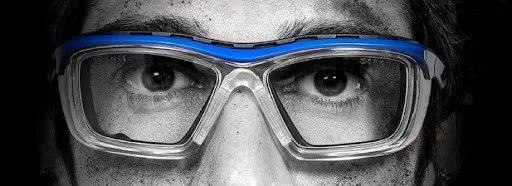
Bulky fit‑over goggles are not recommended for workers who need vision correction. Workers who need vision correction can choose prescription safety frames designed for their specific needs. These frames have custom‑made lenses that sit inside certified shatterproof lenses. Progressive Safety Glasses provide focus at any distance. They do not have distracting lines. This makes it easy for workers to move from near tasks to far tasks without interruption.
Key Benefits of Wearing Safety Eye Glasses
The right safety glasses can protect your eyes while also making daily work more comfortable:
High-quality polycarbonate lenses stop fast-moving pieces from getting into the eye area.
Side shields that are built in keep dust, small sand, and unexpected chemical splashes from coming in.
Premium eye protection, with anti-glare coatings, helps stop eye fatigue and squinting during long work hours.
Project delays and costly safety fines can be avoided by complying to ANSI Z87.1 requirements.
How to Choose the Right Safety Eye Glasses
Choose a pair of safety glasses that match the work environment hazards with a comfortable ergonomic fit. When equipping yourself or your team, follow these steps:
Evaluate Environmental Risks: Look closely at what’s happening on the job site. Is there flying dust? Chemical splashes? Bright sunlight? These are the dangers to think about.
Check Official Safety Ratings: Always look for the ANSI Z87.1 or Z87+ high-impact marking on both the frame and the lens. This label means the glasses meet safety standards.
Select Compatible Lens Tints: Use lenses for bright indoor spaces. For work with glare, pick a neutral gray tint. If you’re working in light, amber-tinted lenses help with contrast and visibility.
Ensure Proper Ergonomic Fit: Choose temples that sit securely behind the ears without creating pressure around the sides of your head. Flexible rubber nose pads help prevent slipping. Also, choose styles with wrap-around coverage to protect from impacts.
Check for Prescription Compatibility: If you wear prescription glasses, make sure the safety frame you choose can fit your lenses.
Common Mistakes to Avoid When Buying Safety Glasses
Buying ordinary eyeglasses that look like protective eyewear is the first mistake. Avoid making quick judgments about safety.
Choosing the lowest price without verifying the product's certification, fit, or use is the second mistake. Price is important, but security should come first.
A poor fit is another issue. It can be distracting to wear glasses that pinch or slip all the time. Eventually, employees might remove them, making them useless.
Additionally, don't ignore damaged lenses. Protection and visibility may be impacted by scratches, cracks, or damaged frames.
Additionally, people who wear prescription eyewear shouldn't expect that it will protect them at work. Look for an appropriate prescription safety alternative if vision correction is necessary.
Lastly, do not just select tinted lenses because they are in style. The color of the lens should match the working situation and requirements of visibility.
Conclusion
Good eye protection should be part of every job where your eyes face a potential hazard. Choose safety glasses that match the task, fit comfortably, and meet the protection requirements of your workplace. If you need prescription correction, options such as progressive safety glasses can combine vision correction with workplace protection.
HOW DO YOU FEEL ABOUT FASHION?
COMMENT OR TAKE OUR PAGE READER SURVEY
Featured



The T-shirt is probably the most worn piece of clothing in the world. It’s in almost every wardrobe, it goes with nearly everything, and most of us own far more than we need.