
Should You Apply Pressed Setting Powder to Your Whole Face?
PAGE
By PAGE Editor
Pressed setting powder does not need to go everywhere. The right approach is to powder the areas that need help controlling shine, smoothing texture, or holding makeup in place while leaving balanced or dry areas alone. Your skin type, base makeup, and preferred finish should guide placement. If you like a polished, soft-focus look, a very light layer across the face can work well. If you want more glow or have dry patches, selective application usually looks better. The goal is simple: set enough to improve wear and blur excess shine without flattening the skin or making certain areas look heavy.

Decide Between All-Over and Selective Setting
When a Light All-Over Layer Makes Sense
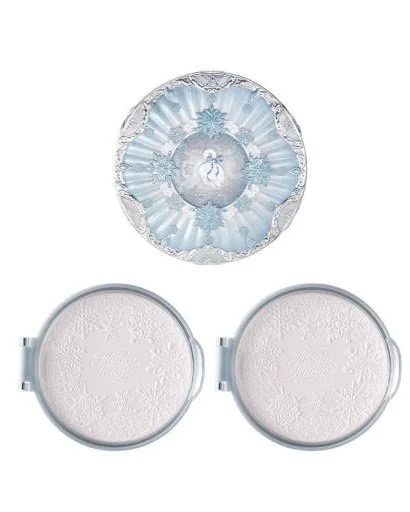
A light all-over layer makes sense when your makeup tends to shift across multiple areas, or when you want a more even, refined finish from forehead to jawline. This method works well for combination or oily skin, long days, warm weather, and fuller-coverage base products that stay in place better when lightly set. Use a small amount and press it on rather than piling it on the skin. A powder such as Flower Knows Snow Ballet Serum-Infused Pressed Powder can suit this approach because it offers a breathable veil of powder, a soft focus finish, and squalane-infused comfort.
When Targeted Powder Is Enough
Targeted powder is enough when only a few zones get shiny or lose coverage during the day. Many people need setting mainly around the nose, center of the forehead, chin, or under the eyes, while the cheeks stay normal or lean dry. Applying powder only where makeup creases or breaks apart keeps the rest of the complexion fresher and more skin-like. This approach also helps preserve glow from hydrating foundation or cream products. If your makeup already wears well on most of your face, selective setting gives you control without adding unnecessary texture or reducing dimension.
Check Each Area Before Applying Powder
The Forehead, Nose, and Chin
The forehead, nose, and chin usually need powder first because they produce the most visible shine and often show makeup movement earliest. Check whether foundation looks slick, separates around the nostrils, or gathers on the chin before applying anything. If these areas reflect more light than you want, press on a thin layer to reduce shine and help the base last longer. Focus especially on the sides of the nose and the center of the forehead, where oil tends to come through fastest. Keep the layer even and light so the skin still looks natural rather than flat.
The Cheeks and Outer Face
The cheeks and outer face often need less powder than the center of the face. If these areas look smooth, balanced, or slightly radiant, leaving them unpowdered can keep your makeup from appearing dull or overly matte. Powder here only if you notice tackiness, transfer, or visible shine that does not match the rest of your complexion. Use a light hand around blush and high points so you do not mute color or texture. For drier skin, this area may look best with little to no pressed setting powder at all, especially if your base already feels comfortable and stable.
The Under-Eye Area and Facial Creases
The under-eye area and facial creases benefit from careful powder placement, not heavy coverage. If concealer creases under the eyes, around smile lines, or beside the nose, first smooth the product with a fingertip or sponge. Then press on a very small amount of powder to lock it in. Too much can emphasize fine lines, dryness, and texture almost immediately. Choose the spots where makeup actually folds or shifts instead of dusting broadly across delicate skin. A precise touch usually performs better than a full layer, especially in areas that move a lot throughout the day.
Keep Powder Coverage Controlled Throughout the Day
Apply a Thin Layer and Compare Both Sides
Apply a thin layer first, then compare both sides of your face before adding more. This quick check shows whether the powder improves shine control and smoothness or starts to reduce dimension too much. Pressing a small amount into the skin is usually more effective than sweeping on several passes. If one side looks balanced and the other still appears too radiant or tacky, adjust only where needed. Working this way prevents over-powdering and helps you keep a natural finish. You can always build slightly, but it is much harder to restore freshness after applying too much.
Touch Up the Area That Needs It
Touch-ups should stay focused on the area that actually needs them. If midday shine appears on the nose, chin, or forehead, press powder only there instead of refreshing the full face. This keeps makeup from building up and looking thick by evening. Before reapplying, blot excess oil so the powder sits smoothly rather than mixing with shine on the surface. A small mirror check helps you spot whether the issue is oil, creasing, or simple fading. Matching the touch-up to the problem gives a cleaner result and keeps the rest of your makeup looking lighter and more natural.
Conclusion
You should not automatically apply pressed setting powder to your whole face. Powder the areas that become shiny, crease easily, or need extra hold, and leave comfortable, balanced areas with less product. A light all-over layer works when you want a more polished finish or longer wear across the entire complexion. Selective setting works best when you want to keep glow and avoid dryness or texture. The smartest method is to assess each area, start with a thin layer, and touch up only where needed. That approach gives you better control and a more natural-looking result.
HOW DO YOU FEEL ABOUT FASHION?
COMMENT OR TAKE OUR PAGE READER SURVEY
Featured




In a 2024 survey of more than 2,000 adults by the retailer TK Maxx, 61% said a date's fashion choices were important on a first date, and 52% said those choices would affect the chance of a second one.