
Can Highlighter Makeup Add Glow Without Emphasizing Pores?
PAGE
By PAGE Editor
Highlighter makeup can add glow without making pores stand out when you control finish, placement, and amount. The goal is not to cover texture with more shimmer, but to create a smooth-looking reflection that stays focused on the high points of the face. Pores tend to look more visible when light bounces strongly from uneven areas or when product sits too heavily on the skin. A lighter hand, smarter positioning, and a final check in natural light can help you keep radiance polished, balanced, and flattering rather than overly shiny or textured.
Why Highlighter Can Make Pores More Noticeable
Strong Reflection Draws Attention to Surface Texture
Highlighter works by catching light, so any area with visible texture can appear more obvious when that reflection becomes intense. Pores, small bumps, and uneven patches all interrupt the surface of the skin, and bright shimmer can spotlight those changes instead of smoothing them visually. This happens most often when highlighter is placed too close to the center of the cheeks, where pores are commonly more visible. A softer glow usually blends into the skin more naturally, while a sharper reflective finish can create contrast that makes texture easier to notice from different angles.
Heavy Layers Can Make the Finish Look Uneven
Applying too much highlighter at once often creates a patchy, raised-looking finish that sits on top of the skin instead of melding with it. When layers build too quickly, shimmer particles collect around pores and dry areas, which can make the surface look less even. This is especially noticeable if the base underneath is still tacky or if the product is spread broadly across textured zones. A concentrated stripe of shine may seem appealing in direct indoor lighting, but on real skin it can exaggerate unevenness. Thin, controlled application keeps glow visible without making texture the main focus.
Choose and Place Highlighter for Controlled Glow
Assess the Finish on Skin Rather Than in the Compact
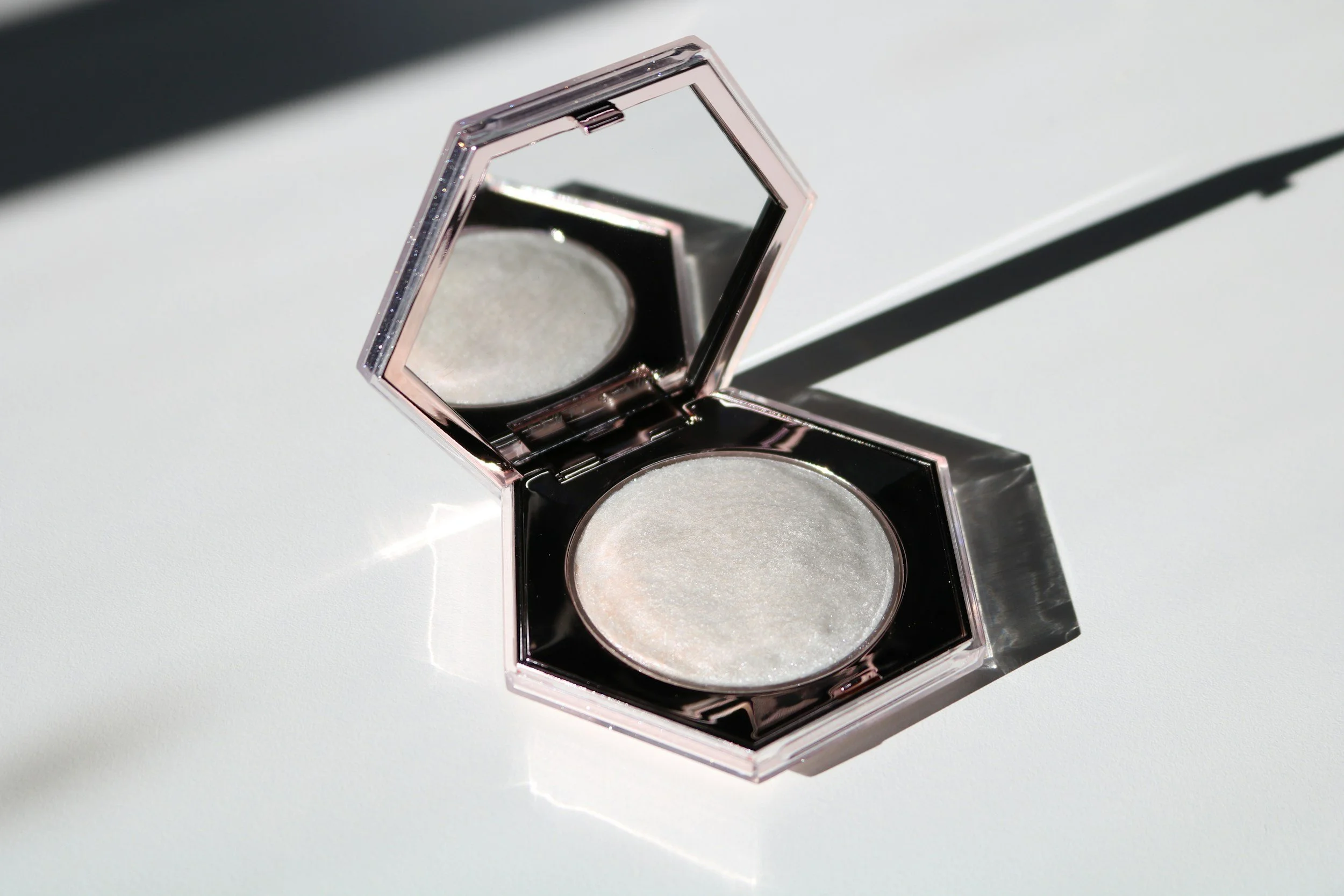
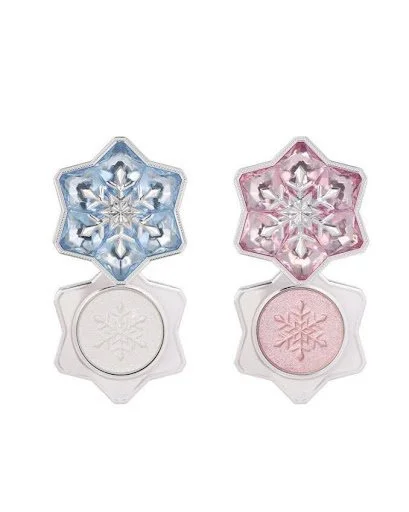
A highlighter can look smooth in the pan yet reflect very differently once it meets skin texture, natural oils, and foundation. Test the finish where you plan to wear it instead of judging only by how sparkly or silky it appears in the compact. Flower Knows Snow Ballet Luminous Highlighter & Charm in 01 White Snow is described as a cool pearl white with a crisp, high-shine glow, using a cloud-soft baked highlighter formula and ultra-fine pearl pigments. Details like these suggest strong reflection, so placement and amount matter more than surface appearance in the packaging.

Keep Reflection Where You Want Attention
Placement determines whether highlighter makeup creates a polished glow or emphasizes visible pores. Keep the brightest reflection on the tops of the cheekbones, the brow bone, or other smoother high points rather than sweeping it inward across the fuller part of the cheeks. When glow stays slightly higher and farther out, it lifts the face visually without spotlighting texture near the nose. Use a small brush or fingertip to control the shape, then soften the edges. Intentional placement gives you radiance exactly where you want attention instead of letting shine spread into areas that look uneven.
Build a Thin Layer Without Spreading It Too Far
A thin layer almost always looks smoother than a full swipe of product. Start with a small amount, press or lightly sweep it onto the skin, and stop before the glow reaches the area where pores are most visible. If you want more brightness, add another sheer pass only on the highest point instead of enlarging the entire highlighted zone. This keeps the effect refined and dimensional. Blending should diffuse the edges, not erase placement. When the product stays concentrated and light, the skin can look luminous without crossing into a metallic finish that exposes texture.
Refine the Base and Check the Finished Texture
Let Skincare and Foundation Settle First
Highlighter sits better when the layers underneath have had time to settle. If skincare is still slippery or foundation remains wet, shimmer can catch unevenly, shift as you blend, or bunch around pores. Give moisturizer, sunscreen, and complexion products a few minutes to absorb and set before adding glow. This creates a more stable surface and helps you see the true texture of the skin. If needed, gently blot excess shine first, especially around the cheeks and nose. A calm, balanced base makes highlighter look integrated instead of floating on top of fresh product or amplifying surface irregularities.
Adjust Shine After a Daylight Check
Indoor lighting can make highlighter look softer than it really is, so a daylight check gives a more accurate view of texture and reflection. Step near a window or look in natural light before you finish the rest of your makeup. If pores look more visible than expected, reduce the effect by tapping over the edges with a sponge, adding a little foundation around the highlighted area, or lightly setting nearby skin with powder. You do not need to remove all the glow. Small adjustments often keep the radiance while making the overall finish appear smoother and more balanced.
Conclusion
Yes, highlighter makeup can add glow without emphasizing pores when you manage how light hits the skin. Choose a finish based on how it looks on your face, not just in the compact, then place it only on smoother high points. Apply a thin layer, avoid pulling shimmer too far inward, and let your base settle before adding any shine. The final daylight check is what turns a pretty application into a flattering one. With controlled placement and restrained layering, highlighter can create brightness, dimension, and polish while keeping visible texture from becoming the focus of your makeup look.
HOW DO YOU FEEL ABOUT FASHION?
COMMENT OR TAKE OUR PAGE READER SURVEY
Featured




In a 2024 survey of more than 2,000 adults by the retailer TK Maxx, 61% said a date's fashion choices were important on a first date, and 52% said those choices would affect the chance of a second one.