
Why Do Makeup Eyeshadow Palette Colors Look Different on Skin?
PAGE
By PAGE Editor
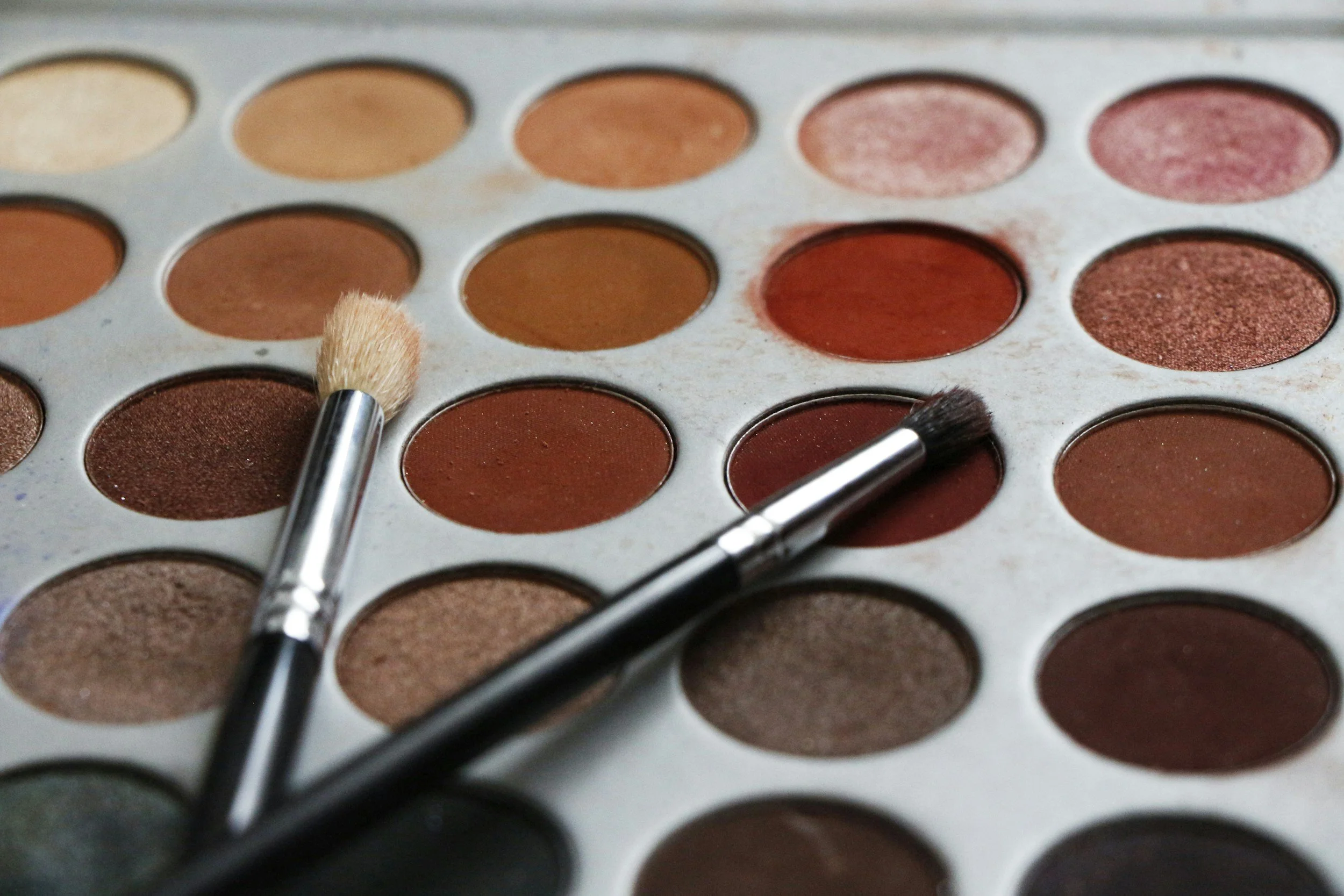
Makeup eyeshadow palette colors often look different on skin because the pan shows a compressed formula under fixed lighting, while your eyelids add tone, texture, warmth, and natural shadows. What appears cool, soft, or bright in the palette can turn deeper, warmer, or sheerer once applied. Finish also matters: satin, shimmer, and sparkle reflect light in different ways, so they rarely look identical on the eye. If you want more accurate results, you need to judge shades by swatches, application method, and the base underneath, not by the pan alone. That approach makes palette selection and everyday blending much more predictable.
How Your Skin Changes the Appearance of Eyeshadow
Skin Depth Changes the Contrast
Skin depth changes how strongly an eyeshadow shade stands out. A pale beige may look obvious in the pan, yet appear subtle on light skin and almost disappear on deeper skin if it lacks enough contrast. Mid-tone browns can read soft and sculpting on fair lids but more neutral or muted on richer skin tones. Deeper shades may look dramatic on light skin and more blended on medium or deep skin. One makeup eyeshadow palette can therefore create different effects depending on your complexion. The color is the same, but the visual contrast against your skin changes what your eye perceives.
Undertone and Natural Lid Color Affect the Result
Undertone also shifts the way eyeshadow appears. Warm skin can pull peach, gold, and brown shades even warmer, while cool undertones may make the same colors look softer, rosier, or slightly muted. Olive skin often adds a green-gray cast that changes taupes, plums, and bronzes in subtle ways. Natural lid discoloration matters too. If your eyelids have veins, redness, or deeper pigmentation, sheer shadows mix visually with that base. A champagne may lean peach on one person and beige on another. That is why swatching on the arm helps, but testing on the eyelid gives a more accurate preview of the final result.
Why Finish and Application Change the Color You See
Satin and Sparkle Reflect Light Differently
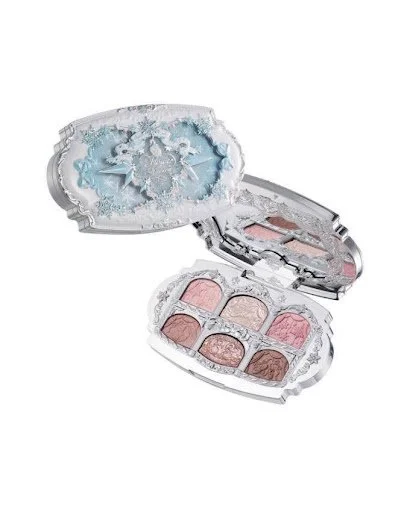
Finish changes color because light behaves differently on each texture. Satin shades usually reflect a soft sheen, which can make them appear smoother and slightly brighter on the skin than they look in the pan. Sparkling shades catch and scatter light, so their true base color may seem lighter or less obvious once worn. In the Flower Knows Snow Ballet Six-Color Satin Makeup Palette in 01 Music Box, Creamy Apricot, Peach Pink, Apricot Brown, and Cocoa Brown are silky satin shades, while Pearl White Sparkle and Champagne Sparkle add luminous accents. Those two finishes naturally flash more light, which changes how the eye reads their depth and tone.

Brushes, Fingers, and Layer Thickness Change Coverage
Application tools affect both payoff and color clarity. A fluffy brush usually diffuses pigment, so shades look softer, hazier, and sometimes lighter than expected. A denser brush packs on more product and reveals fuller depth. Fingers often intensify shimmer or sparkle because they press particles directly onto the lid. Layer thickness matters too. One sheer swipe may let your natural skin tone show through, shifting the color you see, while two or three layers can make the shade appear richer and closer to the pan. If a color seems different than expected, the issue is often coverage level rather than the formula itself.
The Base Beneath Eyeshadow Changes the Starting Point
The base under eyeshadow sets the starting point for every shade. Bare skin allows your natural lid tone, oil, and texture to influence the result, so colors may look less even or less true to pan. A skin-toned primer can mute redness and create a smoother surface, helping shades appear more balanced. A lighter or white base increases brightness and makes pastel or soft tones stand out more clearly. Deeper bases can warm or darken what goes on top. Even concealer changes the effect depending on its undertone and coverage. If you want consistency, keep the same eye base whenever you compare or wear palette colors.
How to Judge Palette Colors More Accurately
Compare Swatches Under Consistent Lighting
To judge palette colors accurately, compare swatches in consistent lighting rather than relying on store lighting or quick indoor glances. Warm bulbs can make browns, peaches, and golds look richer, while cool light can flatten warmth and exaggerate pink or gray tones. Daylight or bright neutral lighting gives the clearest read. Swatch each shade at similar pressure and in the same size so the comparison stays fair. Let sparkles catch the light from more than one angle before deciding how bright or sheer they are. When you remove uneven lighting from the equation, color differences become easier to evaluate with confidence.
Test One Shade on the Lid Before Building a Look
Before creating a full eye look, test one shade directly on the lid. This gives a faster, more useful answer than arm swatches alone because the eyelid has its own tone, folds, and natural shadow. Apply the shade with the tool you actually plan to use, then check it in the same lighting where you expect to wear it. If the color appears warmer, lighter, or more transparent than expected, adjust early by changing your base or layering method. This simple test prevents mismatched looks and helps you understand how the palette behaves on your specific skin before you commit.
Conclusion
Makeup eyeshadow palette colors look different on skin because your complexion changes contrast, undertone shifts the visible tone, and natural lid color shows through sheer formulas. Finish also alters what you see, since satin reflects softly and sparkle catches light more dramatically. On top of that, tools, layer thickness, and primer influence how much pigment appears and how closely it matches the pan. The most accurate way to judge a shade is to swatch it under steady lighting and test it on your lid with your usual technique. Once you do that, palette colors become far easier to predict and control.
HOW DO YOU FEEL ABOUT FASHION?
COMMENT OR TAKE OUR PAGE READER SURVEY
Featured



In a 2024 survey of more than 2,000 adults by the retailer TK Maxx, 61% said a date's fashion choices were important on a first date, and 52% said those choices would affect the chance of a second one.