
The Art of Soft Hosting: Creating a Relaxed, Elegant Dinner at Home
PAGE
By PAGE Editor
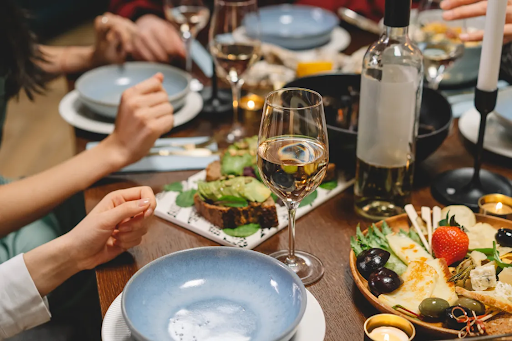
Luxury entertaining has taken on a softer, more personal character. A memorable dinner no longer requires polished silver, elaborate place settings, or a rigid schedule. Instead, hosts are investing in excellent ingredients, comfortable surroundings, and small details that help guests relax. This low-key style feels polished without becoming formal, which makes it practical for weeknight gatherings as well as special occasions.
The result is a dining experience where people can linger, share food, and enjoy the evening without feeling that every moment has been staged. This approach also reflects the appeal of an unhurried meal shared around the table, where good food and conversation matter more than sticking to a formal schedule.
Why Formal Hosting Is Giving Way to Ease
Traditional dinner parties often placed the host under considerable pressure. Several courses had to appear on schedule, every guest needed a designated seat, and the table was expected to look untouched when people arrived. That level of presentation can be beautiful, but it may leave the host too busy to take part in the evening.
The rise of soft hosting reflects a different set of priorities. Guests might pour their own drinks, help carry plates outside, or gather around a kitchen island while dinner finishes cooking. The host still shapes the experience, but the structure stays loose enough to accommodate a late arrival or an unexpectedly long conversation.
Modern luxury comes from thoughtful choices. One excellent main dish can create more impact than a crowded menu. Cloth napkins, warm lighting, and a carefully chosen playlist add atmosphere without requiring hours of preparation. The new rules of entertaining also emphasize personal details and memorable moments over displays of formality.
Choose one or two elements that deserve your attention, then keep everything else easy. Set the table earlier in the day, place water where guests can serve themselves, and select food that can be shared. A host who sits down, eats, and joins the conversation contributes more to the evening than another decorative flourish ever could.
Bringing Premium Seafood to the Table
Wild-harvested seafood suits low-key luxury because the ingredient carries the occasion. It needs little decoration, and its generous serving style immediately signals that dinner will be interactive. Crab clusters presented on a wide platter, for example, can become the visual center of a table without complicated garnishes or restaurant-style plating.
Quality and logistics deserve attention when you're ordering seafood for home delivery. If you plan to buy snow crab legs, compare the species, cluster size, and package quantity before ordering. The Alaskan Bairdi and Canadian Opilio clusters are sold fully cooked and frozen, with two clusters per pack. Remember that listed weights include the shells, so they don't represent the amount of edible meat. Check the selected product's storage and thawing instructions, and choose an arrival date that gives you enough time to prepare the seafood before guests arrive.
For a dinner of six, arrange the clusters on two platters instead of one oversized display. This keeps guests from reaching across the table and makes serving feel easy. Provide a small bowl for discarded shells at each end, along with plenty of napkins and the proper table tools.
Warm butter with lemon is a classic accompaniment, though a simple herb oil also works well. Keep sauces in low, stable bowls that are easy to pass. These practical choices protect the relaxed mood, allowing the premium ingredient to feel special without turning dinner into a formal production.
Tactile Dining Builds Closer Connections
Meals become more social when guests can pass, crack, dip, and assemble food at the table. These small actions create natural pauses in conversation and give everyone something to do. They can also help guests who have only just met, since sharing a platter offers an immediate point of connection.
Tactile dining works best when the setup removes awkwardness. Put every necessary tool within reach and demonstrate an unfamiliar serving method before people begin. If a dish can drip, provide a washable table covering or individual placemats. Finger bowls with warm water and lemon slices are useful, but neatly rolled damp cloths may feel more natural at a casual dinner.
Serving dishes also affect how the meal feels. Wood boards, glazed ceramic bowls and woven bread baskets bring texture to a simple table. Avoid filling every open space. Guests need room for plates, shared dishes and their hands, especially when the meal includes food that requires some assembly.
Good hosting also means noticing the table while staying part of it. The practical art of hosting includes anticipating needs without hovering. Refill water when you stand up, clear full shell bowls between servings, and keep extra napkins nearby.
For larger groups, use several smaller platters instead of passing one heavy dish. People can serve themselves more easily, and the arrangement encourages conversation within the whole group. The table still looks abundant, but nobody has to wait while one centerpiece makes a slow trip around the room.
Minimalist Sides That Let Mains Shine
A premium main course needs supporting dishes with clean flavors and manageable preparation. Choose two sides that offer contrast in texture, temperature, or acidity. A crisp salad and warm bread may be enough for a rich seafood dinner, while roasted potatoes and lightly dressed greens give the table a little more substance.
Start by considering what the main dish already provides. Sweet, delicate seafood pairs well with lemon, fresh herbs, and vegetables that retain some bite. Try asparagus roasted with olive oil, a cucumber salad dressed with rice vinegar, or small potatoes tossed with parsley. Avoid using the same rich sauce across several dishes, since repetition can make the meal feel heavy.
Timing matters as much as flavor. Select at least one side that can sit comfortably for 20 to 30 minutes. A shaved fennel salad can be dressed shortly before guests arrive, and roasted vegetables can stay warm in a low oven. Bread only needs a quick warming just before it reaches the table. These choices keep the final cooking window calm.
More planning can make entertaining feel effortless, but a short written timeline is often the most useful tool at home. Note when to thaw the main ingredient, prepare cold dishes, heat the oven, and set out serving pieces. Keep dessert equally simple, perhaps berries with lightly sweetened cream or good ice cream served in chilled bowls.
Once dinner begins, leave the kitchen as it is. Bring the main platter to the table, sit down while it’s warm, and let the evening unfold at the pace of the people gathered there.
HOW DO YOU FEEL ABOUT FASHION?
COMMENT OR TAKE OUR PAGE READER SURVEY
Featured



Grand Theft Auto VI transforms Vice City's fashion landscape into a cultural playground of fictional designer labels, contemporary streetwear, luxury-inspired accessories and nostalgic Miami styling, positioning clothing as an essential part of its storytelling and world-building.