
The Quiet Loss of Independence That Comes With Limited Mobility
PAGE
By PAGE Editor
The tea is made. Getting it from the counter to the table is the hard part. When both hands are needed for a walker, carrying a hot mug across the kitchen is suddenly a problem with no elegant answer. You can ask somebody to bring it over. You can sit where you are. Or you can decide you didn't want tea that badly.
An ordinary day is full of these little negotiations. As walking, standing, and sitting down grow harder, people can find themselves waiting for help with things they once did on impulse. The waiting adds up.
A Familiar House, With New Obstacles
The low armchair by the window used to be the best seat in the house. Now its cushions make standing up difficult, so the firmer dining chair gets used instead. A basket of laundry stays at the foot of the stairs until someone else can carry it. The garden hasn't changed, but the uneven path to the gate suddenly deserves a second look.
After one scare, avoidance can become a habit. A quick trip to the shop turns into a question about whether there's somewhere to sit. A visit with friends is cut short because the walk from the car is exhausting. Before accepting another invitation, there's a quiet calculation about steps, stairs, and whether a chair will be nearby.
Fear is part of it, sometimes with good reason. The CDC identifies weakness in the lower body and difficulty with walking or balance among the factors that increase the likelihood of a fall. But avoiding every uncertain step has consequences of its own. The outings get shorter. Then less frequent. People might assume an older relative has lost interest, when the real problem is getting there and back.
Yesterday's manageable walk may be out of reach today, so even a welcome invitation comes with doubts.
The Awkwardness of Needing Someone
Family members often say, "Just ask if you need anything." They mean it kindly. Still, asking changes the relationship a little. A parent who spent years looking after everybody else now has to interrupt a daughter's phone call for help with a sweater. A partner who once handled the shopping waits to be driven to the pharmacy.
Help can be welcome and still tiring to request. Soon, even small requests can begin with an apology. Needing someone nearby in the bathroom because standing up feels unsafe can be especially difficult for someone who values privacy.
Rushing makes it worse. A caregiver sees a coat that needs fastening and reaches over to finish the job. The person wearing it may have wanted another moment to try.
Of course, care takes time. Relatives have jobs, and staff in residential facilities have other residents who also need assistance. Nobody can stop the day for every button or difficult chair. But a question as simple as "Do you want to try first?" can leave room for the person to do what they still can.
Trust Matters Most During a Transfer
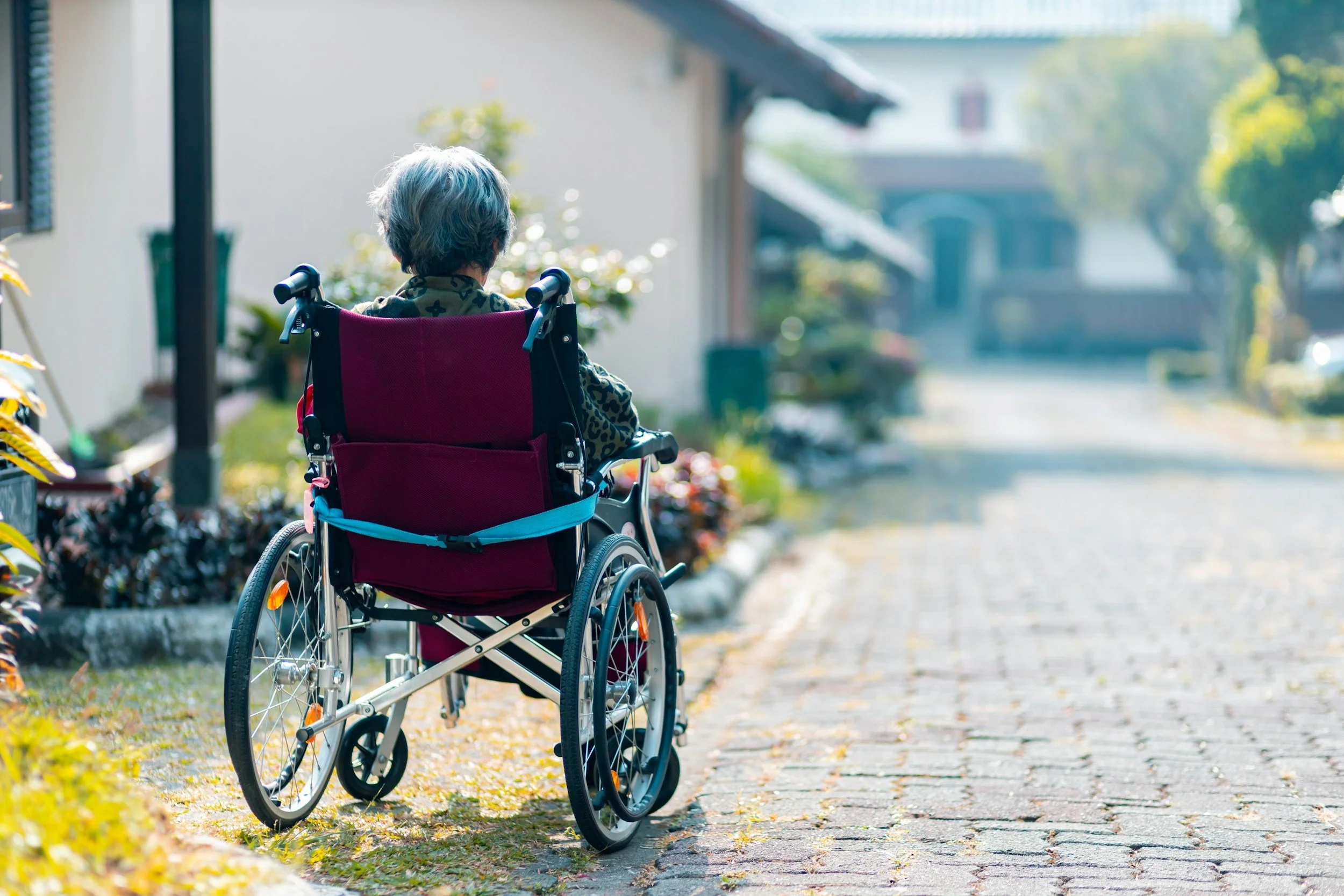
There is a particular vulnerability in being lifted or moved by someone else. An older adult who can no longer bear their full weight may need help getting from bed to wheelchair, or from wheelchair to toilet. During those few moments, they cannot simply step away if something feels wrong.
Before a transfer, staff need to know what the person can manage. Can they stand briefly? Does one shoulder hurt? Are they dizzy? Yesterday's safe method may need adjusting today.
Mechanical lifts can make moving residents safer when standing isn't possible, but they're not automatic safeguards. Using the wrong sling, failing to secure it, or hurrying through the process can cause injuries from dropped nursing home patients, including broken bones and head injuries. An incident can also leave someone afraid of the next transfer, even after the physical injuries have healed.
Residents should be involved in transfers as their abilities allow. Staff can explain the process, give them time to respond, and watch for signs of pain when someone cannot speak. A transfer may be routine for a caregiver who performs several a day. For the resident, it's their body at risk.
Making Room for a Different Kind of Independence
A person can need assistance getting dressed and still choose what to wear. They can ask for a hand getting into a wheelchair and decide where they'd like to spend the afternoon.
Practical changes help, provided they're chosen for the person rather than for an imagined average older adult. A higher chair may make standing easier. A grab bar might make a familiar bathroom usable again. Someone who enjoys cooking could sit at the table to prepare vegetables while a relative handles the heavier pans. The point is to keep a valued activity in the day, even if it needs to happen differently.
Leaving the house presents another set of decisions. An appointment or a family lunch may be entirely manageable once the person arrives, yet a standard car isn't always an option. In places where they're available, wheelchair transportation services can make those trips possible without requiring a relative to do all the driving.
Asking what they want to keep doing is a better starting point than assuming every difficulty calls for another restriction.
Let the Person Set the Pace
When a parent stops suggesting outings, it's tempting to think they've become less sociable. When a resident says "Whatever you think," staff may hear agreement. Sometimes that's exactly what those words mean. Sometimes the person has learned that making a request creates work for somebody else.
Look at the choices that remain. Which chair feels comfortable? Is there a better time for a shower? Would they rather have help now or try on their own while someone stays close? The answers won't restore the strength they've lost. They can, however, keep an older person's preferences from disappearing along with their ability to move freely.
HOW DO YOU FEEL ABOUT FASHION?
COMMENT OR TAKE OUR PAGE READER SURVEY
Featured





The tea is made. Getting it from the counter to the table is the hard part.