
The Ultimate Guide to Building and Maintaining a Thick, Healthy, and Well-Structured Lawn
PAGE
By PAGE Editor
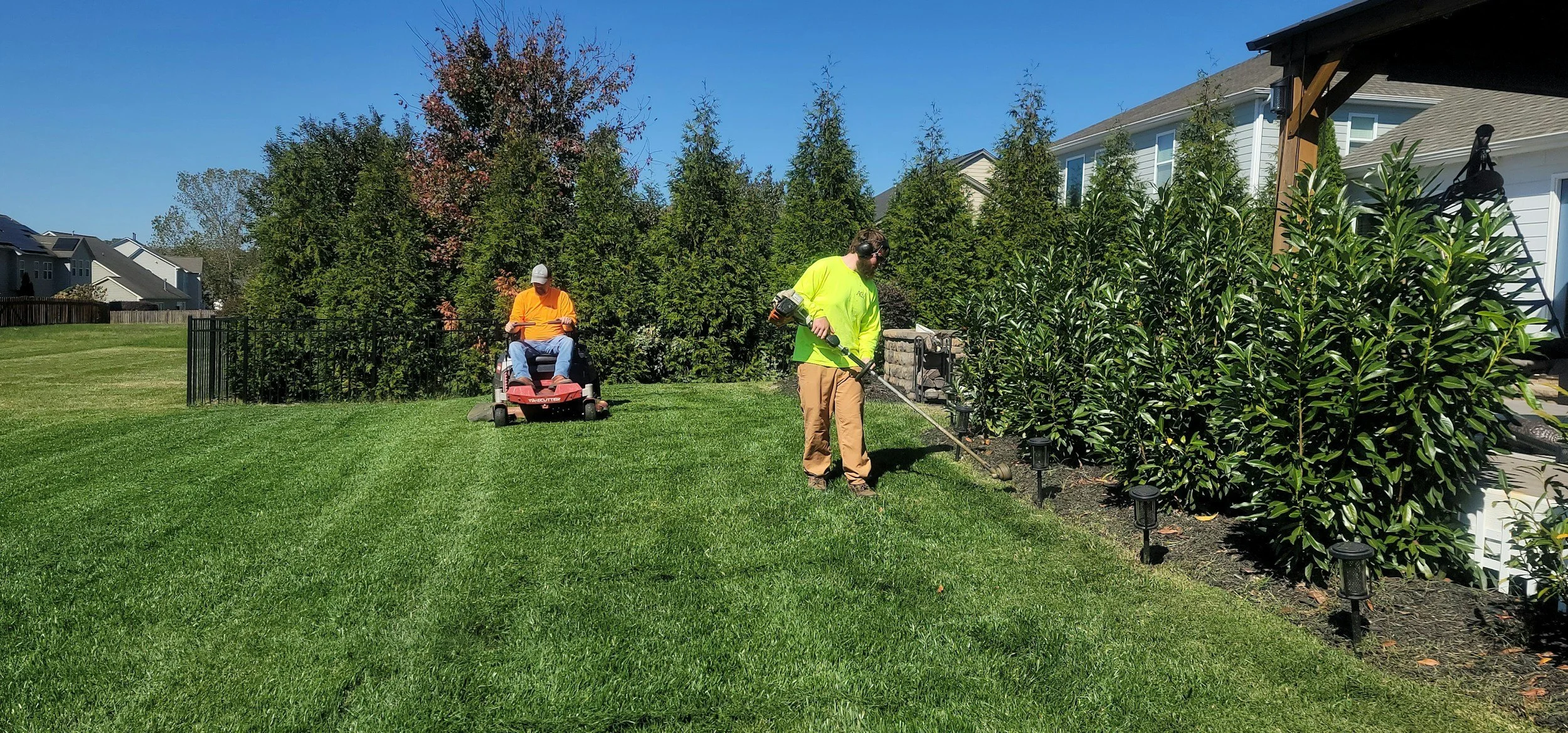
A thick, healthy lawn is one of the most desirable features of any outdoor space because it creates a clean visual impression, improves environmental quality, and enhances the usability of residential and commercial landscapes. Achieving this level of lawn quality requires consistent care, proper soil management, balanced watering, and attention to seasonal changes. A successful lawn is not created overnight; it is developed over time through structured maintenance practices that support steady grass growth and long-term soil health. One of the most important routine practices in this entire process is lawn mowing, which plays a key role in maintaining uniform growth and preventing common lawn problems.Grass is a living organism that constantly responds to its environment. It grows differently depending on sunlight, water availability, soil nutrients, and temperature. Without proper maintenance, grass can quickly become uneven, weak, or overgrown, which leads to poor appearance and increased vulnerability to weeds and pests. A structured approach ensures that grass remains strong, dense, and evenly distributed, creating a visually appealing and durable outdoor surface that can withstand regular use.A healthy lawn is not just about appearance; it also contributes to environmental balance by reducing soil erosion, improving air quality, and supporting better water absorption. When properly maintained, a lawn becomes a functional and sustainable part of the outdoor ecosystem.
Understanding the Foundation of Healthy Lawn Growth
The foundation of a strong lawn begins with soil quality. Soil provides essential nutrients, moisture, and support for grass roots. Without healthy soil, grass cannot develop properly, no matter how much water or care it receives.Soil that is compacted or nutrient-deficient can limit root expansion and reduce the lawn’s ability to absorb water and nutrients. This leads to thin patches, discoloration, and uneven growth. Proper soil preparation and regular improvement practices are essential to maintaining long-term lawn health.Organic matter, aeration, and balanced fertilization help improve soil structure and fertility. These practices ensure that grass roots can grow deeper and access the nutrients they need for strong development.A well-prepared soil foundation directly improves the effectiveness of all other lawn care activities, including lawn mowing, watering, and fertilization.
The Importance of Consistent Lawn Maintenance Practices
Consistency is one of the most important factors in achieving a healthy lawn. Grass responds best to regular care rather than irregular or excessive treatment. A structured maintenance routine helps maintain balance and prevents common lawn problems such as overgrowth, weed invasion, and patchiness.Maintenance includes watering, fertilizing, weed control, and trimming. Each of these tasks plays a specific role in supporting grass health and appearance.When maintenance is neglected, grass becomes stressed and weak, allowing weeds and pests to take over. Over time, this leads to long-term damage that becomes difficult to repair.Regular lawn mowing ensures that grass remains at an optimal height, promoting healthier growth patterns and improving overall lawn density.
Watering Techniques and Moisture Balance
Water is essential for grass survival, but proper balance is crucial. Both overwatering and underwatering can negatively affect lawn health.Deep watering encourages strong root growth by allowing moisture to penetrate deeper into the soil. This makes grass more resilient during dry conditions. Shallow watering, on the other hand, results in weak roots and uneven growth.Efficient irrigation systems help distribute water evenly and prevent dry or oversaturated areas. Timing also matters, as watering during cooler parts of the day reduces evaporation and improves absorption.A well-hydrated lawn responds better to lawn mowing and other maintenance practices because the grass remains flexible and resilient.
The Role of Cutting Practices in Lawn Health
Cutting grass is more than a cosmetic activity; it directly impacts plant health. Proper cutting techniques encourage stronger growth and improve lawn density.Grass should never be cut too short, as this can expose soil, weaken roots, and increase vulnerability to weeds. On the other hand, allowing grass to grow too long can lead to uneven texture and reduced sunlight penetration.Sharp cutting tools are essential because clean cuts help grass recover faster and reduce stress. Dull blades tear the grass, leading to browning and damage.A consistent lawn mowing routine helps maintain an even height across the entire lawn, supporting healthy growth and a uniform appearance.
Weed Prevention and Lawn Protection
Weeds compete with grass for nutrients, water, and sunlight, making them a major threat to lawn health. A thick, healthy lawn naturally reduces weed growth by limiting space for unwanted plants.Regular maintenance helps prevent weed establishment by keeping grass dense and competitive. When necessary, targeted weed control methods can be used to remove persistent growth.Consistent lawn mowing also helps control weeds by preventing them from maturing and spreading seeds across the lawn.A well-maintained lawn acts as its own defense system against weed invasion when properly cared for.
Pest and Disease Control in Lawn Care
Lawns are susceptible to pests and diseases that can damage grass and reduce its visual appeal. Common issues include fungal infections, insect infestations, and nutrient imbalances.Early detection is important for preventing widespread damage. Regular inspection allows homeowners and property managers to identify problems before they become severe.Healthy grass is naturally more resistant to pests and diseases because strong plants are better able to withstand stress.Proper watering, fertilization, and lawn mowing practices all contribute to reducing the risk of pest and disease problems.
Seasonal Lawn Care Adjustments
Grass growth changes throughout the year depending on temperature and weather conditions. During warmer seasons, grass grows faster and requires more frequent maintenance. During cooler seasons, growth slows down.Adjusting care routines based on seasonal changes is essential for maintaining lawn health. Fertilization, watering, and trimming schedules must be adapted accordingly.Ignoring seasonal differences can lead to stress and uneven growth patterns.A flexible lawn mowing schedule ensures that grass remains healthy and well-maintained throughout all seasons.
The Environmental Value of Healthy Lawns
A well-maintained lawn provides important environmental benefits. Grass absorbs carbon dioxide and releases oxygen, improving air quality.It also helps reduce soil erosion by stabilizing the ground with its root system. Lawns improve water absorption, reducing runoff and supporting groundwater recharge.In addition, grass helps regulate temperature by absorbing heat and providing cooling effects in surrounding areas.Regular lawn mowing supports these benefits by maintaining dense, healthy grass coverage that maximizes environmental performance.
Residential Lawn Care Benefits
For homeowners, a healthy lawn significantly improves property appearance and value. It creates a welcoming outdoor environment that enhances curb appeal.Lawns can be used for relaxation, recreation, and social activities, making outdoor spaces more functional and enjoyable.Consistent maintenance ensures that residential lawns remain clean, green, and visually appealing throughout the year.Routine lawn mowing plays a key role in maintaining this appearance and ensuring long-term lawn quality.
Commercial Lawn Maintenance Importance
Commercial properties rely on well-maintained lawns to create positive impressions for visitors and customers. A clean and organized outdoor environment reflects professionalism and attention to detail.Well-maintained lawns also improve safety and accessibility in public-facing areas.Regular lawn mowing is essential in commercial spaces to maintain a consistent and polished appearance that supports business reputation.
Long-Term Benefits of Proper Lawn Care
Consistent lawn care provides long-term advantages such as improved soil health, stronger grass growth, and reduced weed problems.It also reduces the need for costly repairs or lawn replacement due to neglect or damage.Over time, well-maintained lawns become more resilient and easier to manage, requiring less intensive care.A structured lawn mowing routine contributes significantly to these long-term benefits by maintaining balance and uniformity.
Final Thoughts
Building and maintaining a thick, healthy, and well-structured lawn requires consistent effort, proper planning, and attention to detail. Every aspect of lawn care, from soil preparation and watering to fertilization and pest control, plays an important role in overall success.Among all maintenance practices, lawn mowing remains one of the most essential because it ensures uniform growth, improves appearance, and supports long-term grass health.With consistent care and proper techniques, any lawn can become a vibrant, durable, and visually appealing outdoor space that enhances property value and environmental quality.
HOW DO YOU FEEL ABOUT FASHION?
COMMENT OR TAKE OUR PAGE READER SURVEY
Featured





Deep clean, seal, and protect your tile & grout in Oceanside, CA. Bring the original shine back to your floors. Request a quote today!