
The Ultimate Guide to Wood Pallet Recycling for US Manufacturers and Distributors
PAGE
By PAGE Editor
Across American manufacturing and distribution, pallets move quietly through operations — carrying product from production lines to loading docks, from warehouses to retail floors. When those pallets reach the end of a usable cycle, most facilities face the same quiet problem: what to do with the volume of wood that accumulates faster than it can be managed. For operations running at any meaningful scale, broken, damaged, or surplus pallets represent both a cost and a compliance consideration. Handling them well requires more than a disposal plan. It requires a working understanding of how pallet recycling actually functions at an operational level.
What Wood Pallet Recycling Actually Involves
Wood pallet recycling is the process of recovering used, damaged, or end-of-life wood pallets and returning them to productive use — either through direct refurbishment, material reprocessing, or diversion to other industries. This is not a single-step process, and the outcome depends heavily on the condition of the pallet, the volume being managed, and the infrastructure available in a given region. Businesses that approach this without a structured framework tend to accumulate costs quietly in the form of storage space, disposal fees, and labor time spent managing pallets that have no defined exit path.
For a grounded look at how this process is structured in practice, industry-focused documentation on wood pallet recycling outlines the decisions facilities typically face when building or refining their pallet return and recovery programs. The core takeaway is consistent: without a defined system, pallet waste becomes operational noise that compounds over time.
The Difference Between Recycling and Disposal
Disposal means the pallet leaves your facility and stops generating value. Recycling means some form of value is recovered — whether through resale of refurbished pallets, material conversion, or cost offsets from third-party recovery programs. The practical distinction matters because many facilities default to disposal without evaluating whether their pallet volume qualifies for a recovery arrangement. Facilities generating consistent pallet volumes are often better positioned than they realize to establish arrangements with pallet recyclers, heat-treating operations, or biomass processors who are actively seeking supply.
What Happens to a Recycled Pallet
Depending on its condition, a used pallet typically follows one of three paths. If the structural integrity is sound, broken boards are replaced, nails are reset or replaced, and the pallet is graded and resold as a refurbished unit. If the damage is more extensive but individual components are intact, those components are salvaged and used to repair other pallets. If the wood is no longer useful as a pallet, it is processed into mulch, animal bedding, particleboard feedstock, or biomass fuel. Each of these pathways exists within a functioning market, and knowing which path applies to your pallet output helps determine what kind of recycling partner makes sense for your operation.
The Business Case for Structured Pallet Recovery
Pallet management tends to be treated as a background function until it stops working quietly. When pallet accumulation disrupts dock flow, when disposal costs appear without budget allocation, or when compliance questions arise around wood waste, operations leaders begin paying closer attention. The business case for building a structured recovery program is not primarily about sustainability metrics — it is about operational control and cost predictability.
Cost Reduction Through Recovery Agreements
Facilities with consistent pallet output can often negotiate pallet buyback or exchange arrangements with regional recyclers. In these arrangements, the recycler collects pallets on a scheduled basis and either pays a per-unit rate for recoverable pallets or provides collection at no cost in exchange for the material. Either outcome represents a measurable improvement over paying for dumpster or haul-away disposal. The key variable is volume consistency — recyclers need to plan their logistics, so facilities that can guarantee regular pickup volumes tend to receive more favorable terms than those with irregular or unpredictable output.
Space and Workflow Impact
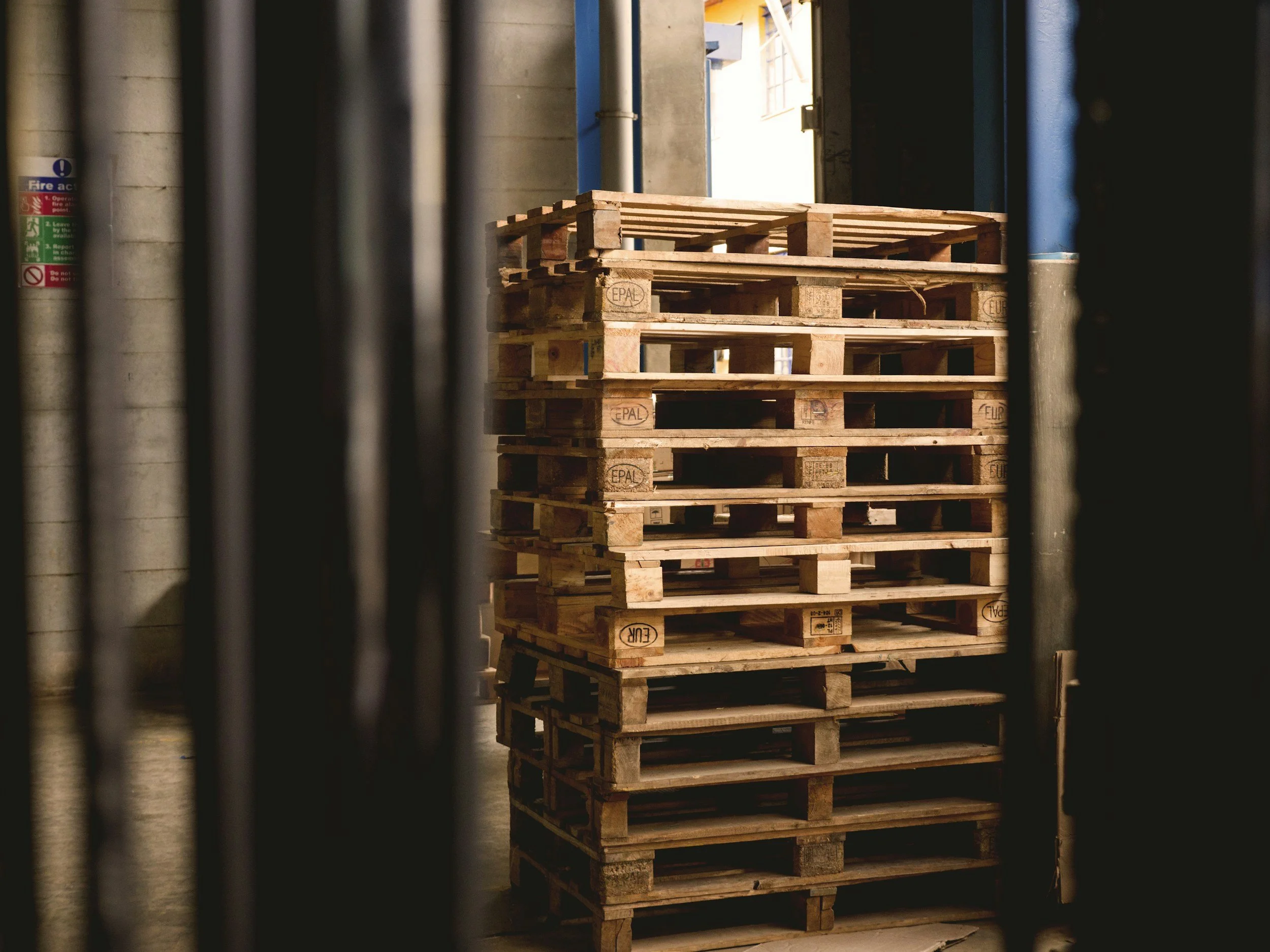
Broken or surplus pallets stored without a plan consume dock and yard space that has real operational value. When pallet stacks grow unchecked, they restrict staging areas, create safety hazards, and complicate receiving workflows. A structured recycling or return program sets a defined cadence for pallet removal, which prevents accumulation from becoming a recurring operational disruption. This is not a minor logistical detail — facilities that manage pallet flow intentionally tend to maintain cleaner, safer dock environments with fewer bottlenecks during high-volume receiving periods.
Pallet Grading and Condition Assessment
Before a pallet can be directed into any recycling stream, its condition needs to be understood. The industry uses a broadly recognized grading system that distinguishes between pallet quality levels based on structural condition, board integrity, and overall usability. Understanding this system helps operations teams make faster decisions at the dock about which pallets can be returned to use, which need repair, and which should be directed to material recovery. According to the National Wooden Pallet and Container Association, standardized grading criteria provide a common language between pallet users and recyclers that reduces disputes and simplifies logistics.
Identifying What Can Be Refurbished
Refurbishment is economically viable when the core structure of the pallet — the stringers or blocks and the deck boards — remains sound. A pallet with one or two broken boards but an intact frame can be repaired at a fraction of the cost of a new unit. Facilities that train receiving staff to quickly assess pallet condition at intake can separate recoverable from non-recoverable inventory before it all gets stacked together and treated uniformly. That separation step, simple as it sounds, has a direct effect on how much value can be recovered from a pallet inventory.
Treating Wood and Compliance Considerations
Pallets used in international supply chains are required to meet treatment standards for wood packaging materials — most commonly heat treatment — to prevent the spread of invasive species. When recycling pallets that have traveled through international logistics, operations teams need to verify that treatment markings are present and legible. Pallets that have lost their markings or whose treatment status is uncertain can create complications if they re-enter supply chains with international shipping requirements. This is a practical compliance consideration that affects how recycled pallets are graded and where they can be directed after recovery.
Choosing the Right Recycling Partner
The pallet recycling market in the United States is not centralized. It consists of regional operators, national pallet management companies, and independent repair shops with varying capabilities, service areas, and pricing structures. Choosing a recycling partner is less about finding the lowest cost per pickup and more about finding a partner whose operational capacity aligns with your facility's output volume, pallet types, and scheduling requirements.
Regional Versus National Programs
Regional pallet recyclers often offer more flexible terms and faster response times for facilities within their service area. National pallet management programs offer consistency across multiple facility locations and standardized reporting, which matters for manufacturers and distributors with multi-site operations. The right choice depends on whether your priority is local responsiveness or network-level consistency. For single-site operations with straightforward pallet types, a strong regional partner is often the more practical and cost-effective arrangement.
What to Evaluate Before Signing an Agreement
Before committing to a recycling arrangement, facilities should evaluate several operational factors. A reliable recycling partner should be able to demonstrate the following:
• A defined pickup schedule that matches your facility's pallet output cadence rather than requiring you to adapt to their availability
• Clear grading criteria that are communicated upfront so expectations around pallet condition are aligned before the first pickup
• Documented handling for treated versus untreated wood, particularly if your supply chain involves international shipping
• Transparent pricing or cost-offset terms that do not shift unexpectedly based on market conditions without prior notice
• Operational references from similar facility types or industries that demonstrate the partner's ability to handle your specific volume and pallet mix
Internal Processes That Support Effective Recycling
A recycling agreement with an external partner only works as well as the internal processes that feed it. Facilities that struggle with pallet recycling outcomes often have the right external arrangement in place but lack consistent internal handling practices that ensure pallets arrive at the pickup point in the condition expected by the recycler.
Sorting at the Source
The most effective practice is sorting pallets by condition at the point where they first become available — at the receiving dock when inbound shipments are unloaded. Designating separate staging areas for intact pallets, damaged-but-repairable pallets, and scrap material reduces the downstream labor involved in sorting large mixed piles. It also ensures that pallets are not left in conditions where further damage occurs, which reduces the overall quality of the recoverable inventory by the time pickup arrives.
Tracking and Accountability
Facilities that track pallet volumes — even with basic spreadsheet-level records — are better positioned to evaluate the performance of their recycling program over time. Without some form of tracking, it is difficult to know whether pallet loss rates are increasing, whether the recycling partner is meeting pickup commitments, or whether a shift in product mix is changing the type of pallets flowing through the facility. Simple accountability practices support better conversations with recycling partners and provide the data needed to make informed decisions if the current arrangement stops performing as expected.
Closing Considerations for Manufacturers and Distributors
Wood pallet recycling is not a complex initiative, but it does require intentional management to generate consistent operational and financial results. The facilities that handle it well are not necessarily those with the most sophisticated programs — they are the ones that have clearly defined what happens to a pallet from the moment it arrives until it leaves the facility through a recovery channel. That clarity, applied consistently, reduces cost, reduces waste, and keeps dock operations running without unnecessary interruption.
For manufacturers and distributors operating at any meaningful volume, the question is not whether to build a pallet recovery approach — the volume alone makes that necessary. The practical question is how to structure that approach so it fits the actual rhythm of your operation rather than adding administrative burden to an already full workload. Starting with pallet condition assessment, identifying a compatible regional or national recycling partner, and establishing simple internal sorting habits provides a workable foundation that can be refined over time as your operational needs evolve.
HOW DO YOU FEEL ABOUT FASHION?
COMMENT OR TAKE OUR PAGE READER SURVEY
Featured




A Fishing Guru’s family fishing charters offer visitors a guided way to experience fishing in Islamorada.