
Why Do Ants Keep Coming Back After You Clean the Kitchen?
PAGE
By PAGE Editor
You wipe down the kitchen counters, wash the dishes, and put everything away before going to bed. By the next morning, a line of ants appeared near the sink. You clean the area again, only to find another trail a few days later. It can feel as though no amount of cleaning will make them disappear.
The problem is that ants do not depend entirely on visible crumbs or dirty surfaces. They may already have a colony outside the house, with workers regularly entering through a narrow opening. Even a small source of moisture can encourage their return. For persistent activity, identifying the species and locating its food sources can be more useful than spraying every ant in sight. This is where an ant exterminator may become necessary, particularly when an established colony is involved. Timberline Pest Control is among the pest management businesses homeowners can consider when routine prevention measures do not resolve recurring infestations.
Understanding why ants return makes it easier to decide what to clean, where to inspect, and which treatment approaches may actually address the problem. The key is to look beyond the individual insects moving across the counter.
Ants Follow Food Trails That Are Difficult to See
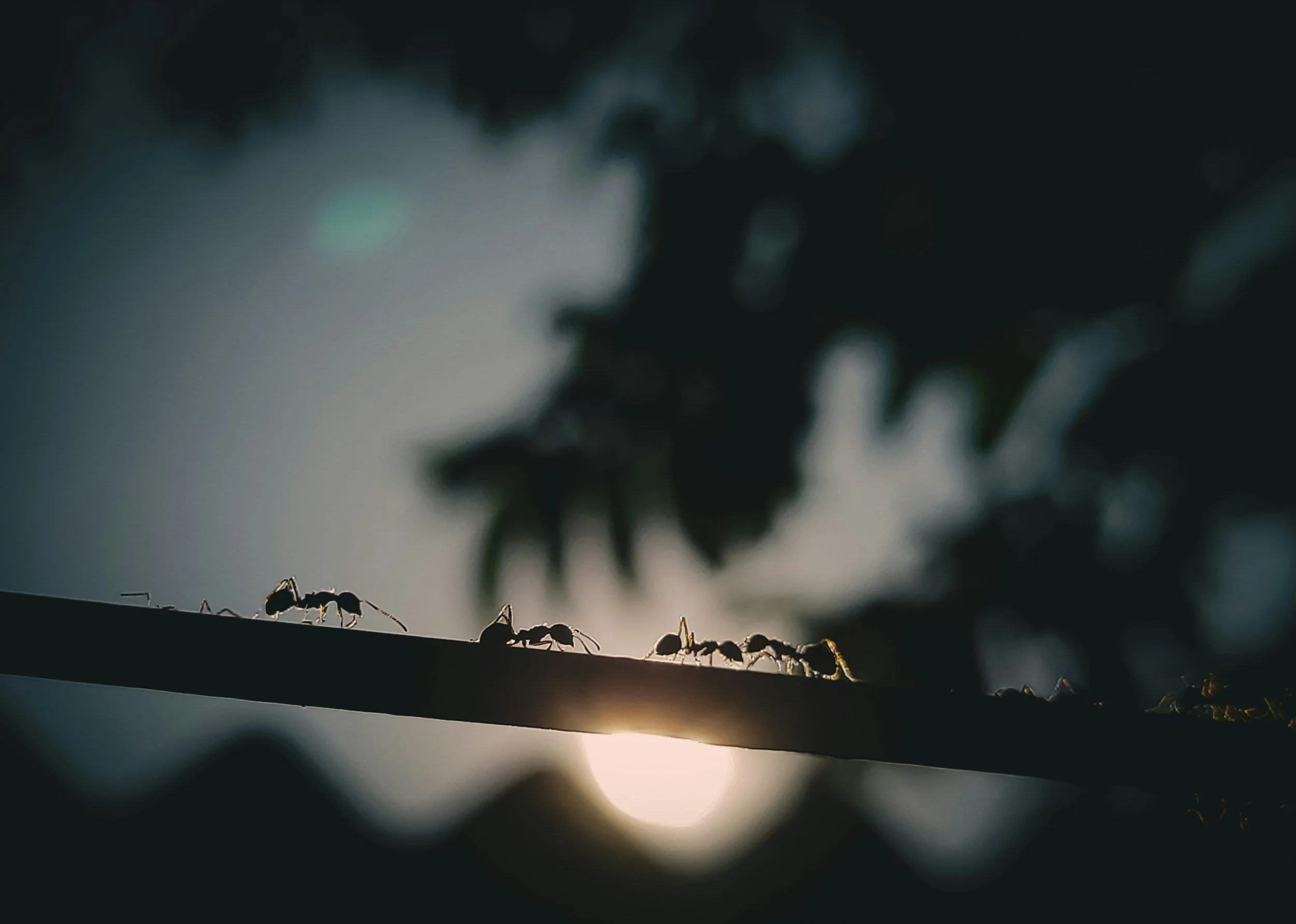
Ants are social insects that live in colonies and send workers out to search for food. When a worker discovers something useful, it may leave a chemical trail that helps other ants locate the same source. This explains why a single ant wandering near the kitchen window can be followed by dozens more.
Wiping the counter can interrupt a trail, but it does not necessarily eliminate the colony. Workers may explore the area again, especially if food remains accessible. Sweet spills, cooking grease, pet food, and small crumbs can all attract certain species, although their preferences vary.
An overlooked source might be beneath the coffee machine or around a container of honey. Even the sticky residue on the outside of a rubbish bin can be enough to attract foraging ants.
Cleaning these areas thoroughly is a sensible first step. Use an ordinary household cleaner appropriate for the surface, remove food residue, and store pantry products in properly sealed containers. However, if the insects continue appearing in the same location, there is probably more to investigate than housekeeping alone.
Moisture Can Be Just as Attractive as Food
A kitchen sink provides convenient access to water, especially when small leaks or condensation are present. Some ants also investigate damp wood, plumbing openings, and moisture-damaged building materials.
Consider a cabinet beneath a sink where a pipe connection has been dripping slowly. The leak may not be large enough to create a visible puddle on the floor, but the cabinet base might stay damp. Ants traveling through nearby gaps can discover that moisture and return regularly.
Check the Areas Behind Everyday Fixtures
Inspect the accessible spaces beneath sinks, beside dishwashers, and around refrigerator water lines. Look for swollen cabinet materials, damp patches, or discoloration around pipe connections.
Outdoor moisture deserves attention too. Water collecting near the foundation, poorly directed downspouts, and damp debris against exterior walls can create favorable conditions for some species.
Drying a wet surface without correcting the source may provide only temporary relief. Repairing leaks and improving drainage removes a condition that can continue attracting insects even after food sources have been addressed.
The Colony May Be Nowhere Near Your Kitchen
One of the most frustrating things about recurring ant activity is that the insects may be nesting far from where they appear.
A colony might be located in soil near the foundation, beneath paving, inside decaying wood, or in another protected outdoor location. Certain species can also establish nests within wall voids or other parts of a building.
Workers travel between these nesting areas and available resources. That means killing the ants visible on the kitchen counter may affect only a small portion of the colony.
Before attempting treatment, observe where the insects enter and leave. Do they disappear beneath a baseboard? Are they following the edge of a window frame? Does the activity increase around the same time each day?
These observations can be useful to an ant exterminator trying to identify likely entry routes and determine whether the colony is indoors or outside.
Avoid sealing an active trail without understanding the situation. While exclusion is valuable, some indoor infestations require species-specific treatment before access points are closed.
Why Store-Bought Sprays Sometimes Make the Problem Worse
A spray may kill ants on contact, creating the impression that the problem has been solved. Unfortunately, the insects visible on the surface are not necessarily the source of the infestation.
Different ant species respond differently to pesticides. Some species can establish multiple nesting sites, and certain poorly selected or improperly applied treatments may cause colonies to relocate or divide. This can make control more complicated.
Another issue occurs when homeowners combine sprays and ant baits in the same area. Repellent products may discourage ants from approaching bait stations, preventing workers from carrying the bait back to the colony.
Baits Work Differently From Contact Sprays
Ant baits are designed to attract foraging workers, which may then transfer the active ingredient to other colony members. Their effectiveness depends on the species, the food preferences of the ants, the bait formulation, and proper placement.
A bait that attracts one colony may be ignored by another. Ant feeding preferences can also change over time, making identification and monitoring important.
Always follow product labels and keep pesticides away from children, pets, and food preparation surfaces. Avoid assuming that adding more treatment will produce faster results.
For homeowners dealing with repeated failures, a professional assessment from Timberline Pest Control or another qualified provider may help determine whether the existing treatment approach matches the species involved.
Not Every Ant Infestation Is the Same
Small ants traveling along a kitchen counter may appear similar, but different species have different nesting habits and treatment requirements.
Odorous house ants, for example, can form trails between indoor food sources and nesting areas. Carpenter ants may excavate galleries in wood, particularly where moisture damage has created favorable conditions. Pavement ants commonly nest in soil beneath stones, pavement, and nearby structures.
These differences matter because the location of the colony influences how the problem should be addressed.
When Carpenter Ants Require Extra Attention
Carpenter ants deserve particular attention when they are repeatedly found near damaged wood, window frames, or damp structural materials.
Unlike termites, carpenter ants do not eat wood. They excavate it to create nesting spaces. Finding large ants indoors does not automatically mean structural damage is occurring, but repeated sightings, especially alongside coarse wood debris or moisture damage, justify further investigation.
An experienced ant exterminator can help distinguish between a temporary trail of outdoor foragers and a situation requiring treatment around concealed nesting areas.
Small Changes That Help Keep Ants Outside
Once the immediate activity is understood, reducing access to food and moisture can make the home less attractive.
Begin with the areas ants have already visited. Clean around the stove, under small appliances, and along pantry shelves. Wash reusable food containers before putting them away, and avoid leaving pet food available overnight when possible.
Outside the house, trim vegetation that touches walls and inspect gaps around doors, windows, and utility penetrations. Repair suitable openings with materials designed for the location, but do not obstruct drainage or ventilation.
Pay attention to recurring patterns rather than treating every isolated ant as an emergency. A few insects near an open door may simply be exploring, while a steady trail returning to the same cabinet suggests an established route worth investigating.
Regular monitoring can also reveal whether prevention measures are working. If trails become less frequent after a leak is repaired or a food source is removed, that information helps identify what was attracting the ants.
When Is Professional Ant Treatment Worth Considering?
Not every ant sighting requires professional treatment. A small trail linked to an obvious food spill may disappear once the source is removed and the area is cleaned.
The situation changes when ants return regularly, appear in several rooms, emerge from wall openings, or persist despite careful cleaning and appropriate prevention. At that point, identifying the species and the colony's location becomes more important.
Before hiring a provider, ask how the infestation will be assessed, what treatment methods may be suitable, and whether follow-up monitoring is recommended.
Businesses such as Timberline Pest Control can be contacted to discuss the available inspection and treatment options. The most useful professional advice should explain why a particular method is appropriate rather than relying on a general spray application for every infestation.
A Clean Kitchen Is Only Part of the Solution
Recurring ant activity does not necessarily mean a kitchen is dirty. The insects may be following an established route from an outdoor colony, searching for moisture, or entering through an opening that has gone unnoticed.
Cleaning remains useful, but lasting improvement often depends on identifying the underlying attraction and selecting an appropriate response. An ant exterminator may be needed when colonies are difficult to locate or household measures have failed.
For homeowners considering Timberline Pest Control, the sensible next step is to discuss the recurring pattern and determine what kind of inspection or treatment is appropriate. Addressing the reason ants keep returning is far more useful than repeatedly cleaning up the ones already on the counter.
HOW DO YOU FEEL ABOUT FASHION?
COMMENT OR TAKE OUR PAGE READER SURVEY
Featured




You wipe down the kitchen counters, wash the dishes, and put everything away before going to bed.