
7 Features to Consider When Comparing Different Types of Wood
PAGE
By PAGE Editor
Choosing the right wood can have a major impact on the appearance, durability, and overall performance of a project. With many species, grades, finishes, and treatments available, it can be difficult to know which option best fits your needs. Comparing several important features can help you make a more informed decision.
Here are seven features to consider when comparing different types of wood.
1. Compare Strength and Durability With Windsor Plywood Sherwood Park
Windsor Plywood Sherwood Park can be a useful resource when comparing wood products for different projects. One of the first things to consider is the strength and durability of the material. Different wood species vary in hardness, density, resistance to wear, and ability to handle regular use.
When selecting wood, think about how much stress the finished product will experience. Flooring, furniture, shelving, and structural projects may require stronger materials, while decorative applications may provide more flexibility. The right choice should match the demands of the project.
Wood finishes can also influence long-term performance. For example, understanding the differences between linseed and tung oil can help when deciding how to protect and finish certain wood surfaces. Each type of finish has characteristics that may make it more suitable for specific applications.
2. Consider Moisture and Weather Resistance
Moisture can significantly affect wood, particularly when it is used outdoors or in areas with high humidity. Some wood species naturally offer greater resistance to moisture than others.
Consider this factor carefully when selecting wood for decks, fences, outdoor furniture, kitchens, bathrooms, or other areas where water exposure is possible. Proper sealing, staining, and maintenance can also help protect wood from moisture-related problems.
3. Look at Appearance and Grain Pattern
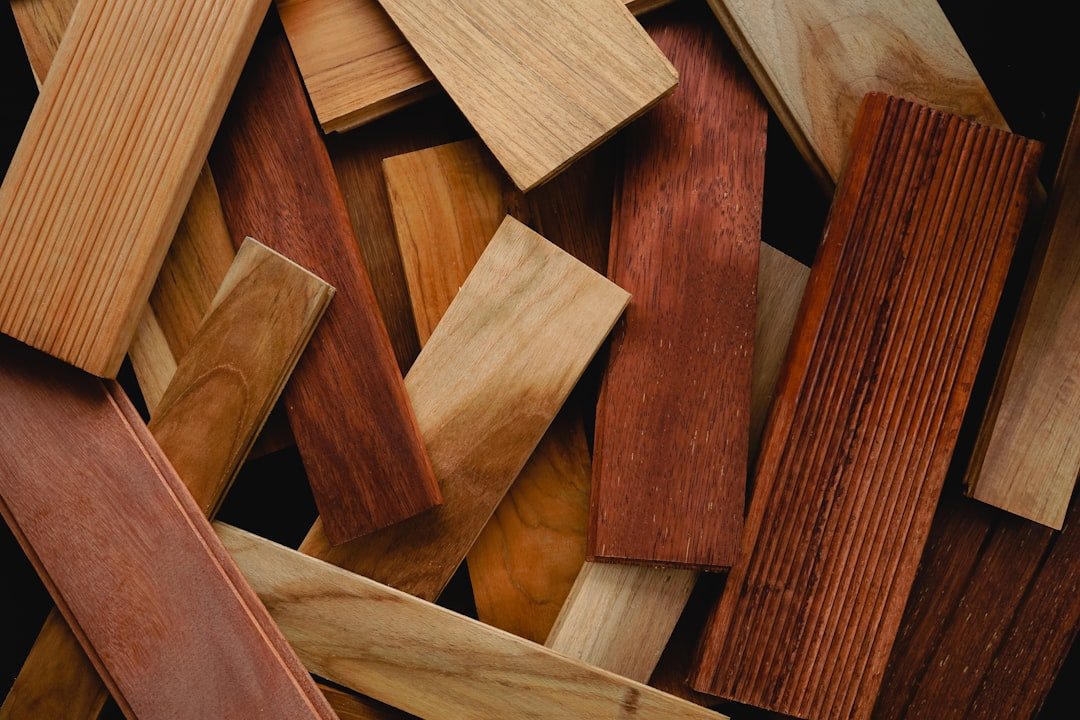
Wood can contribute significantly to the visual character of a project. Different species offer distinct colors, grain patterns, textures, and natural variations.
Consider whether you prefer a rustic appearance, traditional look, or more modern finish. The selected wood should complement the project's other materials, colors, and design elements.
4. Evaluate Workability and Installation
Not every type of wood is equally easy to cut, sand, drill, shape, or install. Some hardwoods may require specialized tools and additional effort, while softer woods may be easier to work with.
Think about the project's complexity and the installation methods involved before choosing a material. Selecting a wood that matches your tools and skill level can help make the project more manageable.
5. Check Maintenance Requirements
Different types of wood can have different maintenance needs. Some may require regular staining, sealing, cleaning, or refinishing to maintain their appearance and performance.
Before making a purchase, consider how much time you are willing to spend maintaining the finished project. A material requiring less upkeep may be more convenient for busy homeowners or projects exposed to the elements.
6. Consider Availability and Sustainability
Wood availability can influence project costs and timelines. Common species may be easier to find locally, while specialty varieties may require additional ordering time.
Sustainability may also be important. If responsible sourcing is a priority, ask suppliers about where the wood comes from and whether it has appropriate certification or sourcing information.
7. Compare Cost and Overall Value
Price is another important consideration, but the cheapest wood is not necessarily the best option. Compare the initial cost with durability, maintenance requirements, expected lifespan, appearance, and installation needs.
A higher-quality material may provide better long-term value if it lasts longer and requires less maintenance.
Choosing the Right Wood for Your Project
Comparing strength, moisture resistance, appearance, workability, maintenance, availability, sustainability, and cost can help you select the right wood for your project. Taking the time to evaluate these characteristics can lead to better results and a finished product that meets both practical and aesthetic expectations.
HOW DO YOU FEEL ABOUT FASHION?
COMMENT OR TAKE OUR PAGE READER SURVEY
Featured



Flyknit and leather sit at opposite ends of the handbag world, and buyers get pushed into picking a side too early. One sounds modern and light. The other sounds premium and safe.