
7 House Painting Jobs in Wellington That Went Wrong — and What Caused Each One
PAGE
By PAGE Editor
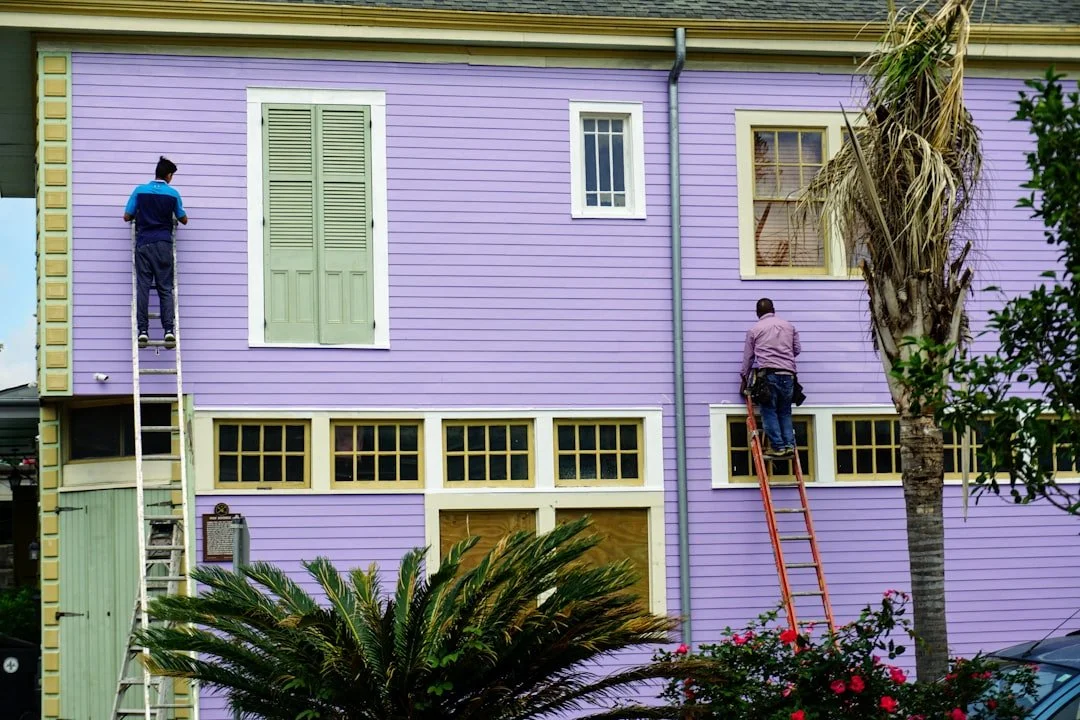
Wellington homes sit under steady wind, salt spray, frequent rain, and abrupt temperature shifts, so coating failure rarely begins with colour. Trouble starts earlier, during cleaning, drying, priming, or timing. The seven jobs below show how routine oversights led to peeling, blistering, patchy sheen, cracking, and rust bleed. Each case points to a clear cause. That makes it easier for owners, tenants, and property managers to judge workmanship before a small defect grows into a full repaint.
Island Bay Peeling
On an Island Bay villa, fresh paint lifted in strips before winter had fully passed. During later checks, house painters in Wellington, NZ were discussed in practical terms, because coastal timber often holds salt, chalk, grime, and hidden moisture longer than it seems. In this case, we sanded instead of properly washing. Primer then sat over contamination, failed to grip the boards, and released once wet weather settled in.
Karori Blistering
A Karori lounge showed blisters within two weeks of completion, even though the skim coat had looked dry on the surface. A moisture metre would have provided different information. Residual water stayed trapped below the top layer. Once the heating warmed the room, vapour pushed outward and raised soft bubbles across the wall. The finish failed because the paint sealed damp material instead of waiting for a full cure.
Newtown Flashing
Tenants in Newtown noticed an uneven shine once afternoon light hit a repaired bedroom wall. The painter had spot-primed patches, then rolled finish paint across old enamel and bare filler. Those areas absorbed product at different rates. Light bounced back unevenly, which made the surface look striped from one end of the room to the other. The colour matched, but the sheen did not, and that difference stayed visible.
Miramar Cracking
Miramar weatherboards began showing fine cracks after summer heat built up on the western face. Earlier layers were already brittle, yet they were left in place. Instead of removing weak paint, the crew sanded lightly and laid on a thick coat to bury texture. That created a rigid film over an unstable base. Timber then expanded under sun exposure, and the surface split into thin, web-like lines.
Seatoun Rust Bleed
In Seatoun, bright trim looked clean at handover, then brown streaks appeared under nail heads after a run of wet days. Coastal air moved moisture into unsealed metal fast. Old fixings were never treated with a rust-blocking primer, so corrosion continued under the new finish. One coat hid the issue for a short time. Salt exposure then drove staining back through the paint and marked the boards below.
Khandallah Lap Marks
A Khandallah exterior wall dried with darker bands running across its face, even though the colour itself was correct. Work had been done in direct sun, and the roller paused midway. That broke the wet edge. Each pass began drying before the next one overlapped, so the coating could not level evenly. On exposed elevations, rapid evaporation leaves joins behind, and those joins stay obvious after cure.
Ngaio Roof Failure
Residents in Ngaio booked a roof repaint, but peeling started near ridges before the first year ended. The steel had not been cleaned thoroughly. Moss residue, loose oxidation, and old grime remained in place, so the coating sat on contamination rather than a sound substrate. Wind also cooled the surface quickly during spraying. Adhesion then gave way first at fasteners and edges, where stress loads were highest.
Shared Pattern
Across all seven jobs, the causes were ordinary and preventable. Surfaces were dirty, damp, unstable, rusty, or overheated, yet work moved ahead anyway. Wellington conditions punish shortcuts quickly because wind pressure, sea salt, and short bursts of rain expose weak prep fast. A new finish can look tidy on day one. The real test arrives later, once weather starts pressing every layer and every joint.
Conclusion
These examples show that failed painting is rarely a mystery. Most problems begin with rushed washing, missed primers, wet substrates, harsh sunlight, or weak old layers left underneath. For Wellington owners, the better question is simple: how will the surface be checked, cleaned, sealed, and timed before coating starts? Clear answers help prevent repeat work, protect budgets, and keep homes looking sound for much longer through each season.
HOW DO YOU FEEL ABOUT FASHION?
COMMENT OR TAKE OUR PAGE READER SURVEY
Featured




Flyknit and leather sit at opposite ends of the handbag world, and buyers get pushed into picking a side too early. One sounds modern and light. The other sounds premium and safe.