
The Style-Conscious Shopper’s Guide to Outerwear That Looks Expensive and Lasts a Lifetime
PAGE
By PAGE Editor
Outerwear is often the first thing people notice, which makes it one of the most important categories in any wardrobe. A well-chosen coat or jacket can instantly elevate an outfit, while a poorly made one can undermine even expensive clothing underneath. The key is not chasing logos or seasonal trends but understanding construction, materials, and design principles that signal long-term quality.
This guide breaks down how to choose outerwear that looks refined, performs well in real weather, and remains stylish for years.
What Makes Outerwear Look Expensive
“Expensive-looking” outerwear is rarely about price. It is about visual cues that suggest craftsmanship and durability. The most important factors include fabric, silhouette, and restraint in design.
High-quality outerwear typically shows:
Clean lines without excessive detailing
Structured shoulders that hold shape
Consistent stitching with no loose threads
Hardware that feels solid, not lightweight or plasticky
Fabric plays a major role. Wool, high-grade leather, and dense cotton blends naturally drape better and age more gracefully than synthetic materials. Even a mid-range coat can look premium if the material and tailoring are right.
Fit also contributes heavily. A coat that skims the body without pulling or sagging will always look more refined than an oversized or poorly balanced piece.
Core Investment Outerwear Categories
Building a timeless outerwear wardrobe is easier when you focus on a few foundational categories instead of chasing trends.
The most reliable investment pieces include:
Wool overcoats for formal and smart casual wear
Trench coats for transitional weather and structured elegance
Leather jackets for versatility and everyday styling
Insulated coats for extreme cold climates
Each category serves a different purpose, but they all share one trait: they remain relevant across multiple seasons and years when chosen correctly.
Wool overcoats are especially important for achieving a polished winter look, while trench coats offer a lightweight but structured silhouette that works in both rain and mild cold.
Fabric and Material Quality That Actually Lasts
Longevity starts with material selection. Natural fibers tend to outperform synthetics in both appearance and durability when properly maintained.
Wool, for example, has natural insulating properties and resists wrinkling. Full-grain leather develops a patina over time, improving its visual character. Dense cotton canvas provides structure and holds up well under frequent wear.
Synthetic fabrics can still be useful in performance outerwear, but they often lack the refined drape and aging qualities of natural materials.
When evaluating fabric quality, look for:
Thickness without excessive stiffness
Even surface texture with minimal pilling
Lining that feels smooth and securely attached
Weight that matches the intended season of use
Proper maintenance is just as important as material selection. Even the best fabric will deteriorate quickly if neglected.
The Sheepskin Leather Jacket: A Heritage Investment Piece
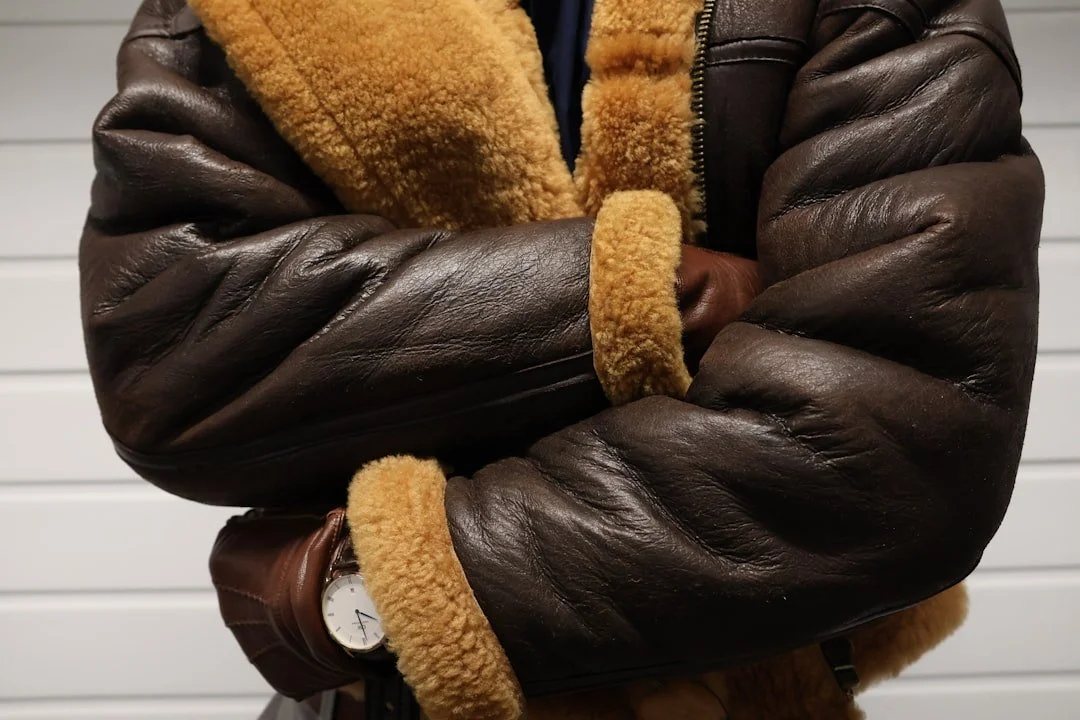
A key standout in any premium outerwear collection is the sheepskin leather jacket. This piece combines a naturally insulating shearling interior with a durable leather exterior, making it one of the most functional and visually rich jacket types available.
What sets it apart is its ability to deliver both warmth and structure without requiring heavy synthetic padding. The dense fleece lining regulates temperature naturally, while the exterior leather develops character over time.
This type of jacket works across a range of styles:
Paired with denim for a rugged casual look
Layered over knitwear for winter sophistication
Styled with boots for a heritage-inspired outfit
Quality indicators are especially important here. A well-made sheepskin leather jacket should have:
Even, thick shearling without patchy density
Supple leather that is not overly stiff or dry
Strong stitching along seams and stress points
Secure closures such as reinforced zippers or buttons
Proper care extends its lifespan significantly. Avoid prolonged moisture exposure, store it in a cool, ventilated space, and occasionally use professional leather conditioning to maintain flexibility and prevent cracking.
Fit and Tailoring: Where Most Outerwear Fails
Even expensive outerwear can look average if the fit is wrong. Tailoring is often the difference between a coat that looks purchased and one that looks made for the wearer.
Shoulder alignment is the most critical factor. If the shoulders are too wide or too narrow, the entire silhouette collapses visually. Sleeve length and coat break also affect how polished the garment appears.
Small alterations can dramatically improve appearance:
Adjusting sleeve length for wrist exposure balance
Tapering the waist for shape definition
Refining hem length for proportion accuracy
Layering should also be considered during fitting. Outerwear must accommodate knitwear or suits without appearing stretched or bulky.
Color Choices That Signal Timeless Style
Color plays a subtle but powerful role in perceived luxury. Neutral tones consistently outperform loud or trend-driven colors when it comes to longevity and versatility.
Strong foundational colors include black, navy, charcoal, camel, and olive. These shades are easy to integrate into existing wardrobes and tend to age well visually.
Bright colors can work, but they require more deliberate styling and often lose relevance faster. If used, they are best reserved for statement pieces rather than primary investment coats.
Maintenance Habits That Preserve Value Over Time
Outerwear longevity depends heavily on care routines. Even high-end garments will deteriorate if improperly stored or cleaned.
Good maintenance practices include:
Seasonal dry cleaning for wool coats
Conditioning leather twice a year
Using padded hangers to preserve structure
Storing in breathable garment bags
Repairing minor damage early, such as loose stitching or worn cuffs, prevents long-term deterioration. Treating outerwear as a long-term asset rather than a disposable item ensures it retains both function and appearance.
HOW DO YOU FEEL ABOUT FASHION?
COMMENT OR TAKE OUR PAGE READER SURVEY
Featured

The luxury outerwear house Moncler revisits its alpine heritage through three generations of cultural icons, reframing archival designs as expressions of personal identity, creative evolution and enduring influence.