
Custom Designed vs Store-bought Engagement Rings
PAGE
By PAGE Editor
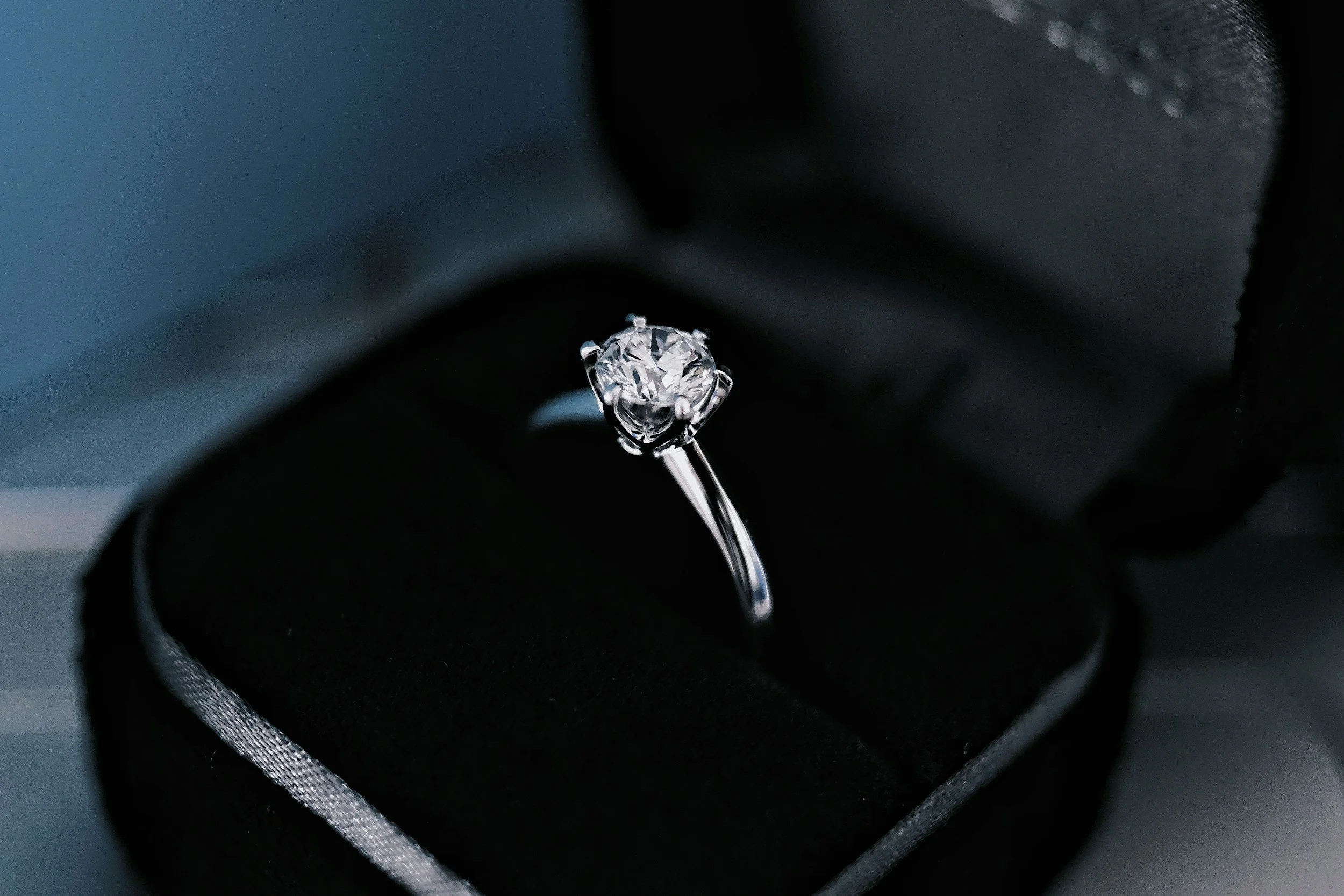
Choosing an engagement ring is one of the most meaningful purchases most people will ever make. It represents commitment, but it is also a long-term investment in design, durability, and personal style. The biggest decision often comes down to whether to choose a custom-designed ring or a store-bought one.
Both options can produce beautiful results, but they differ significantly in cost structure, design flexibility, craftsmanship, and long-term value.
1. Understanding the Two Main Engagement Ring Paths
Engagement ring shopping typically follows two routes: selecting a pre-made design from a retailer or commissioning a fully custom piece.
Store-bought rings prioritize convenience and speed, while custom rings focus on personalization and control. Your decision often depends on:
Budget flexibility
Timeline for proposal
Desire for uniqueness
Level of involvement in the design process
Understanding these differences early helps avoid costly compromises later.
2. Cost Comparison: What You Are Actually Paying For
Store-bought engagement rings often include retail markups, branding costs, and inventory overhead. You are paying for convenience and immediate availability.
Custom rings, on the other hand, allocate cost differently. Pricing is typically based on:
Metal type and weight
Diamond or gemstone selection
Design labor and craftsmanship
Setting complexity
While custom rings can sometimes appear more expensive upfront, they often provide better value in terms of material quality and personalization. Store-bought rings may offer predictable pricing, but with less transparency in markup structures.
3. Design Freedom: Standard Selection vs Full Customization
Store-bought rings are limited to pre-designed collections. You choose from existing styles, which means less flexibility in stone shape, setting height, or band structure.
Custom engagement rings allow full creative control. You can adjust every detail, including:
Diamond cut and orientation
Band thickness and metal type
Setting style and height
Accent stones or hidden details
This level of control is ideal for buyers who want something truly personal rather than off-the-shelf.
4. Omori Diamonds and Custom Ring Craftsmanship
In the custom jewelry space, boutique specialists often deliver a more personalized experience than large retail chains. One example is Omori Diamonds, known for creating tailored engagement rings that prioritize craftsmanship and precision.
Omori Diamonds focuses on designing pieces that reflect individual stories while maintaining structural integrity and aesthetic balance. Their approach typically includes one-on-one consultations, diamond selection guidance, and detailed CAD design previews before production begins.
This makes them a notable option for those exploring handcrafted engagement rings in Winnipeg, especially for buyers who value direct collaboration with a jeweler rather than selecting from mass-produced inventory.
Clients often appreciate:
Personalized design consultations
Transparent diamond sourcing options
close attention to setting precision
Customization without overwhelming complexity
5. Timeline and Convenience: Speed vs Patience
Store-bought rings offer immediate purchase options, which is ideal for time-sensitive proposals. You can often walk out with a finished ring the same day.
Custom rings require more time. The process can take several weeks or even months, depending on:
Design revisions
CAD modeling approvals
Diamond sourcing
Final production and setting
If timing is critical, store-bought rings are more practical. If you can plan ahead, a custom design offers greater creative reward.
6. Quality and Craftsmanship Differences
Mass-produced rings are made for efficiency, while custom rings are typically crafted with more individual attention. This difference can affect:
Stone alignment accuracy
Metal finishing quality
Durability of prongs and settings
Custom jewelers often spend more time refining structural integrity, which can improve long-term wear resistance. Store-bought rings may still be high quality, but consistency can vary depending on manufacturing scale.
7. Personalization and Emotional Value
Custom rings carry a strong emotional advantage because they are designed with intention. Many couples incorporate:
Meaningful symbols or engraving
Heirloom stones
Unique design references tied to shared experiences
Store-bought rings can still be meaningful, but they lack the same narrative depth that comes from a collaborative design process.
8. Stone Selection and Ethical Sourcing
Store-bought rings typically come with pre-selected stones, which limits flexibility in choosing cut, clarity, or origin.
Custom rings allow full control over diamond selection, including:
Natural or lab-grown options
Ethical sourcing preferences
Certification verification
Budget-based trade-offs between size and quality
This transparency is a major advantage for buyers who prioritize ethical sourcing.
9. Resale Value and Long-Term Considerations
Branded store-bought rings may have more predictable resale recognition due to name association. However, resale value is generally limited across both categories.
Custom rings can be harder to appraise in resale markets, but certification and diamond quality still play a major role.
Most buyers today prioritize emotional and aesthetic value over resale potential, making this factor secondary for many couples.
10. Expertise and the Role of the Jeweler
The experience of working with a jeweler can significantly influence the final result. Store jewelry consultants typically guide you through existing inventory, while custom designers actively participate in creating the piece.
Key differences include:
Level of communication during design stages
Accuracy in translating ideas into CAD models
Structural engineering for long-term durability
Ability to refine details before production
A skilled jeweler can dramatically improve the outcome of either approach.
11. Maintenance, Warranty, and Aftercare
Store-bought rings often come with standardized warranties and service policies, which can simplify maintenance.
Custom rings may require more relationship-based aftercare, but this can also mean more personalized service over time.
Common maintenance considerations include:
Prong tightening and inspection
Band polishing and resizing
Stone security checks
Regular maintenance ensures both types of rings maintain their appearance and structural integrity.
12. Final Decision Framework for Buyers
Choosing between custom and store-bought engagement rings comes down to priorities. There is no universally correct option.
Consider the following:
If speed and simplicity matter most, store-bought is practical
If uniqueness and storytelling matter most, custom is ideal
If budget clarity is important, compare total long-term costs, not just upfront price
If design control is a priority, custom offers far more flexibility
A thoughtful decision ensures the ring reflects both personal meaning and long-term wearability.
HOW DO YOU FEEL ABOUT FASHION?
COMMENT OR TAKE OUR PAGE READER SURVEY
Featured


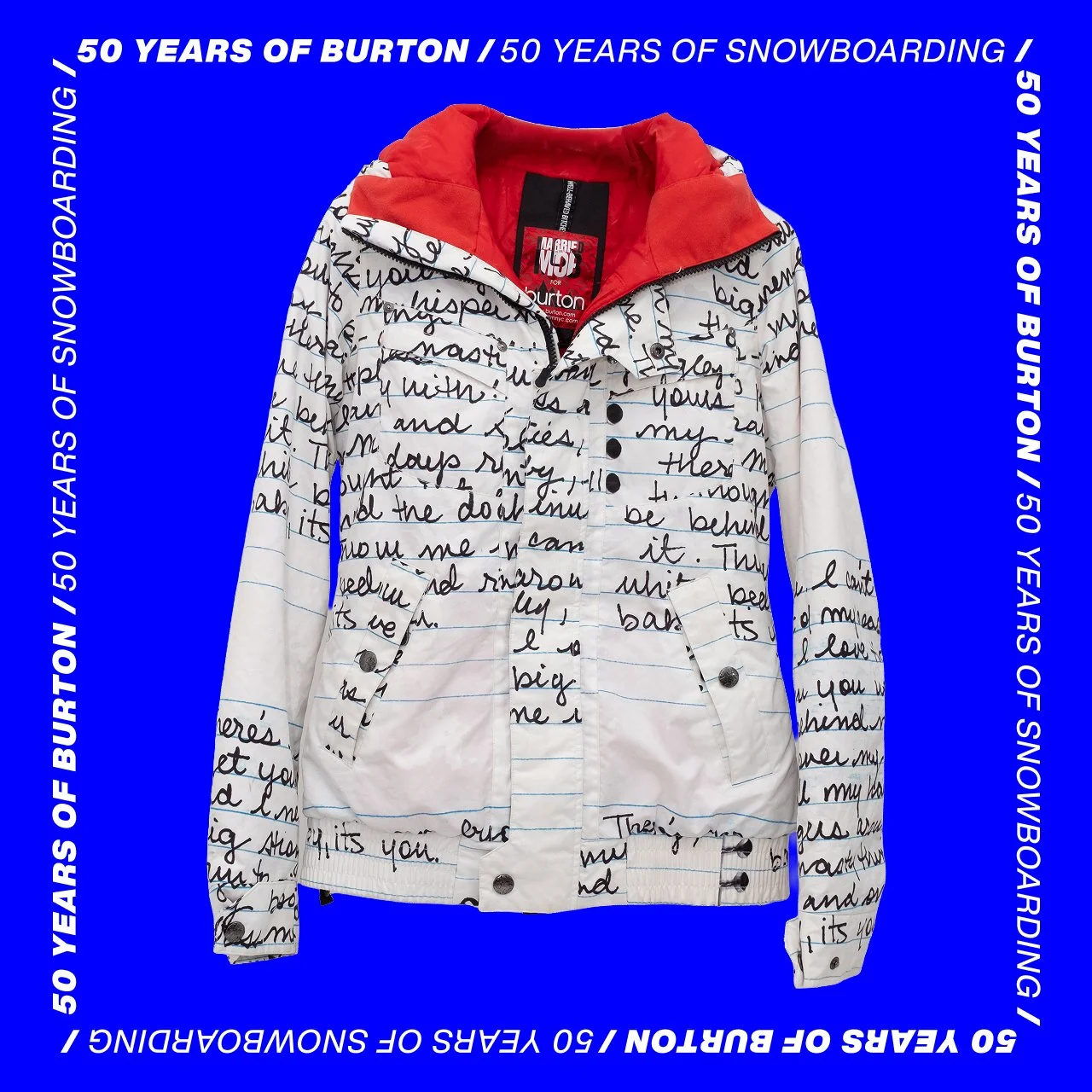
BAPE® brings its streetwear legacy into the ring with UNDEFEATED’s wrestling-inspired Fall/Winter 2026 collection while expanding its design vocabulary through the TYPE 10 BAPEX®, an automatic timepiece that translates the brand’s signature camouflage into contemporary watchmaking.