
The Link Between Sleep, Anxiety, and Long-Term Mental Wellbeing
PAGE
By PAGE Editor
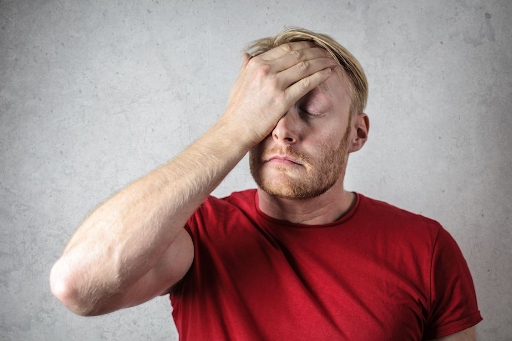
Ever laid awake at 3am with your mind racing?
You are not alone. Anxiety and lack of sleep feed into each other, creating a vicious cycle. They can also affect your long-term mental health in ways you may not realize.
Here's the truth:
Sleep affects more than just how tired you are. Your brain changes how it responds to stress, emotion, and trauma when you don't sleep well. The best part is that understanding this connection can help you stop the cycle.
Let's dig in...
Inside This Guide:
Why Sleep And Anxiety Are So Closely Linked
What Poor Sleep Does To Long-Term Mental Wellbeing
The Role Of Sleep In Trauma Recovery
Simple Ways To Break The Cycle
Why Sleep And Anxiety Are So Closely Linked
Sleep and anxiety feed off each other.
When you're stressed your body releases stress hormones like cortisol. Stress hormones keep you wide awake -- which is not helpful when you're trying to fall asleep. When you don't sleep, your brain is more sensitive to stressors the following day.
See the problem?
Here's yet another report confirming how disruptive this cycle has become. 68% of Americans lose sleep due to anxiety, according to a new poll. And 74% have had their sleep disrupted by stress.
That's a lot of people sleep deprived and stressed simultaneously.
If you're healing from trauma, the connection is even more significant. Trauma is highly likely to lead to nightmares, hypervigilance and racing thoughts when you're trying to sleep at night. For personalized support with a professional therapist, head over to https://www.solacepsychology.com/ to see how you can heal from trauma and improve your sleep problems at the same time -- which can be more effective than treating either individually.
Now let's look at what happens if this cycle isn't fixed.
What Poor Sleep Does To Long-Term Mental Wellbeing
Poor sleep does far more than make you tired.
It alters the way your brain handles stress, emotions, memories and perceived threats. This can eventually create a foundation for long-term effects such as:
Chronic anxiety
Depression
Emotional burnout
Trauma-related conditions like PTSD
Here's what's scary...
Improving sleep quality led to decreases in depression and anxiety symptoms, according to a meta-analysis of 54 studies with over 10,000 adults. Sleep isn't only something that suffers when your mental health does -- it can be part of the solution.
And when it comes to how people are feeling overall:
43% of adults say they feel more anxious than the year before
40% say sleep has the biggest impact on their mental health
Only 24% have spoken with a mental health professional in the past year
Let that sink in.
Sleep isn't a luxury. It's a mental health tool.
Sleep deprivation is stacking the deck against yourself. Your brain won't be able to recover from any type of adversity.
The Role Of Sleep In Trauma Recovery
This is where things get interesting.
Healing from trauma depends on the brain's ability to process painful memories and regulate the nervous system. Much of this processing occurs during sleep -- particularly REM sleep. If we don't get enough REM sleep, painful memories remain "raw" and continue to provoke anxiety.
Research indicates that almost 60% of individuals sleeping 5 hours or less qualify for depression. Depression inhibits healing of any kind.
Why does this matter?
Your brain does not store traumatic memories like it stores your grocery list. Memories from trauma require additional processing time -- which occurs during sleep. When you're sleep deprived, those memories don't get unstuck.
Here are some ways poor sleep can slow trauma recovery:
Nightmares that keep the trauma "fresh"
Increased startle response and hypervigilance
Trouble concentrating during therapy sessions
Weaker emotional regulation during the day
A higher risk of relapse into anxiety and depression
That connection is so powerful that many therapists now address sleep as part of the foundational treatment plan for trauma -- not as an afterthought.
Simple Ways To Break The Cycle
Ready for the good news?
It takes no special equipment to begin reversing the damage. Simple adjustments to your everyday routines can have an impact in just a few weeks.
Build A Wind-Down Routine
The brain needs a signal that it's time to switch off.
Try to do the same 3 or 4 calming activities every night, around the same time each night. For example:
A warm shower
Reading a paperback book
Journaling
Gentle stretching
Skip screens for an hour before bedtime. Blue light and doom-scrolling can hyperstimulate your nervous system and exacerbate anxiety.
Watch Your Caffeine And Alcohol
Both mess with sleep more than most people realise.
It takes caffeine 8-10 hours to leave your system. That afternoon coffee can impact your sleep at night. Alcohol can make you fall asleep quicker... but it sabotages REM sleep, which is the sleep you need for emotional repair.
Get Sunlight In The Morning
This one is free and it works.
10-15 minutes of sunshine within an hour of waking helps synchronize your body clock. If you have good clock-setting, you'll be sleepy at night and wide awake during the day.
Talk To A Professional
Here's the thing...
Self-help tips are great, but if you've suffered for months (or years) with sleeplessness and anxiety then talking with a therapist or doctor can be beneficial. They can help you identify what's actually going on and get an appropriate plan started.
Final Thoughts
Sleep, anxiety, and long-term mental wellbeing are all tied together.
Anxiety disrupts sleep. Sleep deprivation exacerbates anxiety. And the longer that cycle repeats, the more it can delay healing from trauma, deplete your emotional strength and resilience, and increase your risk of developing more serious mental health conditions.
However, you have more control than you may realize. Minor adjustments to your daily routine can help you sleep better -- and better sleep leads to a clearer mind, easier emotion regulation, and improved long-term wellbeing.
To quickly recap:
Sleep and anxiety feed off each other in a nasty cycle
Poor sleep damages emotional processing and slows trauma recovery
Better sleep habits can genuinely improve mental health
Professional support is worth it if you've been stuck for a long time
Sleep well tonight. Your brain will thank you tomorrow.
HOW DO YOU FEEL ABOUT FASHION?
COMMENT OR TAKE OUR PAGE READER SURVEY
Featured




Have you ever noticed how an online slot game smoothly moves from spinning reels to a bonus round without making the experience feel disconnected?