
At Mercer Labs, ‘Football Is Freedom’ Reimagines Bob Marley’s Vision Through Art, Music, And Human Connection
By PAGE Editor
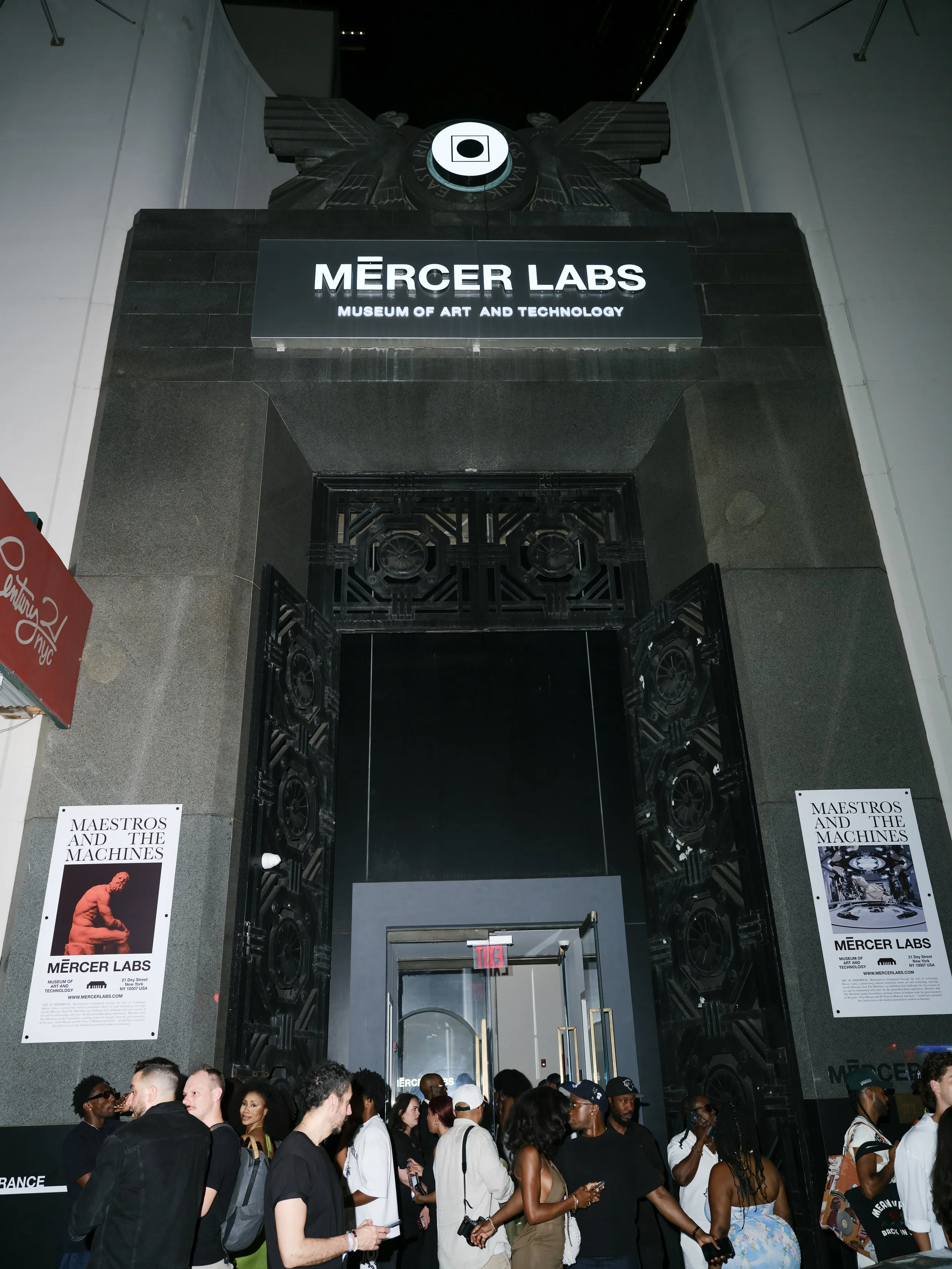
In New York City, football is rarely the first language spoken in cultural institutions. Yet inside Mercer Labs, the world’s game becomes a universal dialect—one capable of communicating identity, movement, equality, and belonging without a single word.
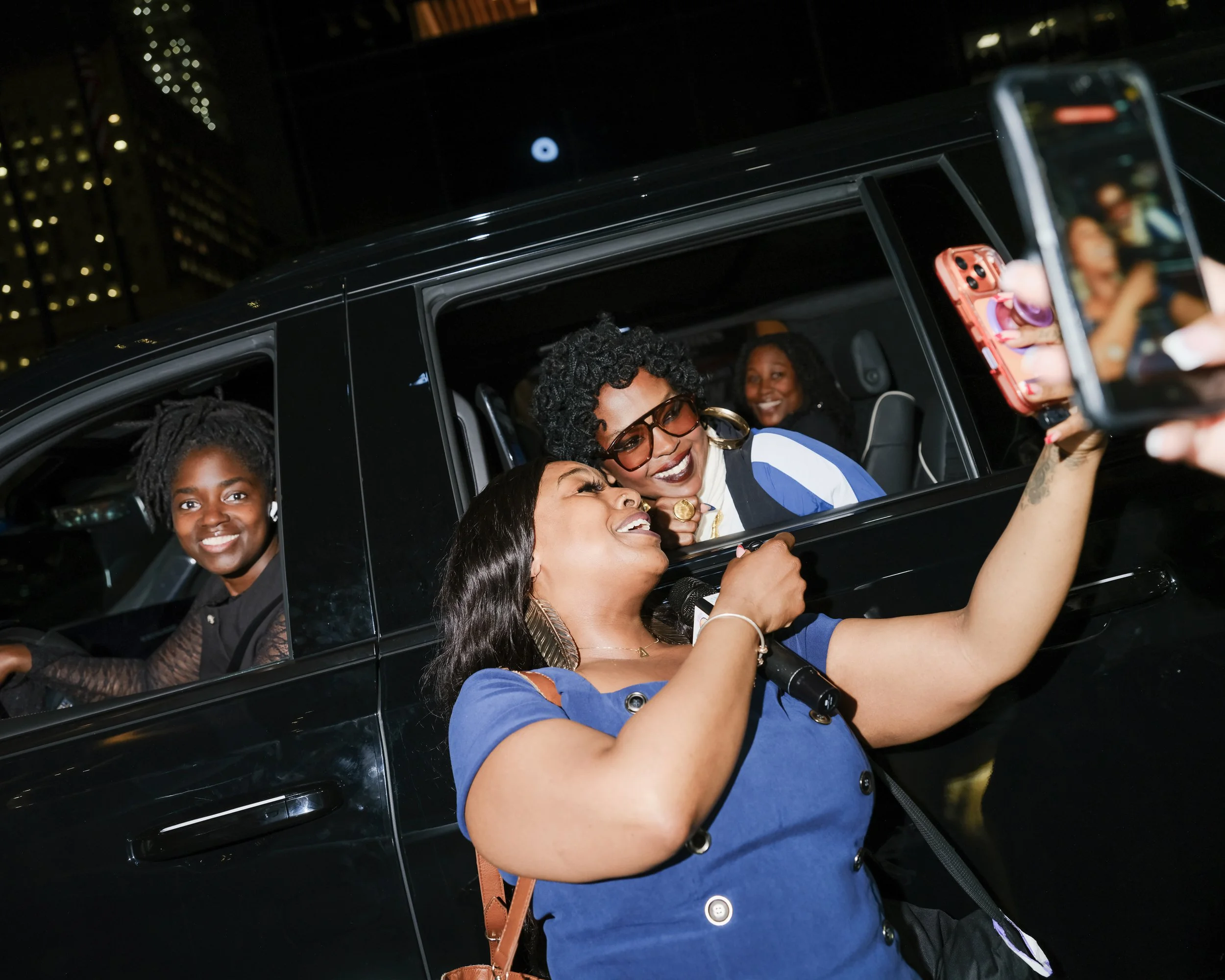
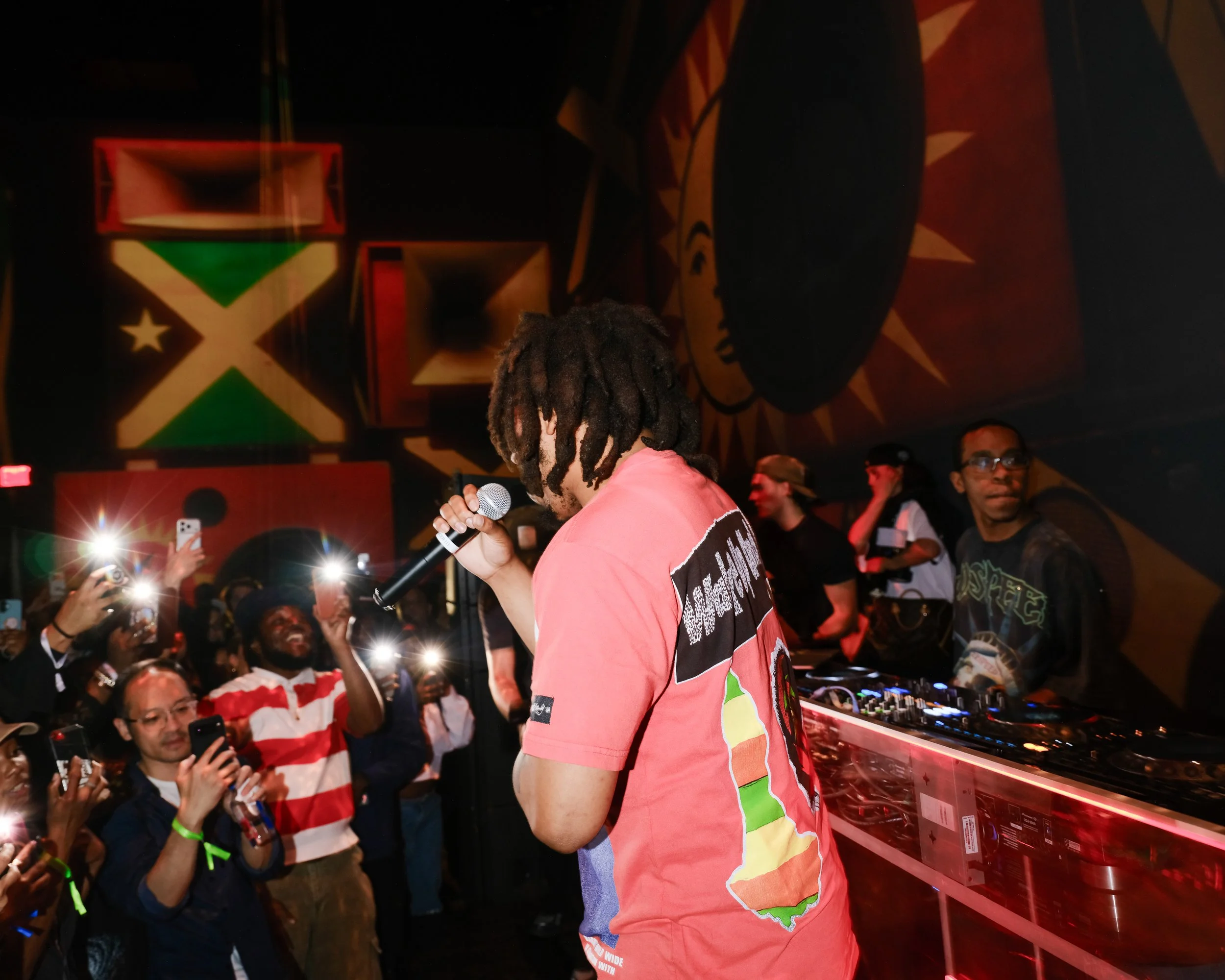
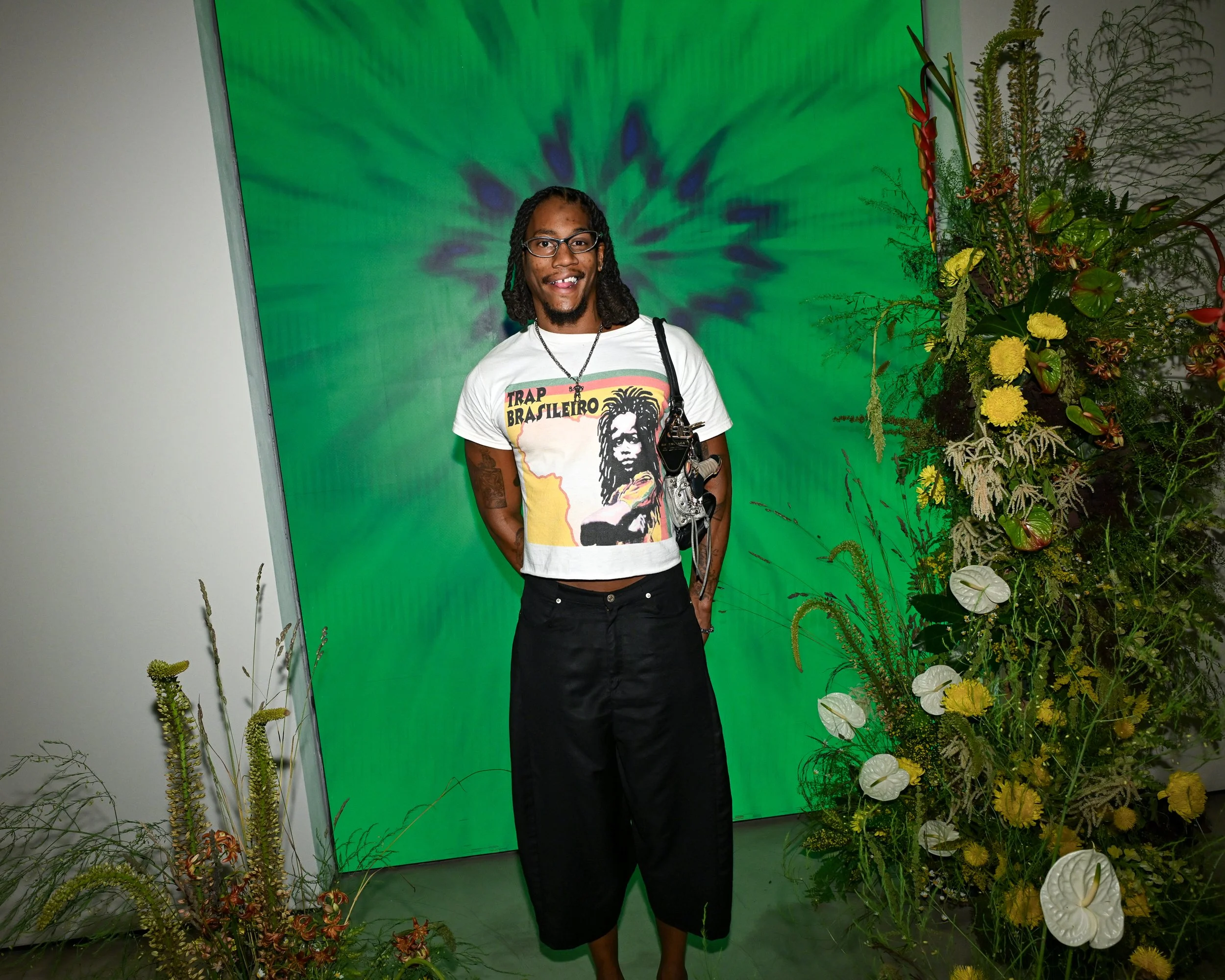
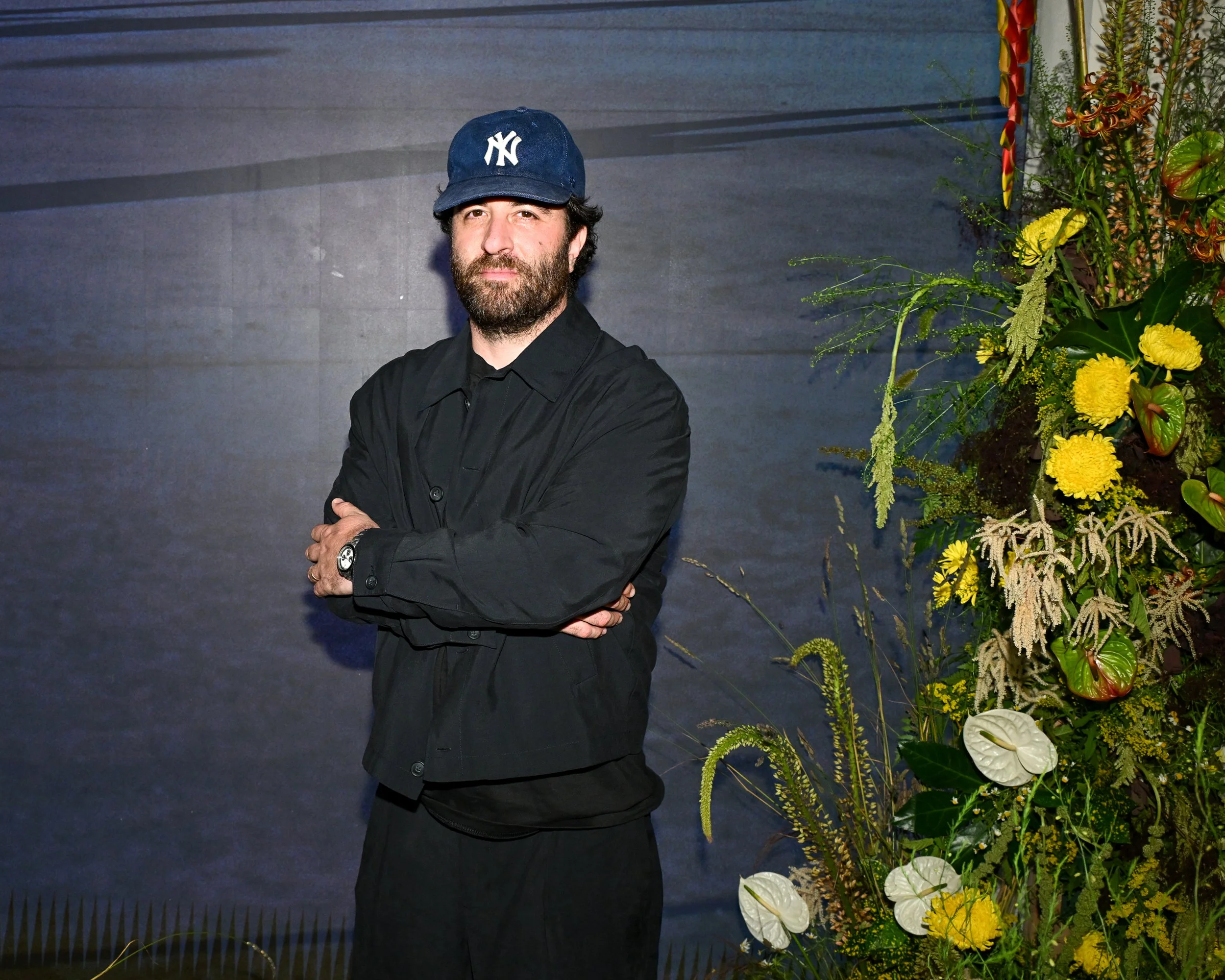
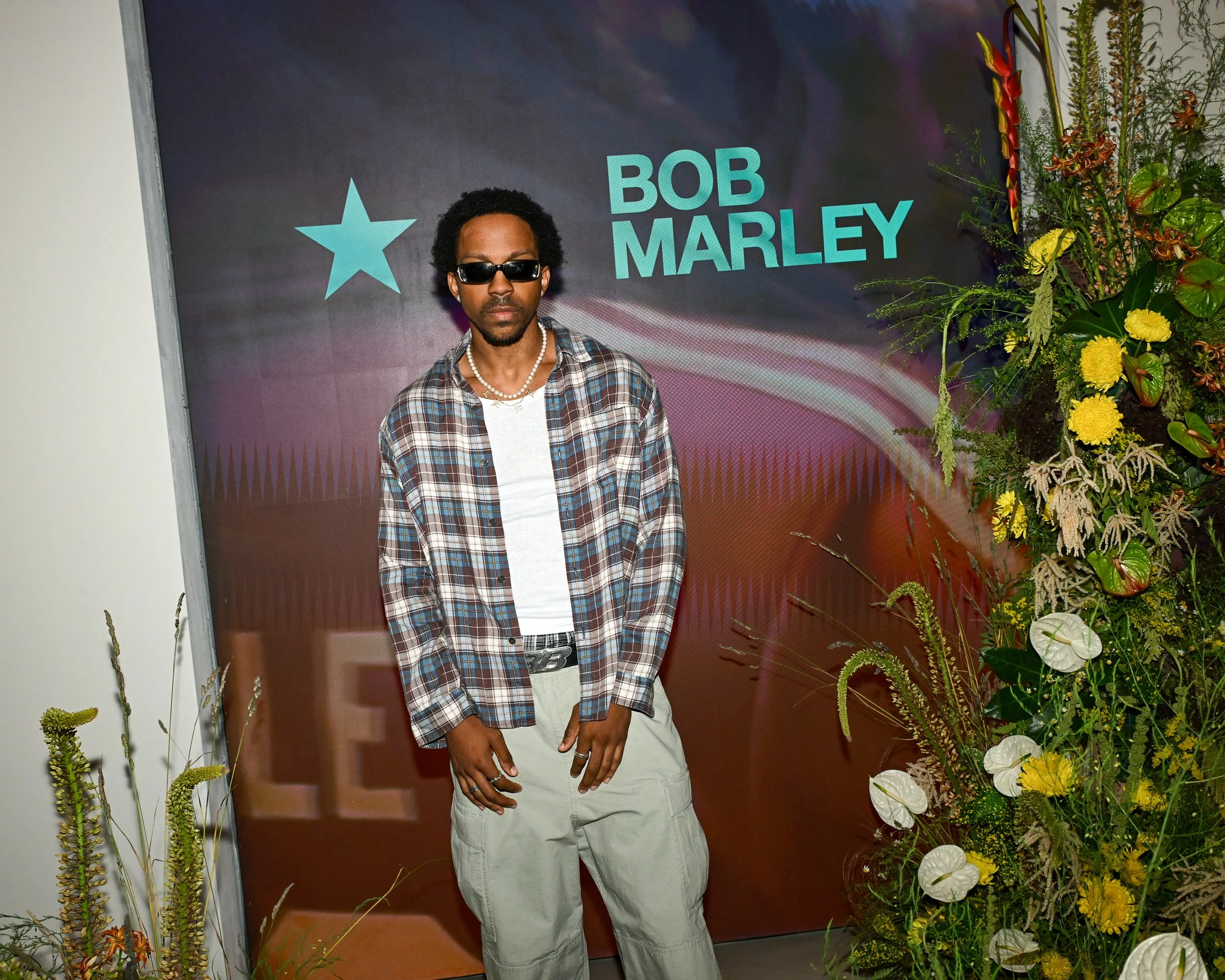
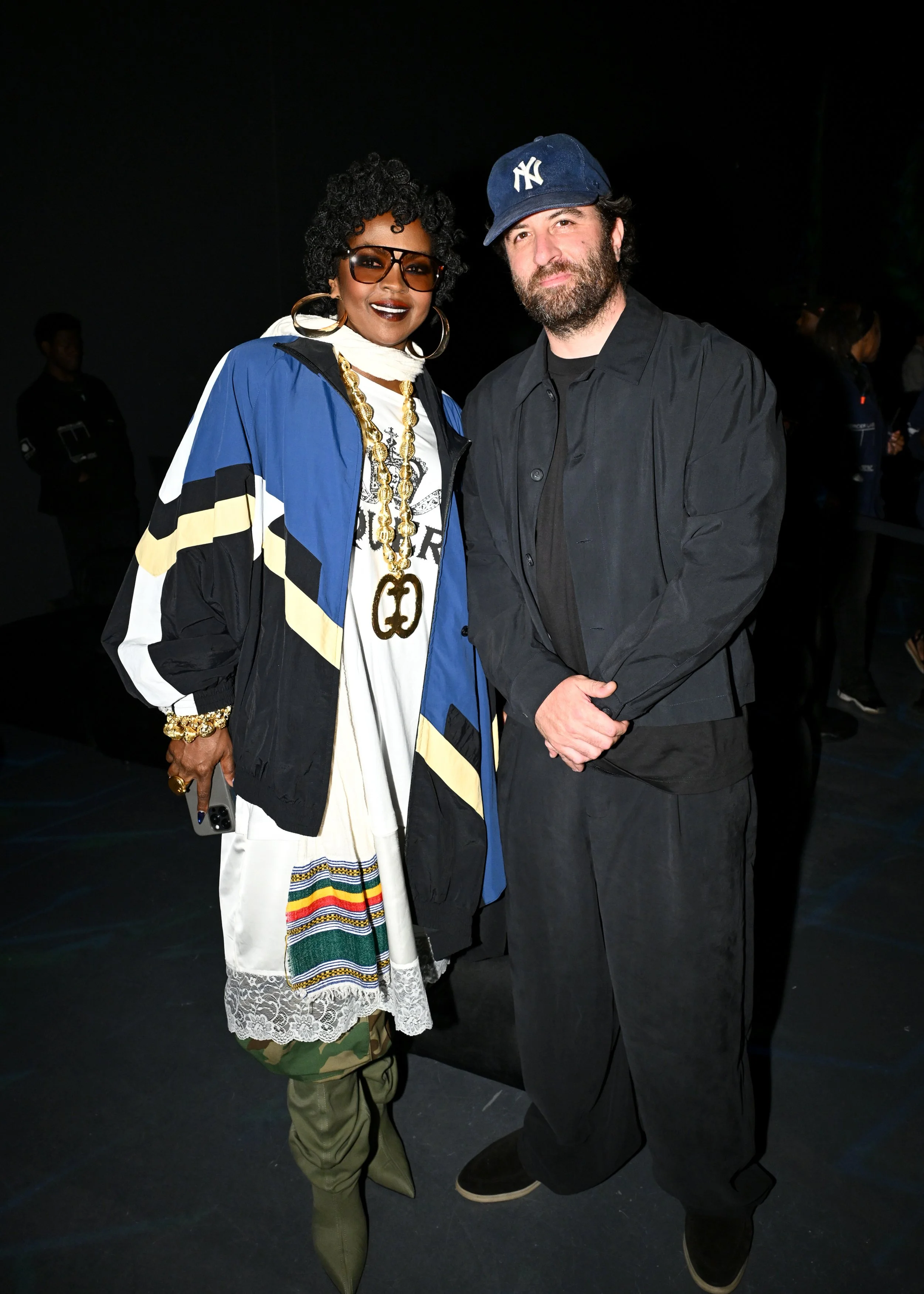
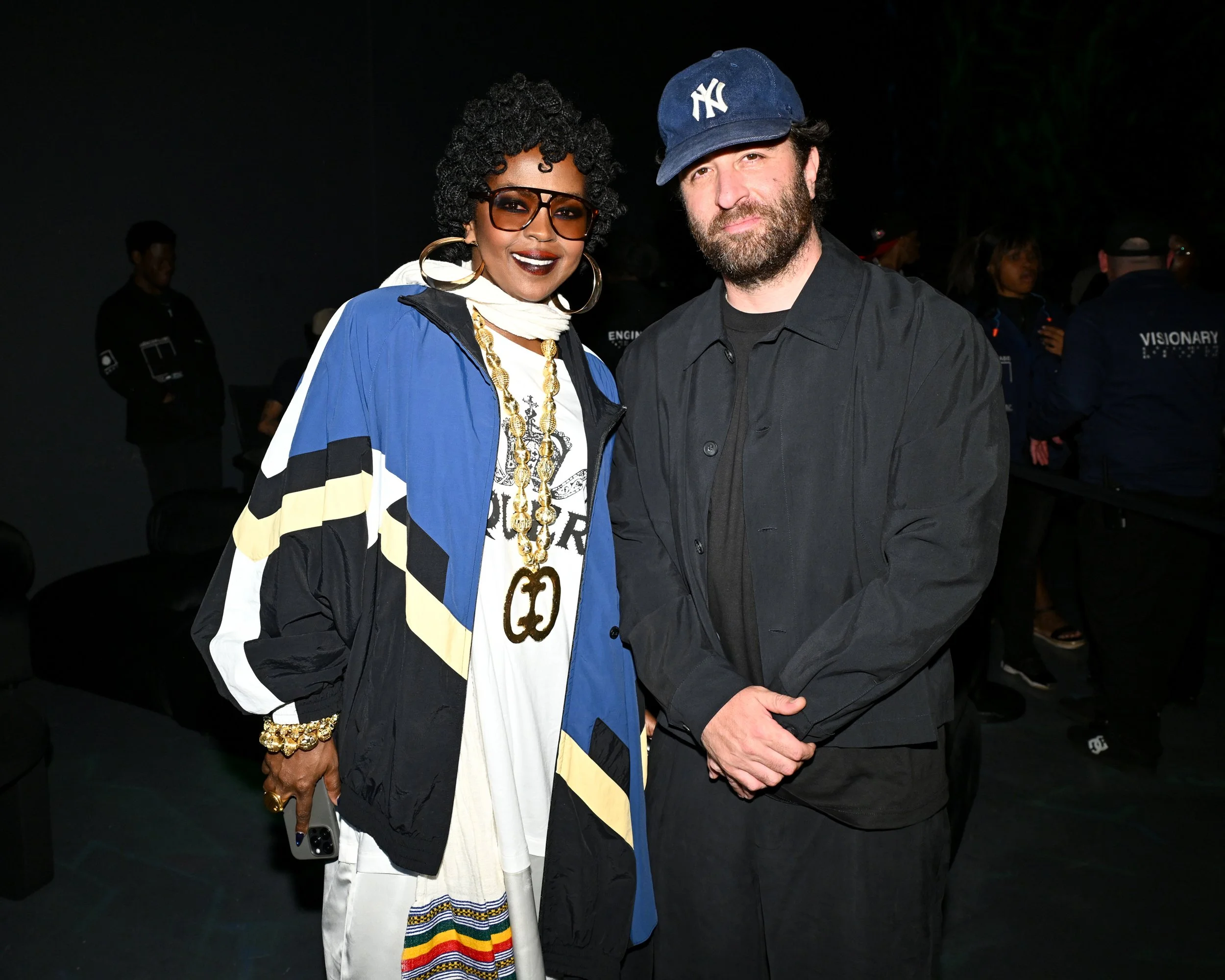
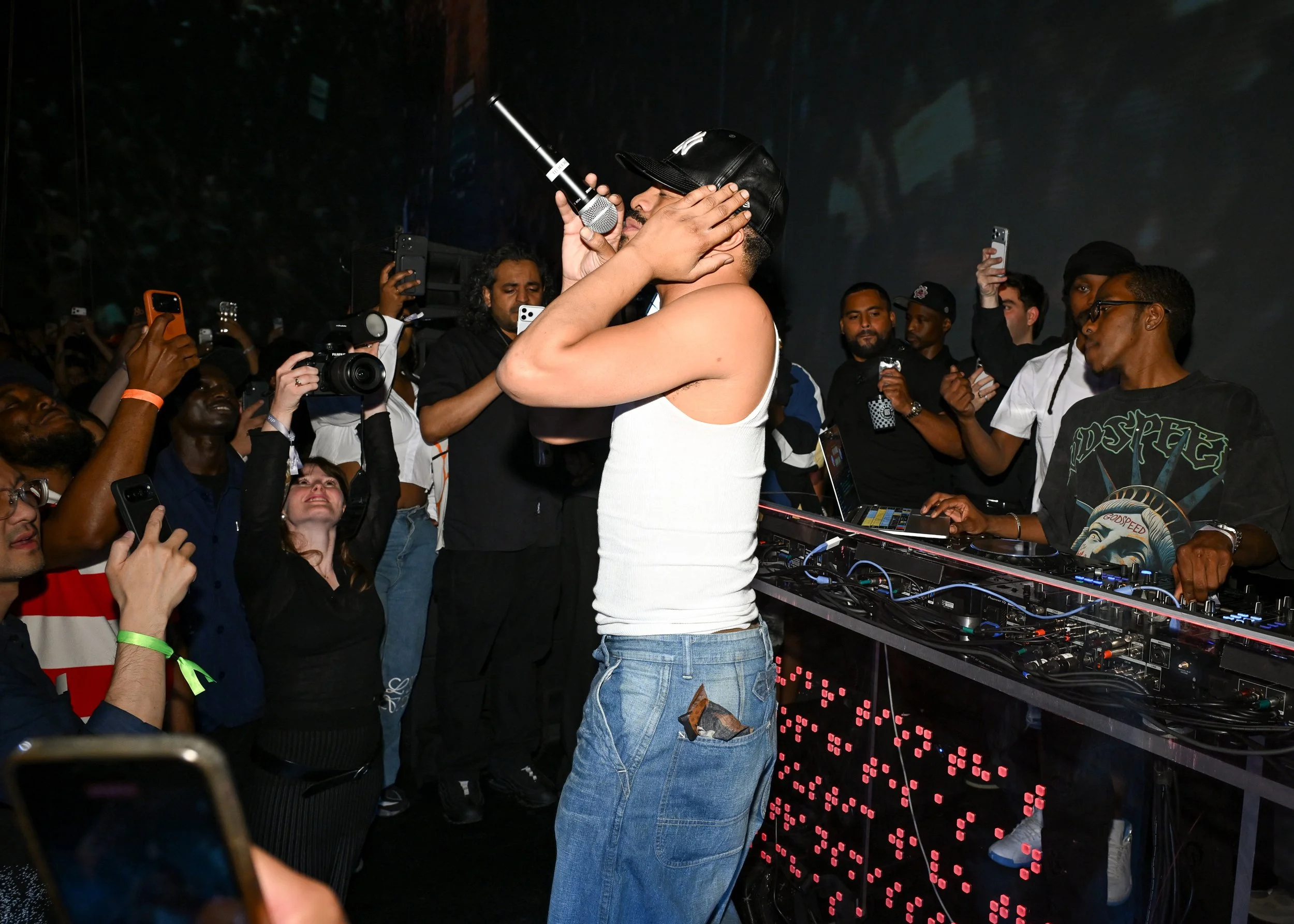
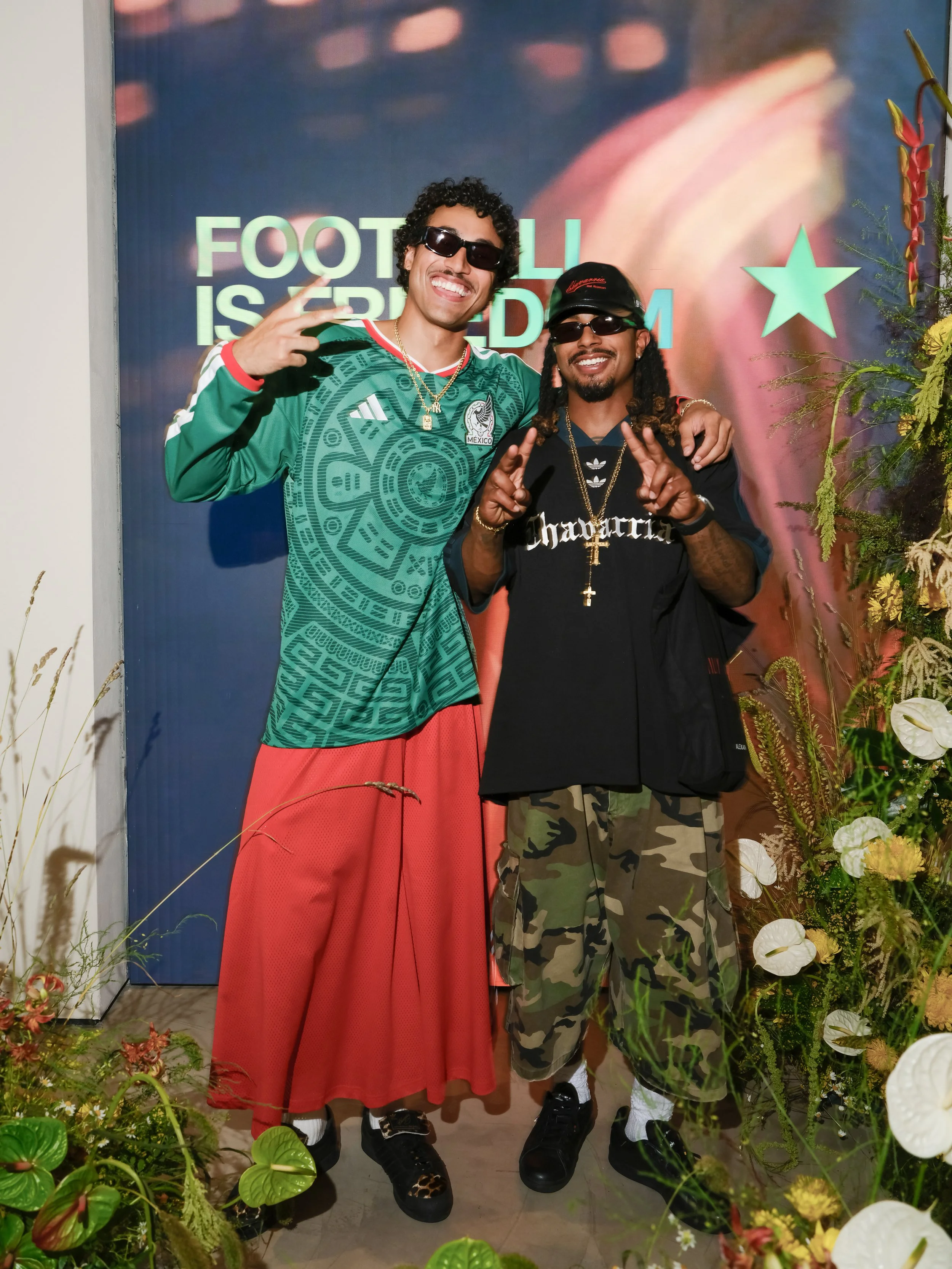
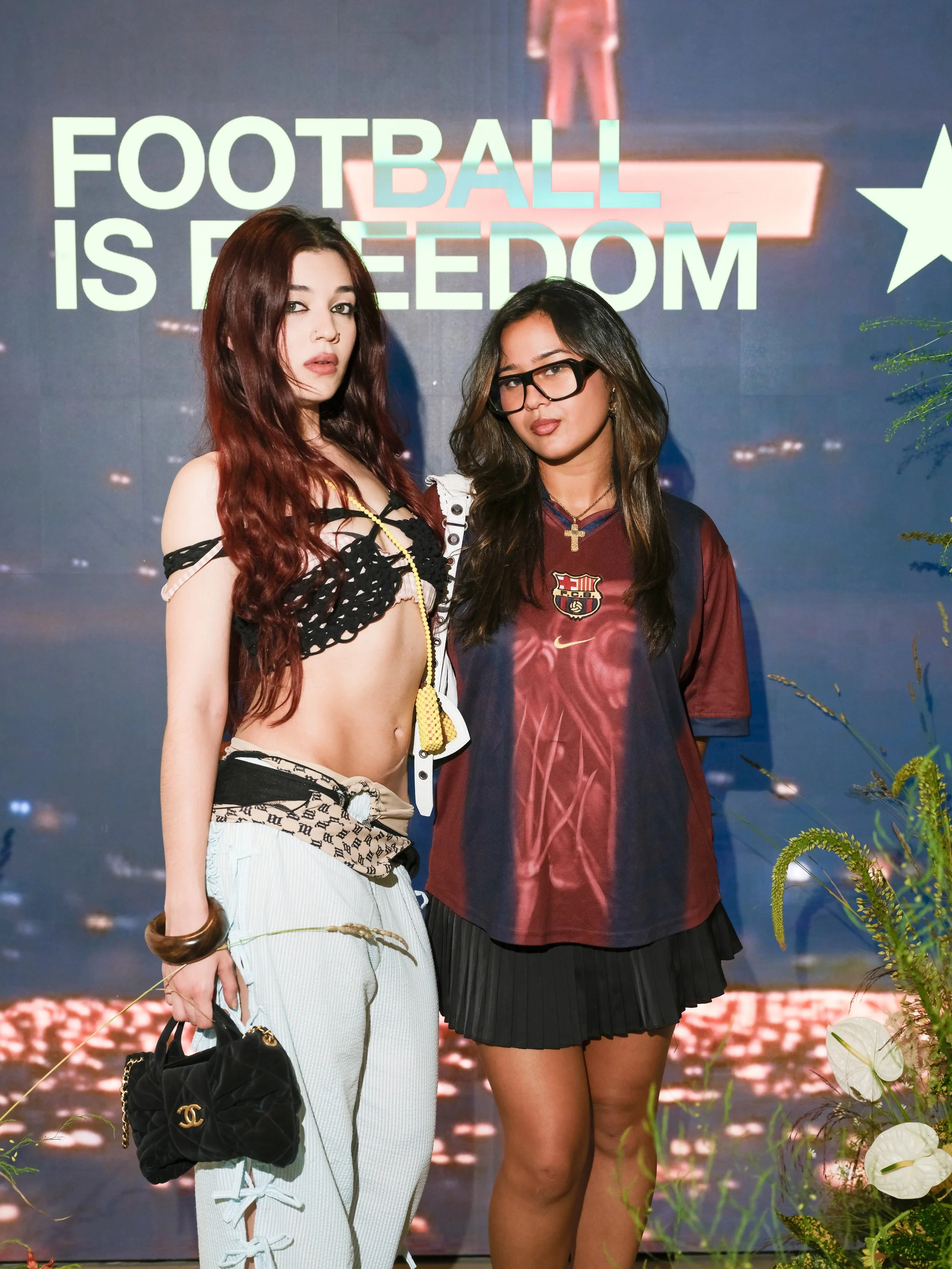
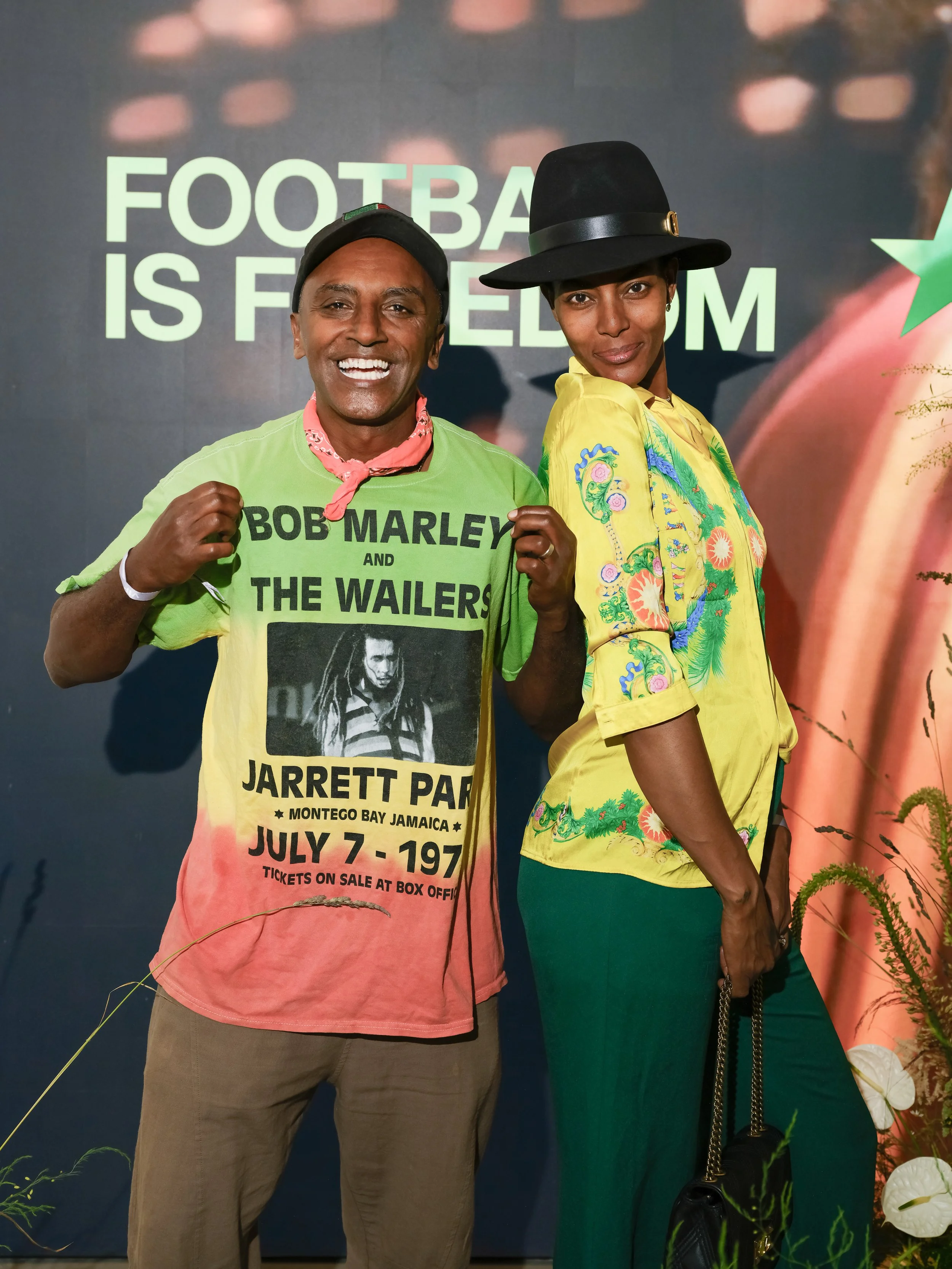
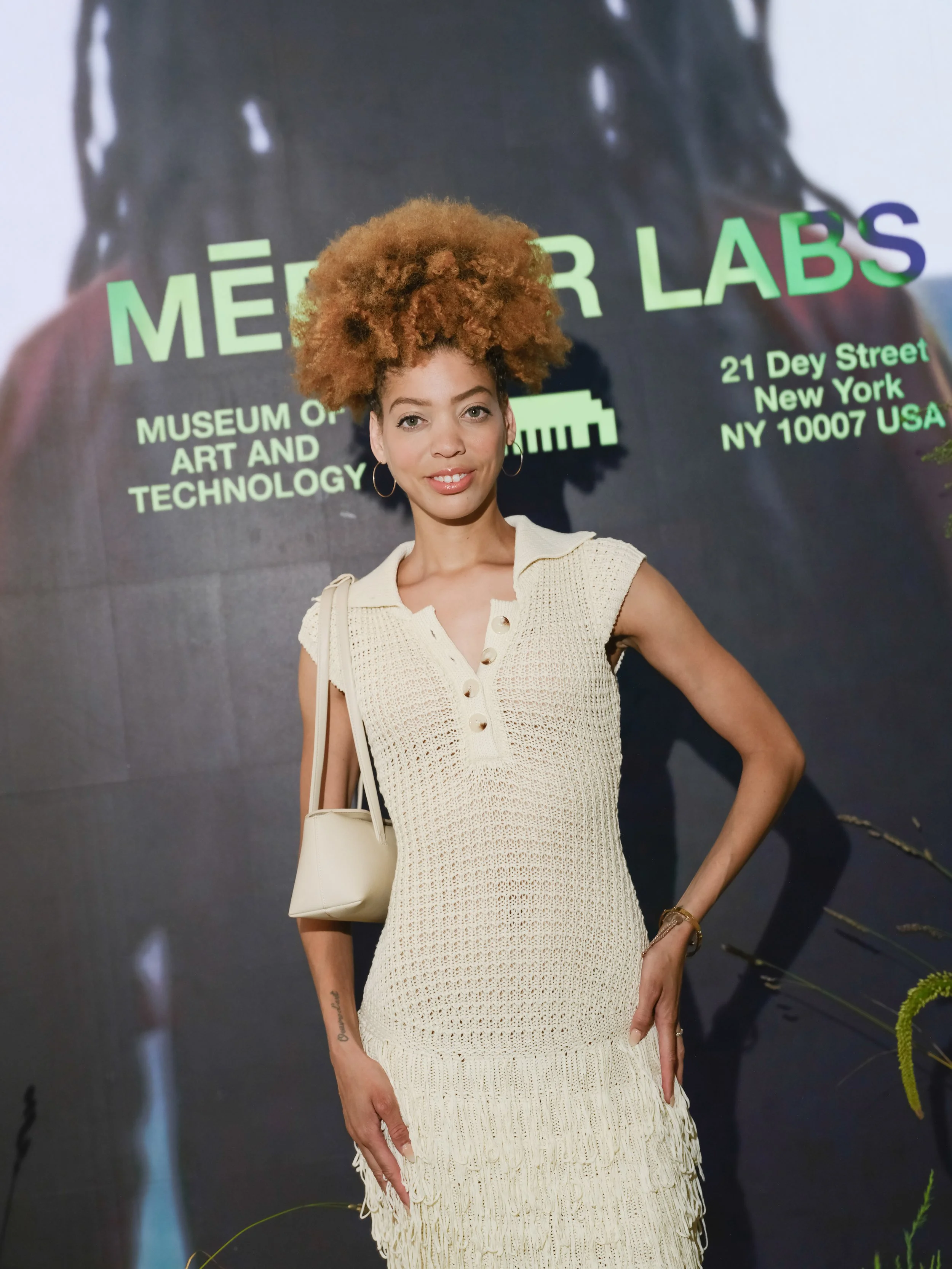
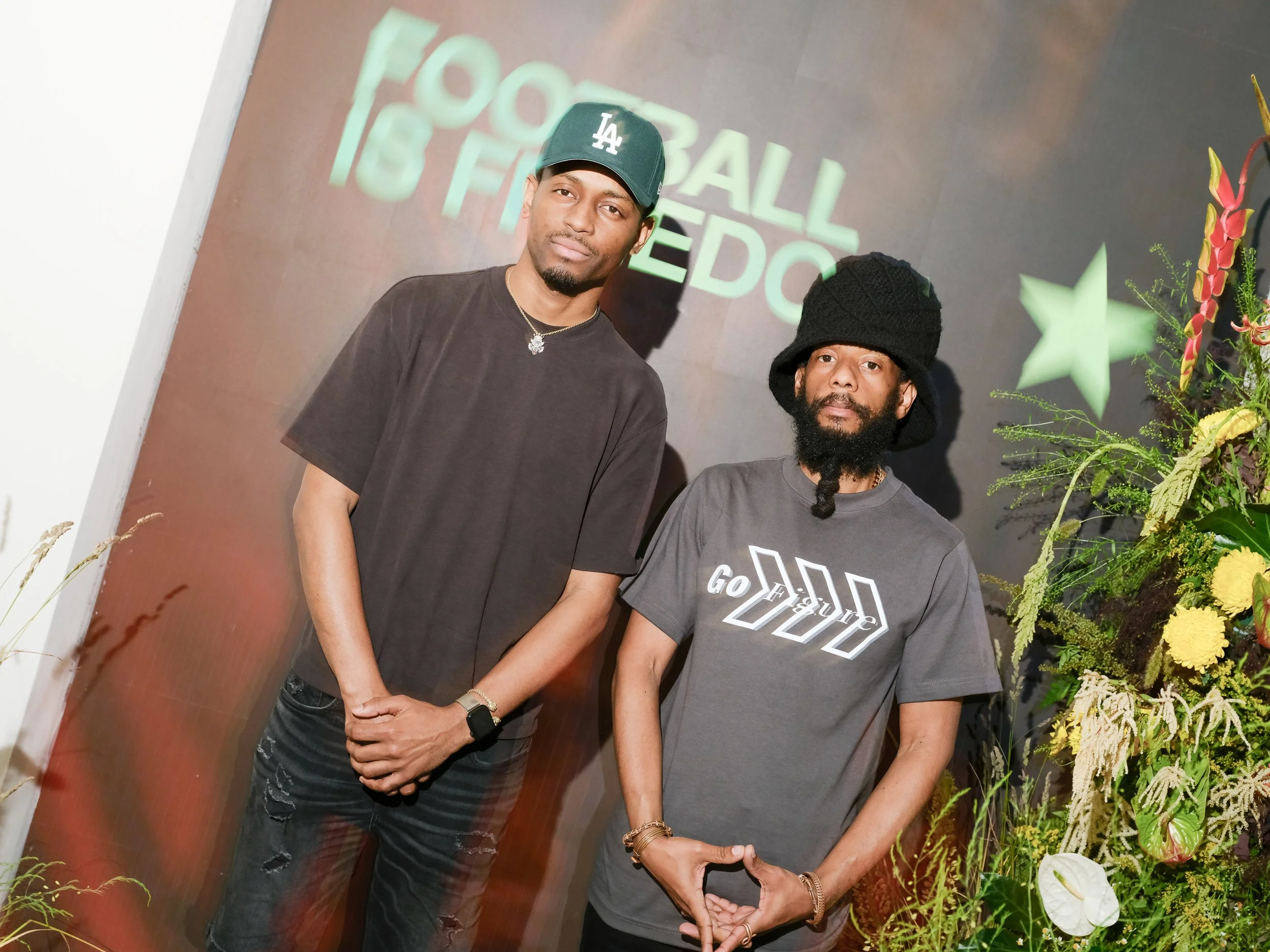
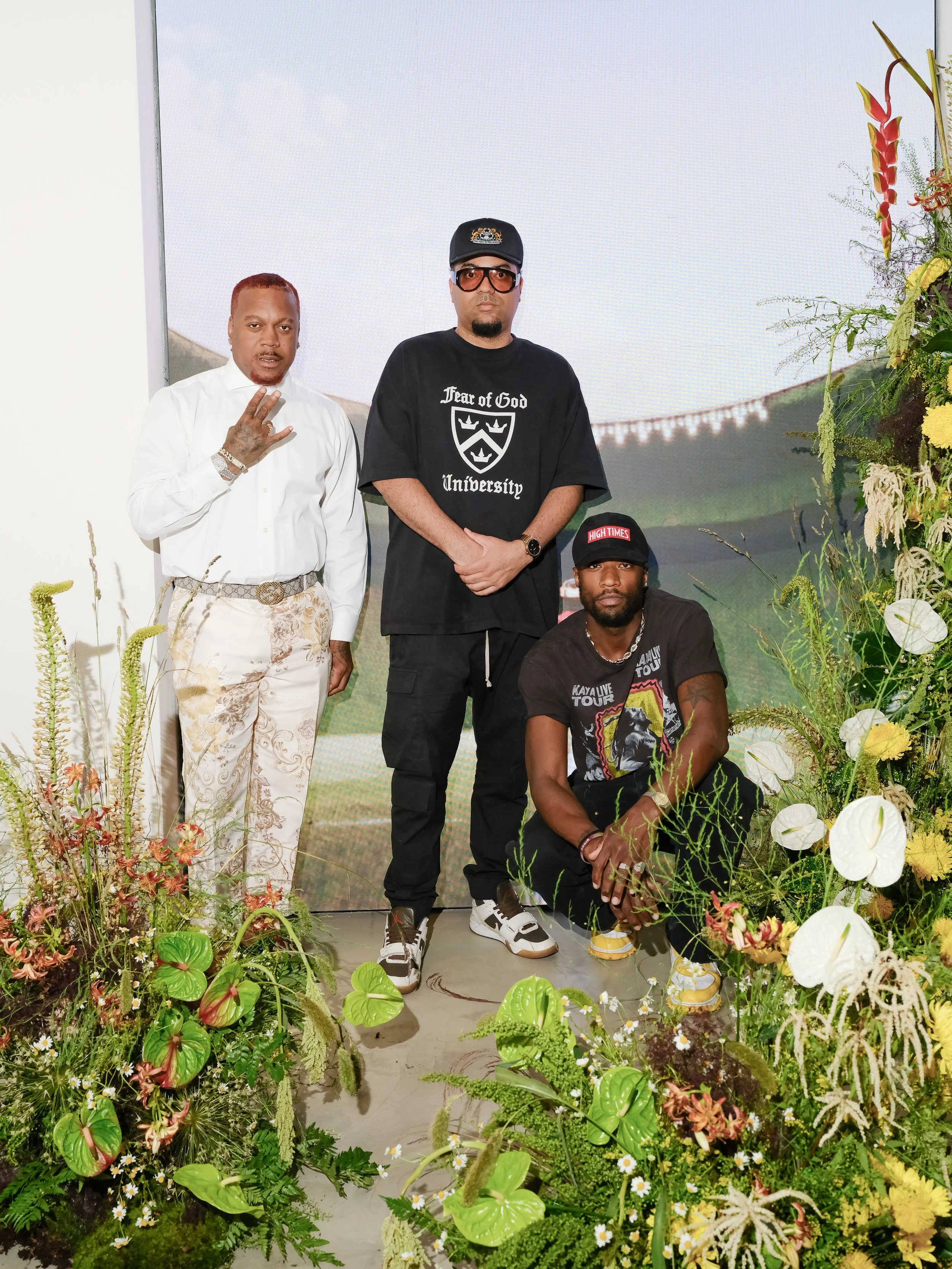
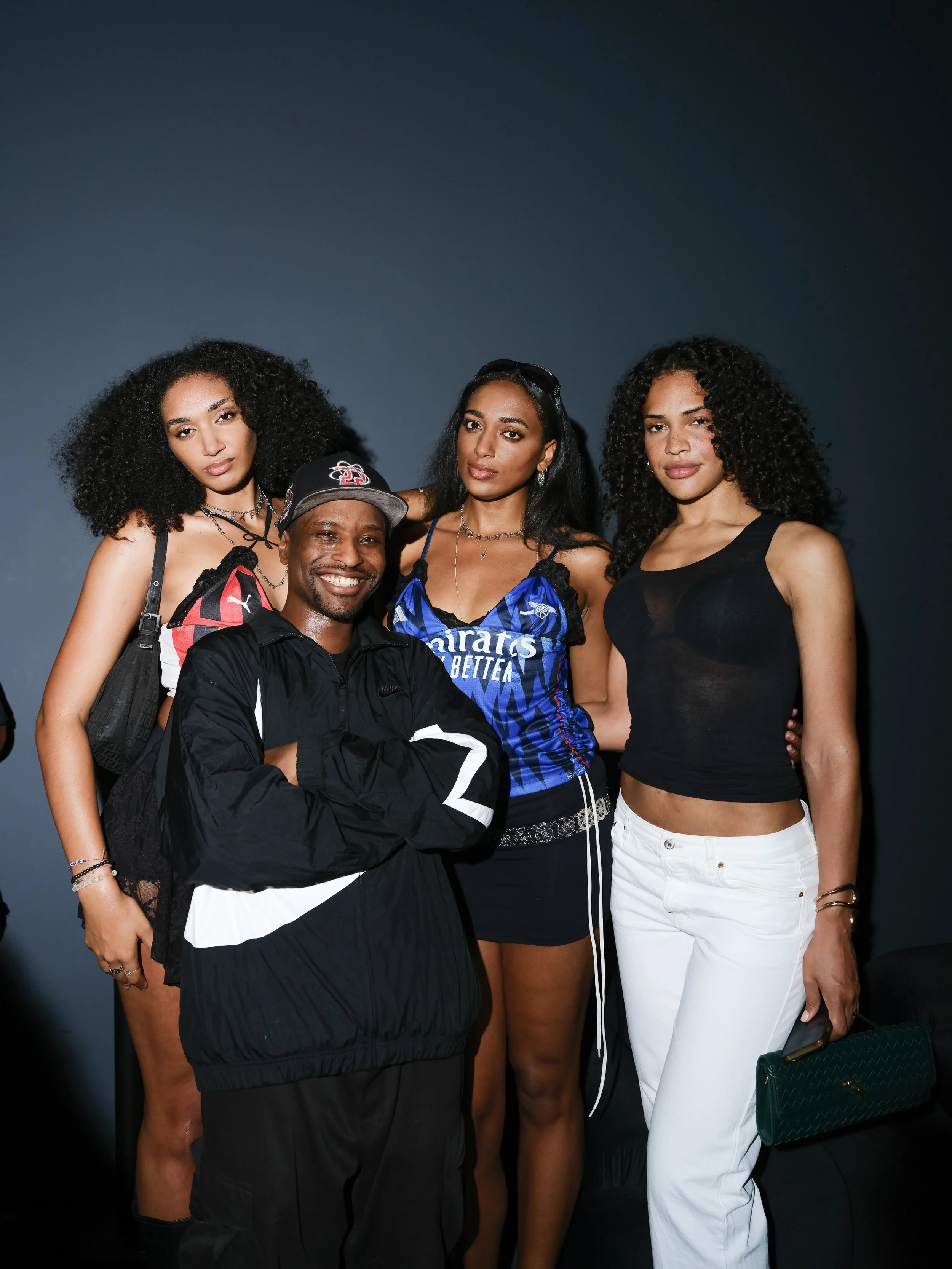
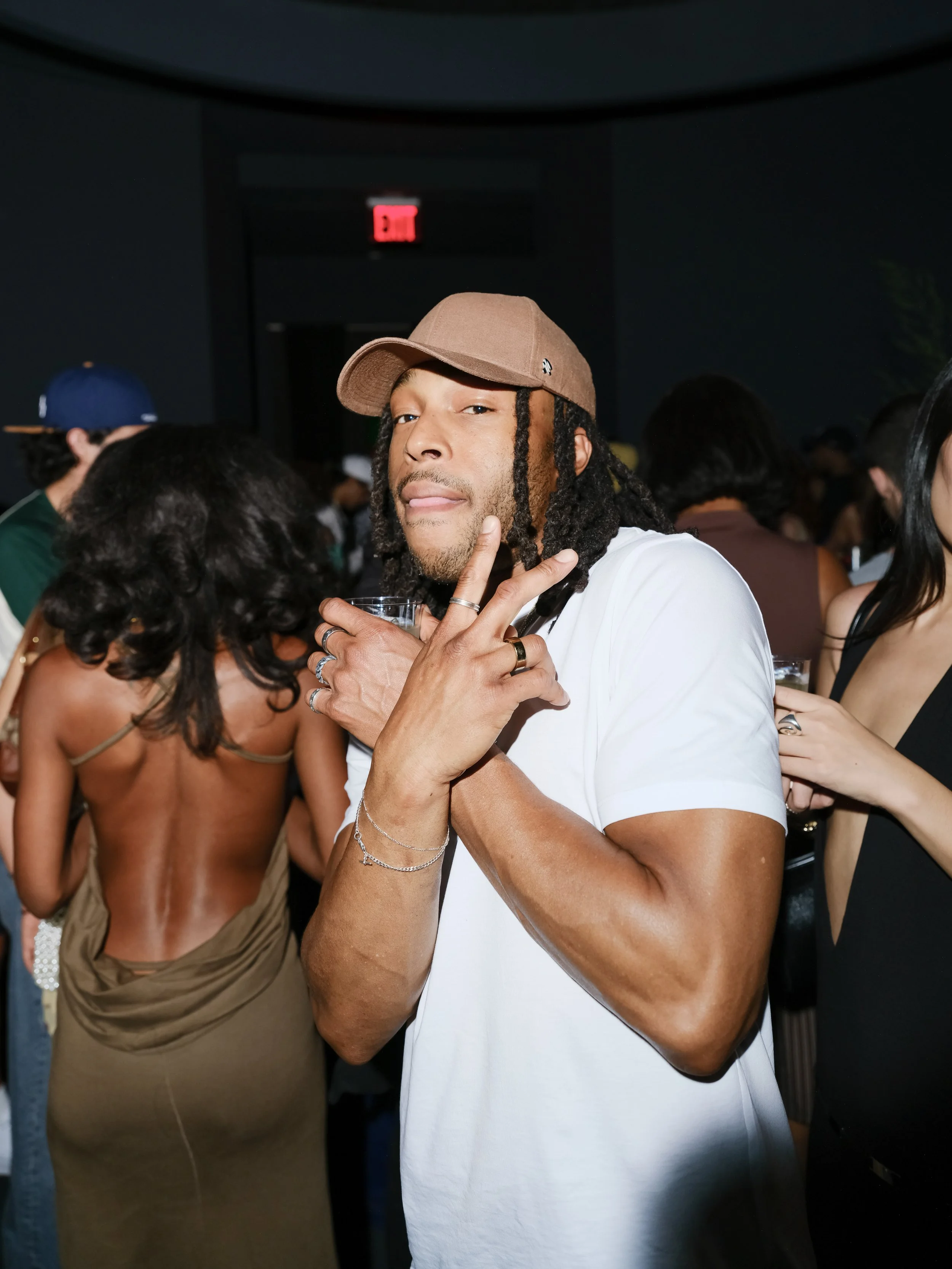
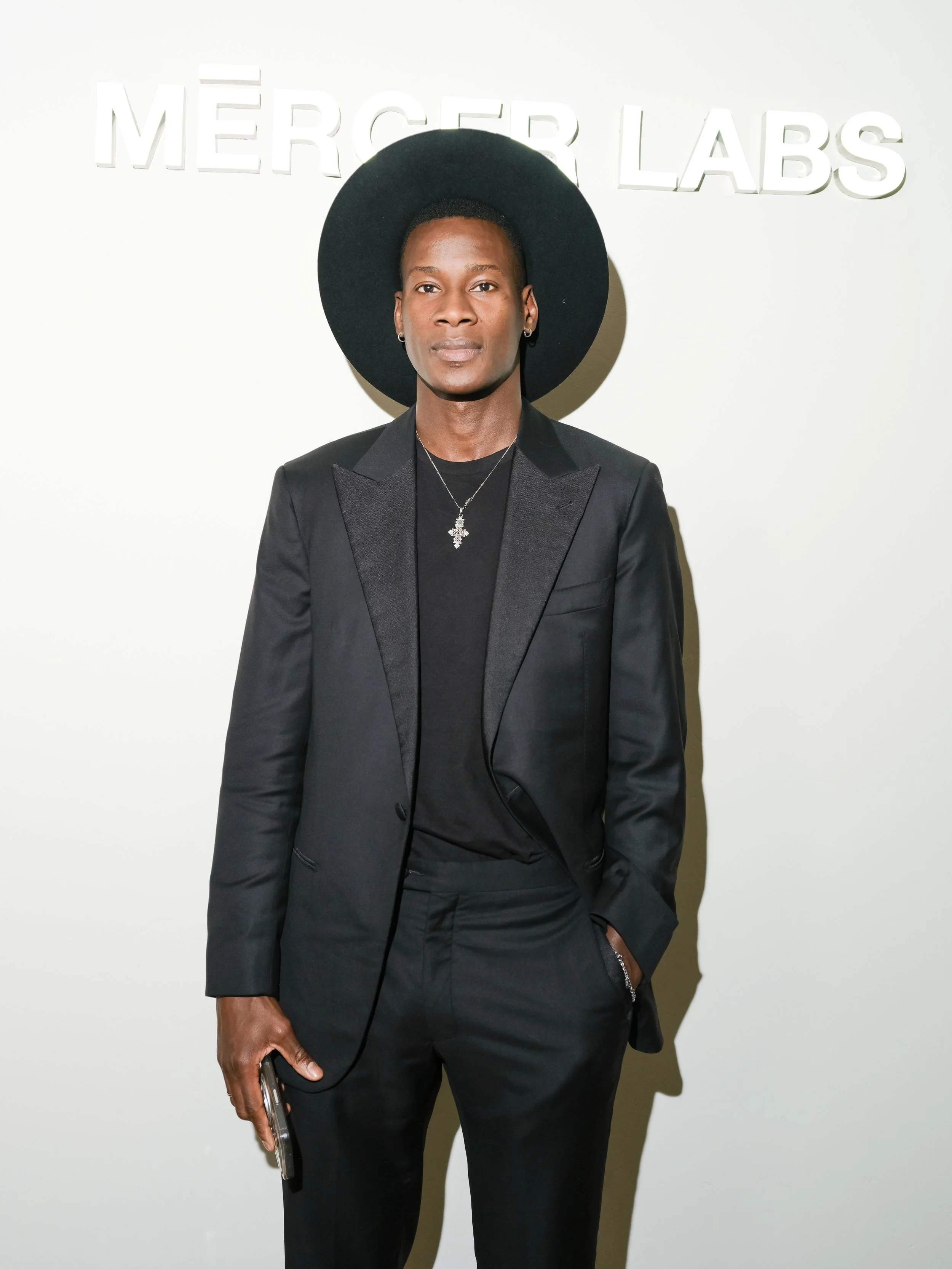
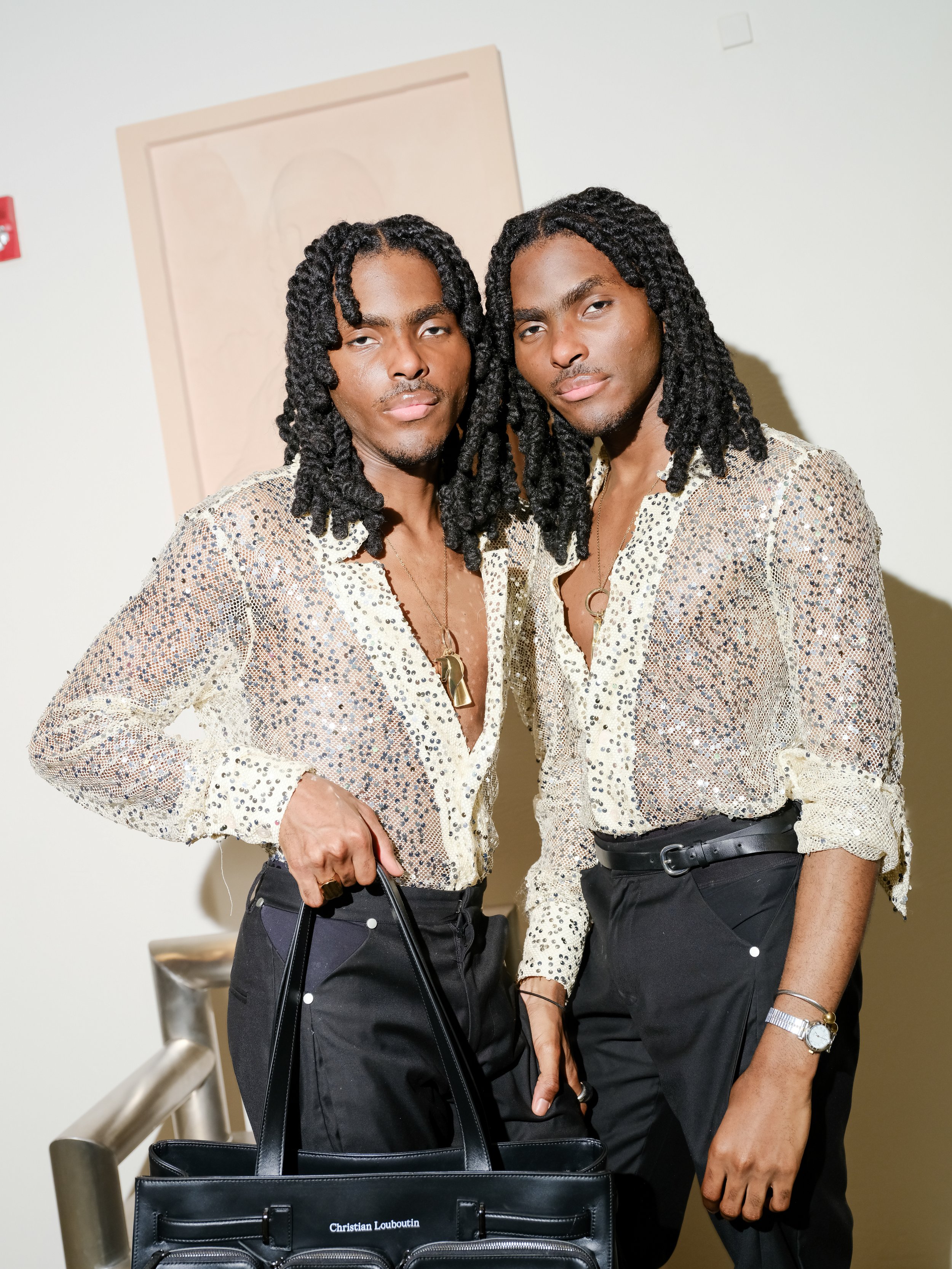
This week, Mercer Labs unveiled Football Is Freedom, a new immersive exhibition created by artist and Mercer Labs co-founder Roy Nachum in collaboration with the Marley family. The exhibition officially opens to the public on June 12, but its launch event drew an influential gathering spanning music, art, fashion, sport, and culture, transforming the Lower Manhattan institution into a living celebration of Bob Marley’s enduring philosophy.
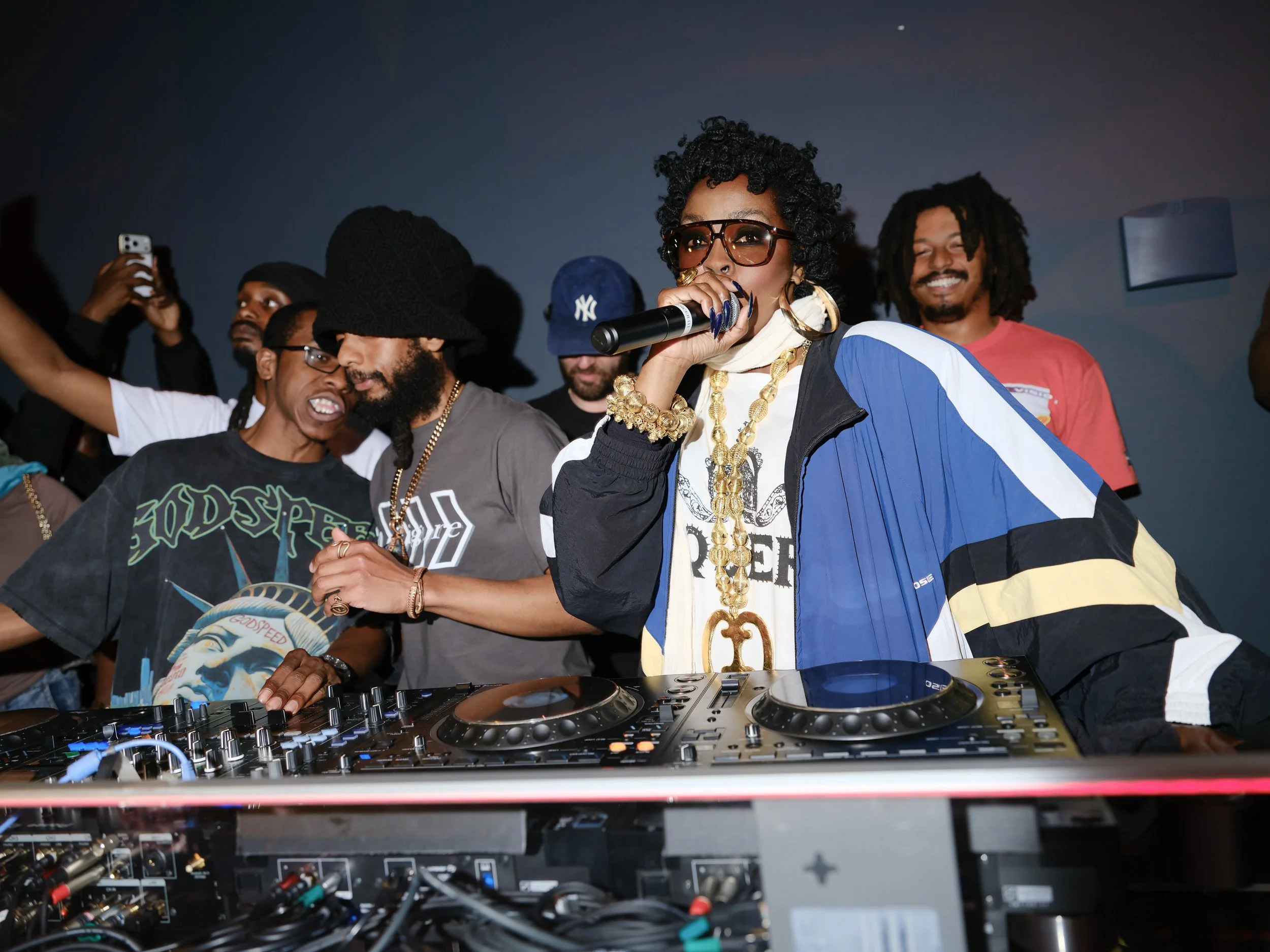
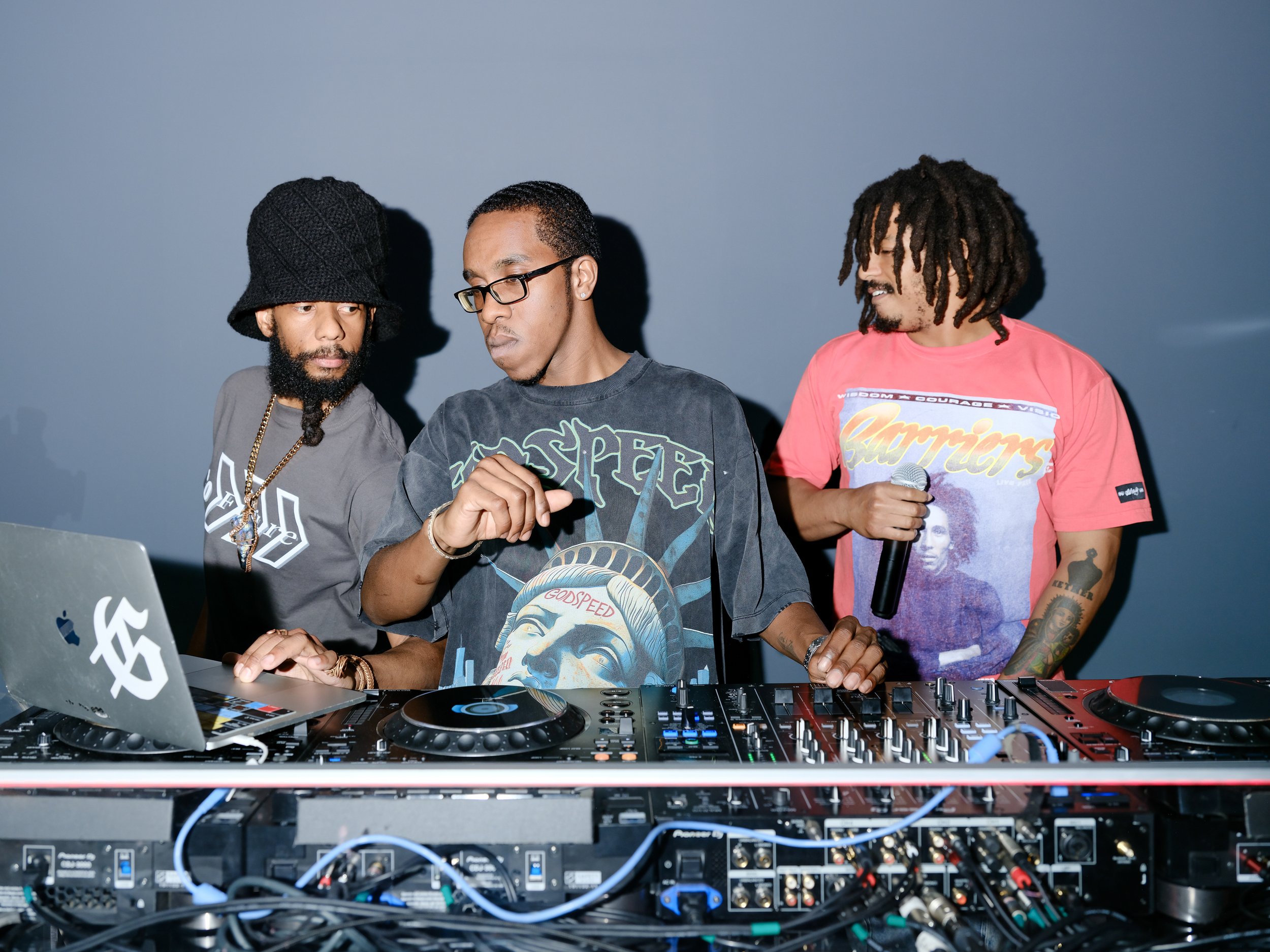
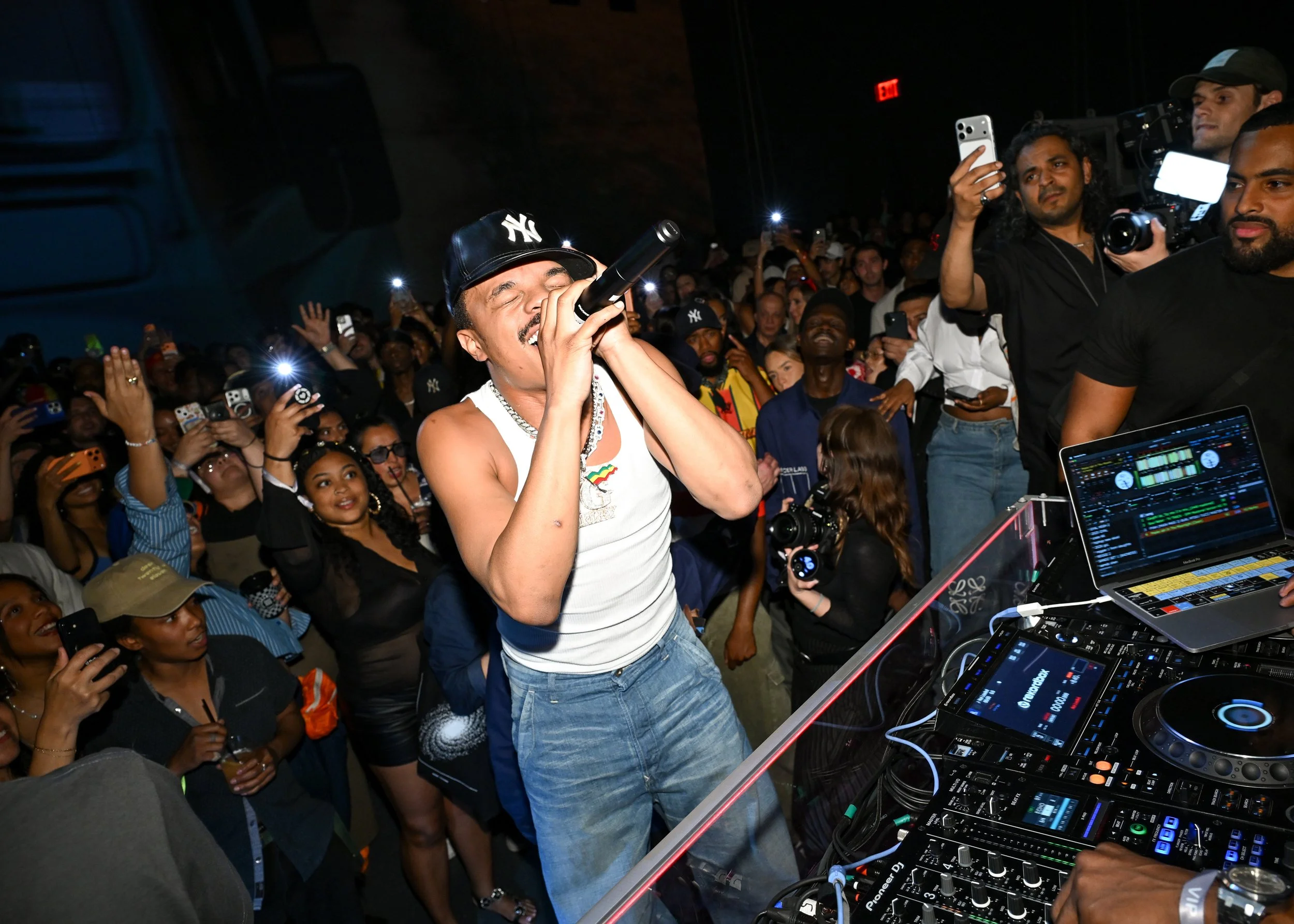
The evening was punctuated by performances from Ms. Lauryn Hill, YG Marley, Zion Marley, and members of the extended Marley family, underscoring the exhibition's central premise: that football and music possess a rare ability to unite people across borders, languages, and backgrounds.
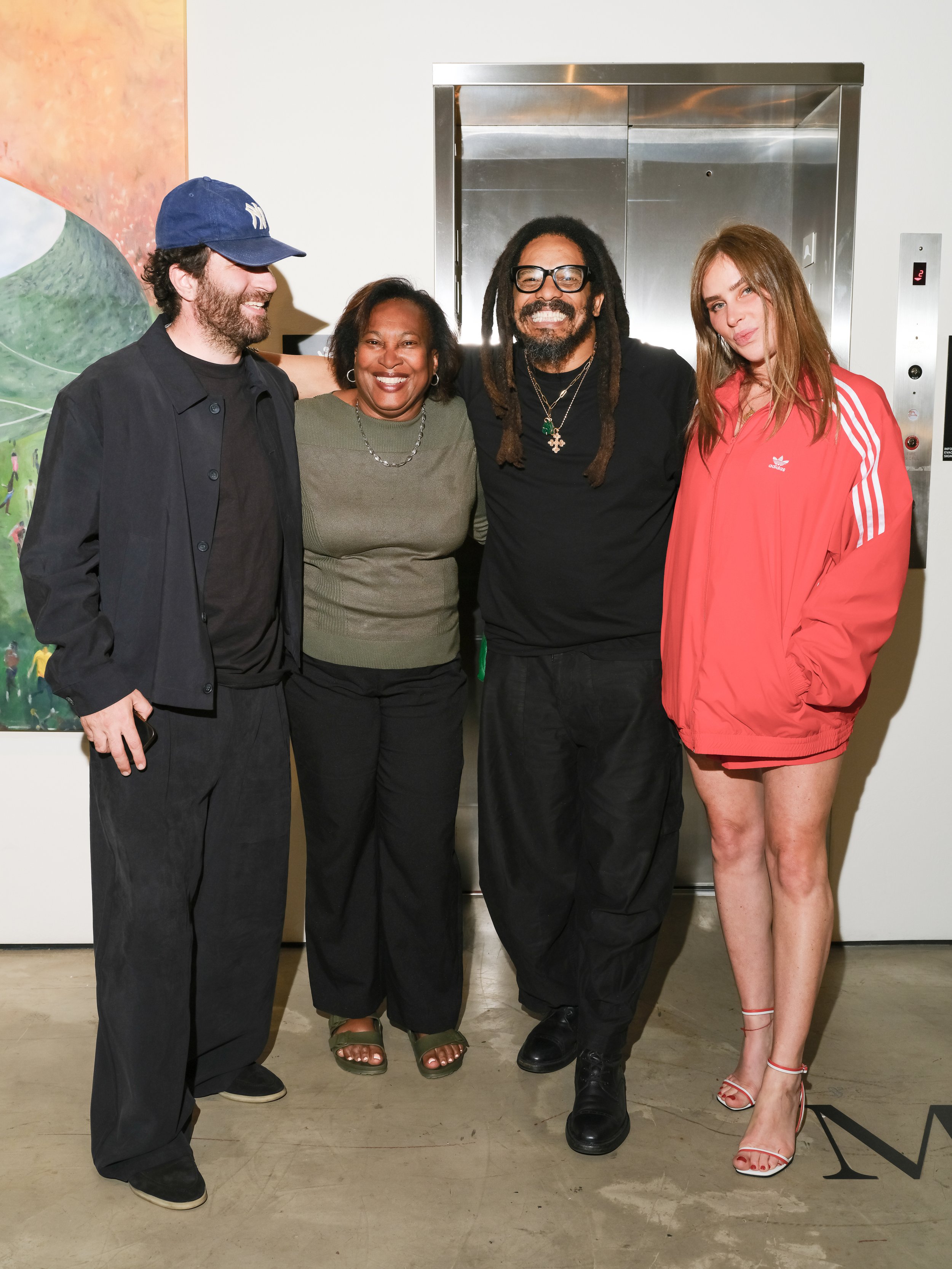
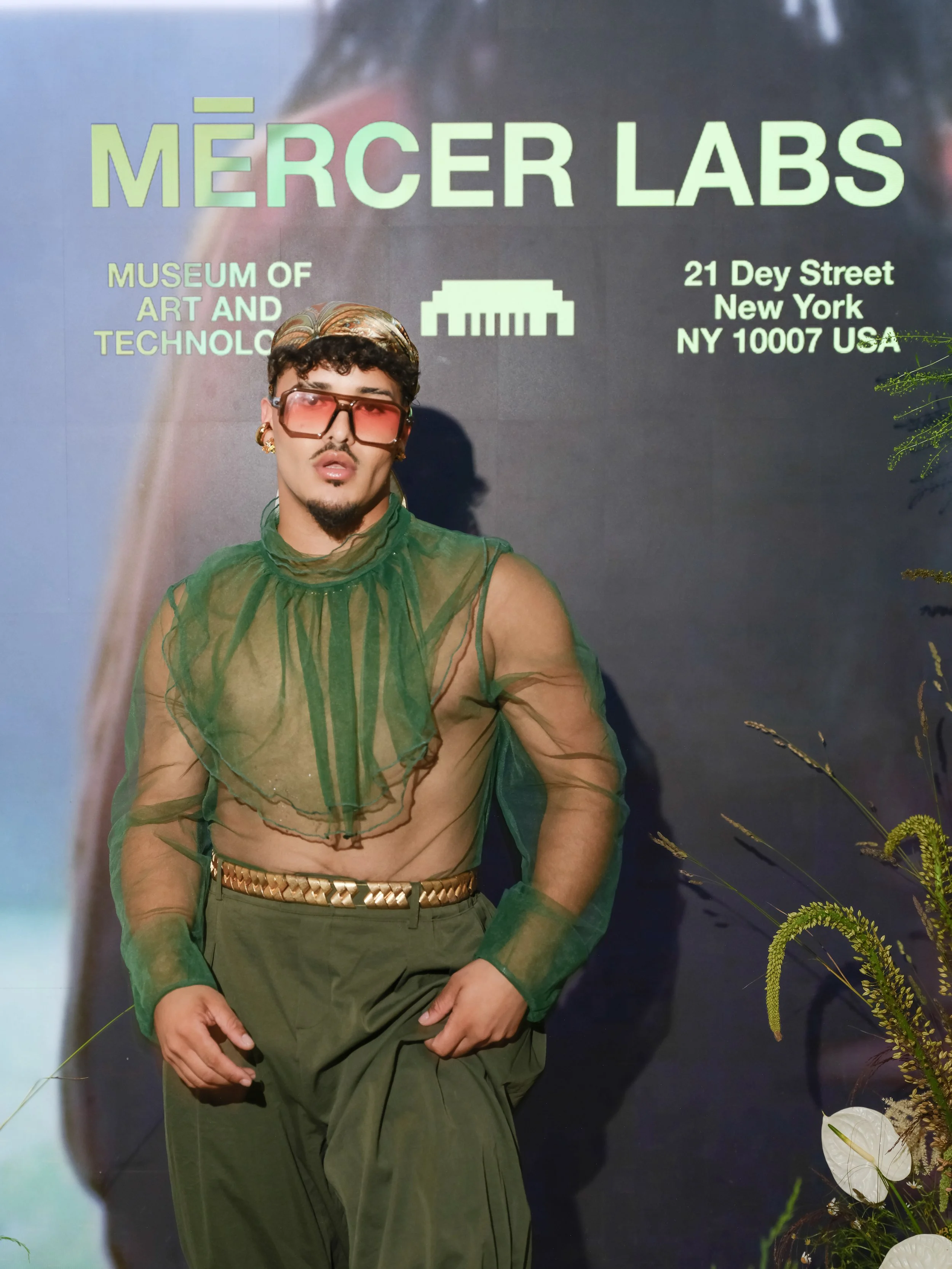
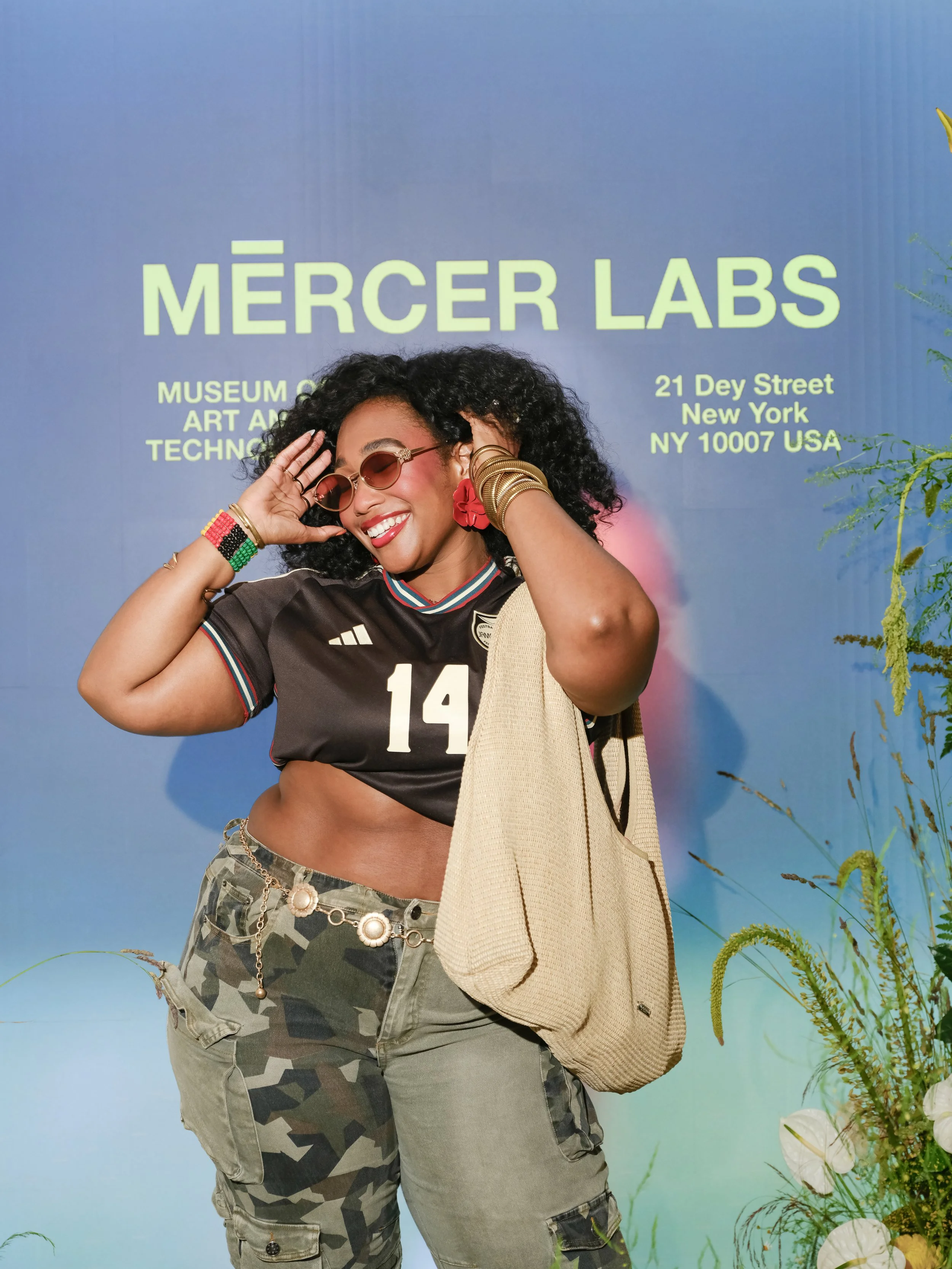
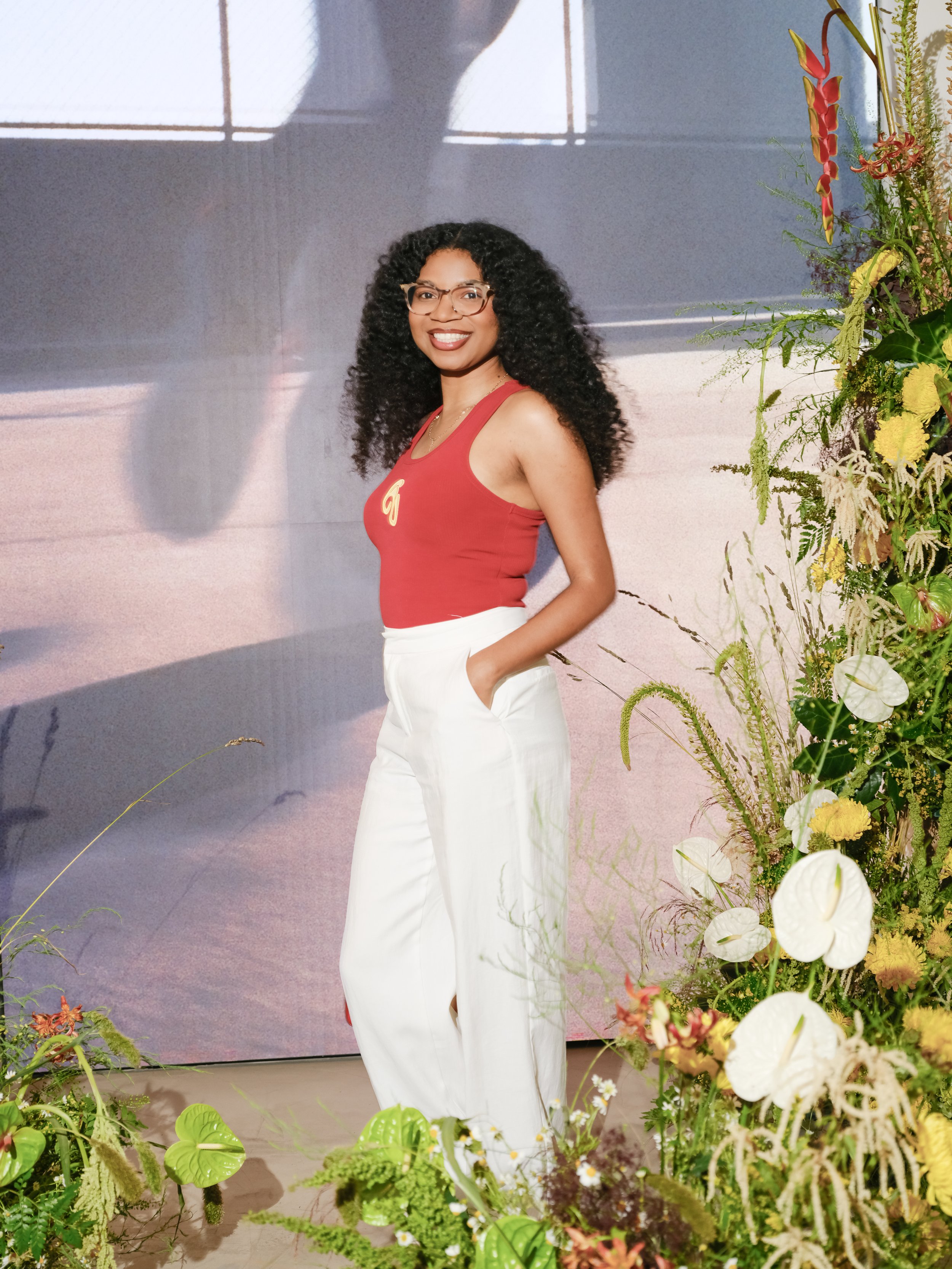
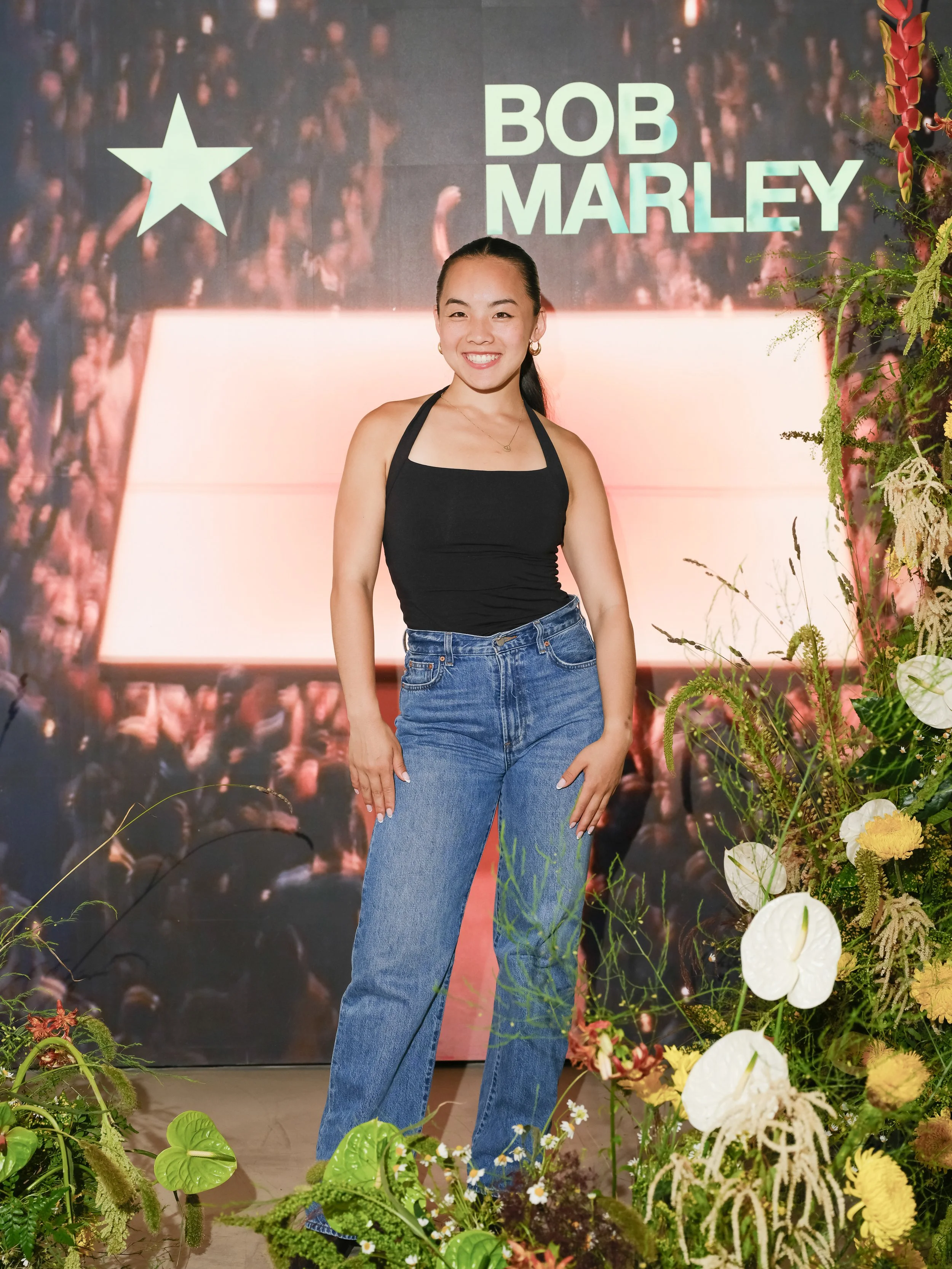
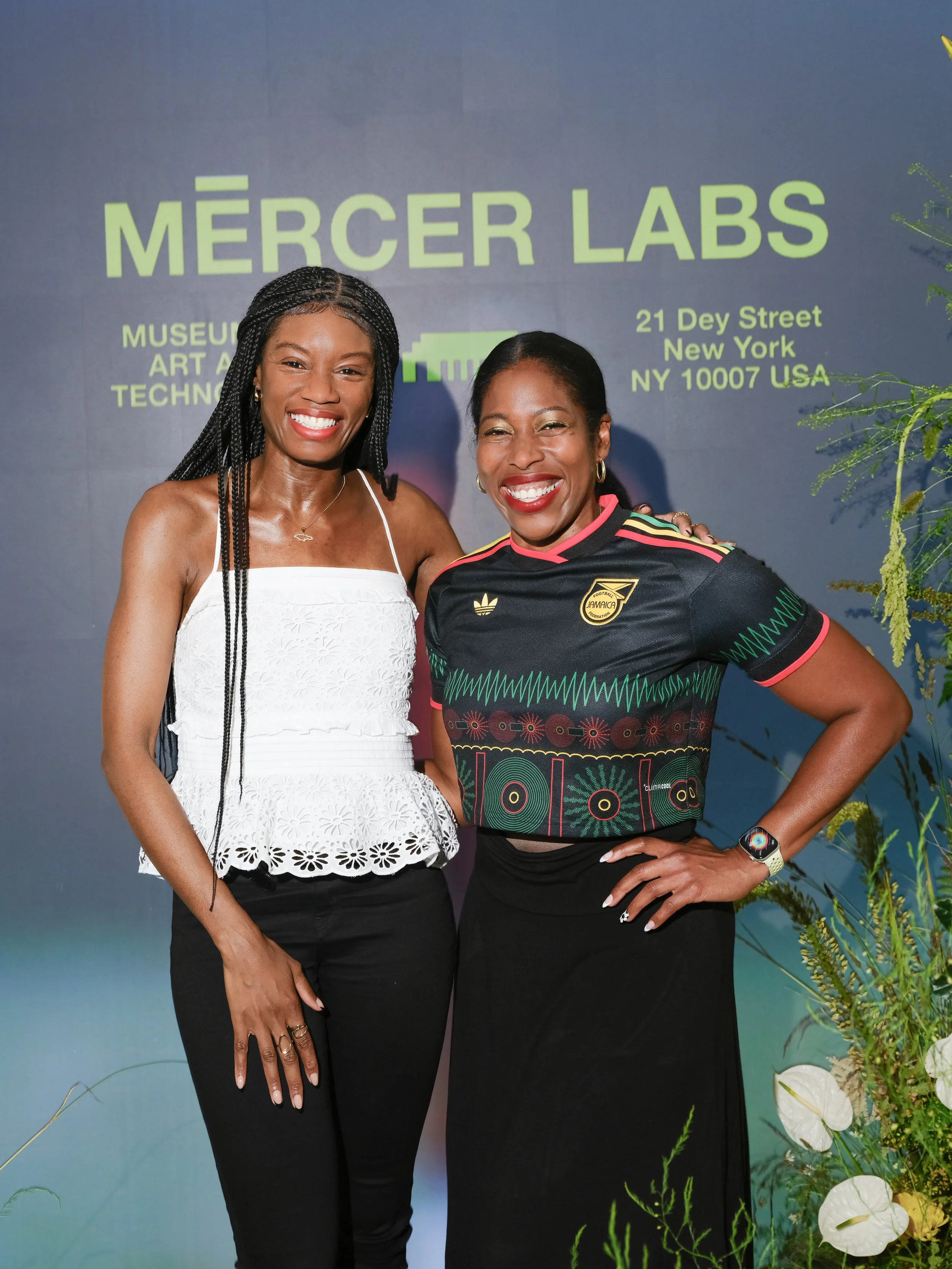
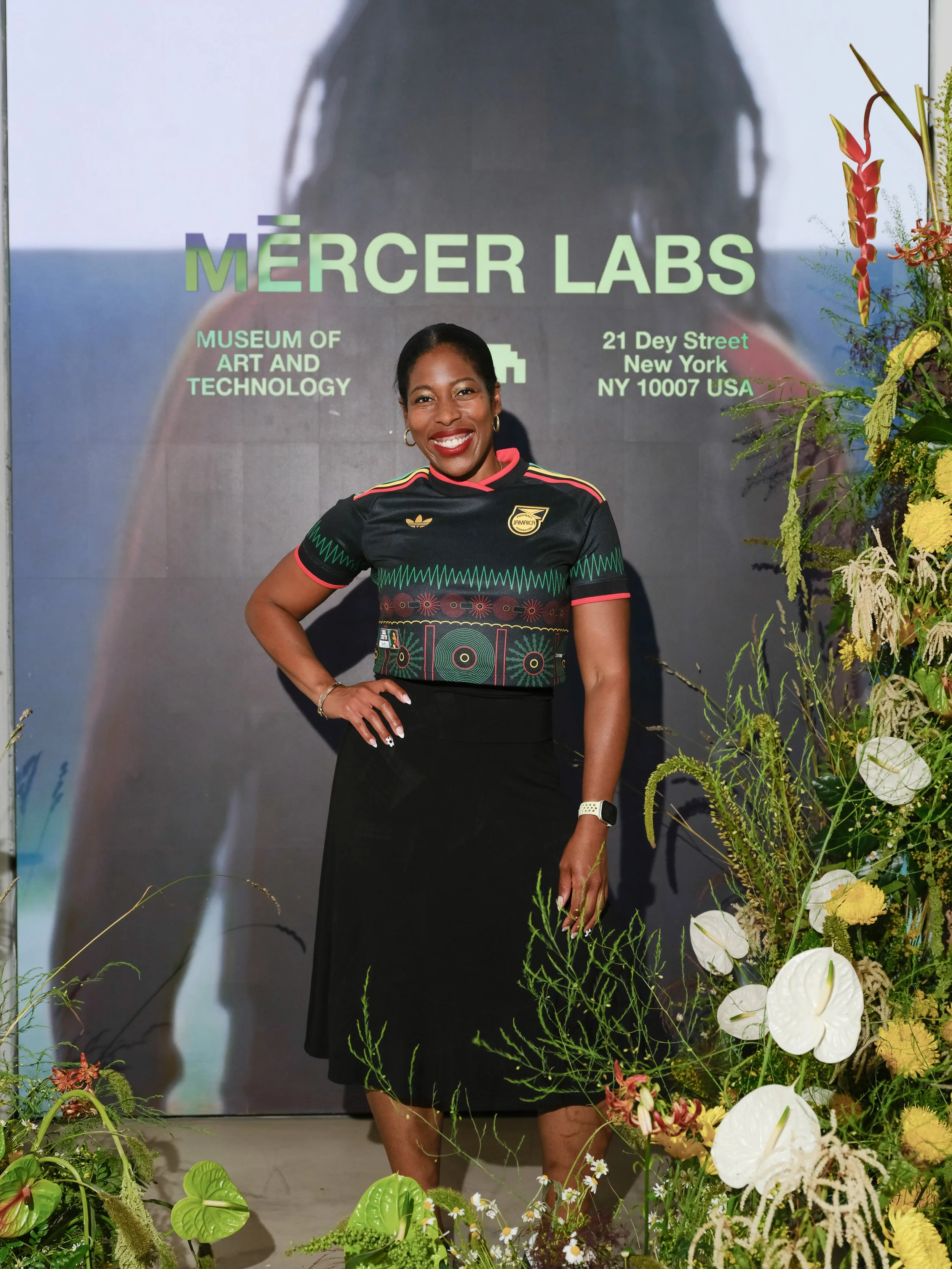
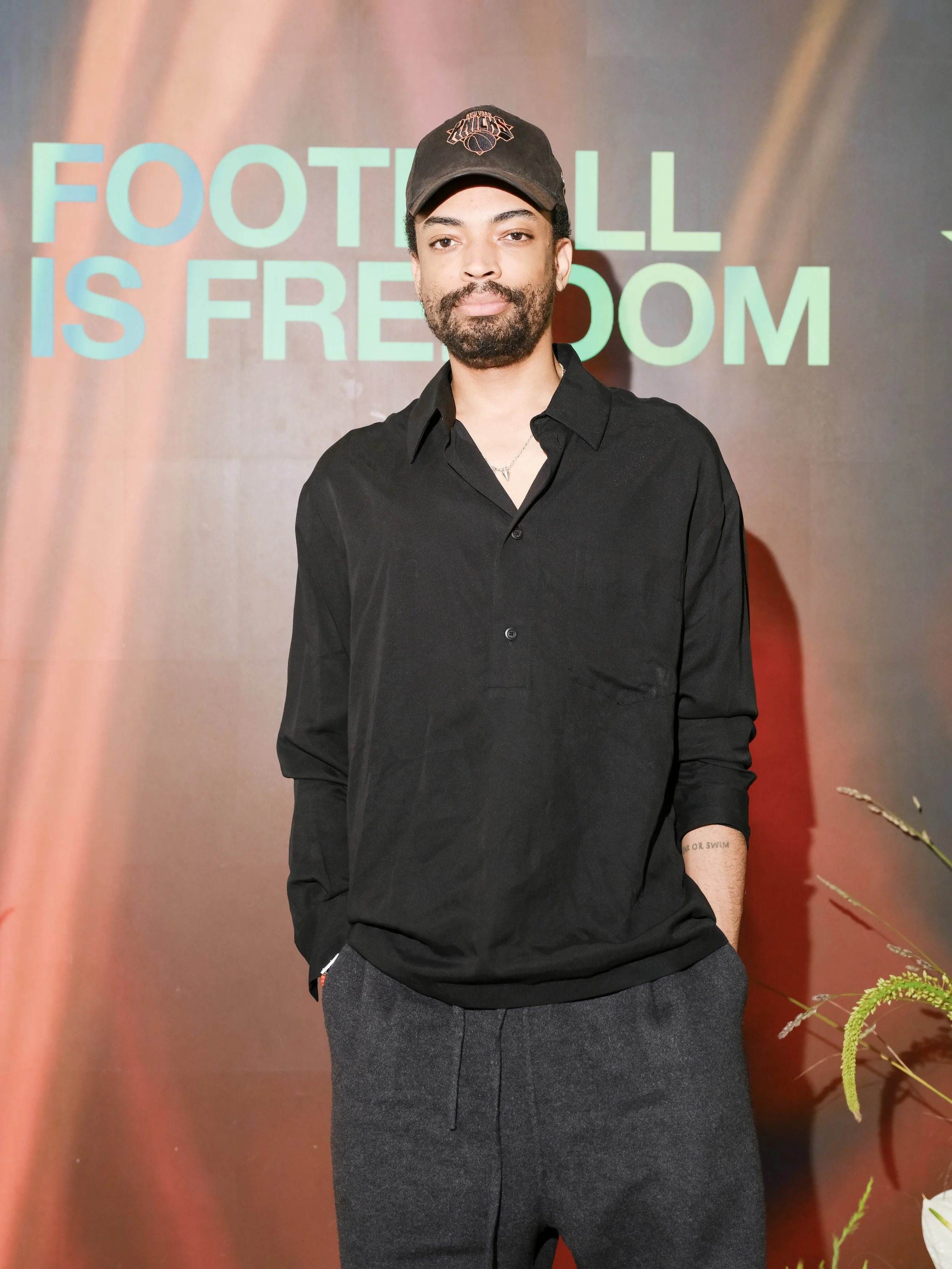
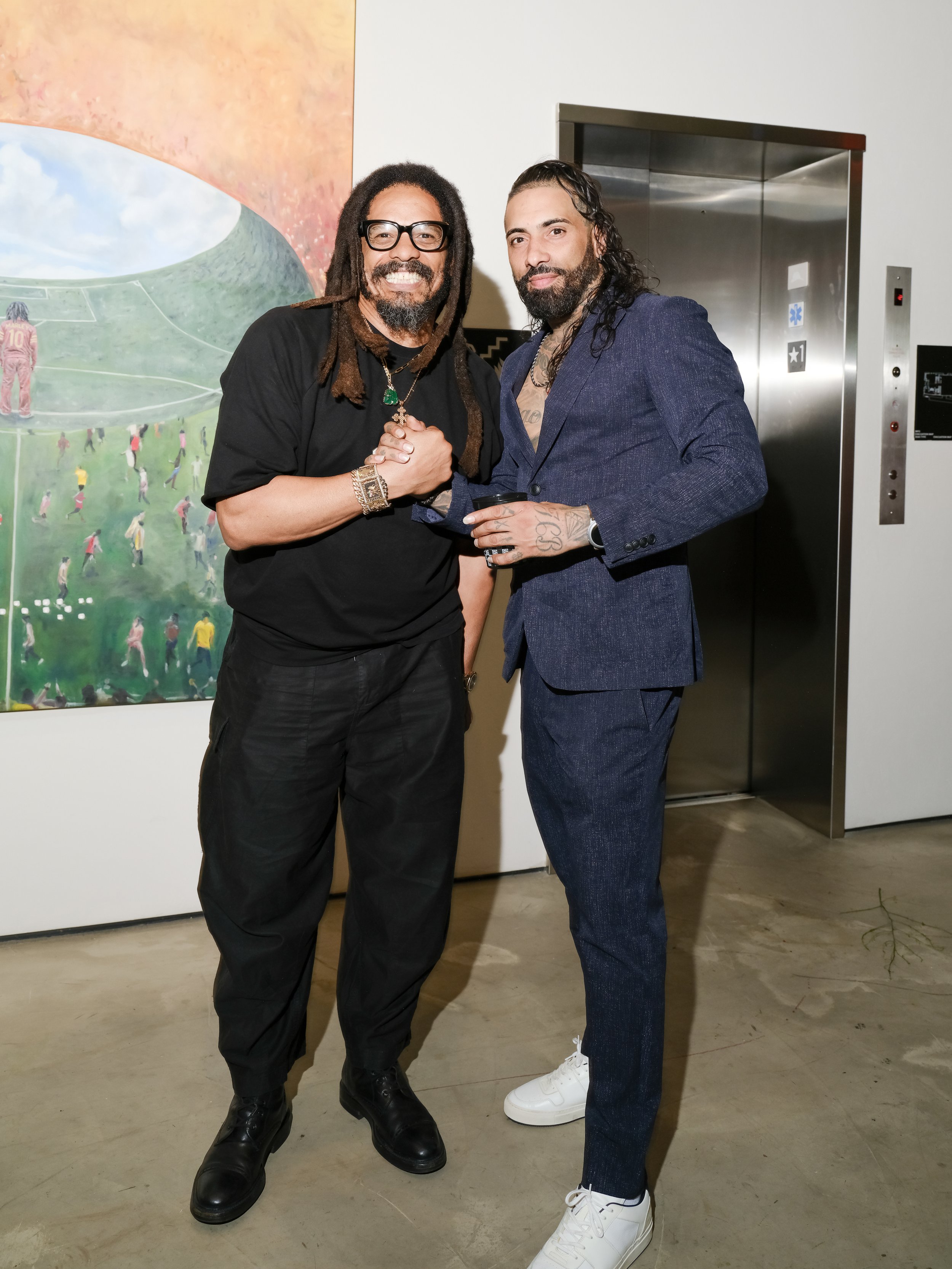
Guests, including Rohan Marley, Angela Simmons, Marcus Samuelsson, Rotimi, Selah Marley, Nico Marley, and artist Shantell Martin, moved through Mercer Labs’ 15 experimental spaces for a first look at the exhibition. Throughout the experience, stadium chants echoed through immersive soundscapes while archival footage, reactive lighting systems, and floor-to-ceiling projections transformed spectators into participants.

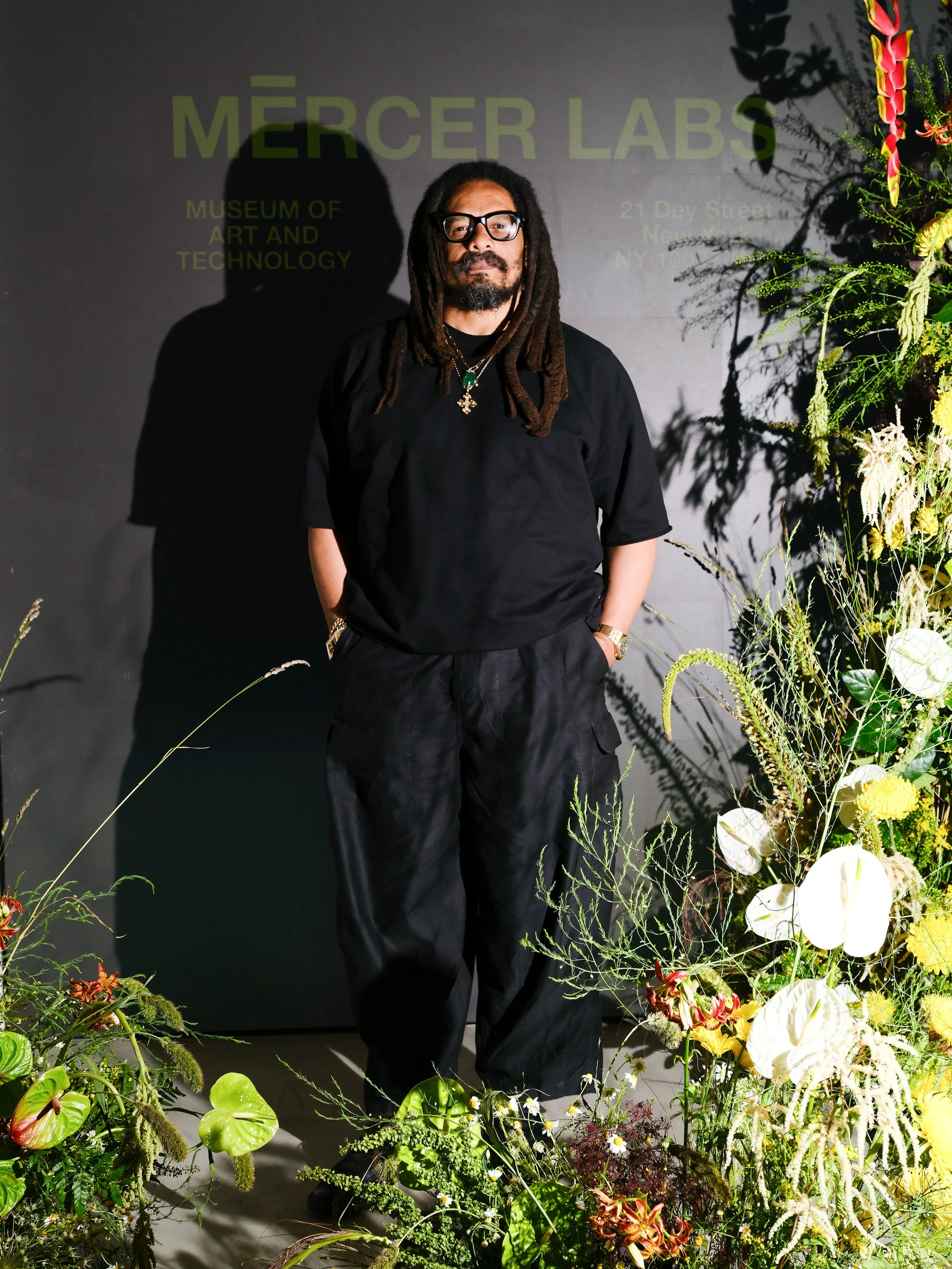
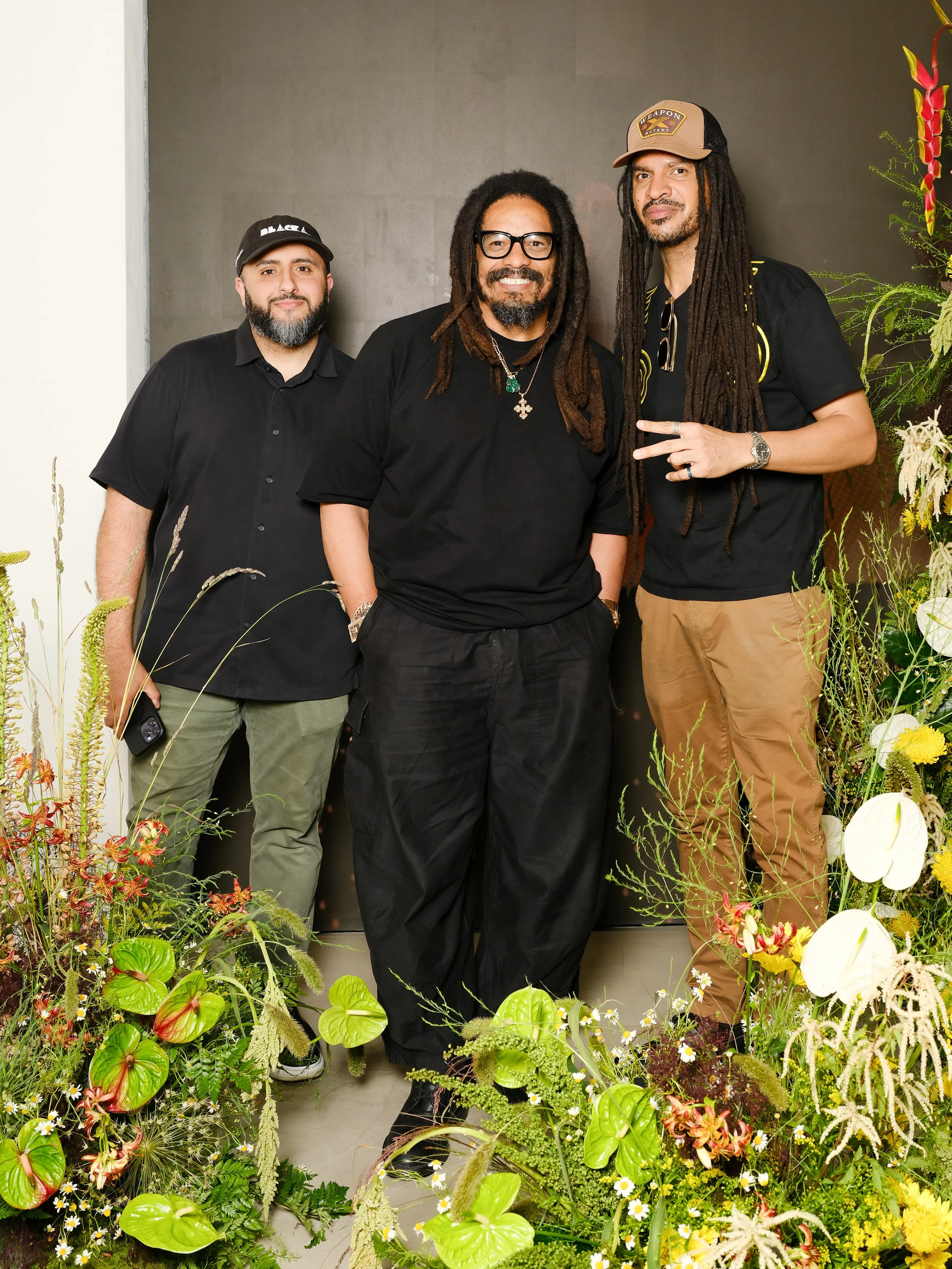
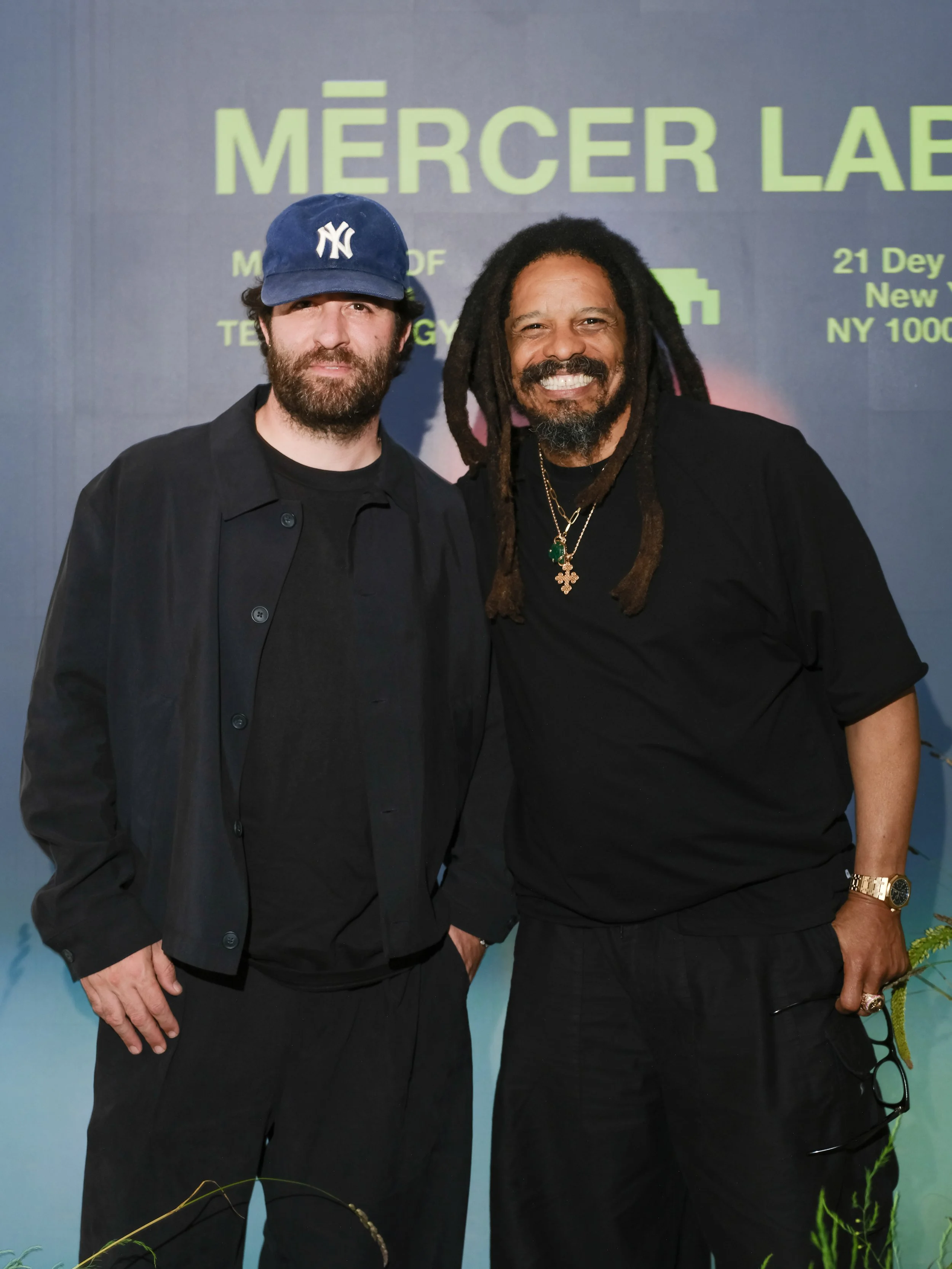
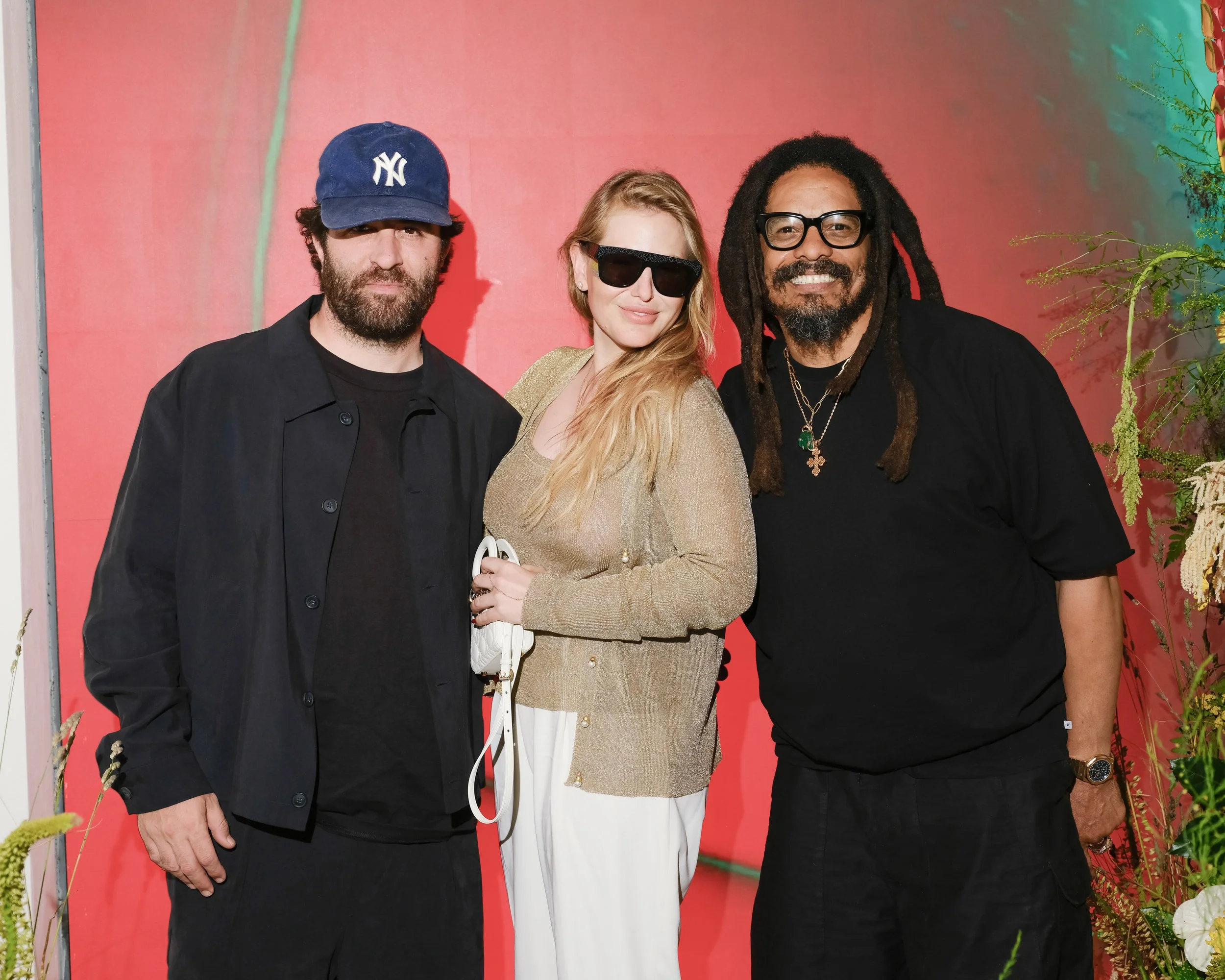
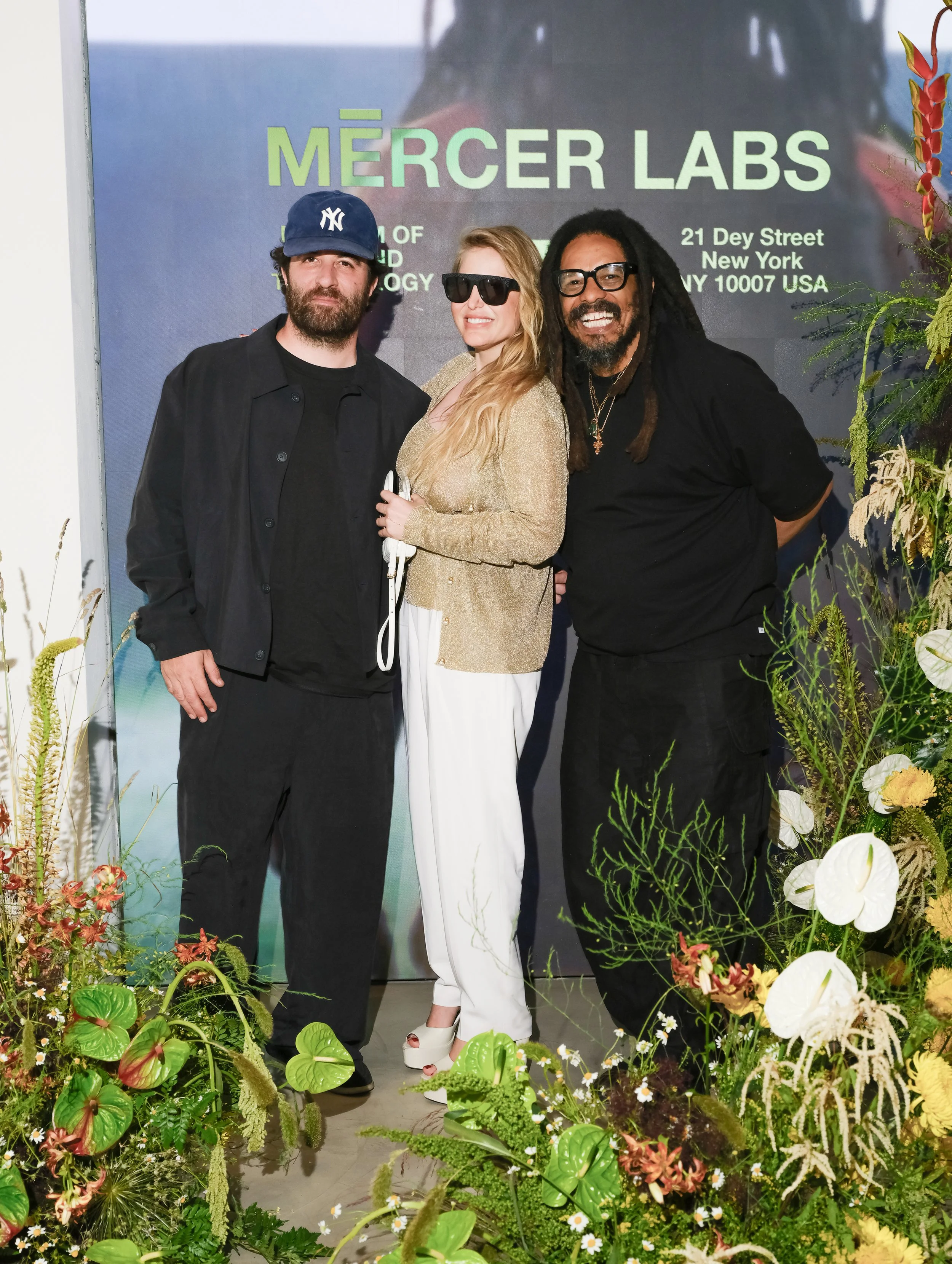
Roy Nachum in collaboration with the Marley family [Rohsn Merley, right]
For Nachum, the exhibition extends beyond sport.
“Football is one of the few places where hierarchy disappears—everyone becomes equal once the ball touches the ground,” he explains. “That mirrors everything Bob Marley stood for.”
That sentiment serves as the foundation of Football Is Freedom. Rather than treating football as entertainment, the exhibition positions the sport as a social equalizer—a shared ritual capable of transcending status, geography, and culture.
The project emerged through a partnership with Rohan Marley, who sought to explore a lesser-known aspect of his father's legacy. While Bob Marley’s influence on music remains immeasurable, football was equally embedded in his daily life. The game represented freedom, movement, discipline, and community—values that informed both his artistry and worldview.
Inside Mercer Labs, those themes are translated into an environment where technology amplifies emotion rather than distracting from it. Visitors encounter spatial audio, environmental effects, motion-responsive installations, and immersive visual storytelling designed to evoke the collective energy of a stadium while encouraging moments of personal reflection.

The exhibition arrives at a cultural moment when experiential spaces continue to evolve beyond passive observation. Institutions increasingly seek to create environments that invite participation, and Mercer Labs has emerged as one of New York's most ambitious examples of that evolution. Since opening, the institution has positioned itself at the intersection of art, technology, music, and storytelling, collaborating with creatives across disciplines to redefine what a museum experience can be.
With Football Is Freedom, that mission expands further. The exhibition leverages the emotional power of sport while remaining rooted in Bob Marley’s enduring message of unity.
In doing so, it presents football not merely as competition, but as a cultural force capable of bringing people together in ways few other institutions can.
At a time when division often dominates headlines, Football Is Freedom offers a reminder that some of humanity’s strongest connections are still formed through shared experiences—whether on a pitch, in a concert crowd, or inside an immersive room where music, movement, and memory converge.
For Mercer Labs, the exhibition is another step in redefining contemporary cultural spaces. For the Marley family, it is an opportunity to preserve and reinterpret a legacy. And for visitors, it is an invitation to experience football as Bob Marley did: not simply as a game, but as a symbol of freedom itself.




















HOW DO YOU FEEL ABOUT FASHION?
COMMENT OR TAKE OUR PAGE READER SURVEY
Featured
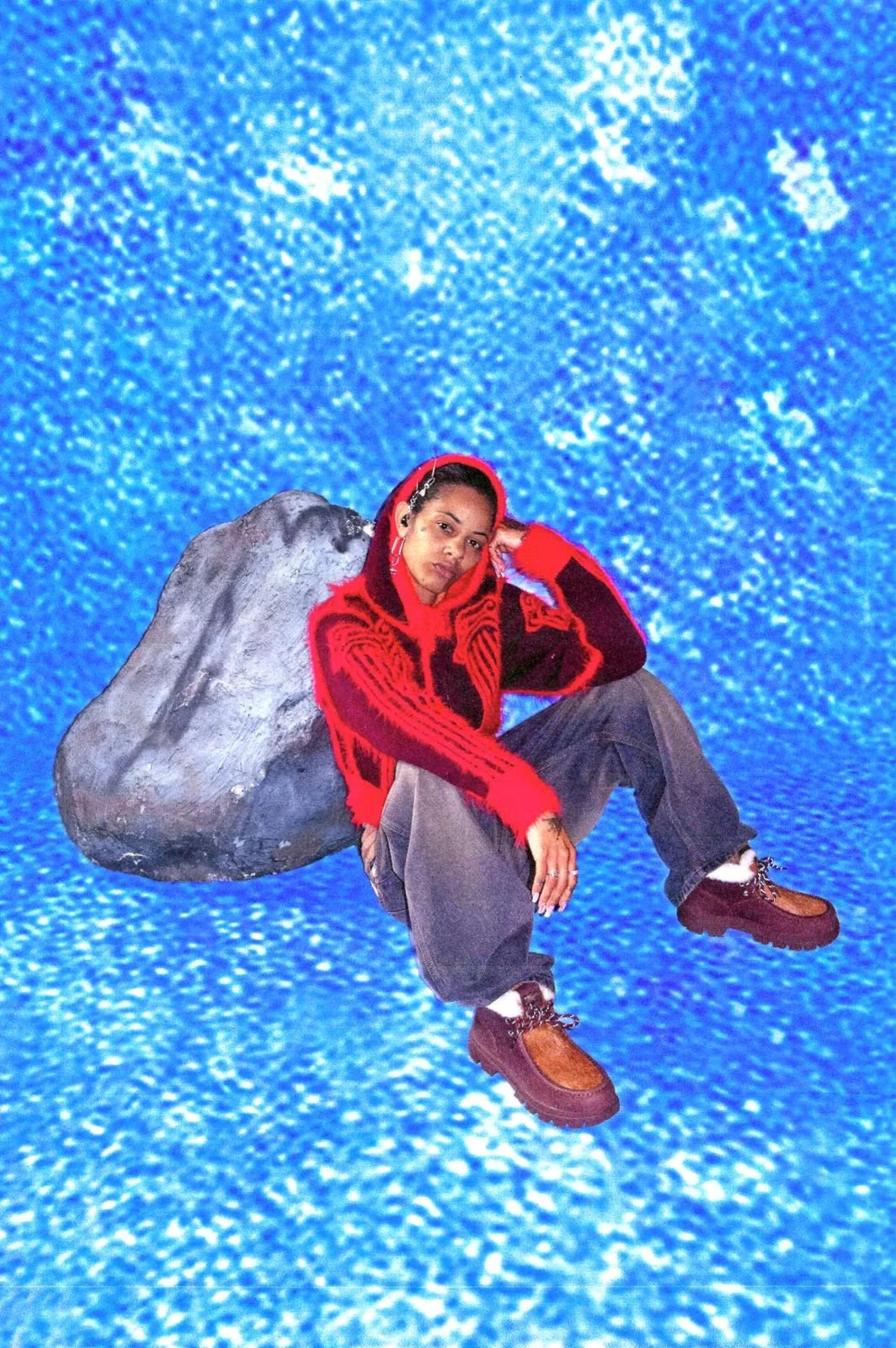

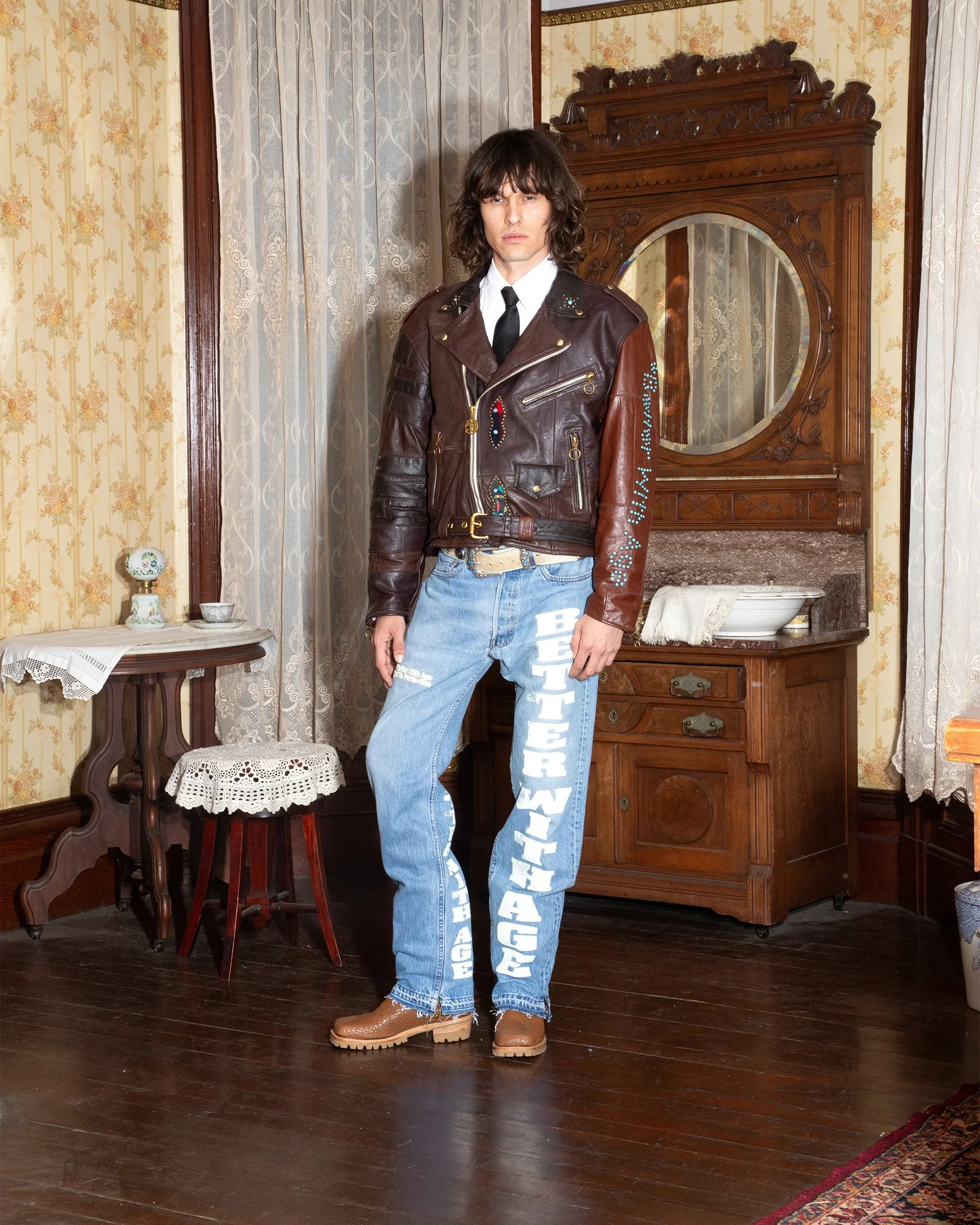
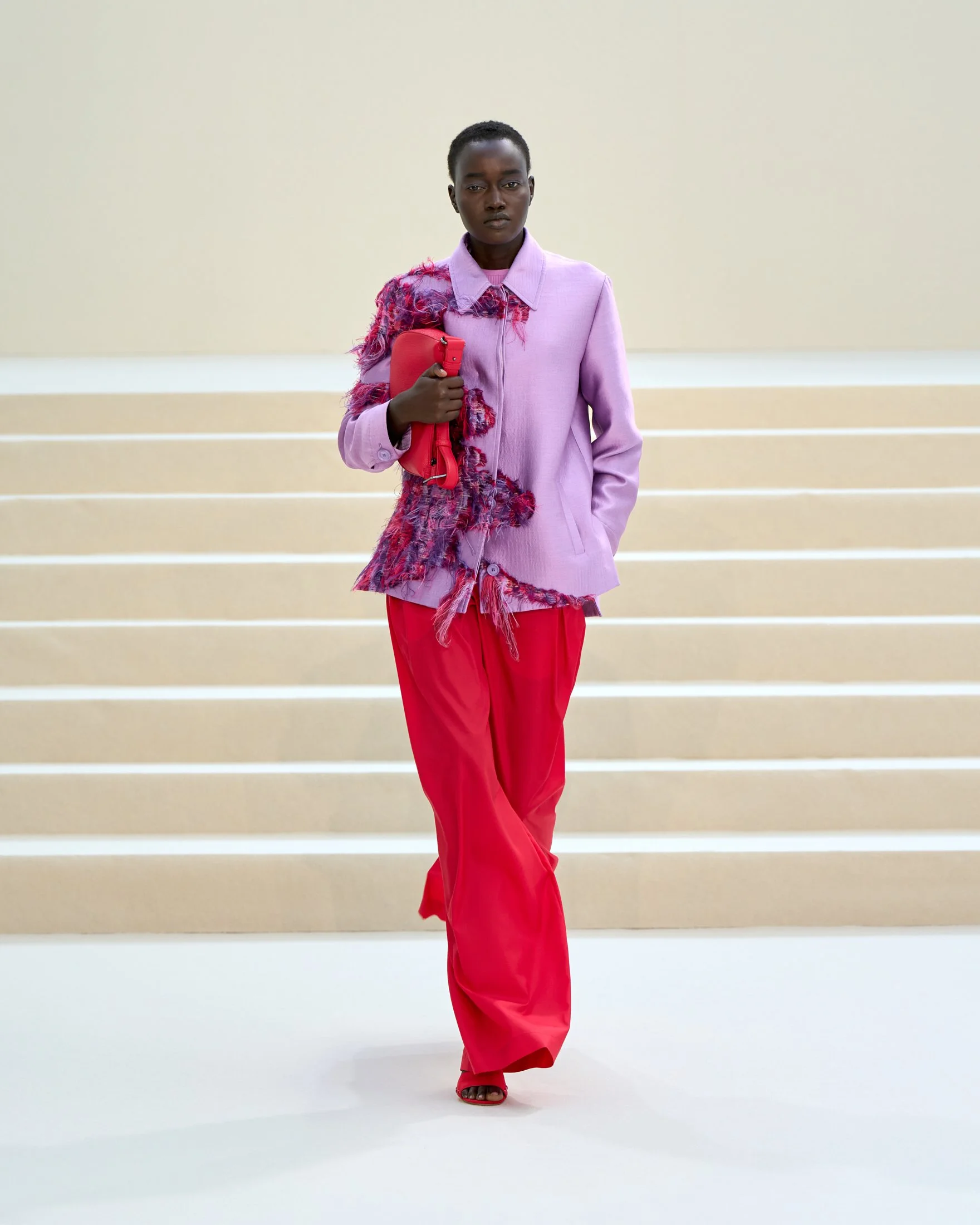

Telfar's SS2027 collection transforms the sample sale into a runway, using inside-out tailoring, manipulated materials, New York street references and a Brooklyn-to-Paris spectacle to question who gets to define fashion—and where it actually happens.