
Can Stress and Anxiety Cause Hair Loss? Key Facts Explained
PAGE
By PAGE Editor
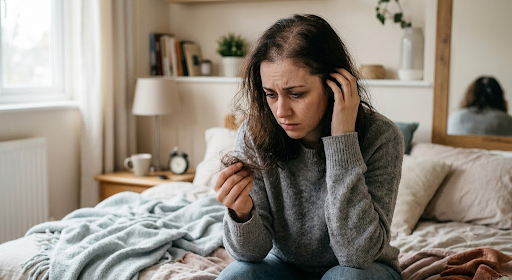
Stress can affect your scalp, but it does not always cause permanent loss. The most common pattern is sudden shedding that starts weeks or months after a difficult event, illness, surgery, burnout, grief, or a long period of anxiety.
In plain terms, stress and anxiety can contribute to hair loss and physical symptoms like cramps. Still, hair shedding and body symptoms do not always share the same cause, so it helps to look at the full picture.
In many cases, stress contributes to hair loss by pushing more strands out of normal growth and into the shedding phase. This is often called telogen effluvium. It happens when hair follicles enter the resting phase too early and then release hair later, during washing, brushing, or normal daily care.
How Does Stress Change Shedding?
Your hair follows a growth cycle. Some strands grow, some transition, and some rest before falling out. Anxiety can keep the body under pressure for long periods. Chronic stress may also affect hormones that influence signals around the scalp.
A related question is: Can stress and anxiety cause hair thinning? Yes, especially when shedding becomes visible across the scalp. This usually looks different from a receding hairline or inherited loss.
The key is timing. If shedding began two or three months after a stressful event, that clue matters. If it started slowly over the years, another cause may be involved.
What May It Look Like?
People often describe this as hair loss from stress and anxiety, but the pattern matters. Stress-related hair loss usually appears as increased shedding across the scalp, not as a single clean bald spot.
Common signs include:
More strands in the shower, brush, on the pillow, or in the sink
Less volume when tying or styling your hair
Thinning hair that looks spread out across the scalp
Shedding after emotional stress, illness, or major life change
Slow hair regrowth after the trigger eases
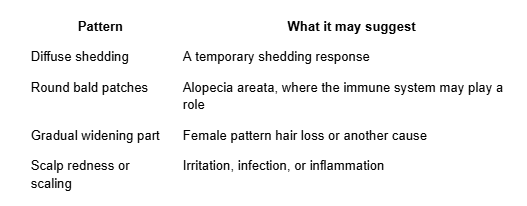
If the pattern is unclear, a professional exam can help distinguish temporary shedding from other types of hair loss. At this stage, Kopelman Hair Restoration can be a useful resource for people comparing evaluation options and learning what type of hair loss they may be experiencing.
What Should You Do First?
With stress-related hair loss, the goal is to reduce strain on the scalp and identify anything else that may be worsening shedding. You do not need to guess.
Start with simple steps:
Track when shedding started and what happened before it
Avoid tight hairstyles, harsh bleaching, and high heat
Eat enough protein, iron-rich foods, and balanced meals
Keep a steady sleep schedule when possible
Use stress management habits you can repeat each day
Ask a clinician about blood work if shedding continues
A clinician may discuss treatment options such as topical support, nutritional correction, or scalp-focused therapies. The most effective treatment depends on the real cause, not only the symptom.
When to Seek Care
Get checked if shedding feels sudden, severe, patchy, or painful, or if it lasts longer than a few months. You should also seek help if you notice scalp burning, scaling, redness, open sores, or widening bald areas.
A medical visit may include a scalp exam, health history, medication review, and lab tests. The goal is to rule out thyroid problems, low iron, hormonal shifts, autoimmune causes, and other triggers.
Medical treatment may be needed when shedding results from an underlying condition rather than stress alone. This is why self-diagnosis can delay recovery.
What Recovery Usually Means
Stress-related shedding can improve, but recovery takes time. Once the trigger eases, the scalp may still need months to return to a normal rhythm. Many people notice gradual improvement before seeing clear changes in density.
You can support recovery with consistent care. Protect the scalp, reduce avoidable stressors, eat well, and get evaluated when the pattern does not match a temporary shed.
The practical takeaway is simple: stress and anxiety can play a real role, but they are only one part of the diagnosis. The next step is to match your symptoms, timing, and scalp findings to the correct cause.
HOW DO YOU FEEL ABOUT FASHION?
COMMENT OR TAKE OUR PAGE READER SURVEY
Featured




Christmas shopping becomes easier when you focus on how a child already likes to play.