
How Animation Turns Simple Slot Mechanics Into Visual Stories
PAGE
By PAGE Editor
How can simple reel movements become a visual story on a screen?
Animation connects symbols, characters, backgrounds, and game events through clear movement. It gives each action meaning and helps a basic spin feel like part of a colourful story.
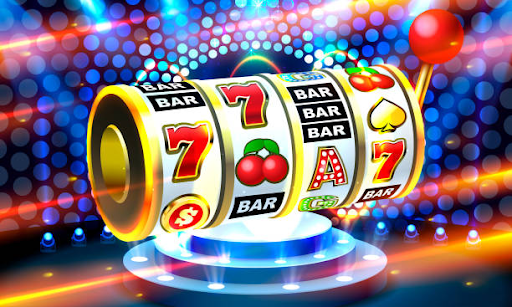
Reel mechanics usually follow a simple pattern. The reels begin moving, symbols appear, and the final arrangement becomes clear. Animation builds around these actions and connects them with a theme, setting, and group of characters.
Giving Reel Movement A Clear Meaning
Reel movement is the central action in this type of game. Animation can connect that movement with the theme and mood of the screen. This makes each spin feel like a small scene rather than an isolated event.
Creating A Visual Beginning
A story becomes easier to follow when it has a clear starting point. The reels may begin moving after a character gives a signal, an object opens, or the background changes colour. This short action introduces the event naturally.
The opening animation also prepares the player for the main activity. A light may travel towards the reels, or a character may point at the symbols. These simple movements guide attention to the right place.
Building Rhythm Through Reel Timing
Each reel can start and stop at a slightly different moment. This timing creates a steady visual rhythm across the screen. It also allows the player to follow the symbol positions one reel at a time.
A slot game may use quicker movement during an active scene and gentler motion during a calm moment. This change in pace supports the mood of the visual story. The basic mechanic stays familiar while the presentation gains more personality.
Turning Symbols Into Story Elements
Symbols can represent characters, objects, places, or actions connected to the main theme. Animation allows these images to do more than remain still. Their movement can communicate meaning and support the story.
Giving Symbols Their Own Actions
A symbol may bounce, glow, rotate, or open after the reels stop. Each action can reflect what the image represents. A musical symbol may move with a tune, while a flower may open gently.
These small movements give symbols a clear role. They also help important combinations stand out. The player can understand the result by watching how the symbols react.
Connecting Symbols
Several symbols can take part in one animation sequence. They may light up in order, move towards a central point, or create a shared visual effect. This turns a matching pattern into a short scene.
Connected movement makes the relationship between the symbols easy to see. It also creates a sense of progress from the first action to the final result. Every symbol contributes to the full visual moment.
Using Characters To Guide The Story
Animated characters can act as friendly visual guides. They react to real events, introduce new scenes, and direct attention towards important features. Their expressions make the story easier to understand.
Showing Emotion Through Facial Expressions
A character can communicate happiness, surprise, curiosity, or excitement through the face. Eye movement, smiles, and raised eyebrows can express a feeling within seconds. These reactions add warmth to the screen.
Facial expressions can also match the movement of the symbols. A character may smile when a pattern appears or look towards an active feature. This creates a direct connection between the figure and the reels.
Supporting Events With Body Movement
Hand gestures and body movement can explain what is happening. A character may wave towards a new scene, point to a symbol, or move an object. These actions guide the player without requiring long text.
The timing of each gesture helps the story remain clear. The character reacts after an event begins and completes the movement before the next action. This creates a simple and organised sequence.
Building A Setting Through Background Animation
The background provides a place for the visual story. Moving elements can make that setting feel active and connected to the main theme. Gentle background motion supports the reels while keeping them at the centre of attention.
Adding Natural Environmental Movement
Clouds may drift, lights may shine, water may flow, or leaves may move gently. These actions give the setting a natural sense of life. They also create a suitable mood for the scene.
The speed of background movement can reflect the current event. Calm scenes may use slow motion, while cheerful moments may use quicker light effects. This helps the setting respond to the activity on the reels.
Changing The Setting Between Features
Animation can move the game from one setting to another. A door may open, the camera may move forward, or the background may fade into a fresh scene. This gives the transition a clear visual reason.
A character or symbol can also take part in the change. The figure may activate an object that reveals the next setting. This connects the transition with the ongoing story.
Connecting Simple Mechanics With Visual Events
Basic game mechanics become easier to understand when animation gives them a visible form. A change in symbols, a fresh reel layout, or a special sequence can appear as part of the story. The player can follow the event through movement.
Presenting Symbol Changes
A symbol can transform through a smooth animation. It may glow, grow, turn, and reveal another image. The gradual movement clearly shows that a change has taken place.
This transformation can relate directly to the theme. A closed flower may open, a covered object may reveal its contents, or a small character may change its expression. The mechanic then feels naturally connected to the visual idea.
Showing Progress Through Motion
Animation can communicate progress through movement across the screen. A light may travel along a path, a character may move towards a destination, or an object may gradually fill with colour. Each step shows that the activity is moving forward.
These visual signals are simple to understand. They let the player see progress instead of reading a long explanation. The complete sequence also supports the flow of the story.
Combining Sound With Animated Storytelling
Sound adds emotion and rhythm to visual movement. Music, reel sounds, and short audio cues can support each stage of an animated event. Accurate timing brings sight and hearing together.
Matching Sound With Character Actions
A character’s movement may have a matching sound. Footsteps can follow walking, a short tune can accompany a dance, and a cheerful voice can support a smile. These details make the action feel complete.
Sound can also communicate the character’s mood. A light tone may suit a friendly gesture, while an energetic rhythm may support an active scene. The audio becomes part of the character’s personality.
Creating Rhythm Around Reel Events
Reel movement can follow a clear sound pattern. The audio may begin softly, develop during the spin, and settle as the reels stop. This gives the event a natural beginning, middle, and ending.
Symbol animations can have their own short cues. A glow may appear with a chime, or a transformation may include a rising sound. These links make each visual action easier to recognise.
Adapting Visual Stories For Different Screens
Digital games can appear on phones, tablets, laptops, and larger displays. Animation must remain clear and readable on each screen. The story can stay consistent while the size and detail of the movement adjust.
Keeping Mobile Animation Clear
Smaller screens benefit from direct and focused action. Characters can use clear expressions, while symbols can move within a compact area. Bright shapes and simple movement help each event remain visible.
The main story can still develop through short scenes. A character reaction or quick background change can communicate a complete idea. This keeps the experience comfortable on a portable device.
Expanding Scenes On Larger Displays
Larger displays allow more room for environmental detail and wider character movement. Several background layers can create depth. Characters can also interact with objects placed around the reels.
The central action remains clear through careful positioning. Supporting movement stays connected to the main event. This creates a rich visual scene with an organised structure.
Conclusion
Animation gives simple reel mechanics a beginning, middle, and ending. Symbols become active story elements, characters communicate emotion, and backgrounds provide a clear setting for every event.
Movement, sound, colour, and timing help each action connect with the next. Together, these elements transform familiar mechanics into expressive visual stories that feel lively, clear, and enjoyable.
HOW DO YOU FEEL ABOUT FASHION?
COMMENT OR TAKE OUR PAGE READER SURVEY
Featured





For many people, the end of the workday does not always mean the beginning of recovery.