
Challenge The Fabric 2026 Brings Fashion’s Sustainability Leaders To Paris To Reimagine The Future Of Textiles
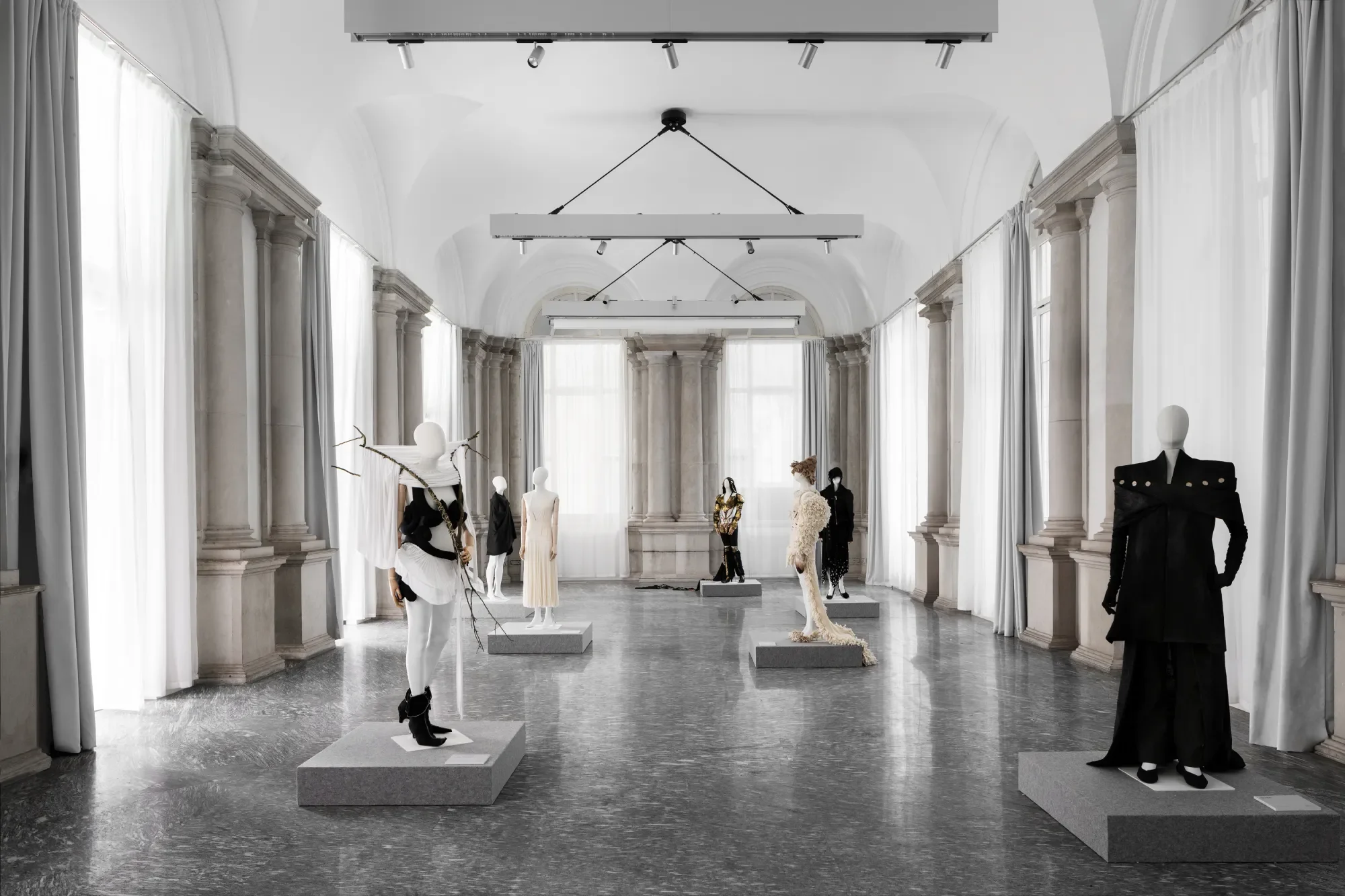
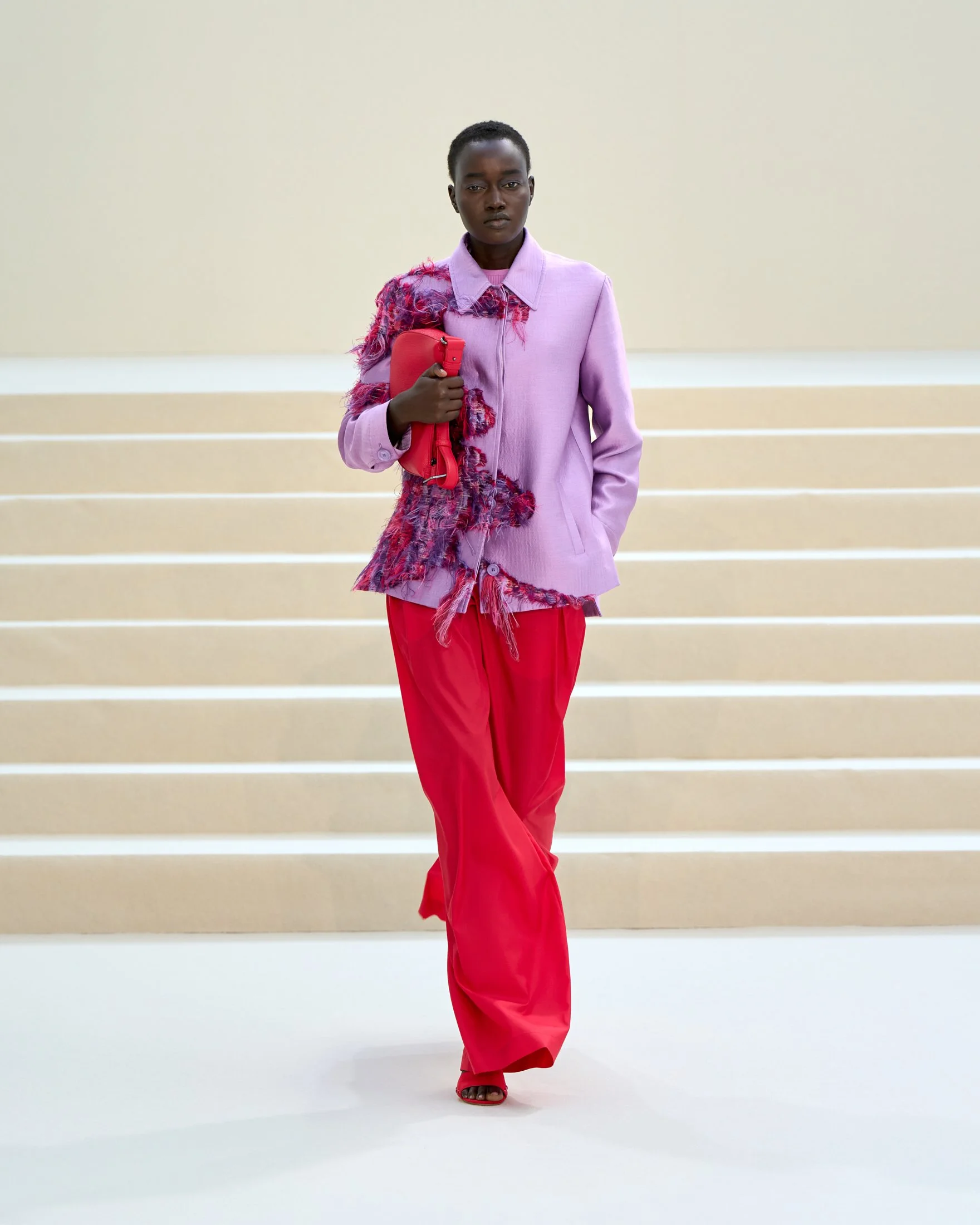
Swedish designer Petra Fagerström won the $10,000 CTF Award 2025; The Fabric Award, held at Milan’s Palazzo Giureconsulti, tasked seven emerging designers with creating one look each using 10 meters of sustainably sourced MMCF fabric. The competition showcased groundbreaking designs that reimagined MMCF—such as lyocell, viscose, and modal—as a renewable, low-carbon alternative to conventional synthetics. By emphasizing material innovation and responsible sourcing, the event demonstrated how next-generation designers are shaping the future of sustainable fashion.
t-space studio
By PAGE Editor
As the fashion industry faces mounting pressure to reconcile innovation with accountability, Challenge the Fabric 2026 arrives in Paris with a mandate that feels less aspirational and more urgent. Scheduled for May 26–27 at Les Salons Hoche, the cross-industry initiative has evolved into one of the sector’s most consequential forums for examining the future of man-made cellulosic fibers (MMCFs), circular systems, and the increasingly complex intersection of sustainability, material science, and global manufacturing.
What distinguishes Challenge the Fabric is its insistence on convening every layer of the ecosystem in one room. From raw material innovators and chemical recyclers to luxury conglomerates, mass-market retailers, NGOs, and policymakers, the platform positions collaboration not as branding language, but as infrastructure. In an era where fashion’s sustainability narrative is often fragmented between ambition and execution, CTF 2026 is attempting to close that gap through operational dialogue and measurable pathways forward.
This year’s agenda reflects an industry recalibrating in real time. Across keynote discussions and strategic panels, speakers will explore how fashion can transition from isolated sustainability initiatives toward interconnected systems capable of scaling responsibly. The conversations are expected to center on traceability, regenerative sourcing, next-generation fibers, investment frameworks, and circular material ecosystems — all while addressing the broader economic and geopolitical pressures reshaping supply chains.
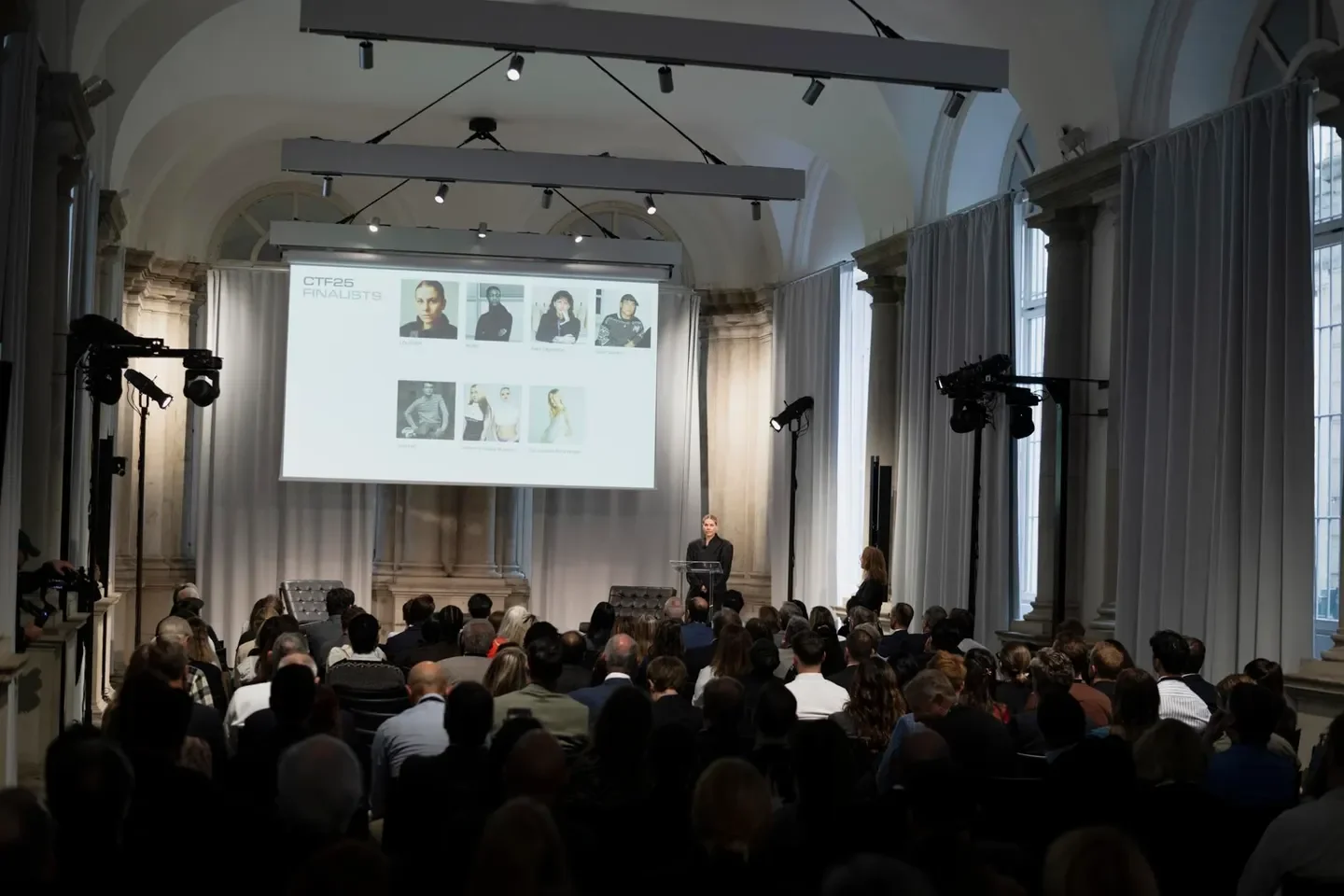
The fifth edition of The Challenge The Fabric Award, held at Milan’s Palazzo Giureconsulti, tasked seven emerging designers with creating one look each using 10 meters of sustainably sourced MMCF fabric.
CTF 2025
Among the most anticipated sessions is a closed-door strategic dialogue led by Dr. Achim Berg, examining how the fashion and textile industries may evolve over the next decade. Berg’s analysis is expected to focus on competitiveness, structural industry shifts, and the future dynamics of sourcing and manufacturing — subjects increasingly defining boardroom conversations across both luxury and commercial sectors.
The speaker lineup underscores the event’s growing influence. Voices from organizations spanning LVMH, H&M, HUGO BOSS, and Vogue Business will join innovators and sustainability leaders working at the forefront of material transformation. Executives such as Alexandre Capelli, Jörgen Andersson, and Lucy Maguire represent a broader shift toward embedding sustainability into creative, operational, and editorial leadership simultaneously.
Equally notable is the presence of emerging material innovators including Spinnova, Circ, AeoniQ, and Vespene Recycling, reflecting the accelerating investment in scalable alternatives to conventional textile production. As brands increasingly seek commercially viable pathways toward decarbonization and circularity, these companies are becoming central to the next phase of industry transformation.
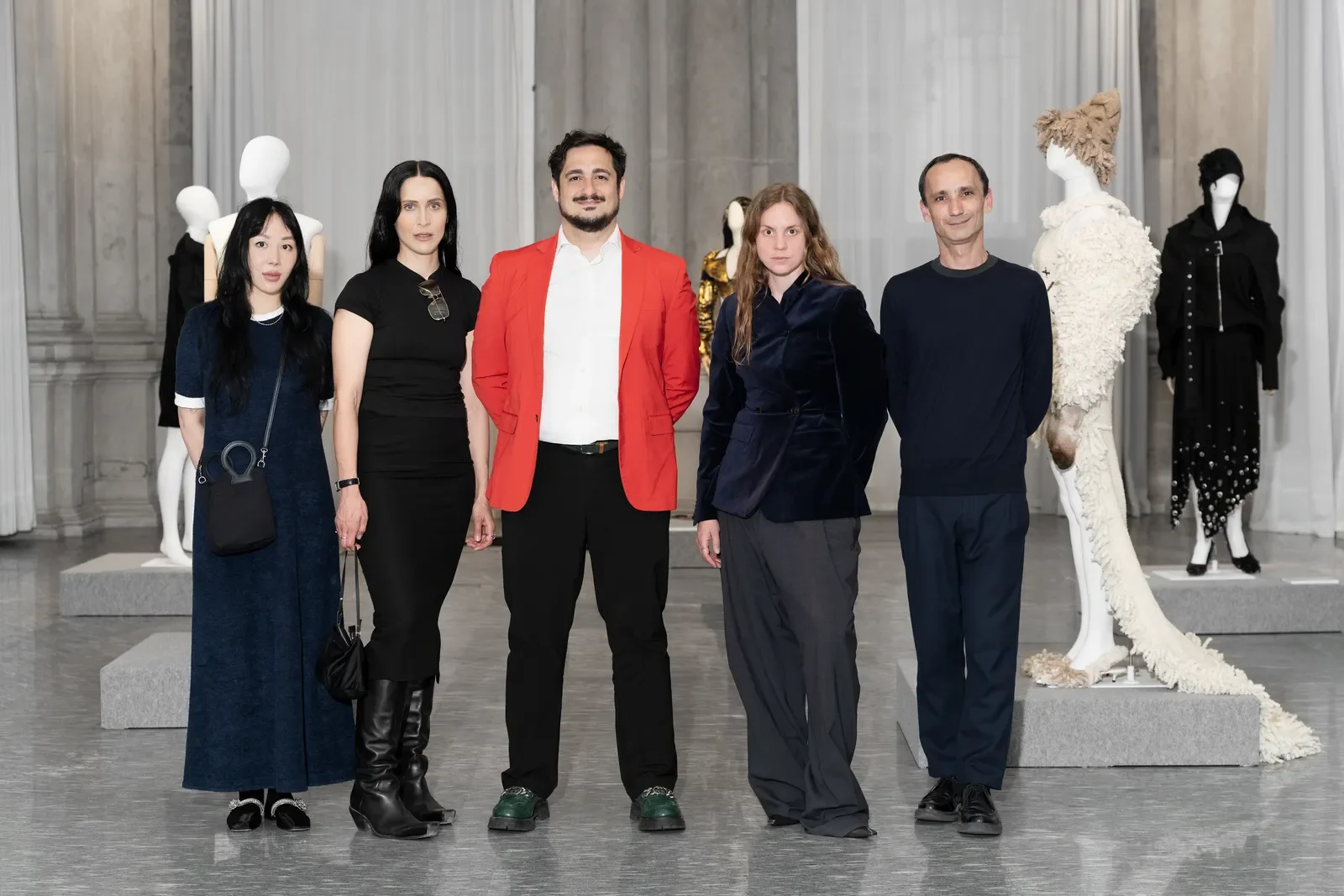
The fifth edition of The Challenge The Fabric Award, held at Milan’s Palazzo Giureconsulti, tasked seven emerging designers with creating one look each using 10 meters of sustainably sourced MMCF fabric. The Milan competition challenged seven young designers to create looks using sustainable wood-based fabrics. These man-made fibers, like lyocell and viscose, offer a greener alternative to synthetic materials. The event highlighted how new talent is pushing fashion toward more environmentally friendly solutions.
CTF 2025
The event also signals a growing convergence between environmental accountability and business competitiveness. Organizations including Textile Exchange, Forest Stewardship Council, ZDHC, and Canopy will participate in the MMCF Multi-Stakeholder Forum, a roundtable designed to align standards, transparency efforts, and collaborative workstreams across the value chain.
That collaborative emphasis may ultimately define the significance of CTF 2026. While fashion’s sustainability discourse has matured considerably over the past decade, the industry continues to confront a fundamental challenge: scaling innovation fast enough to meet environmental realities without compromising economic viability. Challenge the Fabric positions itself not as a showcase for isolated breakthroughs, but as a mechanism for industry-wide coordination.
In many ways, the event reflects a larger transition underway across fashion and textiles — one where material innovation is no longer peripheral to business strategy, but increasingly central to brand resilience, consumer trust, and long-term growth. The conversations taking place in Paris this May are likely to extend far beyond MMCFs alone. They represent a broader reckoning with how fashion intends to build its next chapter.
HOW DO YOU FEEL ABOUT FASHION?
COMMENT OR TAKE OUR PAGE READER SURVEY
Featured


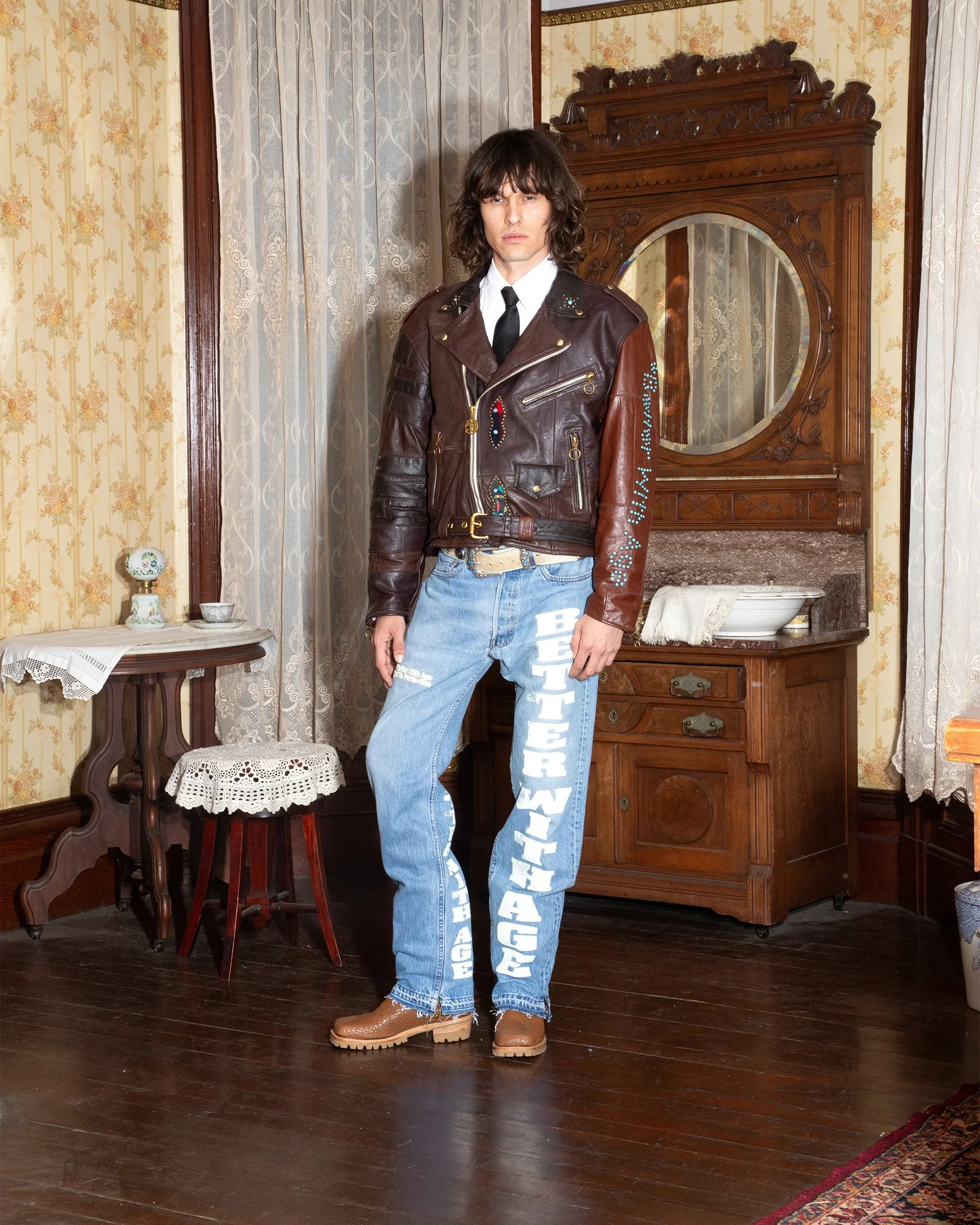
Telfar's SS2027 collection transforms the sample sale into a runway, using inside-out tailoring, manipulated materials, New York street references and a Brooklyn-to-Paris spectacle to question who gets to define fashion—and where it actually happens.