
Choosing Between a Round, Oval and Cushion Cut Sapphire
PAGE
By PAGE Editor
You have found the colour you love. Now comes another decision: what shape should your sapphire be?
Round, oval and cushion sapphires can each make a beautiful centre stone. Yet the shape changes how a sapphire feels in a piece of jewellery. A round stone has a balanced outline, an oval brings length, and a cushion combines straight sides with softened corners.
There is no shape that suits everyone—or one shape that always produces the most beautiful sapphire. This guide will help you picture each option and know what to check when comparing individual stones.
First, shape and cut are slightly different
People often say “oval cut” or “cushion cut” to describe a gemstone’s outline. Strictly speaking, shape is the outline you see from above, while cutting style describes the arrangement of polished surfaces, called facets.
Two oval blue sapphires may therefore have the same basic shape but reflect light differently. They can also vary in length, width, depth and colour. The rough crystal influences the finished shape, and a cutter makes choices to bring out its colour and appearance.
Choose the outline that appeals to you, then assess the actual sapphire rather than assuming every stone of that shape will look alike.
Round sapphires: balanced and easy to picture
A round sapphire has a familiar, symmetrical outline. It looks centred in a simple solitaire ring and pairs naturally with many side-stone arrangements. If you want a design that feels neat and balanced from every angle, round is a lovely place to start.
A round centre stone can also work well in a pendant or a pair of earrings. Its appeal is straightforward: the shape does not seem to favour one direction, so your attention goes quickly to the sapphire’s colour.
Because the outline is regular, take a moment to check that the stone looks properly centred. View it from above and watch it turn. Does its colour remain appealing? Is there lively movement across the facets? Does any pale area in the middle look see-through?
Do not expect every round sapphire to sparkle in the same way. Facet patterns and proportions can vary, and colour is an essential part of a sapphire’s beauty. GIA notes that cut has a major influence on a sapphire’s appearance.
Consider a round sapphire if: you love symmetry, want a classic centre stone, or are choosing a design where the sapphire’s colour should take the lead.
Oval sapphires: graceful and elongated
An oval sapphire has the softness of a round outline with added length. In a ring, that length can create an elegant line along the finger. Ovals also suit pendants, where the stone can hang vertically and show off its shape.
The important choice is which kind of oval you like. Some are short and full, almost approaching a rounded cushion. Others are noticeably long and slender. Two sellers can list “oval sapphire,” yet show you stones with very different personalities.
Compare the measurements in millimetres, especially length and width. Then look at a face-up photograph at a realistic scale. Numbers help, but your eye will tell you whether the proportions feel right.
Check the outline from both ends. Do they look pleasingly balanced? As the stone turns, notice whether a dark band across the middle stays prominent or changes with the light. An area of shadow can be part of a gem’s normal play of light; what matters is whether you enjoy the whole stone in motion.
Consider an oval sapphire if: you like a softer shape with visible length, want a graceful ring or pendant, or enjoy choosing between fuller and slimmer proportions.
Cushion sapphires: soft corners and a strong presence
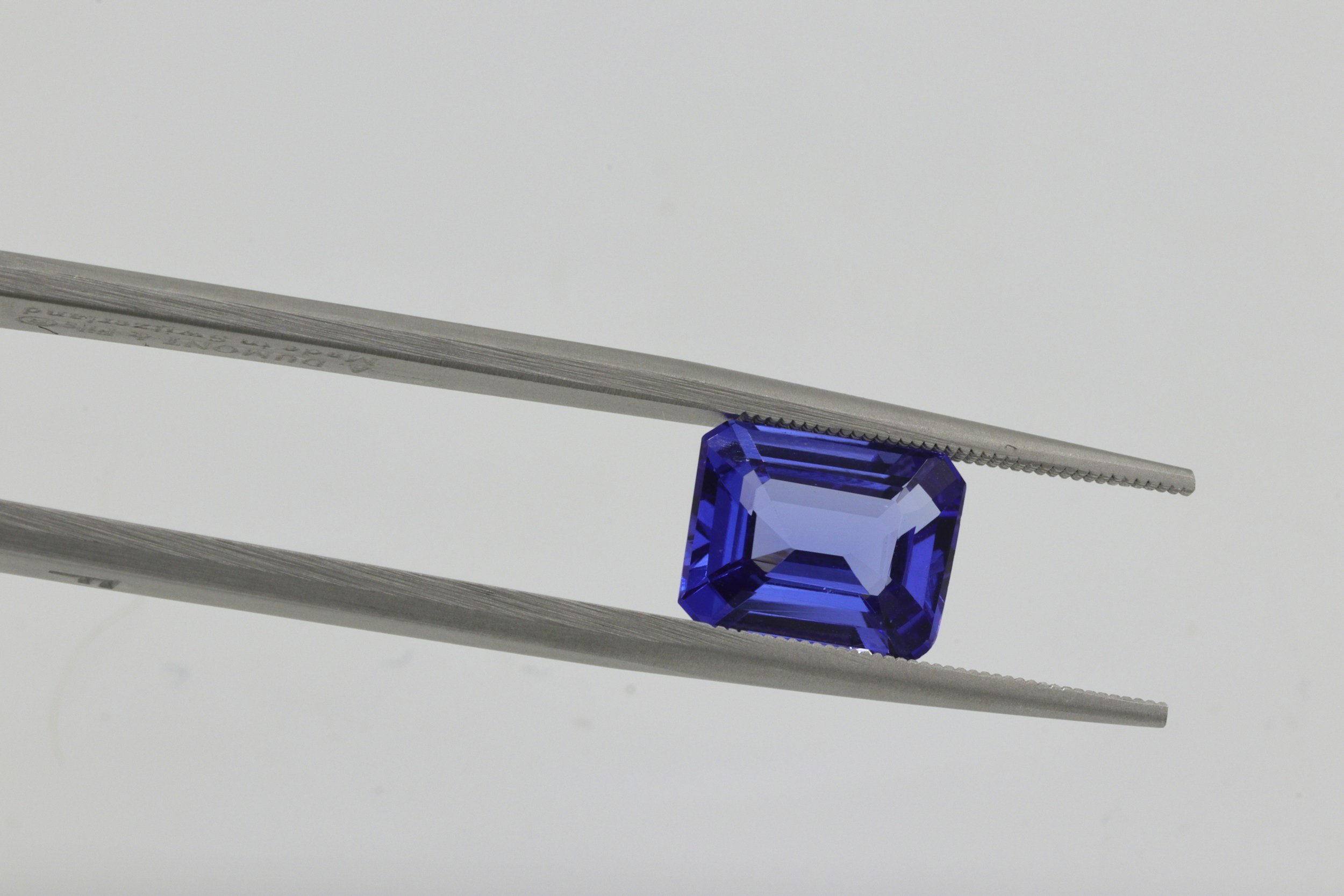
A cushion sapphire usually has a square or rectangular outline with rounded corners. That combination can feel both substantial and gentle. Some cushions are nearly square and compact; others are elongated and closer to a softened rectangle.
Cushions can look especially appealing in designs with a vintage mood, but they are just as at home in a clean, modern setting. A simple band lets the stone’s outline stand out. A halo or detailed setting can make the softened corners feel more romantic.
Pay close attention to proportions when comparing cushions. A broad, square cushion and a slim rectangular cushion will look quite different on the hand, even if they share the same carat weight. Also watch how the colour appears through the centre and towards the corners. Does the sapphire feel lively throughout, or do some areas remain dark as it moves?
Oval and cushion shapes are common choices for faceted sapphires, but their exact proportions and facet arrangements vary from stone to stone.
Consider a cushion sapphire if: you are drawn to softened corners, want a stone with a gentle but noticeable outline, or are planning a design with a classic or romantic feel.
Does one shape look bigger?
Carat weight tells you how much a sapphire weighs. It does not tell you exactly how large its top surface will appear. Depth, proportions and the distribution of weight can make two stones of equal carat weight look different when viewed from above.
An elongated oval may create an impression of length, while a broad cushion may feel fuller. A round stone may look more compact but beautifully balanced. None of these impressions can be judged reliably from carat weight alone.
When comparing options, use the listed length × width × depth measurements and ask for an image on a hand or beside a ruler. GIA notes that a gemstone’s cut and proportions can affect its face-up appearance and how much weight sits below the visible outline.
Let the jewellery design help you decide
If the sapphire is for a ring, think about the setting before you settle on a shape. Would you like the stone to run along your finger or sit in a compact centre? Do you want a simple solitaire, side stones, or a more detailed setting?
For a pendant, consider whether you prefer the quiet balance of a round sapphire, the vertical line of an oval, or the soft structure of a cushion. If the piece is being made for someone else, look at the jewellery they already wear. Their favourite shapes may tell you more than a trend ever could.
Share the exact sapphire measurements with your jeweller. A setting should be designed for the individual stone, especially when an oval or cushion has distinctive proportions.
Choose the sapphire, not just the label
Once you have a favourite shape, compare real stones in that shape. Ask for a short video of each one turning in ordinary light. Look at colour, brightness, proportions and how the stone makes you feel at a realistic size.
You may begin your search convinced that you want an oval and unexpectedly fall for a cushion. That is part of the pleasure of choosing a natural sapphire. The shape gives you a direction; the individual stone gives you a reason to say yes.
HOW DO YOU FEEL ABOUT FASHION?
COMMENT OR TAKE OUR PAGE READER SURVEY
Featured
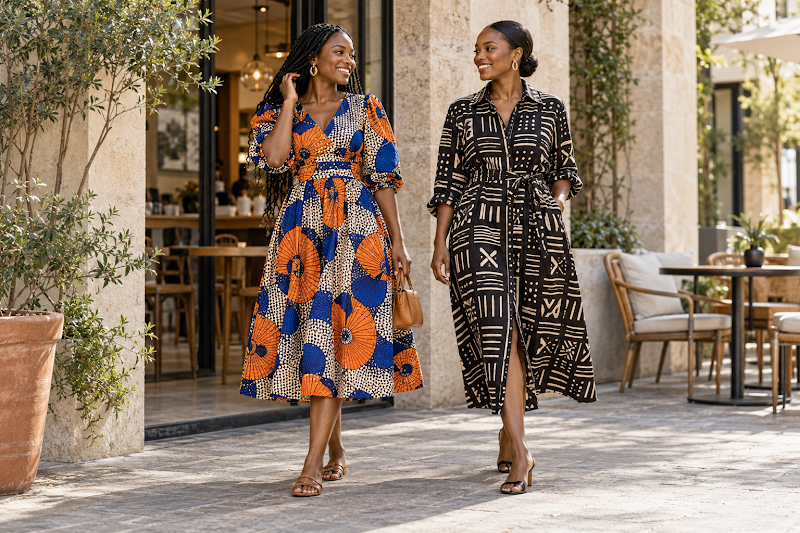

Flyknit and leather sit at opposite ends of the handbag world, and buyers get pushed into picking a side too early. One sounds modern and light. The other sounds premium and safe.