
CIFF 67 Is Reimagining the Fashion Trade Fair as a Continuous Global Ecosystem

By PAGE Editor
In fashion, relevance is no longer seasonal. The old model of operating within rigid market weeks and transactional trade fair calendars is dissolving under the weight of a faster, more fragmented industry. Buyers no longer discover brands in singular moments. Consumers no longer engage with fashion twice a year. And increasingly, the platforms that survive are the ones capable of building culture, commerce, and connectivity simultaneously. That evolution is precisely what Copenhagen International Fashion Fair is attempting to define with CIFF 67.
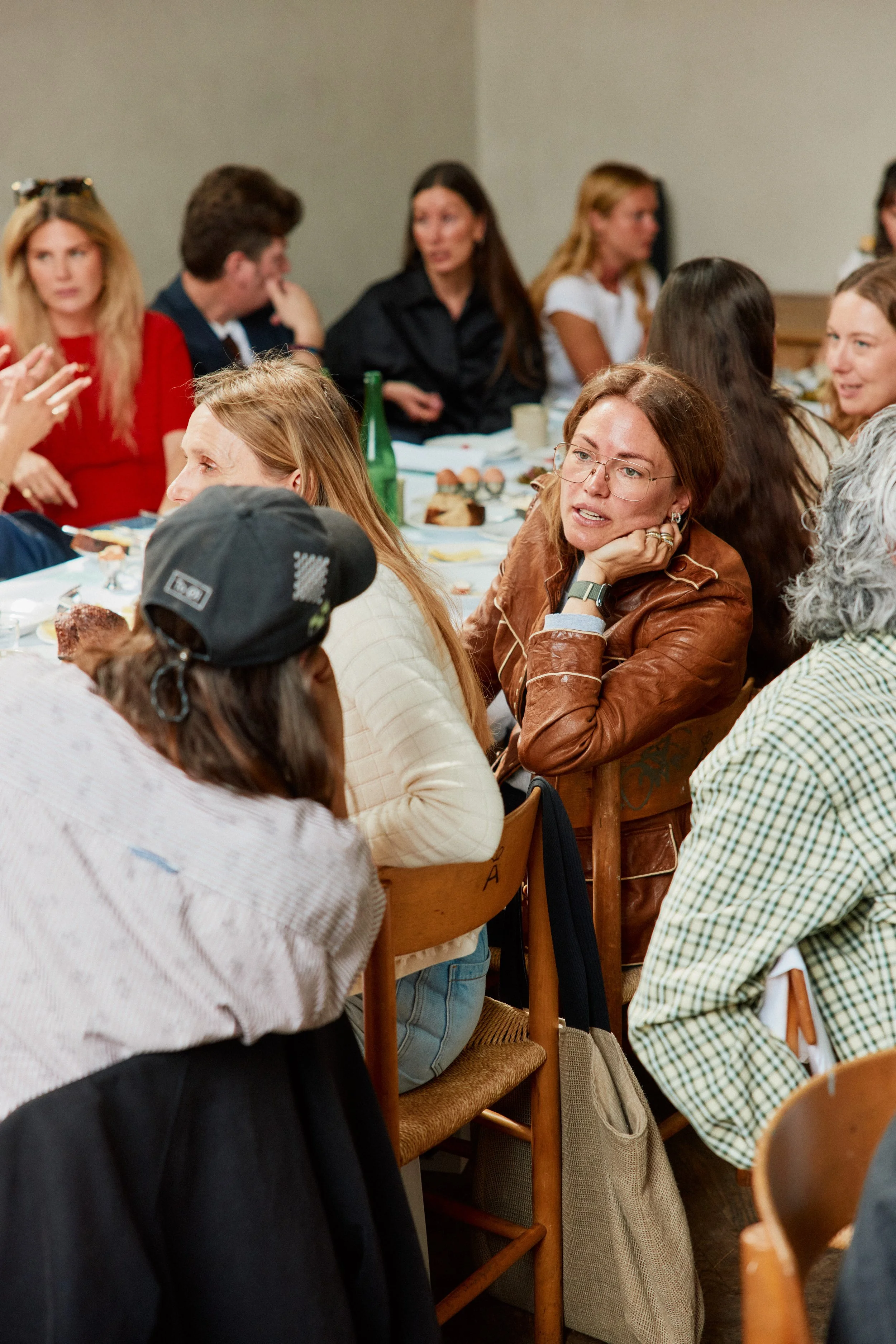
Scheduled to take place from August 3–5 in Copenhagen, the upcoming edition signals more than another Scandinavian trade show. It marks a structural repositioning of CIFF itself—from a conventional wholesale gathering into a year-round international platform designed to support the fashion industry beyond the confines of a single city or seasonal activation.
“CIFF is no longer just a moment in time. It’s a platform built to support the industry continuously—across cities, markets, and formats. Our role is to create meaningful connections and opportunities where they matter most,” says Sofie Dolva, Director of CIFF.
The statement reflects a broader shift occurring across fashion’s infrastructure. In an era where direct-to-consumer strategies, digital storytelling, and community-driven retail have become essential, trade fairs are being forced to reconsider their purpose. Transaction alone is no longer enough. The modern fashion ecosystem demands visibility, narrative, and sustained engagement.
CIFF 67’s brand roster illustrates that balance between commerce and cultural relevance. Established Scandinavian and international names including 66°North, Oakley, Rains, Snow Peak, Eytys, Vans, and Merrell will join returning participants such as G-Star within a dedicated denim-focused presentation area. Meanwhile, contemporary labels like OpéraSPORT, CMMN SWDN, and Les Deux reinforce the fair’s increasingly nuanced approach to curation.
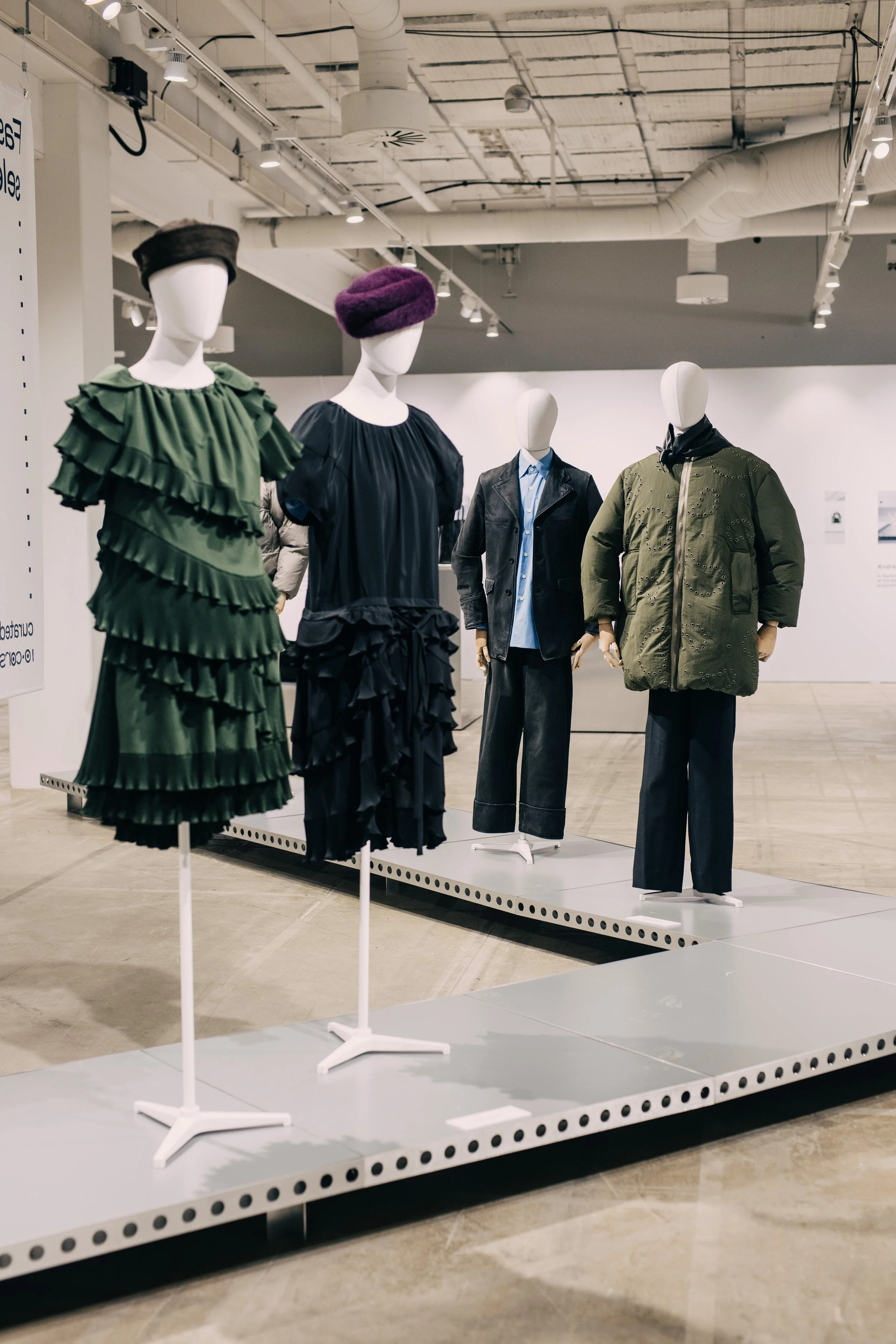
That distinction matters. Scandinavian fashion has spent the last decade refining a global identity rooted in utility, sustainability, and restrained sophistication. But what has made the region particularly influential is its ability to merge commercial pragmatism with cultural fluency. CIFF’s current direction appears intent on scaling that philosophy internationally.
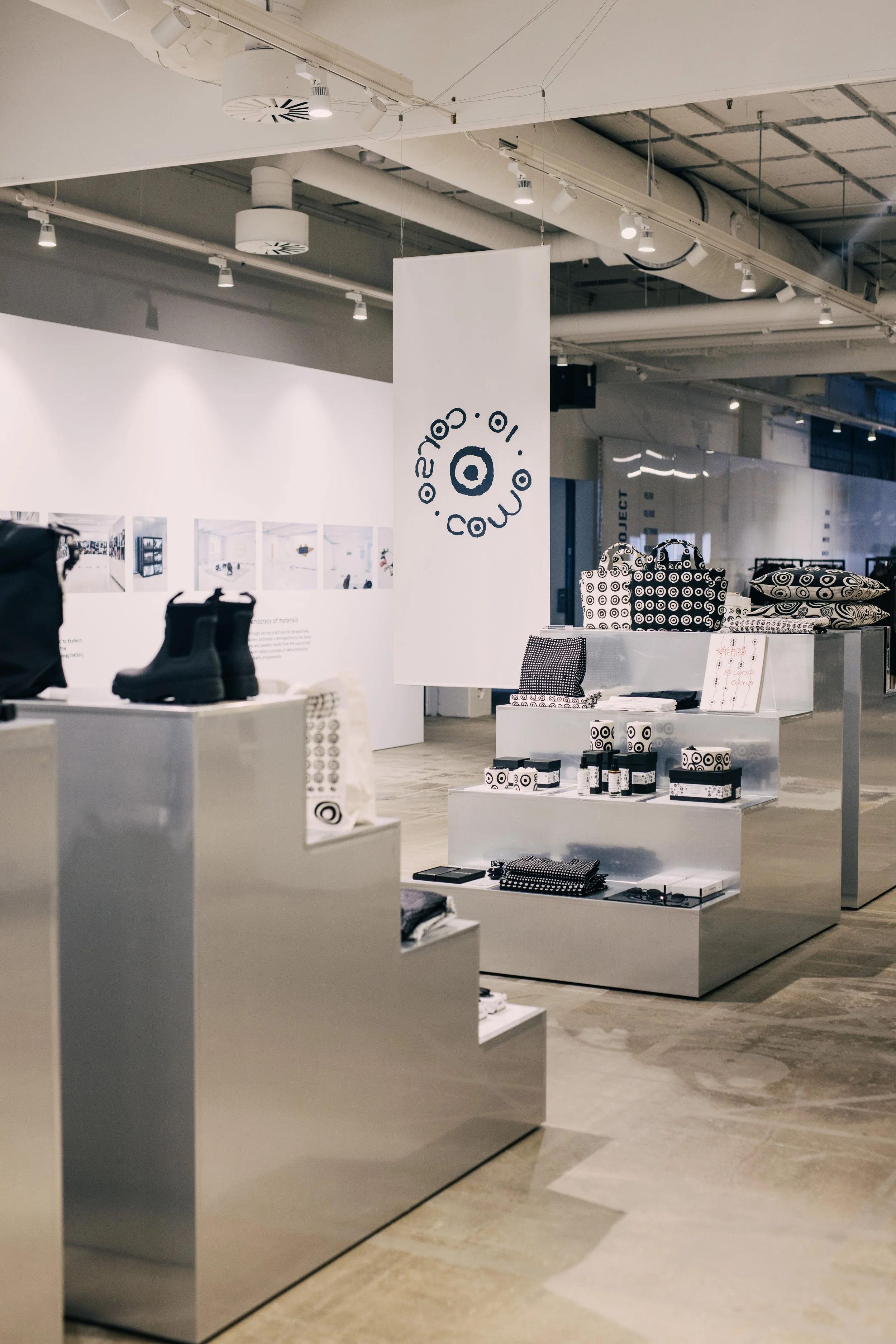
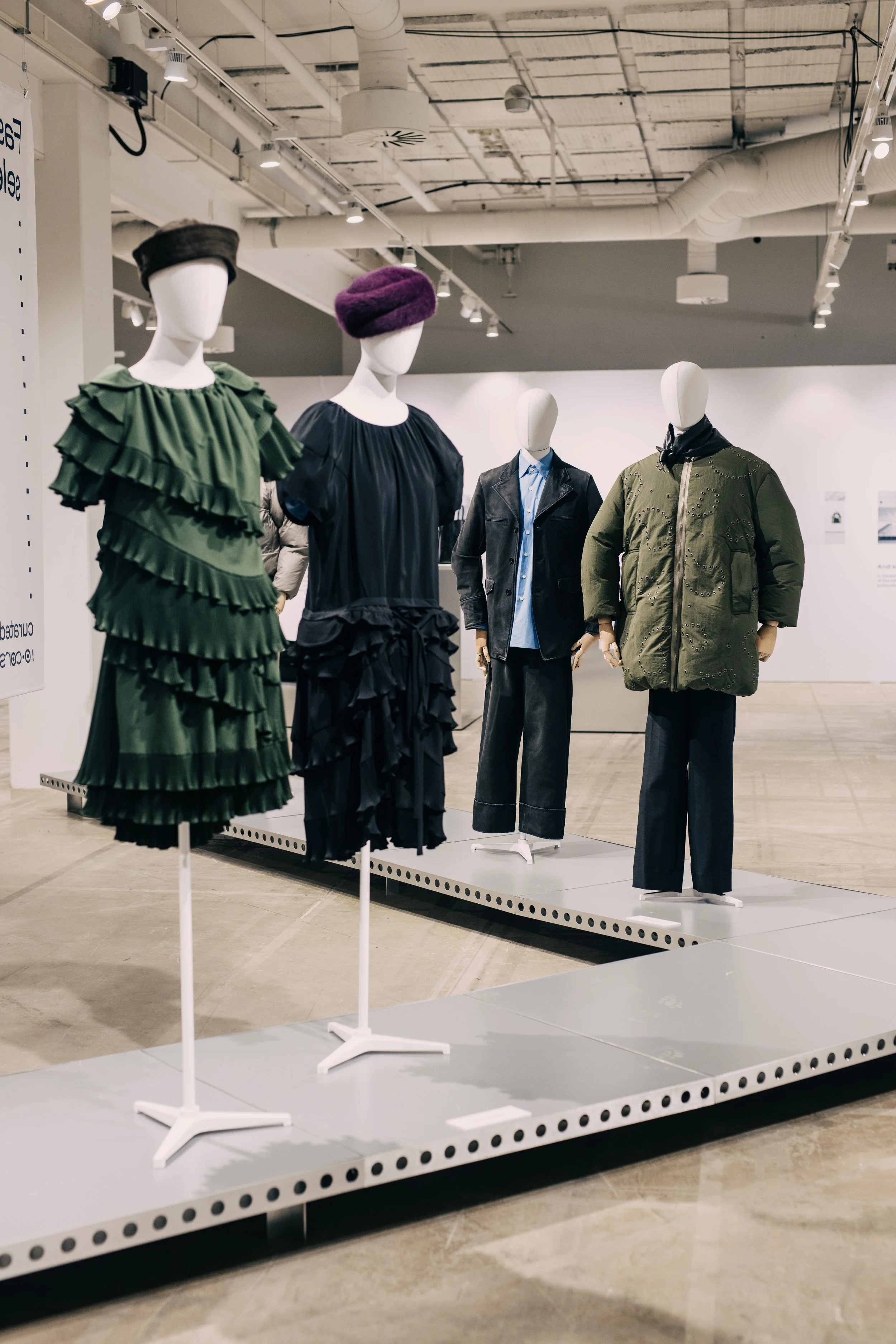
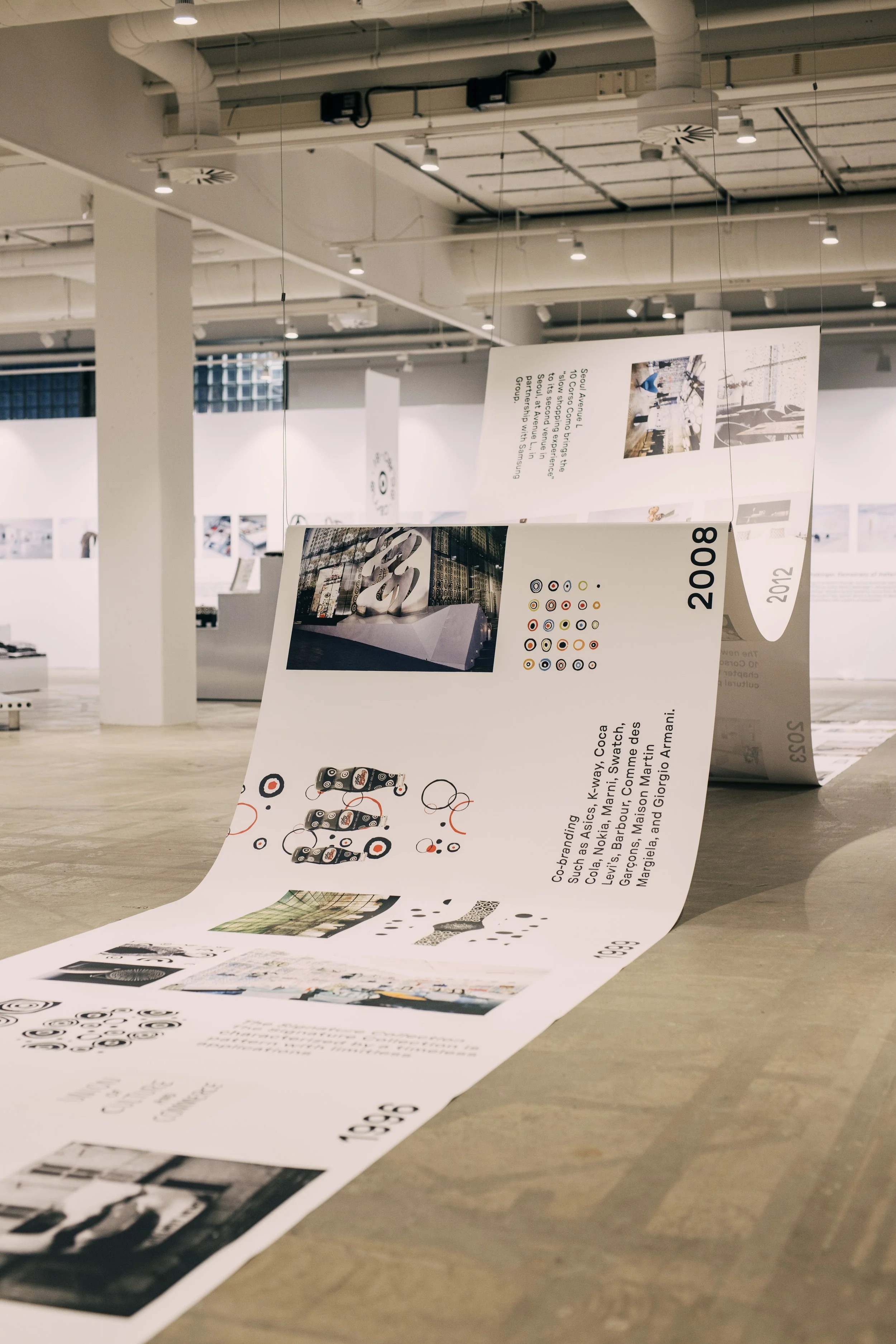
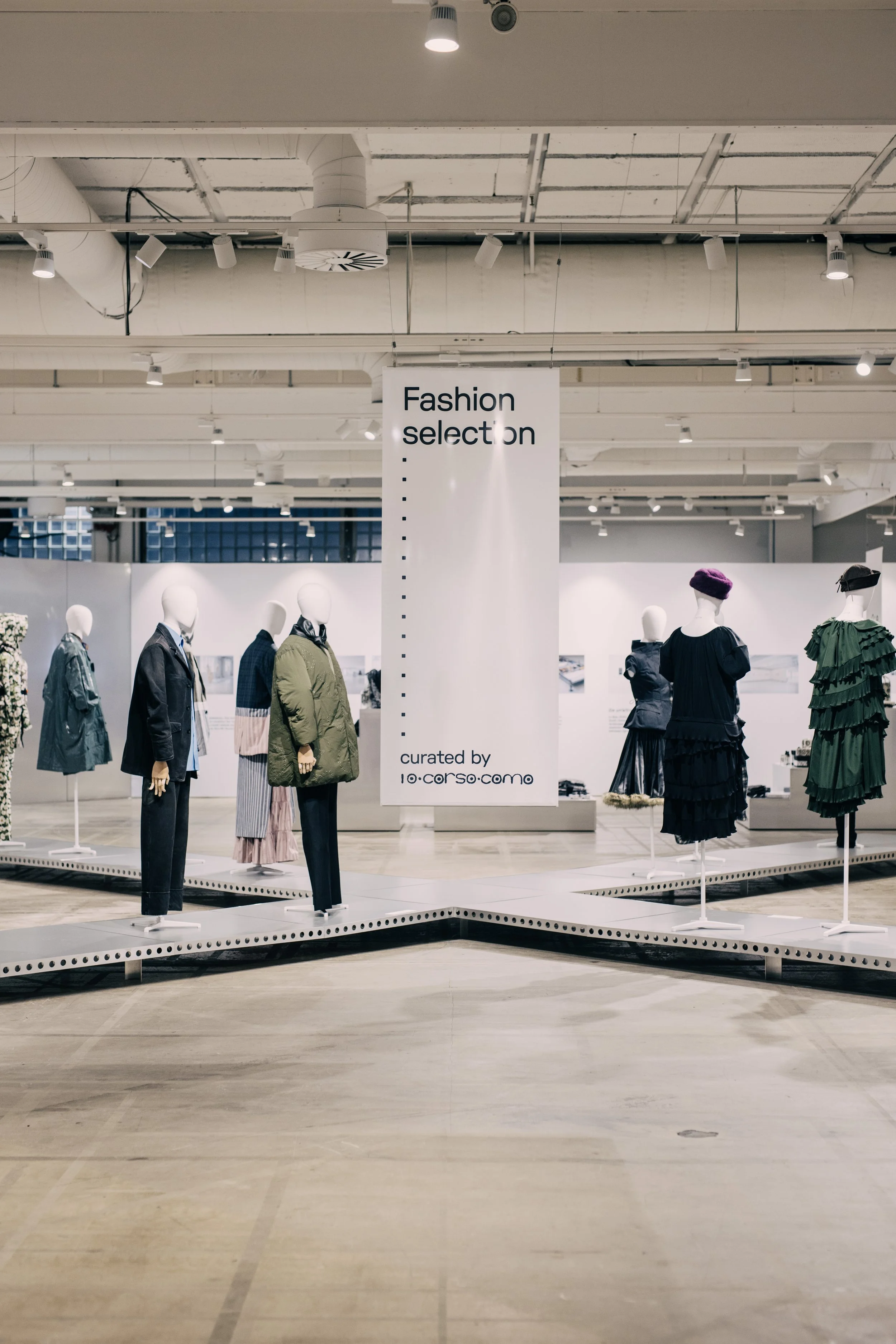
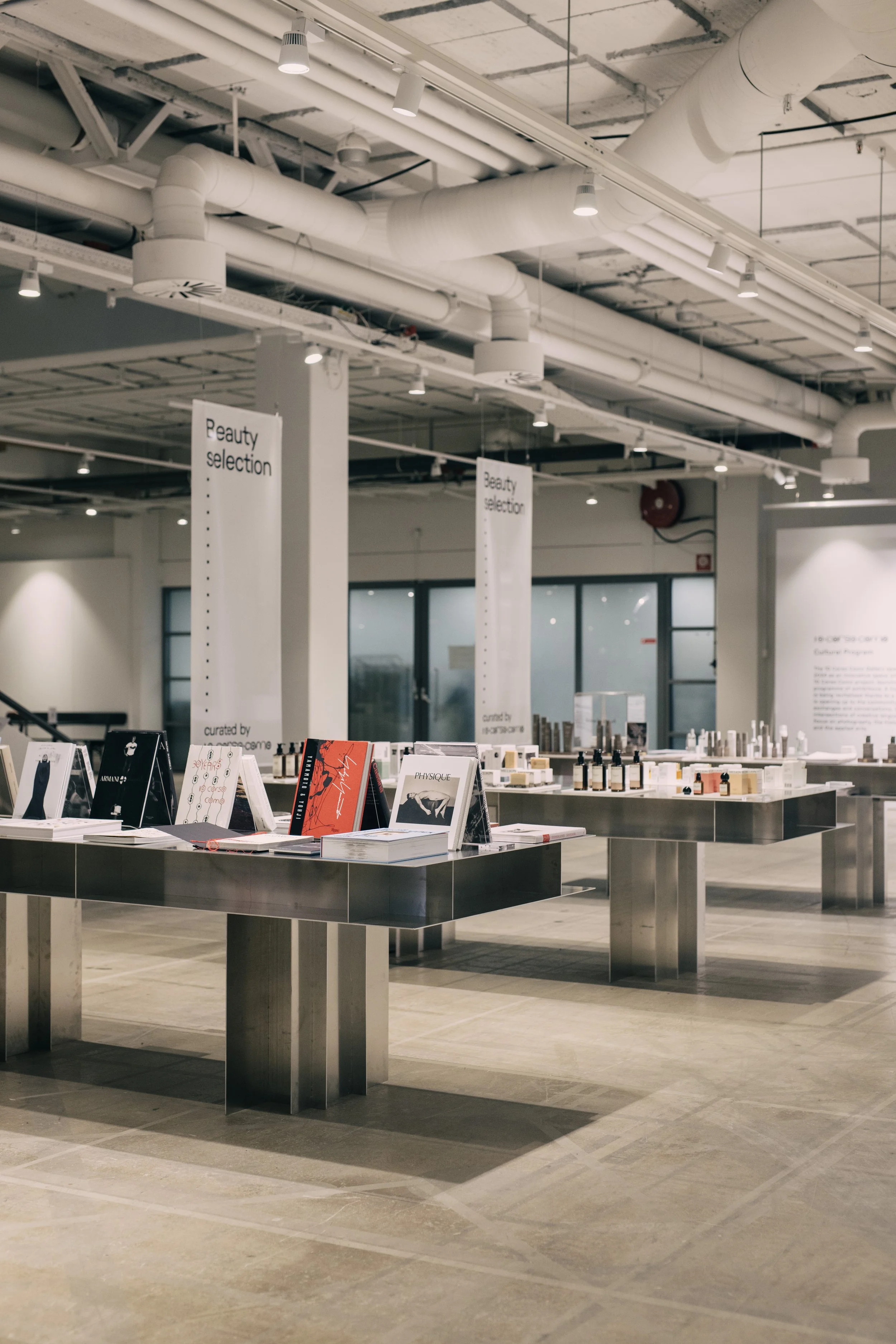
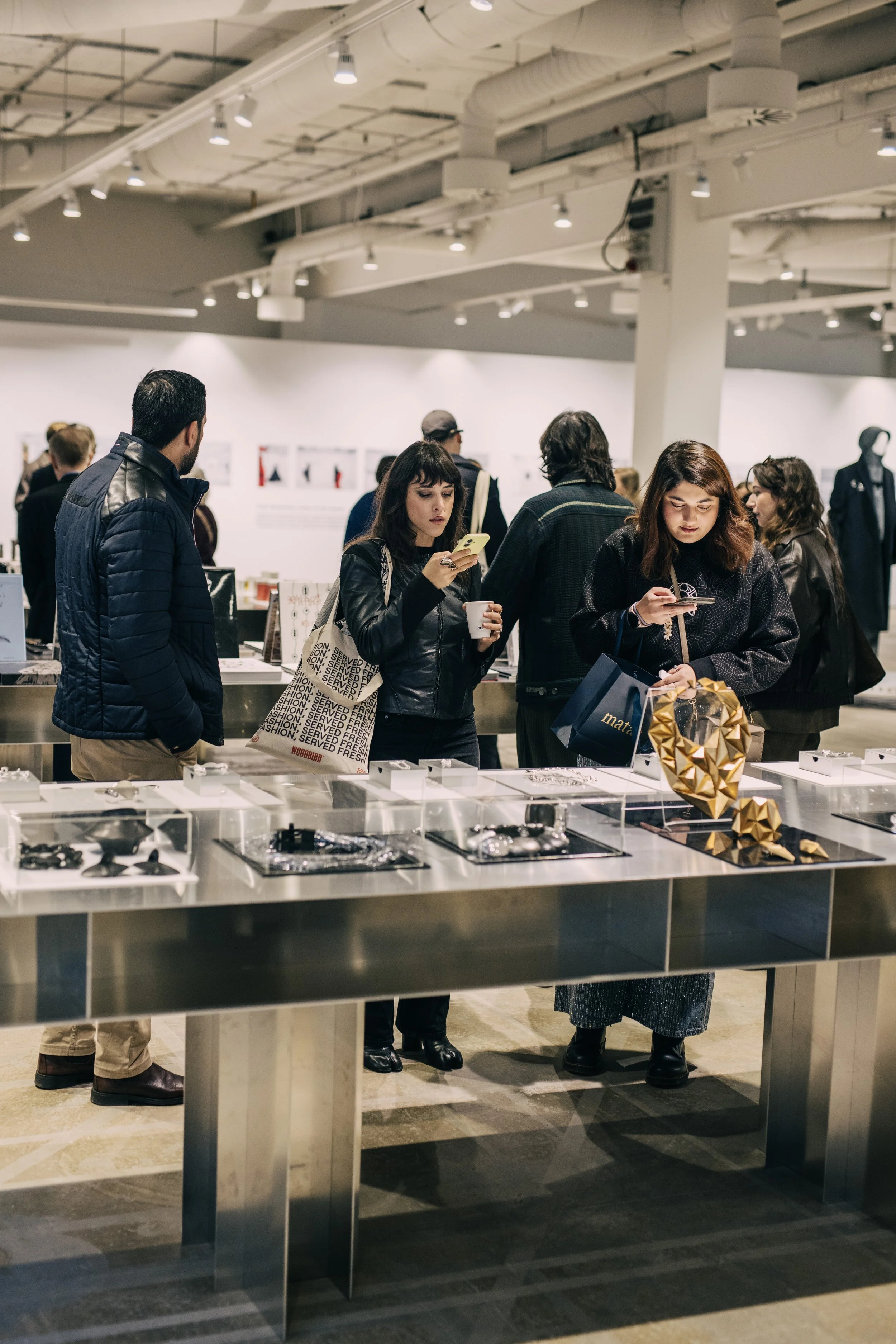
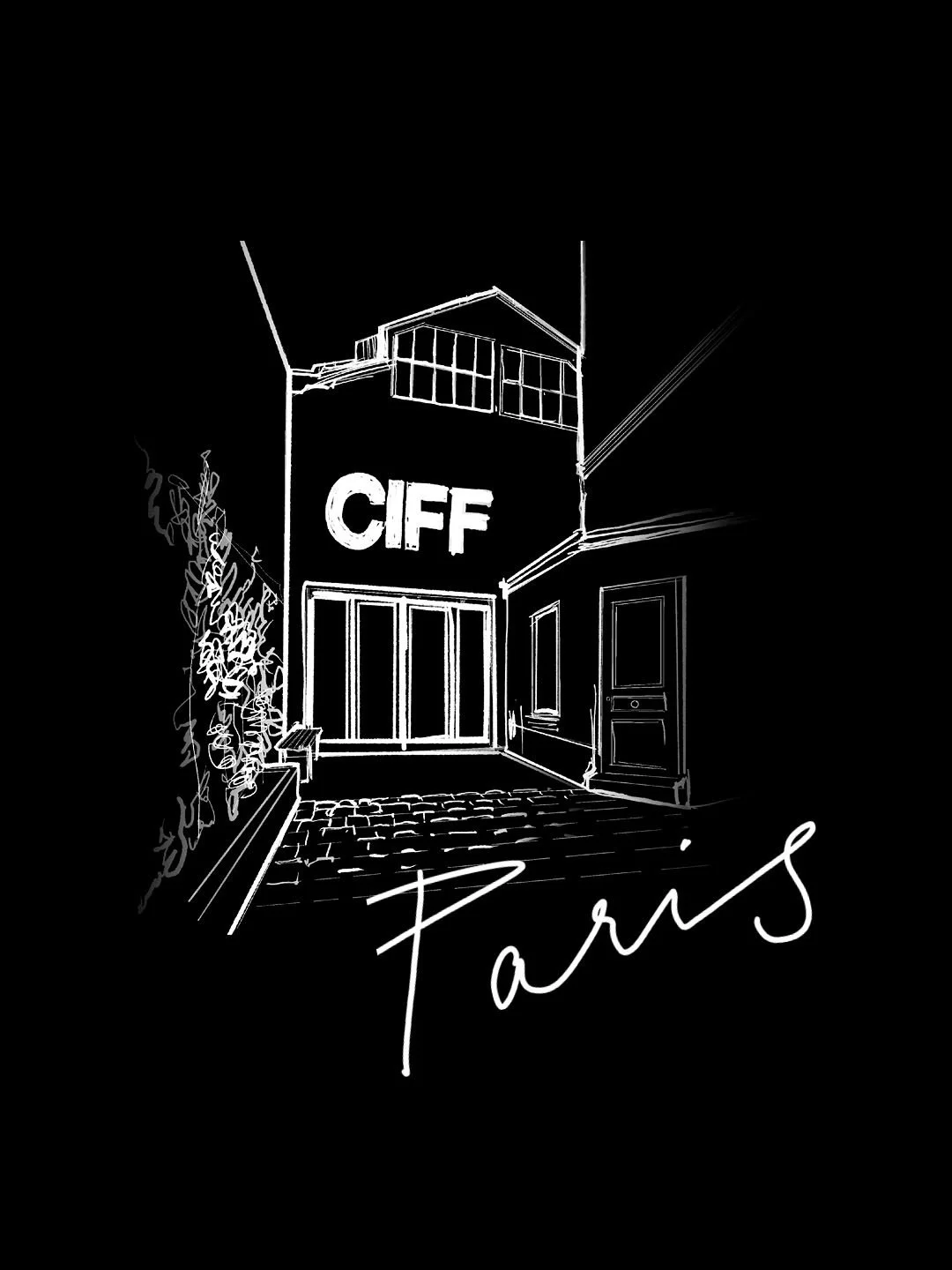
Rather than treating Copenhagen as the singular destination, the organization is now extending itself into the spaces where buyers and consumers already operate. Ahead of CIFF 67, the platform will activate a Paris showroom from June 23–28, while also launching “CIFF Nordic Signatures” in collaboration with 10 Corso Como in Milan from June 19–21. The latter blends retail, showroom presentation, and cultural programming in one of Europe’s most influential fashion and lifestyle environments.
Additional satellite activations across The Netherlands, Belgium, and Poland further emphasize the organization’s ambition to decentralize access while maintaining relevance within local markets. The strategy recognizes an increasingly important truth about fashion today: proximity matters. Not merely geographic proximity, but cultural proximity—meeting audiences, buyers, and brands within their own ecosystems rather than expecting them to orbit around traditional gatekeeping structures.
That approach arrives at a moment when many industry institutions are struggling to define their future. Buying cycles have shifted. Independent brands face mounting pressure to maintain visibility year-round. And consumers themselves have become more emotionally selective about where they invest attention. In response, the most successful fashion platforms are no longer functioning solely as marketplaces; they are becoming media entities, cultural curators, and community builders simultaneously.
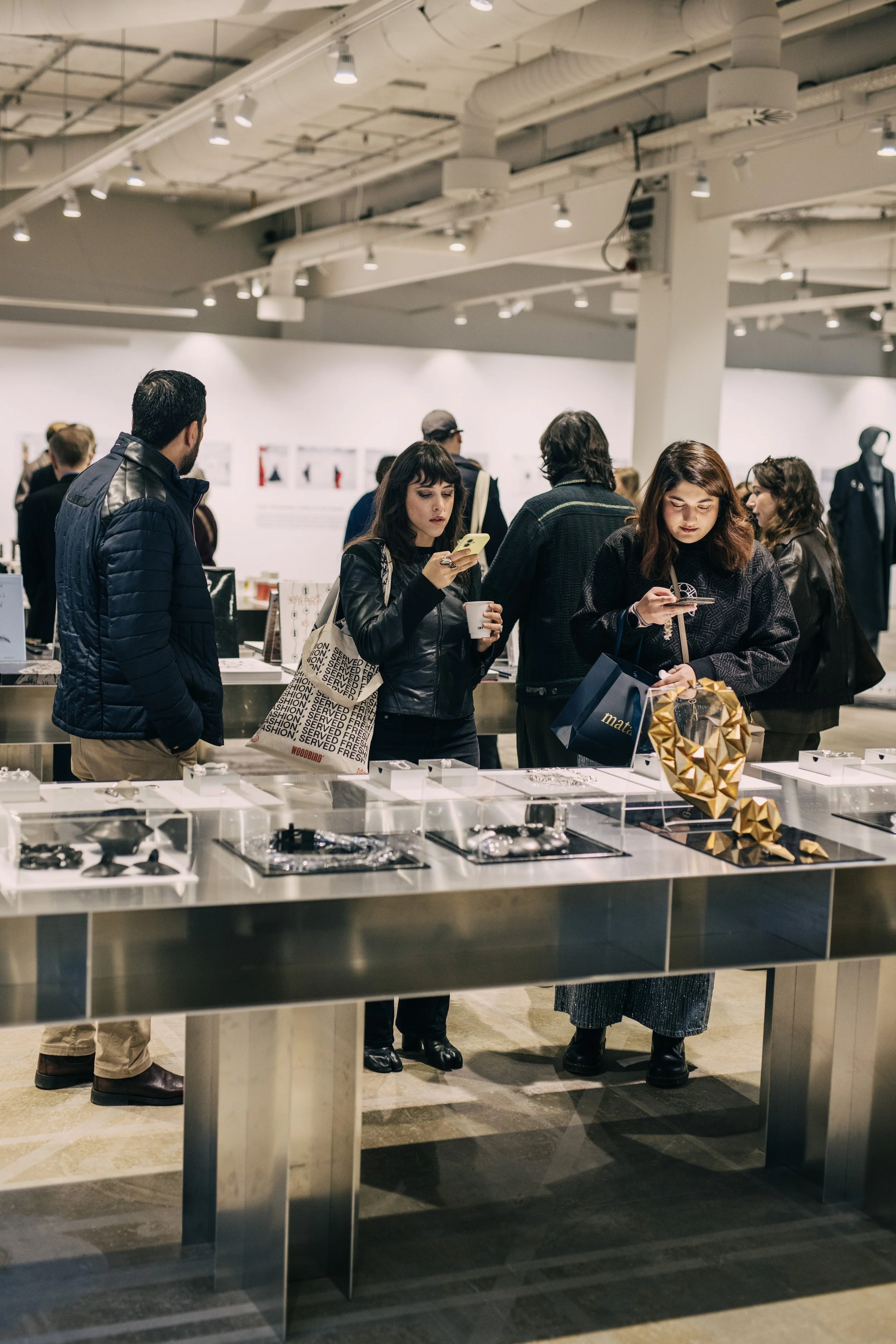
CIFF’s evolution suggests an understanding that modern fashion infrastructure must operate with the same fluidity as the audiences it serves. Visibility can no longer spike twice a year and disappear in between. Storytelling must be continuous. Connection must be sustained.
“The industry doesn’t operate twice a year anymore—and neither should we,” Dolva adds. “Our ambition is to build a platform that supports brands and buyers continuously, and helps them navigate a more complex and competitive landscape.”
For Copenhagen specifically, the expansion also reinforces the city’s growing position within global fashion dialogue. Once viewed primarily through the lens of Nordic minimalism, Copenhagen has increasingly become a center for progressive design thinking, sustainability discourse, and commercially viable creativity. CIFF’s transformation mirrors that evolution—less concerned with spectacle and more focused on infrastructure, longevity, and strategic cultural positioning.
As fashion continues to move away from rigid systems and toward fluid global networks, CIFF 67 may ultimately represent something larger than a trade fair refresh. It signals a recalibration of what industry platforms are expected to provide in an era where visibility, storytelling, and commerce are no longer separate functions, but interconnected necessities.

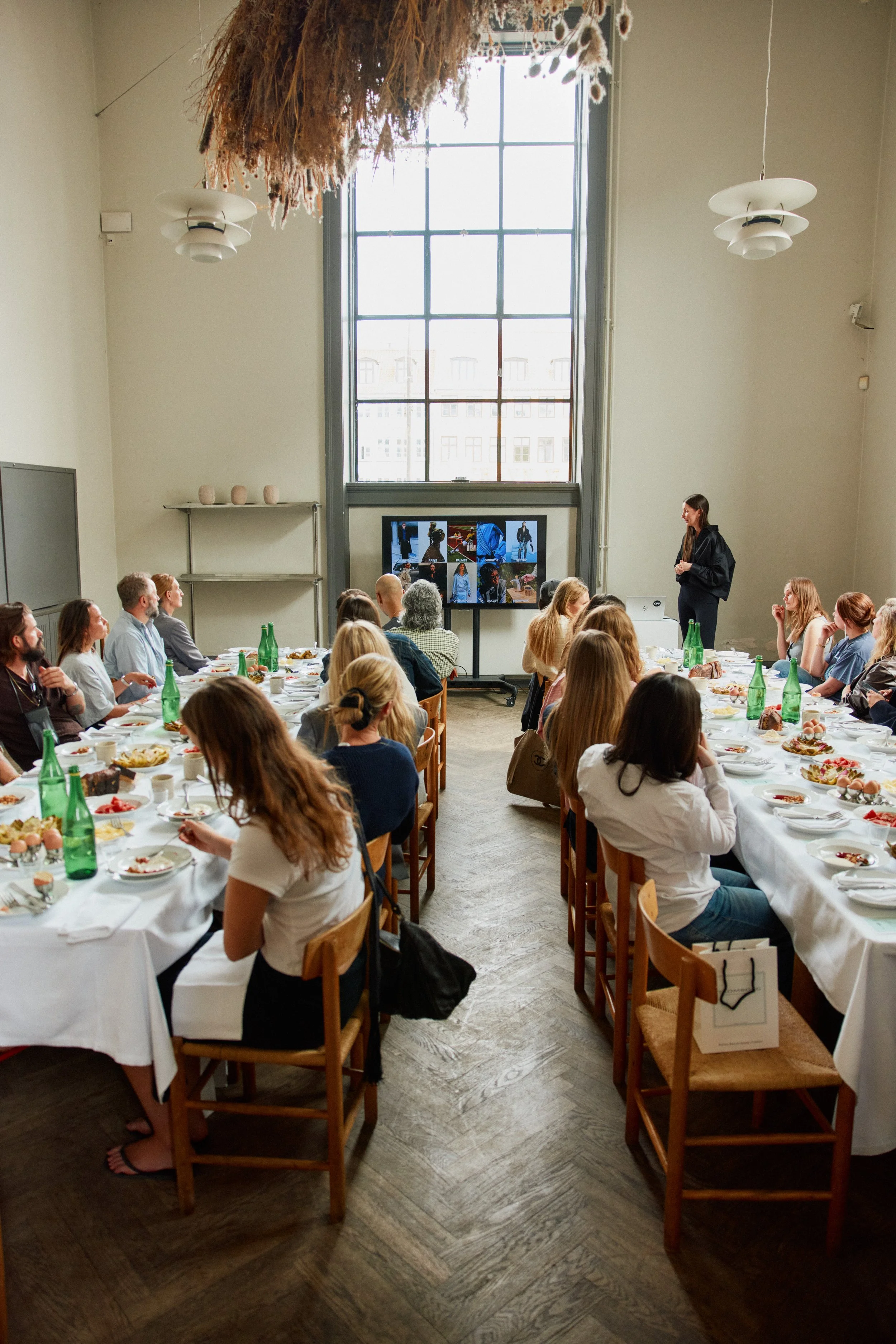

HOW DO YOU FEEL ABOUT FASHION?
COMMENT OR TAKE OUR PAGE READER SURVEY
Featured



Telfar's SS2027 collection transforms the sample sale into a runway, using inside-out tailoring, manipulated materials, New York street references and a Brooklyn-to-Paris spectacle to question who gets to define fashion—and where it actually happens.