
Clothes to Wear During Hiking: A Complete Layering Guide for Every Condition
PAGE
By PAGE Editor
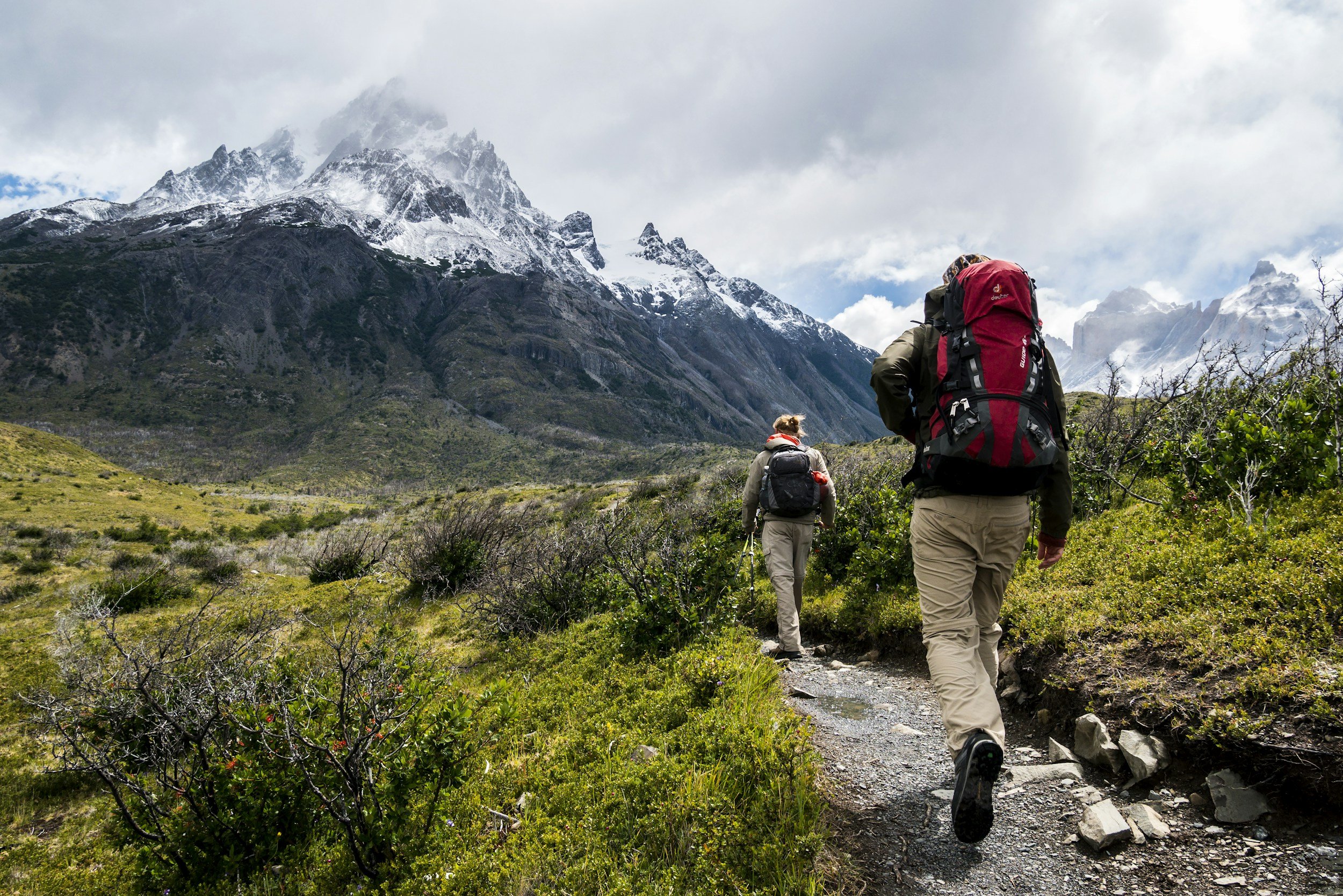
The right clothes to wear during hiking make the difference between a trail that feels manageable and one that feels like an ordeal. Too hot, too cold, soaked through, or restricted by the wrong fabric amplifies every difficult section and drains energy that should be going into the walk itself. The good news is that hiking clothing follows a clear, well-tested system that works across a wide range of conditions. Understanding how that system works, which materials to choose, and what to avoid is all you need to put together a kit that performs across seasons and terrain.
The Layering System Explained
The layering system is the foundation of practical hiking clothing and the reason experienced hikers rarely overheat, freeze, or get caught out by changing weather. It divides clothing into three functional layers that work independently and together.
The base layer sits against the skin and has one job: moving moisture away from the body. It provides no meaningful insulation on its own. The mid layer sits over the base and provides warmth by trapping air close to the body. The outer layer, sometimes called the shell, sits over everything else and blocks wind and rain without trapping moisture inside. In warm, dry summer conditions, many hikers skip the mid layer entirely and carry only a light shell in case of rain. In winter or alpine conditions, all three layers are typically worn simultaneously, with the ability to add or remove pieces as output and temperature change throughout the day.
Base Layer: What to Wear Against Your Skin
Moisture-Wicking Fabrics
The base layer moves moisture away from the skin, keeping you relatively dry regardless of exertion. Synthetic fabrics, primarily polyester and nylon, wick moisture efficiently, dry quickly, are durable, and affordable. Their main limitation is odour retention on multi-day trips. Merino wool is the premium alternative: it wicks moisture, regulates temperature naturally, resists odour-causing bacteria, and is softer against the skin. It is heavier and more expensive than synthetics but the odour resistance is a significant advantage on longer trips. Cotton is the fabric to avoid entirely. It absorbs moisture and holds it against the skin, becoming heavy and uncomfortable when wet and accelerating heat loss in cold conditions. Experienced hikers summarise this with the phrase cotton kills, which overstates but accurately captures the risk.
Fit and Construction
A base layer should fit close to the body without being restrictive. Too loose and it bunches during movement, creating friction points that cause chafing over the course of a long day. Too tight and it restricts movement and blood flow. Flatlock seams, where the fabric edges are sewn flat against each other rather than folded over to create a raised ridge, significantly reduce the risk of chafing in areas of high movement such as underarms and shoulders. Check for these on any base layer intended for use on longer or more demanding hikes.
Mid Layer: Insulation for Warmth
Fleece
Fleece is the most practical mid layer for active hiking in cool conditions: lightweight, breathable, quick-drying, and comfortable to move in. It is not windproof and provides no rain protection, so it is designed to be worn under a shell rather than as a standalone outer in exposed conditions. Open-structure grid fleece fabrics are particularly effective at moisture management during high-output sections where overheating is a risk.
Down Insulation
Down provides the highest warmth-to-weight ratio available and compresses into a very small packed size, making it the standard choice for cold and dry conditions. Its critical limitation is wet weather: down loses most of its insulating value when wet and is slow to dry. Water-resistant down treatment helps but does not fully address this. In consistently wet environments or on trips where getting the insulation layer wet is likely, synthetic insulation is the more reliable choice.
Synthetic Insulation
Synthetic insulation maintains a significant portion of its insulating value when wet, which is its primary advantage over down. It is heavier and bulkier at equivalent warmth levels but is the practical choice for most three-season hiking in unpredictable climates where rain or sustained dampness is a realistic possibility.
Outer Layer: Wind and Rain Protection
Hardshell
A hardshell is fully waterproof and windproof, using a laminated membrane such as GORE-TEX that blocks water from outside while allowing moisture vapour to escape outward. This breathability separates a quality hardshell from a basic waterproof: a non-breathable jacket traps sweat and leaves the hiker as wet from perspiration as from rain. Hardshells are the correct choice for serious rain, mountain conditions, and genuinely severe weather. They are less comfortable for high-output activities in mild conditions where even breathable membranes can cause overheating.
Softshell
A softshell is water-resistant rather than fully waterproof, using a tightly woven face fabric with DWR coating that sheds light rain. More breathable, stretchier, and more comfortable for active movement than a hardshell. The practical approach for many hikers is to own both: a softshell for variable but not severe conditions, and a hardshell for days when genuine rain is forecast or exposed terrain is involved.
Rain Poncho
The lightest and most packable rain option with the advantage of covering both hiker and pack. Its limitations are significant: minimal wind protection, movement in breeze, and considerably less effective than a jacket in sustained or wind-driven rain. A practical emergency backup for casual day hiking; not a substitute for a proper shell in serious wet conditions.
Hiking Pants and Shorts
The same principles that apply to upper body layers apply to hiking bottoms: avoid cotton, choose quick-drying fabrics, and prioritise freedom of movement. Nylon and polyester blends are the standard materials for hiking pants and shorts, offering good durability, fast drying times, and weather resistance. Articulated knees, where the fabric is cut and sewn to accommodate the bent-knee position of active hiking rather than the straight-leg position of everyday wear, significantly improve comfort and reduce restriction on steep terrain. Zip-off pants that convert to shorts are a practical choice for hikes that start in cool morning conditions and warm up during the day. For cooler conditions, lightweight tights or leggings worn under hiking pants add a meaningful insulating layer without significant bulk. The fabrics to avoid are jeans, which are heavy when wet, slow-drying, and offer no stretch, and regular cotton shorts, which hold moisture and provide no weather resistance. For a range of well-constructed outdoor bottoms and tops suited to every hiking condition, browse men's outdoor clothing to find options built for the trail.
Hiking Footwear
Trail runners are lightweight, low-cut, quick-drying shoes suited to day hikes on well-maintained trails and anyone prioritising speed and light weight. Hiking boots provide more ankle support and a stiffer sole suited to rough terrain, heavier packs, and multi-day trips. Mid-cut boots split the difference. For socks, merino wool is the standard recommendation for cushioning, moisture management, and odour resistance. Match sock thickness and height to the footwear: thicker cushioned socks with trail runners, crew or knee-height socks with boots to prevent collar rubbing. Never wear cotton socks: they absorb moisture, bunch, and cause blisters.
Accessories Worth Carrying
A few accessories round out a practical hiking kit without adding significant weight:
Hat: a wide-brimmed sun hat for summer hiking provides UV protection for the face, neck, and ears that a cap does not. A wool or fleece beanie for cooler conditions adds minimal weight and packs into a pocket.
Gloves: lightweight liner gloves in merino wool or synthetic fleece are worth carrying on any hike where morning temperatures could be cool, since cold hands become a comfort and safety issue quickly on ridges and summits. Insulated waterproof gloves for winter and alpine conditions.
Buff or neck gaiter: one of the most versatile pieces of kit available, worn as a neck warmer, headband, face protection in sun or wind, or pulled up over the lower face in cold conditions. Weighs almost nothing and takes up no meaningful space.
Sunglasses: UV protection at altitude is more important than at sea level because the atmosphere filters less UV radiation. Polarised lenses reduce glare on snow and water, which is particularly relevant on alpine or winter routes.
What to Wear Hiking by Season
Translating the layering system into practical seasonal kits makes the clothing decision simpler at the planning stage:
Summer: a moisture-wicking base layer tee, hiking shorts or lightweight pants, a sun hat, trail runners with merino socks, and a packable rain layer carried in the pack. Sunglasses and sunscreen complete the kit.
Spring and autumn: a base layer, a fleece or synthetic mid layer, a softshell or light hardshell as the outer layer, hiking pants, and waterproof or water-resistant footwear. Gloves and a beanie for early mornings and high ground.
Winter: a thermal base layer top and bottom, a substantial mid layer such as a down or synthetic insulated jacket, a waterproof hardshell over the top, insulated hiking pants or softshell pants over a thermal base, gaiters to keep snow out of boots, insulated waterproof boots, insulated gloves, and a warm hat. All three layers active for most of the day.
Final Thoughts
Choosing the right clothes to wear during hiking is fundamentally about matching the layering system to the conditions: moisture management next to the skin, insulation in the middle, and weather protection on the outside. Fabric choice matters: synthetic and merino wool for base layers, fleece or insulated jackets for mid layers, hardshell or softshell for the outer. Cotton has no place in any layer on a serious hike. Getting the kit right before you leave the trailhead means you can focus on the walk itself rather than managing discomfort. For a well-stocked range of hiking and outdoor clothing suited to every condition, Appalachian Outfitters carries a curated selection backed by genuine outdoor expertise.
HOW DO YOU FEEL ABOUT FASHION?
COMMENT OR TAKE OUR PAGE READER SURVEY
Featured




Flyknit and leather sit at opposite ends of the handbag world, and buyers get pushed into picking a side too early. One sounds modern and light. The other sounds premium and safe.