
FABSCRAP Marks 10 Years Of Textile Recycling, Building A More Circular Future For Fashion
PAGE
By PAGE Editor
Fashion’s sustainability conversation often begins with what consumers buy and ends with what they discard. FABSCRAP, the Brooklyn-based nonprofit celebrating its 10th anniversary in 2026, is drawing attention to another part of the industry's waste problem: the fabric left behind before a garment ever reaches a store. Through textile collection, reuse, recycling, and community participation, the organization is working to change how fashion accounts for the materials that make it possible.
Since launching in 2016, FABSCRAP has developed a model that connects fashion brands with the infrastructure needed to divert commercial textile waste from landfills. The organization has reported diverting nearly 2.5 million pounds of fabric from the waste stream, while building a volunteer community that helps sort materials for reuse or recycling. Its first decade represents more than an environmental milestone; it demonstrates how collective participation can make circularity tangible.
Turning Textile Waste Into a Community Resource
Inside FABSCRAP’s Brooklyn warehouse, the work of circular fashion is less abstract than it can appear in industry conversations. Volunteers sort through discarded materials, separating textiles that can be redistributed for another use from those that can be shredded and converted into insulation. The process offers a practical response to a persistent challenge: not every material can be recycled in the same way, and recovering value requires understanding what each fabric can become.
In a transcript from inside the warehouse, Camille Tagle, FABSCRAP’s co-founder, describes the operation as an active collaboration between the fashion industry and the people willing to help address its waste.
“Welcome to FABSCRAP. We're here in our warehouse in Brooklyn. This is where all the magic happens. We have a bunch of volunteers. They're sorting to keep fabric out of landfill by sorting it for reuse or recycling. But we offer textile recycling service to our brands, higher end and luxury, like Oscar de la Renta or Carolina Herrera. We also work with a lot of mass market brands, like Calvin Klein, Tommy Hilfiger, Steve Madden, who are creating product with textiles. A lot of those textiles end up in landfill, so that's where FABSCRAP comes in. So the volunteers who are behind me separating anything that's on a fabric that is not fabric for shred, which then gets turned into insulation.”
The breadth of brands Tagle references illustrates the scale of the opportunity. Textile waste is not exclusive to one price point or segment of the market. Whether a company operates in luxury or mass-market fashion, the materials left over during product development and production require a responsible destination. FABSCRAP provides a service that helps businesses manage that waste while creating an alternative supply of reclaimed materials for designers, artists, and other makers.
However, textile recycling is not a universal solution for every material. Composition, construction, and finishing can determine whether a fabric can be recovered, reused, or processed for another purpose. Tagle is candid about the limitations.
“Leather is tough. Leather is one of those materials that actually can't be turned into insulation. Anything that has, like, a lot of glue or spandex on it, so sometimes the fabrics will be two layers bonded together with, like, a layer of glue in between. Those can't be shredded, and then one other one is elastic. Elastic gets used on, like, the cuffs of sleeves or on a waistband.”
That distinction matters as fashion brands reconsider their environmental responsibilities. Recycling alone cannot resolve textile waste if materials are difficult to separate or incompatible with existing processes. A more circular model requires greater awareness of what happens to fabric after its immediate commercial purpose has been fulfilled, as well as an understanding of the limitations that influence its next life.
A Decade Defined By Collective Action
FABSCRAP's anniversary also highlights the people behind its progress. The organization has developed a community that participates in the physical work of sorting textiles and in the redistribution of materials that might otherwise have been discarded. Its volunteers are not simply observers of a sustainability initiative; they are part of the infrastructure that makes it possible.
Tagle emphasizes how that participation has become central to the organization's identity.
“We've grown a community of more than 11,000 people who have come to FABSCRAP, been willing to sort fabric, and who are really giving so much of their time, and it's those same community members that are also shopping the fabric that we're separating for reuse.”
The relationship between sorting and shopping creates a tangible connection between waste recovery and creative possibility. Materials are not merely removed from one destination; they are made available to people who can find another purpose for them. For emerging designers, students, artists, and independent makers, reclaimed fabric can also offer access to resources without requiring the purchase of newly produced textiles.
This approach reflects a broader principle in circular fashion: extending the usefulness of existing materials depends on both the systems that collect them and the communities willing to put them to work. Infrastructure makes recovery possible, while participation helps give recovered materials a future.
As FABSCRAP enters its second decade, its impact can be measured in the textiles diverted from landfill, but Tagle's reflection suggests that the organization's legacy extends beyond those numbers. The challenge ahead is not simply to recover more fabric. It is to encourage the industry to rethink waste before it is created and to make reuse and recycling more accessible across the fashion ecosystem.
Looking back on the organization's first 10 years, Tagle returns to the community that has grown alongside its environmental mission.
“So when I really look back at the 10 years of FABSCRAP, yes, we have a great environmental impact, but I think what's really, really important is that we've really invited our community to come in and participate and be part of our solution.”
For FABSCRAP, the decade milestone is both a reflection on progress and a reminder of the work still required. Fashion's relationship with waste will not change through intention alone. It will take practical systems, industry accountability, and the collective effort of people willing to see discarded materials differently. In Brooklyn, FABSCRAP has spent 10 years demonstrating what that effort can look like, one scrap of fabric at a time.
HOW DO YOU FEEL ABOUT FASHION?
COMMENT OR TAKE OUR PAGE READER SURVEY
Featured
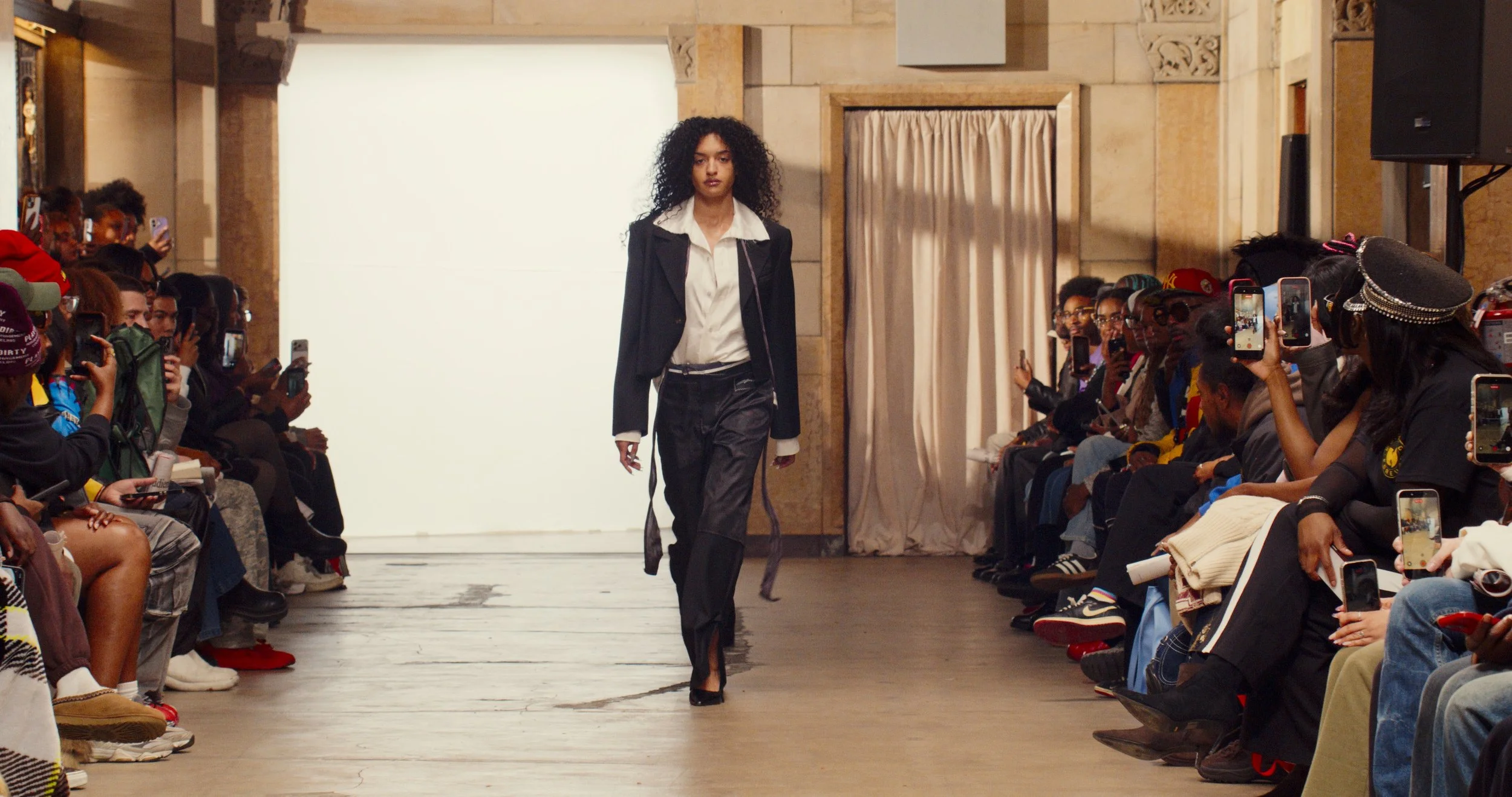
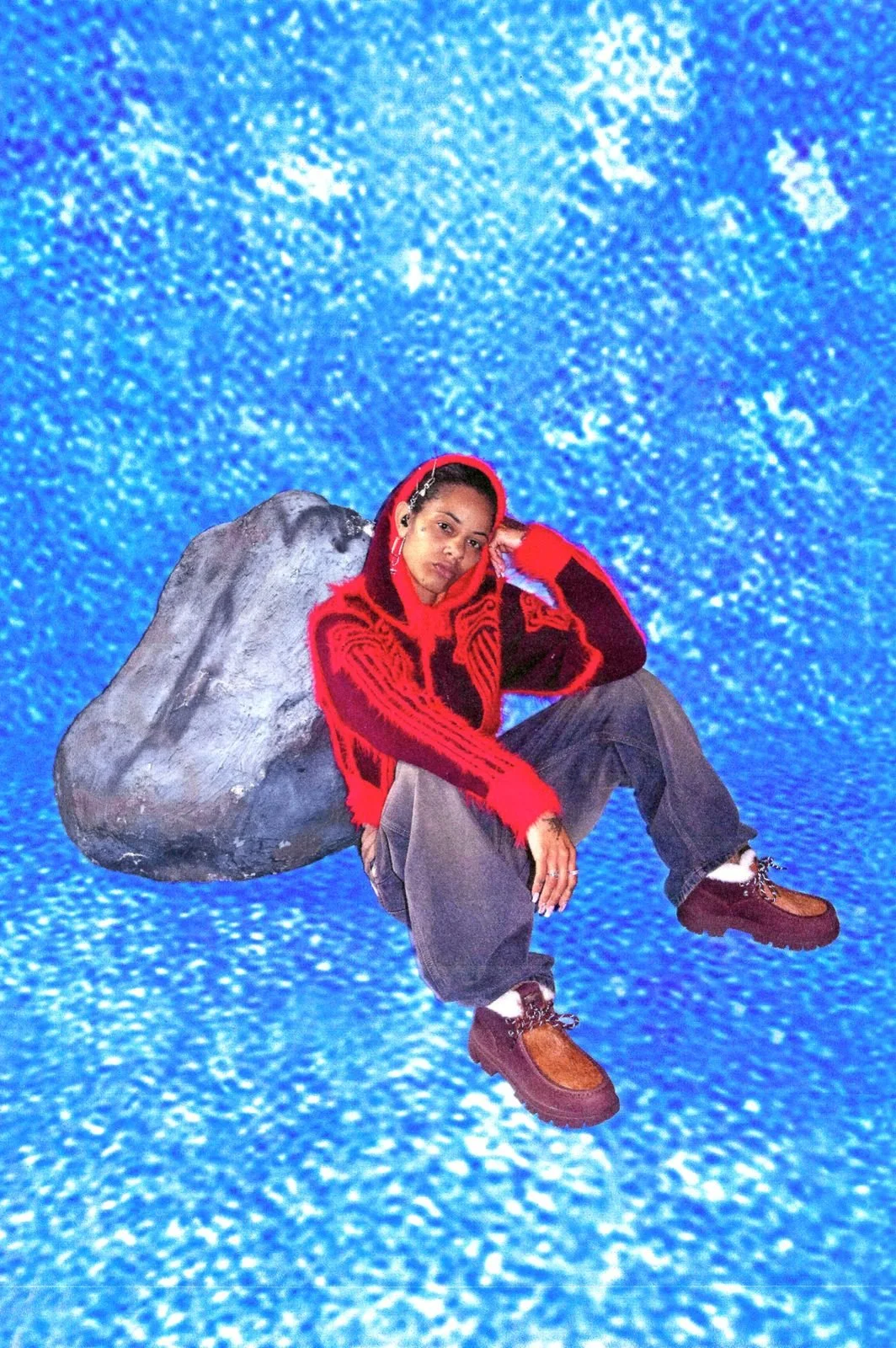

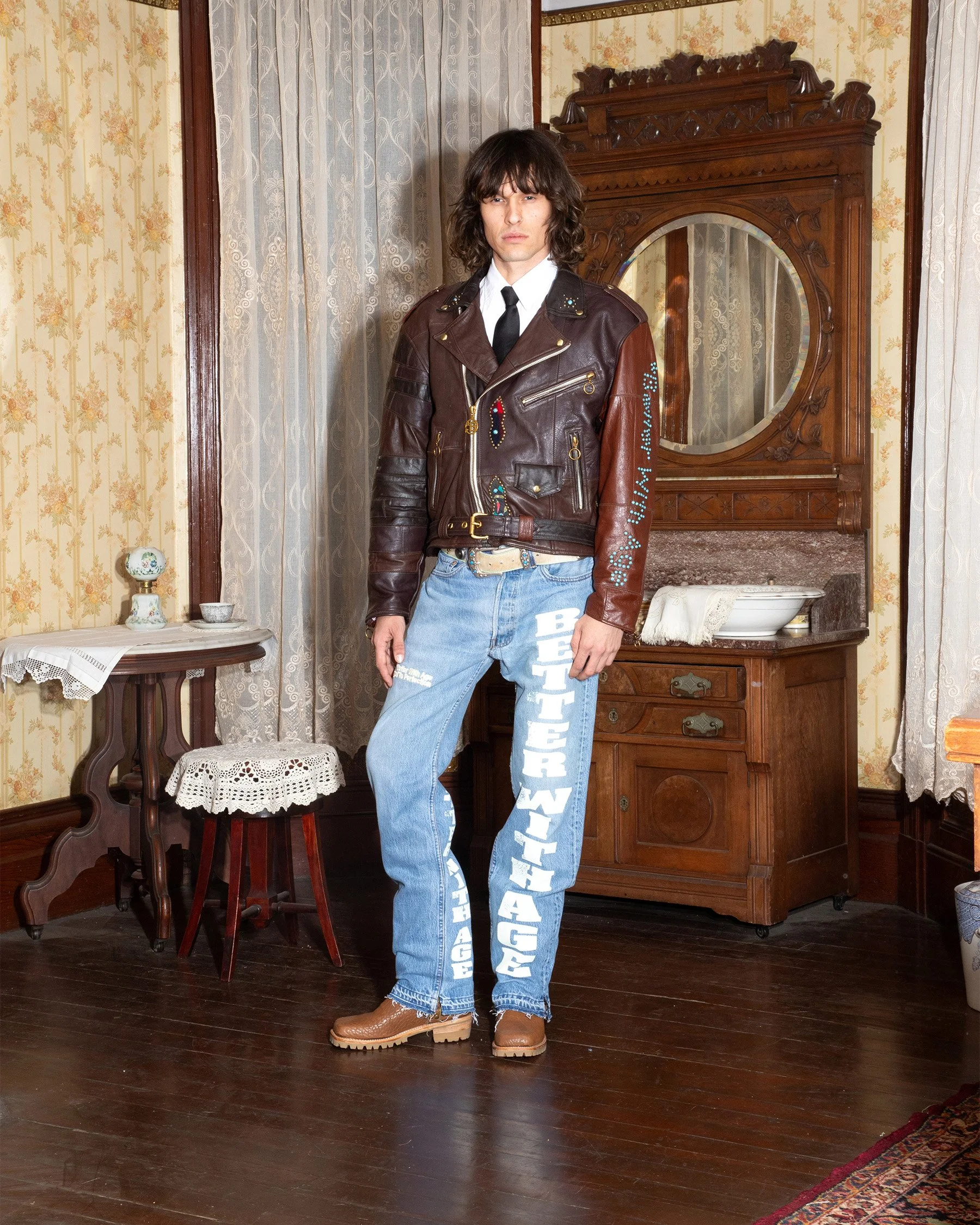
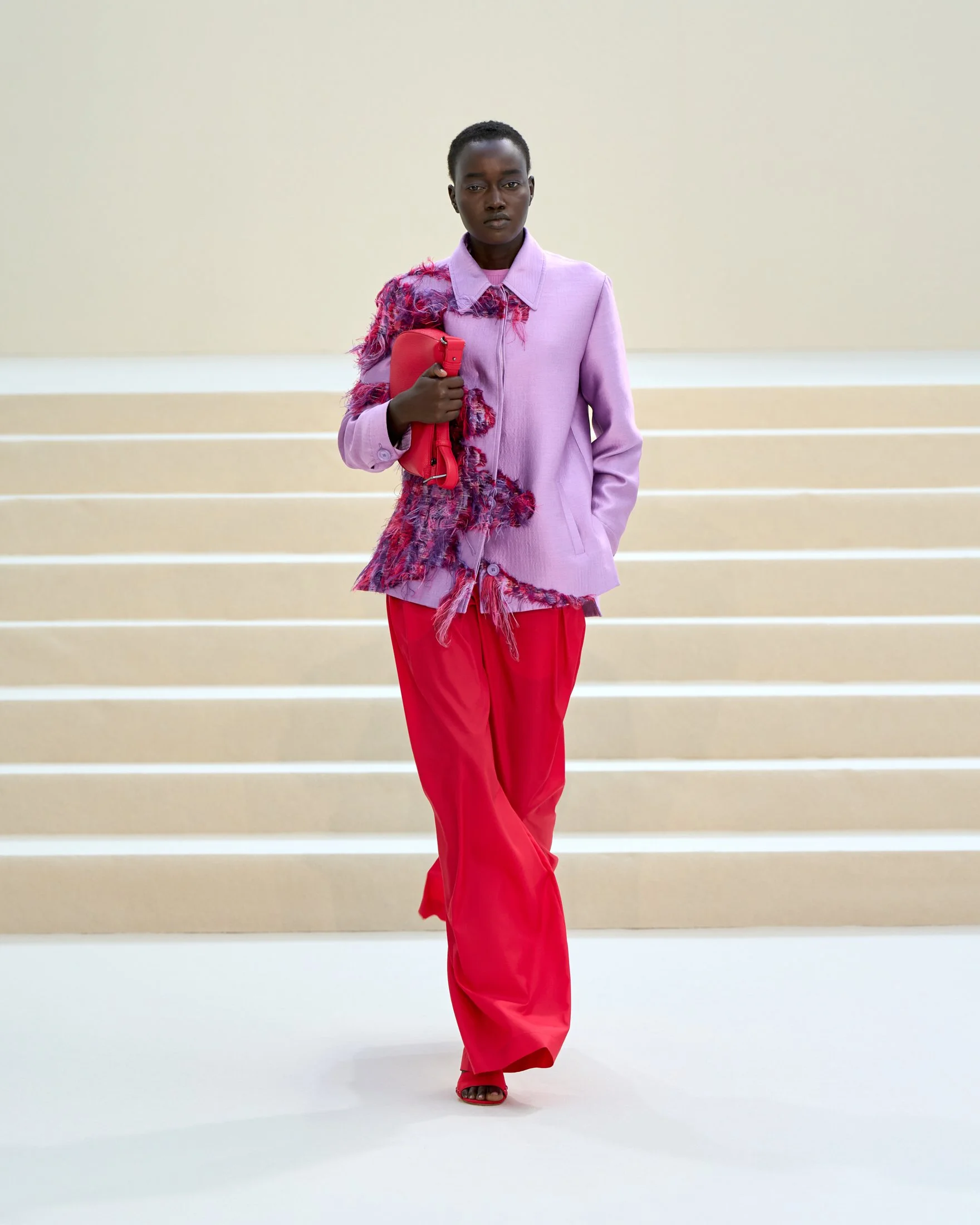
Celebrating its 10th anniversary, Brooklyn-based FABSCRAP is demonstrating how textile recycling, material reuse, and a community of more than 11,000 participants can help fashion move toward a more circular future.