
From Day to Night: How to Layer Your Perfume for Maximum Impact
PAGE
By PAGE Editor
In a 2026 beauty survey by the Fragrance Foundation, 78% of respondents reported experimenting with scent layering to enhance longevity and create signature aromas over a single perfume alone — a trend that shows how scent layering is becoming essential for fragrance enthusiasts. Whether you want your scent to carry from the office to evening events, layering perfume is the key to creating a fragrance that evolves beautifully throughout the day. For example, a tempting perfume can be paired with lighter or complementary fragrances to accentuate its notes while keeping it versatile for day and night.
What Does “Layering Perfume” Actually Mean?
Layering perfume is the intentional application of two or more scented products in a sequence so they build on each other. This technique allows a fragrance to develop over time, adding depth and complexity that a single spritz cannot provide. A well-chosen fragrance, such as a tempting perfume, can act as a base layer, providing a stable foundation for additional scents without overpowering them. Layering isn’t about mixing random perfumes but rather understanding how top, heart, and base notes interact, so the scent evolves naturally and suits different times of the day.
Understanding fragrance structure is key. Top notes are the initial impression, typically light and volatile, such as citrus or herbal scents. Heart notes form the body of the fragrance and appear after the top notes evaporate. Base notes are the longest-lasting, often featuring rich or resinous aromas, and anchor the entire scent. Knowing which perfume emphasizes which layer allows you to strategically layer for maximum impact.
How Should You Start Your Scent Day?
Starting your scent routine in the morning with lighter, fresher fragrances sets a base that can last until evening. Using a lightly scented body lotion under a tempting perfume provides the perfect canvas for layering, slowing evaporation, and enhancing projection. Following this, your main perfume or accent sprays can be applied strategically to pulse points like the wrists, neck, and inner elbows. For instance, a tempting perfume can be reserved for the evening layer to give warmth and depth to the base scent applied in the morning.
Layering morning and evening fragrances doesn’t mean doubling intensity. Instead, the goal is to create a seamless transition. Light, energetic top notes in the morning can flow into deeper heart and base notes as the day progresses, creating a dynamic experience that complements your schedule and environment.
Why Some Scents Work Better Together
Fragrance families, such as floral, citrus, woody, or musk, each contribute unique characteristics to a layered scent. Pairing a tempt perfume with a citrus or soft floral accent can create a harmonious blend for daytime activities, while adding a deeper base like a tempting perfume in the evening introduces richness and allure. This approach ensures your fragrance feels intentional and evolves seamlessly from morning to night.
Compatibility depends on three factors: intensity, olfactory family, and personal body chemistry. A soft floral top layer over a woody base often works beautifully, while two intense spices may clash unless one is diluted or applied sparingly. Experimenting with combinations allows for personalized signature scents that evolve with your activities.
Tricks to Make Your Layered Fragrance Last
Moisturized skin holds perfume better than dry skin, and applying a small amount of petroleum jelly on pulse points can further lock in scent. Different layers can be applied to distinct areas, with your tempt perfume as the daytime anchor and tempted perfume enhancing evening depth. Strategic placement on the wrists, neck, and behind the knees ensures optimal projection and longevity.
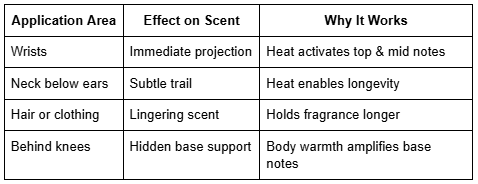
Using this knowledge strategically means your fragrance will remain noticeable without being overpowering, and each layer will bloom at the right time.
When to Switch Scents from Day to Night
Daytime fragrances typically lean fresh, light, and vibrant. Transitioning into evening, richer scents like amber, musk, or oriental bases provide depth. Using a tempting perfume at night over a morning tempt perfume base allows a seamless evolution, creating a personalized signature scent that grows with your activities.
Adding a touch of warmth or spice in the evening can make your presence feel more intentional and alluring. Even subtle adjustments like layering a light floral with a soft vanilla or sandalwood accent can completely transform how the fragrance is perceived.
How to Protect Your Perfume from Fading
Environmental factors, like humidity, temperature, and skin dryness, influence how your fragrance behaves. Layering your favorite tempt perfume with complementary products and reapplying an evening accent like tempted perfume ensures a consistent and captivating scent. Storing perfumes in cool, dark places also preserves their molecular integrity.
Another tip is to apply scents to pulse points, which naturally emit heat and activate the fragrance. This includes wrists, inner elbows, behind knees, and neck — allowing each layer to interact with your body chemistry to maintain a richer aroma for longer.
Advanced Layering Techniques
Layering can extend beyond basic fragrance combinations. For instance, scented oils, body creams, and mists can serve as intermediate layers to boost performance and create nuanced depth. Professional perfumers often recommend applying an unscented or lightly scented moisturizer first, followed by your tempt perfume, then finishing with a fine mist of tempted perfume in targeted areas.
Bulleted layering sequence for advanced performance:
Start with a lightly scented or unscented moisturizer
Apply base perfume layer (tempt perfume) to main pulse points
Add accent fragrance (tempted perfume) to neck, inner elbows, or hair
Optional: light finishing mist for ambient effect
Following this routine helps maximize fragrance life and ensures a subtle transition from day to evening.
When Not to Overdo Layering
Too many overlapping fragrances can muddle the scent profile. Experts recommend limiting layering to two or three complementary scents. Overcrowding the olfactory spectrum may produce a confusing or overwhelming aroma rather than a harmonious one. Think of layering as composing music — each note should enhance the overall composition.
HOW DO YOU FEEL ABOUT FASHION?
COMMENT OR TAKE OUR PAGE READER SURVEY
Featured





Depop and Burton are celebrating 50 years of snowboard culture with a 50-piece archival resale drop priced at $50.50 and below, bringing vintage outerwear and apparel to a new generation while launching Depop’s Brand Shop Drop series.