
Fun Activities That Help Children Build Strong Social Skills for Life
PAGE
By PAGE Editor
Social skills are among the most valuable abilities children develop during their early years. Learning how to communicate, cooperate, solve conflicts, and build friendships lays the groundwork for success in school and beyond. While these skills develop naturally through everyday experiences, parents and caregivers can intentionally provide activities that encourage positive interactions, emotional awareness, and teamwork. The more opportunities children have to practice social behaviors, the more confident and capable they become in navigating relationships throughout life.
Why Social Skills Matter During Childhood
Social skills influence nearly every aspect of a child's development. They help children express their thoughts, understand others' emotions, cooperate with peers, and adapt to different environments. Strong interpersonal abilities also contribute to emotional well-being, academic success, and future professional relationships.
Children are not born knowing how to share, listen, negotiate, or resolve disagreements. These abilities develop gradually through observation, guidance, and repeated practice. Every conversation, shared activity, and group experience teaches valuable lessons about respect, empathy, and communication.
Parents often focus on academic readiness, but social development is equally important. A child who communicates effectively and works well with others often feels more comfortable participating in classroom activities, making friends, and handling new experiences with confidence.
Cooperative Games That Encourage Teamwork
Group games provide excellent opportunities for children to practice communication and cooperation while having fun. Activities that require participants to work toward a common goal naturally teach patience, listening, and problem-solving.
Simple relay races encourage children to cheer for teammates, wait their turn, and celebrate group achievements rather than focusing solely on individual success. Building challenges using everyday household materials also inspire teamwork as children brainstorm ideas, divide responsibilities, and adjust plans together.
Treasure hunts are another engaging option. Children must communicate, share clues, and collaborate to reach a shared objective. These experiences help them recognize that working together often produces better results than working alone.
Collaborative Art Projects
Creative activities can become valuable social learning experiences. Large murals, group paintings, or shared craft projects require children to communicate their ideas while respecting the contributions of others.
As children decide colors, shapes, and designs together, they practice compromise, active listening, and appreciation for different perspectives. Collaborative creativity encourages positive interactions while reducing competition, making it especially beneficial for younger children who are still developing conflict-resolution skills.
Role-Playing Activities That Build Empathy
Pretend play allows children to explore emotions, perspectives, and real-life situations in a safe environment. Whether acting as teachers, doctors, chefs, community helpers, or family members, children learn how different people communicate and cooperate.
Role-playing also encourages emotional understanding. When children imagine how another person might feel in various situations, they begin developing empathy—a critical component of healthy relationships. Parents can guide discussions by asking questions such as, "How do you think that character felt?" or "What could someone do to help?"
Storytelling activities further strengthen these skills. Creating stories together encourages children to listen carefully, build on one another's ideas, and practice respectful conversation. These experiences improve creativity while reinforcing collaborative communication.
Outdoor Activities That Promote Positive Interaction
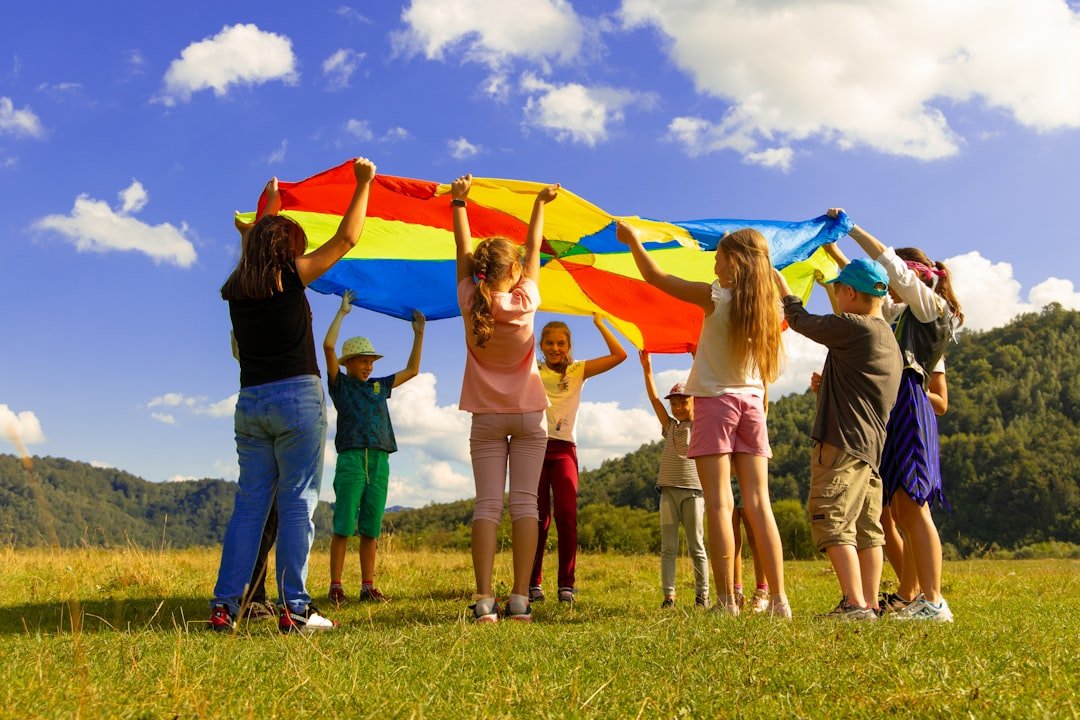
Outdoor environments naturally encourage children to engage with others through movement and shared experiences. Organized games, obstacle courses, scavenger hunts, and team sports all create opportunities for cooperation, leadership, and communication.
Nature exploration also supports social development. Children working together to identify plants, observe wildlife, or collect natural objects practice sharing discoveries and solving problems as a group. These relaxed settings often reduce social pressure while encouraging meaningful conversations.
Parents looking for structured opportunities to expand these experiences may also consider enrolling children in summer camps in Plano, TX, where age-appropriate group activities, collaborative projects, and recreational programs provide consistent opportunities to build friendships, develop communication skills, and strengthen teamwork in supportive environments.
Learning Through Community Activities
Participating in community events introduces children to diverse social situations and new peer groups. Volunteer opportunities, neighborhood gatherings, cultural celebrations, and recreational programs help children become comfortable interacting with individuals from different backgrounds.
These experiences teach adaptability, respect, and confidence while expanding children's understanding of cooperation beyond their immediate family or classroom.
Everyday Family Activities That Strengthen Communication
Many of the best opportunities for social learning happen at home. Family routines provide consistent practice in conversation, cooperation, and emotional expression.
Shared meals encourage children to take turns speaking, ask questions, and actively listen to others. Parents can model respectful communication by giving each family member time to share about their day while demonstrating attentive listening and thoughtful responses.
Board games also offer valuable lessons. Beyond entertainment, they teach children how to follow rules, wait patiently, celebrate others' successes, and handle disappointment gracefully. These experiences build resilience while reinforcing respectful interactions.
Household responsibilities can become collaborative learning opportunities as well. Cooking meals together, organizing living spaces, or completing simple projects encourage teamwork and shared responsibility. Children learn that working together often makes tasks more enjoyable and efficient.
Parents should also create opportunities for children to solve minor disagreements independently when appropriate. Instead of immediately providing solutions, guiding children with open-ended questions encourages critical thinking, negotiation, and respectful compromise.
Encouraging Positive Conversations
Open communication strengthens children's confidence in expressing themselves. Parents can encourage meaningful discussions by asking questions that require more than simple yes-or-no answers.
Conversations about feelings, friendships, challenges, and accomplishments help children develop emotional vocabulary while learning to understand different perspectives. Over time, these discussions contribute to stronger communication skills and healthier relationships.
Building Confidence Through Consistent Practice
Developing social skills is an ongoing process rather than a single milestone. Children improve through repeated opportunities to interact with others in supportive environments where mistakes become learning experiences instead of failures.
Parents play an essential role by modeling kindness, patience, empathy, and respectful communication. Children closely observe adult behavior, often adopting similar approaches in their own relationships.
Celebrating positive social behaviors reinforces learning. Acknowledging moments when children share, cooperate, resolve conflicts peacefully, or show empathy encourages them to continue practicing these valuable skills.
Equally important is allowing children to encounter age-appropriate social challenges. Minor disagreements, misunderstandings, and collaborative problem-solving experiences help children develop resilience and confidence while learning effective ways to navigate relationships independently.
Over time, these everyday experiences accumulate into lifelong interpersonal skills that support success in education, careers, friendships, and family life.
Conclusion
Helping children build strong social skills starts with providing meaningful opportunities to communicate, cooperate, and connect with others every day. Through play, family interactions, creative activities, outdoor adventures, and shared experiences, children gradually develop empathy, confidence, and teamwork. With consistent encouragement and positive guidance, parents can help lay the foundation for healthy relationships that benefit children throughout every stage of life.
HOW DO YOU FEEL ABOUT FASHION?
COMMENT OR TAKE OUR PAGE READER SURVEY
Featured





Flyknit and leather sit at opposite ends of the handbag world, and buyers get pushed into picking a side too early. One sounds modern and light. The other sounds premium and safe.