
How Sustainable Wardrobes Rely on Timeless Cuts
PAGE
By PAGE Editor
A sustainable wardrobe earns its value through repeated wear, easy styling, and dependable construction. Timeless cuts support all three because they stay useful after seasonal trends fade. Focus your budget on versatile shapes, durable fabrics, and proper care, then build outfits around pieces you already own. This practical method reduces unnecessary purchases while making everyday dressing simpler.
The High Price of Fast Fashion
Low prices can encourage frequent purchases, but cost per wear tells a more useful story. A $30 jacket worn three times costs $10 per wear, while a $200 jacket worn 100 times costs $2 per wear. Poor stitching, thin fabric, and trend-led details often shorten a garment's useful life.
The differences between fast and slow fashion also extend to production pace, material quality, and buying habits. Before purchasing, picture at least three outfits you can create with the item. Then consider how often you'll realistically wear it during the next year. If it only works for one imagined occasion, leave it behind.
Longevity Starts With Fabric Choice
Read the fiber label and feel the material before focusing on color. Wool can regulate temperature and recover from light creasing, making it practical for tailored clothing. Cotton twill works well for trousers and jackets, while linen offers breathability and develops a relaxed texture with wear. Blended fabrics can also perform well when the combination improves shape retention or comfort.
Construction matters alongside composition. Check that seams sit flat, buttons feel secure, and patterned fabric aligns at prominent joins. When comparing formal options such as English Suits, look for a fabric weight suited to your climate and a finish that can serve several occasions. A versatile midweight suit has more potential uses than one chosen around a single event.
Classic Silhouettes Outlast Trends
Clean shapes provide the strongest foundation for a long-lasting closet. Straight-leg trousers, single-breasted jackets, simple button-down shirts and knee-length coats can move between work, celebrations and casual plans. Moderate proportions also make these pieces easier to combine as styling preferences change.
Fit should allow natural movement without excess fabric pulling across the shoulders, waist or hips. A tailor can adjust sleeve length, trouser hems and waist shaping, but major changes to shoulders or garment structure may cost more than expected. For casual dressing, the same principle applies: the minimalist summer capsule wardrobe offers a useful model for selecting simple pieces that share a consistent color palette. Choose mostly neutral foundations, then bring in personality through shirts, accessories, and texture.
Care Routines That Extend Life
Follow the care label and avoid washing clothing after every brief wear. Airing a jacket or pair of trousers for several hours may be enough when the garment has no stain or odor. Overwashing causes friction, color loss, and fiber damage, while high dryer temperatures can shrink fabric and weaken elastic.
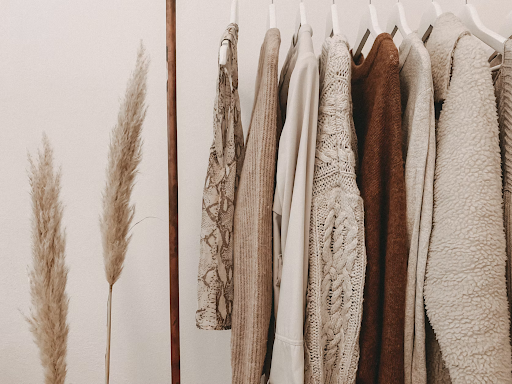
Store tailored jackets on broad hangers so the shoulders retain their shape. Fold heavy knitwear to prevent stretching and use breathable storage for seasonal pieces. Deal with loose buttons, small snags, and worn hems promptly because minor repairs are usually inexpensive. Guidance on the long-term cost of slow fashion highlights how maintenance and repeat wear can improve value over time.
A timeless wardrobe grows through selective replacement, not constant expansion. When something wears out, use its performance as a guide: note the fabric, fit, and features that served you well, then seek a better-made version with the same practical strengths. Each successful replacement makes the closet more consistent and lowers the chance of another short-lived purchase.
HOW DO YOU FEEL ABOUT FASHION?
COMMENT OR TAKE OUR PAGE READER SURVEY
Featured



Mounjaro (tirzepatide) is a once-weekly injection used in medical weight management. It acts on two hormone receptors, GIP and GLP-1, which are involved in regulating appetite and blood sugar.