
How to Choose a Kids' Dresser That Grows With the Child Without Sacrificing Safety
PAGE
By PAGE Editor
Buying furniture for a child's room sounds straightforward until the reality of long-term use sets in. A dresser has to survive years of slammed drawers, shifting storage demands, and changing tastes. The right one holds up structurally, keeps pace with growing kids, and stays genuinely safe at every stage. Making a careful choice early on means fewer replacements, less frustration, and a room that works year after year.
Think About Long-Term Storage Needs
A toddler's wardrobe and a ten-year-old's wardrobe have almost nothing in common. Tiny folded sleepers eventually give way to thick sweaters, sports gear, and denim. A dresser built with a mix of shallow and deep drawers handles that transition far better than one sized for a single phase.
Spending time browsing a well-organized dresser for kids room collection makes it easier to compare proportions and drawer configurations side by side. The goal is finding a piece that earns its place during the toddler years and still pulls its weight once backpacks and school uniforms enter the picture. Varied drawer depth is a detail that rarely gets mentioned but makes everyday use noticeably smoother.
Prioritize Anti-Tip Safety Features
Tip-over accidents are one of the most preventable furniture hazards in a child's room. A dresser that feels rock-solid in a showroom can behave very differently once it is loaded with clothing and positioned against a bedroom wall.
What to Look For
Any dresser going into a child's space should include anti-tip hardware as a standard inclusion, not an afterthought. Wall anchoring kits, usually a strap-and-bracket system, secure the piece to wall studs and hold it in place even under stress. Parents should confirm the kit is rated for the dresser's fully loaded weight before installation.
Drawer stops deserve equal attention. They prevent drawers from pulling out completely, which removes the leverage a child creates when leaning or tugging on an open drawer.
Evaluate Build Quality and Material
Solid wood holds up better over a decade of daily use than particleboard alternatives. That said, quality engineered wood with dovetail joinery can perform well when the construction is tight and the surface finish resists wear.
Drawer Mechanism Matters
Soft-close drawer mechanisms do more than cut down on noise. They protect small fingers from pinching and reduce the force children instinctively apply when pushing drawers shut. Full-extension glides allow access to the entire drawer depth, which matters considerably for younger children reaching toward the back.
Drawer bottom thickness is worth checking as well. Thin bases flex and bow under clothing weight over time, eventually making drawers difficult to operate.
Consider Height and Proportions
A dresser that towers over a five-year-old becomes an invitation to climb. Low-profile and mid-height pieces are generally safer for younger children; they keep contents reachable and remove the temptation to scale the furniture entirely.
As kids grow taller, a slightly higher unit becomes more practical and proportionate. Many families find that a medium-height dresser chosen early on remains suitable well into the early teen years. Wider dressers with more drawers tend to outlast tall, narrow ones because the storage layout stays relevant across multiple growth phases.
Check for Non-Toxic Finishes
Paint and finish standards matter more in a child's room than almost anywhere else in the house. Low-VOC or zero-VOC finishes reduce chemical off-gassing, which is especially relevant in smaller or poorly ventilated rooms. Formaldehyde emissions from composite wood panels are a specific concern worth investigating before any purchase is finalized.
Certifications like GREENGUARD Gold offer a useful starting point, though reviewing the manufacturer's material disclosures directly provides a fuller picture.
Factor In Aesthetic Flexibility
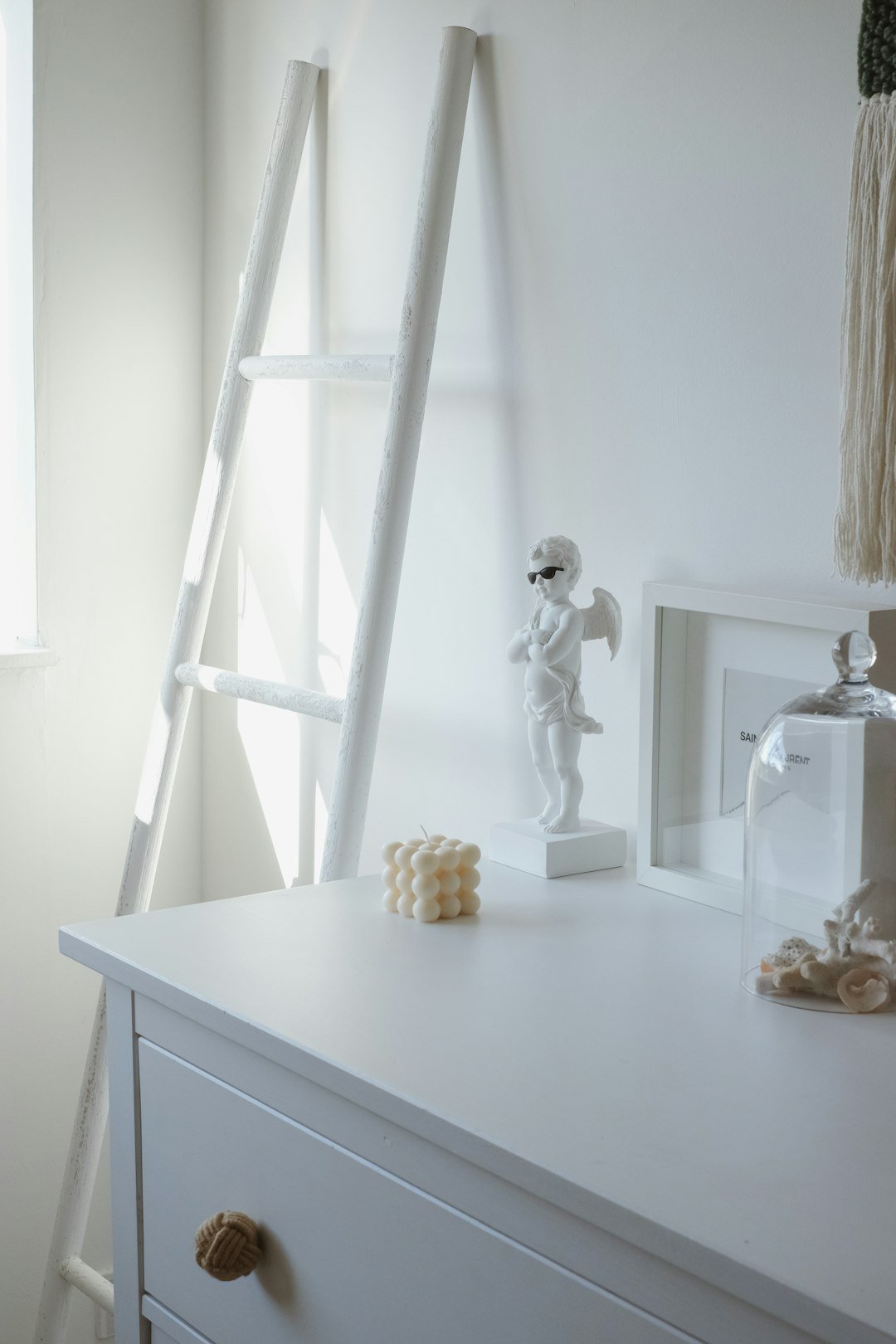
A dresser painted in a bold, theme-specific color can feel dated within a few years as a child's preferences shift. Neutral tones in white, natural wood, or grey tend to age gracefully and adapt to changing décor without requiring a full replacement.
Hardware is another consideration worth thinking through. Pieces that accept standard-size pulls make minor visual updates easy. Painted finishes should also be durable enough to withstand regular cleaning, since children's furniture gets wiped down far more frequently than adult pieces.
Conclusion
A kids' dresser is a longer-term investment than it first appears. Safety hardware, construction quality, drawer mechanics, and material standards all shape how well a piece holds up over the years. Choosing with the next decade in mind, rather than just the current stage, tends to produce far better outcomes for the child and the household budget alike. A well-chosen piece purchased once is almost always a better outcome than a cheaper one replaced twice.
HOW DO YOU FEEL ABOUT FASHION?
COMMENT OR TAKE OUR PAGE READER SURVEY
Featured




BAPE® brings its streetwear legacy into the ring with UNDEFEATED’s wrestling-inspired Fall/Winter 2026 collection while expanding its design vocabulary through the TYPE 10 BAPEX®, an automatic timepiece that translates the brand’s signature camouflage into contemporary watchmaking.