
ThriftCon’s Brooklyn Takeover Signals That Vintage Culture Has Become Fashion’s New Cultural Infrastructure
PAGE
By PAGE Editor
For years, vintage shopping occupied the margins of fashion—a weekend pastime reserved for dedicated collectors willing to sift through racks in search of hidden gems. Today, resale has become one of the industry's most influential economic forces, shaping how consumers discover brands, define personal style, and engage with fashion beyond traditional retail. ThriftCon's latest stop in Brooklyn offered perhaps the clearest example yet of how that evolution continues to unfold.
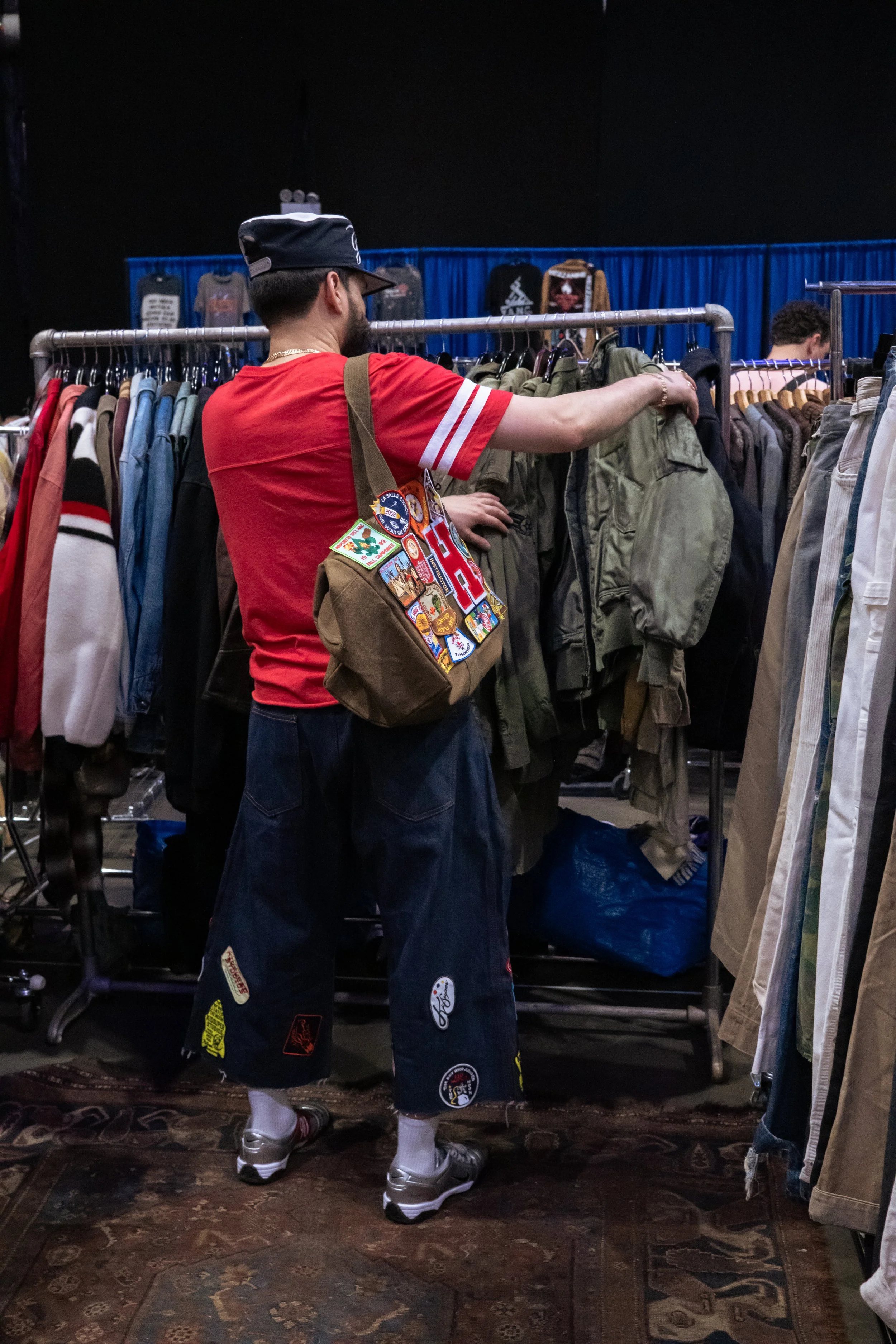
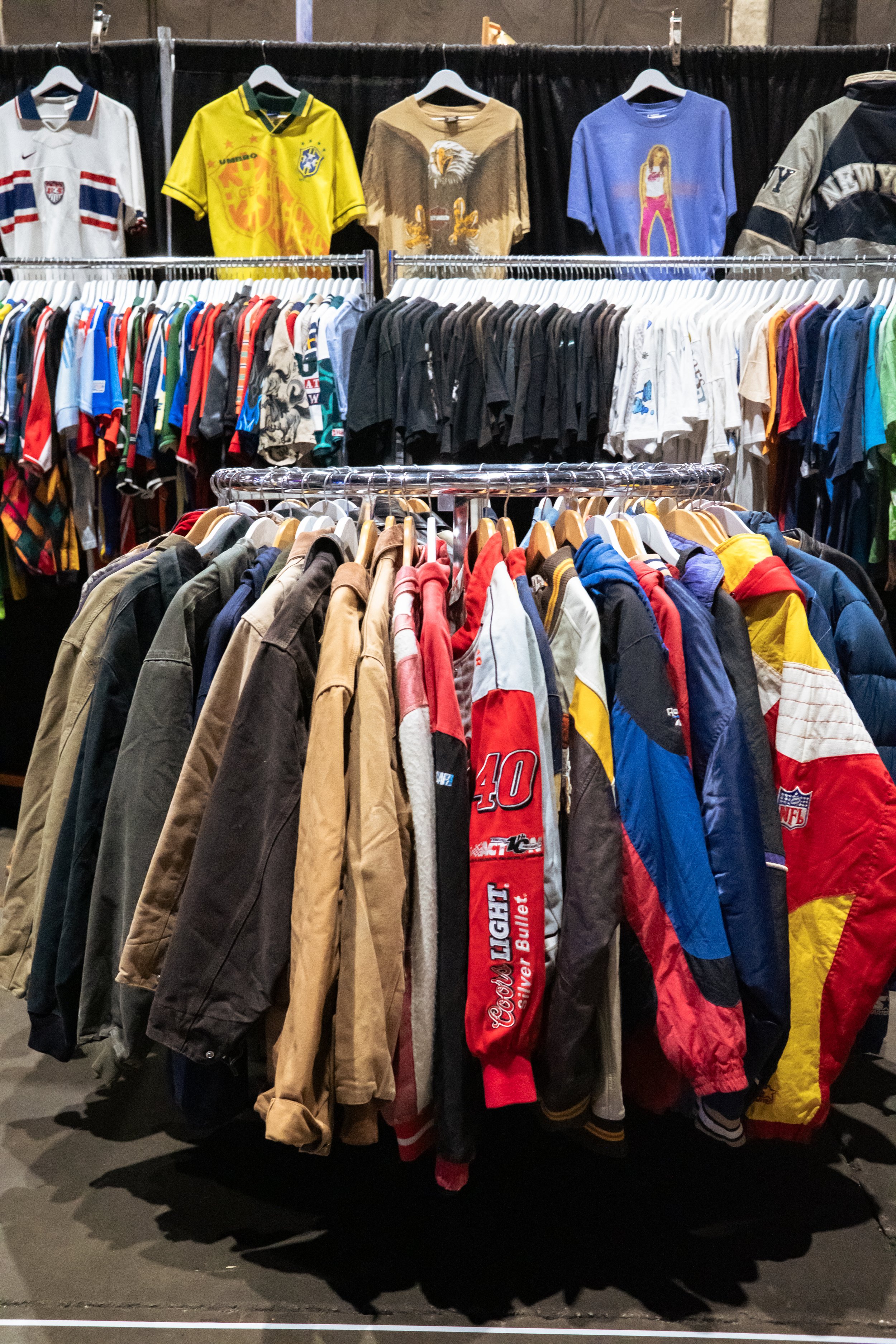
Held at Brooklyn Storehouse, the nation's largest vintage convention transformed more than 100,000 square feet into a marketplace where over 150 vendors presented everything from archival streetwear and sportswear to rare collectibles and contemporary upcycled garments. But describing ThriftCon as simply a shopping destination overlooks what the event has become. Increasingly, it functions as a cultural ecosystem where commerce, education, music, and creative entrepreneurship exist under one roof.
That distinction reflects broader changes across the fashion industry. As consumers continue embracing circular consumption, the conversation has shifted away from whether resale belongs in fashion toward how it is redefining the industry itself. Events like ThriftCon demonstrate that the secondary market is no longer operating alongside traditional retail—it has become an integral part of fashion's cultural infrastructure.
Throughout the day, visitors navigated a carefully curated mix of vintage dealers, independent designers, and collectors offering pieces that ranged from affordable everyday finds to museum-worthy garments. Dedicated spaces such as The Vault, anchored by vintage platform Faded, alongside Club Y2K, curated by Emma Rogue, and Creators Corner, showcasing one-of-one and upcycled designers, reflected the diversity now defining today's resale landscape.
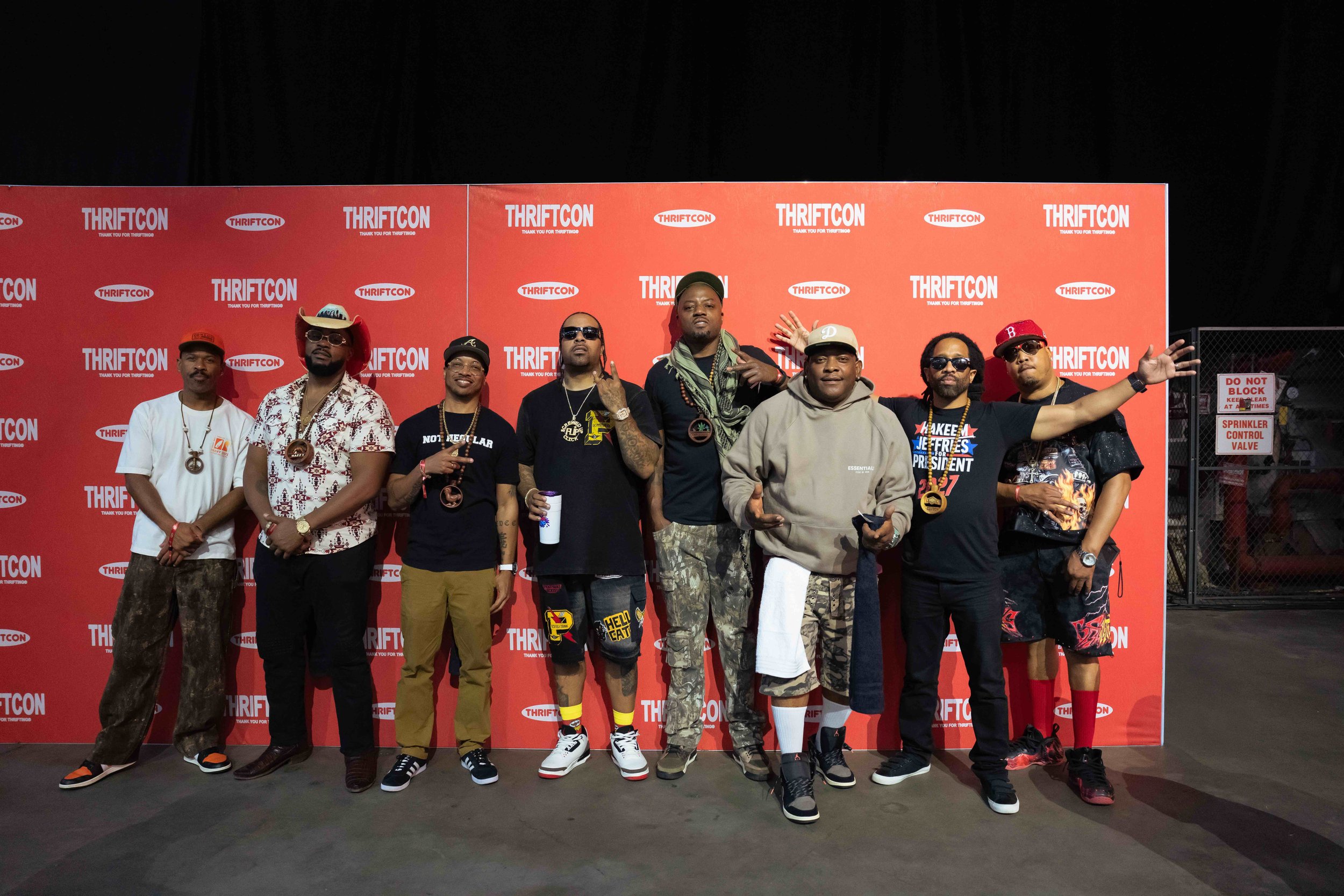
The programming extended beyond the sales floor. Live performances from Petey Pablo, Lil' Flip, and Nappy Roots transformed the convention into an intergenerational cultural gathering, reinforcing the close relationship between music and vintage fashion. For many attendees, the soundtrack served as much as a time capsule as the clothing itself, reminding visitors how style and music continue to shape one another across decades.
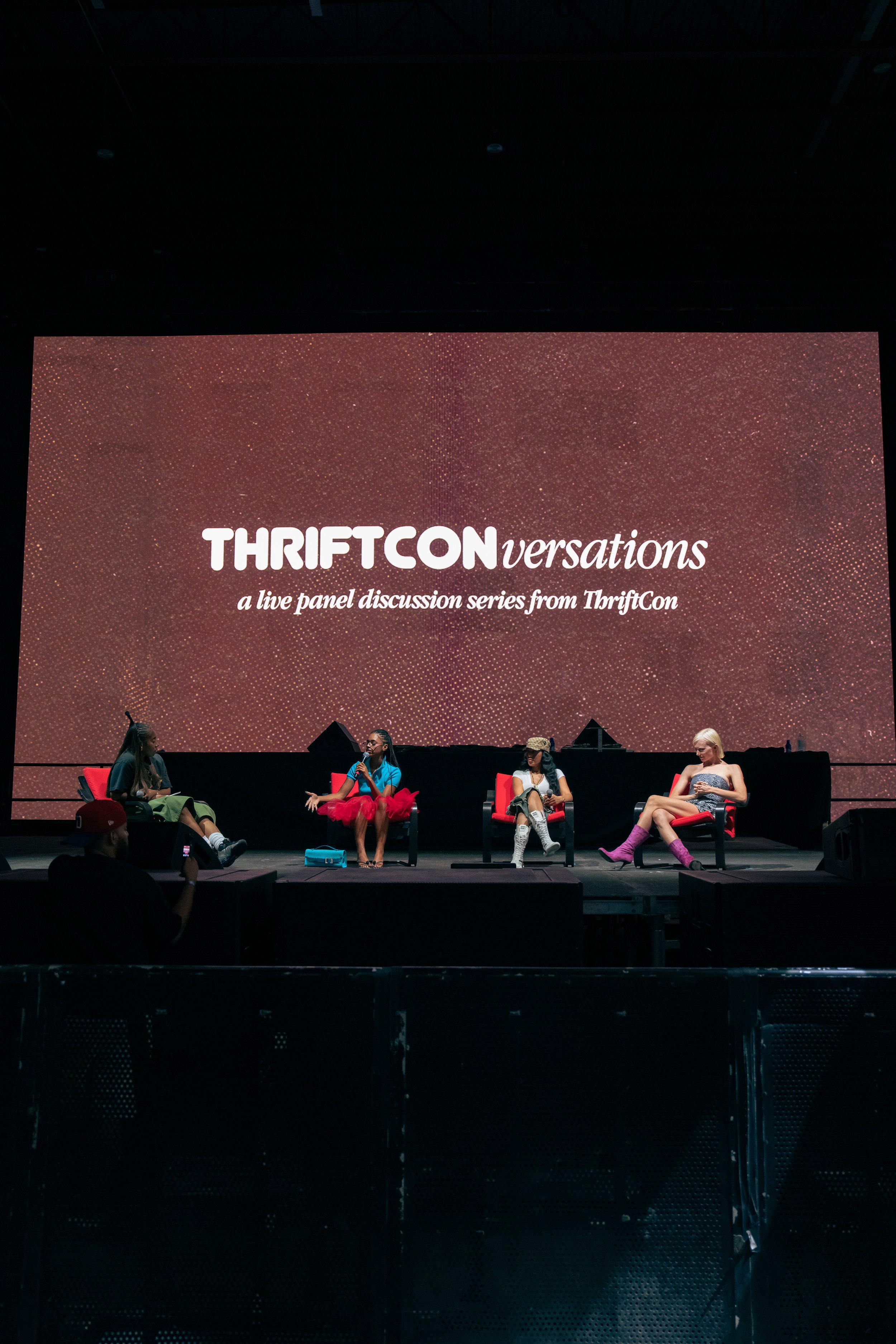
Equally notable was ThriftConversations: Stitched Together—How Creative Careers Are Built, a panel featuring creative director Aleali May, stylist Kitty Lever, and designer Sierra Rena, moderated by journalist Bree Walker. Rather than presenting linear success stories, the discussion focused on careers built through experimentation, freelance work, unexpected opportunities, and continual reinvention.
That conversation mirrored the trajectory of the resale industry itself. Few anticipated that vintage clothing would become one of fashion's fastest-growing sectors, yet entrepreneurs operating outside traditional luxury systems have built thriving businesses through curation, storytelling, and community engagement. In many ways, the careers discussed onstage reflected the entrepreneurial mindset increasingly driving fashion's independent economy.
"New York is where individual tastes become nationwide trends," said ThriftCon Co-Founder Ken Meade. "But what makes ThriftCon New York so special is the people. This city is the most creative, most diverse melting pot in the country, and that energy is what makes ThriftCon New York unlike any other event on our tour."
His observation speaks to Brooklyn's enduring role within American fashion culture. The borough has long served as an incubator for emerging designers, stylists, collectors, and creative entrepreneurs, making it an especially fitting destination for an event centered on discovery and individuality. Here, personal style often carries more cultural capital than brand allegiance, allowing vintage garments to become expressions of identity rather than simply nostalgic purchases.
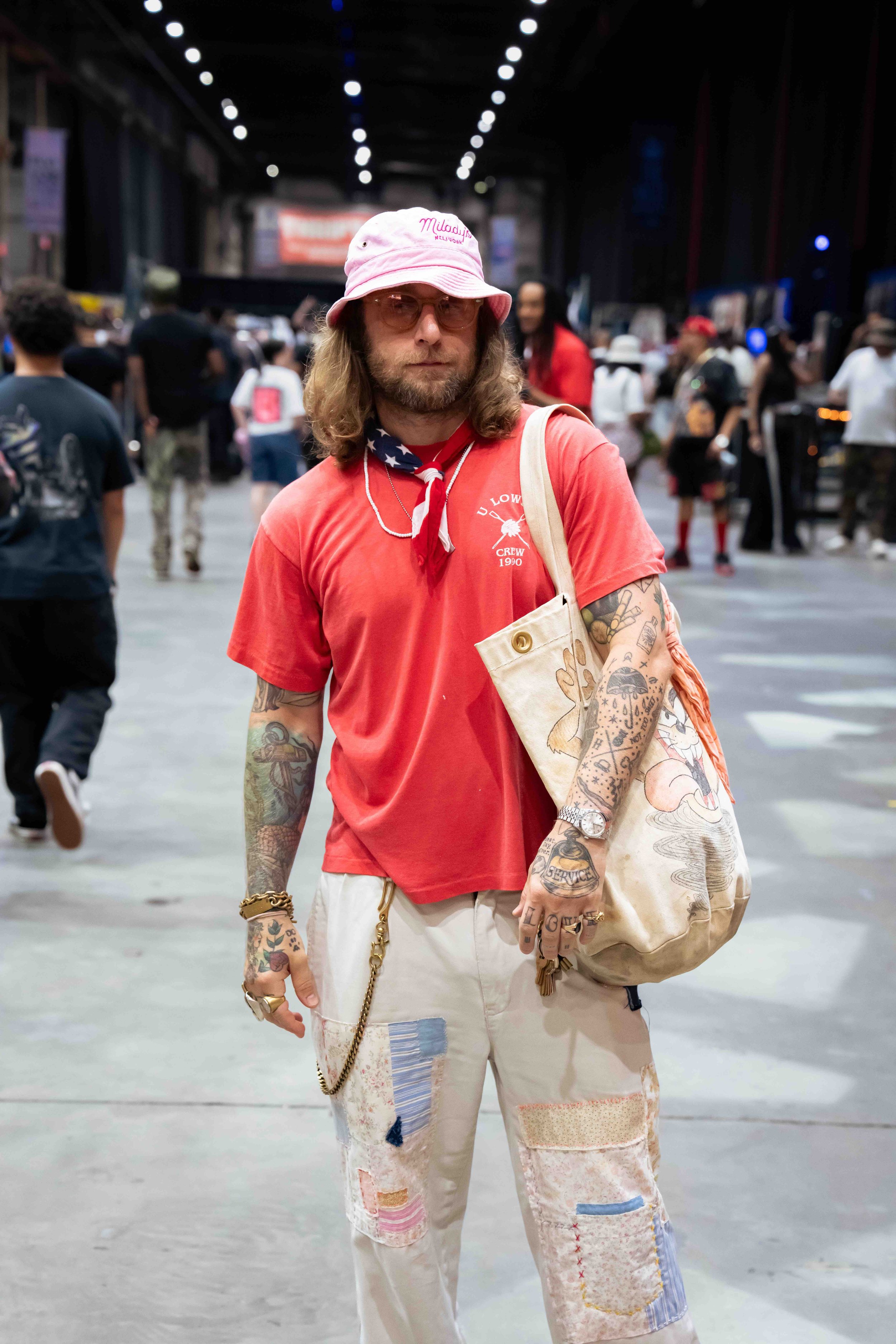
The timing is equally significant. As fashion brands continue investing in resale initiatives, circular design strategies, and authenticated secondhand marketplaces, consumer behavior increasingly reflects values centered on longevity rather than novelty. Younger shoppers, in particular, are seeking uniqueness over uniformity, making vintage clothing less of an alternative and more of a first choice.
What ultimately distinguishes ThriftCon is its ability to connect multiple facets of contemporary culture without forcing them into separate conversations. Music, fashion, entrepreneurship, sustainability, and creative education all coexist organically, reflecting how today's consumers engage with culture as an interconnected experience rather than isolated industries.
As ThriftCon continues its 2026 tour with upcoming stops in Seattle, Los Angeles during ComplexCon, Dallas, and Houston, Brooklyn offered a compelling reminder that the future of fashion is not solely being shaped inside luxury boutiques or runway venues. Increasingly, it is emerging in community-driven spaces where archival garments gain new relevance, independent creators find new audiences, and the next generation of fashion entrepreneurs builds businesses from the stories embedded within clothing itself.
HOW DO YOU FEEL ABOUT FASHION?
COMMENT OR TAKE OUR PAGE READER SURVEY
Featured

BAPE® brings its streetwear legacy into the ring with UNDEFEATED’s wrestling-inspired Fall/Winter 2026 collection while expanding its design vocabulary through the TYPE 10 BAPEX®, an automatic timepiece that translates the brand’s signature camouflage into contemporary watchmaking.