
How to Choose a Quality Mushroom Chocolate Bar: Labels, Potency and Sourcing Explained
PAGE
By PAGE Editor
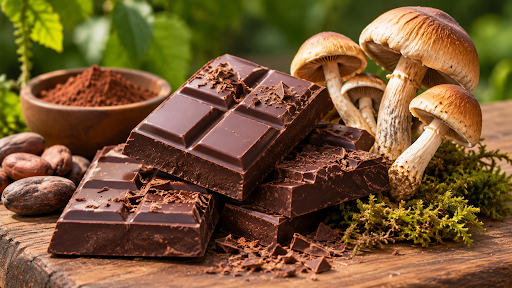
Mushroom chocolate bars have become an increasingly discussed product in the health and wellness market. Combining the familiar taste of chocolate with mushroom-derived ingredients, these products appeal to consumers interested in functional foods, botanical ingredients, and alternative wellness products.
However, not every mushroom chocolate bar offers the same quality, transparency, or safety. Ingredients, manufacturing standards, mushroom identification, and accurate labeling can vary significantly between products.
Understanding how to choose a quality mushroom chocolate bar requires looking beyond attractive packaging and marketing claims. This guide explains how to evaluate ingredient labels, understand potency information, investigate sourcing practices, and identify potential warning signs before making a purchasing decision.
1. Understanding Different Types of Mushroom Chocolate Bars
Before evaluating product quality, it is important to understand that mushroom chocolate bars are not all the same.
Some contain functional mushrooms commonly marketed for general wellness, while others may contain psychoactive mushroom compounds. These categories have different safety considerations, legal restrictions, and potential effects.
Functional Mushroom Chocolate
Functional mushroom chocolates may contain ingredients derived from species such as:
Lion's Mane: Studied for compounds that may influence neurological processes, although clinical evidence for specific benefits remains limited.
Reishi: Traditionally used in herbal preparations and investigated for its biologically active compounds.
Cordyceps: Commonly marketed in products associated with exercise and energy.
Chaga: Contains naturally occurring antioxidant compounds, although human health benefits remain insufficiently established.
The presence of these ingredients does not automatically establish that a chocolate product delivers measurable health benefits.
Psychoactive Mushroom Chocolate
Other mushroom chocolates may contain psilocybin, psilocin, or substances marketed as producing similar psychoactive effects.
These products require particular caution because ingredient concentrations, legal status, and physiological effects can differ considerably. Products sold without reliable testing may contain unexpected substances or inaccurately labeled ingredients.
Understanding the distinction helps consumers evaluate products according to their actual composition rather than their marketing category.
2. How to Read Mushroom Chocolate Bar Labels
A detailed ingredient label is one of the first indicators of product transparency.
Consumers should be able to identify what the chocolate contains, how its ingredients are described, and whether important safety information is available.
Check the Complete Ingredient List
A quality chocolate product should clearly identify its major ingredients, including cocoa components, sweeteners, mushroom ingredients, emulsifiers, and potential allergens.
Pay particular attention to:
The scientific or common name of the mushroom species
Whether the ingredient is a powder, extract, or another preparation
The amount of mushroom-derived material per serving
Added flavors, preservatives, and sweeteners
Allergen warnings and relevant dietary information
Terms such as "premium mushroom blend" or "proprietary botanical formula" may sound appealing, but they provide limited information unless the actual ingredients are disclosed.
Look for Clear Product Identification
Consumers researching mushroom chocolate brands may encounter websites such as Boom Bar while comparing product descriptions and ingredient information. Regardless of the brand, the important step is to verify that the product provides meaningful information about its composition, manufacturer, and testing practices.
A professional-looking website alone should never be treated as evidence that a product is safe or independently verified.
3. Understanding Potency and Ingredient Concentration
Potency is another important consideration when evaluating mushroom chocolate products.
Unfortunately, packaging claims can be confusing, particularly when manufacturers use terms such as "extra strength," "high potency," or "concentrated formula" without explaining what those descriptions mean.
Mushroom Weight vs. Active Compound Content
The total weight of mushroom material does not necessarily indicate the concentration of biologically active compounds.
For example, two products containing the same weight of a mushroom extract may have different chemical profiles because of variations in species, cultivation, processing, and extraction methods.
For functional mushrooms, manufacturers may report concentrations of certain compounds, such as beta-glucans. However, the presence of a measured compound does not automatically demonstrate clinical effectiveness.
For psychoactive mushroom products, potency claims are especially important because inaccurate concentrations can increase the risk of unexpected or harmful effects.
Why Independent Laboratory Testing Matters
Independent laboratory testing can provide additional information about product composition and potential contaminants.
Depending on the product category, relevant testing may include:
Identity verification of declared ingredients
Measurement of specified active compounds
Heavy metal screening
Microbial contamination testing
Pesticide residue analysis
Screening for unexpected or undeclared substances
A certificate of analysis, commonly called a COA, should ideally identify the tested batch, testing laboratory, analytical methods, and results.
Consumers should be cautious when a manufacturer advertises laboratory testing but cannot provide verifiable documentation.
4. Why Mushroom Sourcing and Manufacturing Standards Matter
The quality of mushroom ingredients depends partly on where and how they are produced.
Mushrooms can accumulate certain substances from their growing environment, making responsible cultivation and raw-material testing important.
Evaluate the Origin of Mushroom Ingredients
Transparent suppliers should be able to provide meaningful information about ingredient origins.
Useful questions include:
Where were the mushrooms cultivated or collected?
Were the ingredients produced under controlled conditions?
How was the mushroom species identified?
Were raw materials tested for contaminants?
Can the manufacturer trace ingredients to their original supplier?
These details help distinguish documented sourcing practices from vague claims about natural or premium ingredients.
Consider Manufacturing and Storage Conditions
Chocolate products also require appropriate handling during production, packaging, transportation, and storage.
Poor manufacturing conditions may affect food safety, while unsuitable storage temperatures can change chocolate texture and appearance.
Look for products with clear manufacturer identification, batch numbers, storage instructions, and expiration or best-before dates.
Manufacturers that follow relevant food safety requirements and maintain traceable production records generally provide a stronger basis for evaluating quality.
5. Comparing Mushroom Chocolate Products Without Relying on Marketing Claims
Online product descriptions often emphasize flavor, convenience, or strength. These characteristics may attract attention, but they are not substitutes for ingredient transparency and safety documentation.
Consumers browsing listings described as magic mushroom chocolate bars for sale should distinguish commercial product claims from independently verified information. In particular, the presence of a product listing does not establish its legal status, chemical composition, or suitability for consumption.
Questions Worth Asking Before Considering a Product
A useful comparison should focus on whether the seller can provide reliable answers about the product.
Consider whether the following information is available:
The exact identity of the mushroom ingredients
A complete list of other ingredients and allergens
Batch-specific independent laboratory results
Manufacturer and supplier information
Appropriate safety warnings and storage instructions
If essential information is missing, consumers should avoid assuming that positive reviews or attractive packaging compensate for the lack of documentation.
6. Common Warning Signs of Poor-Quality Mushroom Chocolate
Recognizing questionable products is just as important as understanding the characteristics of transparent manufacturers.
Missing or Incomplete Labels
Products that fail to identify their ingredients, manufacturer, or relevant safety information offer limited accountability.
Unclear labeling is especially concerning when the product is advertised as containing psychoactive compounds.
Unsupported Health Claims
Be skeptical of products promising guaranteed improvements in memory, immunity, anxiety, sleep, or overall health.
Scientific research into mushroom-derived compounds is ongoing, and findings about isolated ingredients cannot automatically be applied to finished chocolate products.
Unverifiable Testing Claims
Statements such as "lab tested" or "pharmaceutical grade" should be supported by documentation appropriate to the claim.
A generic laboratory report without a matching batch number may not establish the composition of the product being offered.
Unclear Legal Status
The legality of psychoactive mushroom products varies by jurisdiction.
Consumers should not assume that a product is lawful simply because it appears on an online marketplace or is available for shipping.
7. Health and Safety Considerations Consumers Should Understand
Mushroom chocolate products can present risks that extend beyond ordinary food quality concerns.
Functional mushroom ingredients may cause allergic reactions, gastrointestinal discomfort, or interactions with certain medications.
Psychoactive mushroom products can produce substantial changes in perception, mood, and judgment. They may also carry heightened risks for individuals with certain psychiatric vulnerabilities or those taking medications that affect brain chemistry.
Unregulated mushroom edibles may contain undeclared psychoactive compounds, making their effects difficult to predict.
Pregnant or breastfeeding individuals, people with underlying medical conditions, and anyone taking prescription medications should seek qualified medical guidance before considering mushroom-containing supplements or specialty products.
If someone experiences severe confusion, seizures, difficulty breathing, chest pain, or other serious symptoms after consuming an unidentified mushroom product, immediate medical attention is appropriate.
8. The Importance of Consumer Education and Transparency
The growing popularity of mushroom-based foods highlights the need for accurate labeling and responsible communication.
Consumers benefit most when manufacturers clearly distinguish established facts from preliminary scientific findings.
Responsible product information should explain what a product contains, how its ingredients were tested, and what limitations or risks may apply.
Rather than relying on popularity, branding, or unsupported testimonials, consumers should prioritize traceability, reliable documentation, and applicable food safety standards.
This approach supports more informed decisions across the broader functional food and wellness market.
Frequently Asked Questions (FAQs)
1. Are mushroom chocolate bars suitable for people with food allergies?
Not necessarily. Chocolate products may contain milk, soy, nuts, or other allergens. Mushroom ingredients can also cause individual sensitivities. Always review allergen statements and manufacturing information.
2. Can mushroom chocolate bars expire?
Yes. Chocolate and mushroom-derived ingredients can deteriorate over time. Follow the manufacturer's storage instructions and avoid products showing signs of spoilage, damaged packaging, or uncertain storage history.
3. Does organic certification guarantee mushroom chocolate quality?
No. Organic certification addresses specific agricultural production standards but does not automatically verify active compound concentrations, eliminate all contamination risks, or establish a product's safety.
4. Can mushroom chocolate interact with medications?
Potentially. Some mushroom ingredients and psychoactive compounds may interact with medications or affect existing health conditions. A qualified healthcare professional can help assess individual risks.
5. Is a higher-priced mushroom chocolate bar always better?
No. Price alone does not establish ingredient authenticity, manufacturing quality, or safety. Verifiable testing, transparent labeling, and responsible sourcing are more meaningful indicators.
Conclusion
Choosing a quality mushroom chocolate bar requires more than comparing flavors, packaging, or promotional descriptions. Ingredient transparency, accurate labeling, independent testing, and responsible sourcing are essential considerations.
Consumers should also recognize the differences between functional and psychoactive mushroom products, including their distinct health risks and legal considerations.
By focusing on reliable information rather than marketing promises, readers can better evaluate mushroom chocolate products and make informed decisions that prioritize safety and transparency.
HOW DO YOU FEEL ABOUT FASHION?
COMMENT OR TAKE OUR PAGE READER SURVEY
Featured



Preventative bone density support and brief weekly osteogenic loading sessions are emerging as key pillars in modern women's longevity and wellness routines.