
Inside Hermès Philosophy: How a New Book Decodes The Luxury House That Refuses To Chase Trends
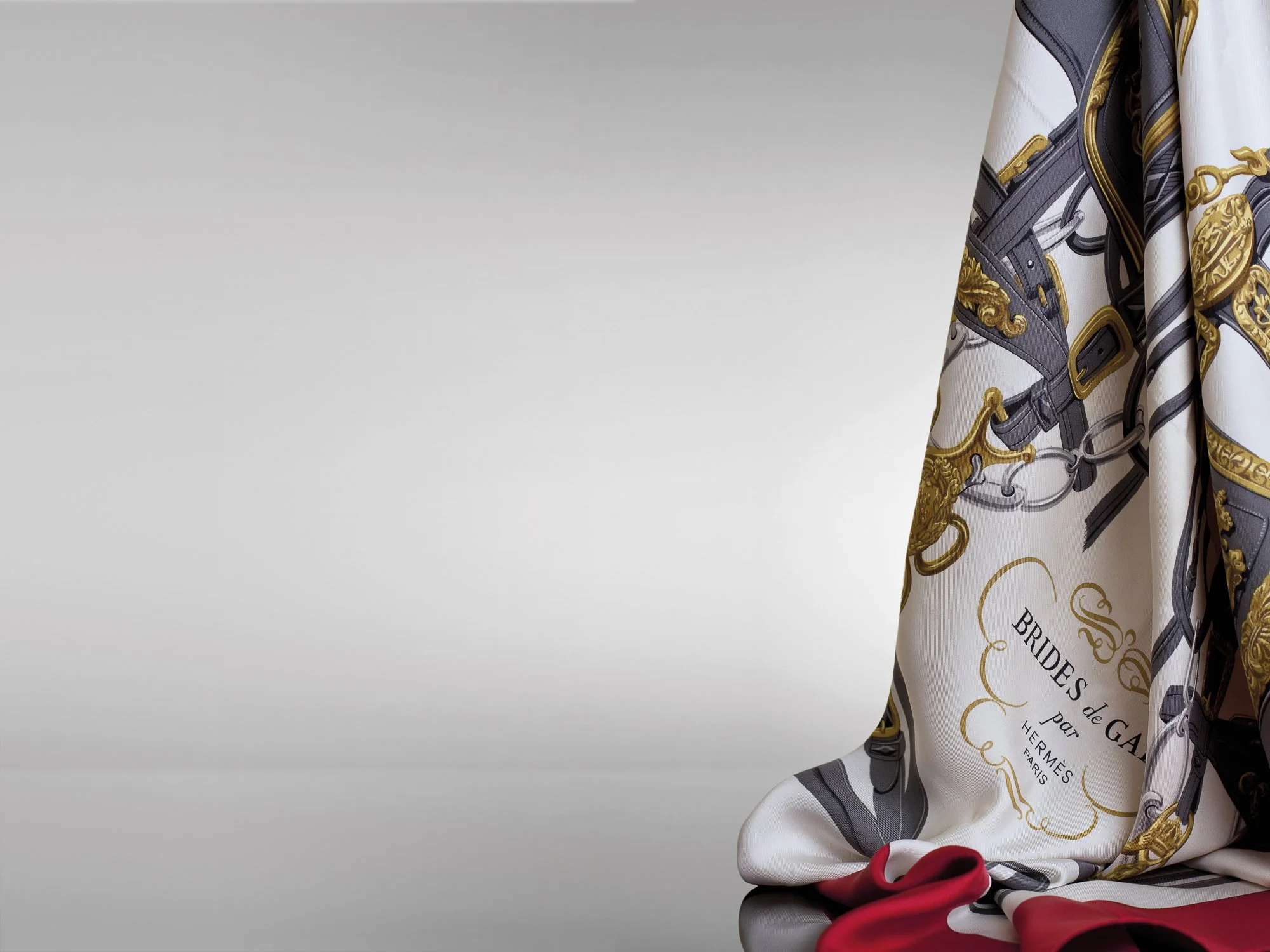
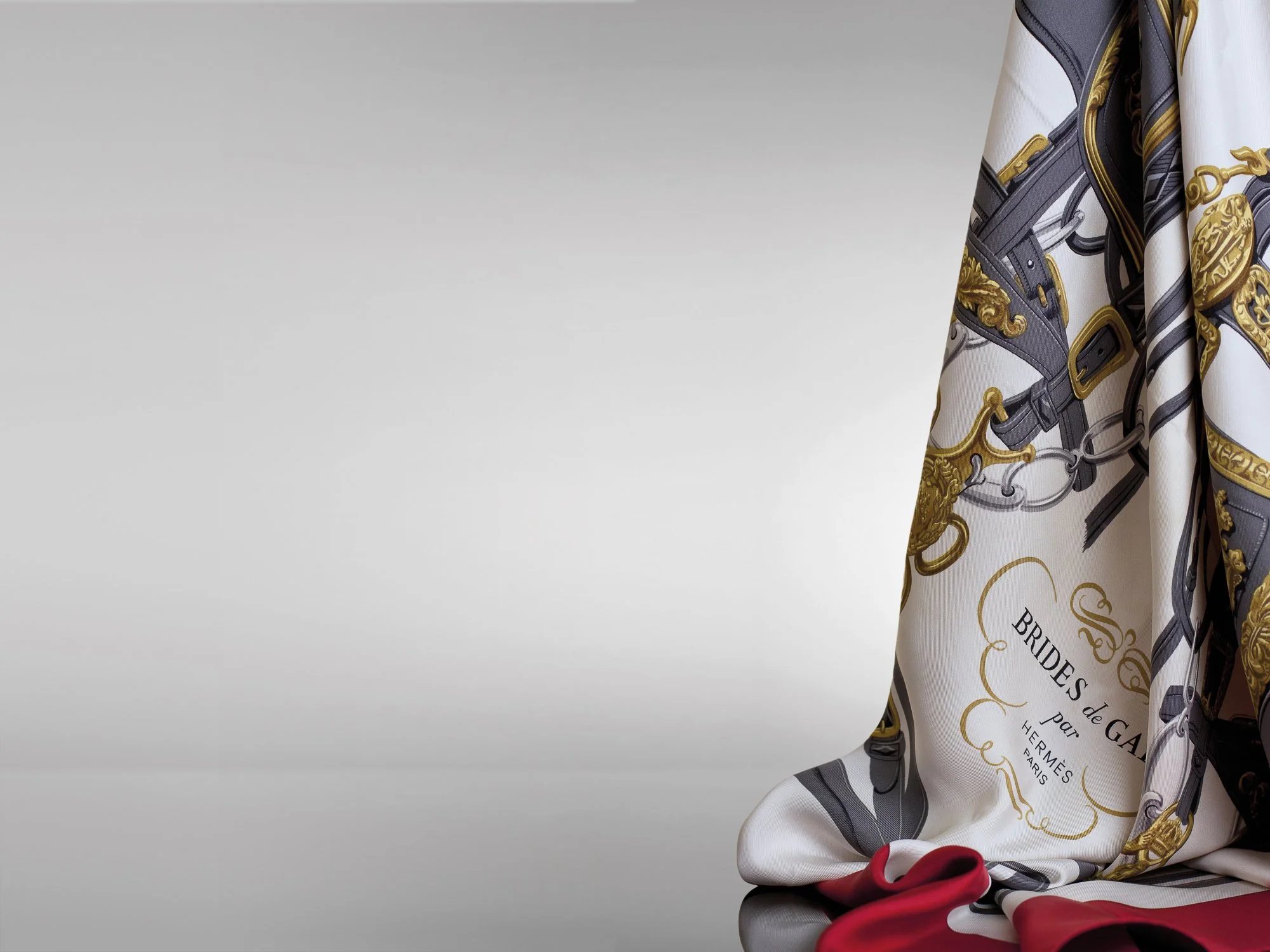
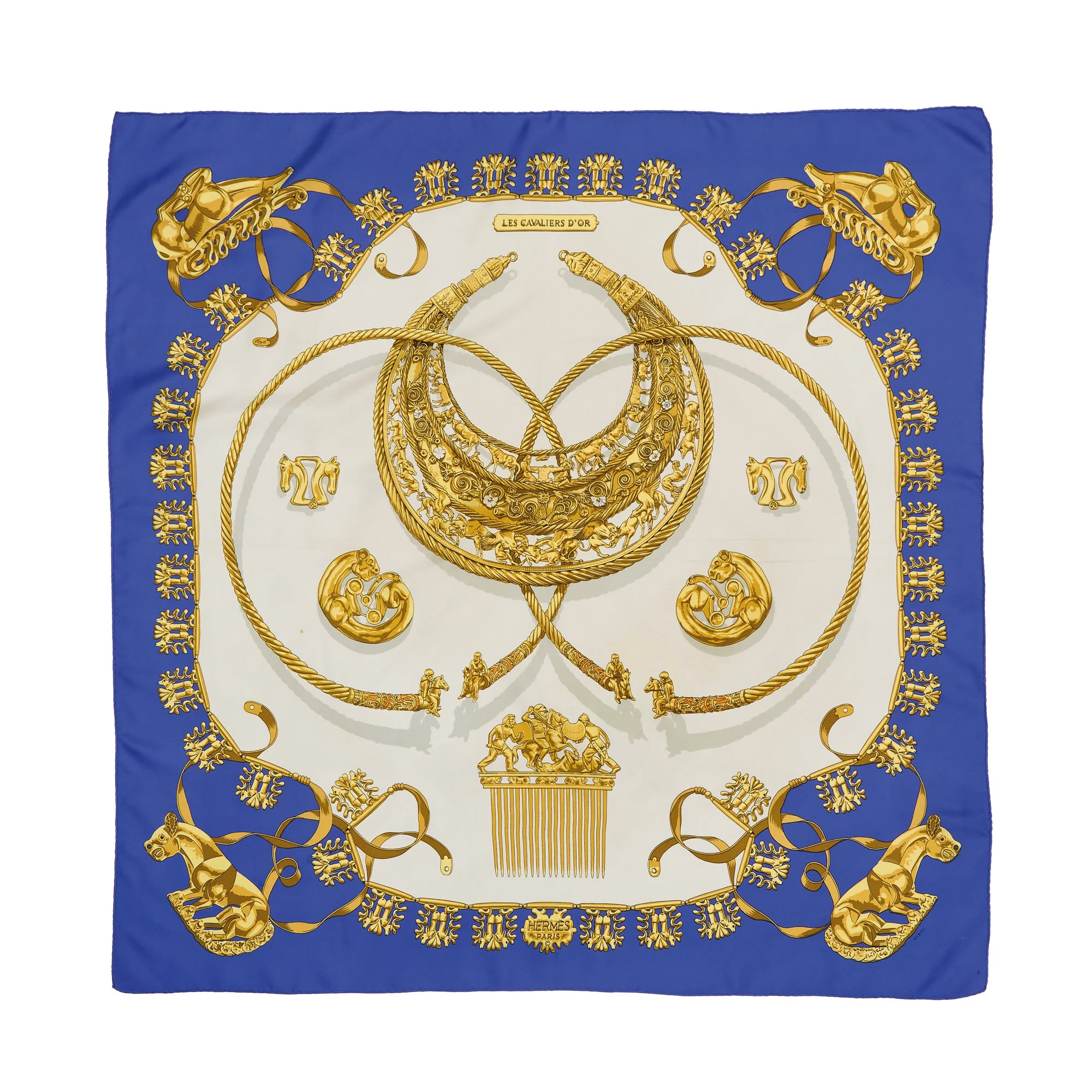
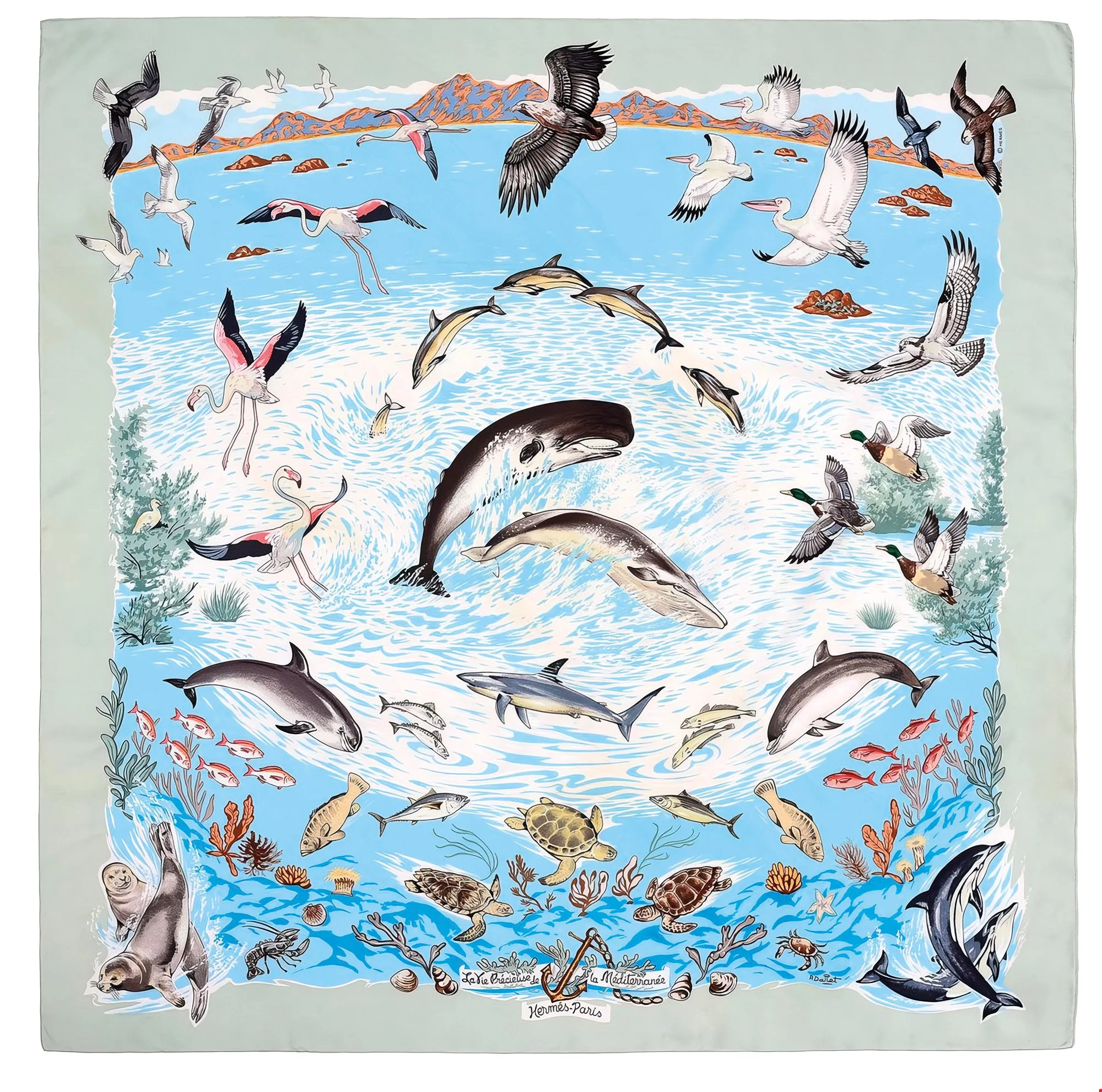
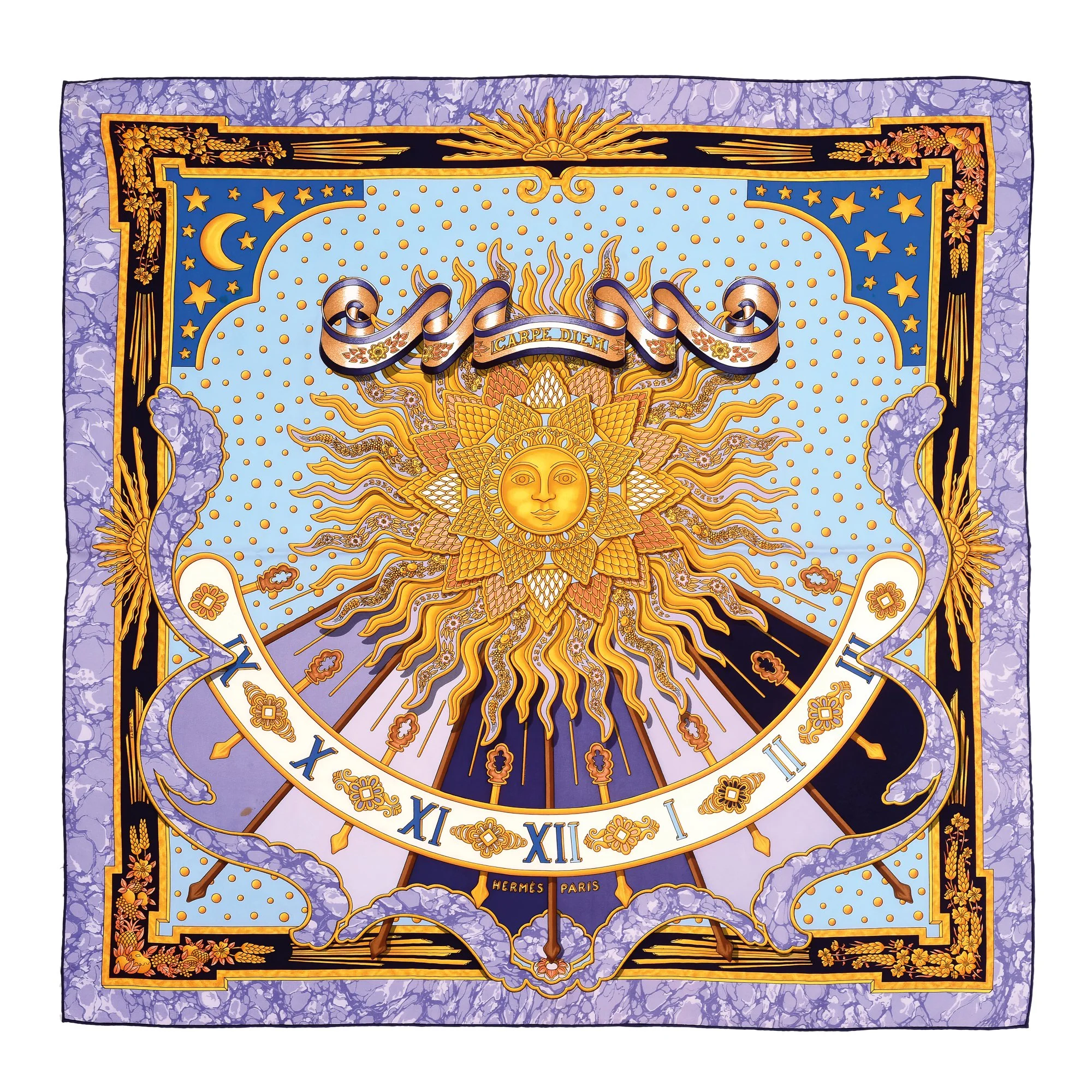
Vintage silk Hermès scarf (Fortgens Photography/Shutterstock.psd)
By PAGE Editor
“It’s as if the objects produced by the fashion house are indeed outside of time, as if they were designed and created to last forever. That ‘forever’ category also includes special objects which almost never belong to the world of fashion. The defining characteristic of fashion is time: it marks the rhythm of evolution through its cycles of variation and it offers those who follow it the security of being in the here and now, of being ‘modern’.”
— Mara Cappelletti
In an industry defined by constant reinvention, few brands have built their authority by resisting it. The idea of permanence—of objects designed not for seasons but for lifetimes—sits at the center of Hermès Philosophy, a forthcoming release from ACC Art Books that reframes Hermès not simply as a luxury house, but as a case study in sustainable design.
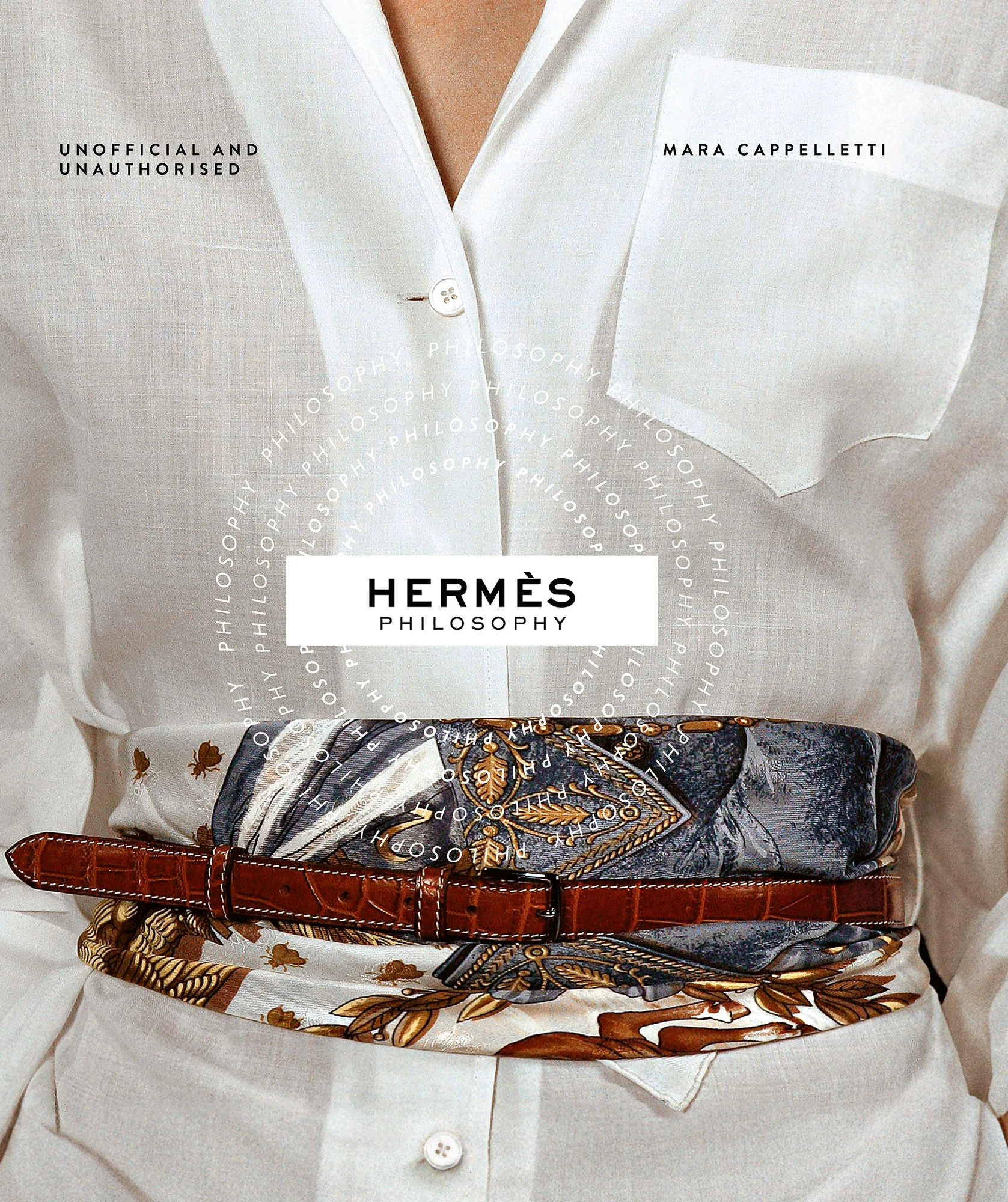
Cover: Hermès Philosophy, ACC Art Books, 2026
Long before sustainability became an industry mandate, Hermès embedded longevity into its core philosophy. The maison’s approach is less about trend-driven “conscious collections” and more about designing objects that resist obsolescence altogether—pieces intended to endure materially, culturally, and emotionally. In that sense, sustainability at Hermès is not a marketing layer; it is structural.
Available now, Hermès Philosophy offers an unusually intimate view inside one of fashion’s most coveted houses. Published last November by ACC Art Books, the volume brings together vintage advertisements, archival photography, and previously unpublished interviews to trace Hermès’ evolution from a 19th-century Paris workshop into a global luxury institution. The release also arrives ahead of the publisher’s forthcoming Chanel Philosophy, extending a series that examines the cultural values, creative foundations, and enduring influence of fashion’s most iconic maisons. Rather than positioning Hermès within the seasonal churn of fashion, the book advances a more enduring thesis: the house’s philosophy is rooted in permanence, craftsmanship, and objects designed to transcend fashion’s traditional timeline.
A Luxury Institution Built On Values
To understand Hermès today, the book begins with its foundation: a family-led vision that has remained remarkably intact for nearly two centuries.
Founded by Thierry Hermès, the house evolved from a harness workshop into a global symbol of refinement. What distinguishes that trajectory is not aggressive expansion, but disciplined continuity. The values established by the Hermès family—craftsmanship, restraint, and durability—continue to define its operations today.

From the 1998 A/W ready-to-wear collection designed by Martin Margiela for
Hermès (Photo by Giovanni Giannoni/Penske Media via Getty Images)
That consistency has translated into formidable brand equity. According to Interbrand, Hermès ranked 22nd on its 2024 Best Global Brands list, with a valuation of $37.4 billion, making it the second most valuable luxury brand globally behind Louis Vuitton.
Notably, Hermès has achieved this without the multi-brand scale of competitors like LVMH, Richemont, or Kering. Instead, it has expanded within a single brand universe—spanning leather goods, ready-to-wear, watches, jewelry, fragrances, and homeware—while maintaining a singular identity.
Sustainability Through Permanence
Where much of the industry now frames sustainability through materials innovation or circular initiatives, Hermès approaches it through time. Designing menswear for the brand for 37 years, recently stepping down, Véronique Nichanian, shares the sentiment of ‘quiet luxury’ within her designs, resisting trends while the Hermes staples consistently appear in collections.
Its products are designed to last—not just physically, but stylistically. This durability reduces the need for replacement, challenging the consumption cycles that define modern fashion. A Hermès object is not intended to be seasonal; it is intended to be inherited.
This philosophy aligns with broader intellectual traditions. Thinkers like Immanuel Kant and Georg Simmel explored modernity as a balance between change and continuity, while Roland Barthes interpreted fashion as a symbolic system shaped by social behavior. Hermès subverts that system by prioritizing stability over acceleration.
In doing so, the maison reframes luxury as a slower, more intentional practice—one that inherently supports sustainability by minimizing waste and maximizing longevity.
Craft As A Philosophy
At the center of this model is craftsmanship. Every Hermès object reflects a deliberate pace of production, where time is an essential ingredient rather than a constraint.
From material selection to hand-finishing, each step reinforces the idea that quality cannot be rushed. The result is a portfolio of pieces that resist the logic of disposability.
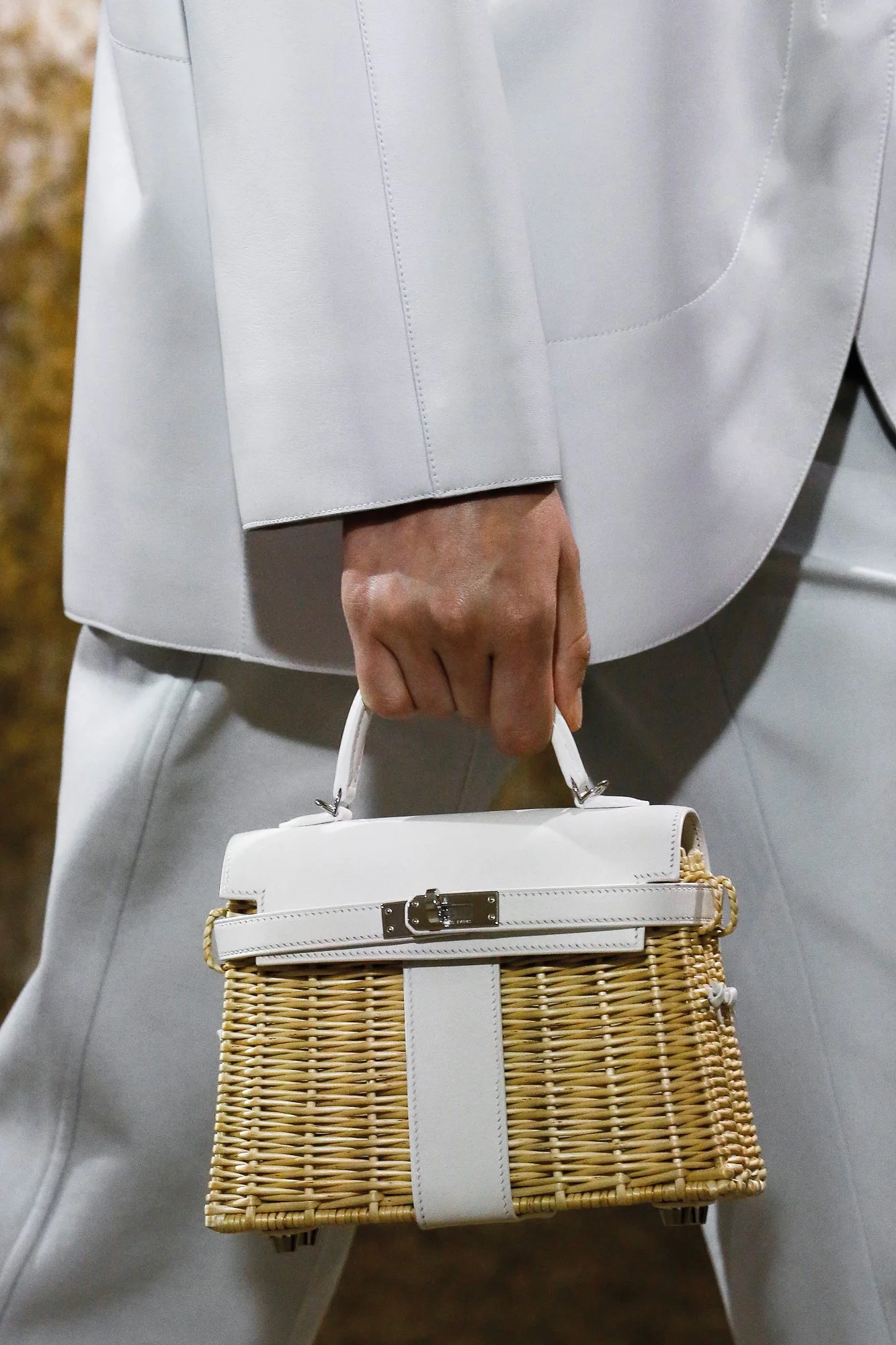
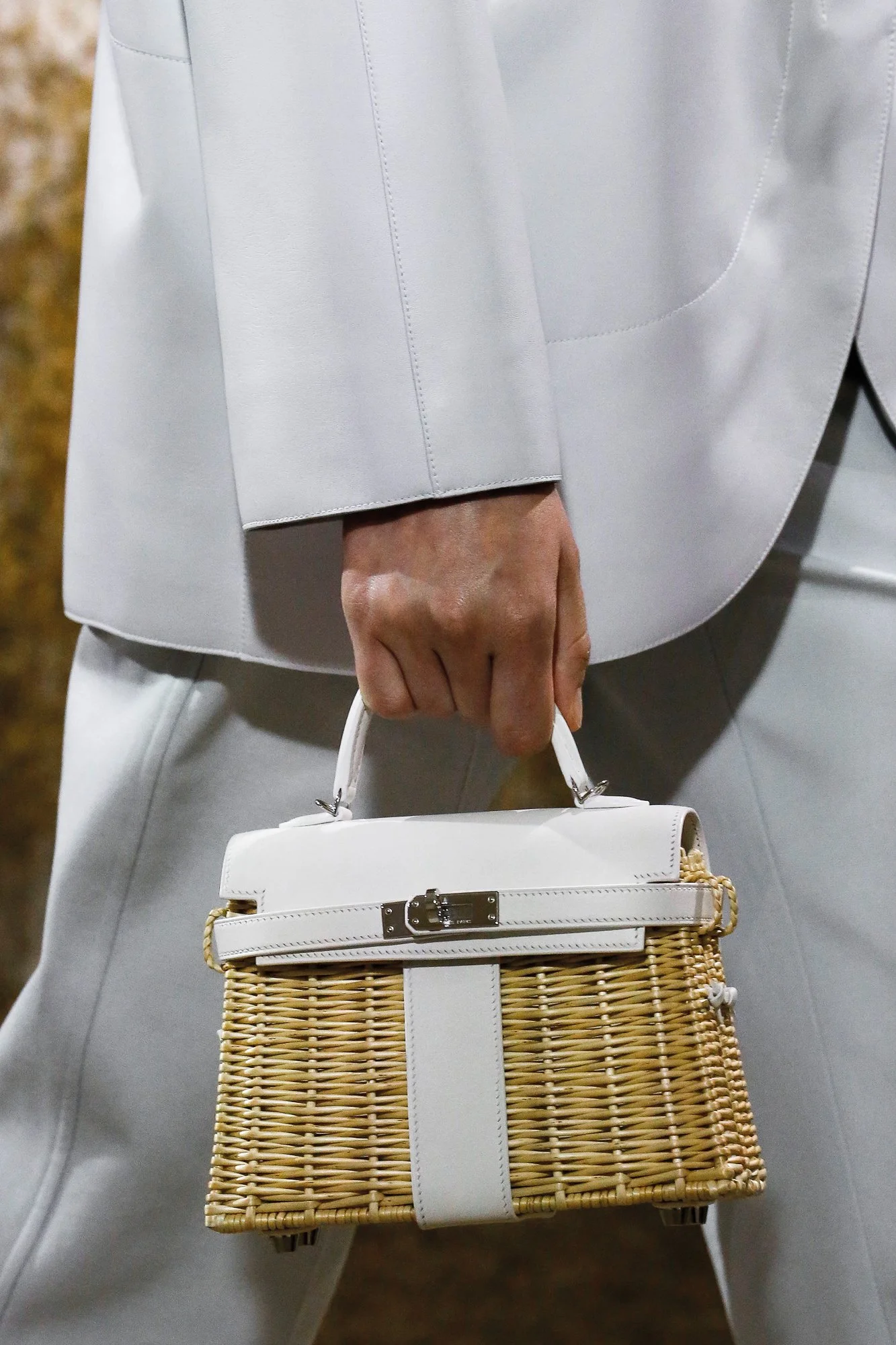
The Kelly Picnic bag is characterised by its osier wicker structure trimmed by
Swift leather (Photo by Pixelformula/Sipa/Shutterstock)
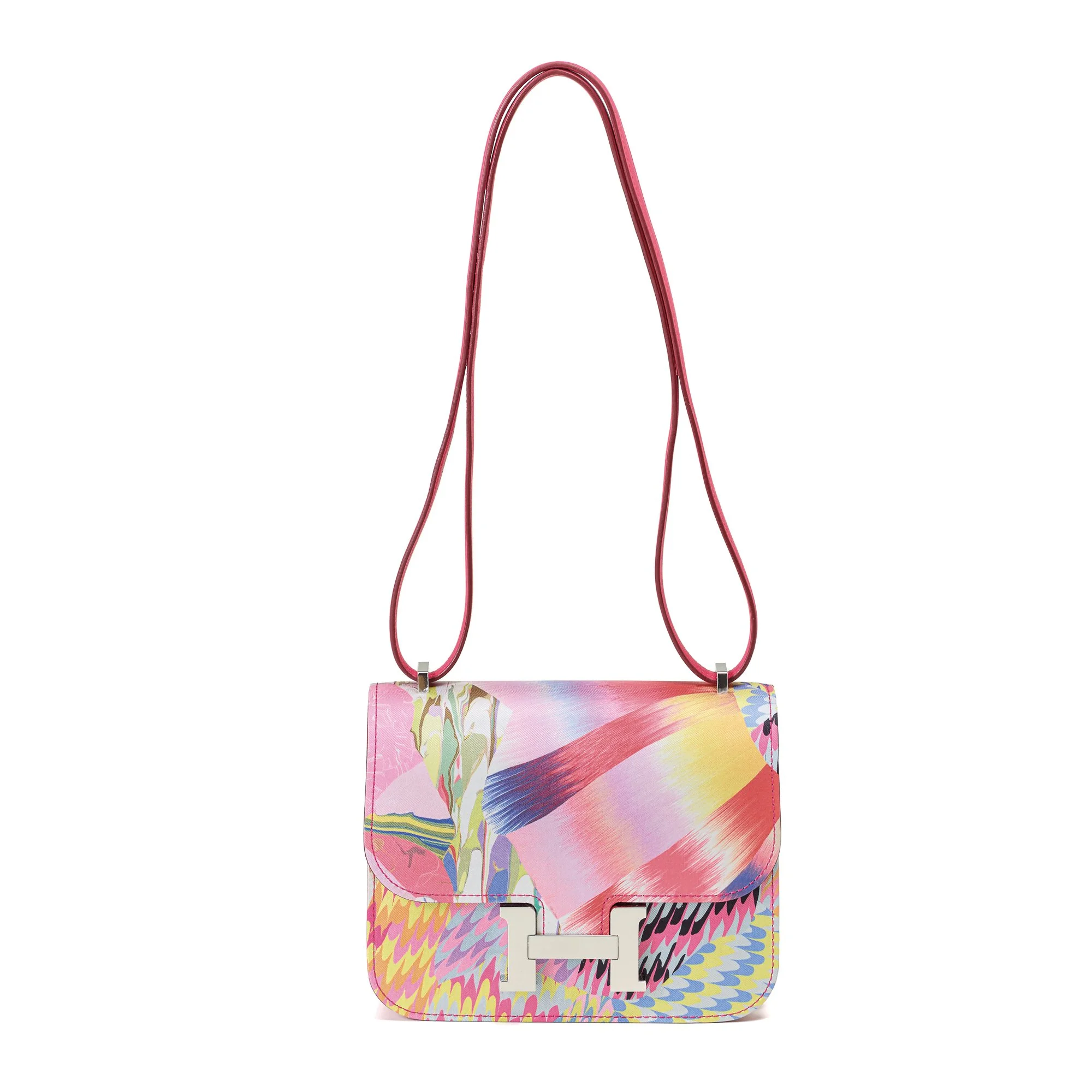
Icons such as the Birkin bag and the Kelly bag endure not because they constantly evolve, but because they rarely need to. Their design language—rooted in function, proportion, and material integrity—remains relevant across generations.
As Pierre-Alexis Dumas explains, the value of these objects lies in their human dimension: the connection between maker, material, and wearer.
Minimalism As Strategy
Hermès’ design philosophy is defined by restraint. Rather than chasing newness, the brand refines existing codes—creating continuity instead of disruption.
This minimalism is not aesthetic alone; it is strategic. By limiting unnecessary variation, Hermès reduces excess while strengthening identity. The result is a form of sustainability rooted in clarity: fewer, better objects that hold their relevance over time.
The Luxury Of Time
In today’s accelerated fashion economy, Hermès represents an alternative model—one where time is not compressed, but expanded.
A product may take months to create, yet it is designed to last decades. Over time, it accrues not only financial value but cultural and emotional significance, transforming from commodity to heirloom.
That is the core argument of Hermès Philosophy: that true luxury lies not in novelty, but in permanence. Or, more precisely, in the ability to design something that feels as relevant in the future as it does today.
Never trendy. Always in fashion.

HOW DO YOU FEEL ABOUT FASHION?
COMMENT OR TAKE OUR PAGE READER SURVEY
Featured


Telfar's SS2027 collection transforms the sample sale into a runway, using inside-out tailoring, manipulated materials, New York street references and a Brooklyn-to-Paris spectacle to question who gets to define fashion—and where it actually happens.