
Retro Trends That Keep Finding Their Way Back
PAGE
By PAGE Editor
A pair of platform sneakers. A slouchy cardigan. A pair of tinted sunglasses. Somewhere in a closet right now, an item once considered hopelessly dated is being restyled for a brand-new audience. Retro trends making a comeback isn't a coincidence or a clever marketing trick. Researchers have found that fashion genuinely moves in a rhythm of roughly 20 years. Styles fade out of favor, then resurface once nostalgia catches up to them. From Y2K eyewear to archival running shoes, the pattern shows up everywhere once you know what to look for. Understanding why old styles resurface makes it easier to spot what's coming next, instead of just reacting to it.

Styles from the past resurface once nostalgia catches up to them.
Why Are Retro Trends Making a Comeback Right Now?
Trends resurface because each generation reaches adulthood wanting to reclaim and reinterpret the styles of their own childhood. A twenty-something who grew up watching older siblings wear low-rise jeans or platform sandals now has the buying power to bring those looks back. The revival usually comes with a modern update. Social media accelerates the whole process. A single TikTok video styling an old silhouette can reach millions of viewers within days. That compresses years of gradual re-adoption into a matter of weeks. Brands notice this shift quickly and respond by digging into their own archives for inspiration.
How Is Y2K Fashion Reshaping Style Right Now?
Y2K style is currently the most visible example of vintage aesthetics returning to the mainstream. Slim rectangular sunglasses, tinted lenses, and oversized frames from the early 2000s have all found their way back into everyday wardrobes. A closer look at how Elklook Y2K glasses became popular again among women shows how a single accessory category can carry an entire era's aesthetic. It blends futuristic shapes with the confidence that defined early-2000s pop culture. Thrift stores and resale platforms have become a major source for these pieces. Original Y2K accessories are often cheaper and more distinctive than new reproductions.
Why Do the '80s Keep Finding Their Way Back Into Style?
The '80s occupy a strange place in fashion memory: loud, maximalist, and impossible to fully leave behind. Neon colors, oversized shoulders, and bold graphic prints keep resurfacing every few years, usually reframed as playful nostalgia rather than a straightforward revival. Part of the appeal comes from how much cultural material that decade produced. Anyone curious about the trends that made the '80s unforgettable will find a universe of fashion, music, and design still being remixed today, from shoulder pads on runways to synth-driven soundtracks in modern ad campaigns.
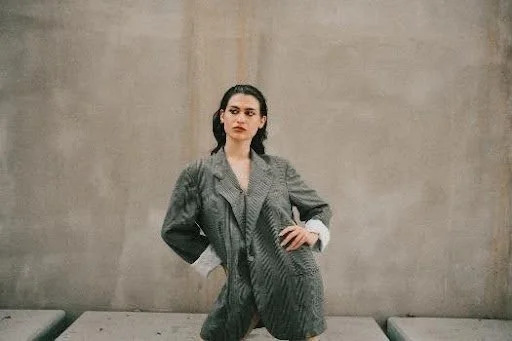
The '80s fashion is still popular.
Which Sneaker Eras Keep Resurfacing?
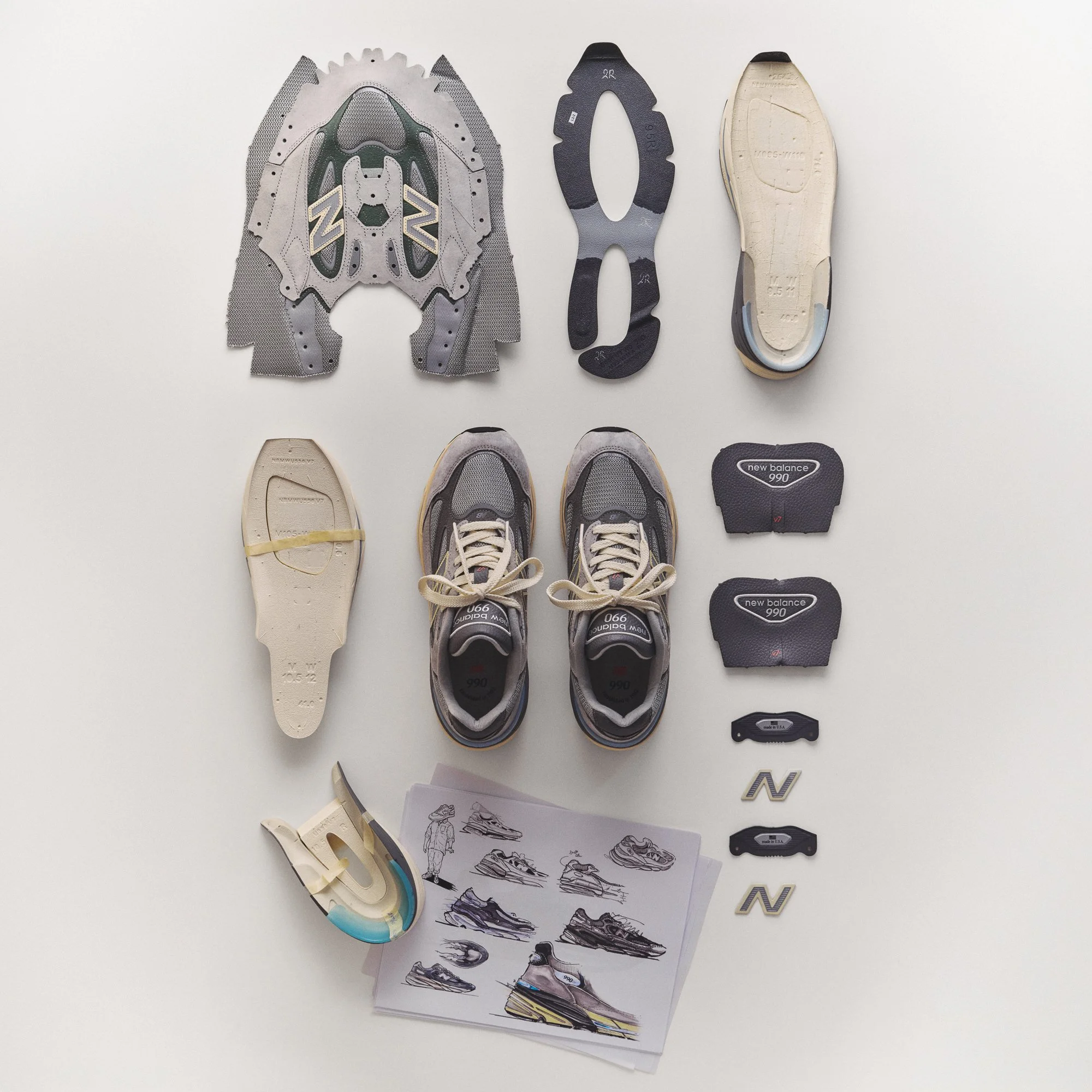
Footwear tells the story of fashion's cycles more clearly than almost any other category, since sneaker archives are extensive and heavily documented.
Early-2000s Archival Runners Are Back
Saucony revives the ProGrid Ride 1, turning an archival runner into a modern lifestyle statement nearly two decades after its debut. The reissue updates the cushioning while keeping the original mesh paneling and metallic overlays intact. The relaunch reflects a wider pattern: brands with genuine archives now treat old performance shoes as lifestyle pieces rather than pure athletic gear.
Early-2010s Maximalism Is Having a Moment
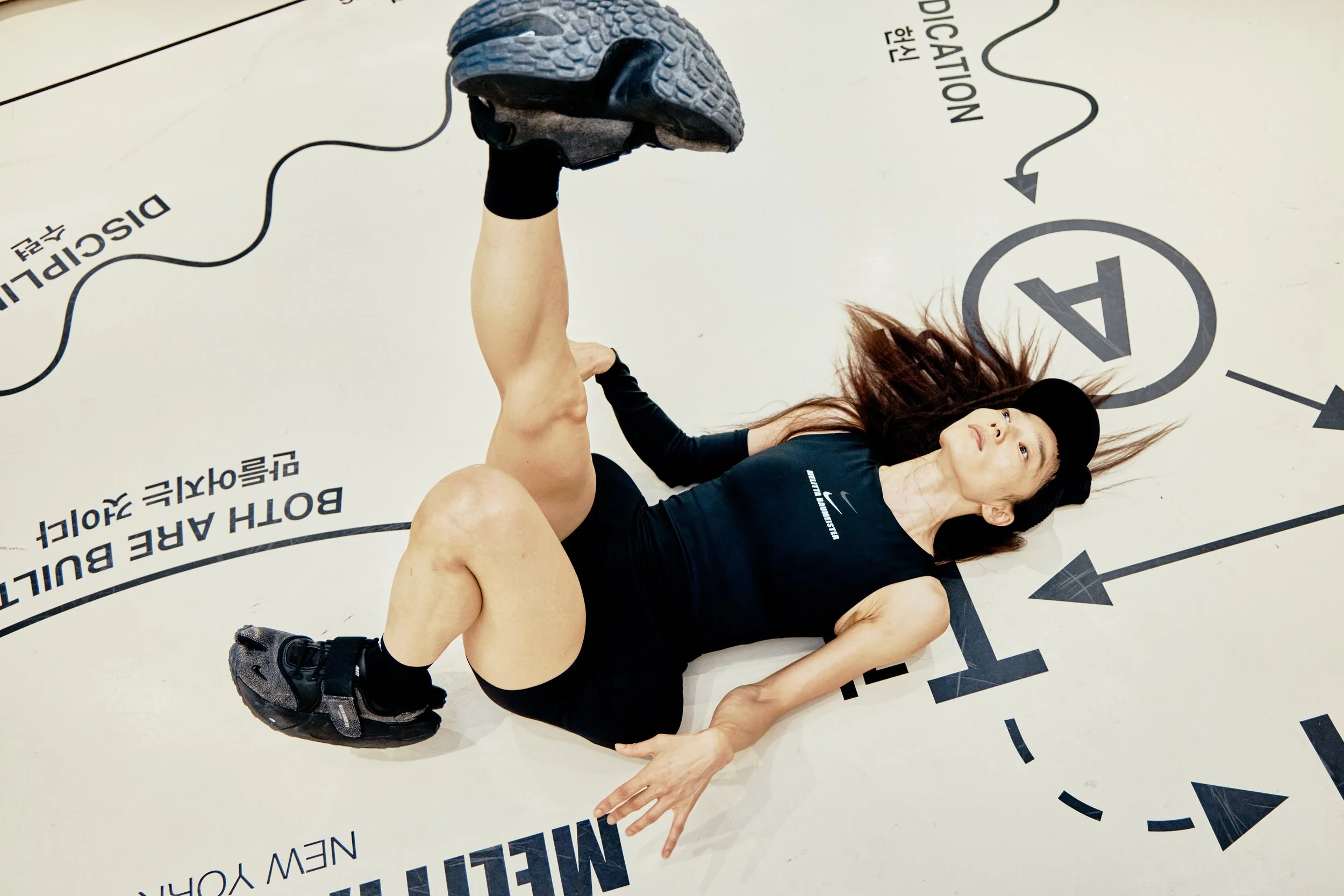
Skate-inspired sneakers from the early 2010s are also resurfacing, though with a very different attitude than their original release. Vans and Metagirl turn the Old Skool into a manifesto of radical femininity. The collaboration reworks the classic skate shoe with embellishment, gold hardware, and an unapologetically maximalist point of view. Rather than simply reprinting an old colorway, the collaboration extracts the emotional texture of an era and reframes it for a louder, more self-aware audience.
What Does the Science Say About Why Trends Repeat?
It turns out the "20-year rule" fashion insiders have cited for decades has real mathematical backing. Northwestern University's research on the 20-year fashion cycle analyzed nearly 37,000 images of clothing dating back to 1869. The team found that styles genuinely rise, fall, and return in a repeating rhythm. Researchers measured features like hemline, neckline, and waistline across more than a century of garments. They then built a model explaining the tension between wanting to stand out and wanting to fit in. That push and pull, more than any single trendsetter, is what keeps old styles cycling back into relevance.
How Can You Shop Retro Trends Without Adding to Landfill Waste?
Buying secondhand is the most sustainable way to participate in any revival. It keeps existing garments in circulation instead of requiring new ones to be made. The EPA's data on textile waste shows that Americans generated 17 million tons of textile waste in a recent year. Less than 15 percent of it was recycled. Choosing an original vintage piece over a newly manufactured "retro-inspired" reproduction avoids adding to that total. It also tends to cost less. Local thrift stores, consignment shops, and resale apps make it realistic to build an entire retro wardrobe without buying anything new.
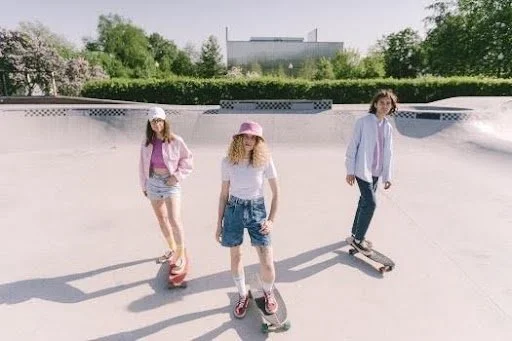
You can build an entire retro wardrobe without buying new clothes.
Some Styles Never Really Go Away
Fashion's habit of repeating itself isn't a flaw. It's practically the whole system working as designed. Retro trends making a comeback will keep happening as long as new generations keep discovering the aesthetics their parents once wore. Brands will keep mining their own archives for credibility, too. The next time an old trend feels suddenly everywhere again, it's worth checking a thrift rack before a fast-fashion checkout page. The original is usually still out there, waiting to be worn again.
HOW DO YOU FEEL ABOUT FASHION?
COMMENT OR TAKE OUR PAGE READER SURVEY
Featured

For years, buying glasses has meant choosing between two compromises: frames that look good but cost as much as a weekend away, or budget pairs that feel like an afterthought on your face.