
Sustainable Packaging for Beauty Brands: What to Ask Your Supplier
PAGE
By PAGE Editor
Sustainable packaging for beauty brands means the container's material, sourcing, and end-of-life all reduce environmental impact, not just the wording on the label. A jar printed with a green leaf and the word "eco" proves nothing on its own. What matters is the resin behind the plastic, the volume of recycled content inside it, and whether a customer's local facility can actually process it once the product runs out. Sustainable packaging gets decided in the sourcing call, long before it shows up on a label.
Key Takeaways
A sustainable packaging claim only holds up when it names a material and a percentage, not a vague word like "eco-friendly"
The FTC's Green Guides set a real bar for "recyclable" claims: 60 percent facility access, or the claim needs a qualifier
PCR and biodegradable materials solve different problems, so the right material depends on the container, not a blanket policy
A supplier willing to document PCR percentages and recyclability data is worth more than one relying on marketing language
Refillable systems make the most sense for repeat-purchase products like serums and moisturizers, not every container in a line
Building a Personal Care Packaging Partnership
For a small or growing beauty brand building out sustainable packaging in 2026, the supplier relationship matters as much as the material spec. A short set of questions to ask a packaging supplier about sustainability separates a real commitment from a marketing sheet:
Can they document the exact PCR percentage in writing, not just state it verbally
Can they confirm which containers meet current recyclability thresholds in the markets the brand sells into
Do they offer a refill-compatible version of the same container for a future product line
Packaging compliance for indie brands usually comes down to getting those three answers before a purchase order goes out, and a supplier willing to put them in writing is one worth building a personal care packaging partnership around long-term.
What's Trending in Cosmetic Packaging Right Now
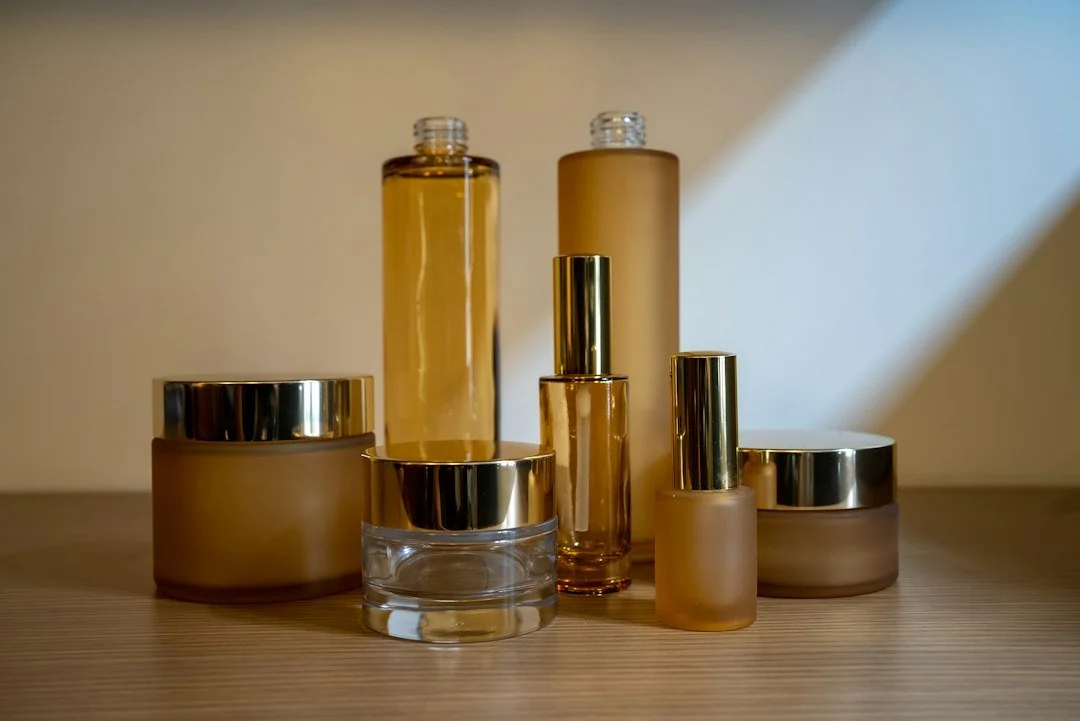
Material choice and shelf presentation tend to move together rather than as separate decisions. Brands weighing what's trending in cosmetic packaging right now are seeing the same pattern across serums, moisturizers, and treatment lines: cleaner labels, fewer layers of unnecessary secondary packaging, and a visible shift toward materials that carry a documented recycled-content percentage instead of a vague claim.
Premium Packaging Without the Glass Footprint
Glass still reads as premium, but it carries a heavier carbon cost in shipping and a higher breakage rate across a bulk order. Brands trying to keep that upscale feel without the weight penalty increasingly look at a premium look without glass, since a heavier-gauge jar can hold the same shelf presence with a lighter shipping footprint.
Recyclable Packaging and the 60 Percent Rule
Recyclable beauty packaging has a real regulatory bar behind it in the US. The FTC's Green Guides permit an unqualified "recyclable" claim only when recycling facilities are available to a substantial majority of the communities where a product sells, defined as 60 percent or more. Below that threshold, the claim needs a qualifier stating where and how it applies. A bottle can be molded from a fully recyclable resin and still fail this test if too few municipal programs accept it.
PCR vs. Biodegradable: Picking the Right Material
PCR packaging for cosmetics uses plastic that already had one life as a consumer product before it became resin again, keeping material in circulation instead of pulling more virgin plastic out of the ground. Biodegradable packaging works differently: it breaks down naturally over time instead of staying in the recycling stream. PCR PET tends to work better for a serum bottle that needs clarity and shelf stability. A compostable insert or secondary box can carry the biodegradable option instead, without touching the primary container.
What Is Greenwashing in Beauty Packaging?
Greenwashing in beauty packaging rarely looks like an outright lie. It shows up as a vague word doing the work a specific number should be doing. "Eco-friendly" and "green" carry no enforceable definition on their own, and industry publications covering the sustainability beat have flagged those exact words as functionally meaningless without a material and a percentage attached to them.
Eco-Friendly Claims in Beauty Packaging That Actually Hold Up
Eco-friendly packaging claims survive scrutiny when they name the material and the number. "Made from 30 percent post-consumer recycled PET" holds up. A generic "made with recycled materials" does not, since it leaves the percentage and the component both unstated. Keeping chain-of-custody documentation from a supplier, not just a verbal assurance, is what lets a brand defend the number later.
Refillable Systems for Skincare and Serums
Refillable packaging for skincare cuts material use at the source instead of managing it after disposal. A durable outer shell paired with a lower-cost refill pouch or cartridge means the customer keeps one premium container and only replaces the part that runs out. It works best on higher-frequency purchases like serums and moisturizers, where the repeat-buy pattern justifies the upfront tooling cost.
HOW DO YOU FEEL ABOUT FASHION?
COMMENT OR TAKE OUR PAGE READER SURVEY
Featured



PUMA and JIL SANDER expand their nearly three-decade creative partnership for Fall/Winter 2026 with their first collaborative apparel offering and refined Speedcat and Suede sneakers, reinterpreting sportswear icons through Simone Bellotti’s lens of understated luxury, craftsmanship, and contemporary leisure.