
The Best Itineraries Feel Spacious, Not Empty
PAGE
By PAGE Editor
Some of the most memorable trips do not feel packed. They feel breathable. You still do plenty, you still see what you came to see, but the pace leaves room for your own reactions. A view can land. A meal can stretch. A walk back to the hotel can become part of the story instead of dead time between reservations.
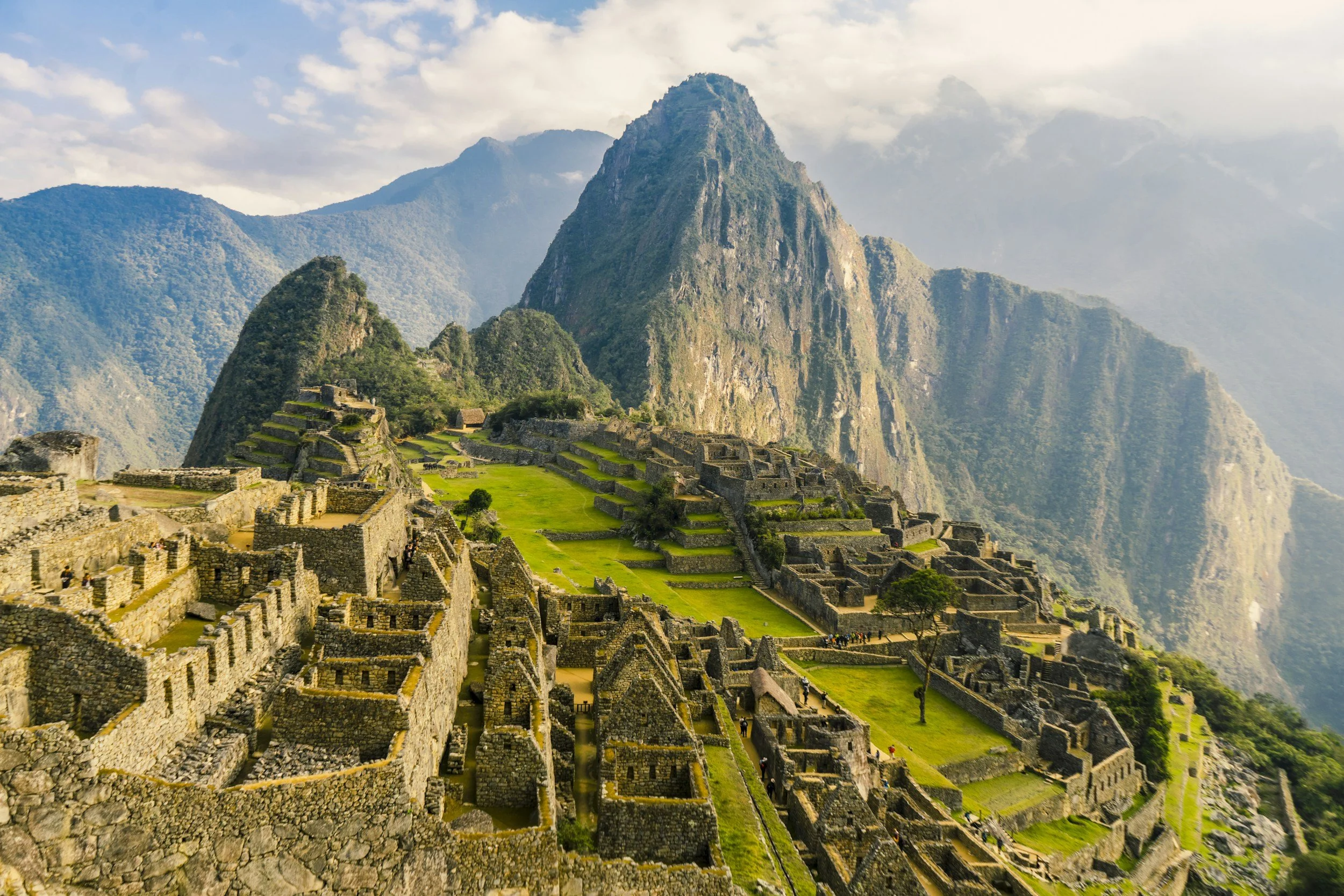
That matters even more in a place people tend to build up for years. When travelers start looking at Machu Picchu luxury tours, they often focus on what can be fit in. Trains, ruins, markets, hikes, museum stops, scenic lunches, early entries, late returns. The better question is what kind of attention the trip will make possible. A full calendar can look impressive on paper and still leave you oddly detached from the experience.
A spacious itinerary is not an empty one. It is a well edited one. It has shape, but it also has oxygen. Instead of trying to maximize motion, it maximizes presence. That shift sounds subtle, yet it changes almost everything about how a trip feels while you are living it and how it stays with you later.
Why spacious days feel richer
Many travelers assume satisfaction comes from volume. More landmarks, more tickets, more neighborhoods, more photos. But travel fatigue has a sneaky way of flattening even extraordinary places. By day three of overplanning, beauty starts to blur. You may still be moving through remarkable settings, but your mind is half occupied with logistics, timing, and what comes next.
A spacious itinerary works differently. It gives each day one or two clear anchors, then protects the time around them. That might mean a morning train and a guided site visit, followed by an open afternoon with no pressure to perform. It might mean dinner booked, but the hours before it left free for wandering, resting, or sitting somewhere beautiful long enough to actually notice it.
This approach also respects a simple truth. Human attention is limited. Awe needs room. Surprise needs room. Even conversation needs room. If every hour is assigned, the trip can start to feel like a task list in a gorgeous setting.
The secret is anchors, not endless options
The strongest itineraries are usually built around anchor moments. These are the experiences worth arranging carefully because timing, access, or guidance truly matter. Think of a sunrise departure, a private historical tour, a train journey through the Sacred Valley, or a special meal in a place you have been excited to try.
Once those anchors are set, the rest of the day should support them instead of competing with them. This is where many itineraries go wrong. Rather than allowing one major experience to define the day, they pile on extra stops simply because there is technically time. That extra museum, quick viewpoint, or shopping detour may not ruin the day, but it can dilute it.
A better rhythm leaves space before and after the anchor. Before, so you are not arriving flustered. After, so you can absorb what just happened. This is especially important in destinations where the setting itself carries emotional weight. Machu Picchu is not just a box to check. It is a place many people want to feel, not simply document.
White space has a purpose
White space in an itinerary is not laziness. It is a design choice. It creates flexibility when trains run late, weather shifts, or your energy changes. It also gives you access to the unscripted moments that often become favorites. The café you find because you were not rushing. The conversation with a guide that continues after the formal tour ends. The extra half hour at a viewpoint when the clouds finally open.
This kind of margin is especially useful in high elevation destinations, where pacing yourself can improve comfort and enjoyment. The Cleveland Clinic overview of altitude sickness explains that headache, nausea, fatigue, and dizziness can show up when your body is adjusting to thinner air. Even travelers who are otherwise fit can feel the effects, which makes an overstuffed plan feel harder than expected.
In other words, spacious planning is not just about taste. It can be practical. It allows the body and mind to keep up with the trip you imagined taking.
Luxury often shows up as calm
People usually talk about luxury in terms of upgrades. Better rooms, better transport, better service, better views. Those things matter, of course. But one of the clearest signs of a truly elevated trip is calm. You are not constantly negotiating the next step. You are not sprinting through breakfast. You are not wondering whether a delayed transfer will collapse the rest of the day.
That sense of ease often comes from restraint. Fewer transitions. Smarter sequencing. Enough support where it counts, and enough openness where it helps. Luxury, at its best, does not crowd your day. It protects your attention from being wasted on friction.
This is why spacious itineraries can feel more exclusive than busy ones. They allow for deeper enjoyment of what is already there. A beautiful lodge is more meaningful when you have time to enjoy the terrace. A talented guide is more valuable when the walk is not rushed. A scenic train feels more special when you are not treating it like a shuttle between two overloaded time slots.
Nature already gives the trip its shape
In destinations known for dramatic scenery, travelers do not always need to manufacture constant activity. The landscape is already doing a lot of the work. Light changes by the hour. Weather adds mood. Silence becomes part of the experience. The National Park Service notes that natural sounds and night skies can be restorative, which is a useful reminder that quiet itself can be an attraction, not an absence.
That is a helpful lens when planning iconic trips. Instead of asking how to fill every gap, ask what the place itself invites. Maybe the answer is a slower breakfast with a mountain view. Maybe it is an early night before an important excursion. Maybe it is doing less so that the major moments feel larger.
How to tell if your itinerary is too tight
A simple test is to look at each day and ask three questions. First, where is the anchor? Second, where is the recovery time? Third, where is the freedom?
If you cannot identify all three, the day may be too dense. Another sign is when every experience depends on perfect timing. Real travel rarely works that way. Delays happen. Energy dips. Sometimes the best decision is staying a little longer somewhere unexpectedly wonderful.
You should also notice whether the itinerary includes choices, not just commands. A spacious plan might say, “afternoon at leisure,” but that does not mean nothing is available. It means the traveler gets to decide whether the afternoon becomes a nap, a garden stroll, an extra cultural stop, or a long lunch.
The best trips leave room for you
At its core, a spacious itinerary recognizes that the traveler is not a machine moving between attractions. You are a person with senses, moods, curiosity, and limits. The point is not to prove how efficiently you can consume a destination. The point is to encounter it in a way that feels vivid and human.
That is why the best itineraries feel spacious, not empty. They are full of intention, just not clutter. They trust that one extraordinary morning can carry a day. They understand that pauses are part of the experience. And they leave enough room for the destination to do what it came to do, which is not simply impress you, but stay with you.
HOW DO YOU FEEL ABOUT FASHION?
COMMENT OR TAKE OUR PAGE READER SURVEY
Featured





Flyknit and leather sit at opposite ends of the handbag world, and buyers get pushed into picking a side too early. One sounds modern and light. The other sounds premium and safe.